Agartala

Agartala, India

Agartala

Tripura's capital, right next to the Bangladesh border: the white Ujjayanta Palace of the Manikya kings, the lake palace of Neermahal, temples and a gentle, Bengali-speaking city that is the North-East's closest neighbour to Dhaka.

Favourite places

  • Ujjayanta Palace (Tripura State Museum)

    Palace Compound, central Agartala

    The gleaming white palace of the Manikya kings, set behind lakes and gardens, now the State Museum with galleries on the history, peoples and crafts of Tripura and the North-East.

    Open in Google Maps (opens in a new tab)
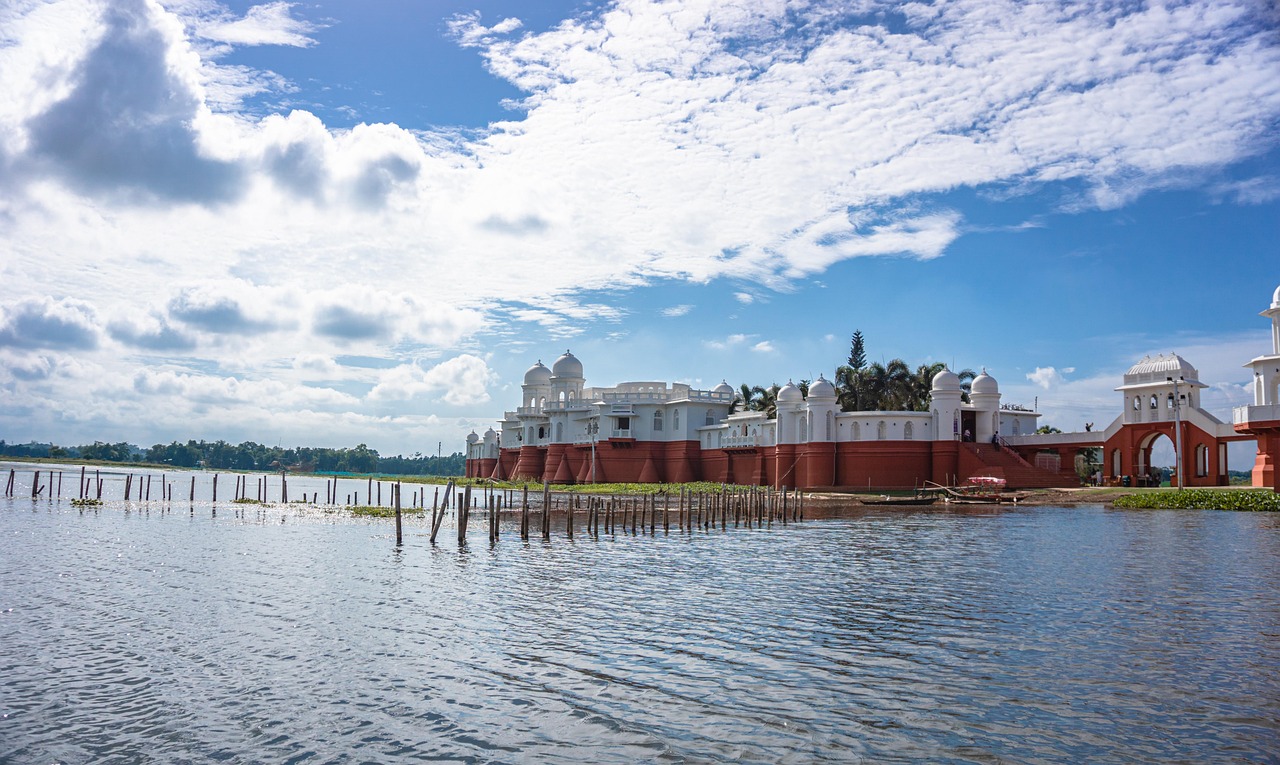
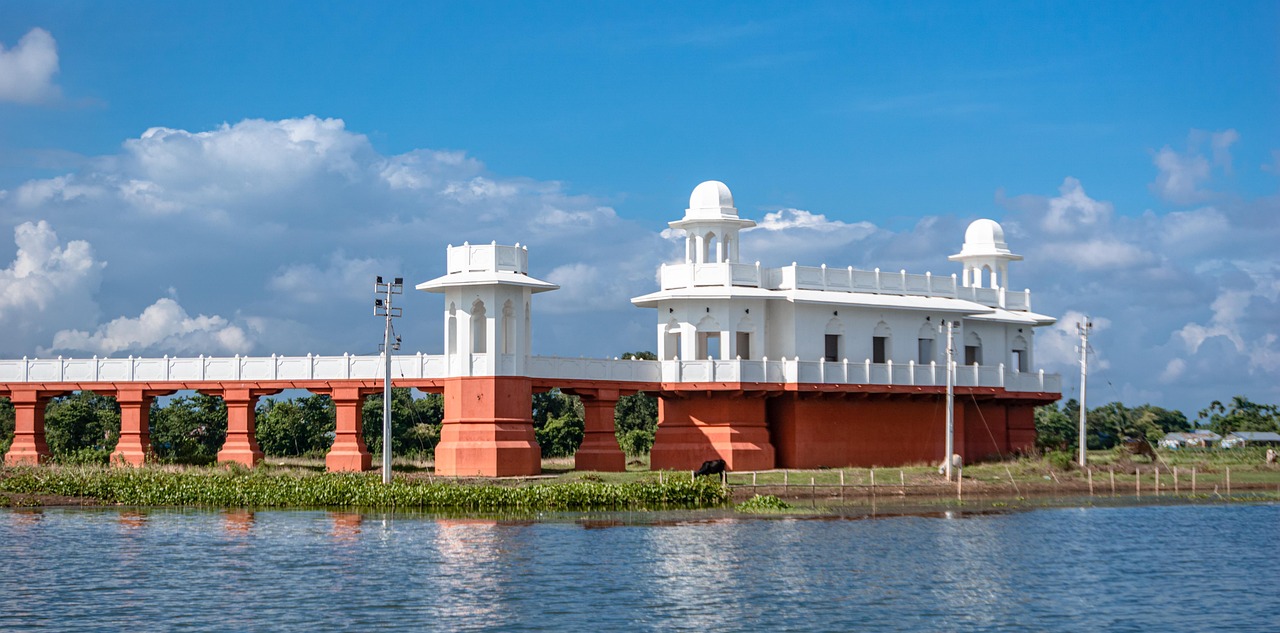
  • Neermahal

    Rudrasagar Lake, Melaghar, about 50 km south of Agartala

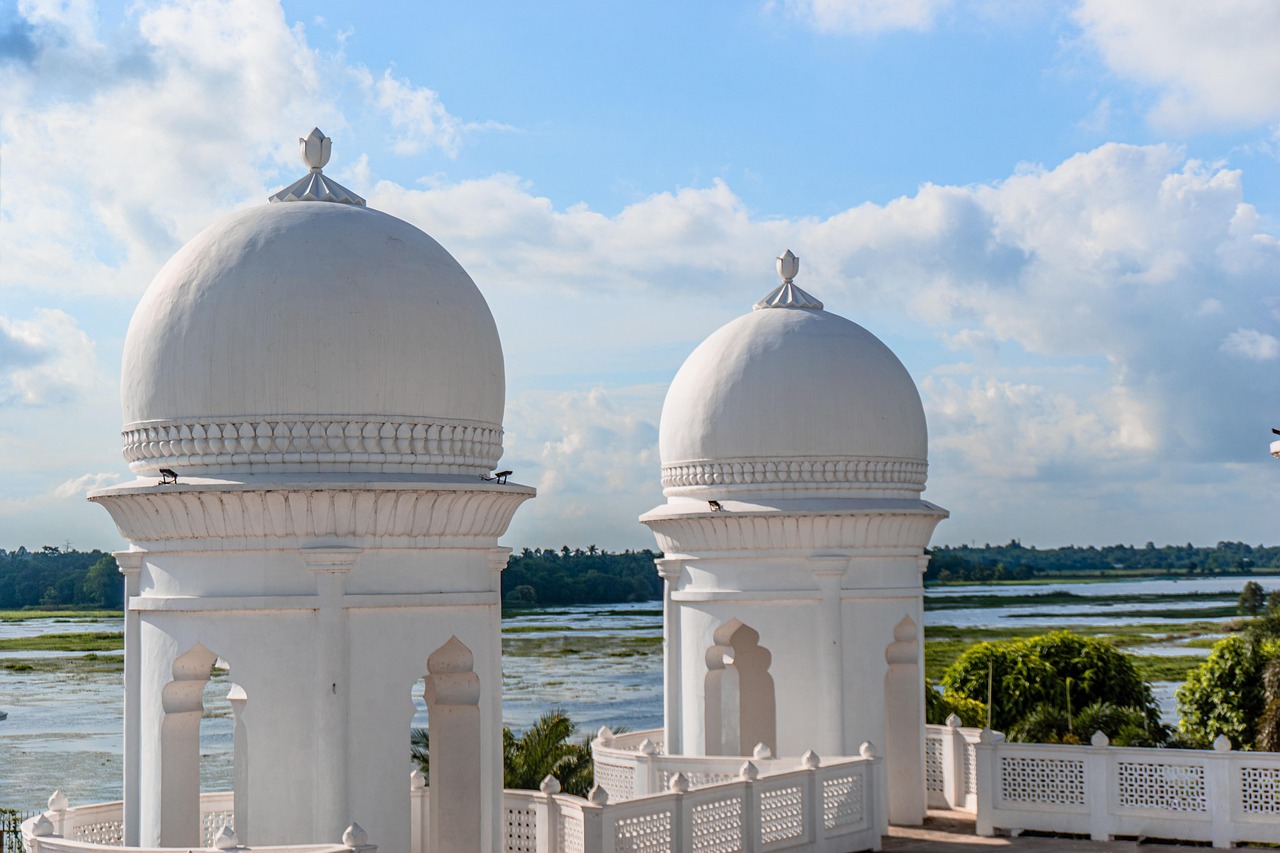
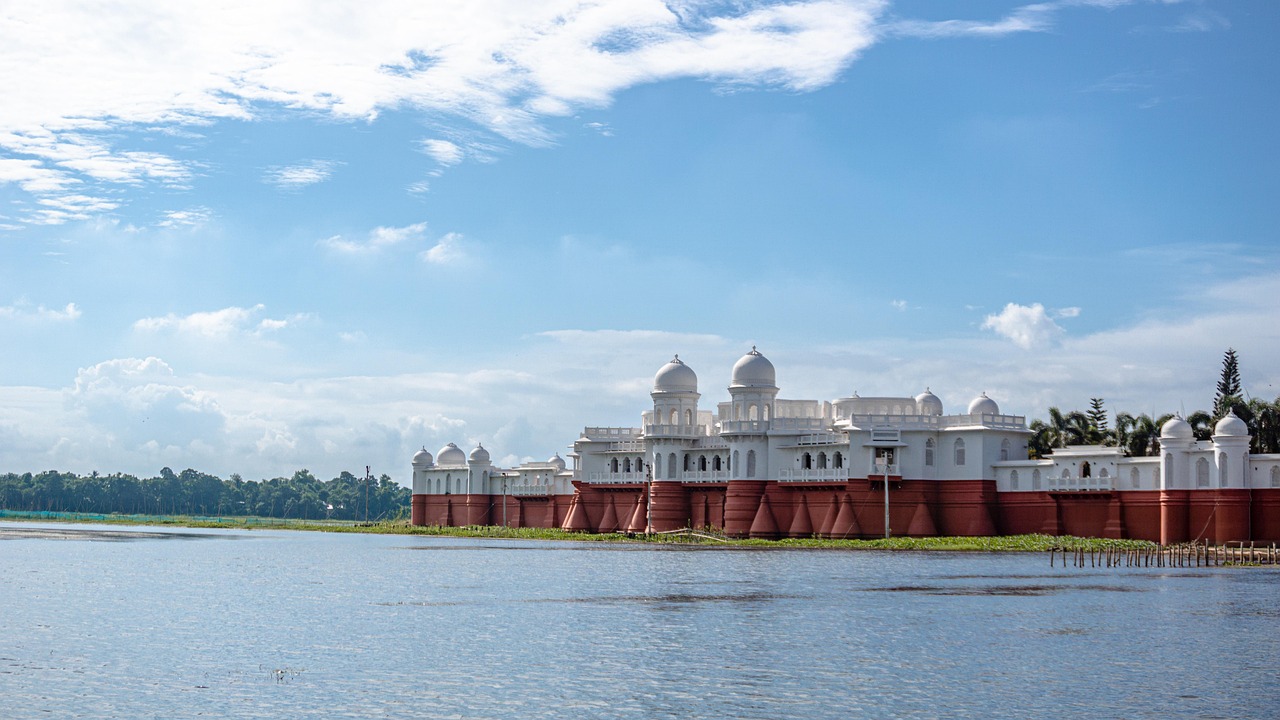
    A royal summer palace rising from the middle of Rudrasagar Lake, combining Hindu and Mughal styles, reached by boat. A sound-and-light show has been held in the evenings — check.Read more

    How to get there: By car via Bishalgarh to Melaghar, then a boat across the lake.

    Open in Google Maps (opens in a new tab)
  • Chaturdasha Devata Temple

    Old Agartala, about 14 km east

    The temple of the fourteen deities of the Tripuri royal family, focus of the Kharchi Puja festival in July.

    Open in Google Maps (opens in a new tab)
  • Sepahijala Wildlife Sanctuary

    Bishalgarh, about 25 km south

    Forest with a lake, botanical garden and a zoo, known for the spectacled monkey (Phayre's langur) and many birds.

    Open in Google Maps (opens in a new tab)
  • Akhaura border ceremony

    Akhaura–Agartala check post

    A daily flag-lowering ceremony at the border with Bangladesh has drawn visitors in the evenings. Check whether it is being held and the viewing rules.

    Open in Google Maps (opens in a new tab)

Historical places

Local food

  • Chakhwi

    Agartala, India

    A traditional Tripuri (Kokborok) stew of bamboo shoot, vegetables and pork or dried fish, thickened with rice paste and soda. The heart of a Tripuri feast; restaurants serving tribal food in Agartala often have it.

  • Berma and mosdeng serma

    Agartala, India

    Berma is Tripura's fermented dried fish, used to flavour many tribal dishes; mosdeng serma is a sharp, fresh chutney of roasted chilli, tomato and garlic, often with berma. Both are strong-flavoured and loved locally.

  • Bengali fish curry and rice

    Agartala, India

    Much of Agartala eats Bengali food: rice with dal, fried vegetables and fish curries such as rohu or hilsa in mustard sauce, followed by sweets like rasgulla and sandesh. Very close to the cooking of neighbouring Bangladesh.Read more
  • Tripura Queen pineapple

    Agartala, India

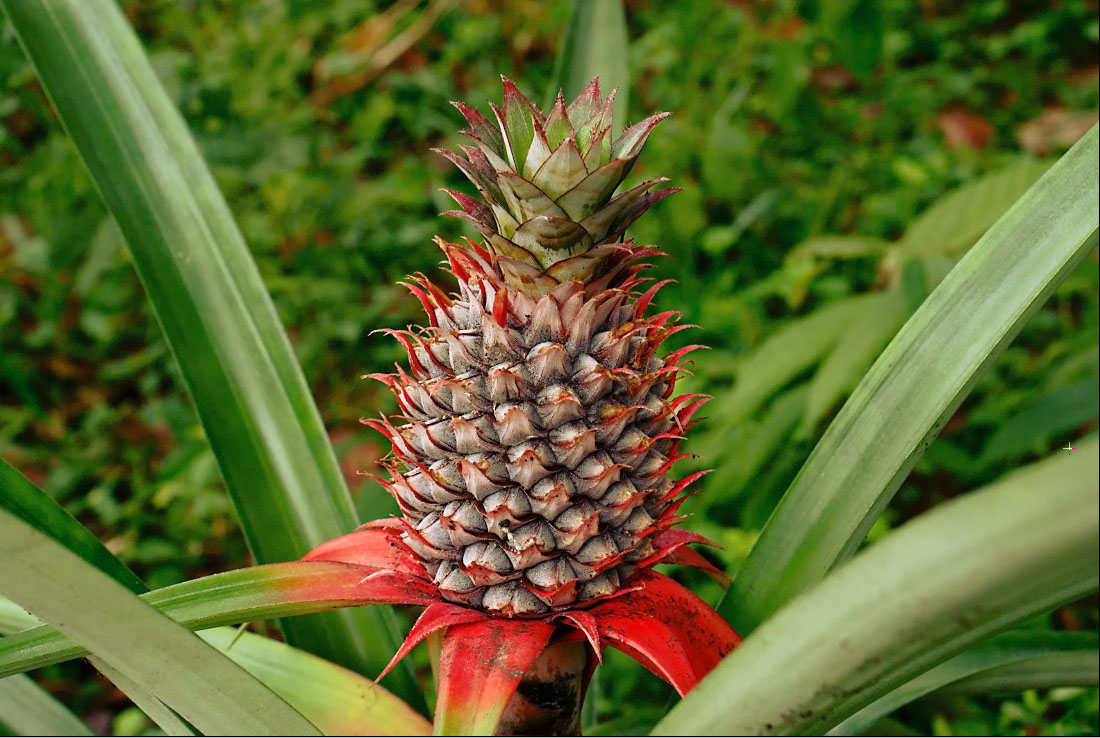
    Tripura's small, very sweet Queen pineapple, the state fruit, with a Geographical Indication tag. Sold by the roadside in season (roughly the monsoon months), eaten fresh with a pinch of salt and chilli.

Where to eat

Where to stay

Culture

Agartala is mainly Bengali-speaking, with strong Bengali traditions of literature, music and Durga Puja; around it live Tripura's indigenous peoples — Tripuri, Reang, Jamatia, Chakma and others — who speak Kokborok and other languages.

Major festivals include Durga Puja, Kharchi Puja (July, at the Chaturdasha Devata temple in Old Agartala, honouring fourteen deities), Ker Puja and Garia Puja of the Tripuri people. Tripura is known for bamboo and cane crafts and for the risa and rignai handwoven textiles.

History

Tripura was ruled for centuries by the Manikya dynasty, whose chronicle, the Rajmala, traces their line far back into legend. Their old capital was at Rangamati, today's Udaipur; in 1760 Maharaja Krishna Manikya moved it to Old Agartala, and in 1849 Maharaja Krishna Kishore Manikya shifted it again to the present city.

The kings were patrons of Bengali culture — Maharaja Bir Chandra Manikya and his successors were close to Rabindranath Tagore, who visited Tripura several times. Ujjayanta Palace was completed around 1901 under Maharaja Radha Kishore Manikya, and the lake palace of Neermahal in the 1930s under Bir Bikram Kishore Manikya.

Tripura joined India in 1949 and became a state in 1972. Partition in 1947 and the Bangladesh Liberation War of 1971 brought many refugees across the border, and the city has long and close ties with neighbouring Bangladesh.

Tour plans

Agartala and Neermahal

2 days, 1 night
  1. Step 1: Day 1 — Agartala

    Ujjayanta Palace and the State Museum, the palace temples, Heritage Park and an evening by the border.

  2. Step 2: Day 2 — South of the city

    Sepahijala Wildlife Sanctuary in the morning, then Neermahal by boat in the afternoon.

Tripura in four days

4 days, 3 nights
  1. Step 1: Day 1 — Agartala

    The palace, temples and markets.

  2. Step 2: Day 2 — Neermahal and Udaipur

    The lake palace, then the Tripura Sundari temple.

  3. Step 3: Day 3 — North to Unakoti

    The long drive north; rock carvings at Unakoti.

  4. Step 4: Day 4 — Back to Agartala

    Return by road or train.

Map

Open in Google Maps (opens in a new tab)

Travel information

Best time to visit

October to March, when it is dry and mild; Durga Puja (autumn) is a lively time. April to May is hot and humid, and the monsoon (June to September) brings heavy rain.

How to get there

By air: Maharaja Bir Bikram Airport, Agartala (IXA), north of the city, has flights from Kolkata, Guwahati, Delhi and other Indian cities.

By train: Agartala railway station, south of the centre, has trains from Guwahati, Kolkata and Delhi via the line through Assam.

By road: NH 8 connects Agartala with Assam through the hills — a long drive.

From Bangladesh: the Akhaura–Agartala land port and integrated check post is on the western edge of the city, a short ride from the centre, with Akhaura in Brahmanbaria district on the Bangladesh side; buses between Dhaka and Agartala have used this crossing. A cross-border railway link between Agartala and Akhaura has been built — check whether passenger trains run. Indian visas for Bangladeshi citizens have been restricted at times, so check current schedules, permits and visa rules before you travel.
Getting around

  • Auto-rickshaws and e-rickshaws (totos): the usual way to get around the flat, compact city.
  • Cycle rickshaws: still common for short trips in the centre.
  • Car with driver: best for Neermahal, Sepahijala and Udaipur in a day.
  • App cabs: availability varies — check on arrival.

Travel tips

  • Permits: Tripura does not require an Inner Line Permit for Indian visitors or a Protected Area Permit for foreigners at the time of writing — check current rules.
  • Border: the international border runs very close to the city; do not wander near the border fence, and cross only at the official check post.
  • Visas: foreign visitors need an Indian visa; many nationalities can use the Indian e-Visa. Bangladeshi citizens need a regular Indian visa, and visa services have been limited at times — check the current rules before planning.
  • Money: the currency is the Indian rupee (INR). ATMs are found in the state capitals and district towns, but carry cash for villages, homestays, shared taxis and markets; cards and UPI phone payments are accepted mainly in bigger shops and hotels.
  • Respect: dress modestly, ask before photographing people (especially in villages and at religious events), and take shoes off where others do. Many communities in the hills are Christian; churches welcome quiet visitors.
  • Sundays: in the Christian-majority hill states, shops, restaurants and transport can be very quiet on Sunday — plan travel days around it.
  • Roads: hill roads are slow and landslides are common in the monsoon (roughly June to September). Allow extra time, travel in daylight and check road conditions before long drives.
  • Time zone: India Standard Time, UTC+5:30. It gets dark early here — around 5 pm in winter — so start your days early.

All destinations