Ajmer

Ajmer, India

Ajmer

A historic city in the Aravalli hills, home to the Dargah of Khwaja Moinuddin Chishti — one of South Asia's most revered Sufi shrines — with Ana Sagar Lake, the Adhai Din ka Jhonpra mosque and Taragarh Fort, and the gateway to Pushkar.

Favourite places

  • Ajmer Sharif Dargah

    Old city, Dargah Bazaar

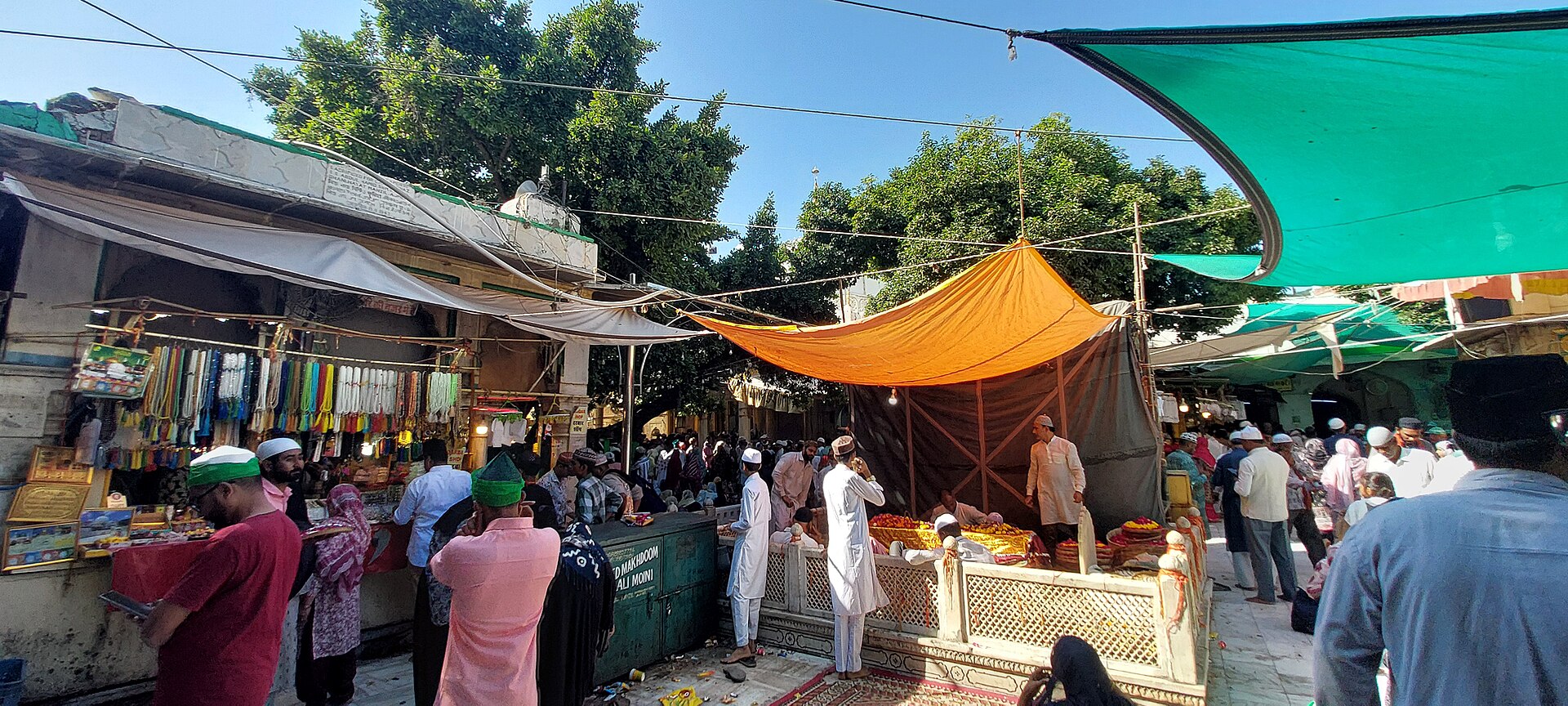
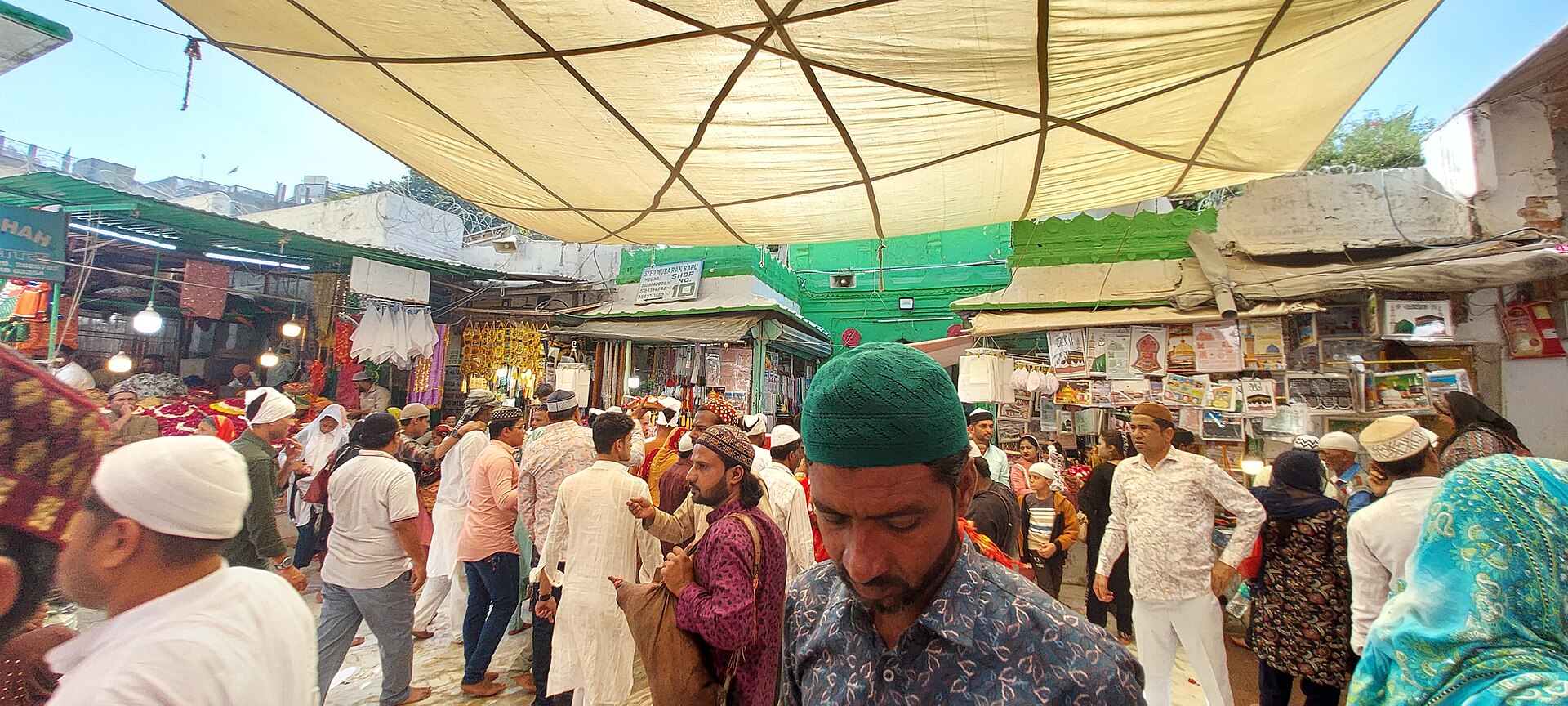
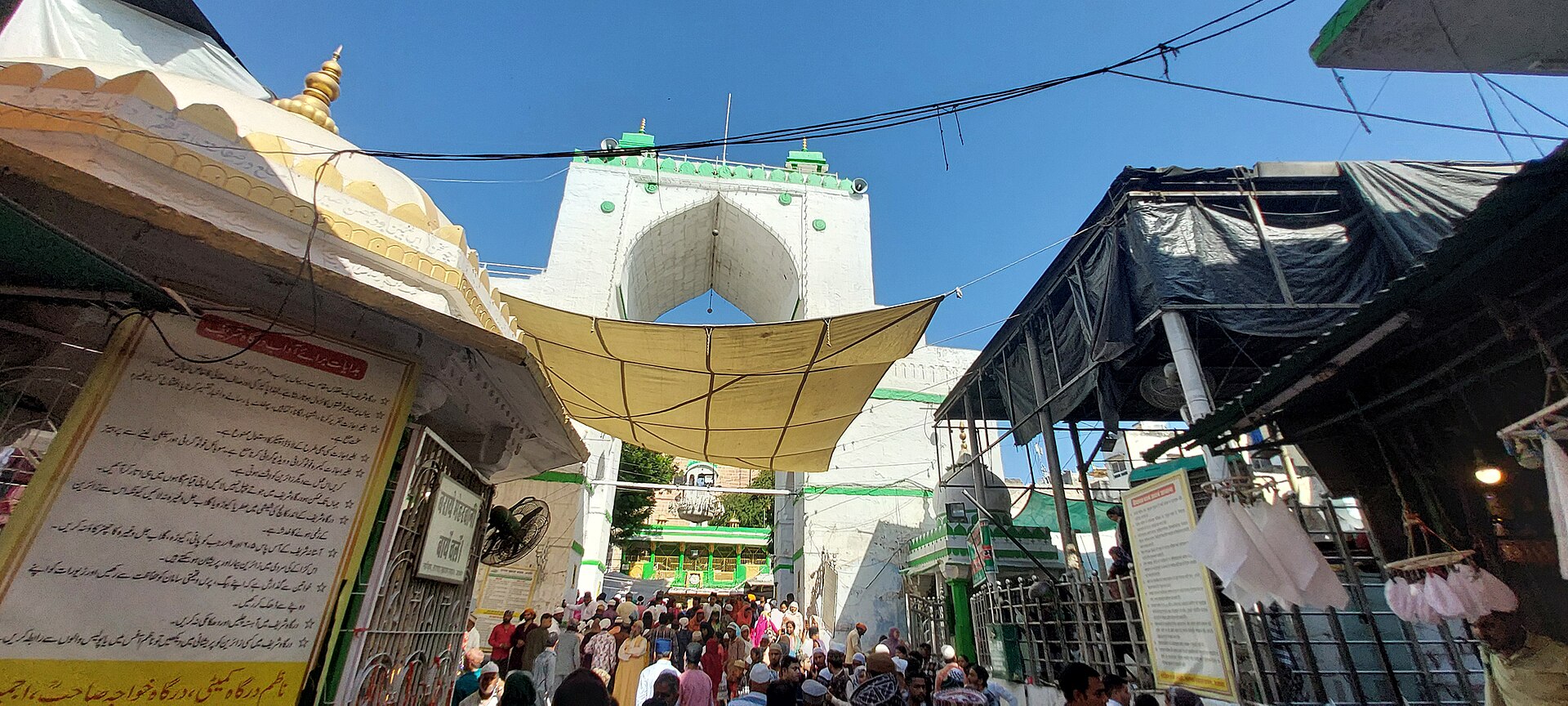
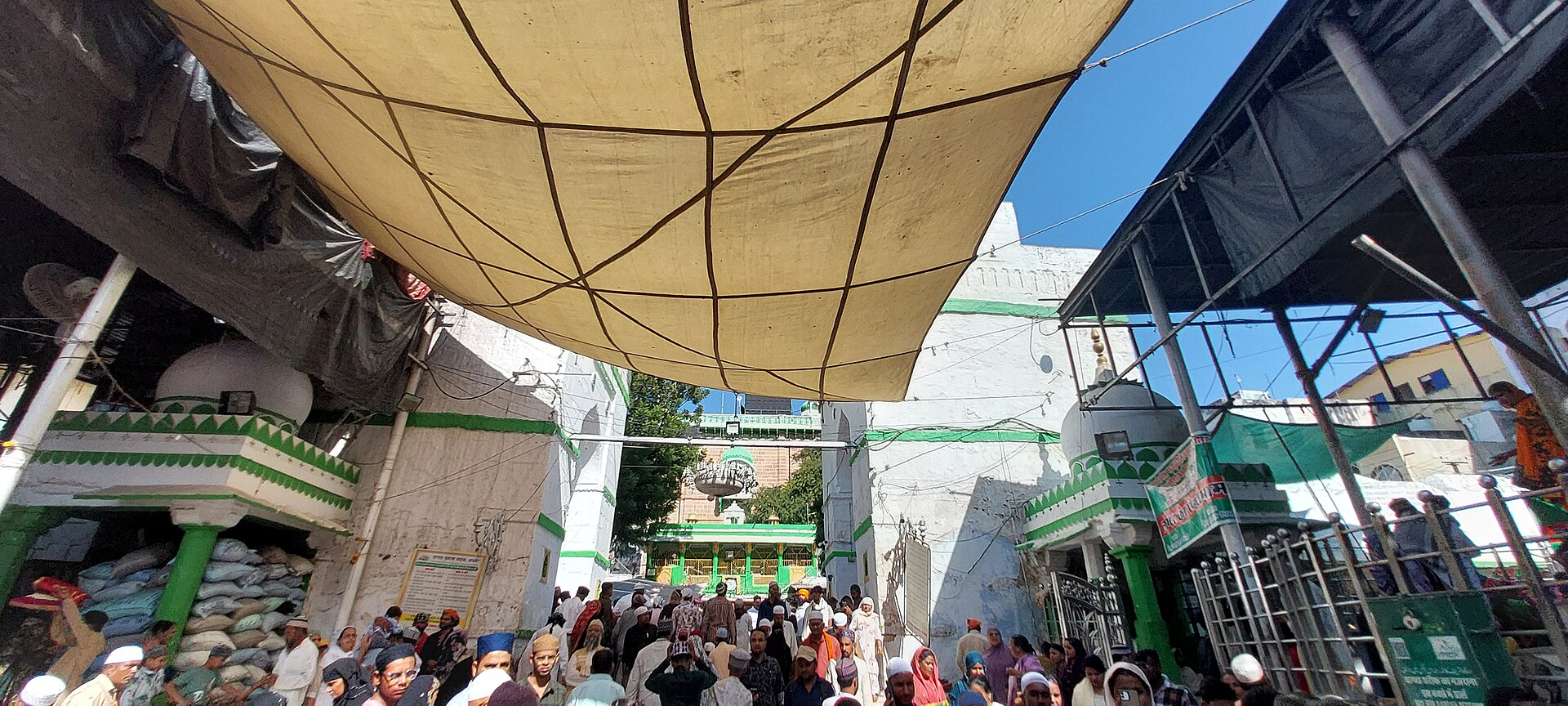
    The shrine of Khwaja Moinuddin Chishti, entered through the great Nizam Gate and Buland Darwaza. Inside are the domed tomb, the Akbari and Shahjahani mosques, the two huge degs used to cook food for pilgrims, and the courtyard where qawwali is sung.Read more

    How to get there: Auto-rickshaw to the edge of the old city, then walk through Dargah Bazaar.

    Open in Google Maps (opens in a new tab)
  • Adhai Din ka Jhonpra

    Just west of the Dargah

    One of the oldest mosques in India, built at the end of the 12th century using columns from earlier temples, with a fine screen of carved arches added soon after. Its name means "hut of two and a half days".Read more

    How to get there: A short walk uphill from the Dargah.

    Open in Google Maps (opens in a new tab)
  • Ana Sagar Lake

    North of the centre

    A 12th-century artificial lake with white marble pavilions (baradari) added by Shah Jahan on its embankment at Daulat Bagh. Good for an evening walk and boat rides.

    Open in Google Maps (opens in a new tab)
  • Soniji ki Nasiyan (Red Temple)

    Prithviraj Marg

    A 19th-century Jain temple whose hall holds a gilded wooden model of the Jain universe, with golden temples, cities and flying vessels. The hall is open to visitors; the shrine itself is for worshippers.

    Open in Google Maps (opens in a new tab)
  • Taragarh Fort

    Hilltop above the city

    One of the oldest hill forts in India, with ruined walls, a Sufi shrine (dargah of Miran Sahib) and wide views over Ajmer and the Aravallis.Read more

    How to get there: By taxi or jeep up the hill road.

    Open in Google Maps (opens in a new tab)

Historical places

  • Akbari Fort and Museum

    Naya Bazaar, city centre

    Akbar's 16th-century palace-fort, where Jahangir received Sir Thomas Roe, now a government museum of sculpture, arms and miniature paintings.

    Open in Google Maps (opens in a new tab)
  • Mayo College

    South-east of the centre

    A school founded in 1875 for the Rajput princes, with a white marble main building in the Indo-Saracenic style. A working school; view from outside unless visits are arranged.

    Open in Google Maps (opens in a new tab)

Local food

  • Sohan halwa

    Ajmer, India

    Ajmer's famous sweet: a dense, chewy halwa of wheat, milk, sugar and ghee, studded with dry fruit, sold in the bazaar around the Dargah and packed in tins to take home.

  • Pyaaz kachori and mirchi vada

    Ajmer, India

    The Rajasthani breakfast and tea-time snacks: flaky fried pastries filled with spiced onion, and large green chillies stuffed with potato, dipped in gram-flour batter and fried, served with tamarind and mint chutneys.

  • Dal baati churma

    Ajmer, India

    Rajasthan's signature meal: hard wheat dumplings (baati) baked over coals and drenched in ghee, served with a spicy mixed-lentil dal and churma, crumbled sweetened wheat fried in ghee. Filling, rich and made for the desert.Read more
  • Makhania lassi

    Ajmer, India

    A thick, sweet yoghurt drink, often flavoured with saffron and cardamom and topped with cream. Sold in clay cups across Rajasthan — a cooling stop on a hot day in the desert towns.

Where to eat

Where to stay

Culture

Ajmer is a city of shared devotion. Hindus, Muslims, Sikhs and others come to the Dargah to pray for blessings, tie threads on the jali screens and listen to qawwali, the devotional music of the Chishti order, sung in the courtyard. During the Urs, the anniversary of the saint's death, huge cauldrons (degs) of sweet rice are cooked and shared.

The city is also known for its Jain heritage, seen in the gilded Soniji ki Nasiyan, and for its schools. The bazaars around the Dargah sell rose petals, prayer caps, attar (perfume) and sohan halwa.

History

Ajmer was founded, by tradition in the 7th century, by the Chauhan dynasty, and became their capital under rulers such as Ajayaraja, from whom the name "Ajaymeru" is said to come. Ana Sagar Lake was built in the 12th century by Arnoraja, and the city flourished until Prithviraj Chauhan was defeated in 1192.

The Sufi saint Khwaja Moinuddin Chishti settled in Ajmer in the late 12th century and died here in 1236. His shrine, the Dargah Sharif, drew pilgrims of every faith, among them the Mughal emperor Akbar, who walked to it barefoot from Agra. The Mughals made Ajmer an important base; in 1616 Jahangir received the English ambassador Sir Thomas Roe here.

Under British rule Ajmer was a directly administered province in the middle of the princely states, and Mayo College (founded 1875) was built to educate the sons of Rajput rulers. Today Ajmer is a busy pilgrimage and education centre.
Tour plans

Ajmer in a day

1 day
  1. Step 1: Ajmer Sharif Dargah

    Go early in the morning, before the biggest crowds.

  2. Step 2: Adhai Din ka Jhonpra

    A short walk up from the Dargah.

  3. Step 3: Akbari Fort Museum and Soniji ki Nasiyan

    Mughal history and the golden Jain hall after lunch.

  4. Step 4: Ana Sagar at sunset

    A walk along the marble pavilions of Daulat Bagh, then on to Pushkar or back to the Dargah for evening qawwali.

Map

Open in Google Maps (opens in a new tab)

Travel information

Best time to visit

October to March for pleasant weather. The Urs of the saint (in the Islamic month of Rajab, dates move each year) draws very large crowds — book ahead or plan around it.

How to get there

By air: Jaipur International Airport (JAI), about 135 km away (around 2.5 hours by road), is the main airport. Kishangarh Airport, about 30 km from Ajmer, has a small number of domestic flights — check current schedules.

By train: Ajmer Junction is on the main line between Delhi, Jaipur and Ahmedabad, with fast trains including Shatabdi and Vande Bharat services from Delhi and Jaipur.

By road: Ajmer is on the highways from Jaipur and Delhi to Udaipur and Ahmedabad. Buses run frequently from Jaipur.

Getting around

  • On foot: the lanes leading to the Dargah are pedestrian and crowded; vehicles stop at the edge of the old city.
  • Auto-rickshaws: for Ana Sagar, Soniji ki Nasiyan and the station. Agree the fare first.
  • To Pushkar: about 14 km over Nag Pahar (the Snake Mountain); buses and shared jeeps leave from the bus stand, or take a taxi.
  • Taragarh Fort: a steep road up the hill — take a taxi or jeep.

Travel tips

  • Temples, mosques and dargahs: take your shoes off before entering (racks or shoe-keepers are at the door). Cover shoulders and knees; at dargahs and many mosques both men and women cover their heads — scarves are often sold or lent at the entrance. Leather, phones and cameras are banned in some temples. Ask before photographing people at prayer.
  • Visas: most visitors need a visa; many nationalities can apply for an Indian e-Visa online. Check the current rules for your passport before you travel.
  • Money: the currency is the Indian rupee (INR). Cards work in hotels and larger restaurants; most small shops use UPI phone payments, which foreign visitors may not be able to use, so carry cash for rickshaws, markets and street food.
  • Health: drink bottled or filtered water, eat food cooked fresh in front of you, and carry sun protection — the west of India is very hot from April to June.
  • Touts: be polite but firm with people who offer "free" guides, say a site is closed or steer you to a shop. Agree taxi and guide prices before setting off.
  • Time zone: India Standard Time, UTC+5:30, all year.
  • At the Dargah: cover your head (caps and scarves are sold in the bazaar), leave shoes at the stands outside and keep valuables close in the crowds. Bags may be checked. Many people offer flowers and a chadar (cloth) — buying is optional, and prices should be agreed first.
  • Khadims: the shrine's hereditary attendants may offer to guide you and ask for donations; give only what you wish.
  • Thursday evenings and Fridays are especially busy, with qawwali singing.

All destinations