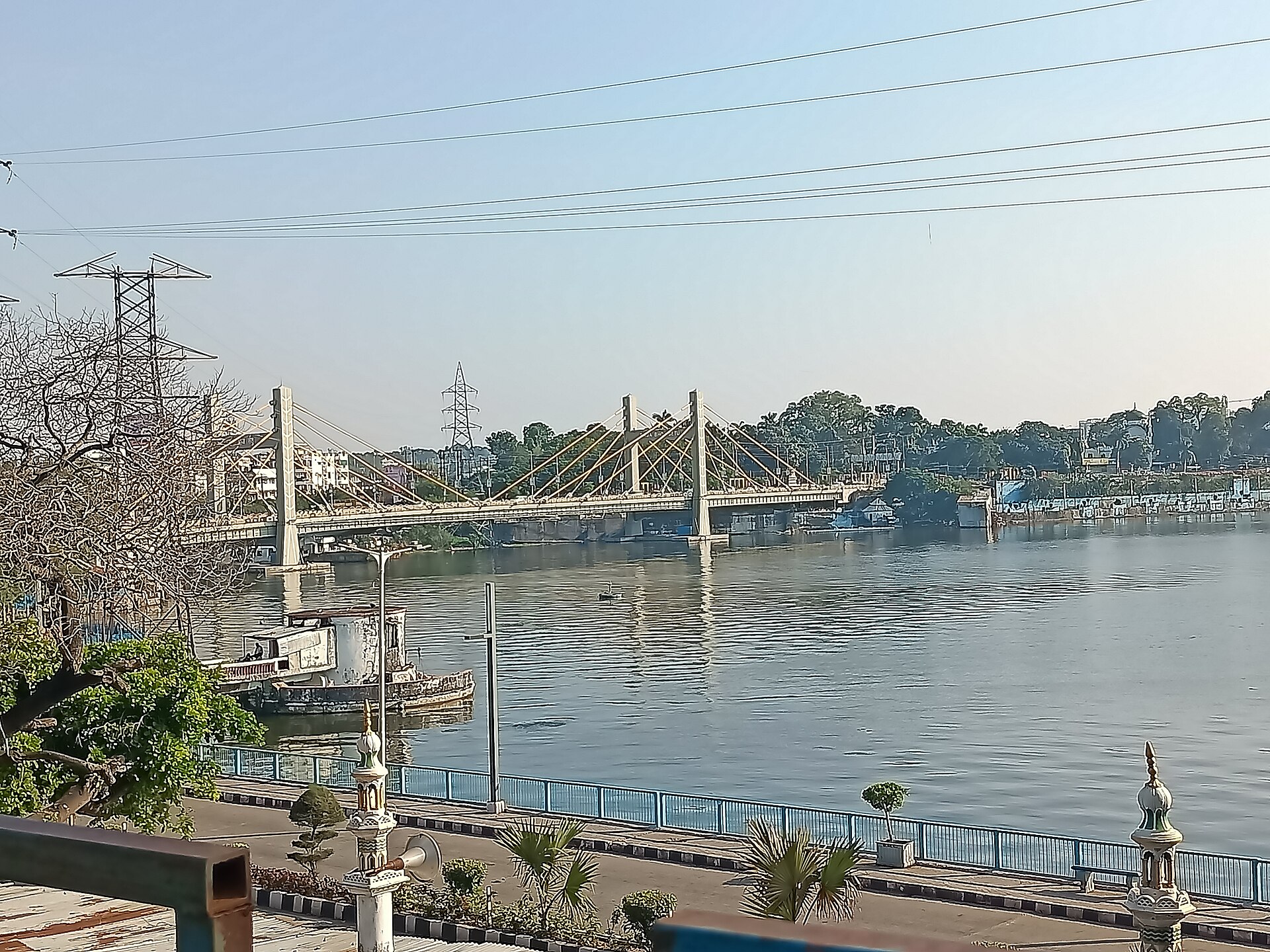
Bhopal's story is tied to water. The Upper Lake (Bhojtal) is traditionally credited to the Paramara king Raja Bhoj in the 11th century, who is said to have dammed the Kolans river; the city's name is often linked to him. His great unfinished Shiva temple stands at Bhojpur, south-east of the city.
The modern city was founded in the early 18th century by Dost Mohammad Khan, an Afghan soldier who built a fort and a state here. From 1819 to 1926 Bhopal was ruled, unusually, by a line of women — the Begums of Bhopal: Qudsia Begum, Sikandar Begum, Shah Jahan Begum and Sultan Jahan Begum. They built the Taj-ul-Masajid, Gohar Mahal, Moti Masjid and much of the old city, and are remembered for schools, railways and public works.
After Independence Bhopal became the capital of the new state of Madhya Pradesh in 1956. In December 1984 a gas leak at the Union Carbide pesticide plant killed thousands of people, one of the world's worst industrial disasters; it is remembered every year, and its effects are still felt in the neighbourhoods near the old factory.
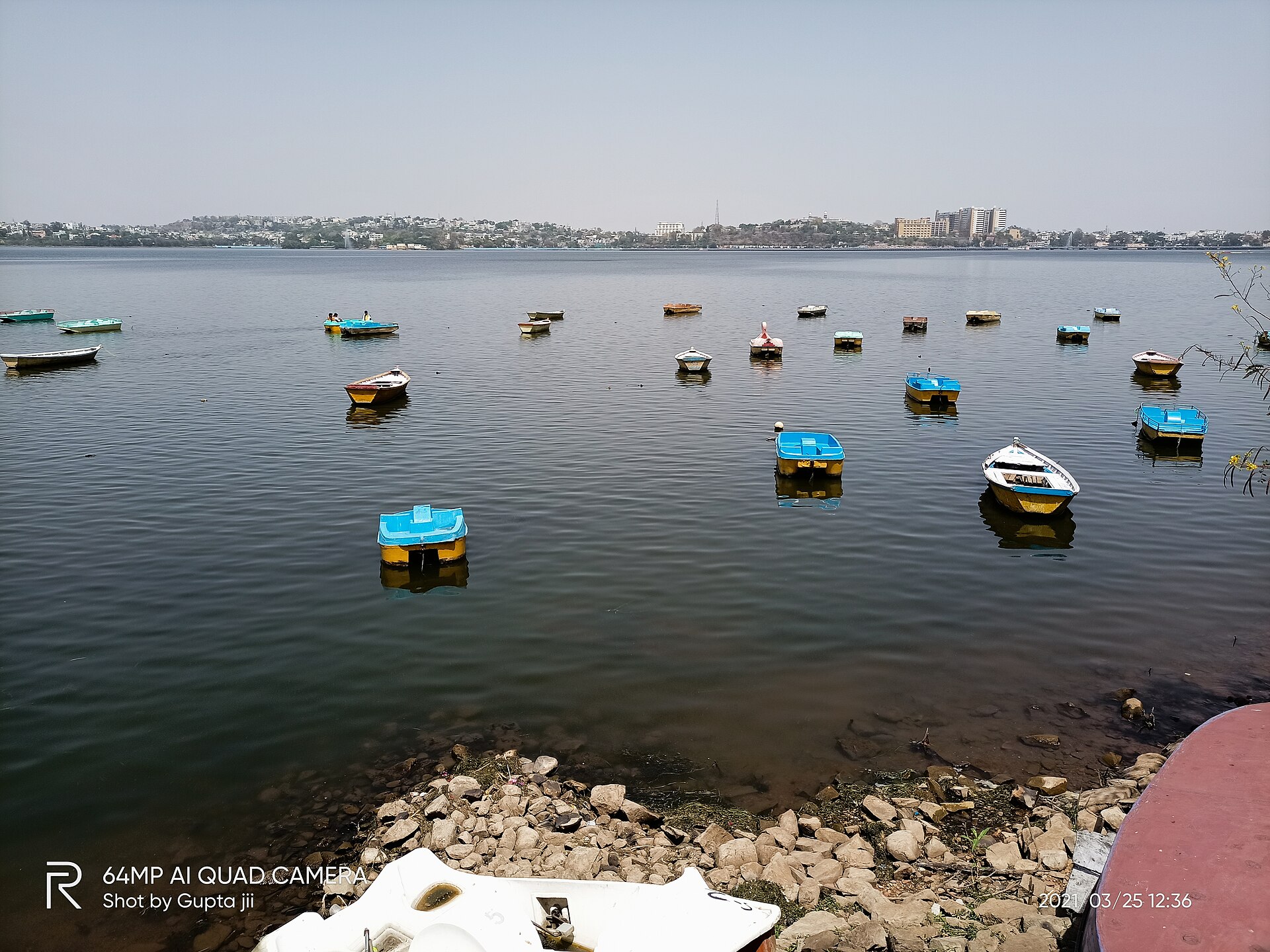
 Bhopal, India