Navchokiya
North-west of the fort
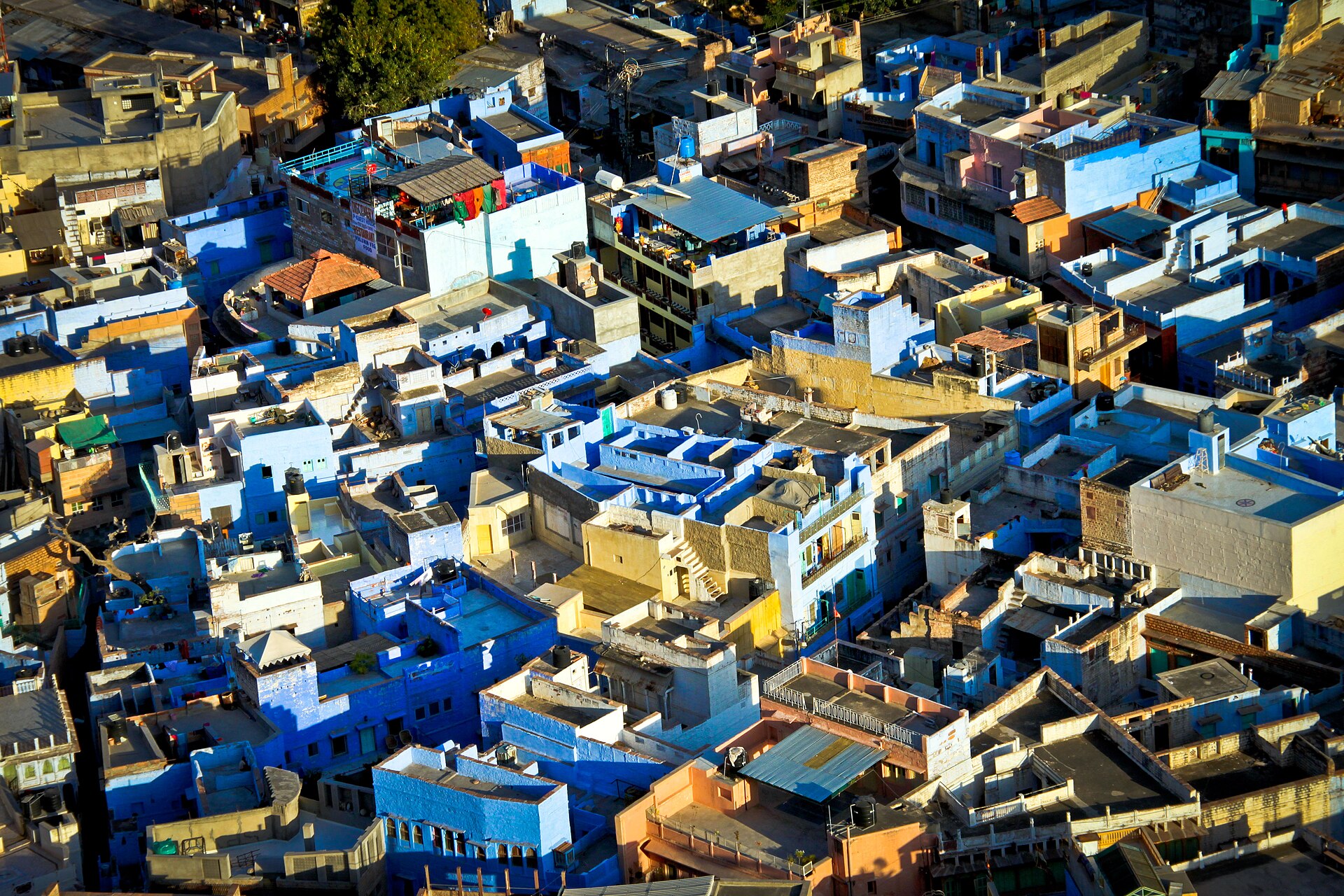
One of the bluest neighbourhoods, with views up to Mehrangarh.
Open in Google Maps (opens in a new tab)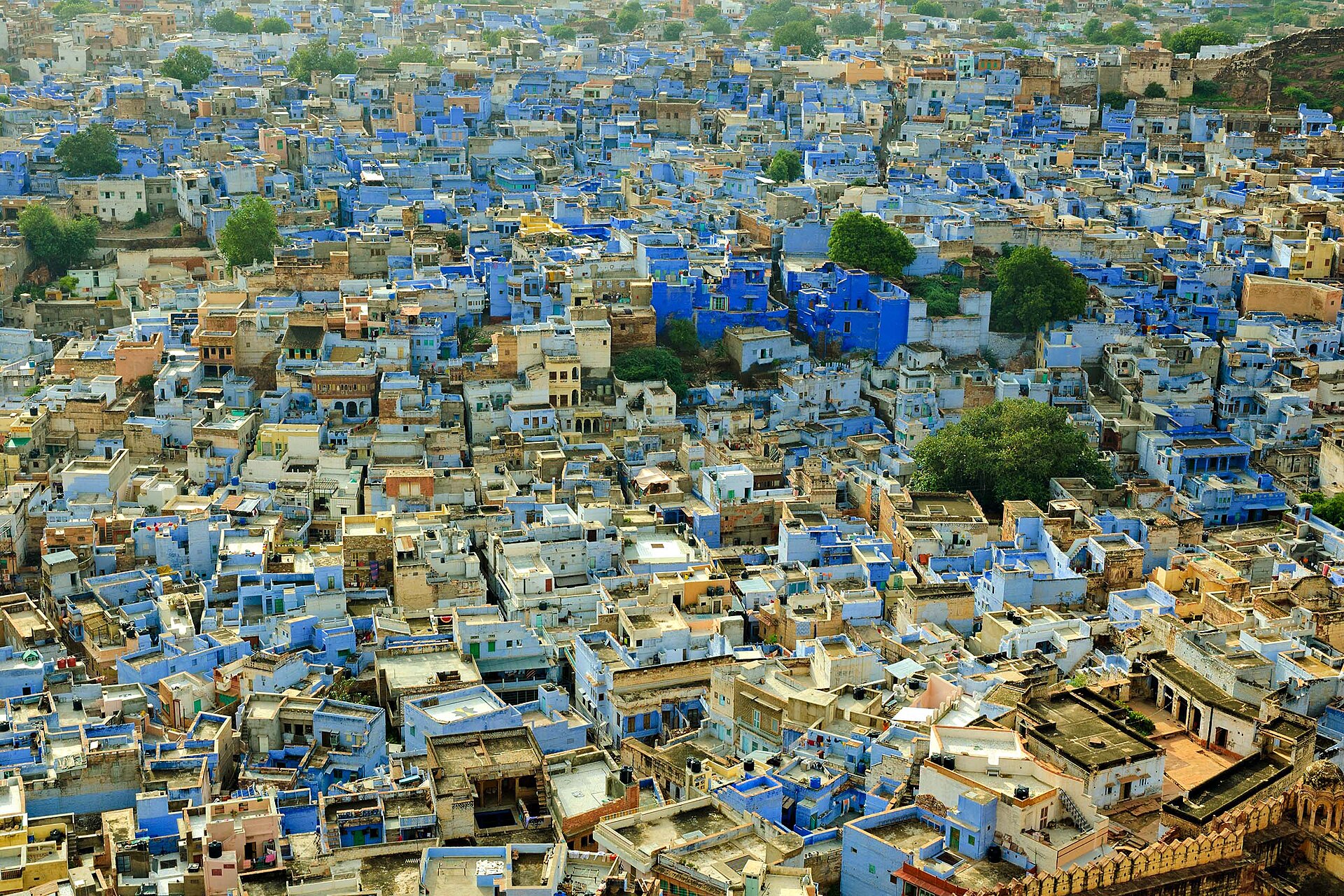
 Jodhpur, India
The maze of indigo-painted houses, temples and stepwells below Mehrangarh Fort that gives Jodhpur its nickname — best explored slowly on foot.
North-west of the fort
One of the bluest neighbourhoods, with views up to Mehrangarh.
Open in Google Maps (opens in a new tab)Below the fort’s northern walls
The old Brahmin quarter, with steep lanes and blue houses.
Open in Google Maps (opens in a new tab)Near the Clock Tower
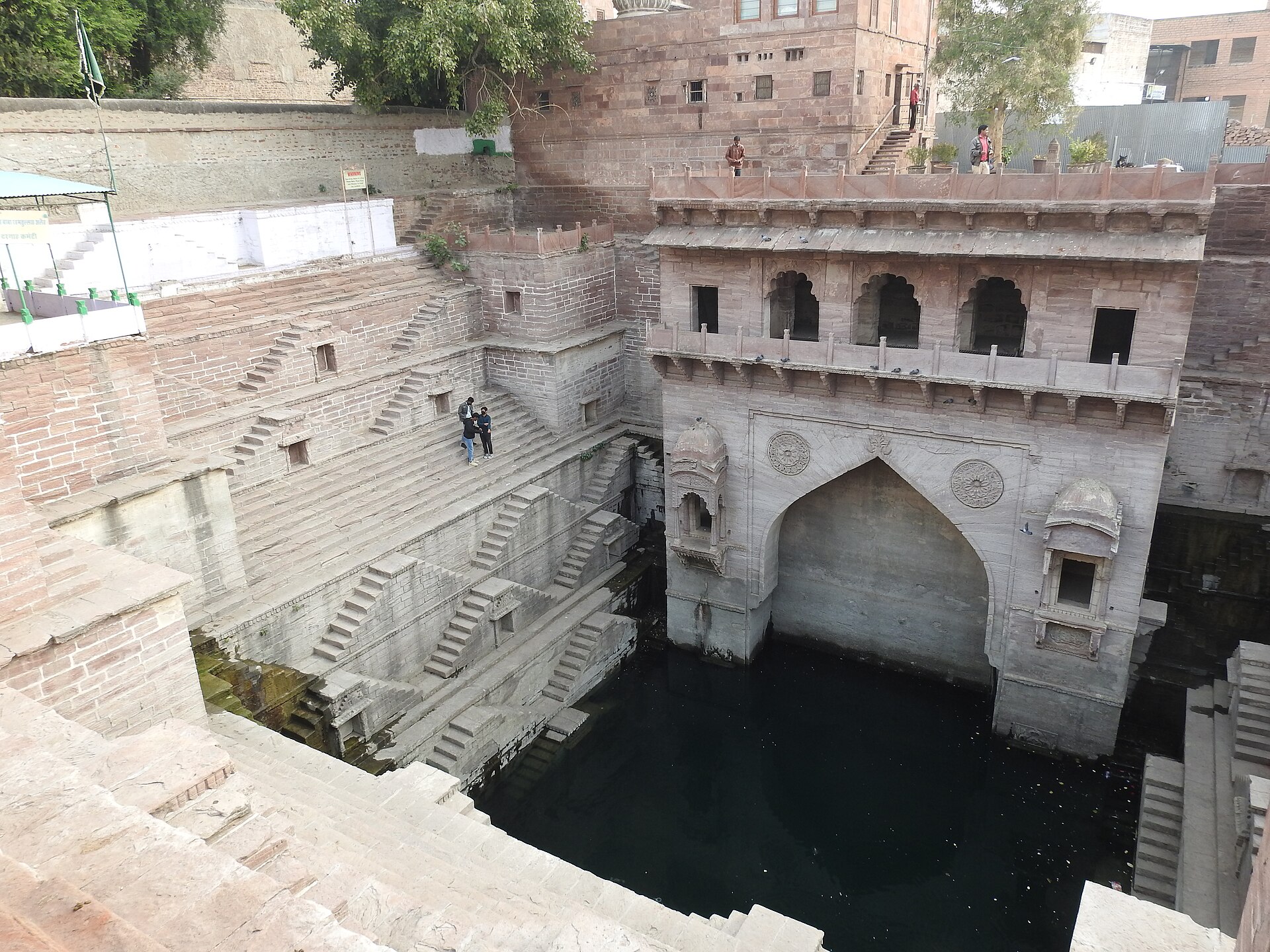
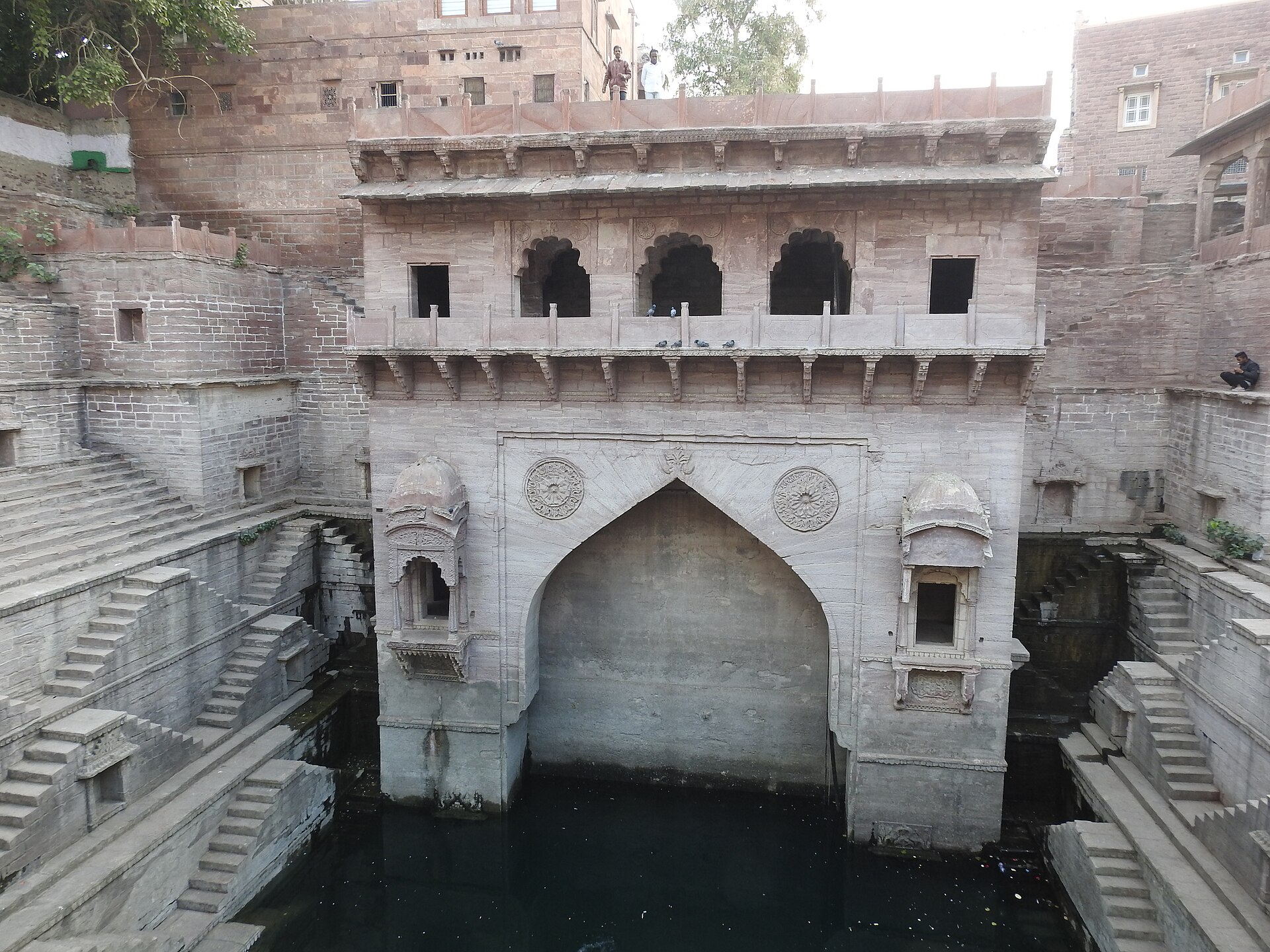
A deep, finely carved 18th-century stepwell, restored and lined with cafés and shops.
Open in Google Maps (opens in a new tab)Near Sardar Market
An 18th-century tank in the old city, surrounded by houses and temples.
Open in Google Maps (opens in a new tab)Jodhpur, India
A large, mild green chilli stuffed with spiced potato, dipped in gram-flour batter and deep-fried — the classic Jodhpur street snack, eaten hot with chutney, often with chai in the morning.
Jodhpur, India
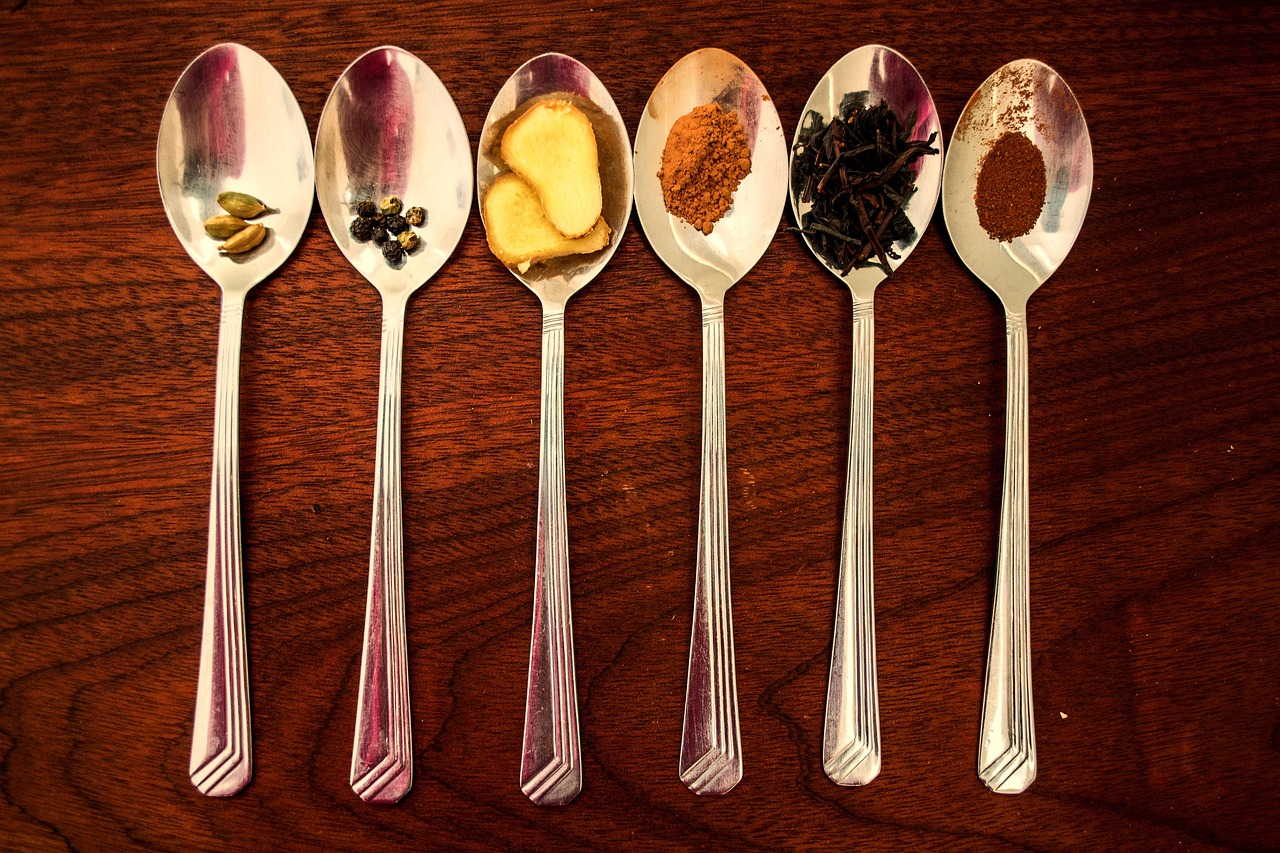
Black tea boiled with milk, sugar and spices such as ginger, cardamom and cloves, served in small glasses or clay cups at stalls all day long.
Jodhpur, India
A flaky fried pastry filled with spiced onion, a breakfast favourite across Rajasthan and especially in Jodhpur. Eaten with tamarind and mint chutney.
Navchokiya, Gulab Sagar and the lanes below Mehrangarh
Haveli and guest-house rooftops facing the fort, lit up at night, serving Rajasthani thalis and laal maas. The best place to see Mehrangarh glowing after dark.
Open in Google Maps (opens in a new tab)Ghanta Ghar, old city
The heart of Jodhpur street food: mirchi vada, pyaaz kachori and mawa kachori stalls, sweet shops and long-established lassi shops near the market gates.
Open in Google Maps (opens in a new tab)Jodhpur, India
Guest houses and haveli hotels in the blue lanes around Navchokiya, Gulab Sagar and the Clock Tower — fort views from the rooftop and the bazaars on the doorstep.
Open in Google Maps (opens in a new tab)Life in the blue lanes is very local — children playing, women at their doorways, cows and temple bells. Greet people with a "namaste" and keep noise down. Jodhpur was the capital of Marwar, ruled by the Rathore Rajputs for five centuries. Its people are known for their hospitality, colourful turbans and the long tradition of Marwari traders who spread across India. Folk music from the Manganiyar and Langa communities is still performed at the fort and at festivals such as the Rajasthan International Folk Festival (RIFF) in autumn. Dress modestly in the old city and temples, and ask before photographing people.
The old town grew below the fort from the 15th century inside the city walls. Many houses here, especially in Brahmpuri and Navchokiya, are painted shades of blue. The custom is said to have started with Brahmin households, and blue lime wash is also believed to keep houses cooler and keep insects away; today many families keep it up simply because it is part of the city.
The lanes hide old stepwells, small temples and carved haveli doorways. Toorji Ka Jhalra, a stepwell built in the 18th century by a queen of the Marwar court, was cleaned and restored in recent years and is again a gathering place.
Take the path from Mehrangarh into Navchokiya.
Wander the blue lanes below the walls.
Rest at the stepwell.
Finish with lassi at the market.
Early morning, when the light is soft and daily life begins, or late afternoon. Avoid the midday heat.
The lanes lie between the Clock Tower and the foot of Mehrangarh. Walk up from Sardar Market, or down from the fort's main gate. Navchokiya and Brahmpuri are on the fort's northern side.
On foot. Lanes are narrow and steep, and maps are only partly accurate — a guided walk with a local helps you find the best corners.