Rock Garden
Sector 1
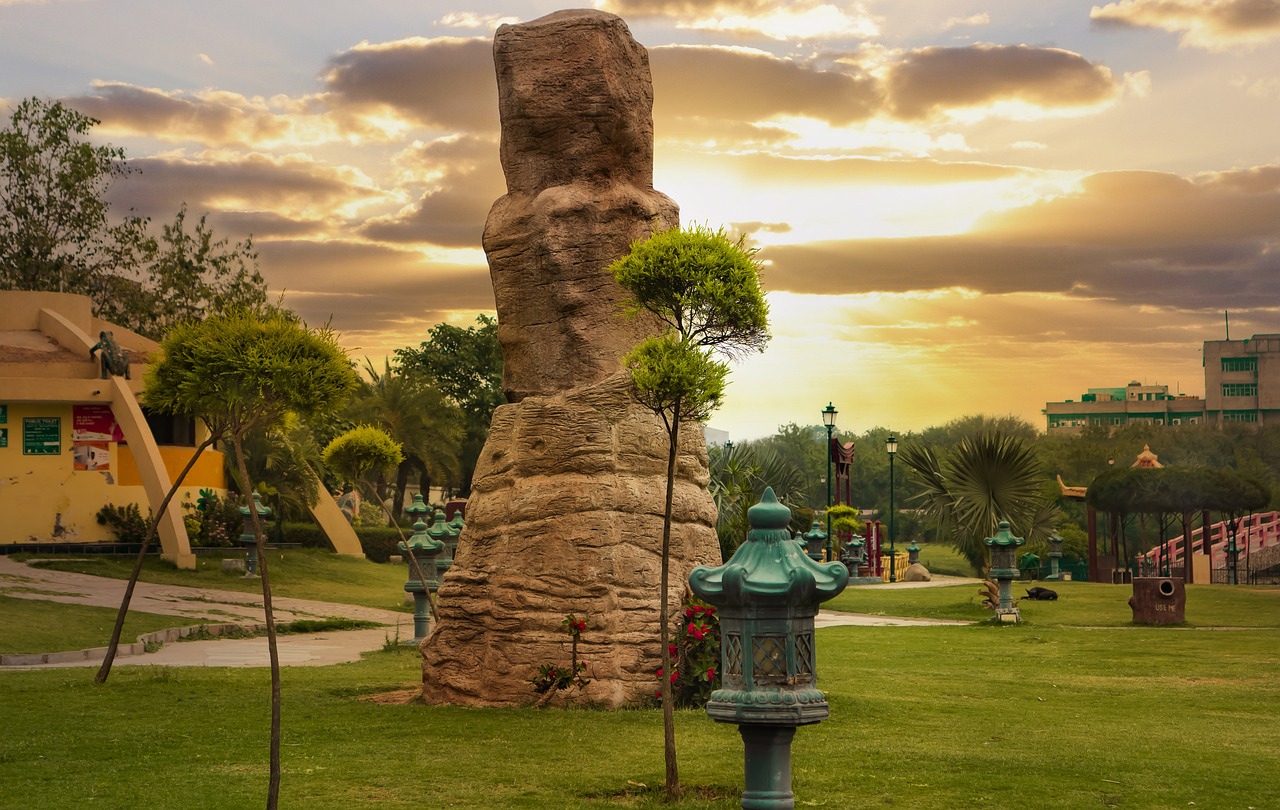
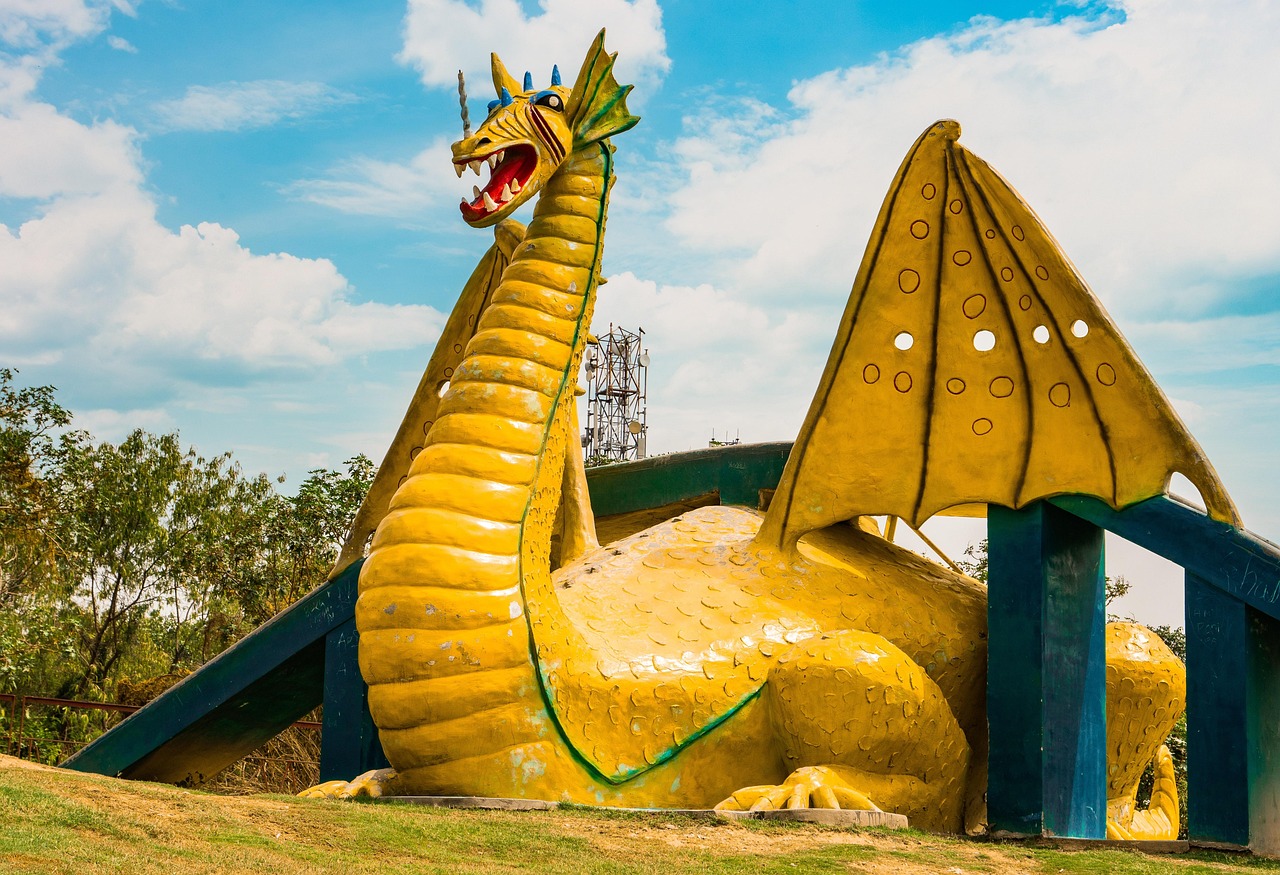
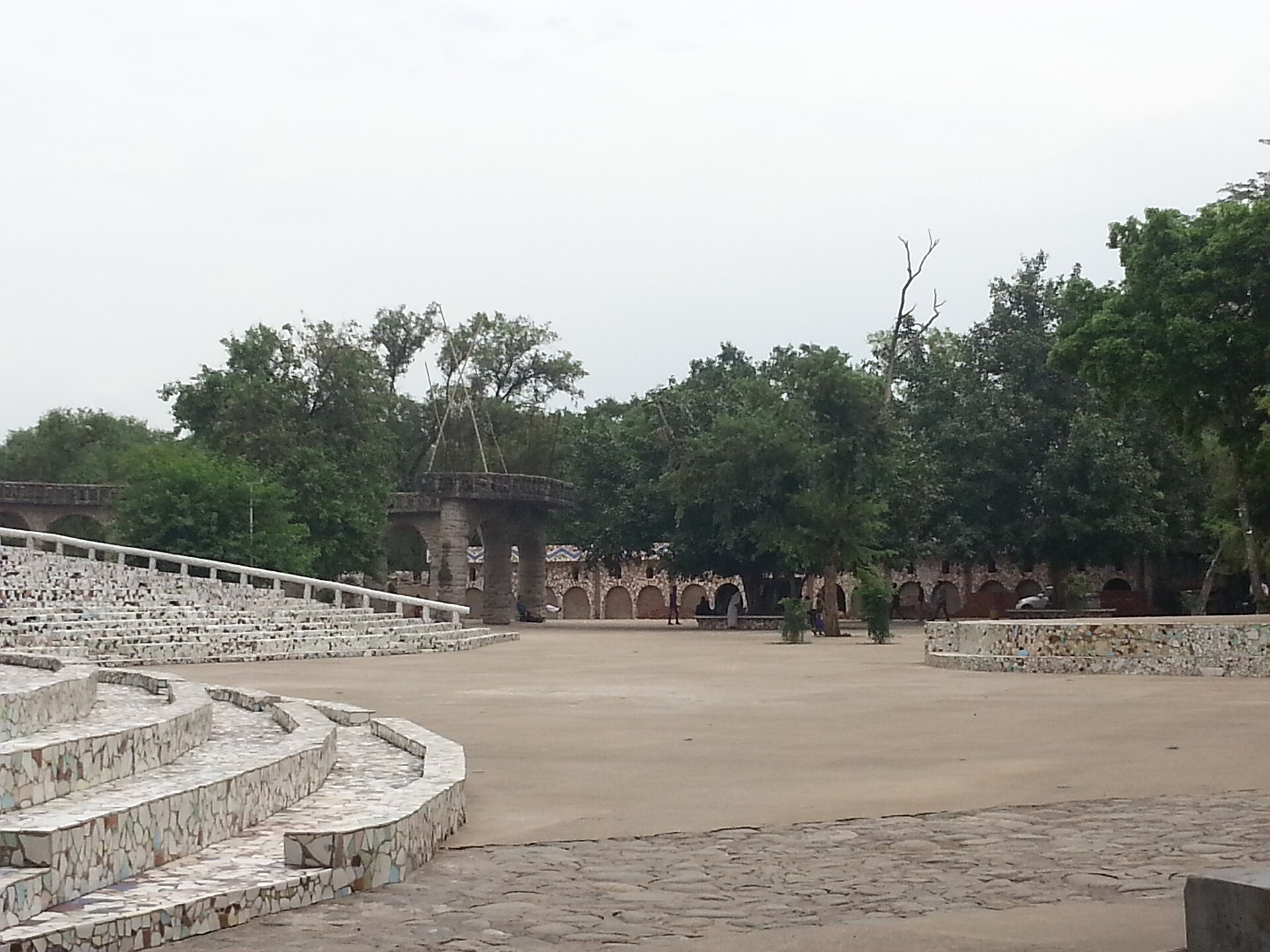
A fantastical garden of sculptures, walls and waterfalls made from broken crockery, tiles and industrial waste, created in secret by Nek Chand from the 1950s.
Open in Google Maps (opens in a new tab)
 Chandigarh, India
India's first planned city, designed by Le Corbusier below the Shivalik hills: the UNESCO-listed Capitol Complex, the Rock Garden of Nek Chand, Sukhna Lake and tree-lined sectors — and the gateway to Shimla and the Himalaya.
Sector 1
A fantastical garden of sculptures, walls and waterfalls made from broken crockery, tiles and industrial waste, created in secret by Nek Chand from the 1950s.
Open in Google Maps (opens in a new tab)Sector 1, at the foot of the Shivaliks
A man-made lake designed by Le Corbusier for walking, boating and sunsets, busy with joggers and families.
Open in Google Maps (opens in a new tab)Sector 1
Le Corbusier's UNESCO-listed group of the High Court, Assembly and Secretariat, with the Open Hand monument and the Tower of Shadows. Guided tours only.
Open in Google Maps (opens in a new tab)Sector 16
One of the largest rose gardens in Asia, best in February–March around the Rose Festival.
Open in Google Maps (opens in a new tab)Sector 17
The pedestrian city centre with shops, cinemas, fountains and cafes.
Open in Google Maps (opens in a new tab)Sector 10
Gandhara sculpture, Pahari miniatures and modern Indian art in a Le Corbusier building, beside the Le Corbusier Centre in Sector 19 and the Pierre Jeanneret Museum.
Open in Google Maps (opens in a new tab)Sector 19
Le Corbusier's former site office, now an exhibition about the planning of Chandigarh.
Open in Google Maps (opens in a new tab)Pinjore, about 20 km north-east
How to get there: Taxi or bus towards Kalka.
Chandigarh, India
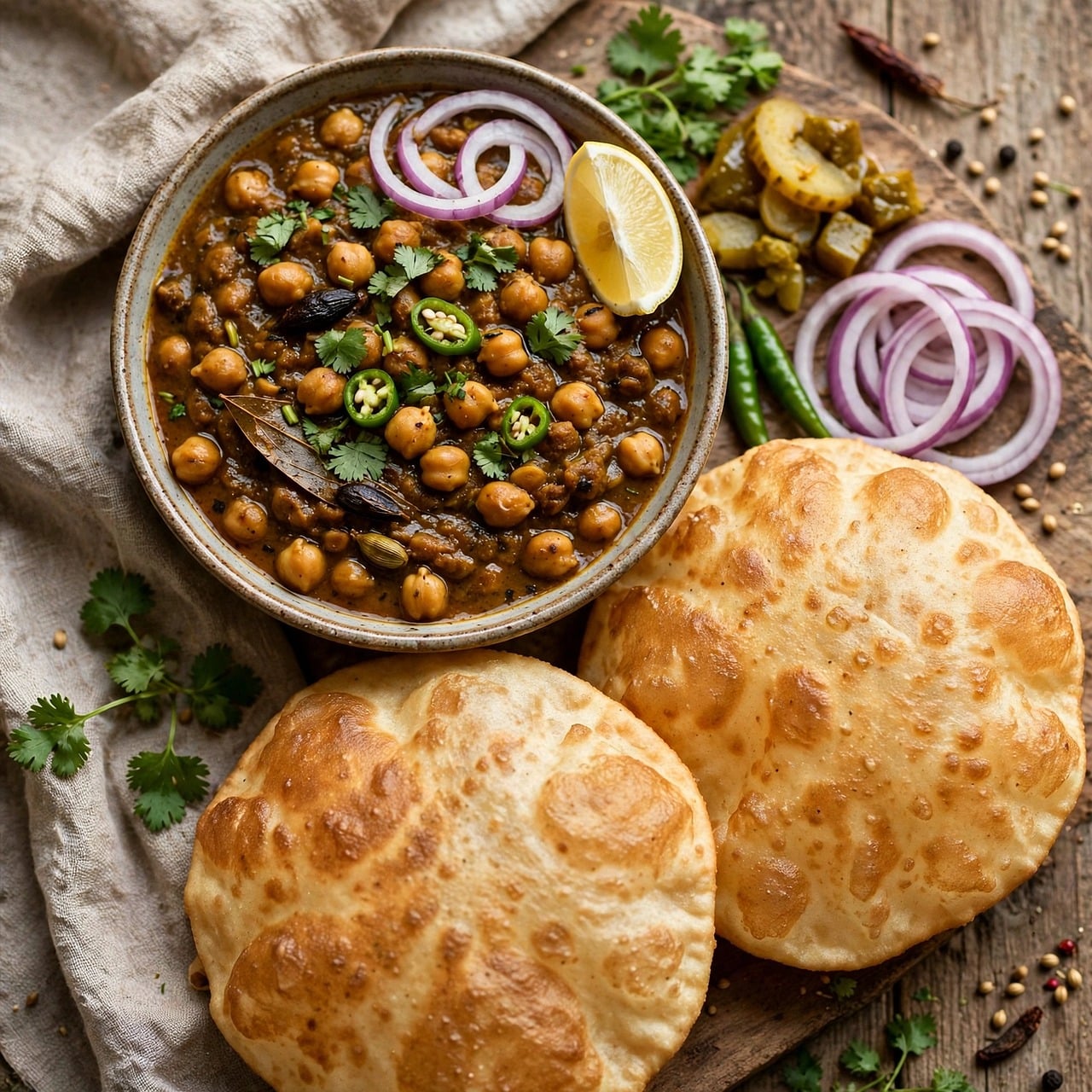
Chandigarh, India
Spicy chickpea curry with large puffed fried breads, pickled onions and green chillies — a heavy Punjabi breakfast or lunch eaten from specialist shops in Chandigarh, usually before midday.
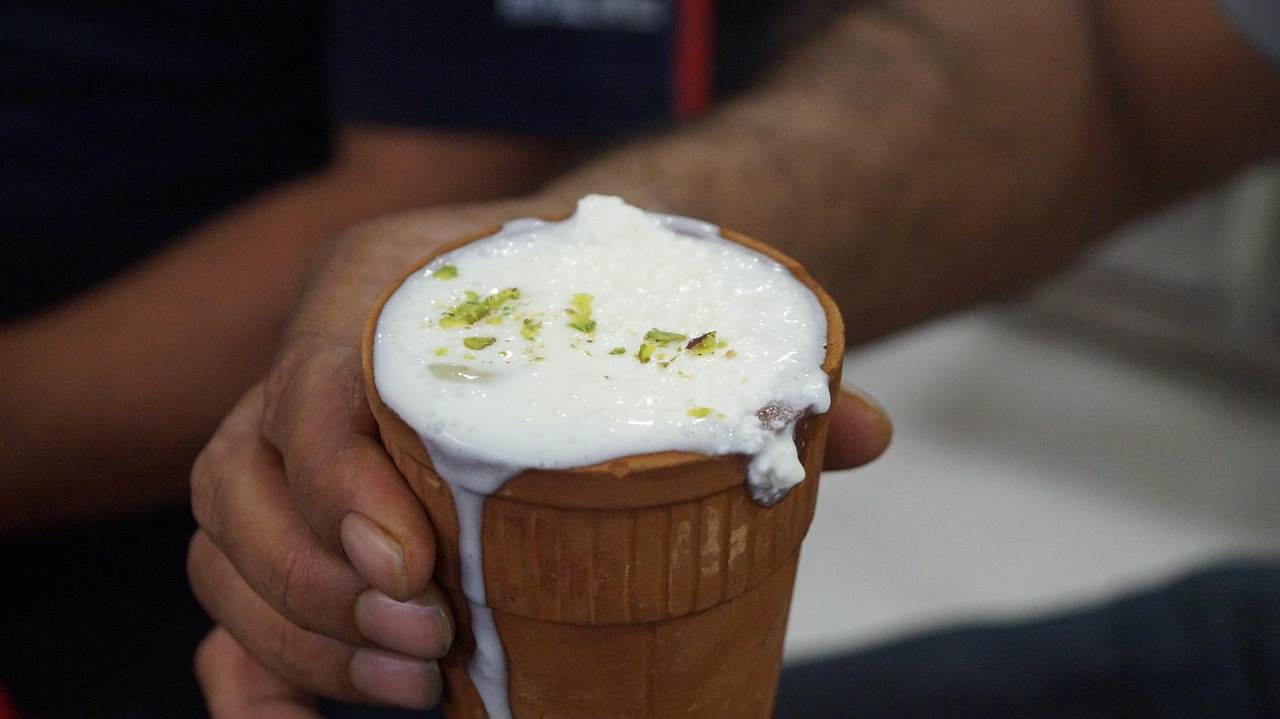
Chandigarh, India
A tall glass of chilled churned yoghurt, sweet or salted, often topped with a layer of cream. The classic Punjabi drink on a hot day in Chandigarh.
Central Chandigarh
Long-running Punjabi restaurants, dhabas and cafes; Sector 35 is known for its food lane.
Open in Google Maps (opens in a new tab)North-east sectors
Cafes, bars and restaurants popular with locals in the evening.
Open in Google Maps (opens in a new tab)Zirakpur and the roads out of the city
Roadside dhabas with parathas, dal makhani and tandoori dishes on the routes out of the city.
Open in Google Maps (opens in a new tab)City centre
Central hotels close to the plaza and the bus stand.
Open in Google Maps (opens in a new tab)South-west Chandigarh
Mid-range hotels near restaurants and the ISBT Sector 43.
Open in Google Maps (opens in a new tab)Near the airport
Convenient for early flights and the highway to Shimla.
Open in Google Maps (opens in a new tab)Chandigarh is modern, green and Punjabi at heart: lassi, tandoor and loud weddings, and Sector 17's plaza alive in the evening. The city takes pride in its modernist heritage — Jeanneret furniture, concrete buildings and the Open Hand — and its gardens host the Rose Festival in spring. Lohri and Baisakhi are celebrated across the city.
After Partition in 1947, Punjab lost its capital Lahore, and Prime Minister Jawaharlal Nehru called for a new city "unfettered by the traditions of the past". The Swiss-French architect Le Corbusier led the design from 1951, with Pierre Jeanneret, Maxwell Fry and Jane Drew, laying out a grid of self-contained sectors, a green belt and the monumental Capitol Complex.
Chandigarh is a union territory and the shared capital of both Punjab and Haryana. The Capitol Complex — the High Court, the Legislative Assembly and the Secretariat with the Open Hand monument — is part of the UNESCO World Heritage listing of Le Corbusier's architectural work (2016).
Start early at Nek Chand's garden.
Guided tour of Le Corbusier's buildings and the Open Hand.
The Government Museum, then the Rose Garden in Sector 16.
Sunset walk on the lake promenade, then dinner in Sector 17 or 35.
October to March, when it is mild; February–March brings the Rose Festival. Summers are very hot, and the monsoon (July–September) is humid.
By air: Chandigarh International Airport (IXC), at the edge of the city towards Mohali, has flights across India and some international routes.
By train: Chandigarh station has fast trains from Delhi, including Shatabdi and Vande Bharat services (about 3–4 hours). Kalka, nearby, is the start of the toy train to Shimla.
By road: about 250 km from Delhi on NH44; ISBT Sector 17 and Sector 43 bus stands serve Punjab, Haryana, Himachal and beyond.