Chhatrapati Sambhajinagar (Aurangabad)

Chhatrapati Sambhajinagar (Aurangabad), India

Chhatrapati Sambhajinagar (Aurangabad)

The gateway to the Ajanta and Ellora caves — two UNESCO World Heritage Sites of rock-cut art — and a historic city in its own right, with Bibi Ka Maqbara, the old water mill of Panchakki and the mighty fort of Daulatabad nearby. Officially renamed from Aurangabad in 2023.

Favourite places

  • Ellora Caves

    About 30 km north-west

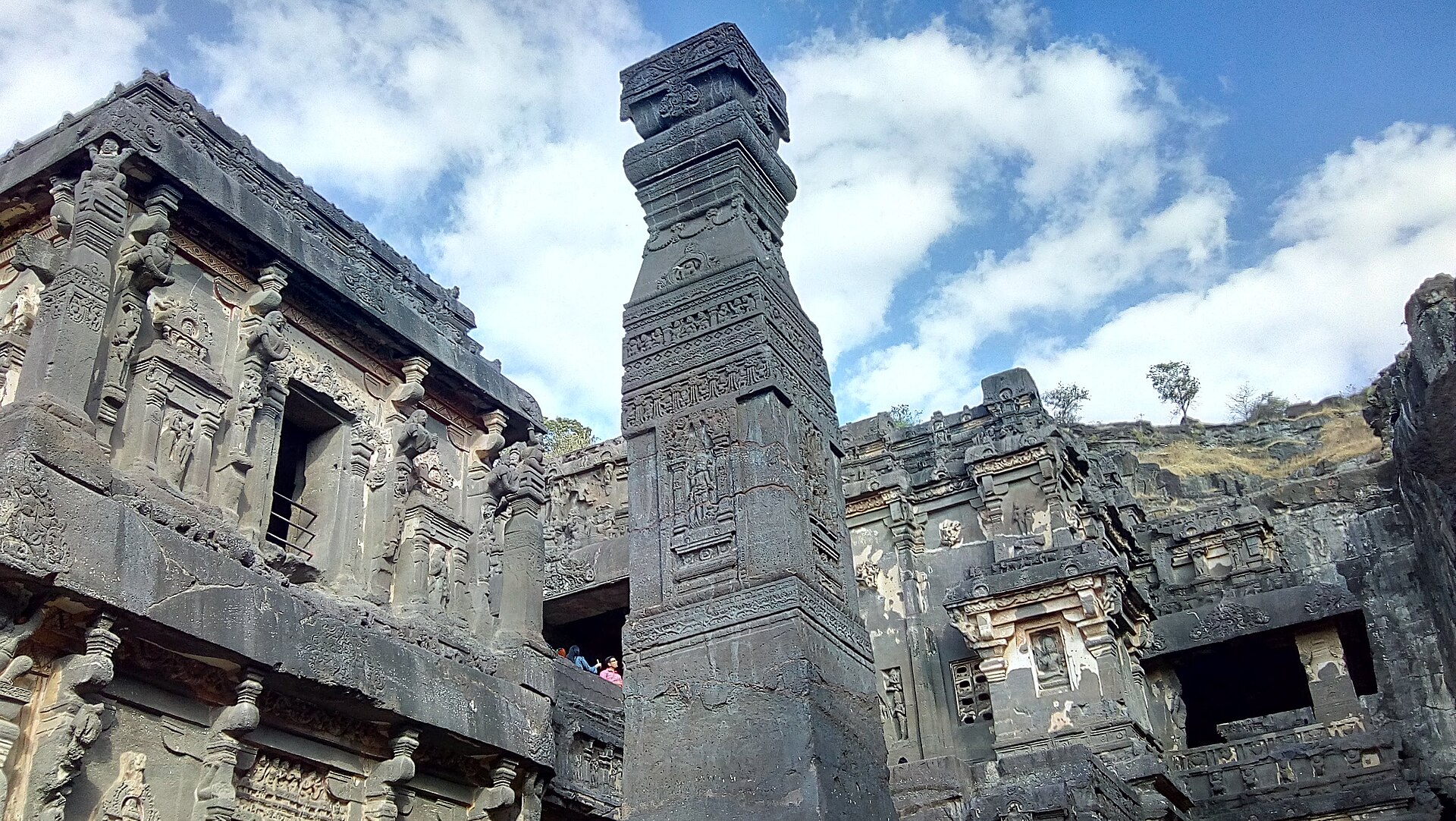
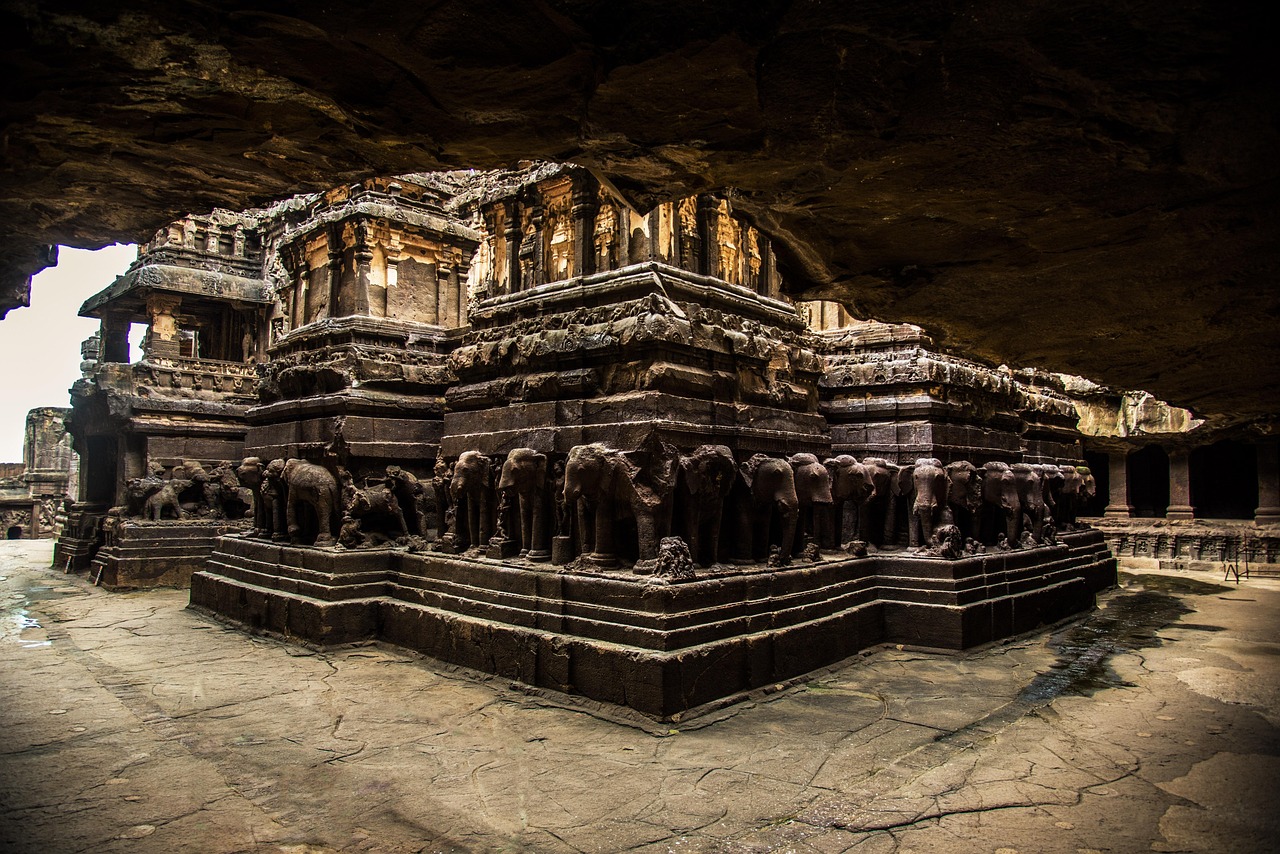
    Thirty-four caves along a cliff: Buddhist monasteries and the 'Carpenter's Cave' chaitya, Hindu caves including the great Kailasa temple (Cave 16) carved from one rock, and Jain caves with fine carving. A UNESCO World Heritage Site.Read more

    How to get there: By car or MSRTC bus in about 45 minutes–1 hour.

    Open in Google Maps (opens in a new tab)
  • Ajanta Caves

    About 100 km north

    Around 30 Buddhist caves in a horseshoe gorge of the Waghora river, with the most famous ancient paintings in India — Jataka stories, the Bodhisattva Padmapani and court scenes. A UNESCO World Heritage Site.Read more

    How to get there: About 2.5–3 hours by road; park at the T-junction near Fardapur and take the shuttle bus.

    Open in Google Maps (opens in a new tab)
  • Bibi Ka Maqbara

    North of the city

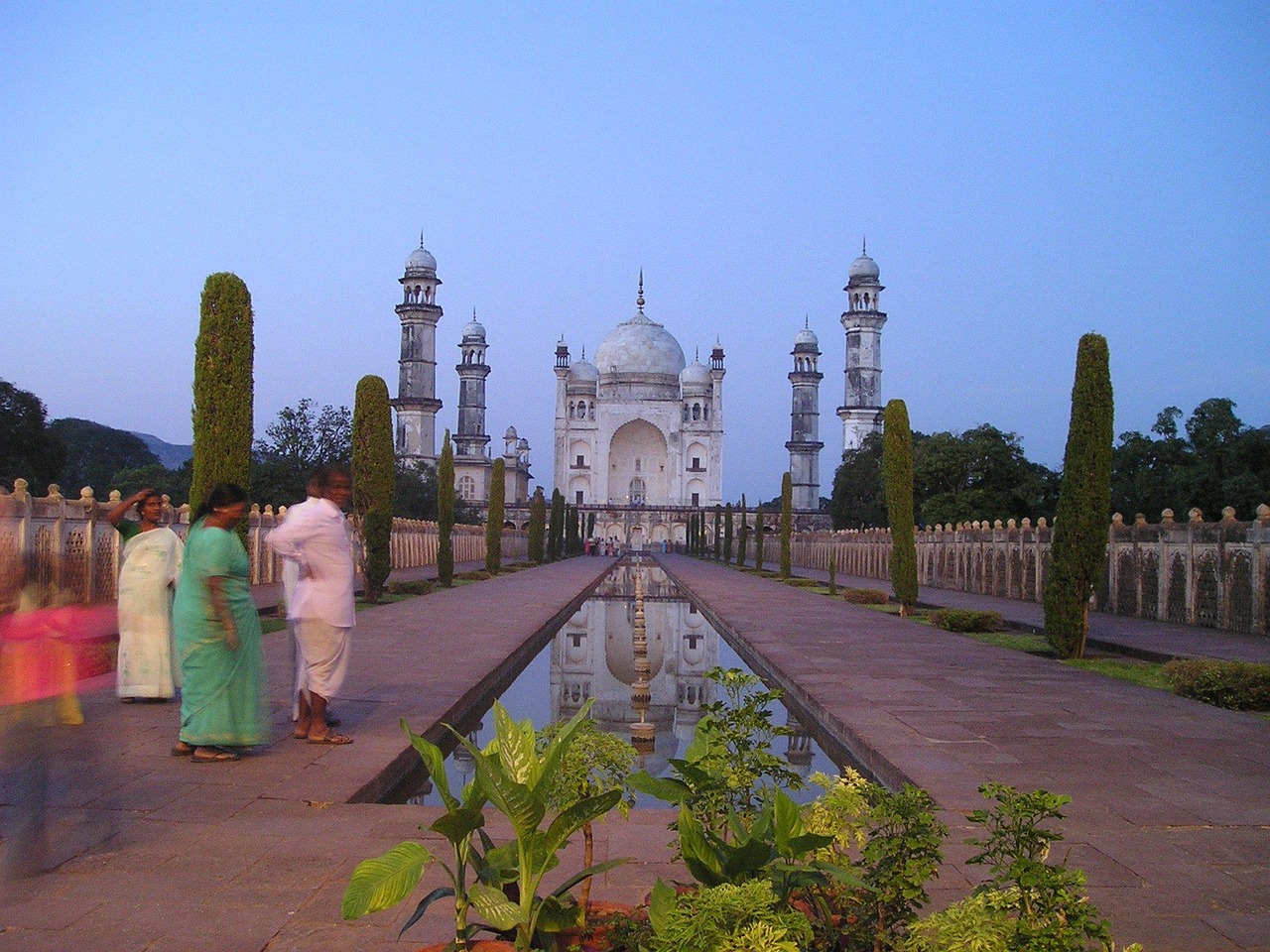
    A 17th-century mausoleum built by Aurangzeb's son Azam Shah for his mother, Dilras Banu Begum, modelled on the Taj Mahal and often called the 'Taj of the Deccan'.

    Open in Google Maps (opens in a new tab)
  • Daulatabad Fort

    About 15 km north-west, on the Ellora road

    The hill fortress of Devagiri: moats, spiked gates, a dark spiral tunnel and the Chand Minar tower, with a stiff climb to the top.

    Open in Google Maps (opens in a new tab)

Historical places

Local food

  • Naan qaliya

    Chhatrapati Sambhajinagar (Aurangabad), India

    Chhatrapati Sambhajinagar's signature dish: a spiced, thin mutton curry (qaliya) eaten with large naans from wood-fired ovens. Its roots go back to the camps of the Mughal and Deccan armies; old-city eateries serve it at lunch and dinner.Read more
  • Misal pav

    Chhatrapati Sambhajinagar (Aurangabad), India

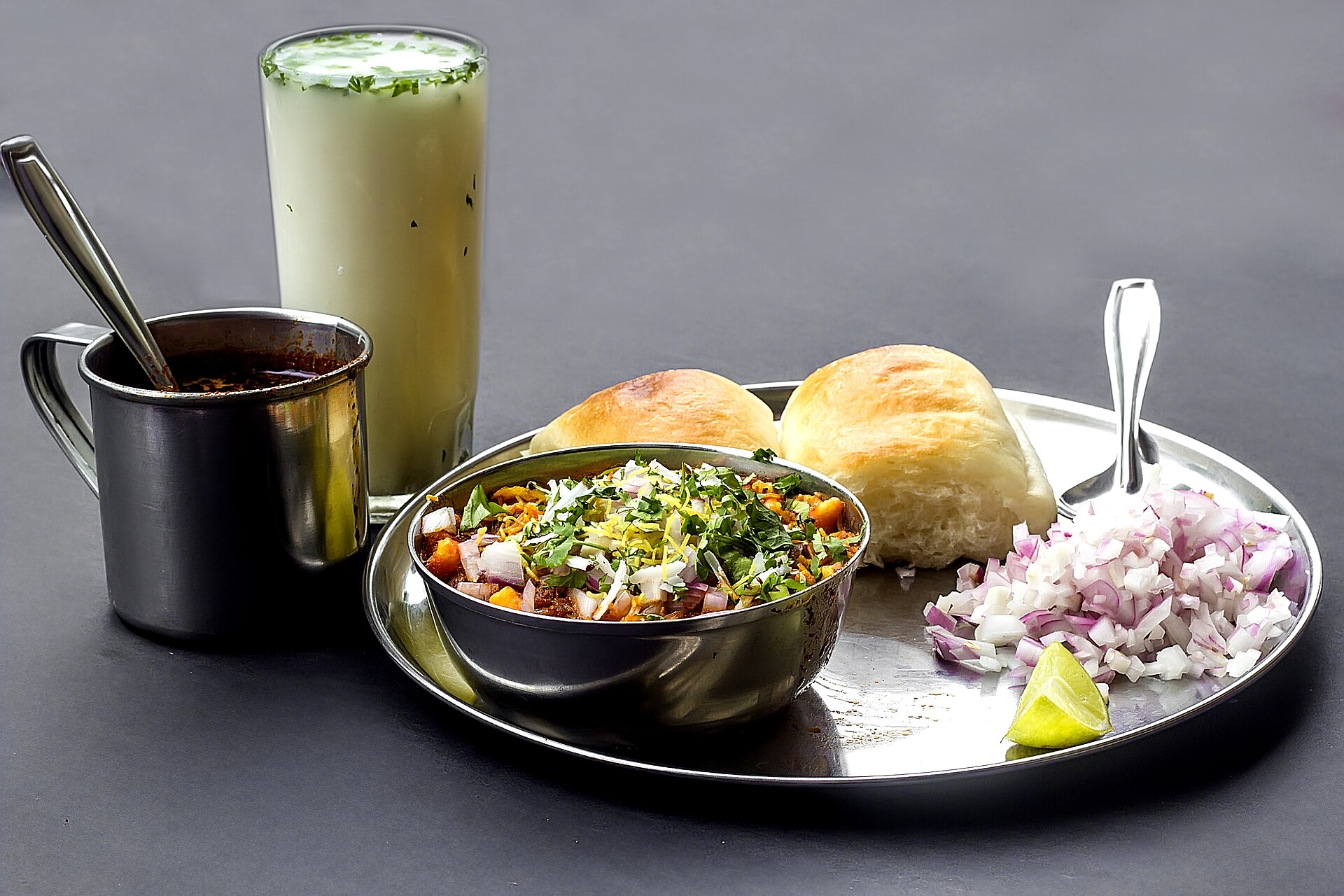
    A fiery curry of sprouted moth beans topped with farsan (crunchy fried mixture), onion, coriander and lemon, eaten with soft bread rolls (pav). Pune, Nashik and Kolhapur each claim the best version; it is usually served with extra spicy gravy (tarri) on request.Read more
  • Maharashtrian thali

    Chhatrapati Sambhajinagar (Aurangabad), India

    A full plate of the state's home cooking: varan-bhaat (plain dal and rice with ghee), bhakri (jowar or bajra flatbread), usal, a dry vegetable bhaji, koshimbir salad, papad, pickle and often shrikhand or puran poli to finish.Read more
  • Vada pav

    Chhatrapati Sambhajinagar (Aurangabad), India

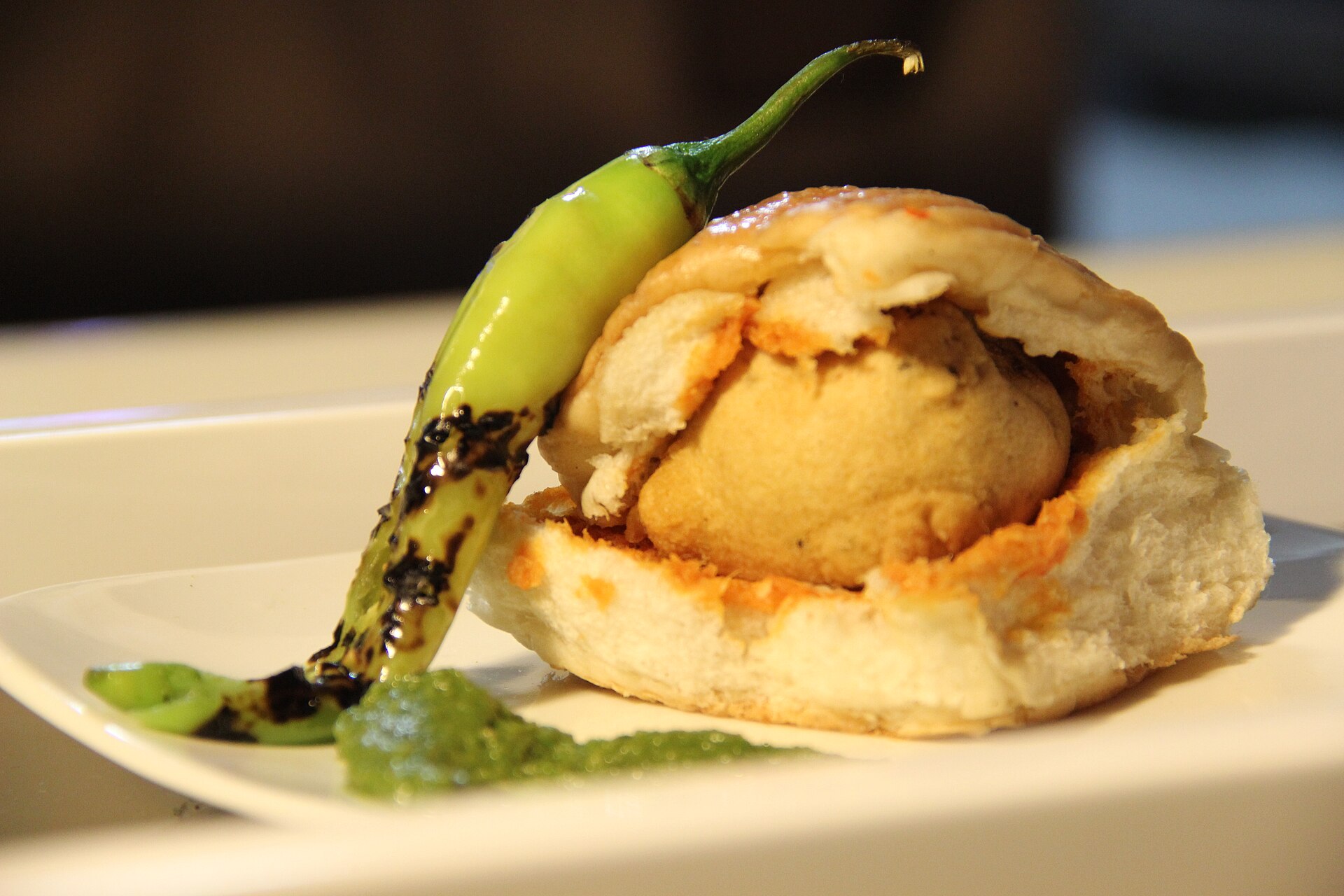
    A spiced potato fritter in a bread roll with dry garlic chutney and a fried green chilli — Maharashtra's everyday snack, sold at every station and street corner.

Where to eat

Where to stay

Culture

The city has a rich Deccani culture: Urdu and Marathi are both spoken, and its old gates (darwazas), mosques and bazaars date from Mughal and Nizami times. It is famous for Himroo, a silk-and-cotton fabric, and Paithani sarees woven in gold zari at Paithan, about 50 km south. The Ellora–Ajanta festival of music and dance is held in some years.

Nearby, the Grishneshwar temple at Ellora is one of the twelve Jyotirlingas, visited by pilgrims along with the caves.

History

The region around the city has been a centre of art and power for two thousand years. Buddhist monks carved the Ajanta caves from about the 2nd century BCE, with a great second phase in the 5th century CE under the Vakataka kings. At Ellora, Buddhist, Hindu and Jain caves were cut side by side between about the 6th and 10th centuries; the Kailasa temple, carved out of a single rock under the Rashtrakuta kings in the 8th century, is one of the wonders of Indian architecture.

The Yadava kings ruled from Devagiri, later renamed Daulatabad, until the Delhi Sultanate took it; in 1327 Sultan Muhammad bin Tughlaq famously tried to move his capital there from Delhi. The city itself was founded in 1610 by Malik Ambar, minister of the Ahmadnagar sultanate, as Khadki, and later named Aurangabad by the Mughal prince and emperor Aurangzeb, who governed the Deccan from here. It later came under the Nizams of Hyderabad and joined Maharashtra after Independence.

In 2023 the city was officially renamed Chhatrapati Sambhajinagar, after Shivaji's son, the Maratha king Sambhaji; "Aurangabad" is still widely used.
Tour plans

Ajanta, Ellora and the city

3 days, 2 nights
  1. Step 1: Day 1 — Ellora and Daulatabad

    Ellora early (Kailasa first), Grishneshwar temple, then Daulatabad Fort in the afternoon light.

  2. Step 2: Day 2 — Ajanta

    A full day at the Ajanta caves and the viewpoint over the gorge; back in the evening.

  3. Step 3: Day 3 — The city

    Bibi Ka Maqbara, Panchakki and the Aurangabad Caves, then naan qaliya and a look at Himroo weaving.

Map

Open in Google Maps (opens in a new tab)

Travel information

Best time to visit

October to March. The monsoon (July to September) is a beautiful time at Ajanta and Ellora, with waterfalls in the gorges; April to June is very hot.

How to get there

By air: Chhatrapati Sambhajinagar (Aurangabad) Airport (IXU) has domestic flights from Delhi, Mumbai, Hyderabad, Bengaluru and other cities — check current schedules.

By train: the city's railway station (long called Aurangabad) is on the Manmad–Nanded line, with trains from Mumbai (about 6–7 hours), Hyderabad and Delhi; Jalgaon, on the main Mumbai–Delhi line, is closer to Ajanta.

By road: highways link the city with Pune, Nashik, Shirdi, Mumbai (via the Samruddhi expressway) and Jalgaon. Ellora is about 30 km away and Ajanta about 100 km.

Getting around

  • Hire a car with a driver: the easiest way to see Ellora, Daulatabad and Ajanta; Ajanta is a long day trip.
  • MSRTC buses: run to Ellora and to Ajanta (Fardapur); at Ajanta, visitors park at the T-junction and take shuttle buses to the caves.
  • Auto-rickshaws and app cabs: for sights in the city.

Travel tips

  • Temples, mosques, stupas and gurdwaras: take your shoes off before entering, cover shoulders and knees, and ask before photographing people at prayer. Some temples do not allow leather, phones or cameras inside — follow the signs and use the lockers or cloakrooms at the gate.
  • Visas: most visitors need a visa; many nationalities can apply for an Indian e-Visa online. Check the current rules for your passport before you travel.
  • Money: the currency is the Indian rupee (INR). Cards work in hotels and larger restaurants; small shops mostly use UPI phone payments, which foreign visitors may not be able to use, so carry cash for rickshaws, markets and street food.
  • Monument tickets: sites run by the Archaeological Survey of India charge foreign visitors more than Indian citizens, and many sell tickets online. Prices, opening days and rules change — check before going.
  • Health: drink bottled or filtered water, eat street food where it is cooked fresh in front of you, and carry sun protection in the dry months.
  • Time zone: India Standard Time, UTC+5:30, all year.
  • Weekly closures: Ajanta and Ellora each close one day a week, on different days — check before planning, so you can see both.
  • Ajanta paintings: flash photography is banned and light is kept low to protect the murals; some caves are closed for conservation in rotation.
  • Start early: both sites are large; wear comfortable shoes and carry water. At Ajanta, palanquins (dolis) are available for those who need help with the steps.

All destinations