The navaratna temple
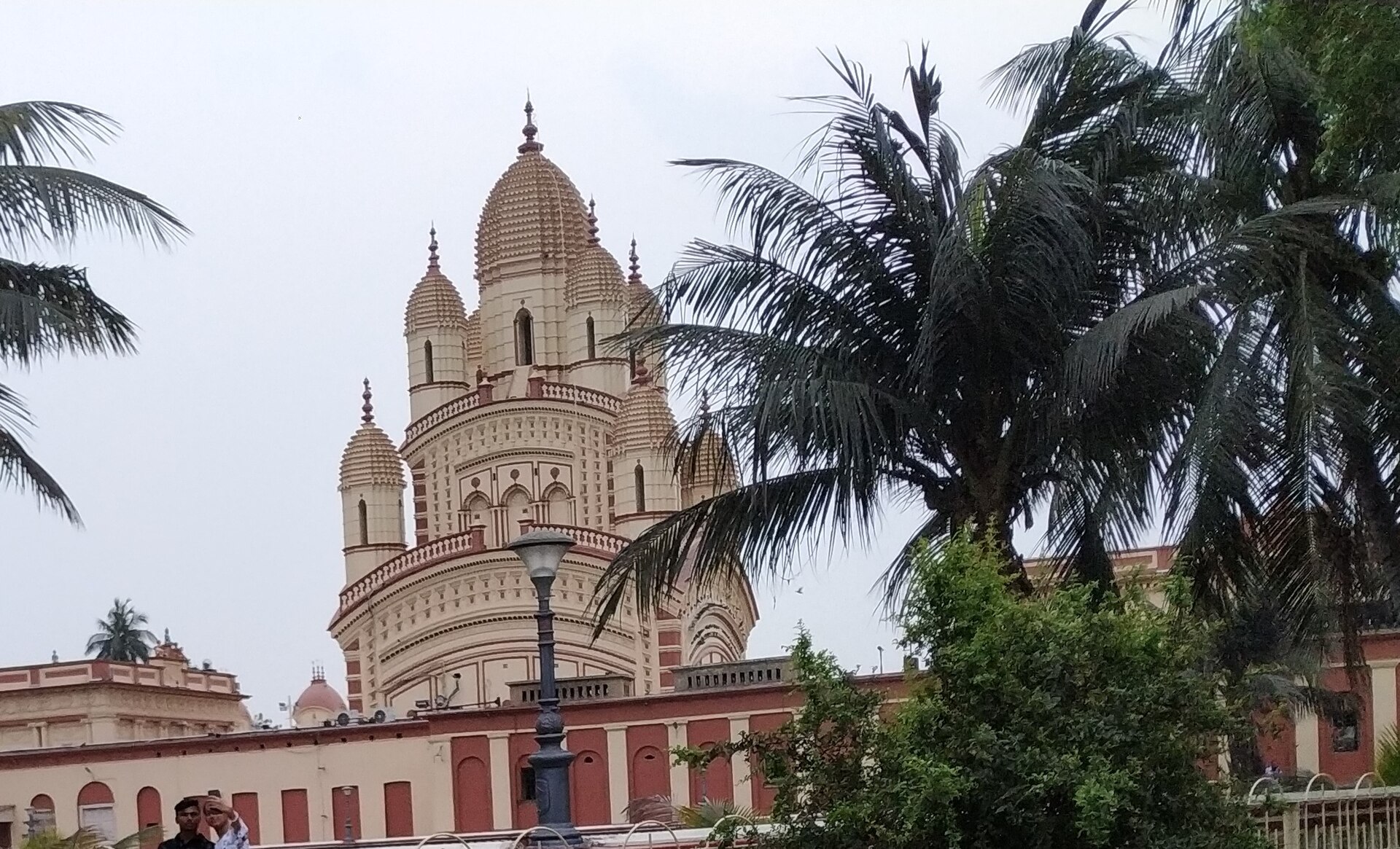
Centre of the complex
The nine-spired main temple of Kali Bhavatarini.
Open in Google Maps (opens in a new tab)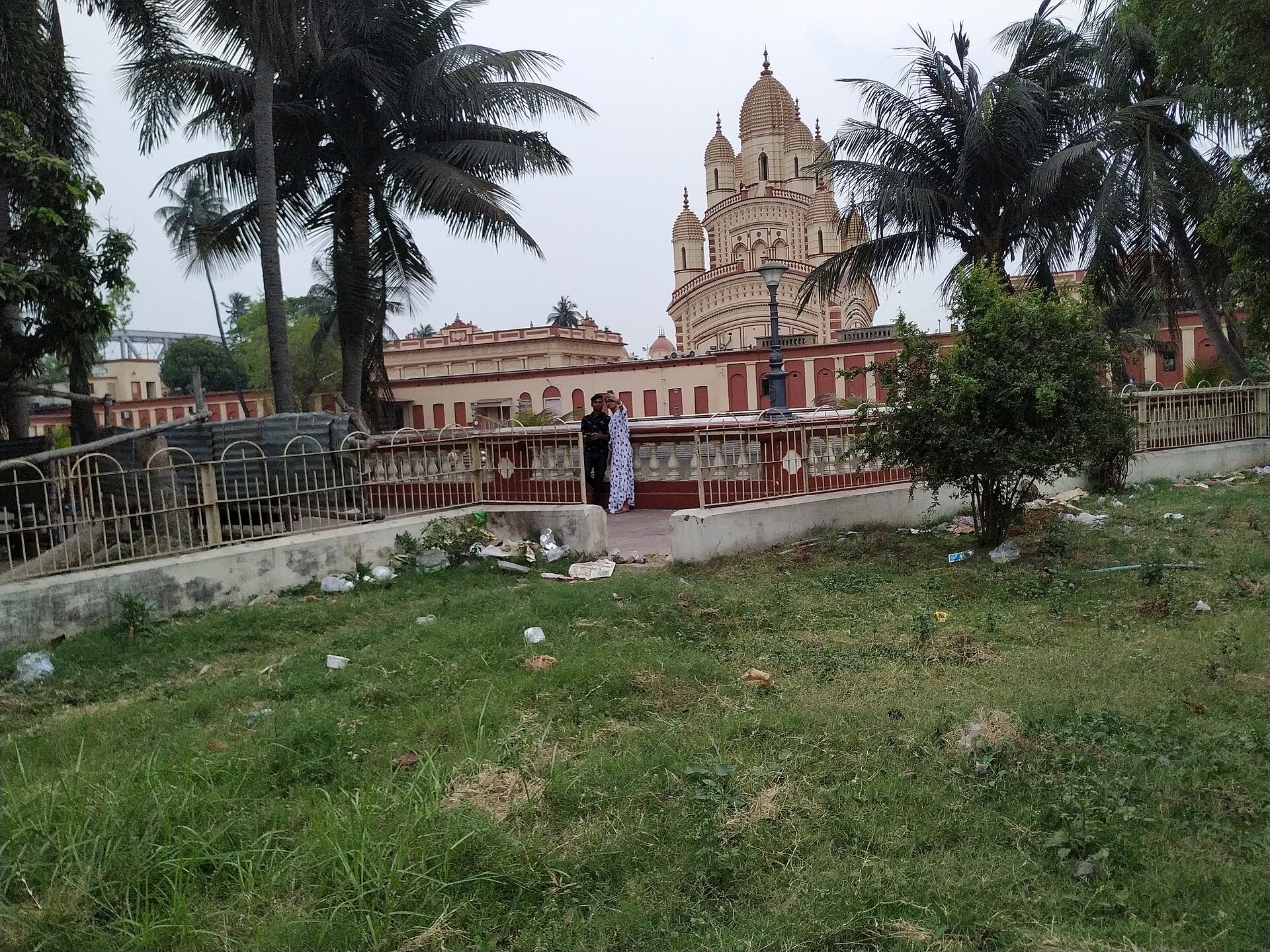
 Kolkata, India
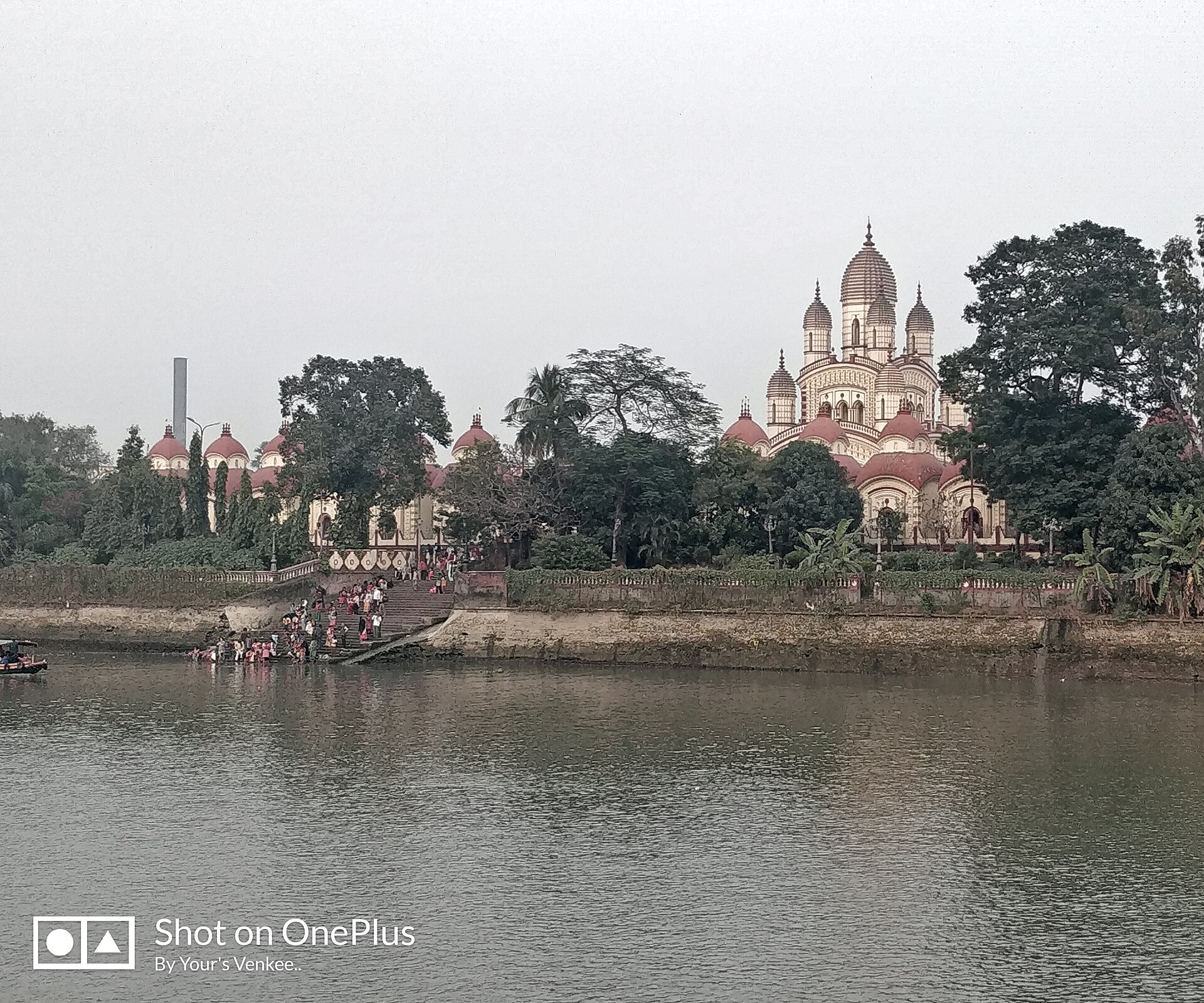
A large 19th-century riverside temple to the goddess Kali in the north of Kolkata, linked to the saint Ramakrishna, with twelve Shiva shrines along the Hooghly and Belur Math a short ferry ride across the river.
Centre of the complex
The nine-spired main temple of Kali Bhavatarini.
Open in Google Maps (opens in a new tab)Along the riverbank
A row of identical Shiva shrines facing the Hooghly.
Open in Google Maps (opens in a new tab)Inside the temple complex
The preserved room where the saint lived and taught.
Open in Google Maps (opens in a new tab)Across the river, by ferry
The Ramakrishna Mission headquarters, with a temple blending several religious styles.
Open in Google Maps (opens in a new tab)Kolkata, India
Kolkata, India
Mutton cooked slowly with onion, ginger, garlic and spices until dark and thick, traditionally eaten with luchi — puffed deep-fried flatbreads of white flour. A favourite Sunday and festival meal in Bengali homes.
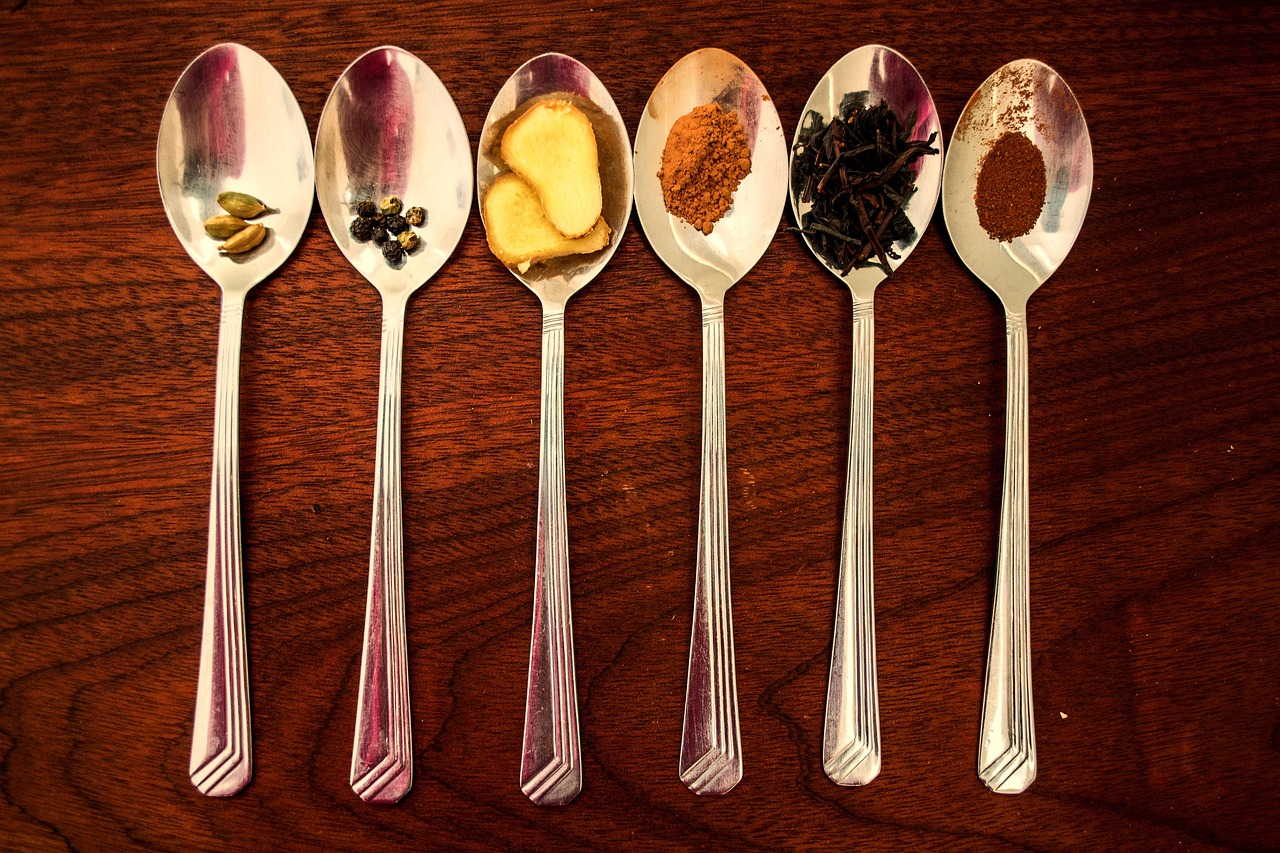
Kolkata, India
Black tea boiled with milk, sugar and spices such as ginger and cardamom, poured into small clay cups at tea stalls on the ghats, at railway stations and on every busy corner. Drunk many times a day across North India.
Approach road to Dakshineswar
Stalls selling offerings, sweets, kachori and tea to pilgrims; simple vegetarian food.
Open in Google Maps (opens in a new tab)South Kolkata and across the city
Kolkata, India
Central Kolkata: hotels of every level around Park Street, Chowringhee and the Maidan, close to the Indian Museum, Victoria Memorial, New Market and the old restaurants. Well connected by metro.
Open in Google Maps (opens in a new tab)Kolkata, India
The planned north-eastern townships, with modern business hotels and larger international chains. Closest to the airport and convenient for short or work stays; the old city is a longer drive.
Open in Google Maps (opens in a new tab)For Bengalis, Kali is a loving mother as much as a fierce goddess. Families come with red hibiscus flowers and sweets, and the temple courtyard is full of devotional songs. Belur Math, across the river, is calm and meditative, with evening prayers that visitors may attend in silence.
The temple was built in 1855 by Rani Rashmoni, a wealthy and devout widow from a lower-caste family, who faced resistance from orthodox priests before it opened. Its nine-spired main temple, in the Bengali navaratna style, enshrines Bhavatarini, a form of Kali.
The young priest Ramakrishna Paramahamsa served here for most of his life, and his teachings drew followers including Swami Vivekananda. His room in the complex is preserved. Across the river, Belur Math, the headquarters of the Ramakrishna Mission founded by Vivekananda, combines Hindu, Islamic, Buddhist and Christian architecture in one temple.
Ride to Dakshineswar early in the morning.
Visit the main temple and the Shiva shrines.
Cross the Hooghly to Belur Math.
Walk the grounds and the temple before the midday closure.
Early morning on weekdays, October to March. Tuesdays, Saturdays and the Kali Puja festival (October–November) are especially crowded.
Dakshineswar is about 15 km north of central Kolkata. Take the metro to Dakshineswar station (north–south line), a short walk from the temple, or local trains to Dakshineswar. Taxis take 45–60 minutes depending on traffic. Ferries link the temple ghat with Belur Math.
The complex is walked barefoot inside; shoes are left at counters at the gate. The ferry jetty is beside the temple ghat.