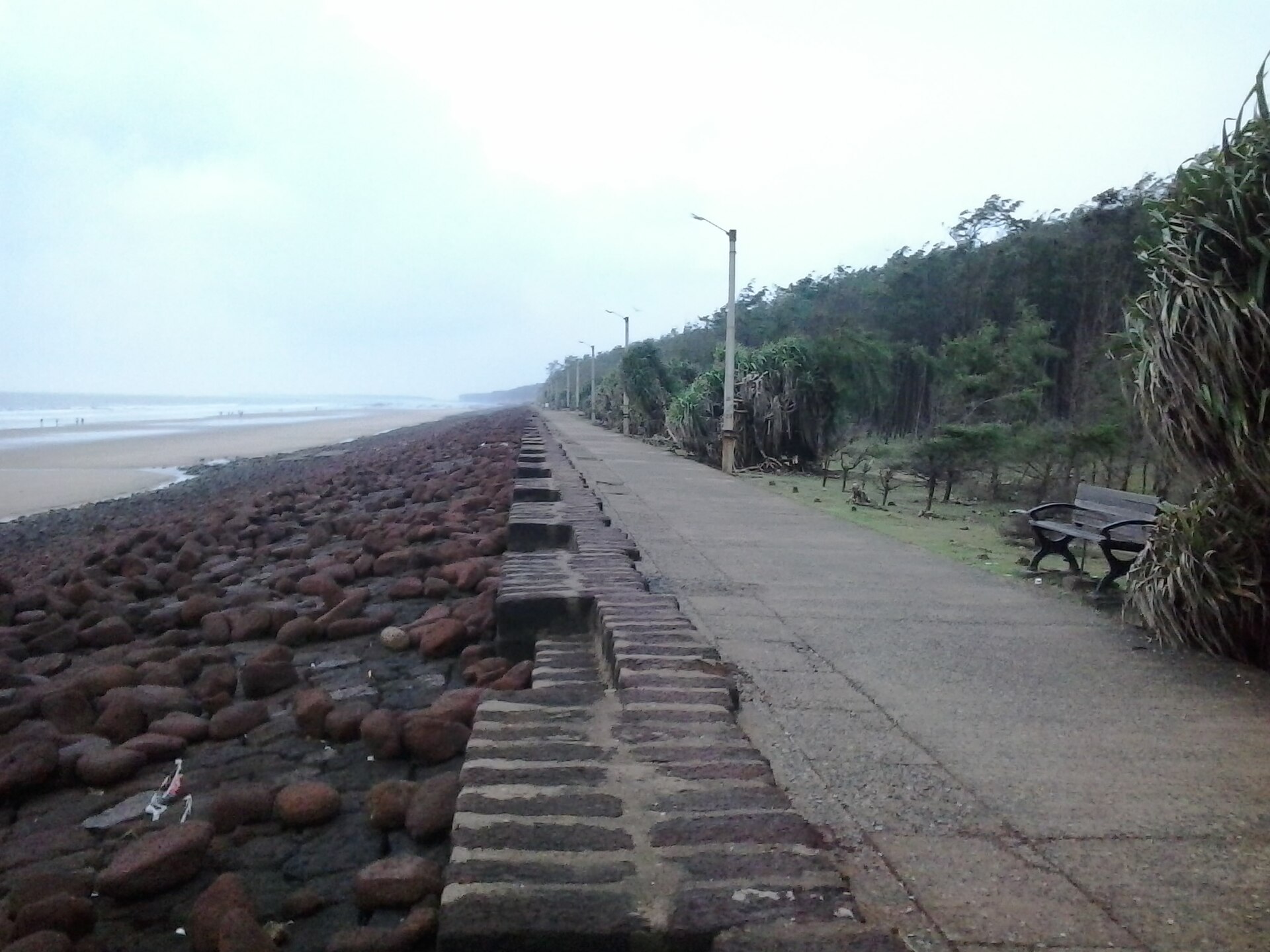
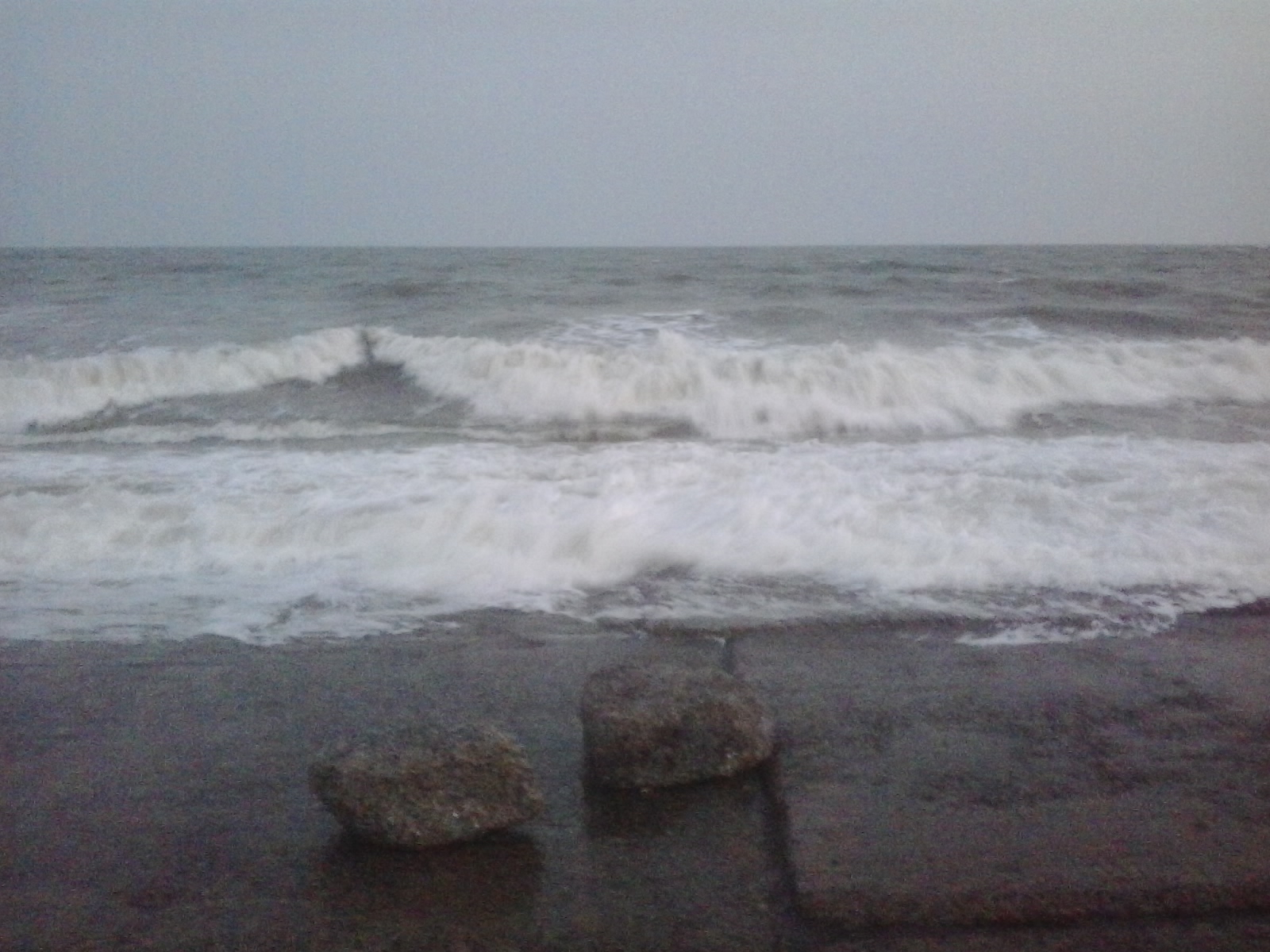
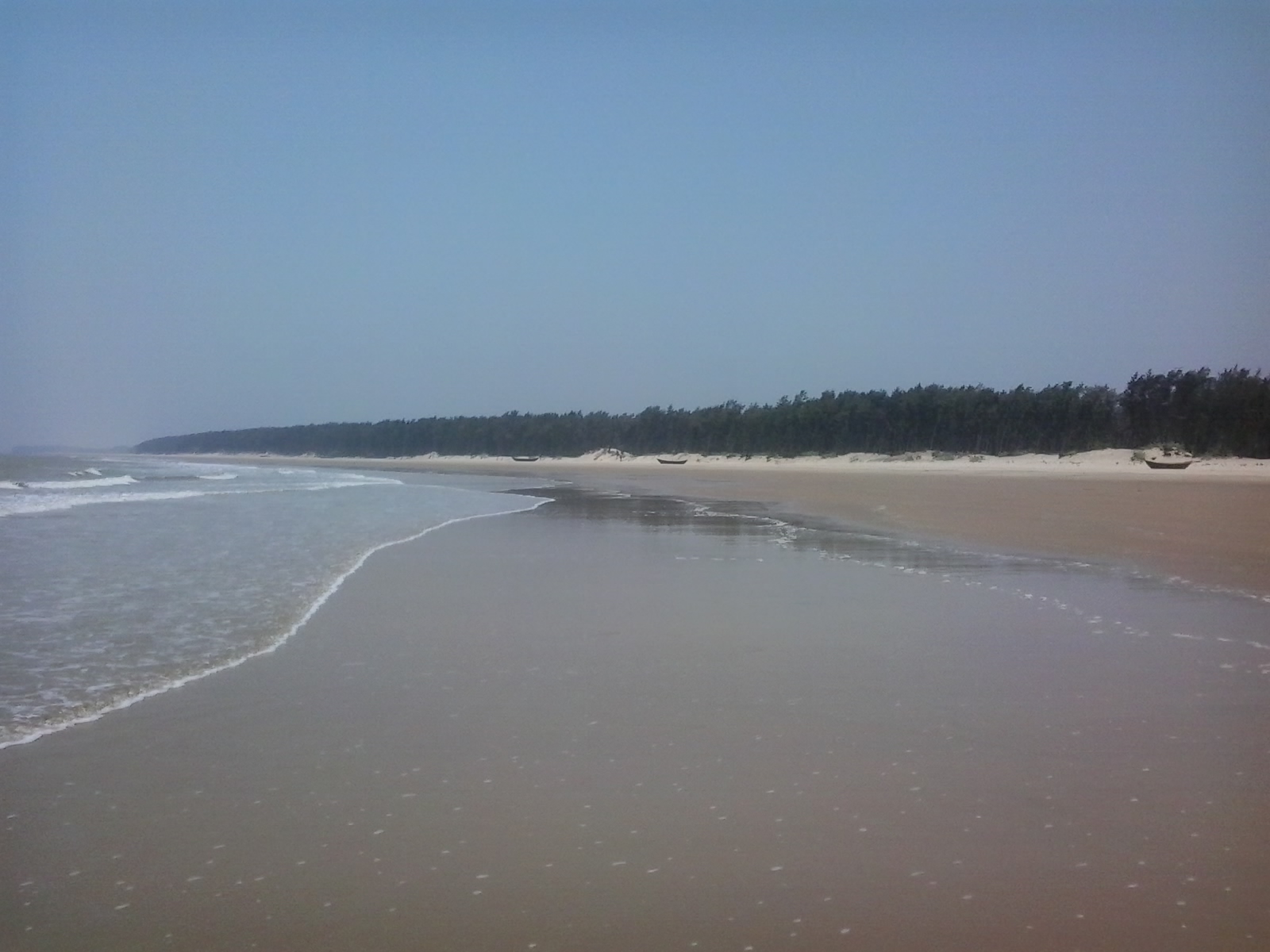
Old Digha beach
Old Digha
The original beach and promenade, busy and lively, with sea walls, stalls and sunset crowds.
Open in Google Maps (opens in a new tab)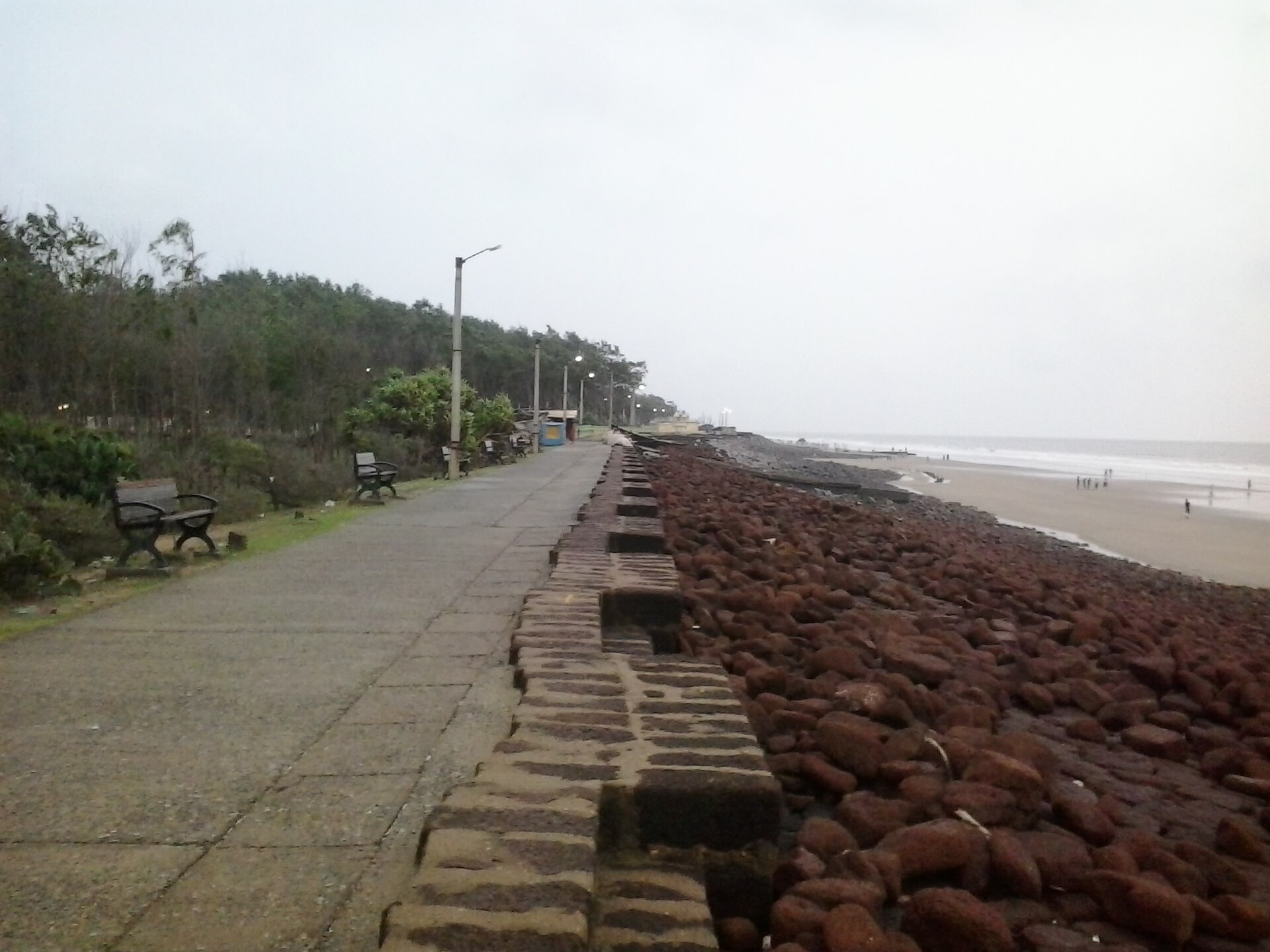
 Digha, India
West Bengal's most popular seaside resort on the Bay of Bengal, a weekend favourite of Kolkata families — with Old and New Digha beaches, fresh seafood, the fishing harbour at Shankarpur and quieter beaches at Mandarmani and Tajpur.
Old Digha
The original beach and promenade, busy and lively, with sea walls, stalls and sunset crowds.
Open in Google Maps (opens in a new tab)New Digha
A wider, flatter beach with gentler waves and a long promenade.
Open in Google Maps (opens in a new tab)New Digha
A large new temple built in the style of the Jagannath Temple in Puri. Check visiting rules at the gate.
Open in Google Maps (opens in a new tab)Old Digha
A small aquarium of sea fish and marine life of the Bay of Bengal.
Open in Google Maps (opens in a new tab)On the West Bengal–Odisha border, west of Old Digha
A quieter beach with casuarina trees, reached by toto.
Open in Google Maps (opens in a new tab)East of Digha, 14–30 km
Shankarpur fishing harbour, quiet Tajpur beach with red crabs, and Mandarmani, a long beach lined with resorts.
Open in Google Maps (opens in a new tab)Just across the Odisha border
A Shiva temple visited by many pilgrims, especially in the month of Chaitra.
Open in Google Maps (opens in a new tab)Digha, India
Pomfret, prawns, crab and small fish fried in a spicy coating at the stalls along Digha's seafront and near the fish market at Digha Mohana. Choose a busy stall where the fish is cooked in front of you.
Digha, India
Large prawns cooked in a mild coconut-milk gravy with ghee and whole spices — a Bengali celebration dish, and a good choice in the coastal town of Digha.
Digha, India
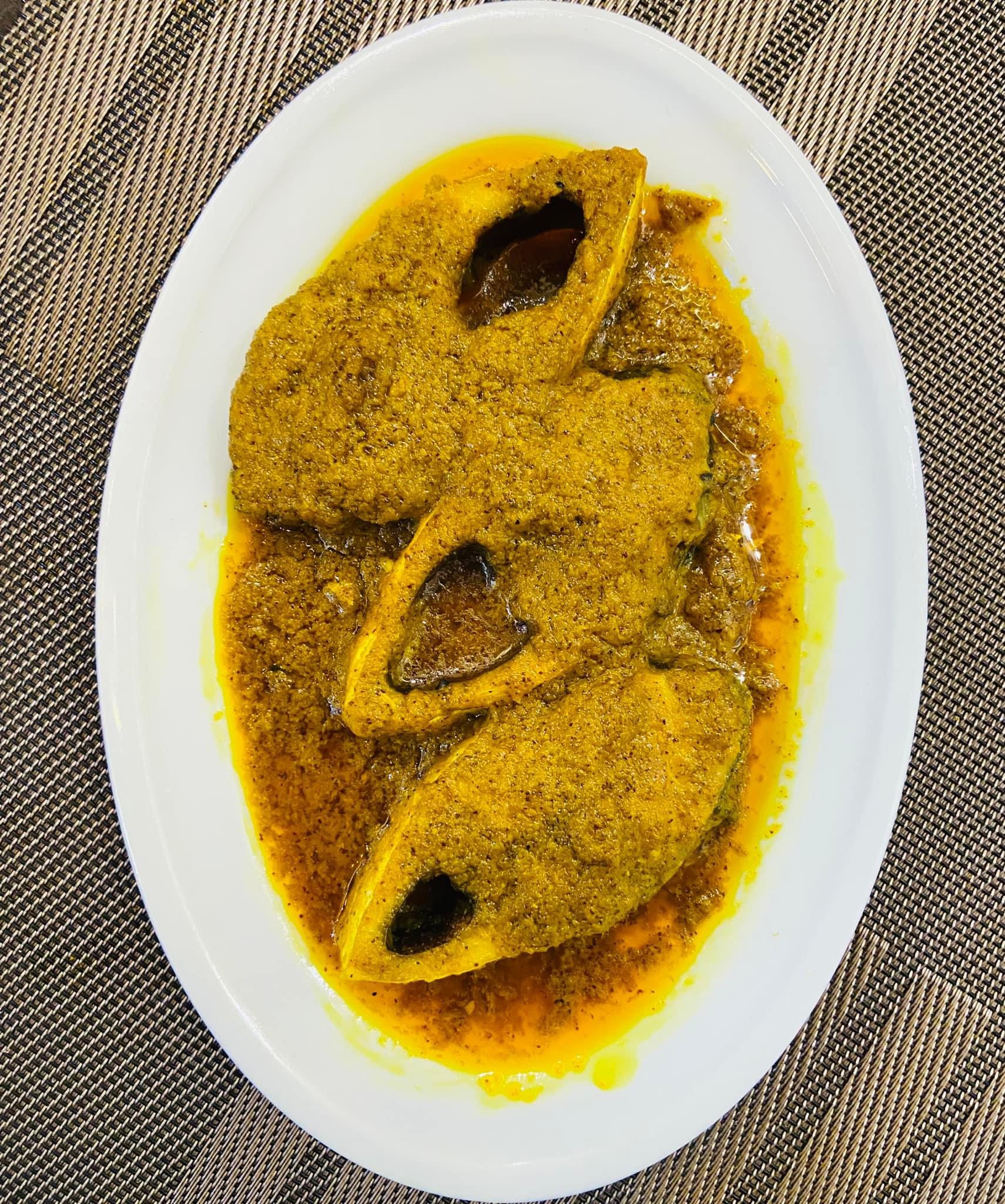
Bengali fish curry: a light, turmeric-and-cumin gravy with potato for everyday meals, or hilsa (ilish) in a sharp mustard sauce in season. Eaten with rice, as in Bangladesh.
Digha, India
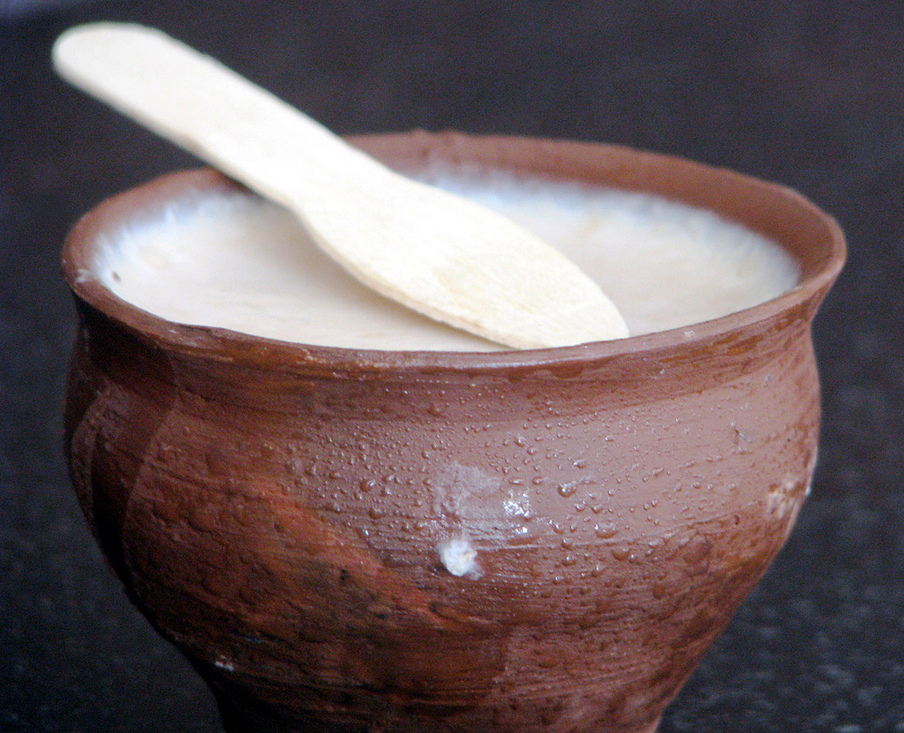
Sweetened, caramel-coloured curd set in clay pots, along with rosogolla, sandesh and pantua — the sweets of every Bengali town.
Old Digha and New Digha promenades
Fried fish and prawns cooked to order, jhal muri and tea.
Open in Google Maps (opens in a new tab)Old Digha and New Digha
Bengali fish thalis and seafood curries.
Open in Google Maps (opens in a new tab)Digha Mohana
Buy fish at the market and have it cooked at stalls nearby.
Open in Google Maps (opens in a new tab)Digha, India
Larger and newer hotels, quieter, near the wider beach and the temple.
Open in Google Maps (opens in a new tab)Digha, India
Many budget and mid-range hotels close to the busy beach and market.
Open in Google Maps (opens in a new tab)Digha, India
Beach resorts for a quieter stay.
Open in Google Maps (opens in a new tab)Digha is the classic Bengali holiday: a crowd of families from Kolkata walking the seafront at sunset, eating fish fry and buying shell crafts. The fishing harbours at Digha Mohana and Shankarpur are busy with trawlers and fish auctions in the morning.
The new Jagannath temple has made Digha a pilgrimage stop as well as a beach town.
Digha was a quiet stretch of coast, known to the British as "Beerkul", until the 1920s–1950s, when an English businessman, John Frank Snaith, settled here and championed it as a resort. After independence, Chief Minister Bidhan Chandra Roy developed it as Bengal's seaside town.
Coastal erosion has been a constant problem, and long sea walls protect the town. New Digha was developed for a wider, gentler beach. In recent years a large Jagannath temple modelled on Puri's has been built here.
Arrive by train, afternoon on New Digha beach, the Jagannath temple and sunset on the promenade.
Morning at the Digha Mohana fish market, then Shankarpur and Tajpur before the train home.
October to March for pleasant weather. Weekends and holidays are crowded; the monsoon brings rough seas and occasional cyclones.
By air: Netaji Subhas Chandra Bose International Airport, Kolkata (CCU), about 180–190 km (around 4–5 hours by road).
By train: Digha station has direct trains from Howrah and Santragachi, taking about 3.5–4 hours.
By road: buses run from Kolkata (Esplanade and other terminals), and the road via Kolaghat and Contai is good.
From Bangladesh: via Kolkata — the Benapole–Petrapole land crossing is the usual route. Check current schedules and visa rules.