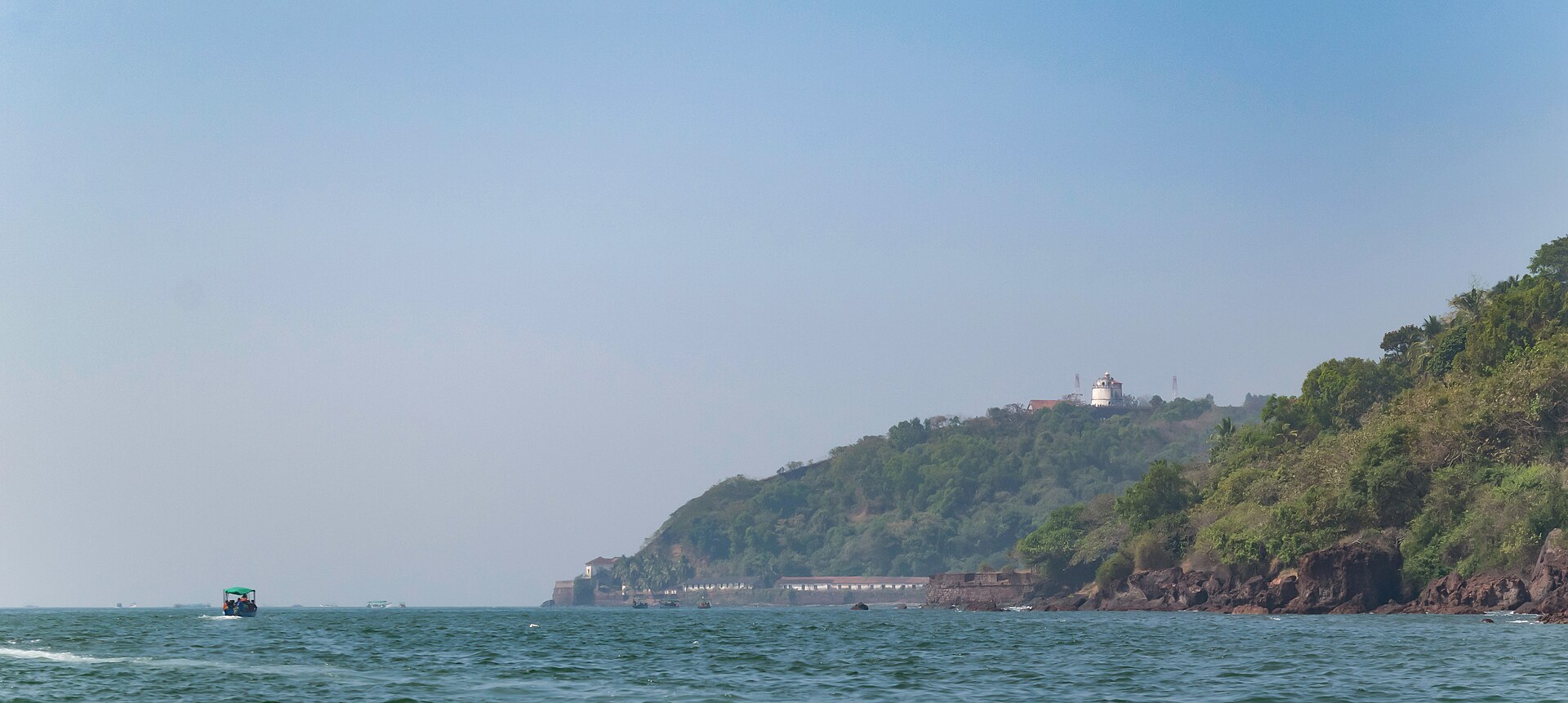
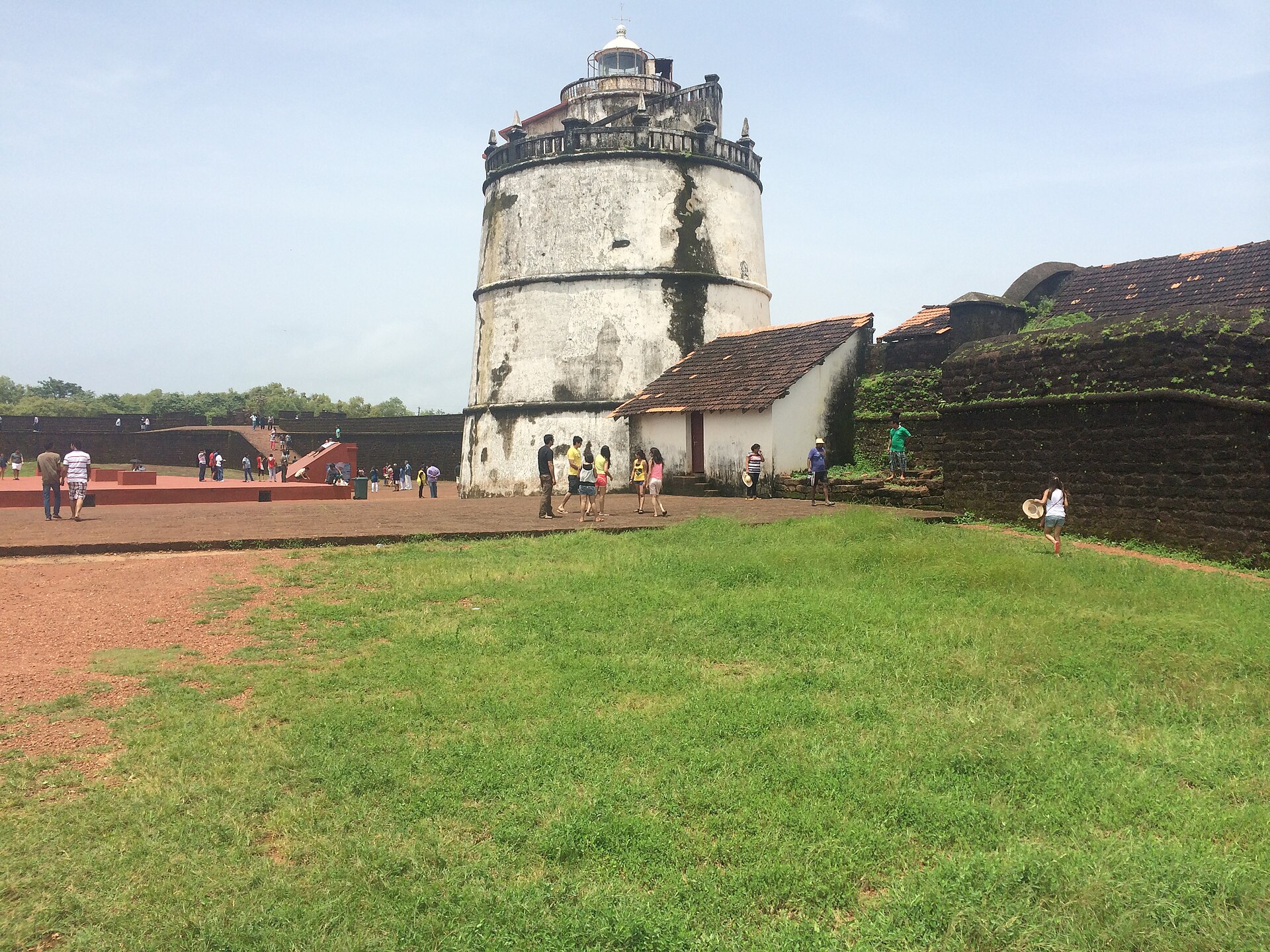
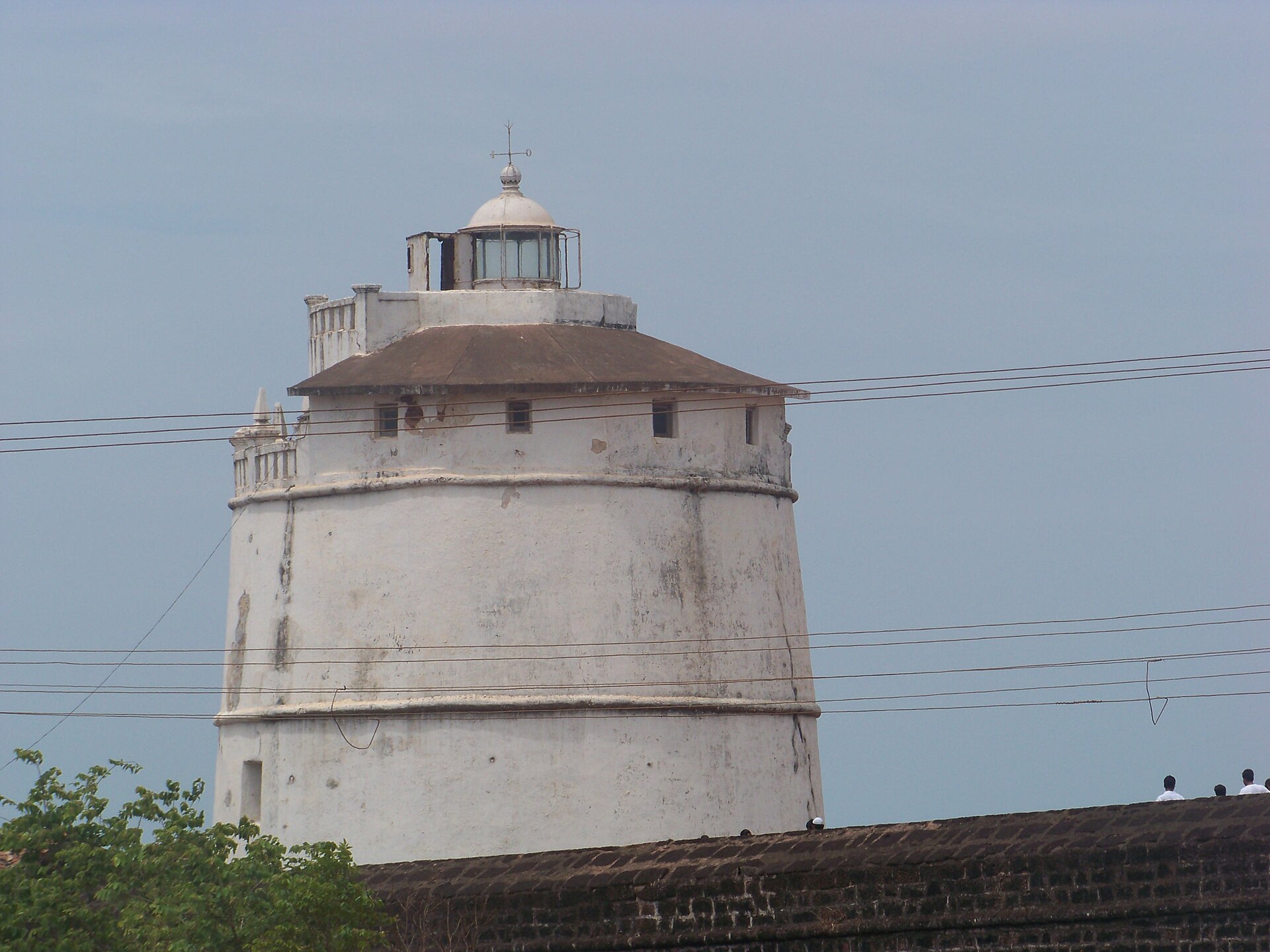
Upper fort and lighthouse
Top of the headland
The ramparts and the old lighthouse tower with views along the coast.
Open in Google Maps (opens in a new tab)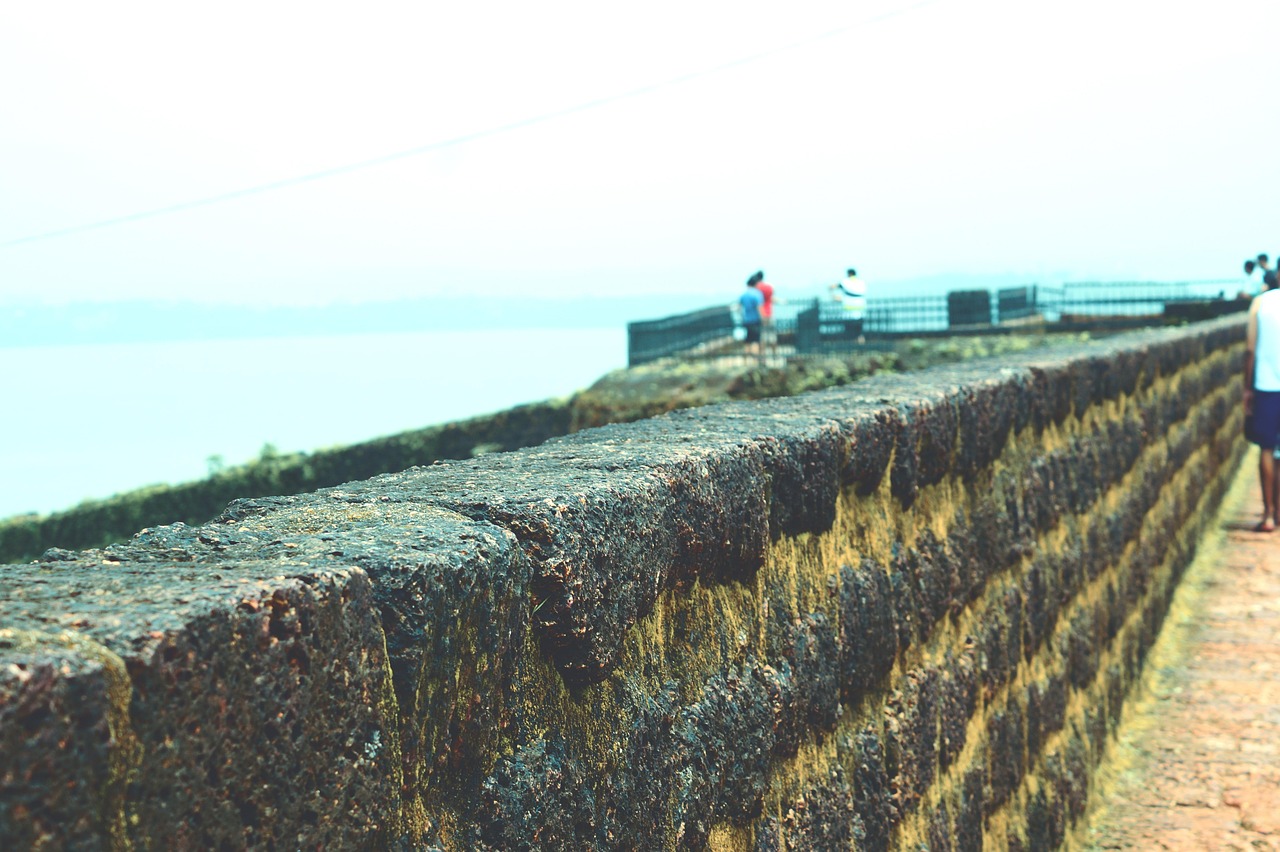
 Goa, India
A 17th-century Portuguese fort on the headland where the Mandovi river meets the sea, with one of Asia’s oldest lighthouses and wide views over the coast.
Top of the headland
The ramparts and the old lighthouse tower with views along the coast.
Open in Google Maps (opens in a new tab)Inside the upper fort
A huge underground reservoir that once supplied ships.
Open in Google Maps (opens in a new tab)Lower slopes
The restored prison, now a museum of Goa’s liberation.
Open in Google Maps (opens in a new tab)Below the fort
A beach at the foot of the lower fort walls.
Open in Google Maps (opens in a new tab)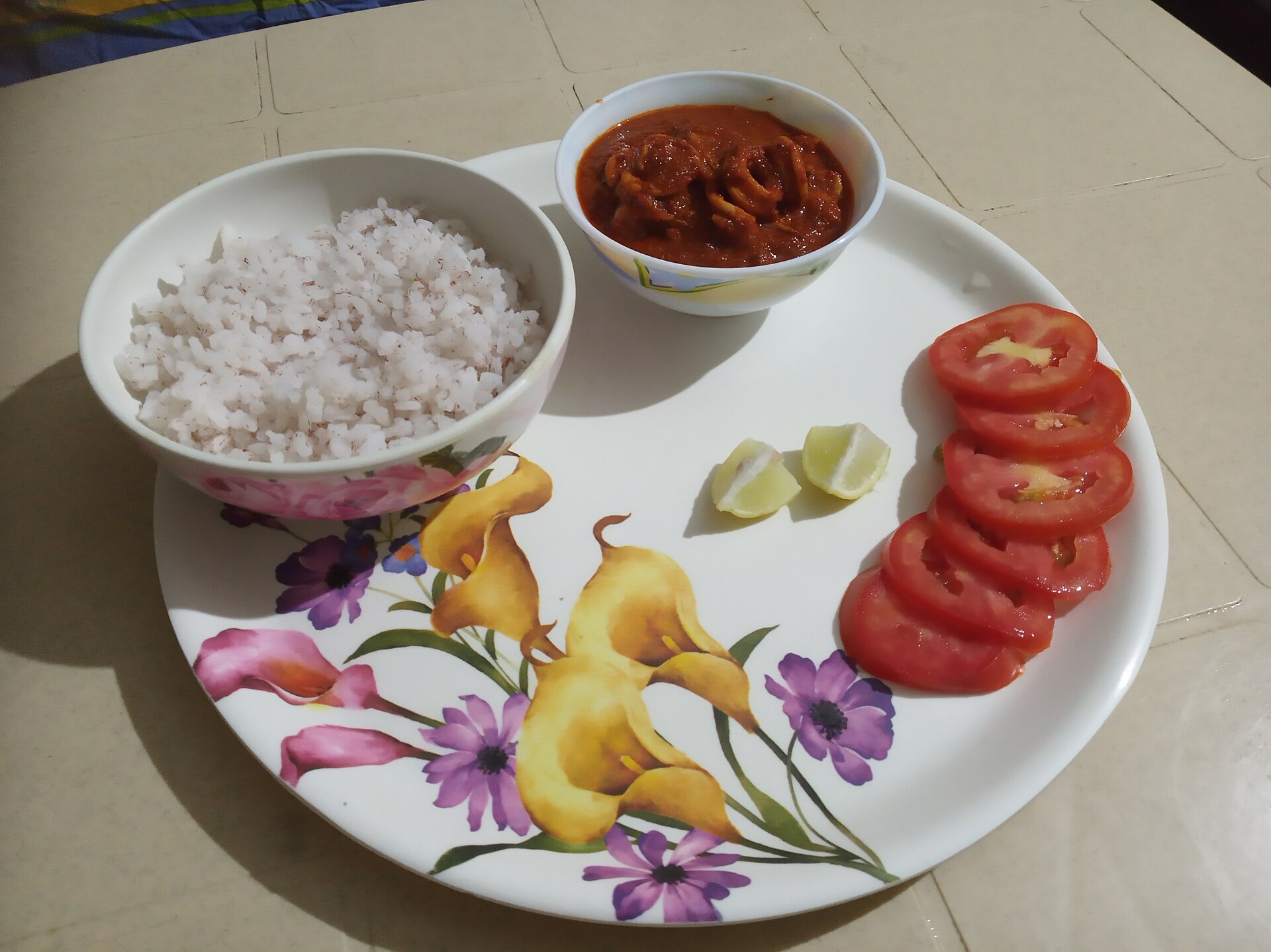
Goa, India
A tangy, fiery prawn pickle-curry made with vinegar, red chillies and dried prawns, an old Goan way to keep seafood through the monsoon.
Goa, India
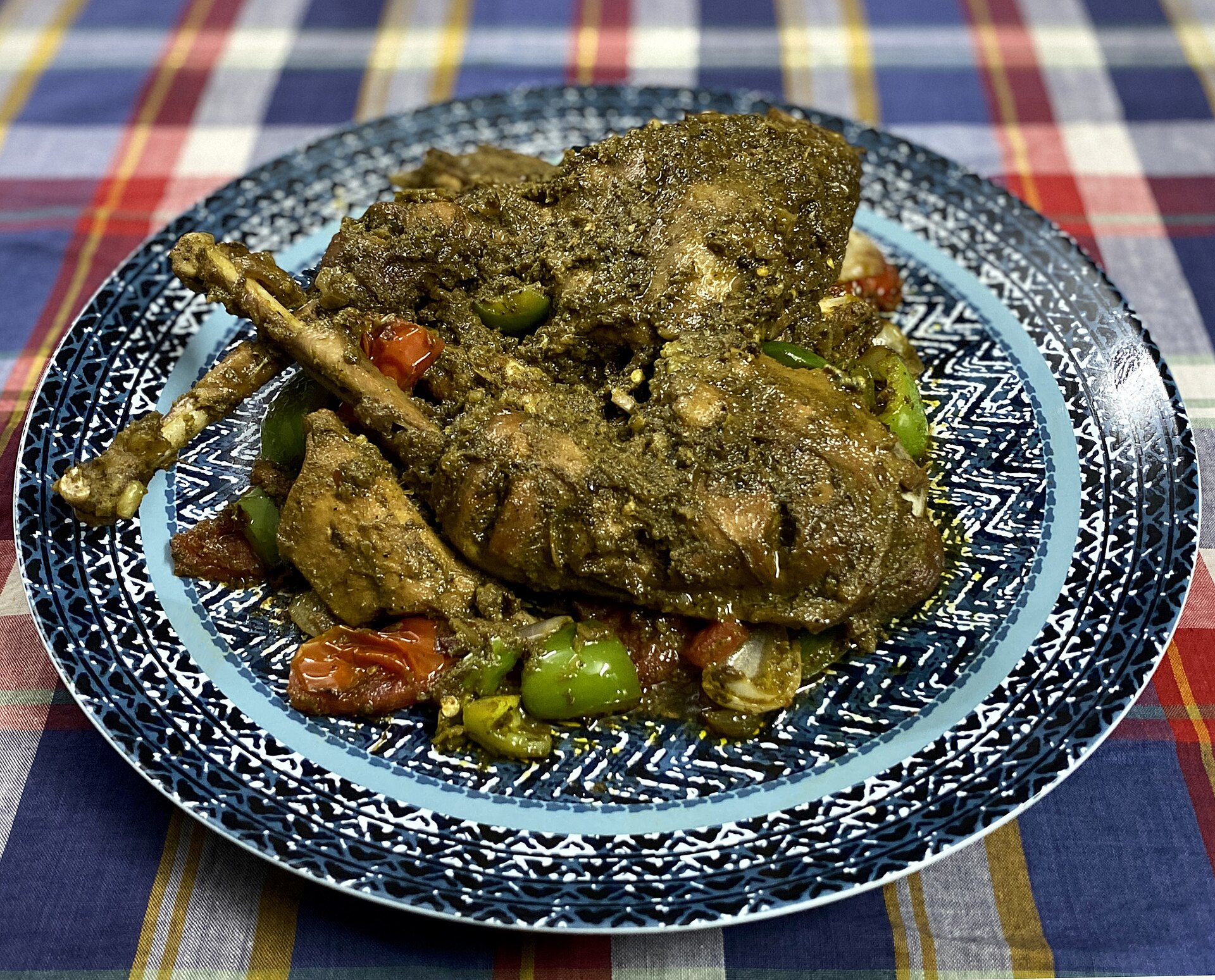
Two Goan chicken classics: xacuti is cooked in a dark, complex masala of roasted coconut and spices; cafreal is marinated in a bright green paste of coriander, chilli and lime and then fried or grilled.
Goa, India
Poi is the soft, hollow bread made each morning by Goan bakers (poders), who still deliver by bicycle in many villages. Feni is Goa’s spirit, distilled from cashew fruit or coconut toddy — strong, so drink it slowly.
Candolim, Calangute, Baga, Anjuna, Vagator
Licensed wooden beach shacks with seafood, Goan dishes and cold drinks by the sand, plus restaurants and clubs inland. Shacks open roughly from October to May and are taken down for the monsoon.
Open in Google Maps (opens in a new tab)Assagao, Siolim, Parra
Restaurants in restored Portuguese villas and gardens among the paddy fields, from Goan home cooking to modern cafés. Best reached by scooter or taxi.
Open in Google Maps (opens in a new tab)Goa, India
Busy beach strips with hotels and resorts of every kind, close to the nightlife, water sports and Fort Aguada. Lively and noisy in the season.
Open in Google Maps (opens in a new tab)Goa, India
Heritage guesthouses in old Portuguese houses and city hotels by the river: calm, central and close to Old Goa, with buses and taxis to both north and south.
Open in Google Maps (opens in a new tab)The fort is a favourite stop for families and couples, who come for the views and photographs. The museum in the old jail tells the story of the Goans who campaigned against Portuguese rule.
The Portuguese built Fort Aguada in 1612 to guard the mouth of the Mandovi and the approach to Old Goa against the Dutch and the Marathas. Its name comes from the freshwater spring inside, where passing ships took on water (aguada).
The fort had a large cistern, a moat, gunpowder stores and a lighthouse; the lighthouse tower, from the 19th century, is among the oldest of its kind in Asia. Part of the fort was later used as a prison; the old Aguada jail has been restored and opened as a museum on Goa's freedom struggle. A newer lighthouse stands nearby.
Learn about Goa’s freedom struggle.
The lighthouse, cistern and ramparts.
Down to the beach for a swim.
Dinner at a shack as the sun goes down.
November to February, in the late afternoon for the light and the sea breeze.