Kavaratti lagoon
West side of the island
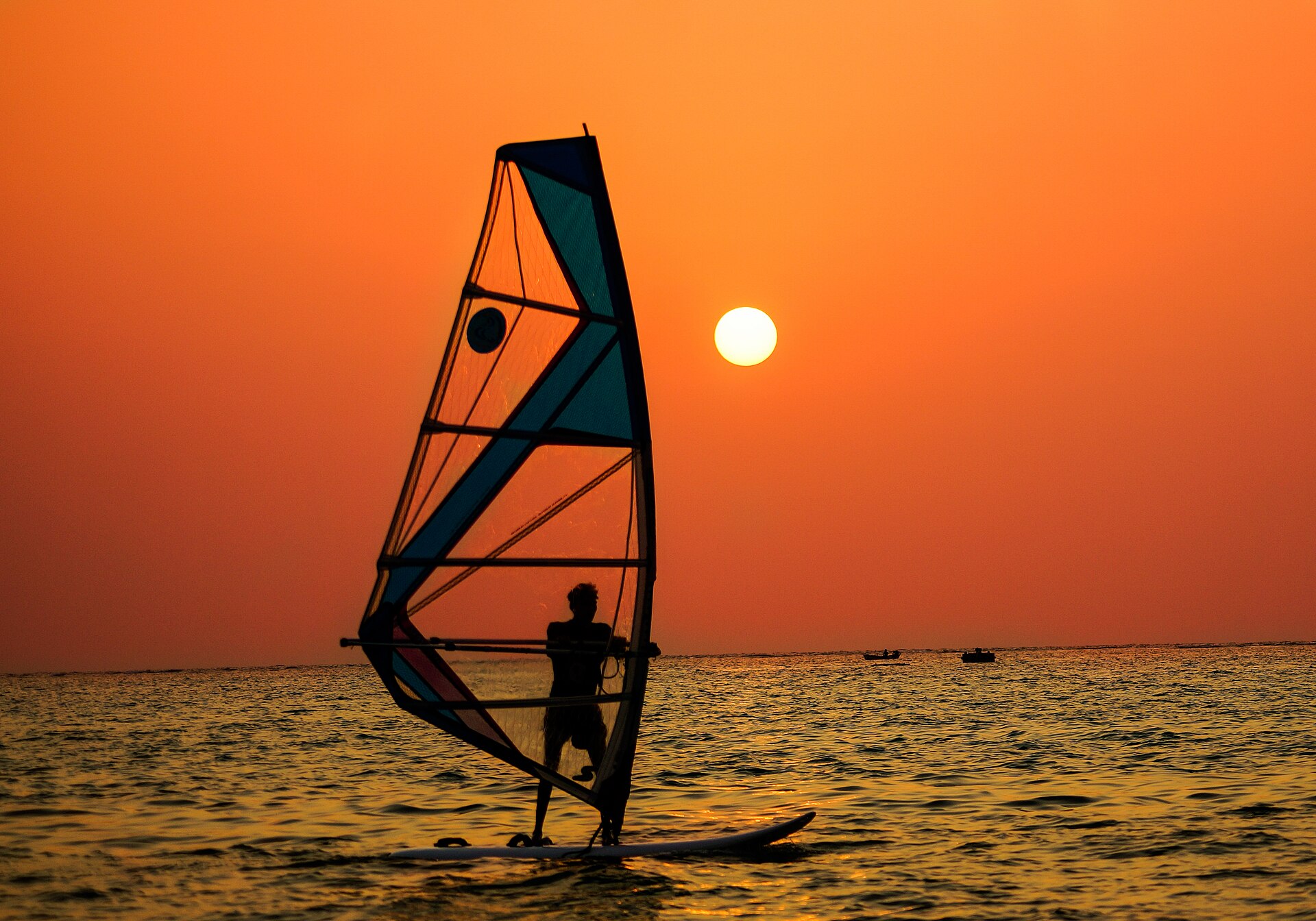
A wide, calm, turquoise lagoon inside the reef — the place for swimming, kayaking, snorkelling and glass-bottom boat trips over coral and reef fish.
Open in Google Maps (opens in a new tab)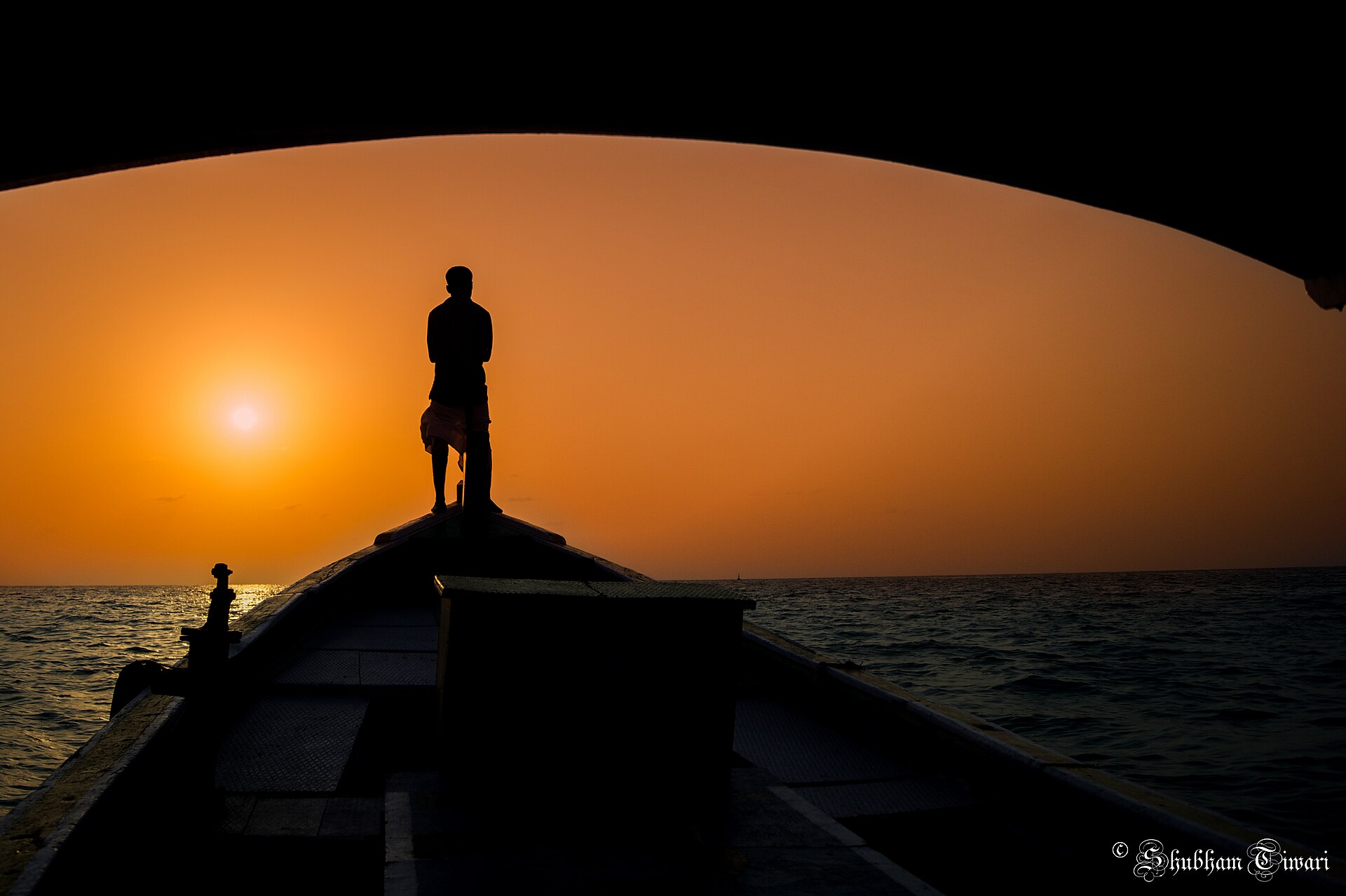
 Kavaratti, India
The capital of Lakshadweep: a small coral island with a turquoise lagoon for glass-bottom boat trips, snorkelling and kayaking, white beaches, the carved Ujra Mosque and a marine aquarium.
West side of the island
A wide, calm, turquoise lagoon inside the reef — the place for swimming, kayaking, snorkelling and glass-bottom boat trips over coral and reef fish.
Open in Google Maps (opens in a new tab)Kavaratti village
Kavaratti
A small aquarium of the lagoon's reef fish, corals and marine life — a good introduction before snorkelling.
Open in Google Maps (opens in a new tab)Reefs around Kavaratti
Licensed dive centres run introductory dives and courses on the reef edge. Ask about current operators and certification.
Open in Google Maps (opens in a new tab)Around the island
Soft white coral sand and coconut palms, quiet and uncrowded; keep to the beaches near the tourism cottages for swimming.
Open in Google Maps (opens in a new tab)Kavaratti, India
Kavaratti, India
Kavaratti, India
Fish simmered in a red, sour curry soured with kudampuli (Malabar tamarind) and cooked in clay pots, or in a milder coconut-milk version. Best with boiled red matta rice or tapioca (kappa).
Kavaratti beach
Most visitors eat at their package stay: simple island meals of fish, rice, coconut curries and fruit.
Open in Google Maps (opens in a new tab)Kavaratti main road
A few small eateries serve tea, snacks and Kerala-style meals to islanders and officials.
Open in Google Maps (opens in a new tab)Kavaratti, India
Kavaratti, India
Beach huts and cottages by the lagoon, run under the island tourism programme.
Open in Google Maps (opens in a new tab)Lakshadweep's islanders are mostly Muslim; tradition credits the Arab saint Ubaidullah with bringing Islam to the islands centuries ago. People speak a dialect of Malayalam called Jeseri on most islands, and Mahl — the language of the Maldives — on Minicoy. Life revolves around fishing, especially pole-and-line tuna fishing, coconut groves, coir, the mosque and the family. Many islands follow a matrilineal tradition of inheritance and family houses.
Island arts include Kolkali (stick dance), Parichakali (a shield-and-sword dance) and, on Minicoy, the Lava dance performed at festivals. Visitors are welcome, but the islands are small and close-knit: modest dress and quiet behaviour are appreciated.
Lakshadweep — "a hundred thousand islands" — is India's smallest Union Territory: some three dozen coral islands, atolls and reefs in the Arabian Sea off the Kerala coast, of which only about ten are inhabited. Sailors and settlers from the Malabar coast are believed to have peopled the islands in early times, and Islam is traditionally said to have arrived with the saint Ubaidullah.
For centuries the islands were under the Arakkal rulers of Kannur; the northern Amindivi group passed to Tipu Sultan and then, after 1799, to the British, who took over the remaining islands in the early 20th century. In 1956 they became a Union Territory, renamed Lakshadweep in 1973.
Kavaratti has been the administrative capital since 1964. It is one of the more developed islands, with government offices, a hospital, schools and the main tourism facilities.
Arrive by boat or ship, settle in, then an afternoon of swimming and a glass-bottom boat ride on the lagoon.
Morning snorkelling or an introductory dive, the Marine Aquarium, and a respectful walk past the Ujra Mosque and the village.
October to April, when the sea is calm and the water clear for snorkelling and diving. May to September is the monsoon, with rough seas and few sailings.
Entry permit: every visitor who is not a resident of Lakshadweep — Indian citizens as well as foreigners — needs an entry permit from the Lakshadweep Administration before travelling, usually arranged with a tour package, a confirmed stay or through the administration's online permit system. Foreign nationals may visit only certain islands, under a restricted-area permit. Rules, open islands and procedures change: check the current rules with the Lakshadweep Administration before booking anything.
By air: the only airport is Agatti (AGX), with flights from Kochi (COK) — and on some schedules from Bengaluru — on small aircraft with limited seats and strict baggage limits. Check current routes and schedules.
By sea: passenger ships run by the Lakshadweep Administration sail from Kochi (and on some services from Kozhikode/Beypore and Mangaluru) to the inhabited islands; the crossing takes most of a day or a night. Sailings depend on the weather and are reduced in the monsoon — check current schedules.
Between islands: inter-island ships, boats and, at times, helicopter services connect the islands; they are limited, so plan connections with your tour operator.
To Kavaratti: from Agatti airport, transfers to Kavaratti are by boat or, when it runs, by helicopter; ships from Kochi also call at Kavaratti.