Yumthang Valley
About 25 km north of Lachung, around 3,600 m
A wide alpine valley with a river, grazing yaks and, in spring, the rhododendrons of the Shingba Rhododendron Sanctuary in full bloom.
Open in Google Maps (opens in a new tab)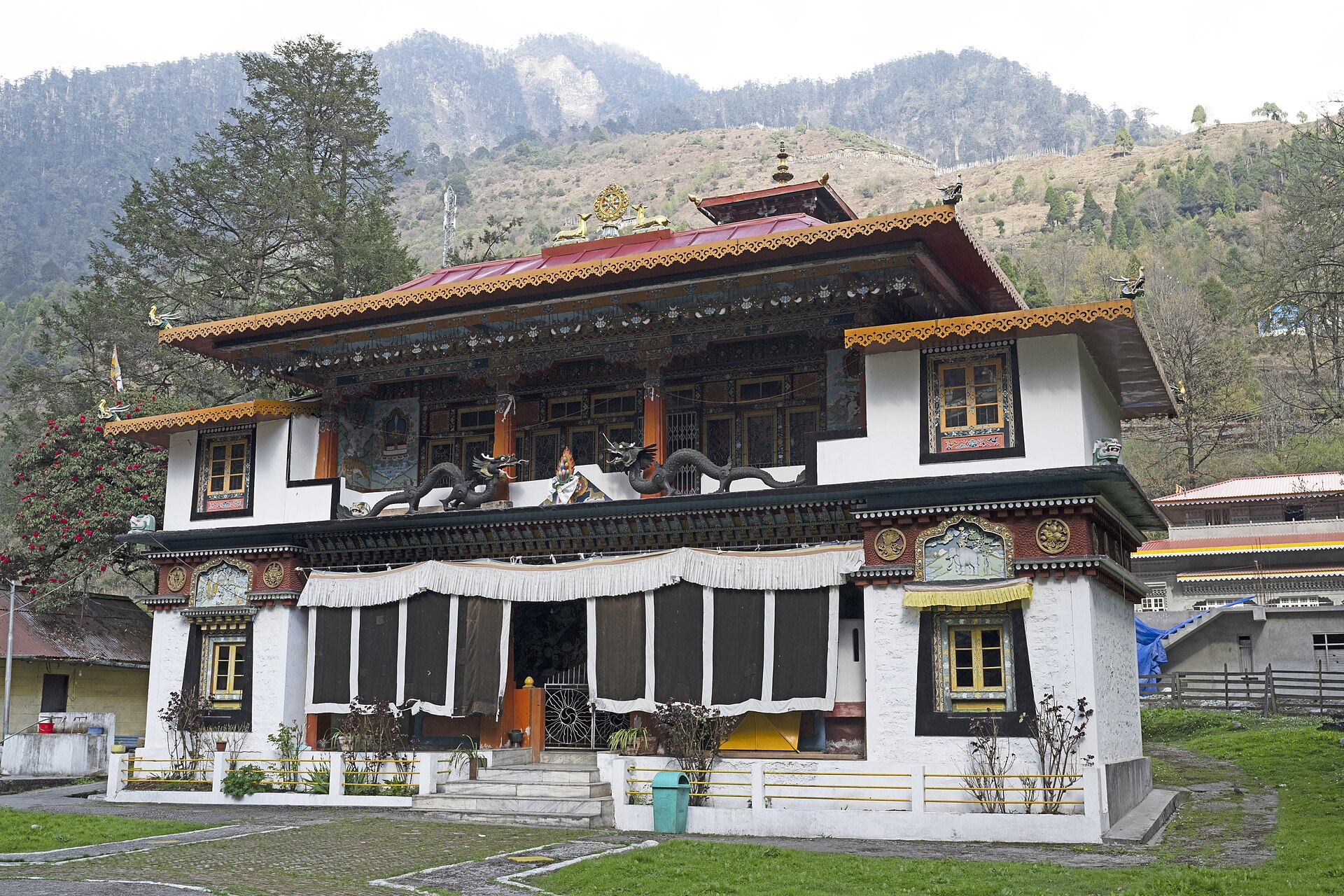
 Lachung, India
A high mountain village in North Sikkim, between waterfalls and snow peaks, and the base for the Yumthang Valley — the "Valley of Flowers" of rhododendrons and alpine meadows — and the snowfields of Zero Point.
About 25 km north of Lachung, around 3,600 m
A wide alpine valley with a river, grazing yaks and, in spring, the rhododendrons of the Shingba Rhododendron Sanctuary in full bloom.
Open in Google Maps (opens in a new tab)Beyond Yumthang, around 4,700 m
The end of the road, with snowfields and peaks, often snow-covered well into spring. Access rules vary; it may be closed to some visitors or in bad weather.
Open in Google Maps (opens in a new tab)On the road to Yumthang
Forest with many species of rhododendron, blooming in spring.
Open in Google Maps (opens in a new tab)Yumthang Valley
Sulphur hot springs by the river, used by locals for bathing.
Open in Google Maps (opens in a new tab)Lachung village
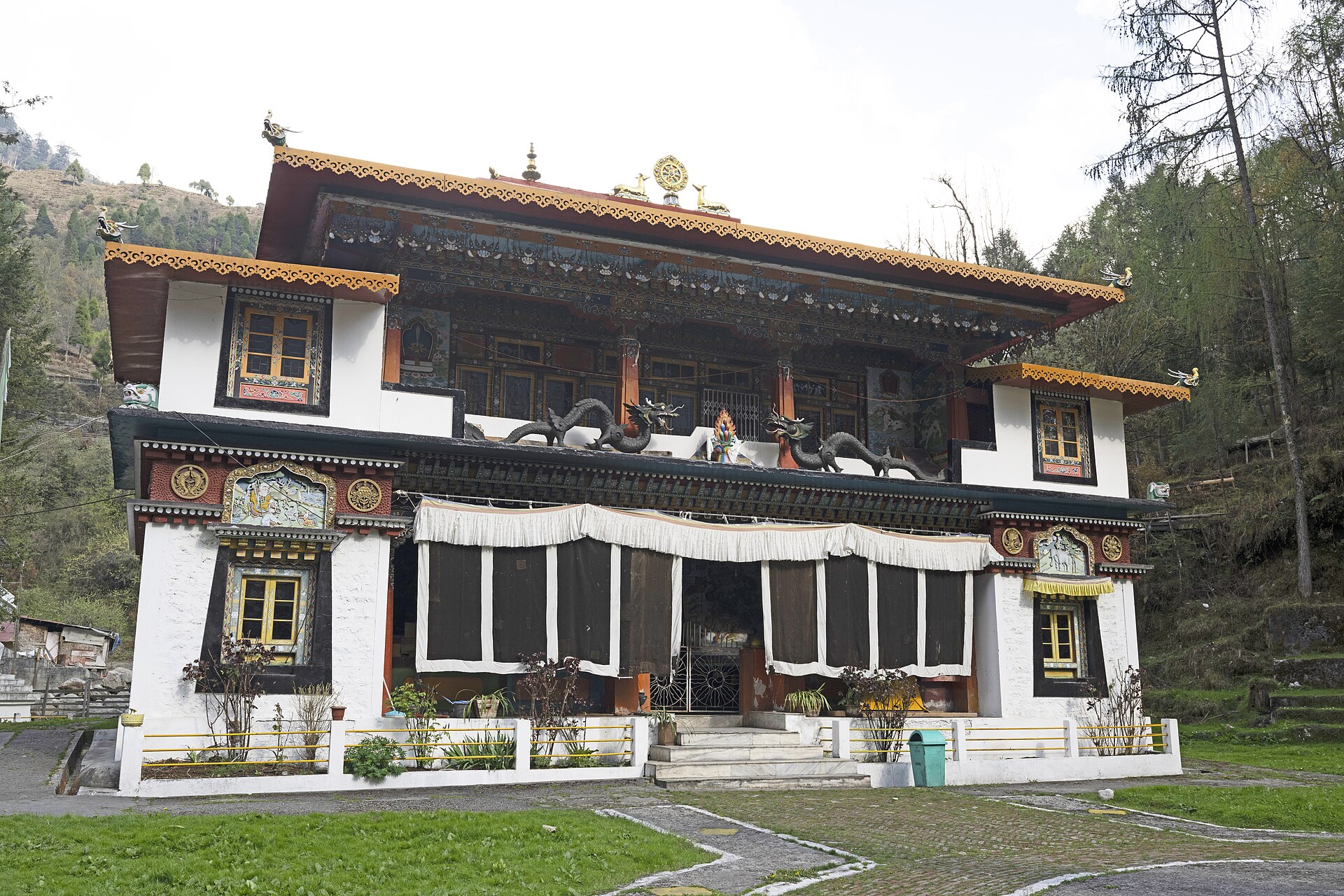
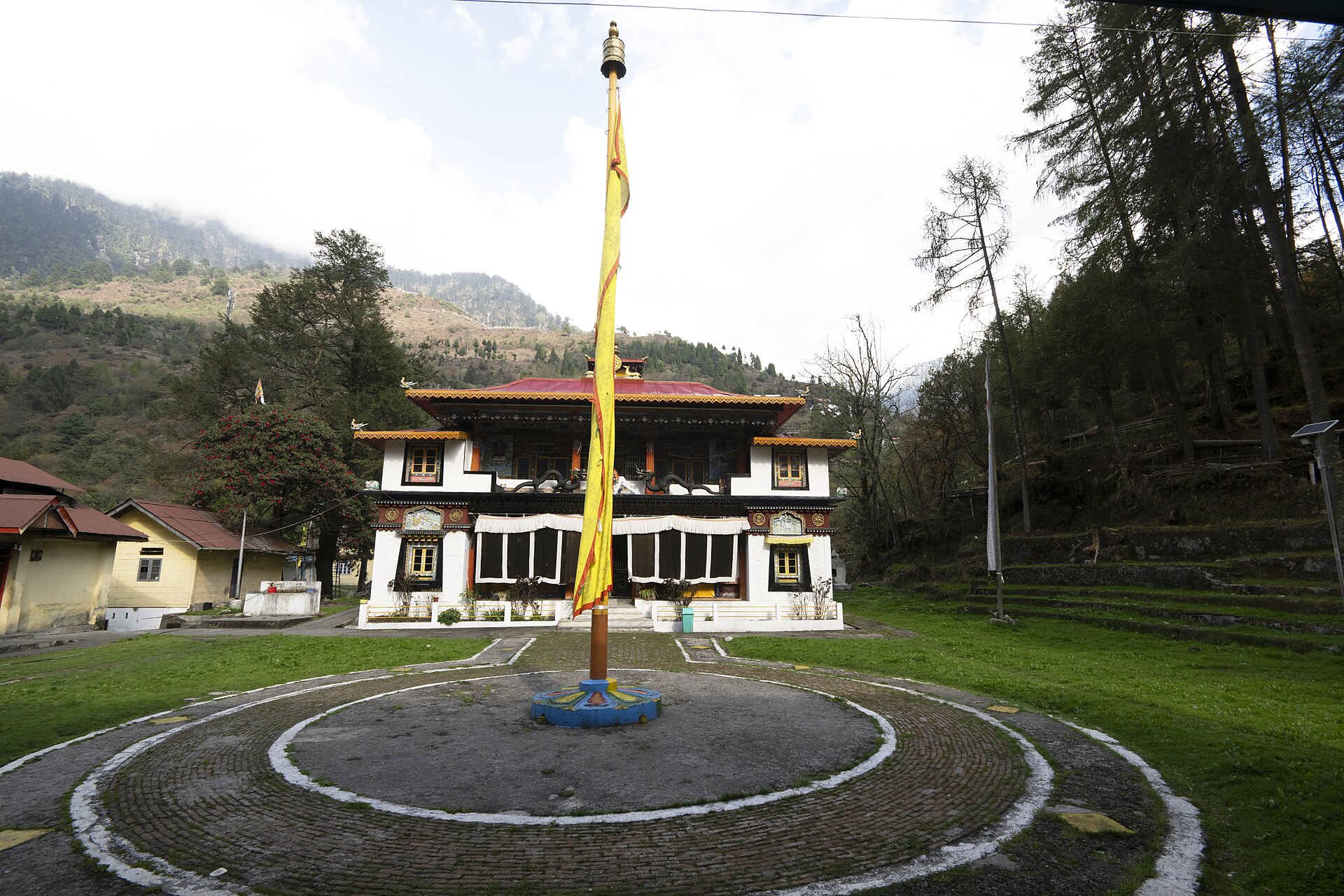
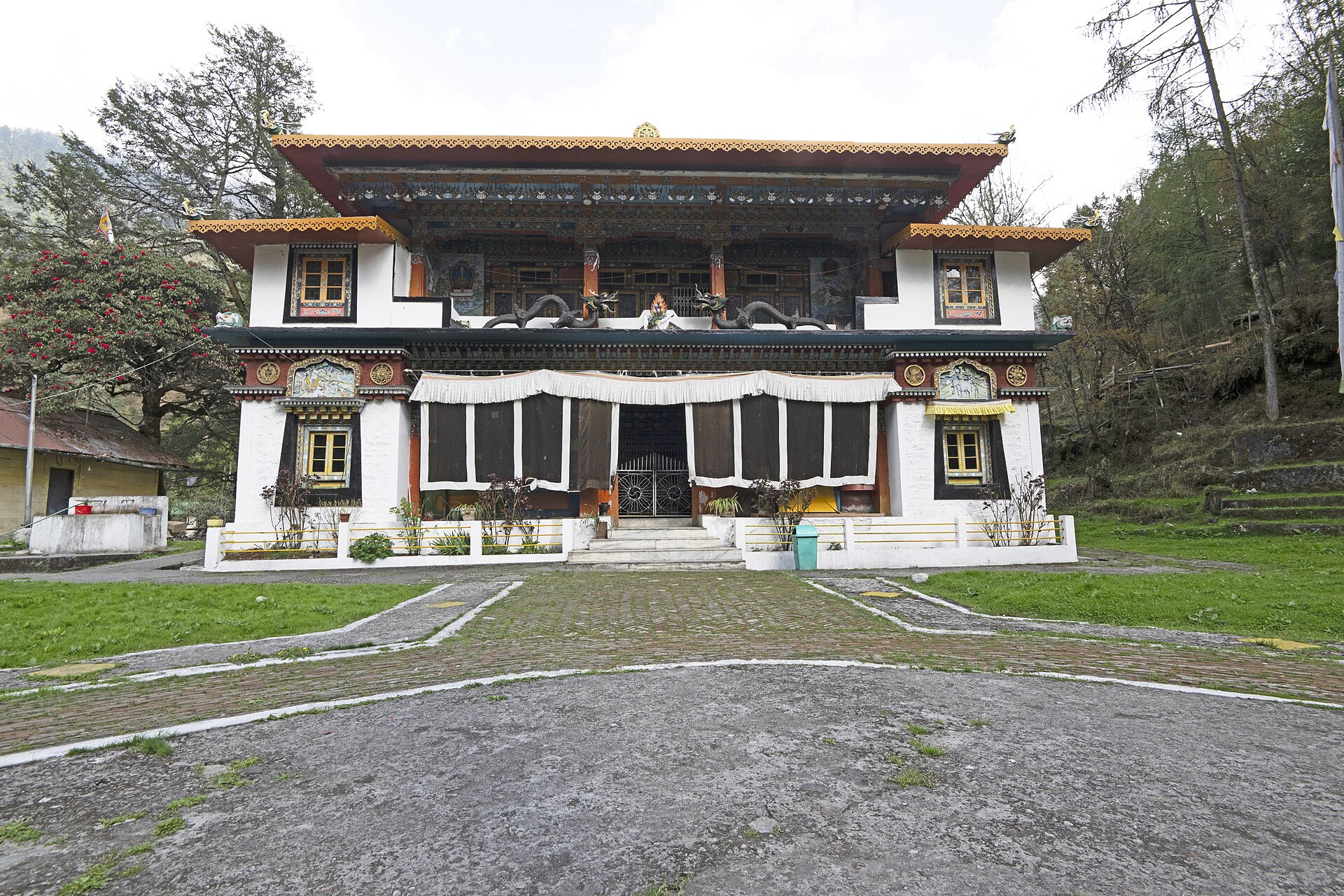
A Nyingma monastery above the village, with views across the valley.
Open in Google Maps (opens in a new tab)On the road from Chungthang
Tall waterfalls along the drive up to Lachung.
Open in Google Maps (opens in a new tab)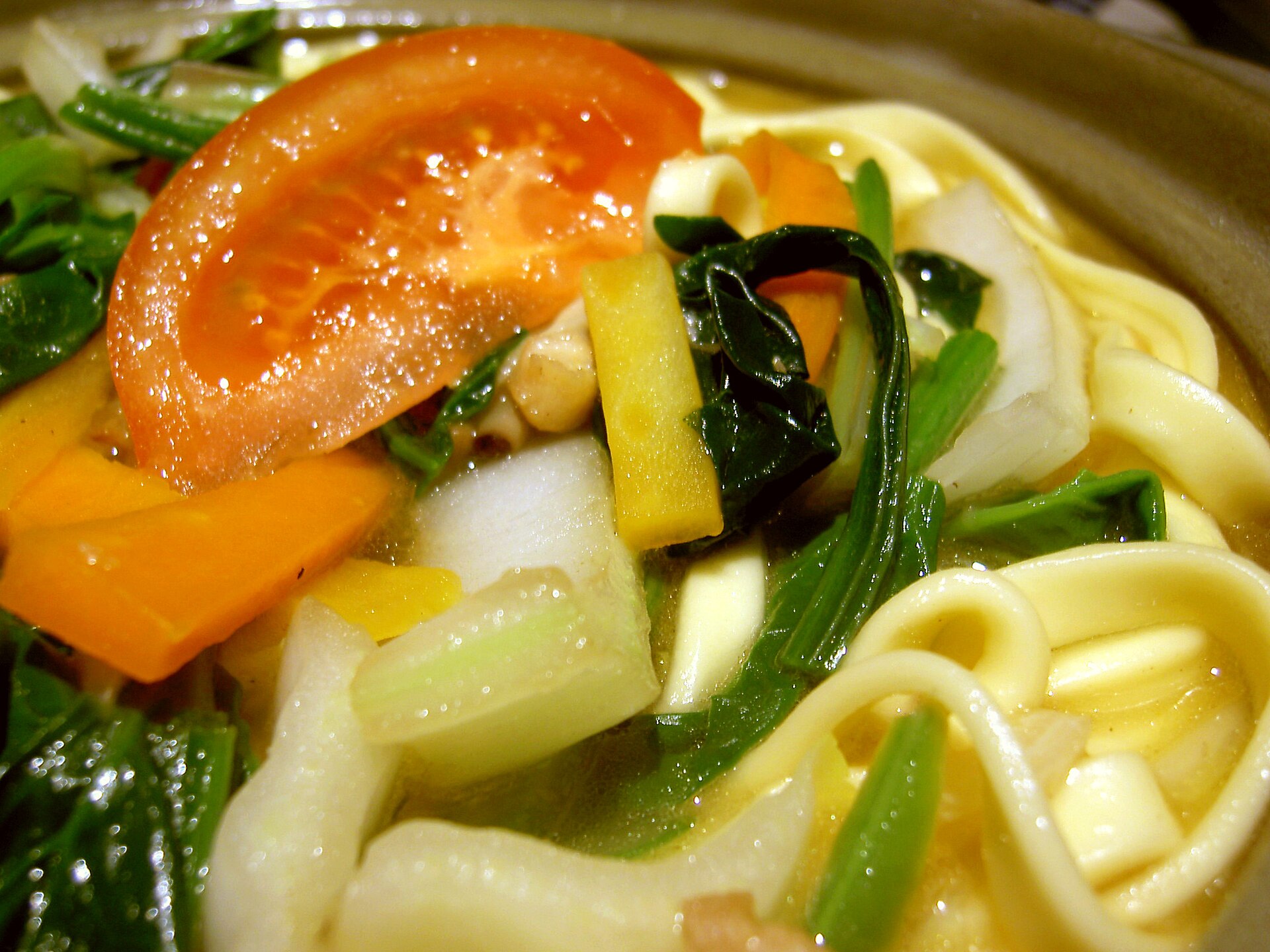
Lachung, India
A warming noodle soup with vegetables, egg, chicken, pork or yak meat, eaten across the Himalaya. In Tawang, Bomdila and Sikkim it is the standard lunch on a cold day.
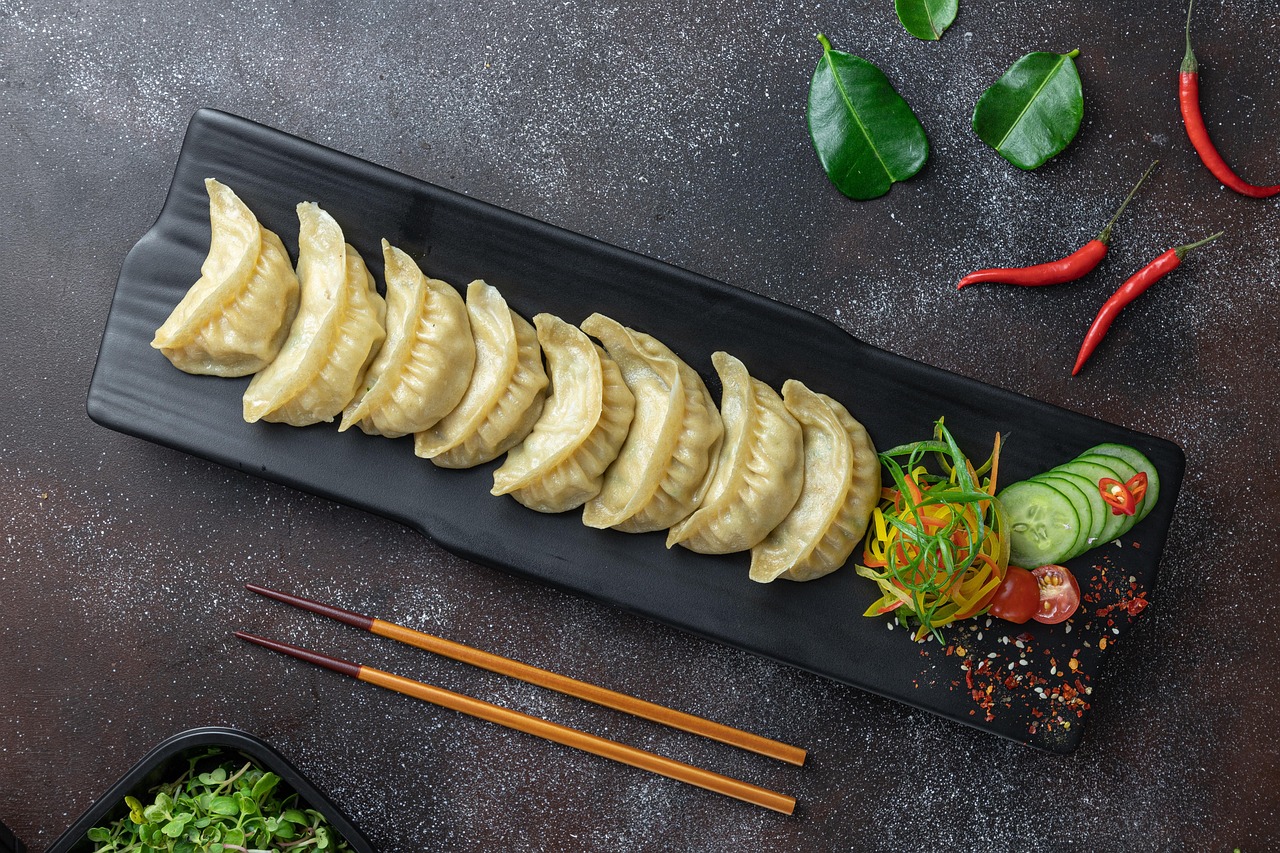
Lachung, India
Steamed or fried dumplings filled with pork, chicken, beef, cheese or vegetables, served with a fiery tomato-chilli sauce and a clear soup. Sold everywhere from small family kitchens to street stalls in the hill towns.
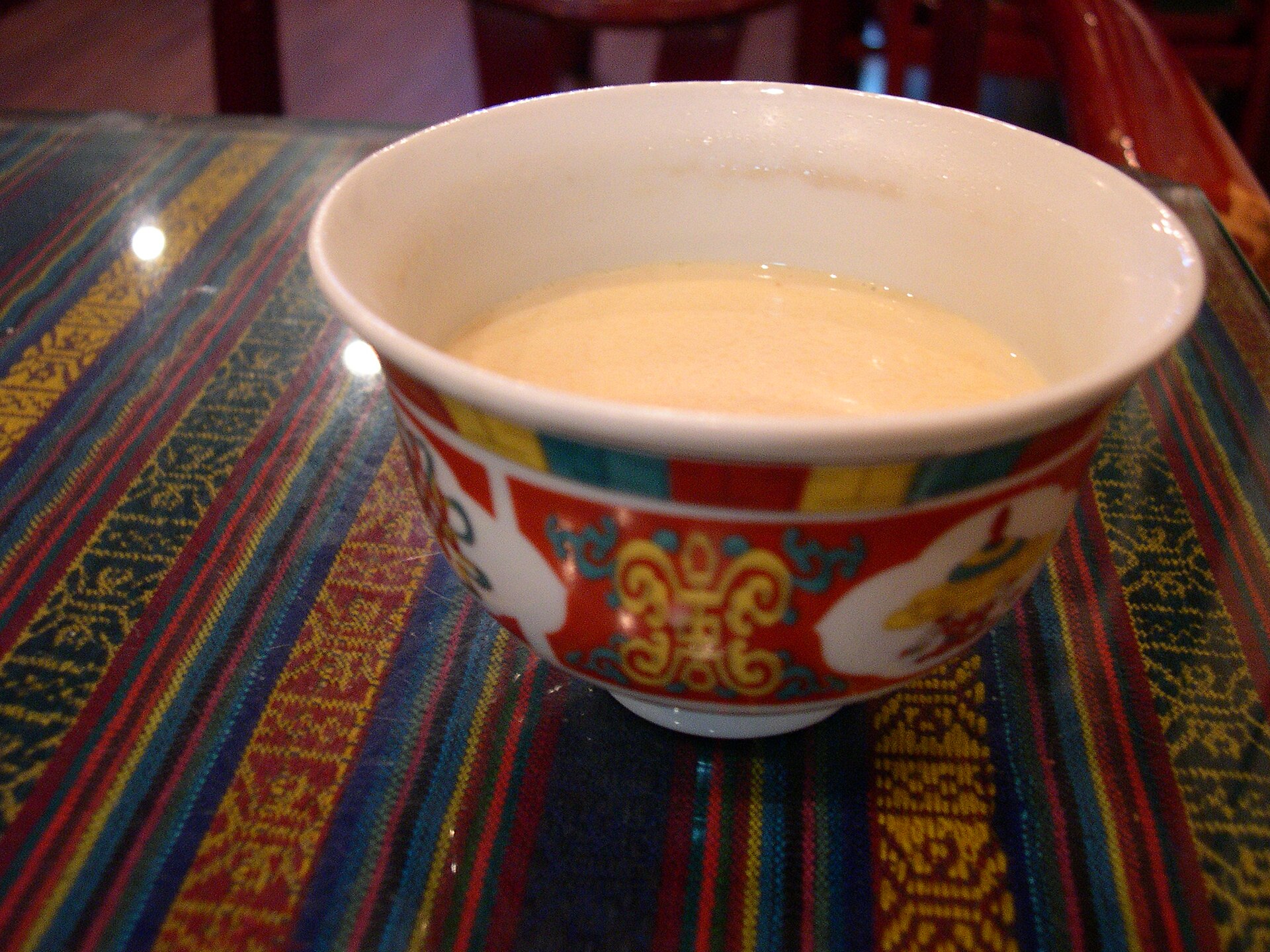
Lachung, India
Tea churned with butter and salt, offered in Monpa and Bhutia homes and monasteries. Salty rather than sweet, and good against the cold at altitude — a cup is a gesture of hospitality.
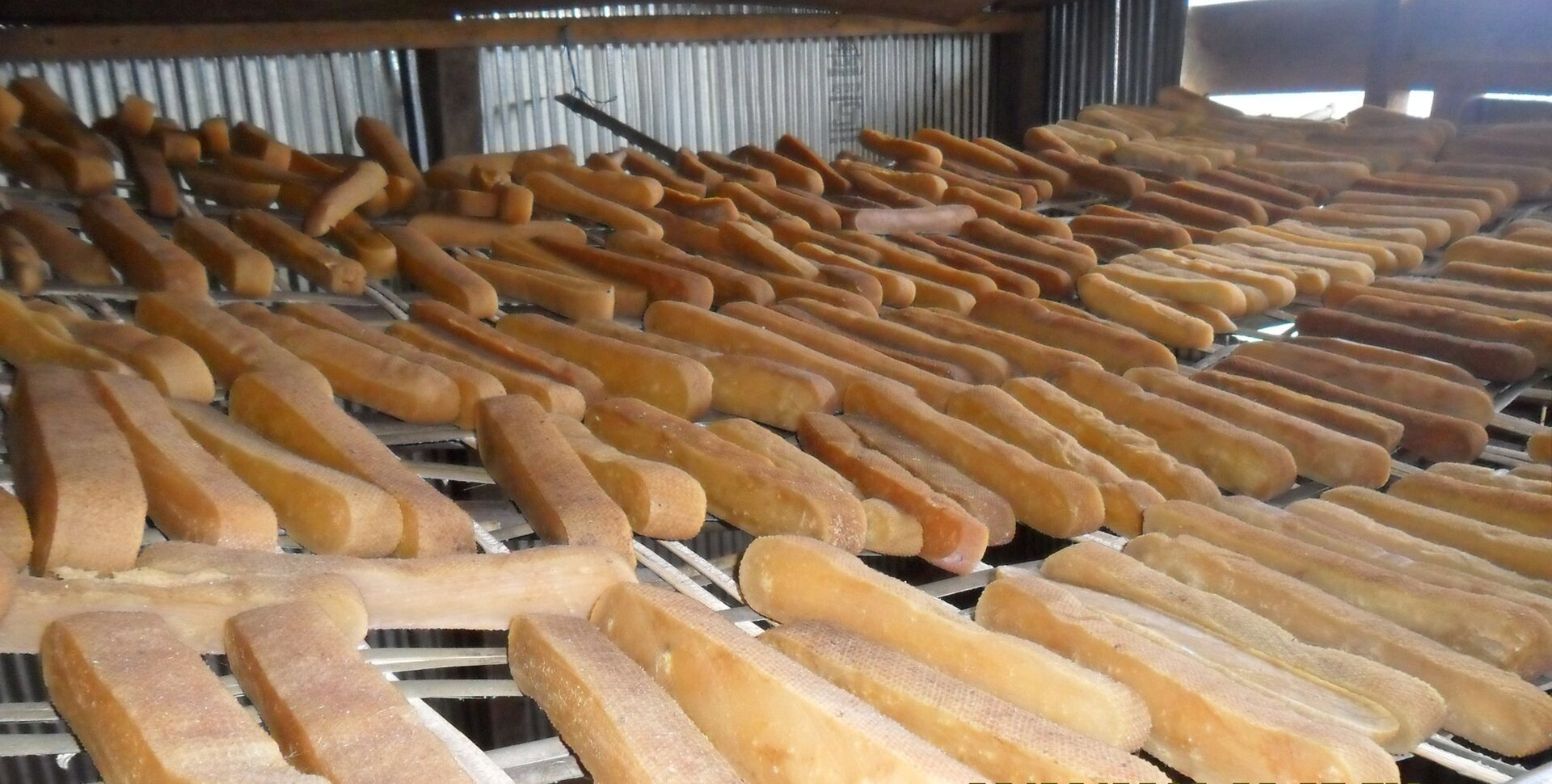
Lachung, India
Yak or cow milk cheese in two forms: soft chhurpi cooked into curries and pickles with chilli (chhurpi achar), and hard dried chhurpi chewed slowly for hours. Sold in markets in Gangtok and the northern villages.
Lachung
Permit tours usually include meals at your hotel or homestay — simple Indian and local food.
Open in Google Maps (opens in a new tab)Yumthang Valley
Stalls serving tea, noodles and snacks at the valley stop.
Open in Google Maps (opens in a new tab)Lachung, India
Hotels and homestays arranged through your permit tour, usually simple and heated with blankets.
Open in Google Maps (opens in a new tab)Lachung's Dzumsa is a living example of community rule in the Himalaya: the village decides together on festivals, grazing, hotel rules and visitor numbers. Houses are of wood and stone with painted window frames; yaks are kept in the high pastures, and apple orchards grow in the valley. Losar and village prayers in the monastery are the main celebrations.
Lachung, at about 2,700 m on the Lachung Chu, is a village of the Lachungpa, a Bhutia community. Like Lachen, it keeps a traditional self-government, the Dzumsa, an elected village council that settles local matters and sets rules for visitors and businesses.
The village lay on old trade paths to Tibet, and its Lachung Monastery of the Nyingma school dates from the late 19th century. Tourism to the Yumthang Valley grew from the 1990s, but the area remains a protected zone near the border, which is why permits are needed and some areas are closed to foreign nationals.
Drive via Mangan and Chungthang, waterfalls on the way.
Early start for Yumthang Valley and Zero Point where open, back to Lachung.
Drive back to Gangtok, or continue to Lachen if the itinerary and road allow.
March to June for rhododendrons and flowers in Yumthang (April–May is peak bloom); October to December for clear skies and snow. Winter brings heavy snow; the monsoon brings landslides.
Permits: Indian citizens do not need a permit to enter Sikkim. Foreign nationals need a Restricted Area Permit (RAP), issued online or at the entry check posts (such as Rangpo and Melli) and by Indian missions; some nationalities face extra restrictions. Protected areas — North Sikkim (Lachung, Lachen, Yumthang, Gurudongmar), Tsomgo Lake and Nathu La — need an extra permit for everyone, usually arranged by a registered Sikkim tour operator, and some points are open to Indian citizens only. Check the current rules before you travel.
North Sikkim is reached from Gangtok via Mangan and Chungthang, where the road splits for Lachung (Yumthang) and Lachen (Gurudongmar). It is visited on a permit tour with a registered Sikkim tour operator, using local vehicles; the permits are arranged in Gangtok, usually a day ahead. In October 2023 a glacial-lake flood on the Teesta damaged roads and bridges around Chungthang, and access has been closed or restricted at times since — always check the current road status before planning.
By air and train: the nearest airport is Bagdogra (IXB) and the nearest major station New Jalpaiguri (NJP); Lachung is about 115–125 km (around 5–7 hours) from Gangtok, depending on the road.
From Bangladesh: travellers often cross at Burimari–Changrabandha or Banglabandha–Fulbari to Siliguri, then go to Gangtok to join a permit tour. Check current schedules, permits and visa rules before you travel.