Madurai

Madurai, India

Madurai

One of the oldest living cities of India, built around the vast Meenakshi Amman Temple with its towering painted gopurams — the capital of the Pandya kings, the home of Tamil Sangam poetry and a city that eats late into the night.

Favourite places

  • Meenakshi Amman Temple

    Centre of the old city

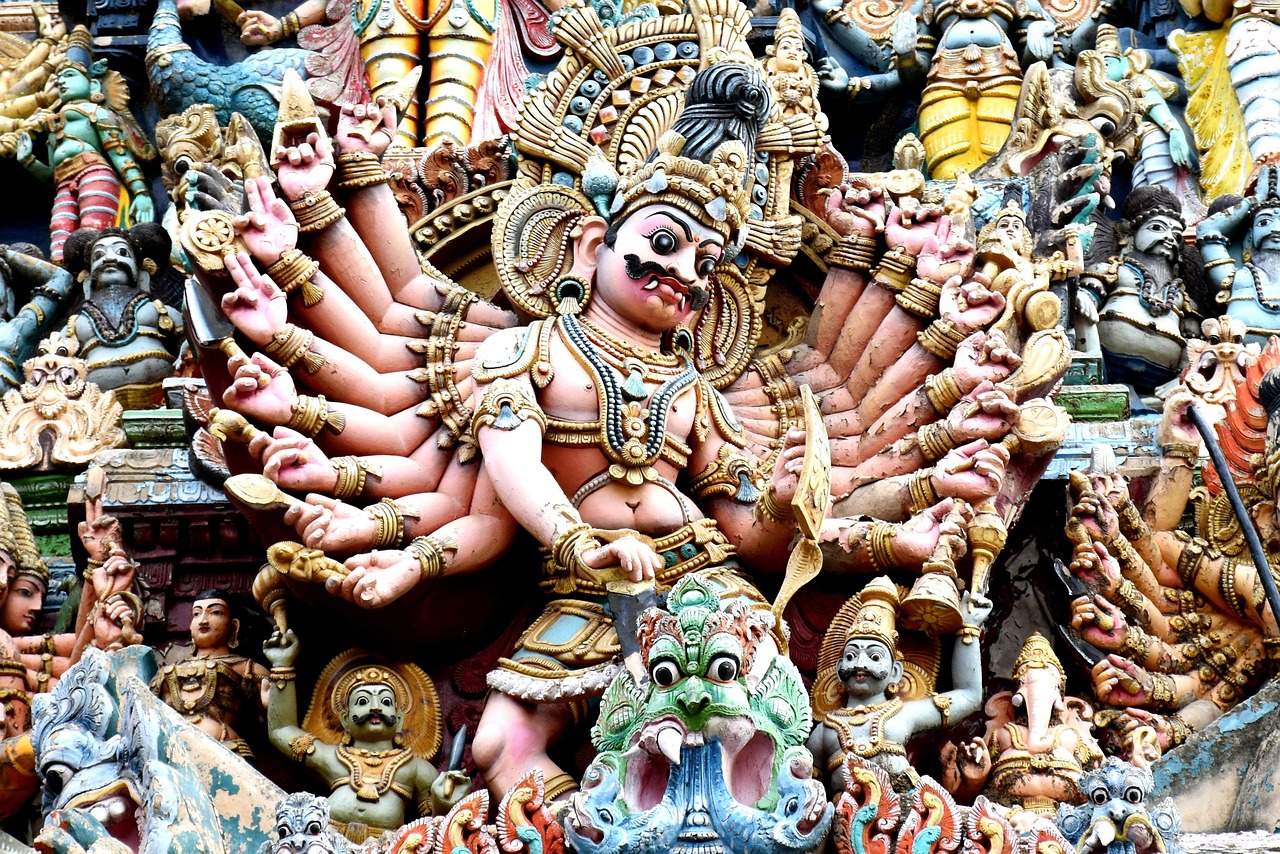
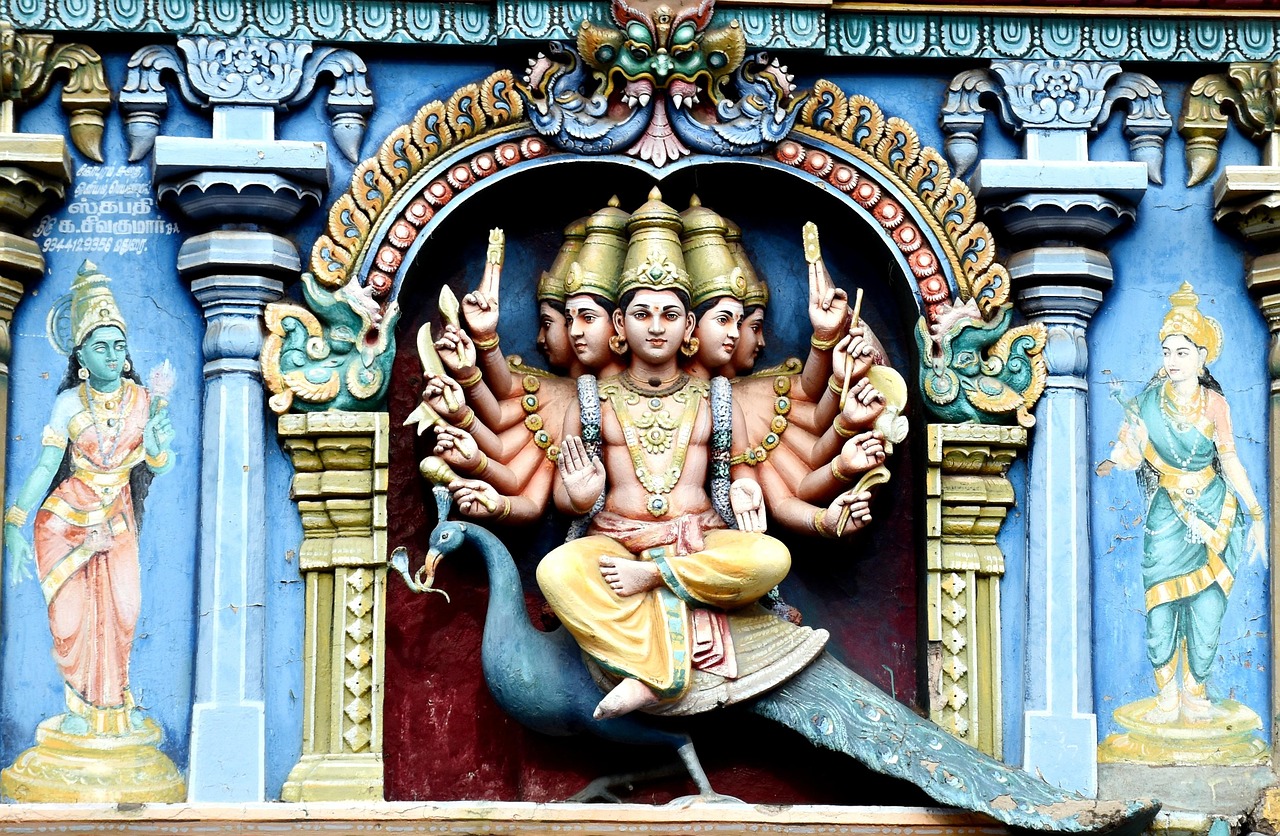
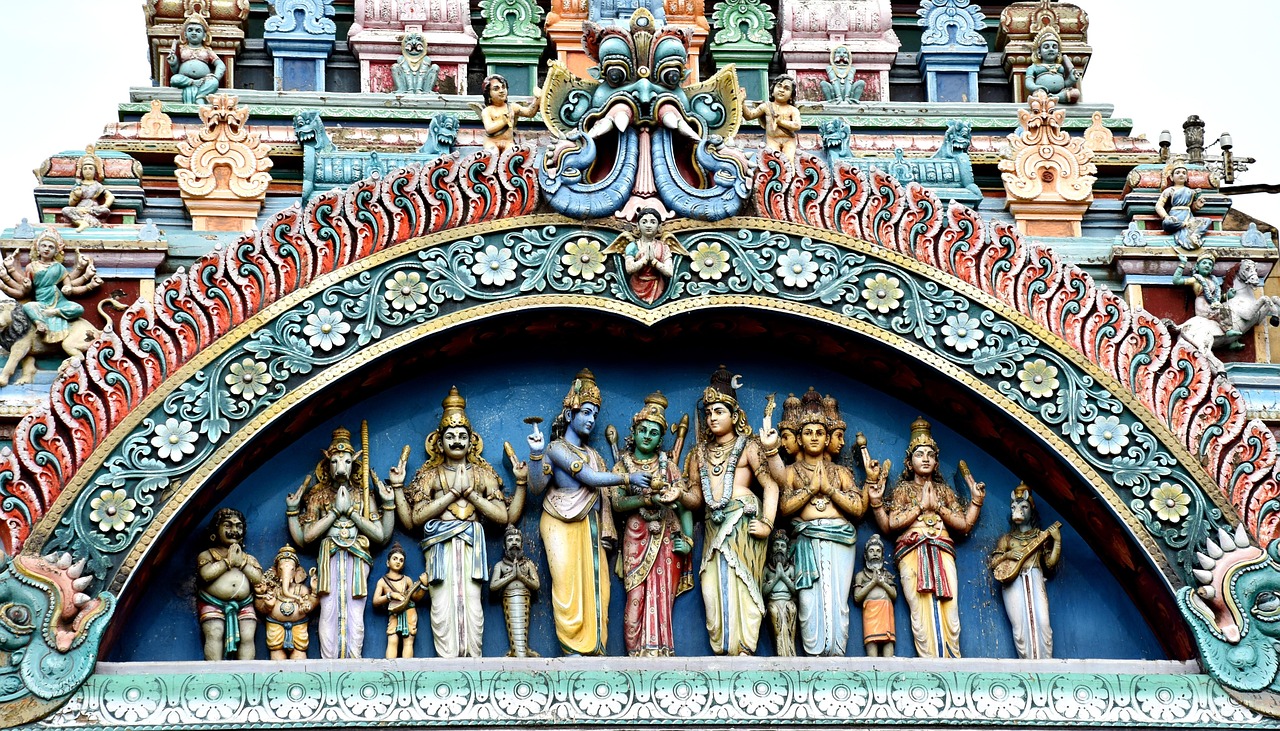
    A huge temple complex dedicated to Meenakshi (Parvati) and Sundareswarar (Shiva), with fourteen gopurams covered in thousands of painted figures, the Golden Lotus tank, the Hall of a Thousand Pillars (with a small art museum) and busy corridors of shrines and stalls.Read more

    How to get there: Walk from anywhere in the old city; autos drop you at the nearest gate.
    Open in Google Maps (opens in a new tab)
  • Thirumalai Nayak Palace

    About 1.5 km south-east of the temple

    The 17th-century palace of Thirumalai Nayak, mixing Dravidian and Islamic styles, with a vast courtyard and giant columns. A sound-and-light show is held in the evening — check current timings.

    Open in Google Maps (opens in a new tab)
  • Gandhi Memorial Museum

    Tamukkam Palace, near the Vaigai river

    One of India's main Gandhi museums, in an old Nayak-era palace, telling the story of the freedom movement and displaying the blood-stained cloth Gandhi wore when he was shot.

    Open in Google Maps (opens in a new tab)
  • Vandiyur Mariamman Teppakulam

    East Madurai

    A very large square temple tank with a shrine on a central island, built by Thirumalai Nayak. It is filled for the float festival.

    Open in Google Maps (opens in a new tab)
  • Alagar Kovil

    About 20 km north-east, at the foot of the Alagar Hills

    A Vishnu temple in a wooded setting, closely tied to the Chithirai festival, with the Pazhamudircholai Murugan temple further up the hill.Read more

    How to get there: By taxi or bus.

    Open in Google Maps (opens in a new tab)

Local food

  • Parotta with salna

    Madurai, India

    Layered, flaky flatbread torn and soaked in a spicy meat or vegetable gravy (salna). An evening street-food favourite all over Tamil Nadu, especially in Madurai and the south; also chopped on the griddle with egg and gravy as kothu parotta.Read more
  • Jigarthanda

    Madurai, India

    Madurai's cold drink: milk, almond gum (badam pisin), sarsaparilla syrup and reduced milk, topped with ice cream. Its name means "cool heart", and it is the classic answer to the city's heat.

  • Idli, vada and sambar

    Madurai, India

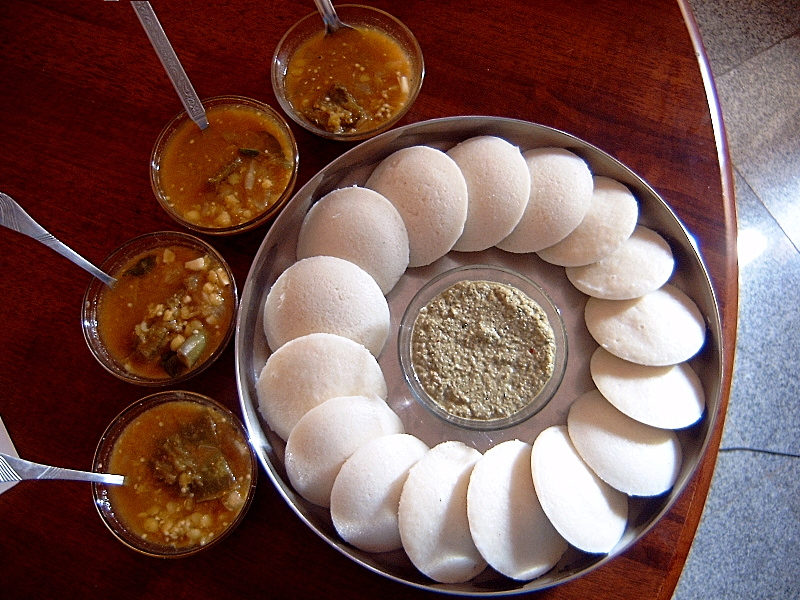
    Soft steamed rice-and-lentil cakes and crisp fried lentil doughnuts (medu vada), served with sambar (lentil and vegetable stew) and coconut and tomato chutneys. The standard South Indian breakfast, eaten from busy "tiffin" restaurants from early morning.Read more
  • Chettinad chicken and mutton

    Madurai, India

    The cooking of the Chettiar community of the Karaikudi region: dark, peppery curries and dry roasts built on freshly ground spices such as black pepper, fennel, star anise and kalpasi (stone flower). Found on menus across Tamil Nadu.Read more
  • South Indian meals on a banana leaf

    Madurai, India

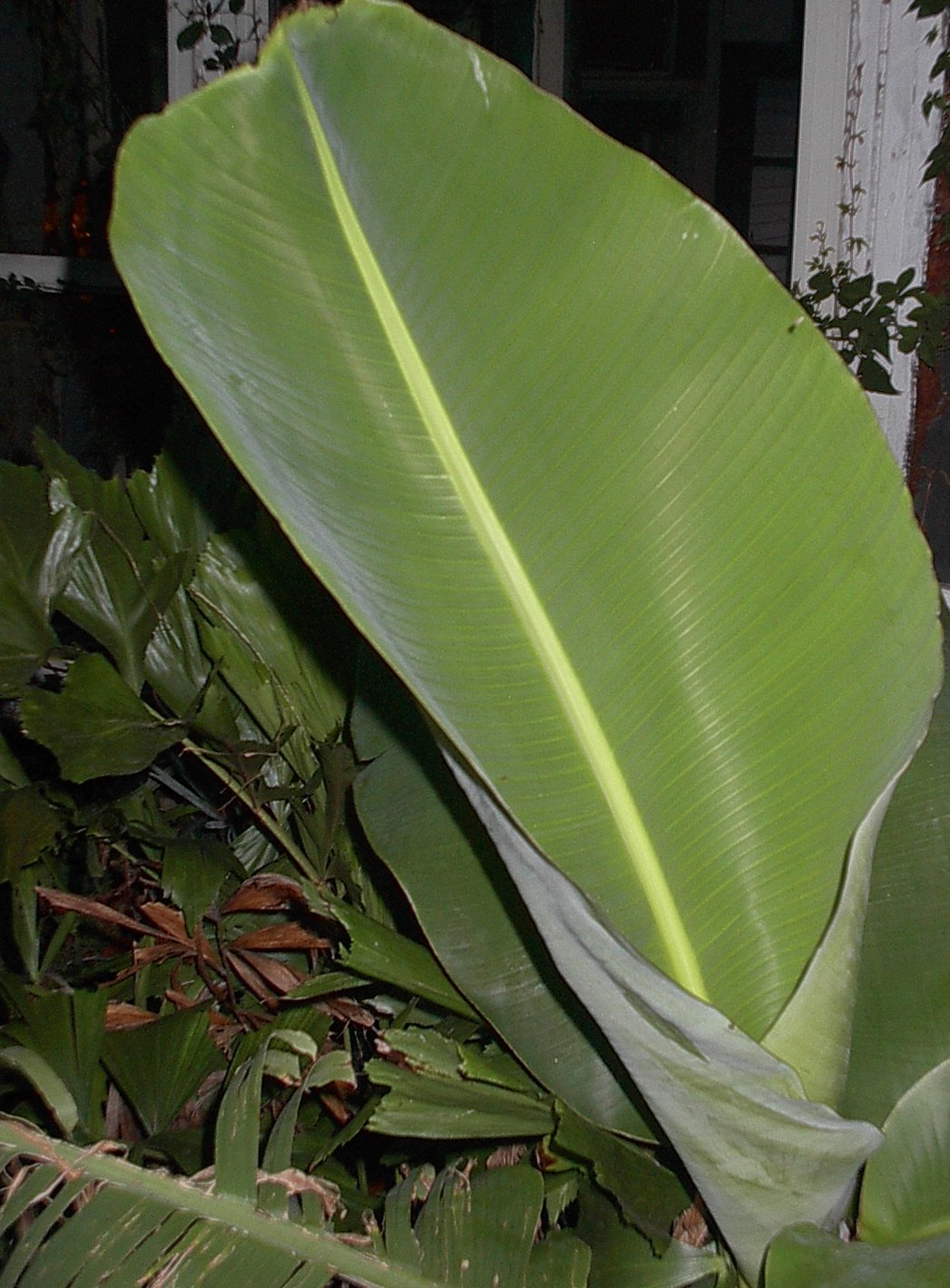
    Lunch served on a banana leaf or a steel plate: rice with sambar, rasam, kootu, poriyal (dry vegetables), curd, pickle, papad and a sweet, refilled until you fold the leaf. Eat with your right hand; folding the leaf towards you means you enjoyed it.Read more

Where to eat

  • Night food streets

    Around Simmakkal and the West Masi Street area

    Madurai is famous for eating late: kari dosa (dosa with minced mutton), bun parotta, idli with mutton curry and jigarthanda until well after dark.

    Open in Google Maps (opens in a new tab)

Where to stay

Culture

Madurai is a city of the temple: its festival calendar shapes the year. The great Chithirai festival (April–May) re-enacts the celestial wedding of Meenakshi and Sundareswarar and the arrival of Lord Alagar into the Vaigai river, drawing huge crowds. The float festival (Teppam) at the Mariamman Teppakulam tank takes place in January–February.

The city is also known for jasmine (Madurai malli, with a GI tag), Sungudi tie-dyed cotton sarees, and the lively night food culture of parotta, kari dosa and jigarthanda.

History

Madurai was the capital of the Pandya dynasty more than two thousand years ago, and is mentioned by Greek and Roman writers who traded with it. Tradition holds that the Tamil Sangams, assemblies of poets that produced the earliest Tamil literature, met here.

The city later came under the Cholas and, in the 14th century, was raided by the Delhi Sultanate and briefly ruled by the Madurai Sultanate. After the Vijayanagara conquest, the Nayak governors became independent kings in the 16th century; Thirumalai Nayak (17th century) rebuilt much of the temple and built his palace. The British took over in the 18th–19th century.

The city is laid out in concentric streets around the temple, named after the Tamil months in which processions use them.

Tour plans

Madurai in a day

1 day
  1. Step 1: Meenakshi Amman Temple

    Arrive early, before the crowds and the heat.

  2. Step 2: Thirumalai Nayak Palace

    The great columned courtyard, late morning.

  3. Step 3: Gandhi Memorial Museum

    After lunch, an hour or two.

  4. Step 4: Evening in the old city

    The night ceremony at the temple, then parotta and jigarthanda in the streets around it.

Map

Open in Google Maps (opens in a new tab)

Travel information

Best time to visit

October to March is the most comfortable. April and May are very hot; the Chithirai festival in April–May is spectacular but crowded.

How to get there

By air: Madurai Airport (IXM), about 12 km south of the city, has flights from Chennai, Bengaluru, Hyderabad, Mumbai and Delhi, and some international flights to the Gulf and South-East Asia.

By train: Madurai Junction is on the main line from Chennai to Kanyakumari and the branch to Rameswaram, with day and overnight trains, including fast Vande Bharat services from Chennai — check current timetables.

By road: buses from across Tamil Nadu arrive at the Mattuthavani (MGR) bus stand and others; it is about 3–4 hours by road to Kodaikanal and 3–4 hours to Rameswaram.

Getting around

  • On foot: the old city around the temple is best explored walking, especially the Chithirai and Masi streets.
  • Autos and ride-hailing: for the Nayak Palace, Gandhi Museum and Teppakulam.
  • Taxis: for day trips to Alagar Kovil, Thiruparankundram or Kodaikanal.

Travel tips

  • Temples: remove shoes (counters or racks at the gate) and dress modestly — shoulders and knees covered. Several large temples have dress codes (for example dhoti or trousers with a shirt for men, saree, salwar or long skirt for women) and some allow only Hindus into the inner sanctum; follow the signs and staff. Photography is usually not allowed inside the shrines.
  • Heat: the plains are hot most of the year and very hot from April to June. Start sightseeing early, rest at midday, carry water and a hat.
  • Rains: the Tamil Nadu and Puducherry coast gets most of its rain from the north-east monsoon (roughly October–December), when cyclones can occur; inland Andhra Pradesh and Telangana get the south-west monsoon (June–September). Check the weather before travelling.
  • Language: Tamil, Telugu or Malayalam is spoken locally; English is understood in hotels, stations and shops in the cities, and Hindi much less so in Tamil Nadu.
  • Eating: meals are often eaten with the right hand; spoons are always available. Ask for "less spicy" in Andhra and Telangana.
  • Money: UPI payments and cards are widely accepted in cities; carry some cash for small towns, temple stalls and autos.
  • Meenakshi Temple rules: mobile phones and cameras are not allowed inside — use the deposit counters outside. Dress codes apply, and only Hindus may enter the inner sanctums. Check current timings and queues; special-entry tickets shorten the wait.
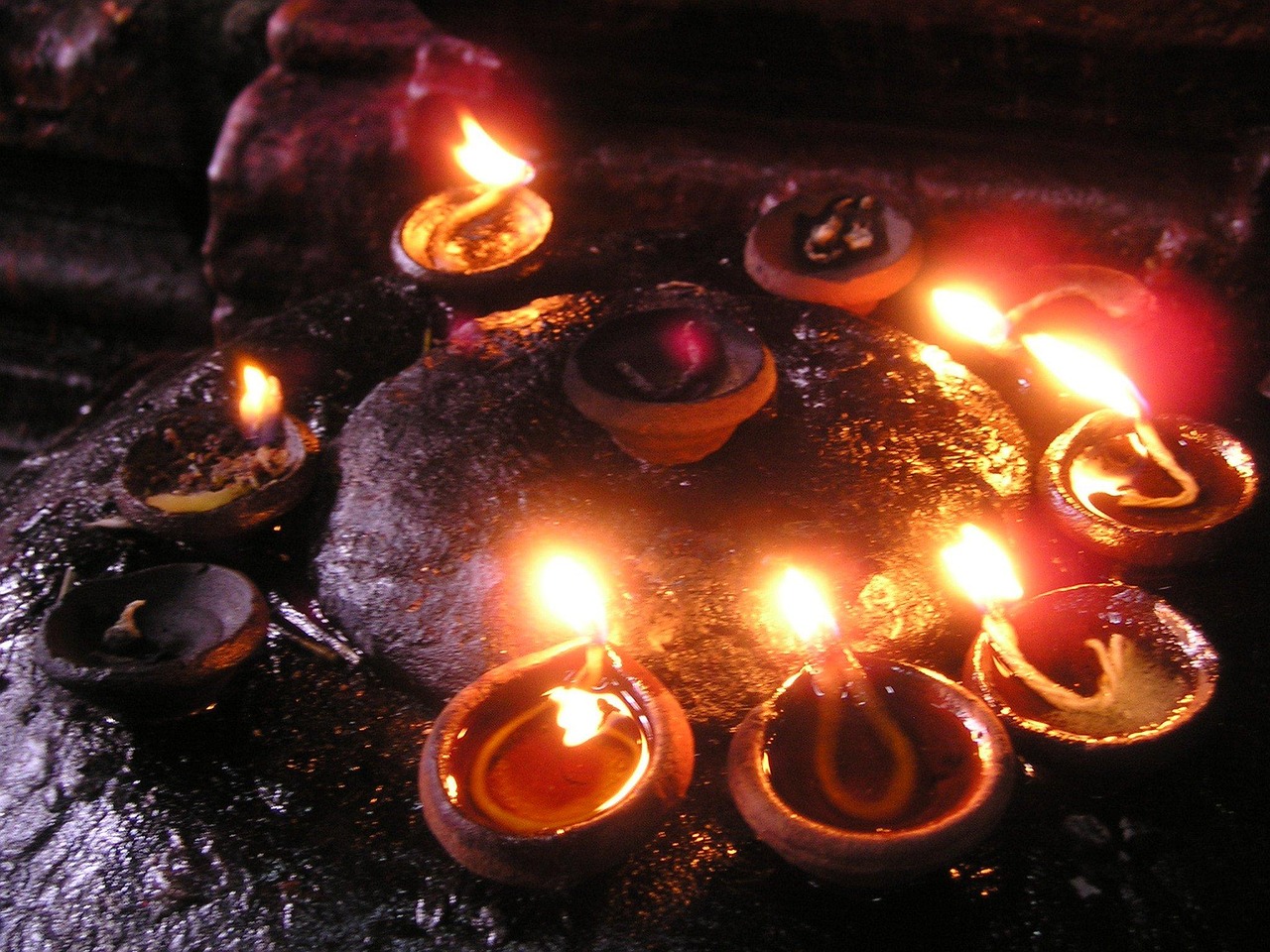
  • Evening: the temple's night ceremony, when Shiva is carried to Meenakshi's chamber, is a moving sight.

All destinations