Village walk
Mawlynnong
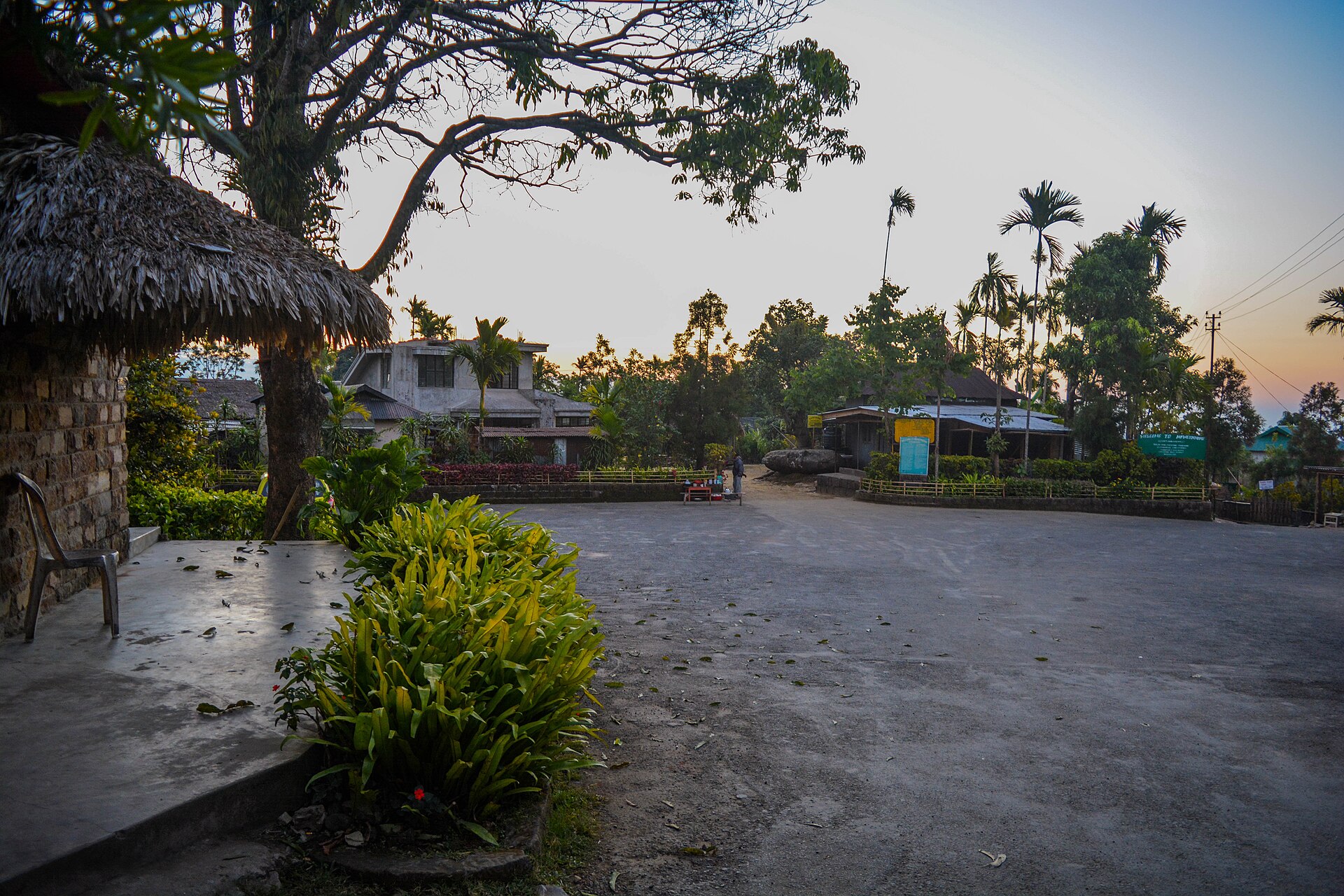
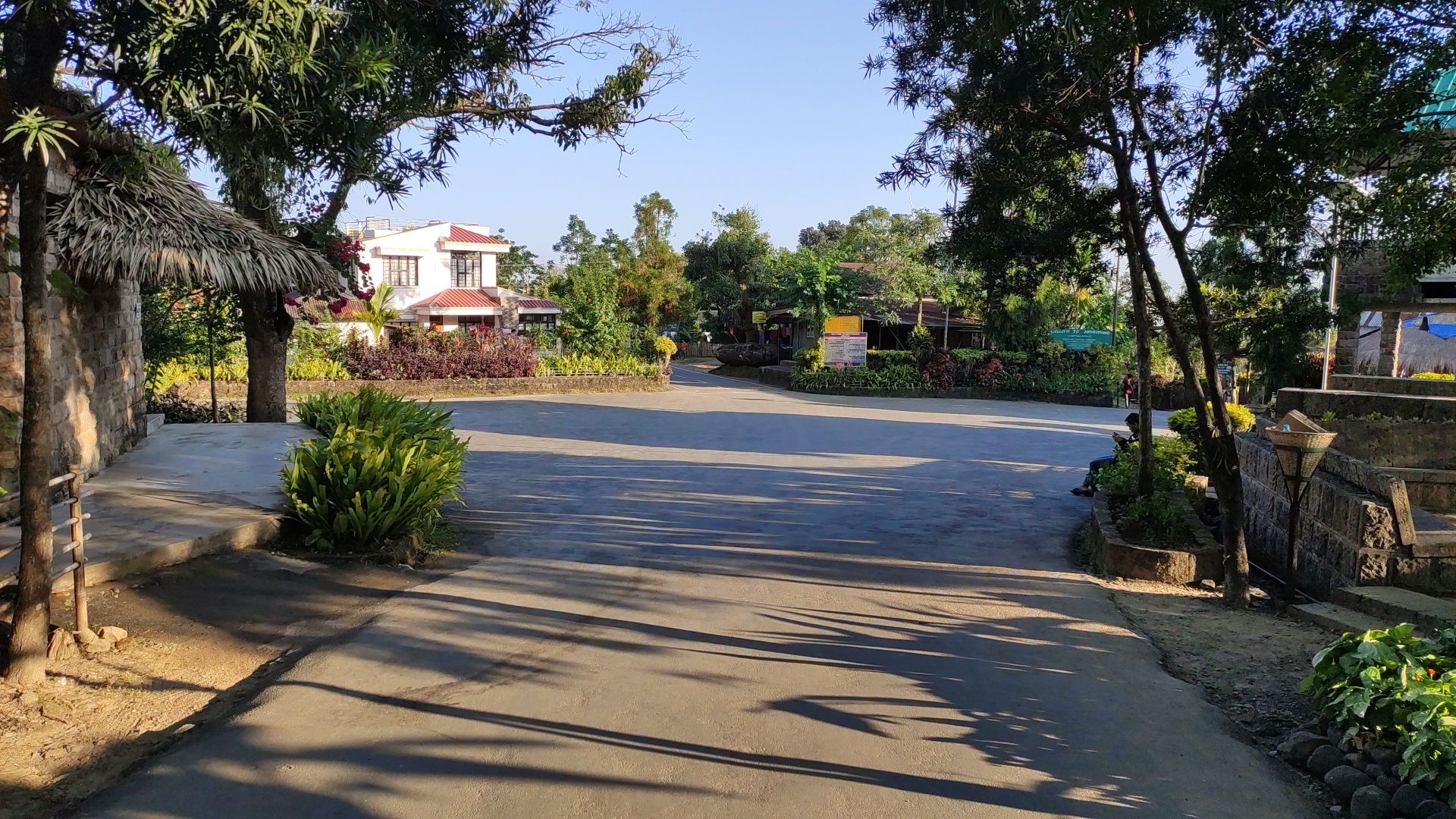
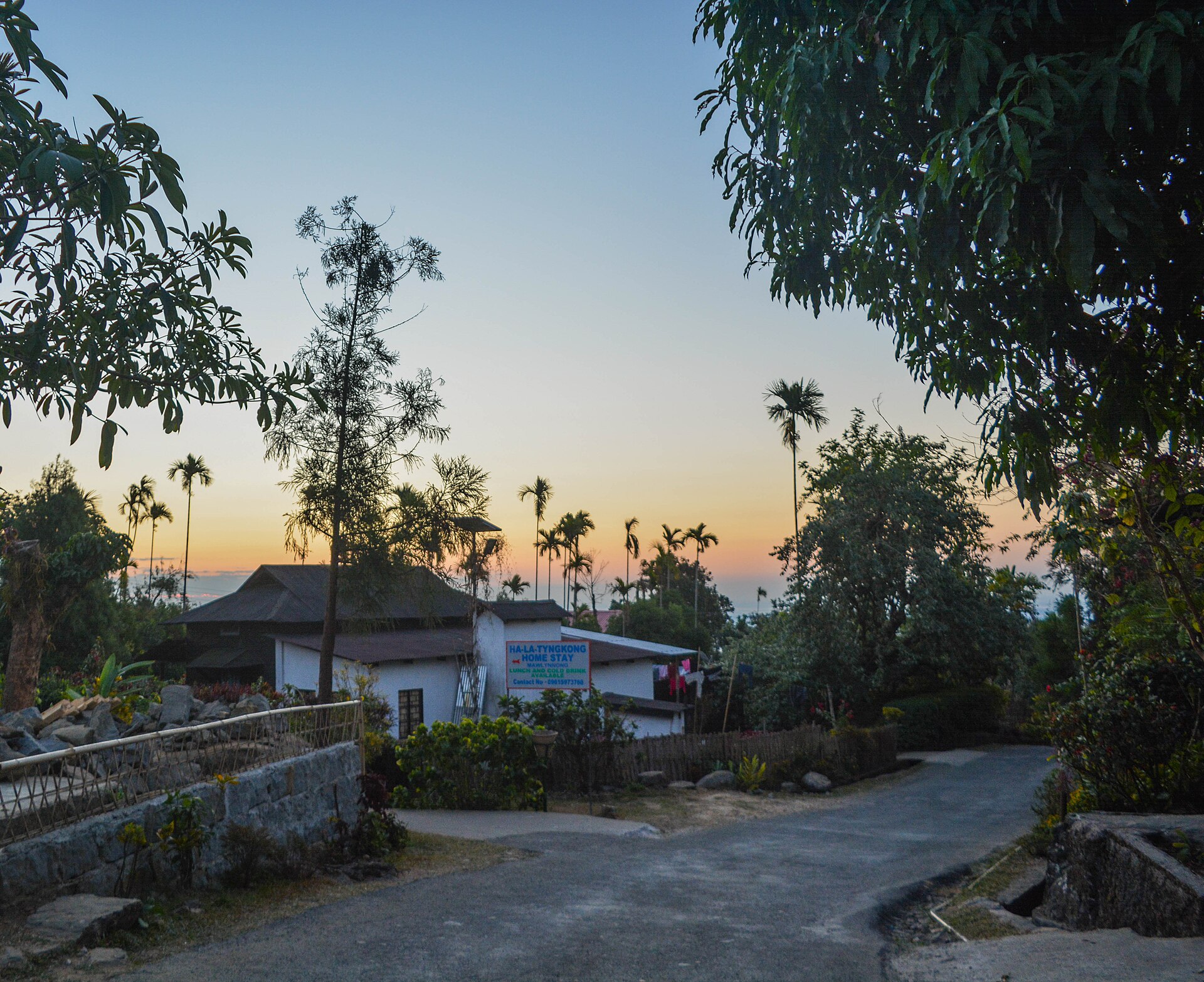
Paved paths lined with flowers, bamboo dustbins and tidy houses; the village itself is the main sight.
Open in Google Maps (opens in a new tab)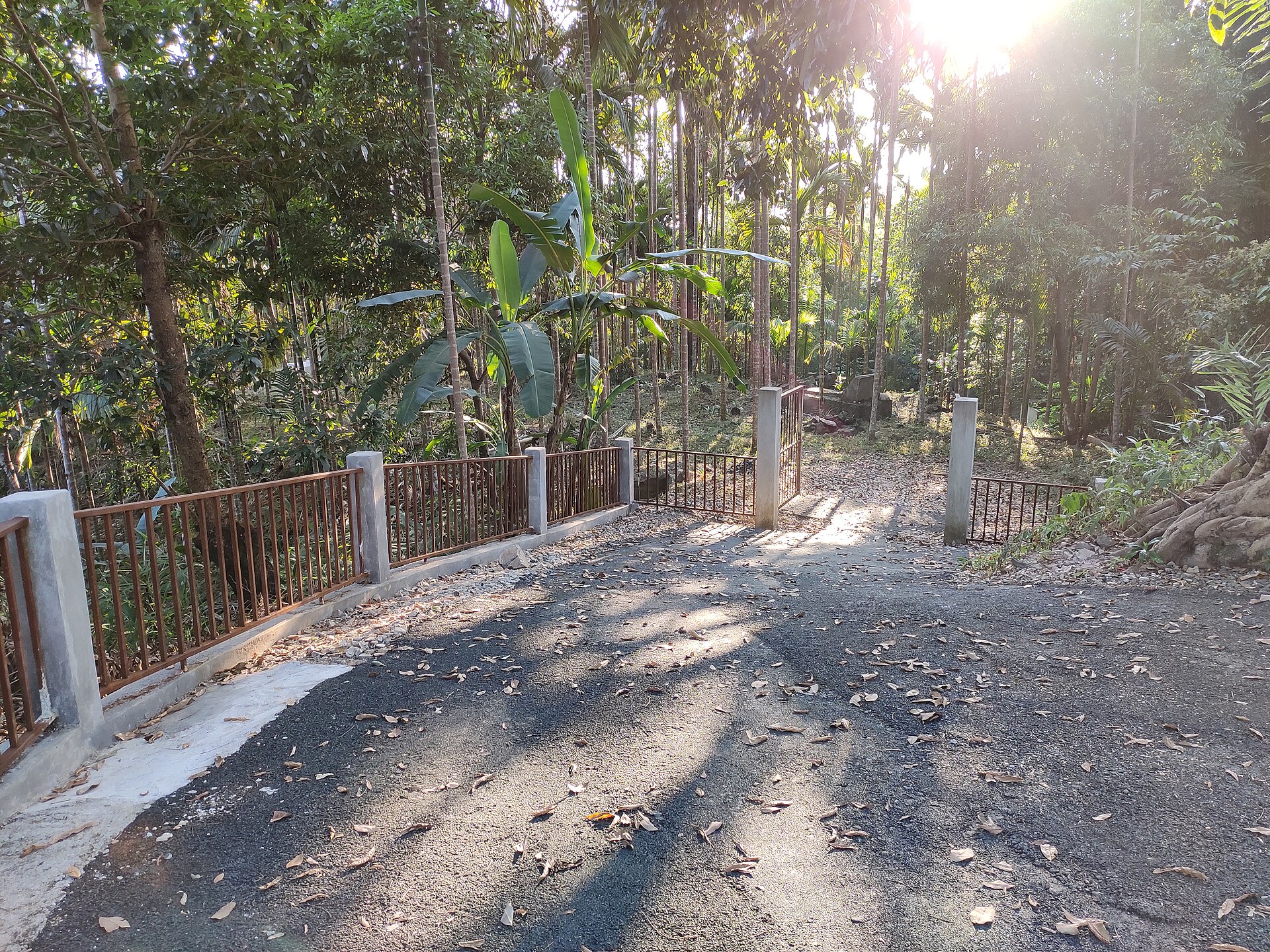
 Mawlynnong, India
A small Khasi village near the Bangladesh border, celebrated for its cleanliness, flower gardens and bamboo walkways, with a living root bridge, a bamboo Sky View tower over the plains and an old stone church.
Mawlynnong
Paved paths lined with flowers, bamboo dustbins and tidy houses; the village itself is the main sight.
Open in Google Maps (opens in a new tab)Riwai, about 2 km from the village
A single living root bridge over a stream, reached by a short walk down steps — much easier than the Nongriat trek.
Open in Google Maps (opens in a new tab)Inside the village
A tall bamboo platform built around a tree, with views over the forest to the plains of Bangladesh on a clear day.
Open in Google Maps (opens in a new tab)Village centre
A small, well-kept stone church around a century old, with a garden.
Open in Google Maps (opens in a new tab)Near the village
A large boulder balanced on a small stone, a natural curiosity locals say has stood for centuries.
Open in Google Maps (opens in a new tab)Mawlynnong, India
Mawlynnong, India
Pork cooked in a dark, rich gravy of black sesame seeds, onion and ginger, served with rice. One of the best-loved Khasi meat dishes.
Mawlynnong, India
Pumaloi is soft steamed rice flour, eaten with meat curries; with it come putharo (rice pancakes), pukhlein (fried rice-and-jaggery cakes) and sweet tea at morning stalls in Shillong and Sohra.
Mawlynnong
Small family kitchens serving rice meals, Khasi pork dishes and tea.
Open in Google Maps (opens in a new tab)Mawlynnong
Home-cooked Khasi food for guests staying overnight.
Open in Google Maps (opens in a new tab)Mawlynnong, India
Simple homestays and bamboo tree-houses run by villagers; quiet once the day visitors leave.
Open in Google Maps (opens in a new tab)Mawlynnong, India
Most visitors stay in Shillong and come on a day trip.
Open in Google Maps (opens in a new tab)Mawlynnong shows Khasi village life at its best: houses of stone, wood and bamboo with flower gardens, a village council that sets the rules, and the matrilineal family system. Children are taught early to keep the village clean. Local crafts include bamboo baskets and broom making.
Mawlynnong is a Khasi village of the East Khasi Hills, surrounded by betel nut and broom grass groves. It became widely known after a travel magazine called it the "cleanest village in Asia" in 2003. Its tidiness comes from long-standing community habits: villagers sweep the paths, use bamboo dustbins, ban plastic and share the work through the village council.
The Church of the Epiphany, built around a century ago, reflects the Christian faith of the village. Visitors now support the local economy through homestays, guides and the small fees used to maintain the paths.
Arrive from Shillong, walk the village, Sky View and the church; stay in a homestay.
Riwai root bridge early, the Balancing Rock, then Dawki for a boat ride.
October to May for dry walking; the monsoon (June to September) makes the village lush and green but wet.
By air: Shillong Airport (SHL) has few flights; most travellers fly to Guwahati (GAU), about 170 km away.
By road: Mawlynnong is about 80 km (around 2.5 hours) from Shillong and about 30 km from Dawki; most visitors come by hired car, often on a combined Dawki–Mawlynnong day trip.
From Bangladesh: the Tamabil (Sylhet) – Dawki land crossing links Sylhet with Meghalaya; Dawki is roughly 80 km by road from Shillong. Travellers need a valid Indian visa that allows entry through this land port. Check current schedules, permits and visa rules, and border opening hours, before you travel.