Namchi

Namchi, India

Namchi

A pilgrimage town in south Sikkim with giant statues on its hilltops — Guru Padmasambhava at Samdruptse and Shiva at the Char Dham — the tea estate of Temi, and the Buddha Park of Ravangla nearby.

Favourite places

  • Samdruptse and the Guru Padmasambhava statue

    Samdruptse Hill, above Namchi

    A giant statue of Guru Padmasambhava, the patron saint of Sikkim, on a hilltop with views over the hills and, on clear days, Kanchenjunga.

    Open in Google Maps (opens in a new tab)
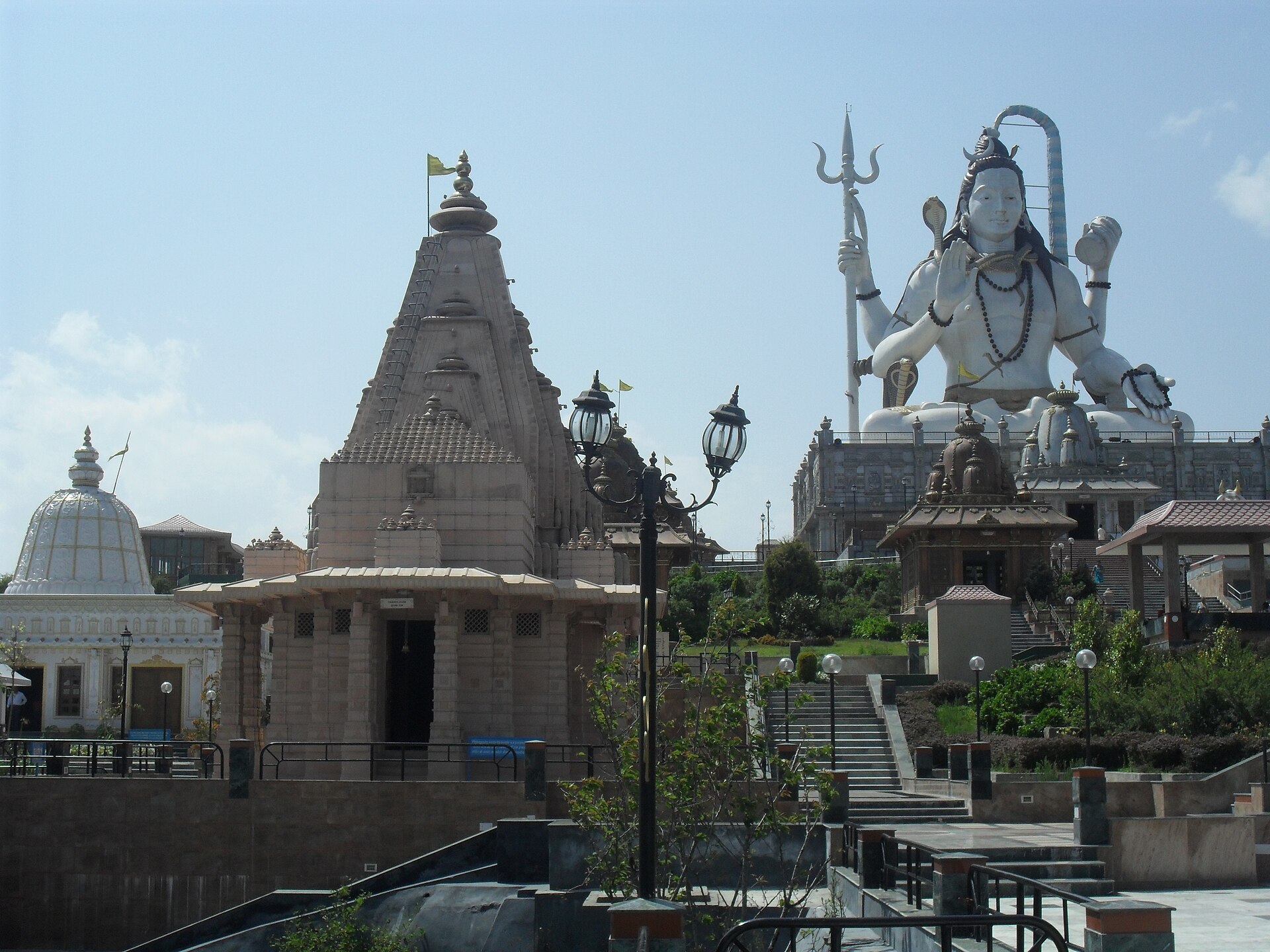
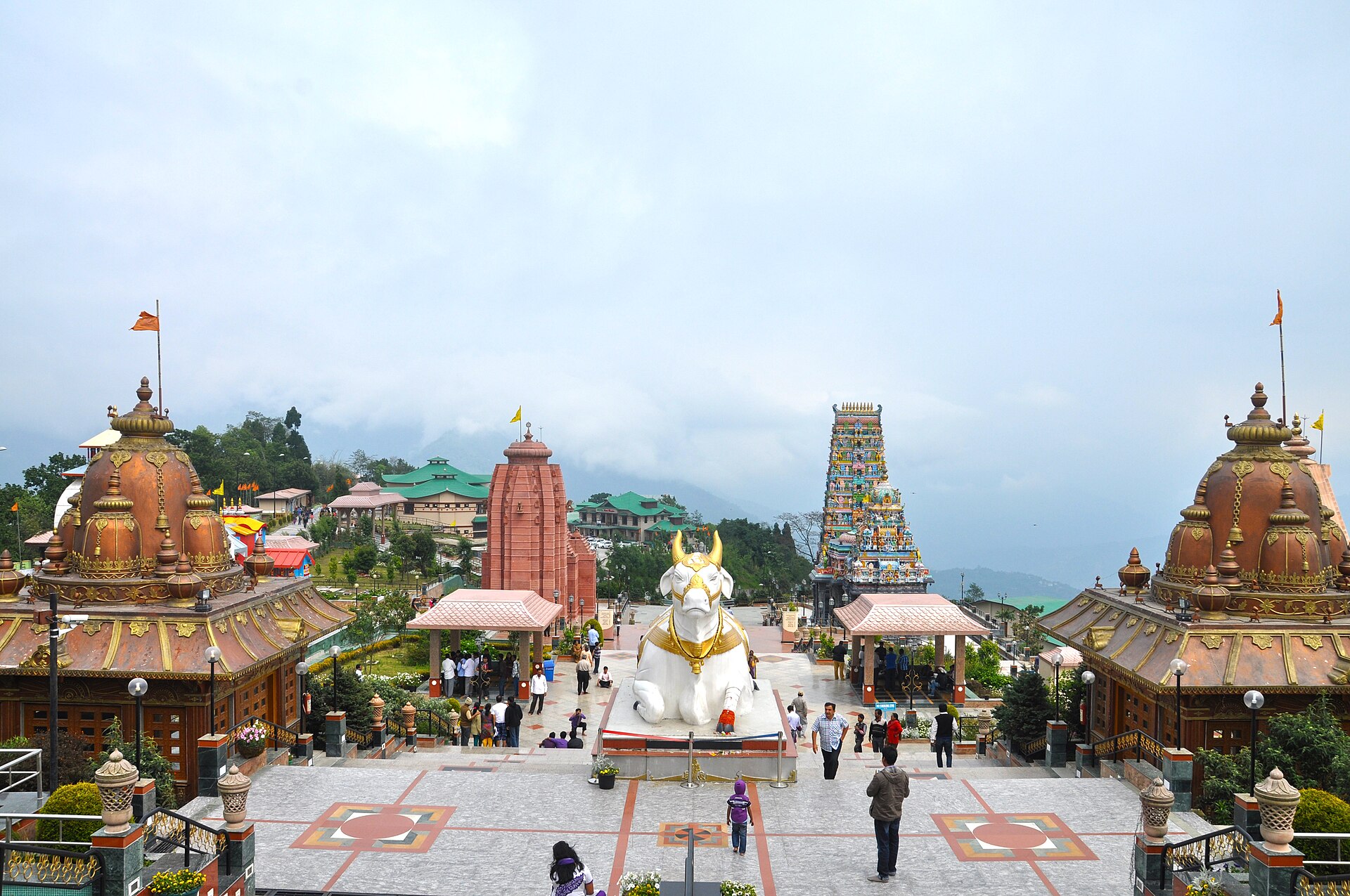
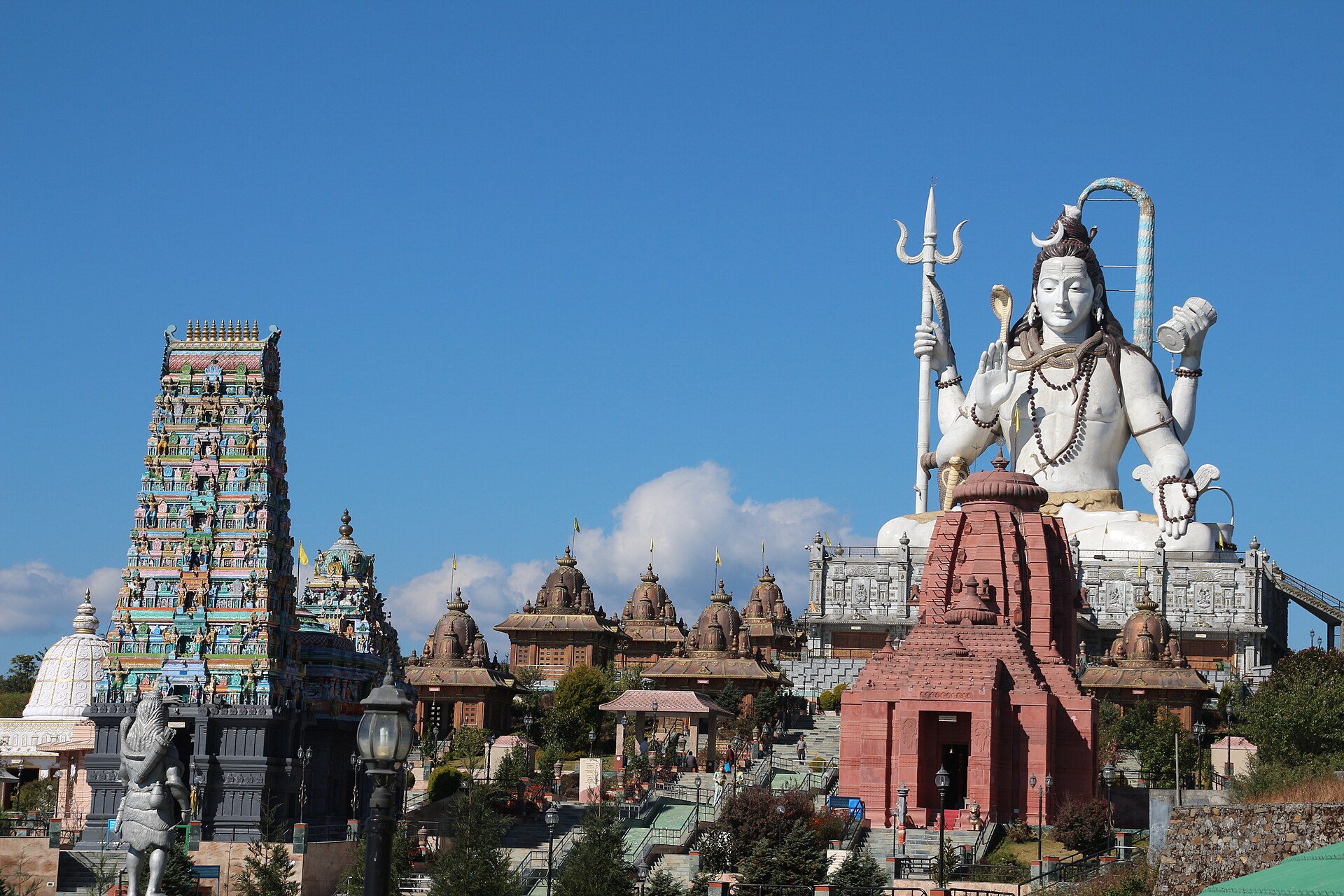
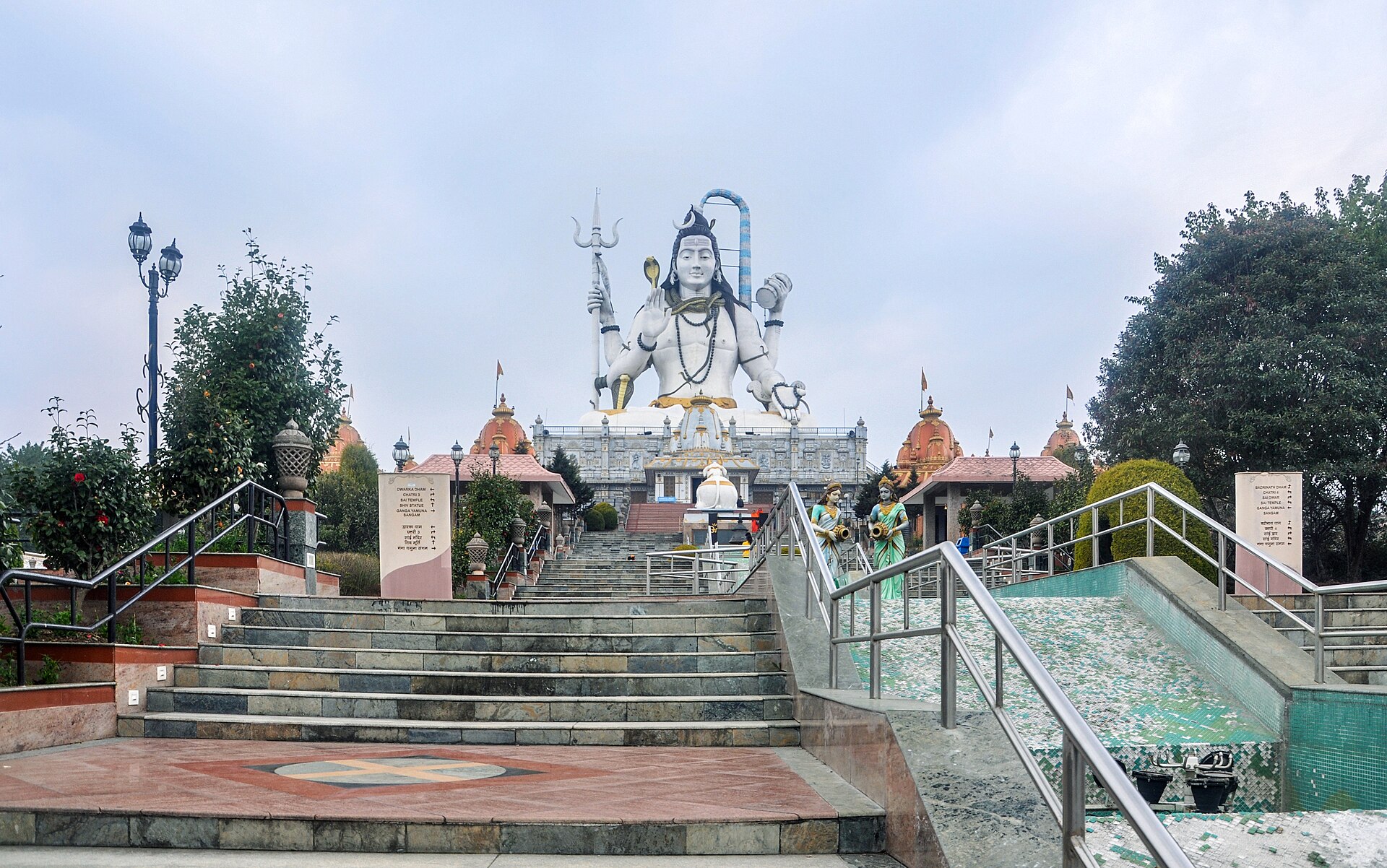
  • Siddhesvara Dham (Char Dham)

    Solophok Hill

    A pilgrimage complex with a huge seated statue of Shiva and replicas of the four Char Dham shrines and the twelve jyotirlingas.

    Open in Google Maps (opens in a new tab)
  • Temi Tea Garden

    Temi, between Namchi and Ravangla

    Rolling tea terraces on a hillside, producing well-known Sikkim tea; good for walks, photographs and buying tea.

    Open in Google Maps (opens in a new tab)
  • Tendong Hill

    Near Damthang, between Namchi and Ravangla

    A forested hill sacred to the Lepcha, with a walking trail to a viewpoint over the Himalaya and the plains.

    Open in Google Maps (opens in a new tab)

Historical places

Local food

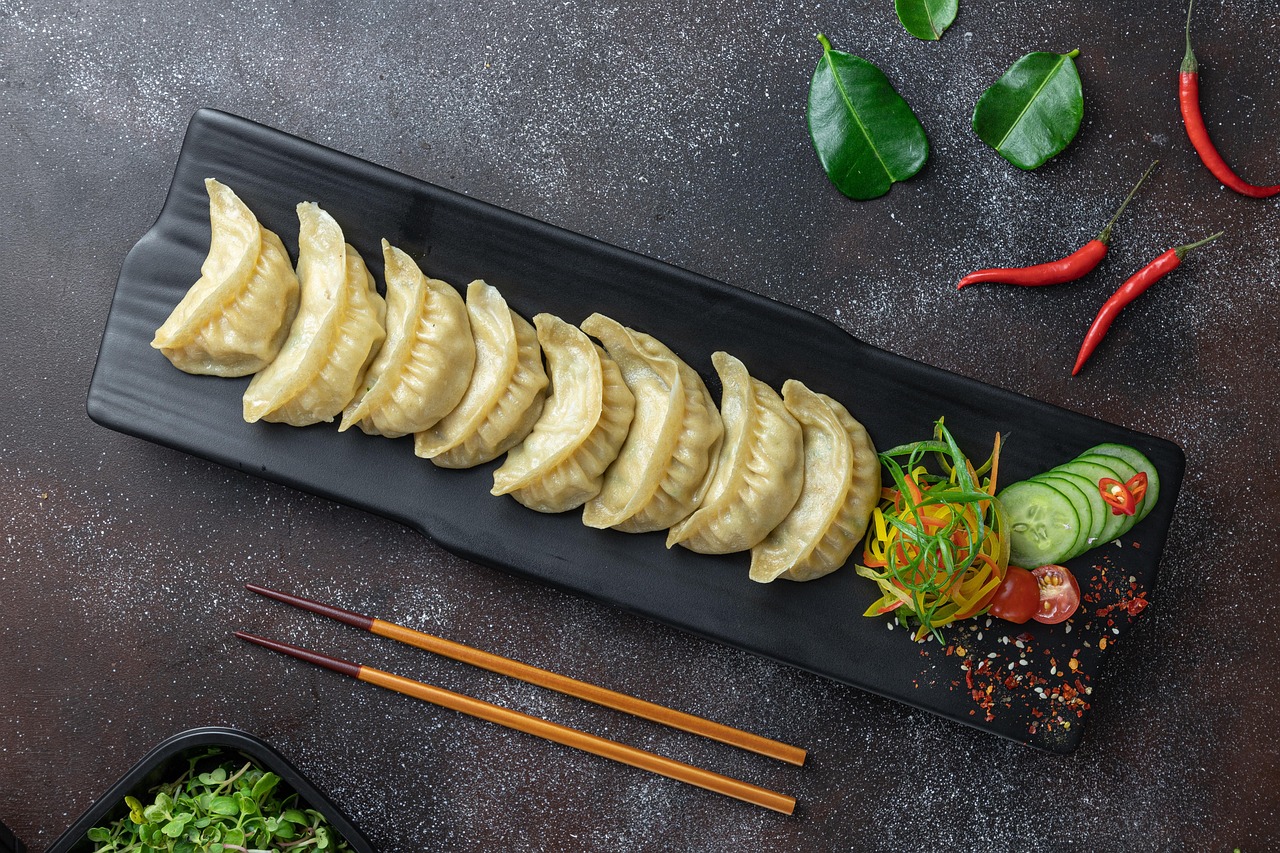
  • Momos

    Namchi, India

    Steamed or fried dumplings filled with pork, chicken, beef, cheese or vegetables, served with a fiery tomato-chilli sauce and a clear soup. Sold everywhere from small family kitchens to street stalls in the hill towns.

  • Gundruk soup

    Namchi, India

    Fermented and dried leafy greens (mustard, radish or cauliflower leaves) made into a sour soup or pickle. A Nepali-Sikkimese staple, eaten with rice and dal.

  • Sel roti

    Namchi, India

    A ring-shaped, slightly sweet fried bread of rice batter, made at home for Dashain and Tihar and sold in markets in the morning, eaten with tea or aloo dum (spiced potatoes).

  • Sha phaley

    Namchi, India

    Bread filled with minced meat and cabbage, folded into a half-moon and fried crisp — a Tibetan snack popular in Sikkim's hill towns.

Where to eat

Where to stay

Culture

South Sikkim mixes Hindu and Buddhist traditions: Maghe Sankranti fairs in January at Jorethang, Dashain and Tihar in autumn, and Saga Dawa and Losar at the monasteries. The Namchi Mahotsav has celebrated local culture with music and food. Cardamom, ginger and oranges grow on the terraced hillsides.

History

Namchi, whose name is usually explained as "sky high", is the headquarters of south Sikkim, at about 1,300–1,700 m. It has been a quiet market town of Nepali, Bhutia and Lepcha communities, with the old Ngadak Monastery dating from the early 18th century.

From the 2000s the state turned Namchi into a centre of pilgrimage tourism: the statue of Guru Padmasambhava at Samdruptse was completed in 2004, and the Siddhesvara Dham (Char Dham) complex, with a huge statue of Shiva and replicas of the four great Hindu pilgrimage shrines, opened in 2011. The Temi Tea Garden, set up in 1969, is the only large tea estate in Sikkim.

Tour plans

Namchi and Ravangla

2 days, 1 night
  1. Step 1: Day 1 — Namchi

    Samdruptse, the Rock Garden and the Char Dham at sunset.

  2. Step 2: Day 2 — Temi and Ravangla

    Temi Tea Garden in the morning and the Buddha Park at Ravangla.

Map

Open in Google Maps (opens in a new tab)

Travel information

Best time to visit

October to May, for clear views and pleasant weather; Temi tea gardens are green from spring. The monsoon (June to September) brings rain and landslides.

How to get there

Permits: Indian citizens do not need a permit to enter Sikkim. Foreign nationals need a Restricted Area Permit (RAP), issued online or at the entry check posts (such as Rangpo and Melli) and by Indian missions; some nationalities face extra restrictions. Protected areas — North Sikkim (Lachung, Lachen, Yumthang, Gurudongmar), Tsomgo Lake and Nathu La — need an extra permit for everyone, usually arranged by a registered Sikkim tour operator, and some points are open to Indian citizens only. Check the current rules before you travel.

By air: the main airport for Sikkim is Bagdogra (IXB) near Siliguri in West Bengal, with flights from Delhi, Kolkata, Mumbai, Bengaluru and other cities. Sikkim's own Pakyong Airport, near Gangtok, has had irregular flights — check whether it is operating.

By train: the nearest major station is New Jalpaiguri (NJP) in Siliguri, with trains from Kolkata, Delhi and Guwahati. A railway line into Sikkim (Sivok–Rangpo) has been under construction — check its status.

By road: shared jeeps, buses and private taxis run from Siliguri, NJP and Bagdogra up the Teesta valley on NH10; landslides can close it, especially in the monsoon.

From Bangladesh: travellers often cross by land at Burimari–Changrabandha or Banglabandha–Fulbari to reach Siliguri, then continue by road; others fly via Kolkata to Bagdogra. Check current schedules, permits and visa rules before you travel.

Namchi is about 90–100 km (around 3–4 hours) from Bagdogra and NJP via Melli or Jorethang, and about 80 km from Gangtok.
Getting around

  • Hired car: best for Samdruptse, Char Dham, Temi, Ravangla and Tendong Hill.
  • Shared jeeps: run to Jorethang, Ravangla, Gangtok and Siliguri.
  • On foot: the town centre and the Rock Garden road.

Travel tips

  • Char Dham: dress modestly and remove shoes in the shrines; it is busy on holidays.
  • Combine with Ravangla: the Buddha Park and Temi tea gardens make Namchi a good one or two-day stop on the way to Pelling or Gangtok.
  • Plastic and litter: Sikkim is strict about plastic and littering, and smoking in public places is banned. Carry a refillable bottle and take your rubbish back.
  • Altitude: places like Tsomgo Lake, Nathu La, Yumthang, Zero Point and Gurudongmar are high. Climb gradually, drink water, avoid alcohol on the way up and come down if you feel unwell.
  • Roads: landslides can close roads at any time, especially in the monsoon (June to September). Keep a spare day and follow the local tour operator and police advice.
  • Money: carry enough cash. ATMs exist in towns but can be few, out of cash or offline in the hills, and many small hotels, homestays, taxis and stalls take only cash or UPI.
  • Daylight: the North-East is far east within India's single time zone (IST, UTC+5:30), so the sun rises and sets early — often around 4:30–5:00 pm in winter. Start early and avoid driving mountain roads after dark.
  • Mobile signal: patchy in the hills and valleys; download maps offline. Some prepaid connections from outside the region may not work in all areas — check before you go.
  • Respect: ask before photographing people, villages, rituals and monasteries; dress modestly at temples, satras and gompas; remove shoes where asked.

All destinations