Nizamabad

Nizamabad, India

Nizamabad

A district town of northern Telangana on the way to the Godavari: a hilltop fort with a Rama temple, a Kakatiya-era hill temple at Dichpally, quiet reservoirs and the famous Saraswati temple of Basar nearby.

Favourite places

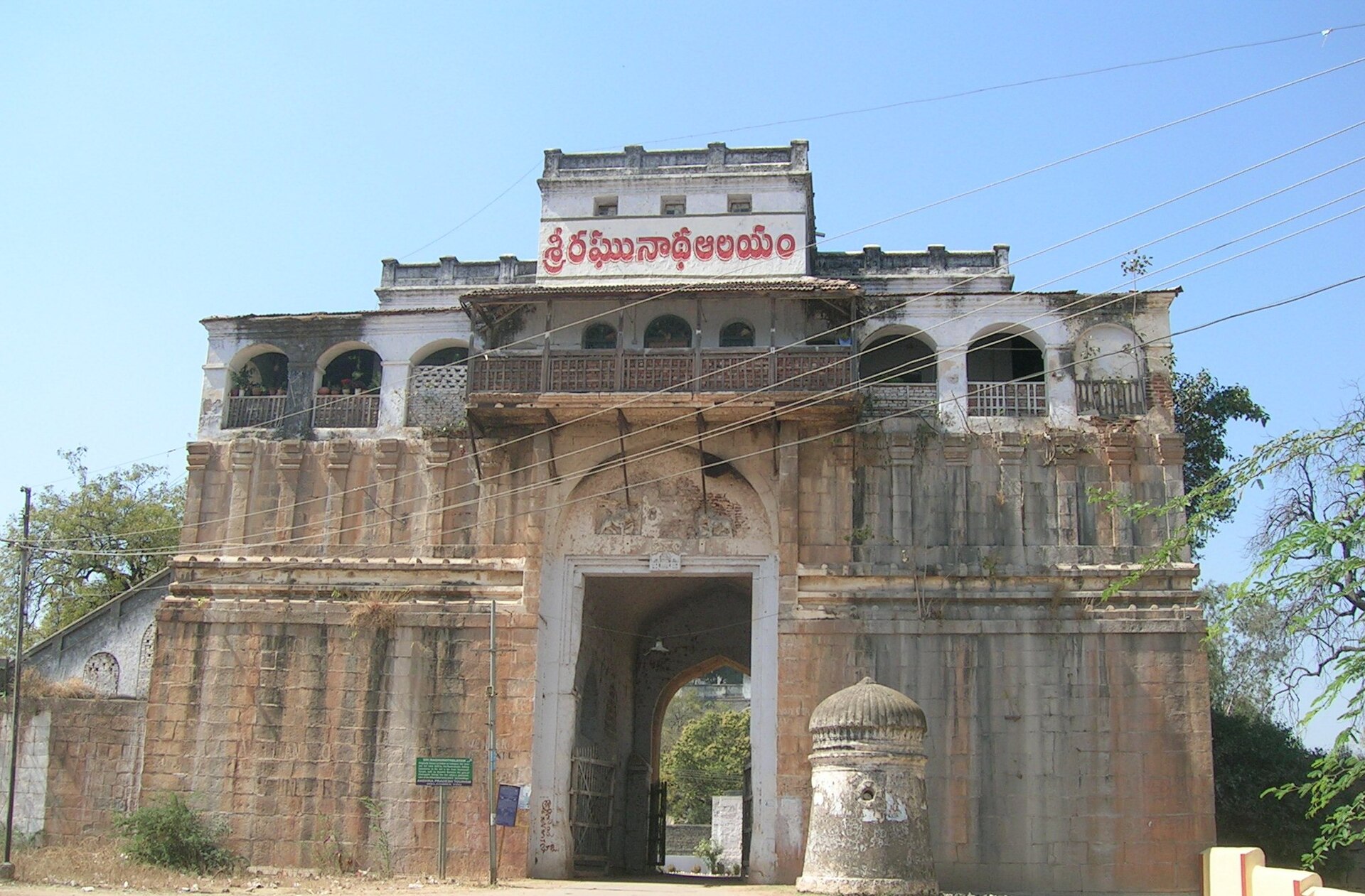
  • Nizamabad Fort and Raghunatha Temple

    On a hill in the south-west of the town

    A hilltop fort with strong walls dating back to the Rashtrakuta period and rebuilt later, enclosing a Rama temple (Raghunatha temple) with views over the town.

    Open in Google Maps (opens in a new tab)
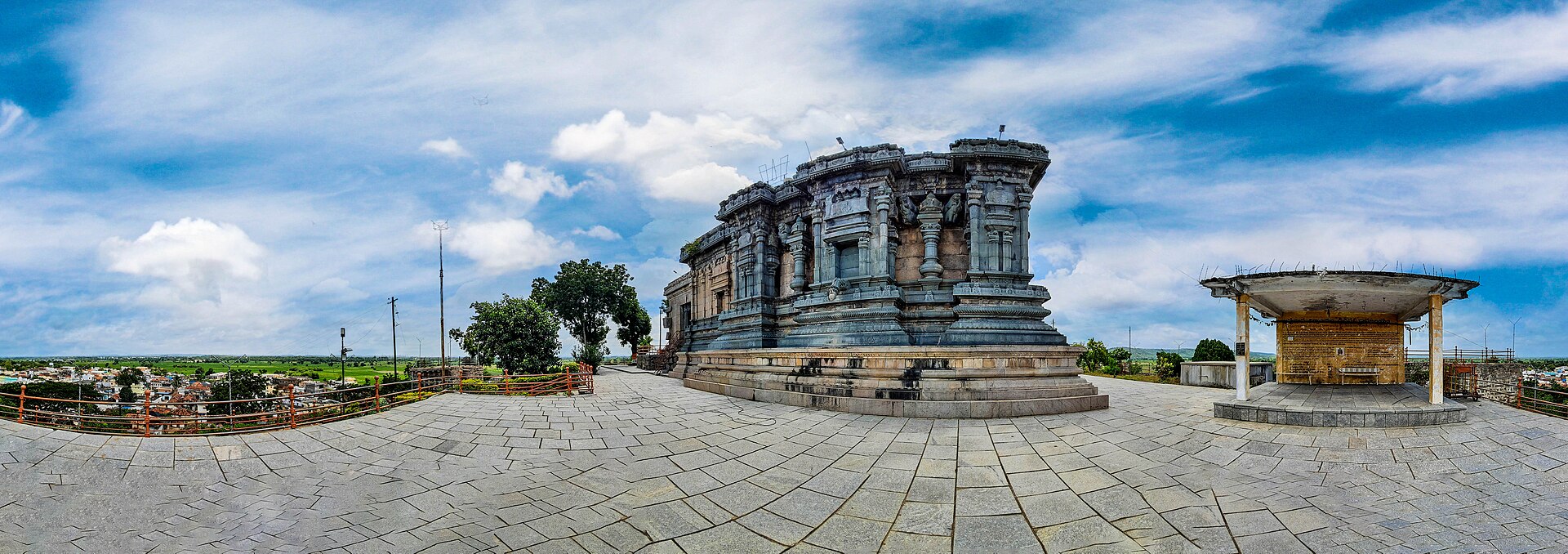
  • Dichpally Ramalayam (Khilla Ramalayam)

    Dichpally, about 20 km north-east

    A hilltop temple built in Kakatiya times, known for its finely carved black and white stone, sometimes compared with the temples of Khajuraho for its sculpture.

    Open in Google Maps (opens in a new tab)
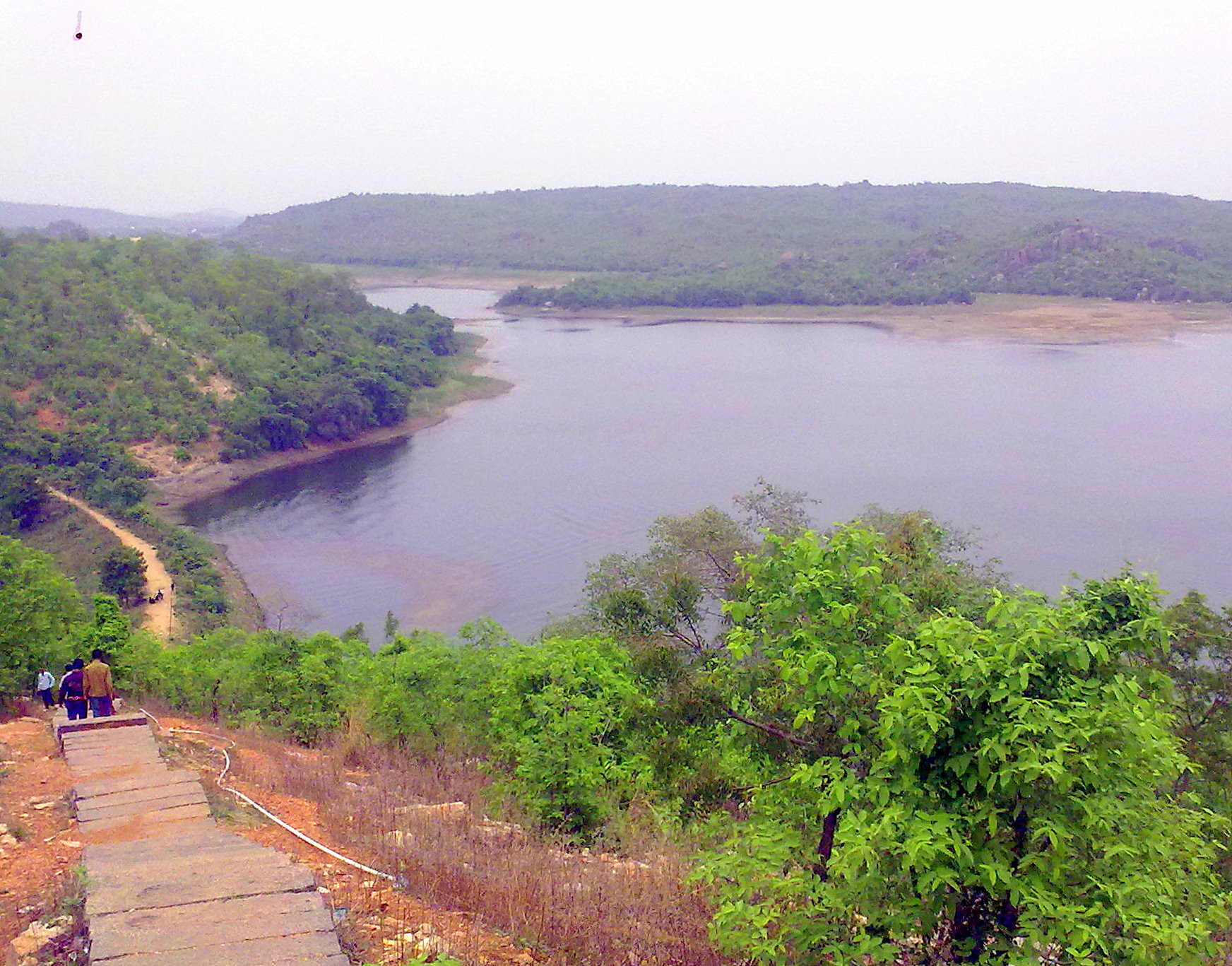
  • Sriram Sagar Project (Pochampad Dam)

    Pochampad, about 50–60 km north on the Godavari

    A large dam and reservoir on the Godavari, with wide views over the water after the monsoon.

    Open in Google Maps (opens in a new tab)
  • Gnana Saraswati Temple, Basar

    Basar, Nirmal district, about 35–40 km north-west on the Godavari

    One of the few major temples to Saraswati, goddess of learning, on the banks of the Godavari. Families bring young children here to begin their education.Read more

    How to get there: By road, or by train to Basar station on the Secunderabad–Nanded line.

    Open in Google Maps (opens in a new tab)

Local food

  • Telangana home cooking

    Nizamabad, India

    Sarva pindi (a spiced rice-flour pancake with chana dal and peanuts), sakinalu (crisp rice-flour spirals made at Sankranti), jonna (sorghum) rotte and spicy mutton and chicken curries. Hearty, village-style food found in every district town.Read more
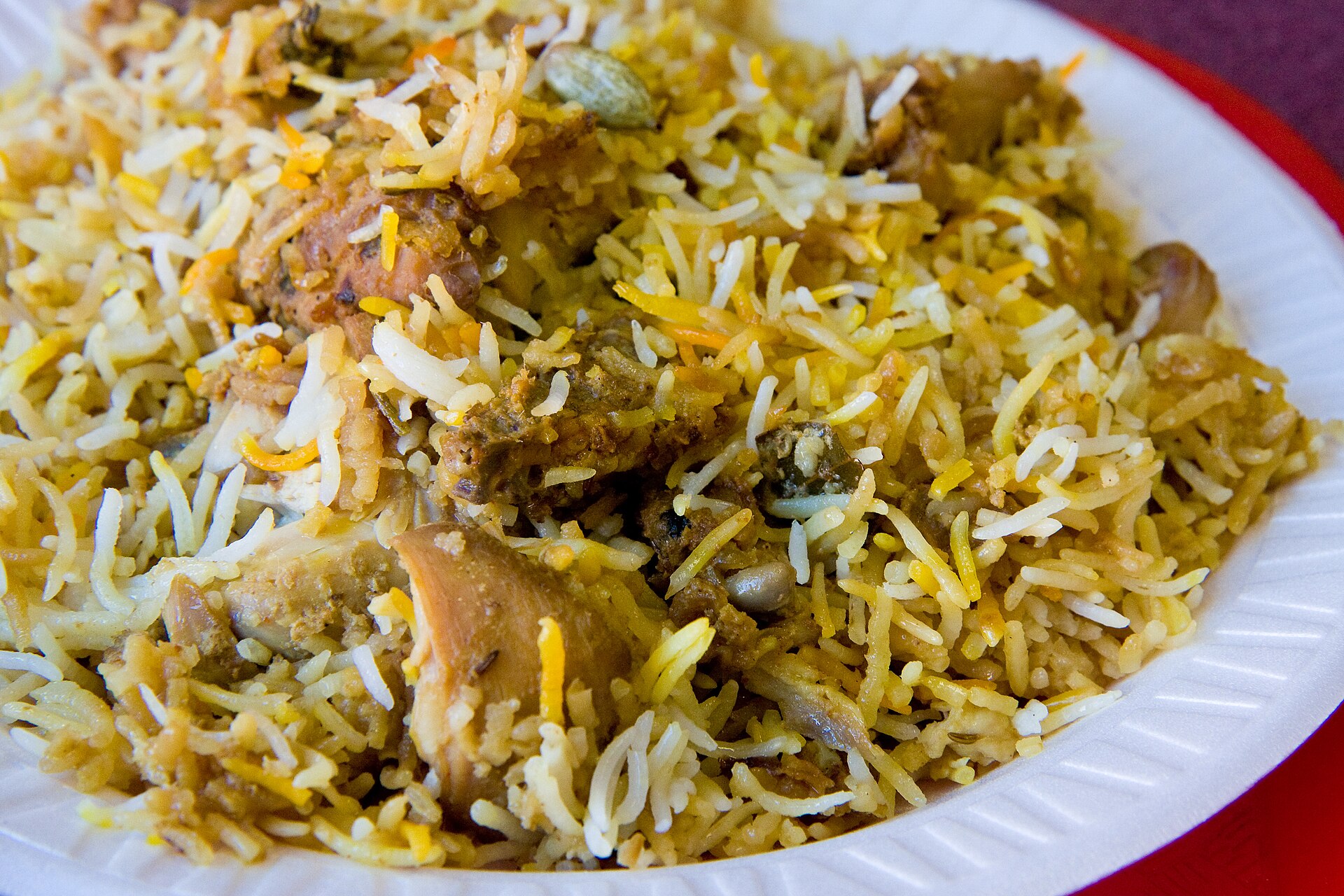
  • Hyderabadi biryani

    Nizamabad, India

    Long-grain basmati and marinated mutton or chicken cooked together in a sealed pot (the kacchi, or raw, method) with saffron, mint and fried onions, served with mirchi ka salan and raita. The city's pride.

  • Andhra meals

    Nizamabad, India

    A fiery vegetarian thali: rice with pappu (lentils), several curries, sambar, rasam, curd and the famous podis (spice powders) eaten with ghee and rice, plus pickles such as avakaya (raw mango). Ask for "less spicy" if you are not used to chilli.Read more

Where to eat

Where to stay

Culture

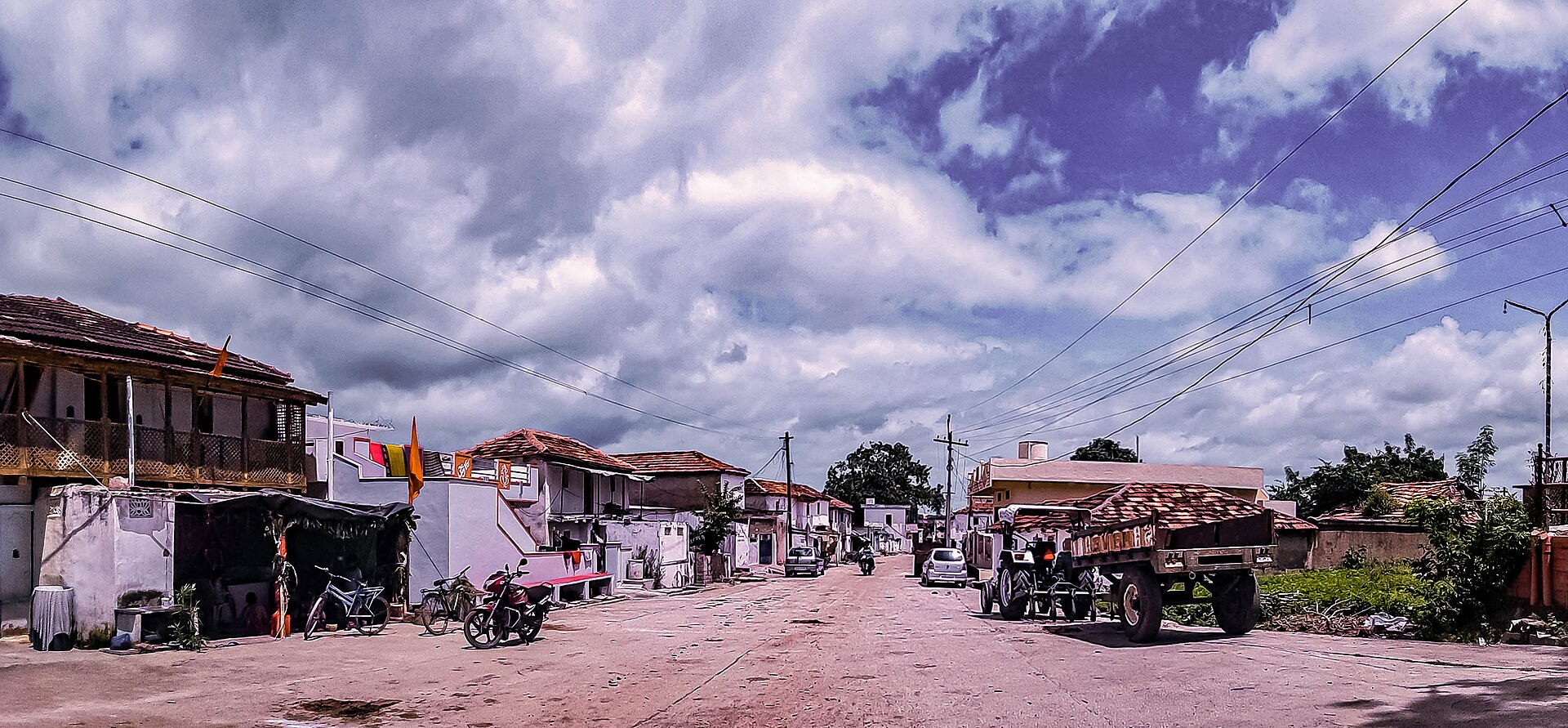
Nizamabad is a working Telugu farming town with a strong Deccani Urdu presence from Nizam times. Bathukamma, Bonalu and Dussehra are celebrated widely, and the turmeric markets are busy after the harvest. Many families have relatives working in the Gulf, a link seen across northern Telangana.

History

Nizamabad was long known as Indur, thought to come from the name of a Rashtrakuta king, Indra Vallabha (Indra III). The area passed through the hands of the Rashtrakutas, Chalukyas, Kakatiyas, the Bahmani and Qutb Shahi sultanates and, from the 18th century, the Nizams of Hyderabad.

The town was renamed Nizamabad, after Nizam ul-Mulk, in the early 20th century, when the railway from Hyderabad to the north arrived. The district is an important farming region, known especially for turmeric, sugarcane and rice, irrigated by the Nizam Sagar and Sriram Sagar (Pochampad) projects.
Tour plans

Nizamabad and Basar

1 day
  1. Step 1: Basar

    Early morning at the Gnana Saraswati Temple.

  2. Step 2: Nizamabad Fort

    Back in town, the hilltop fort and Raghunatha temple.

  3. Step 3: Dichpally Ramalayam

    The carved hilltop temple in the afternoon.

  4. Step 4: Ali Sagar

    Sunset by the reservoir.

Map

Open in Google Maps (opens in a new tab)

Travel information

Best time to visit

October to February. Summers are very hot; reservoirs are fullest after the monsoon (June–September).

How to get there

By air: the nearest airport is Hyderabad (HYD), about 180–190 km away (around 3.5–4 hours by road).

By train: Nizamabad Junction is on the line from Secunderabad towards Manmad and Mumbai, with daily trains from Hyderabad and beyond.

By road: frequent buses from Hyderabad along the national highway towards Nagpur, and from Karimnagar and the other district towns.

Getting around

  • Autos: for the fort and temples in town.
  • Taxi or bus: for Dichpally, Ali Sagar, Pochampad and Basar.

Travel tips

  • Temples: remove shoes (counters or racks at the gate) and dress modestly — shoulders and knees covered. Several large temples have dress codes (for example dhoti or trousers with a shirt for men, saree, salwar or long skirt for women) and some allow only Hindus into the inner sanctum; follow the signs and staff. Photography is usually not allowed inside the shrines.
  • Heat: the plains are hot most of the year and very hot from April to June. Start sightseeing early, rest at midday, carry water and a hat.
  • Rains: the Tamil Nadu and Puducherry coast gets most of its rain from the north-east monsoon (roughly October–December), when cyclones can occur; inland Andhra Pradesh and Telangana get the south-west monsoon (June–September). Check the weather before travelling.
  • Language: Tamil, Telugu or Malayalam is spoken locally; English is understood in hotels, stations and shops in the cities, and Hindi much less so in Tamil Nadu.
  • Eating: meals are often eaten with the right hand; spoons are always available. Ask for "less spicy" in Andhra and Telangana.
  • Money: UPI payments and cards are widely accepted in cities; carry some cash for small towns, temple stalls and autos.
  • Basar: the Gnana Saraswati temple is especially crowded on Vasant Panchami, Navaratri and days when children are brought for Aksharabhyasam (the start of learning). Go early.
  • Facilities: Nizamabad is not a tourist town; facilities at the sights are basic — carry water and snacks.

All destinations