Basilica of Bom Jesus
Old Goa
The Jesuit basilica with a gilded altar and the tomb of St Francis Xavier.
Open in Google Maps (opens in a new tab)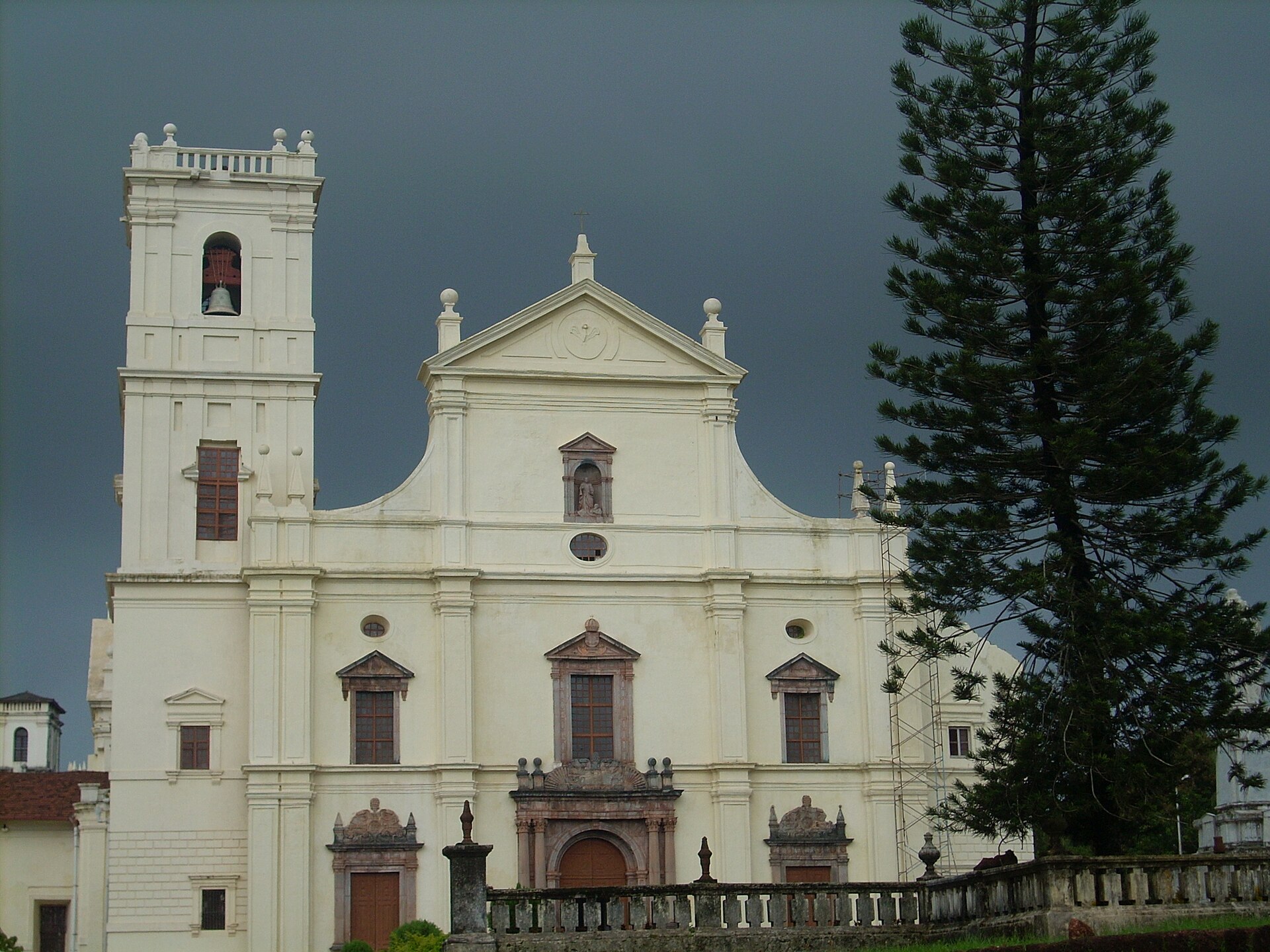
 Goa, India
The former Portuguese capital on the Mandovi river, where great Baroque and Renaissance churches stand among lawns — including the basilica that holds the remains of St Francis Xavier.
Old Goa
The Jesuit basilica with a gilded altar and the tomb of St Francis Xavier.
Open in Google Maps (opens in a new tab)Across the lawn
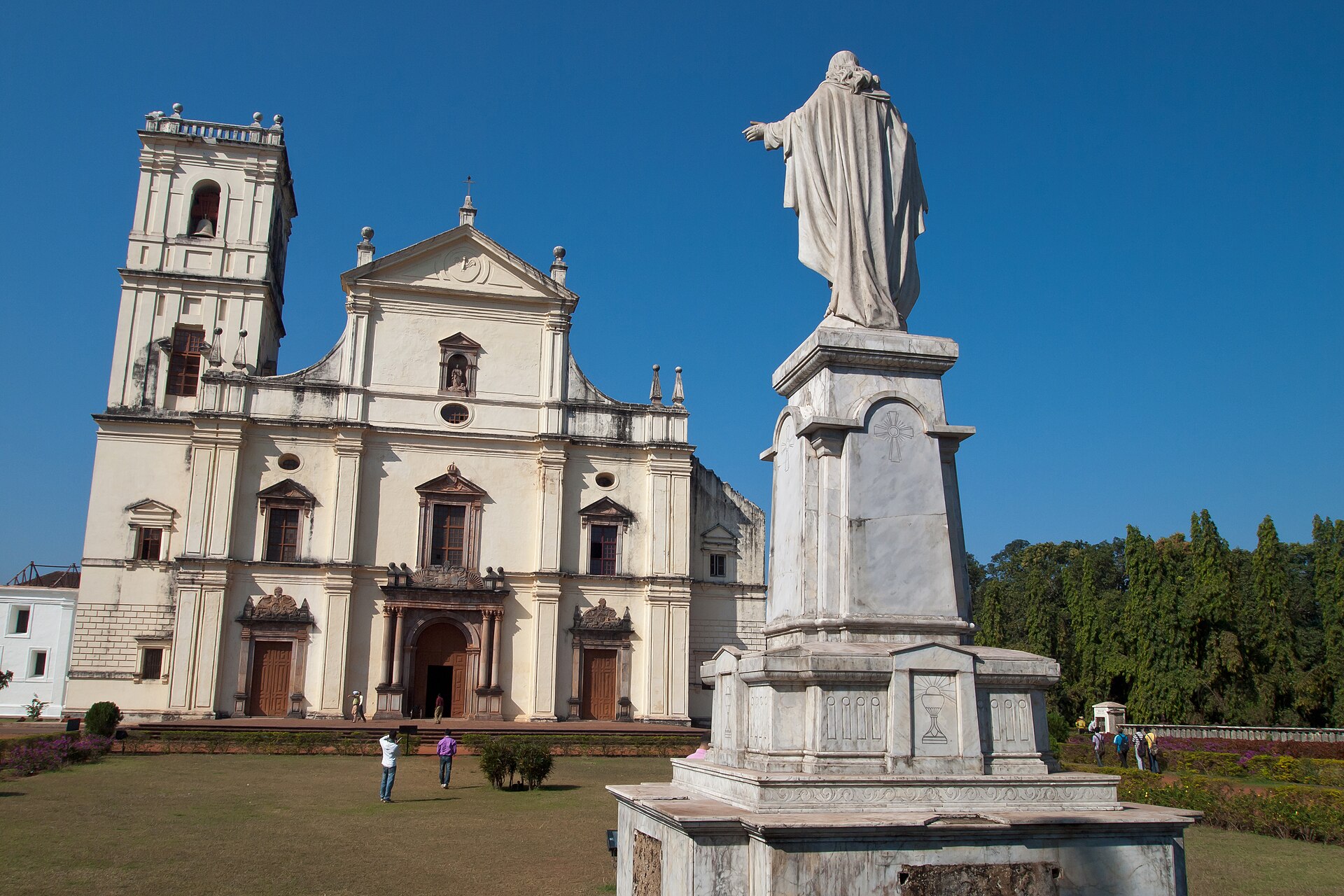
A vast white cathedral with a richly gilded main altar and the Golden Bell.
Open in Google Maps (opens in a new tab)Beside the cathedral
A church with painted walls and a carved altar, with the Archaeological Museum in its convent.
Open in Google Maps (opens in a new tab)Near the river
A church modelled on St Peter’s in Rome, with a large dome.
Open in Google Maps (opens in a new tab)Holy Hill
The tall ruined tower of a once-great church.
Open in Google Maps (opens in a new tab)Near the river landing
The ceremonial gate through which new viceroys entered the city.
Open in Google Maps (opens in a new tab)Goa, India
The everyday meal of Goa: fish such as kingfish or mackerel simmered in a sour, coconut-based red curry with kokum or tamarind, served with boiled rice and often a fried fish on the side. Goans call it xit kodi.
Goa, India
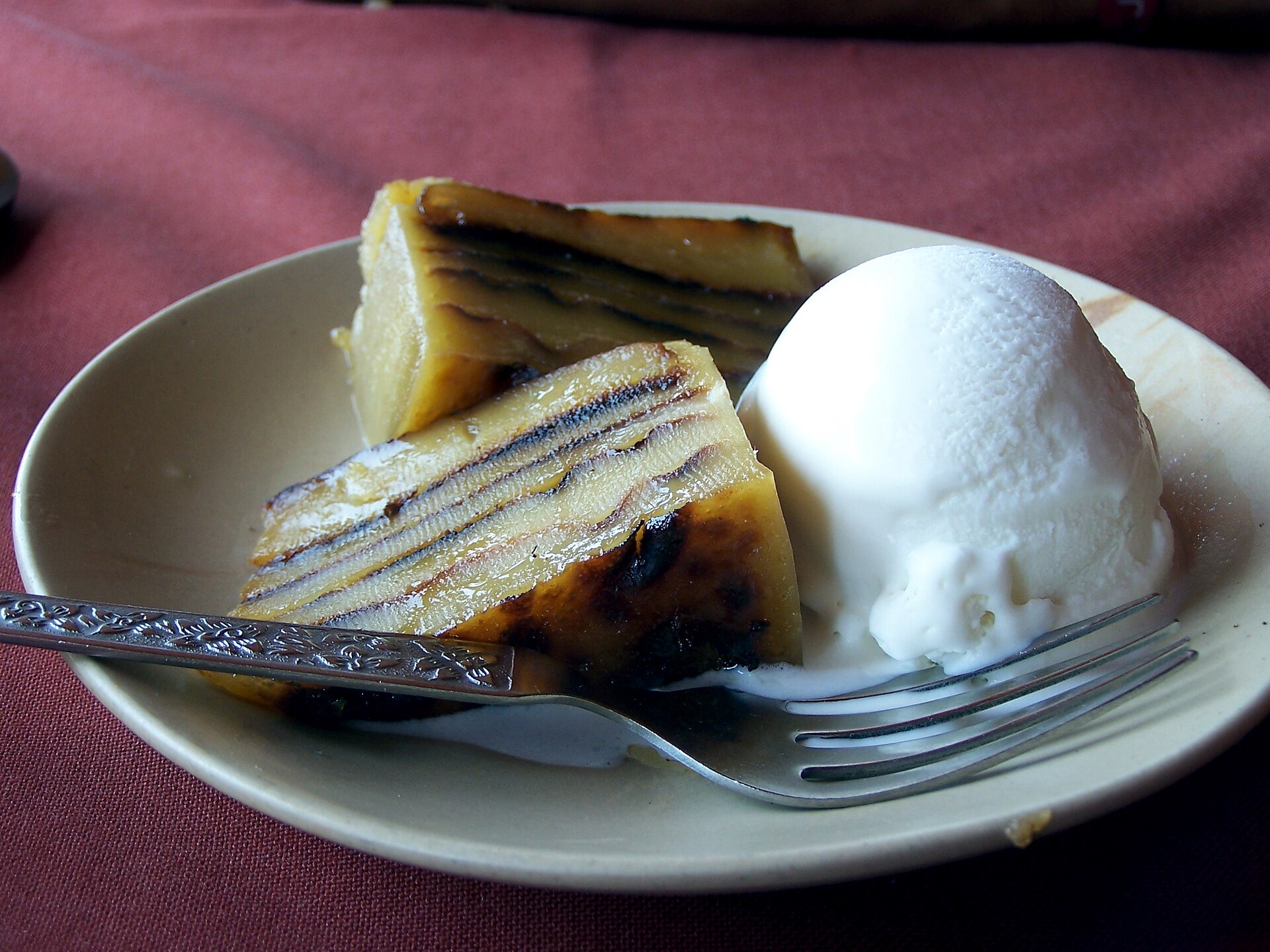
Goa’s festive layered dessert of coconut milk, egg yolks, sugar and ghee, each layer baked one at a time until there are many. Sold in Panaji sweet shops and eaten at Christmas and family celebrations.
Goa, India
Poi is the soft, hollow bread made each morning by Goan bakers (poders), who still deliver by bicycle in many villages. Feni is Goa’s spirit, distilled from cashew fruit or coconut toddy — strong, so drink it slowly.
Capital, on the Mandovi river
Old family restaurants serving Goan fish curry and xacuti, small cafés in the Latin Quarter, bakeries selling bebinca and the riverside promenade. Busy at lunch with office workers.
Open in Google Maps (opens in a new tab)Assagao, Siolim, Parra
Restaurants in restored Portuguese villas and gardens among the paddy fields, from Goan home cooking to modern cafés. Best reached by scooter or taxi.
Open in Google Maps (opens in a new tab)Goa, India
Heritage guesthouses in old Portuguese houses and city hotels by the river: calm, central and close to Old Goa, with buses and taxis to both north and south.
Open in Google Maps (opens in a new tab)Goa, India
Busy beach strips with hotels and resorts of every kind, close to the nightlife, water sports and Fort Aguada. Lively and noisy in the season.
Open in Google Maps (opens in a new tab)Old Goa is the spiritual centre of Goa’s Catholics, and the novena and feast of St Francis Xavier — Goencho Saib, the “Lord of Goa” — are the biggest religious events of the year. Pilgrims of other faiths come too.
After 1510 Old Goa (Velha Goa) became the capital of Portuguese India and one of the richest cities in Asia, with a population said to rival Lisbon's. Religious orders built churches, convents and colleges, and the city was the base for missions across Asia.
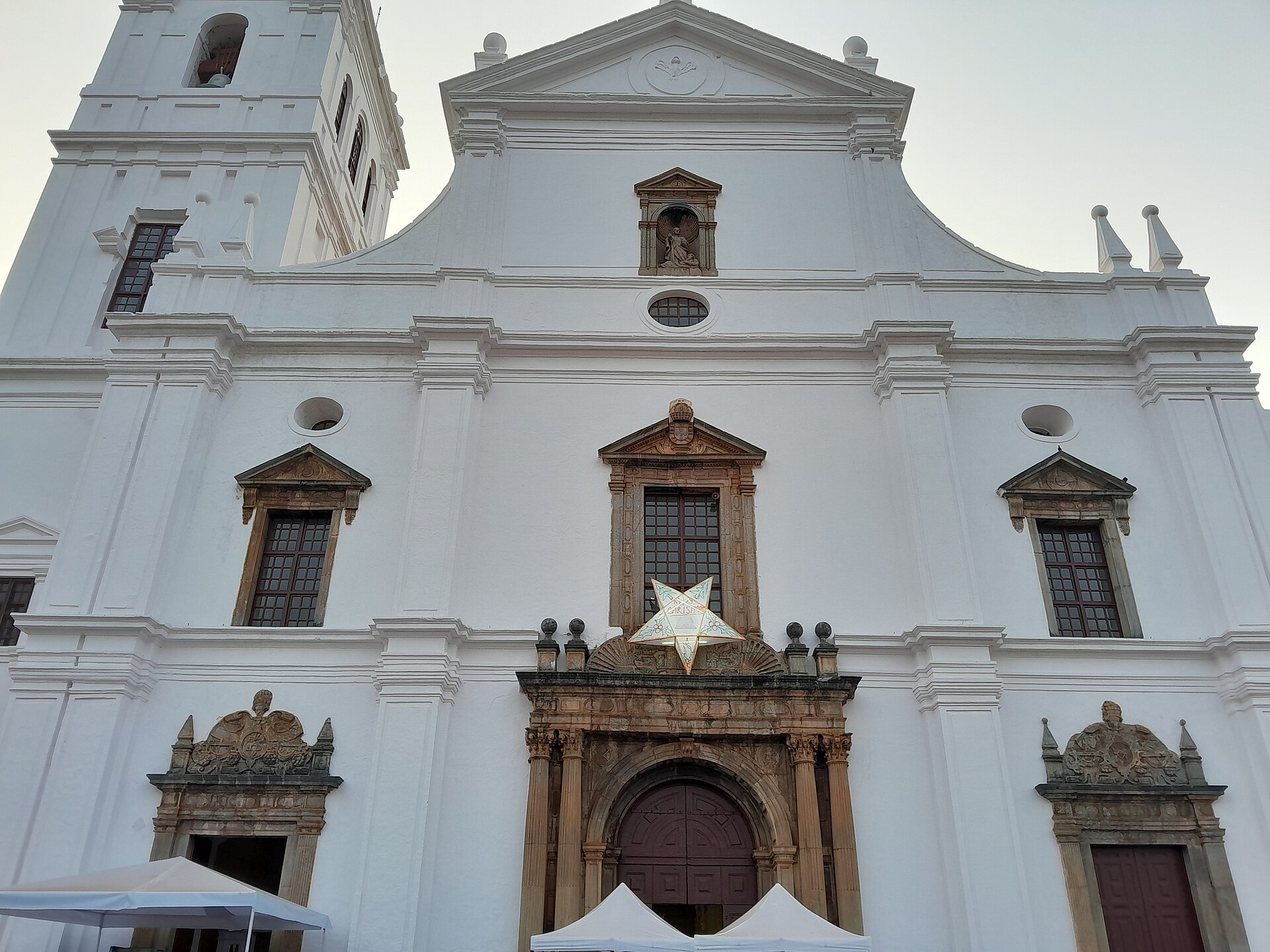
The Basilica of Bom Jesus, completed in 1605 by the Jesuits, holds the remains of St Francis Xavier, the missionary who died in 1552 off the coast of China. His body lies in a silver casket above a marble tomb, and is brought down for public veneration at an exposition held roughly every ten years.
The Sé Cathedral, dedicated to St Catherine, is one of the largest churches in Asia; it was built from the 16th into the 17th century and its tower holds the famous Golden Bell. Cholera and malaria emptied the city from the 17th century, and the capital moved to Panaji. The surviving churches were inscribed as a UNESCO World Heritage Site in 1986.
Start at opening time at the tomb of St Francis Xavier.
Cross the lawn to the cathedral.
Paintings and the archaeological collection.
Walk up Holy Hill before returning to Panaji for lunch.
November to February, early in the morning. The feast of St Francis Xavier on 3 December draws huge crowds of pilgrims.