Sunset terraces
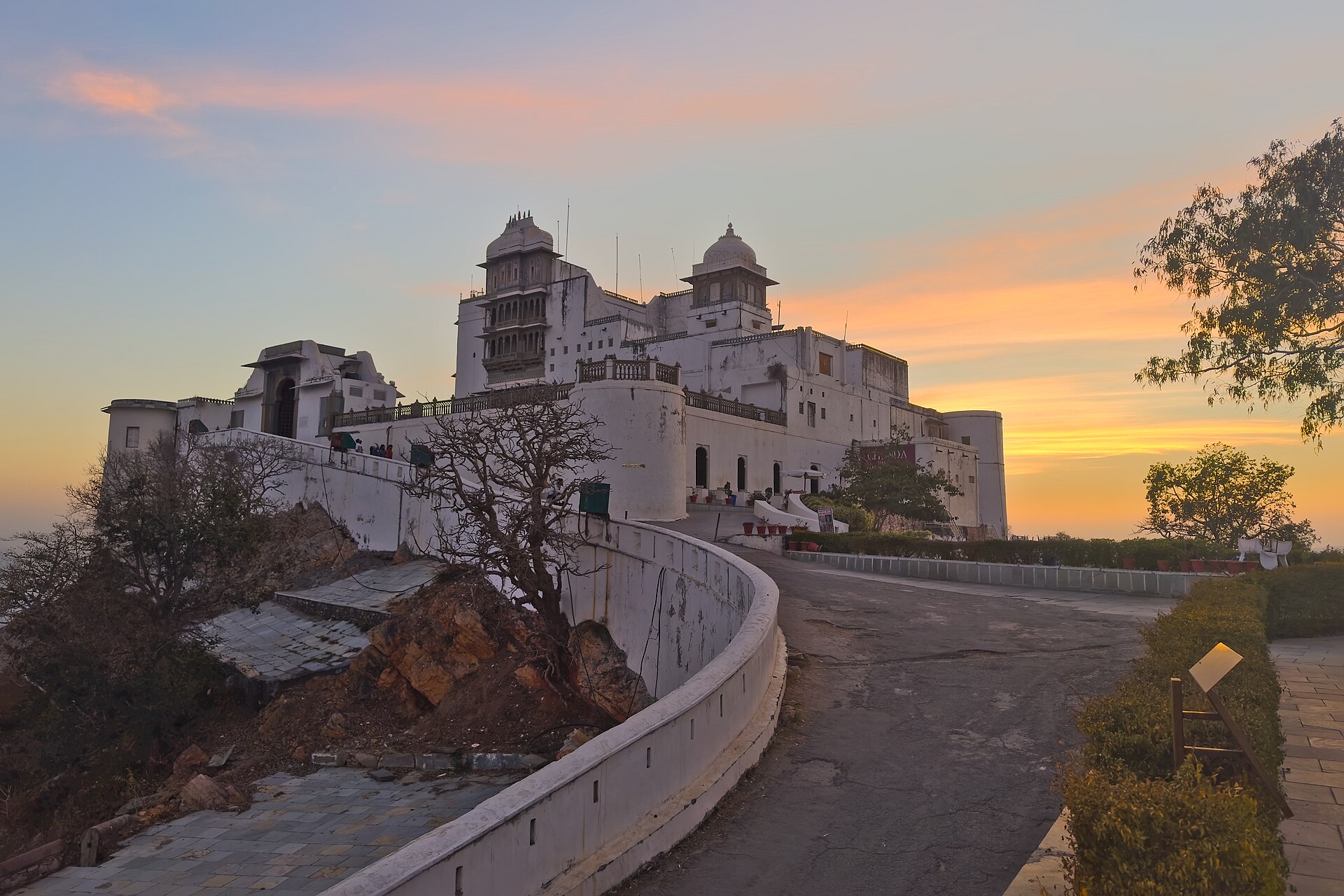
Top of the palace
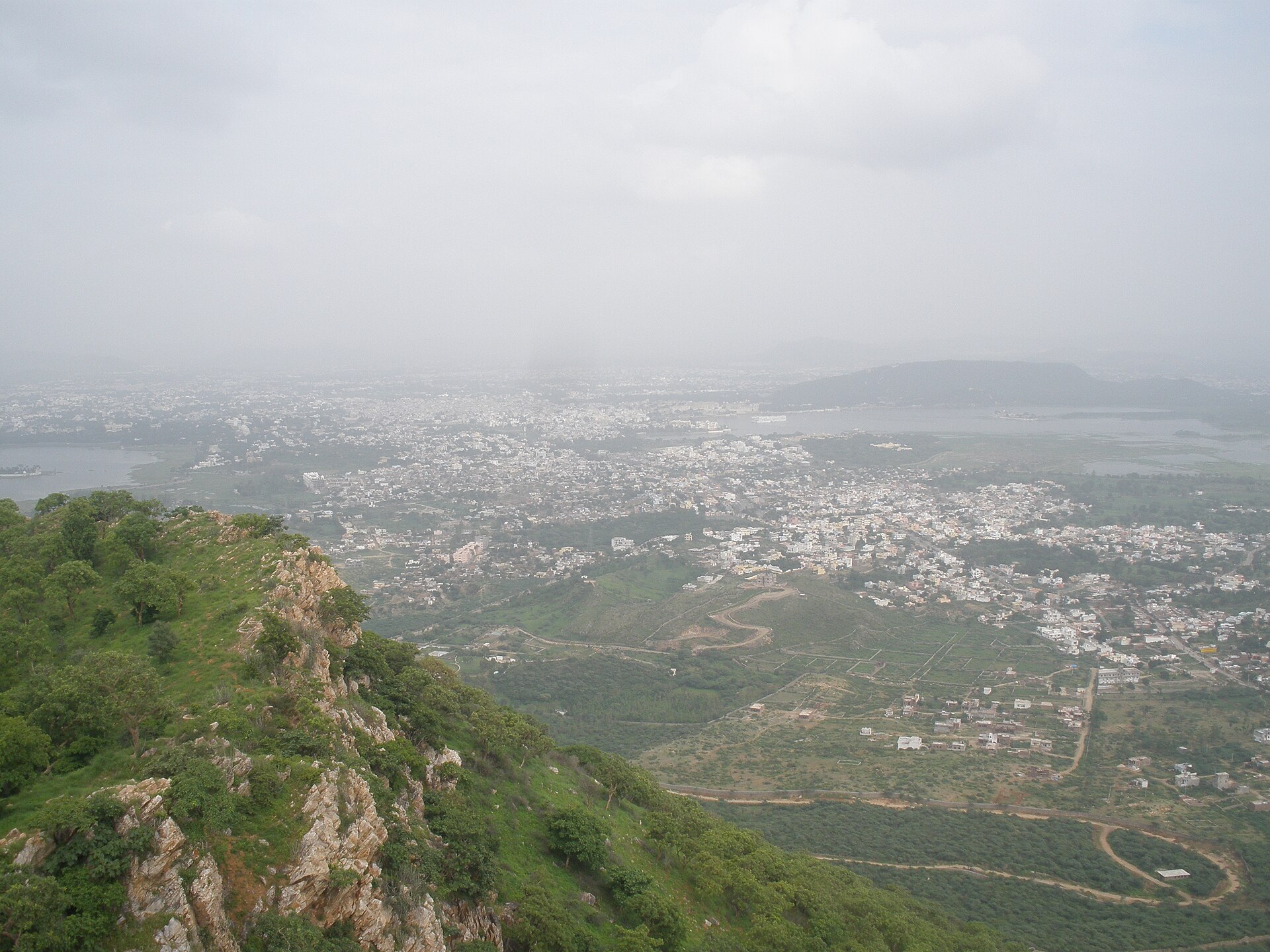
Wide views west over the hills and east over the lakes and city as the sun goes down.
Open in Google Maps (opens in a new tab)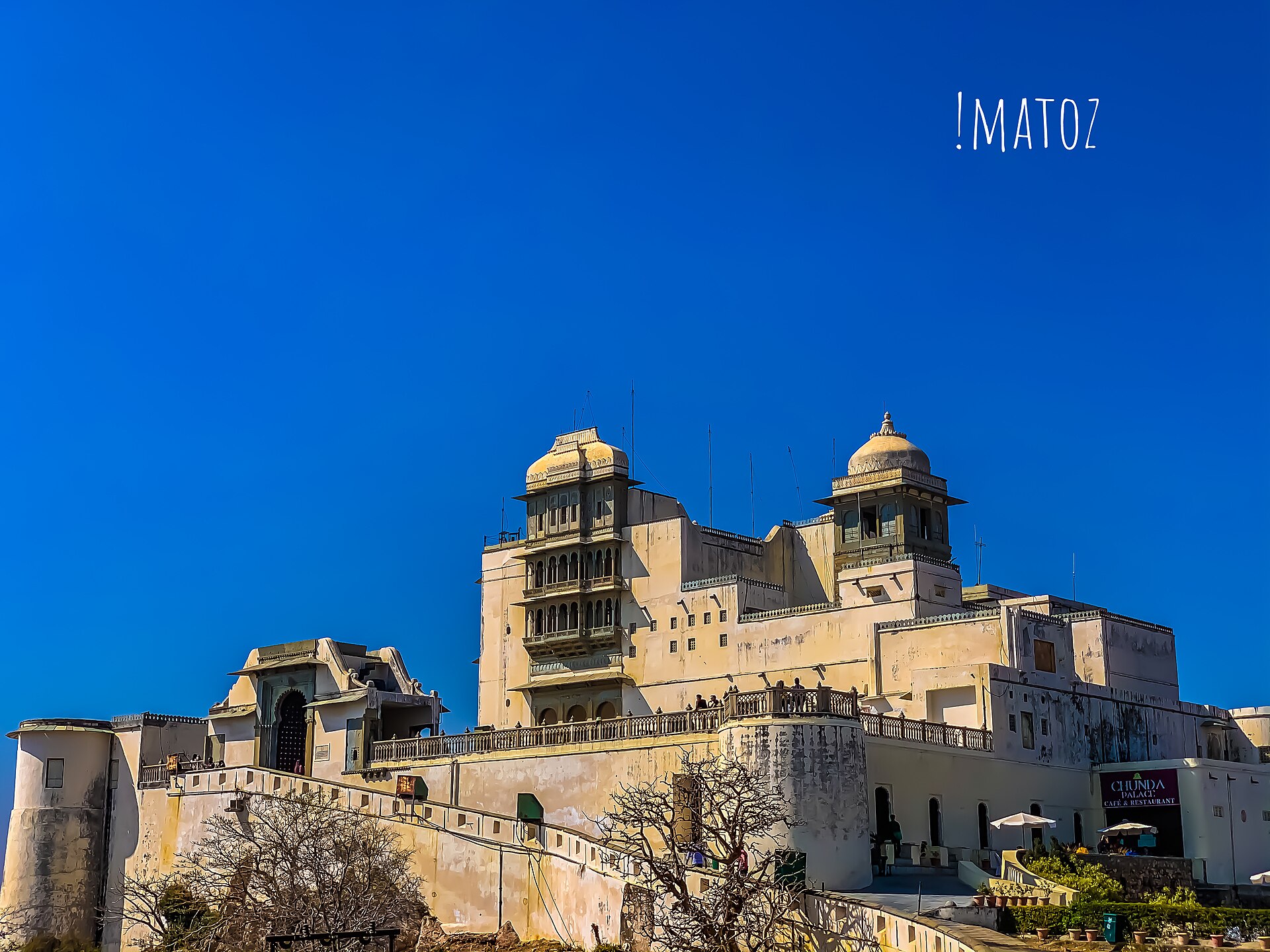
 Udaipur, India
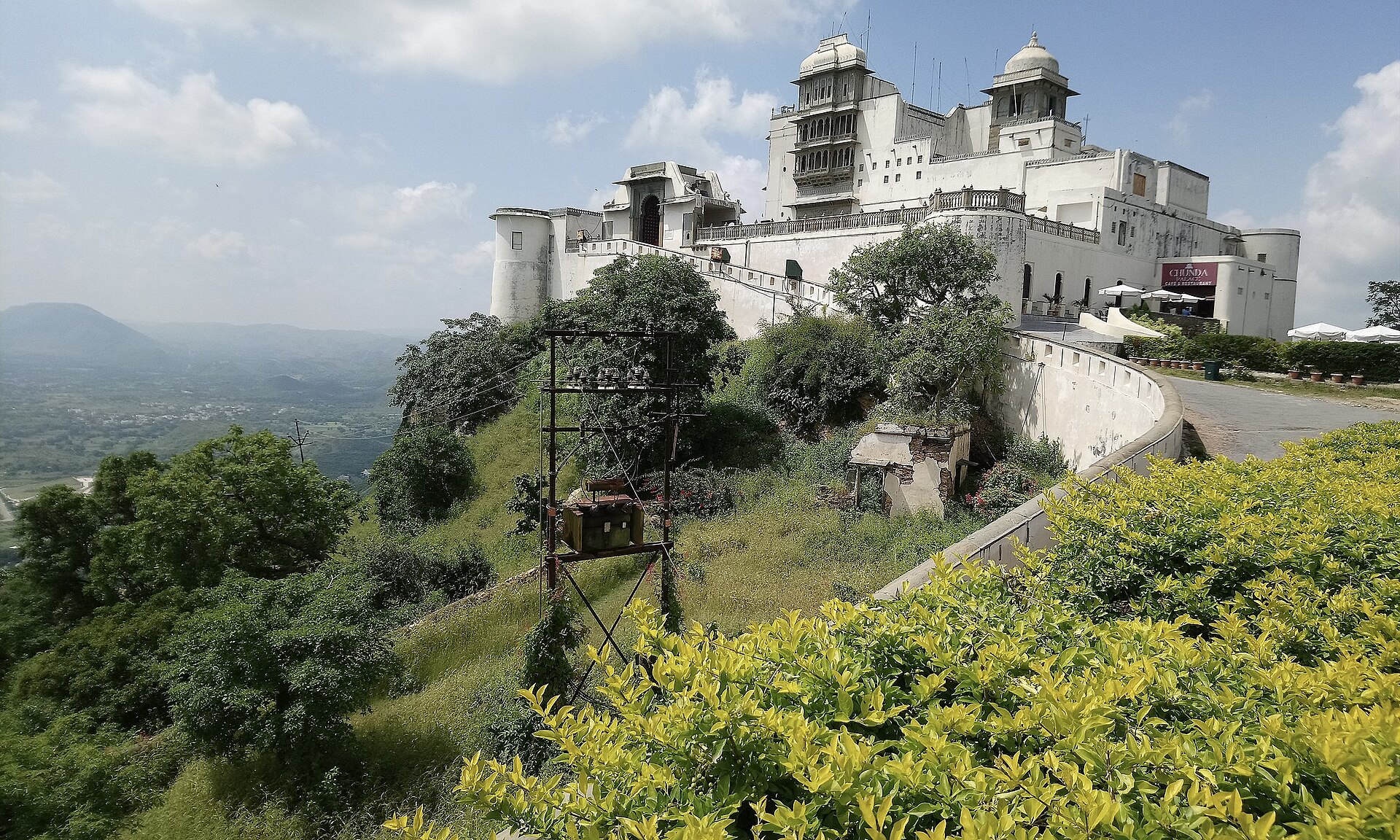
A white hilltop palace high above Udaipur, built to watch the monsoon clouds roll in. Today it is the best sunset point over the city and its lakes.
Top of the palace
Wide views west over the hills and east over the lakes and city as the sun goes down.
Open in Google Maps (opens in a new tab)Around the hill
Dry Aravalli forest with deer, wild boar and birds along the road up.
Open in Google Maps (opens in a new tab)Near the sanctuary gate
A zoo-park at the foot of the hill, with Indian animals in large enclosures.
Open in Google Maps (opens in a new tab)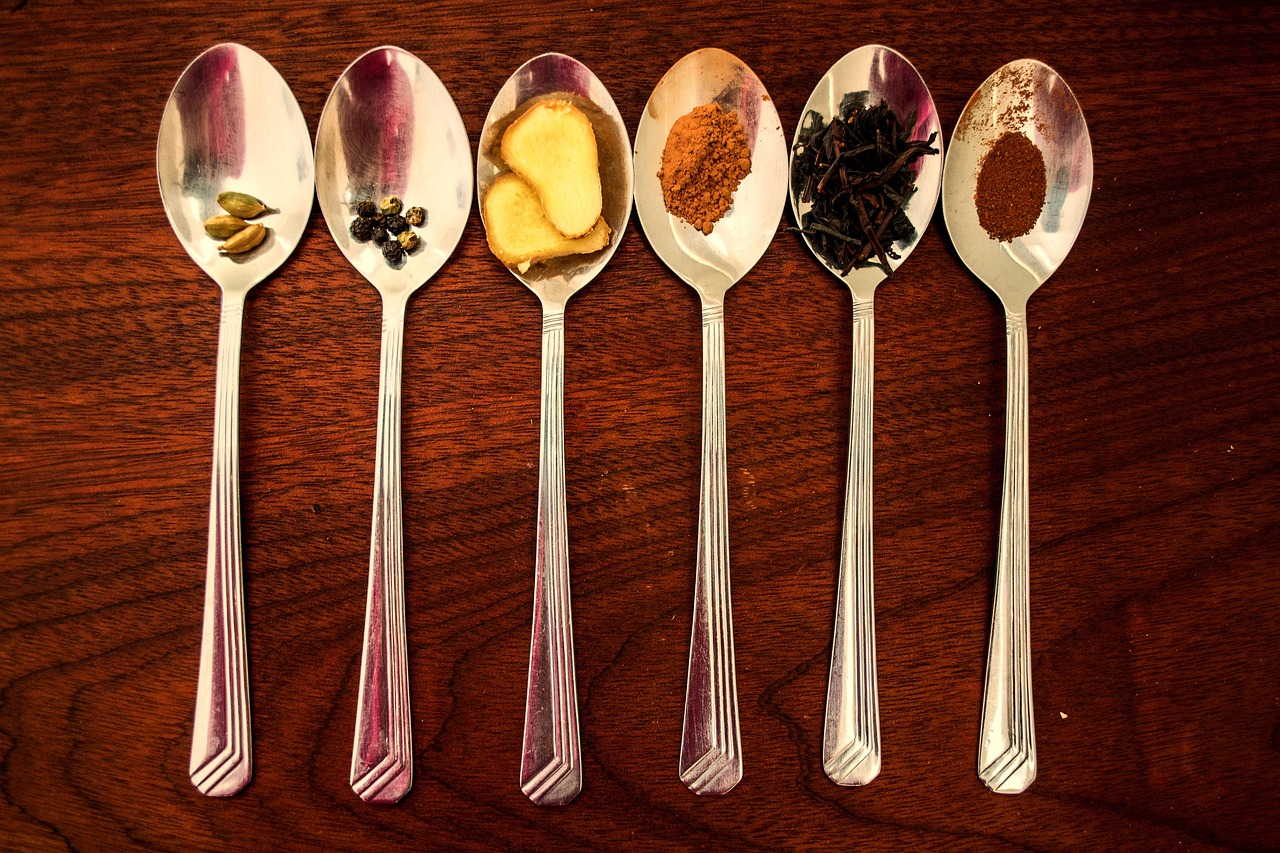
Udaipur, India
Black tea boiled with milk, sugar and spices such as ginger, cardamom and cloves, served in small glasses or clay cups at stalls all day long.
The promenade along Fateh Sagar Lake
Evening snack stalls with corn, chaat, coconut water and ice cream along the lake road, busy with local families at sunset.
Open in Google Maps (opens in a new tab)West bank of Lake Pichola, across from the City Palace
Lakeside terraces facing the City Palace, lit up at night — the classic place for a dinner with a view. Smaller cafés and simple eateries fill the lanes behind.
Open in Google Maps (opens in a new tab)Udaipur, India
Larger modern and resort hotels around Fateh Sagar Lake and on the roads out of town, calmer and with more space, a short drive from the old city.
Open in Google Maps (opens in a new tab)Udaipur, India
Across the footbridge on the west bank, a little quieter, with lakeside hotels looking straight at the City Palace.
Open in Google Maps (opens in a new tab)Udaipur was the capital of Mewar, ruled by the Sisodia Rajputs, who are remembered for refusing to submit to the Mughals — Maharana Pratap, who fought at Haldighati in 1576, is the local hero. The former royal family still lives in part of the City Palace. Mewar is known for its miniature painting, folk puppetry, and the colourful Gangaur and Mewar festivals in spring. People are conservative and polite: dress modestly in the old city and temples, and ask before photographing women.
Sajjangarh was begun in 1884 by Maharana Sajjan Singh, who planned it as a palace and observatory on a peak of the Aravalli hills to watch the monsoon clouds, and gave it his name. He died young, and it was completed by his successor, Maharana Fateh Singh.
The royal family used it as a summer and monsoon retreat and a hunting lodge. It later passed to the government. The palace itself is largely empty, but its terraces look out over Lake Pichola, Fateh Sagar and the surrounding hills. The forest around it is the Sajjangarh Wildlife Sanctuary.
Leave the old city about two hours before sunset.
Ride up through the sanctuary.
Explore the rooms, then wait for sunset.
Back down for dinner at Ambrai or Fateh Sagar.
Late afternoon, staying for sunset. During the monsoon (July to September) the hills are green and the clouds dramatic, true to its name.
The palace is about 5 km west of the city. Take a rickshaw or taxi to the sanctuary gate at the foot of the hill; from there, the sanctuary's own vehicles or permitted taxis drive up the winding road. Check current arrangements and fees at the gate.
The palace is small and can be seen in 30–45 minutes; stay longer for the sunset on the terraces.