Kachori sabzi
Varanasi, India
 Varanasi, India
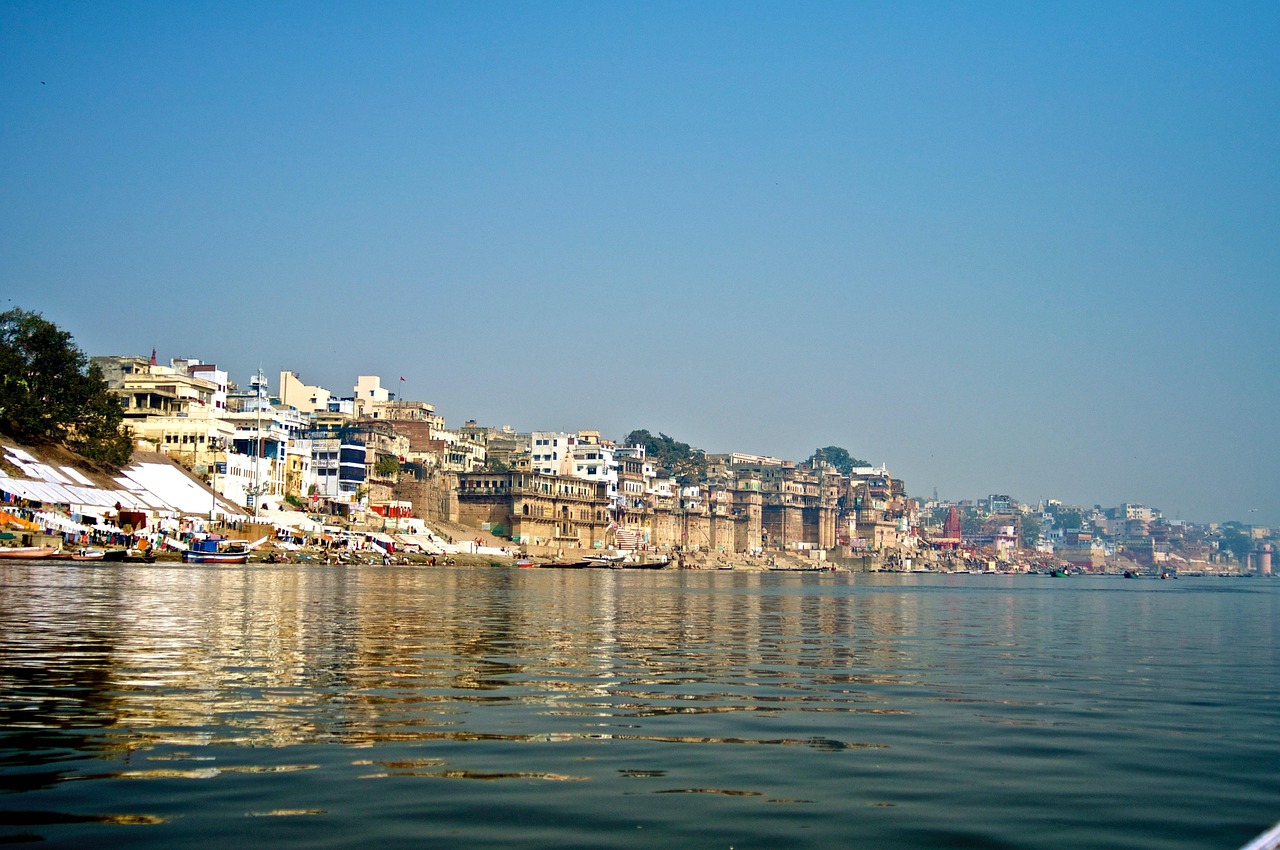
One of the oldest living cities in the world and the holiest city of Hinduism: a crescent of stone steps (ghats) along the Ganga, where pilgrims bathe at dawn, lamps are offered to the river at dusk and the dead are cremated by the water. Also called Kashi and Banaras, it is a short ride from Sarnath, where the Buddha first taught.
Ghat, River
Varanasi, India
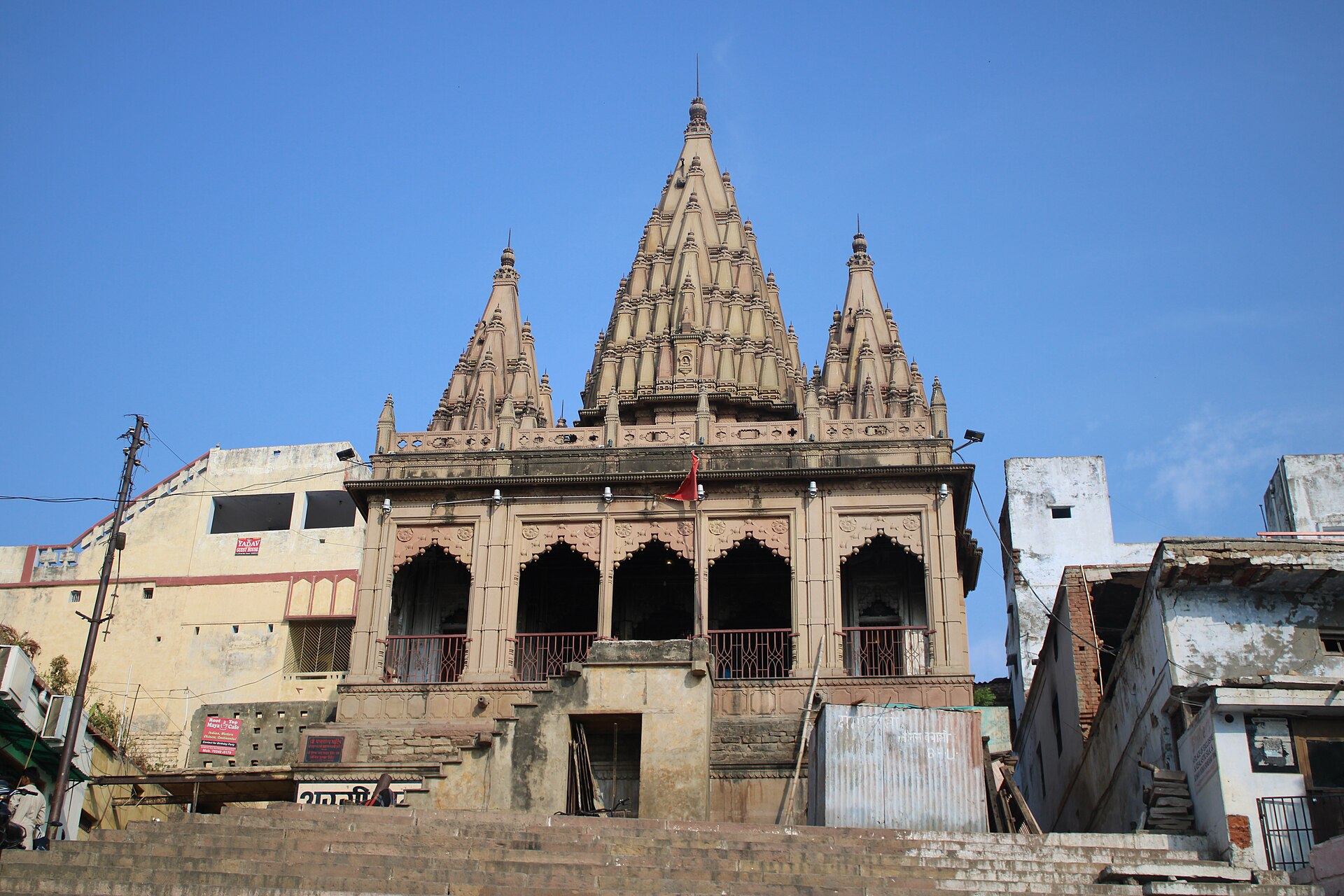
The southern end of the Varanasi ghats, where the city wakes with a dawn aarti, music and yoga, and the classic starting point for a sunrise boat ride along the whole crescent of ghats.
Explore Assi Ghat and the sunrise boat ride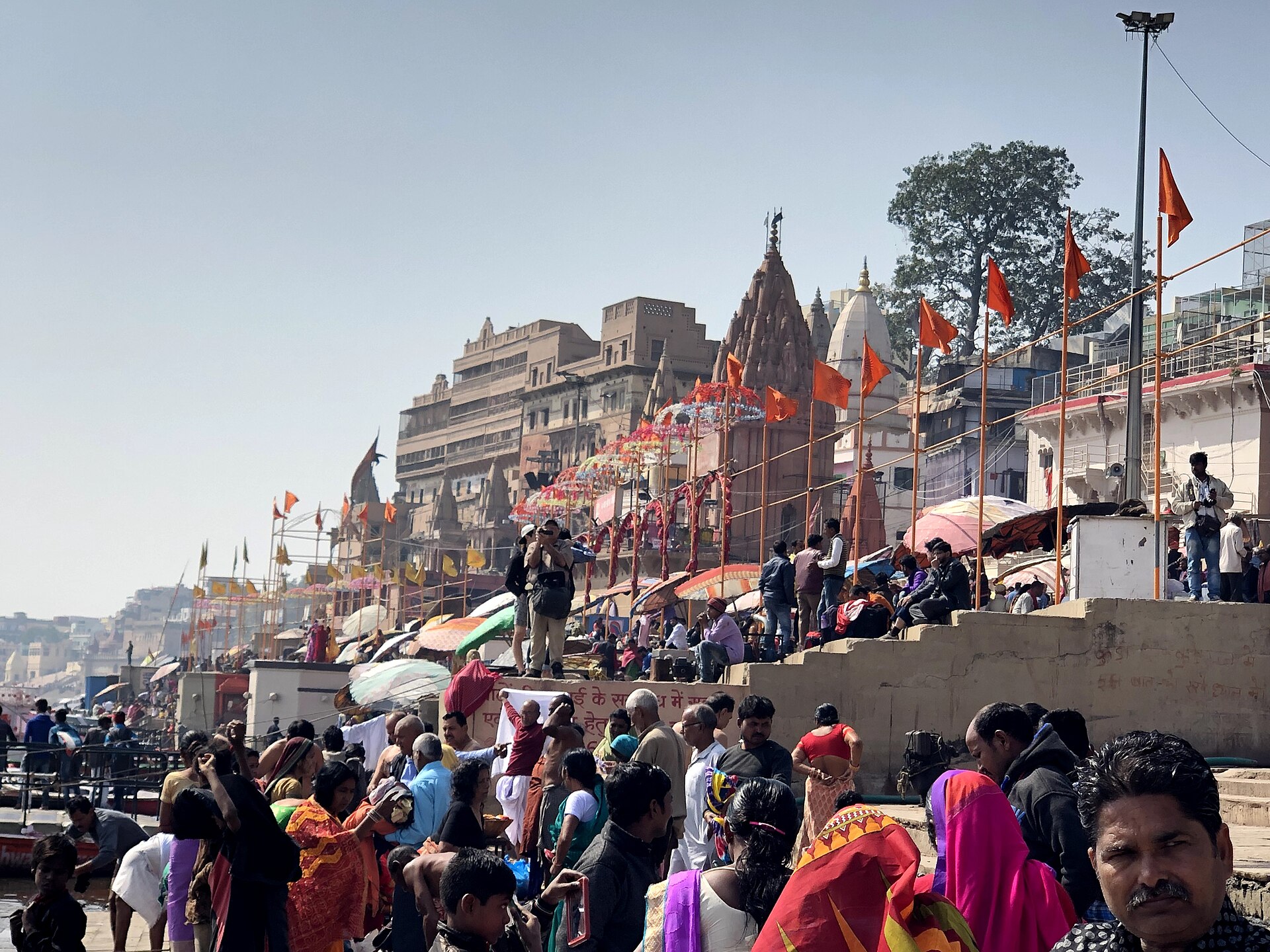
Ghat, Ritual
Varanasi, India
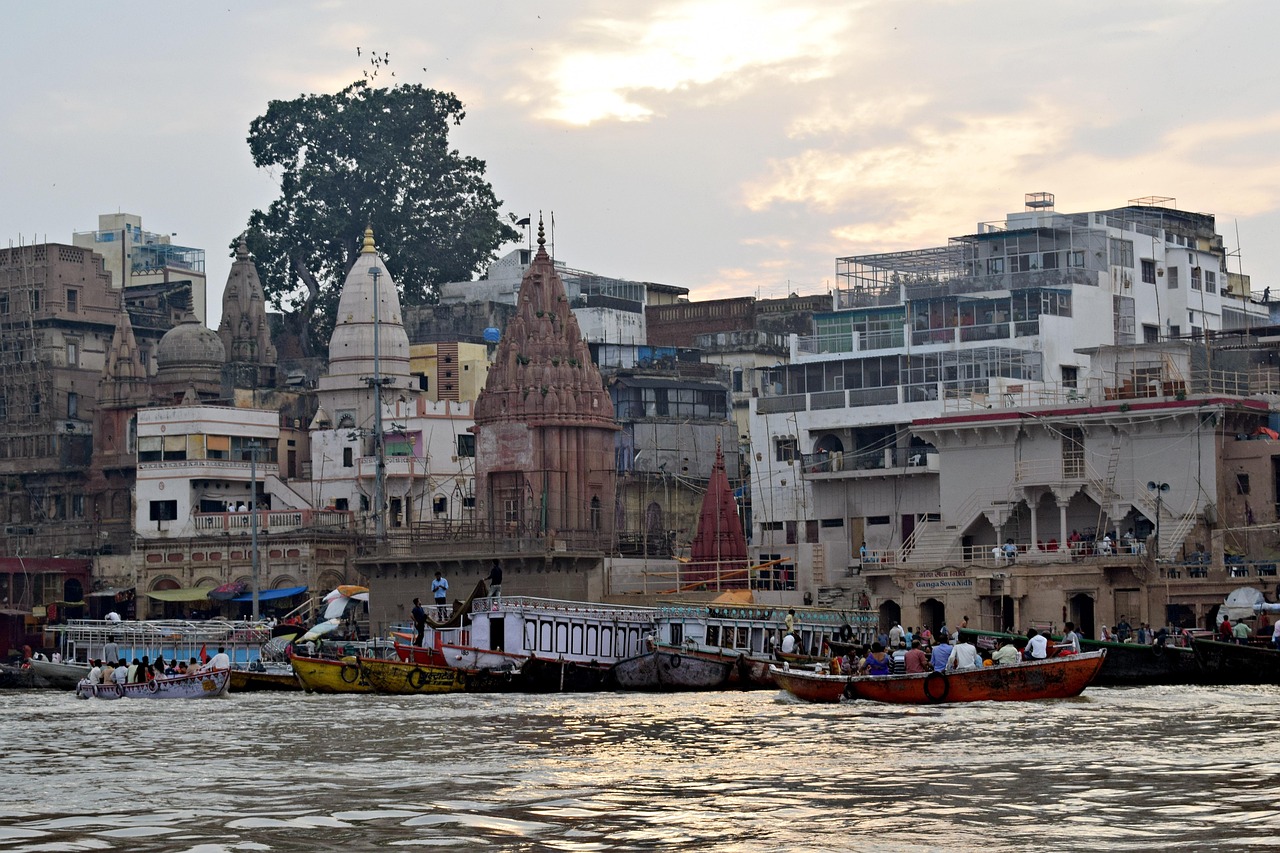
The busiest and best-known ghat of Varanasi, where every evening after sunset priests offer fire, incense and flowers to the Ganga in the Ganga Aarti, watched by crowds on the steps and from boats on the river.
Explore Dashashwamedh Ghat and the Ganga Aarti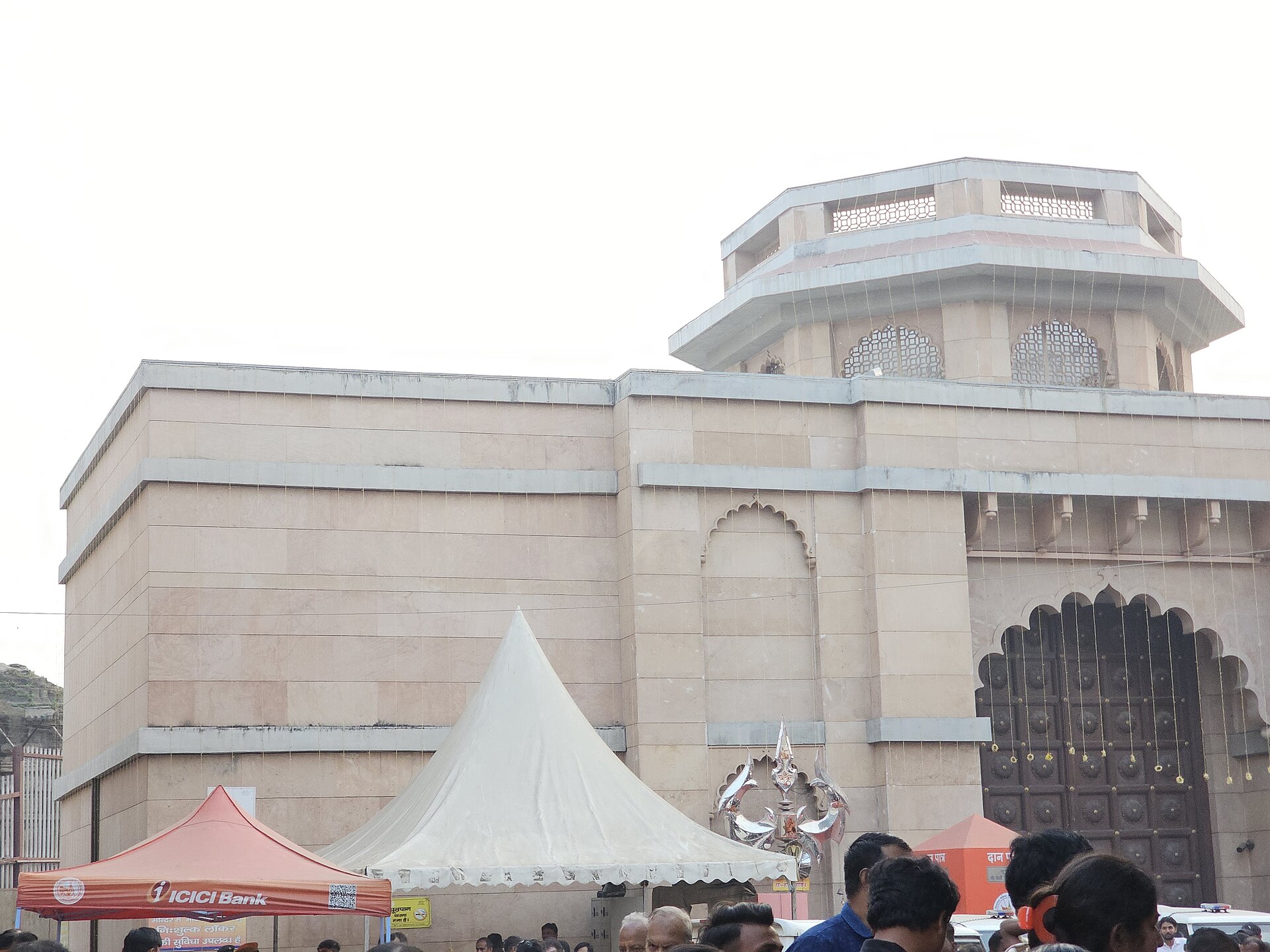
Temple, Pilgrimage
Varanasi, India
Varanasi's most important temple, dedicated to Shiva as Vishwanath, "lord of the universe", and one of the twelve Jyotirlingas. Its gold-plated spire now stands at the head of a broad corridor that runs down to the river.
Explore Kashi Vishwanath Temple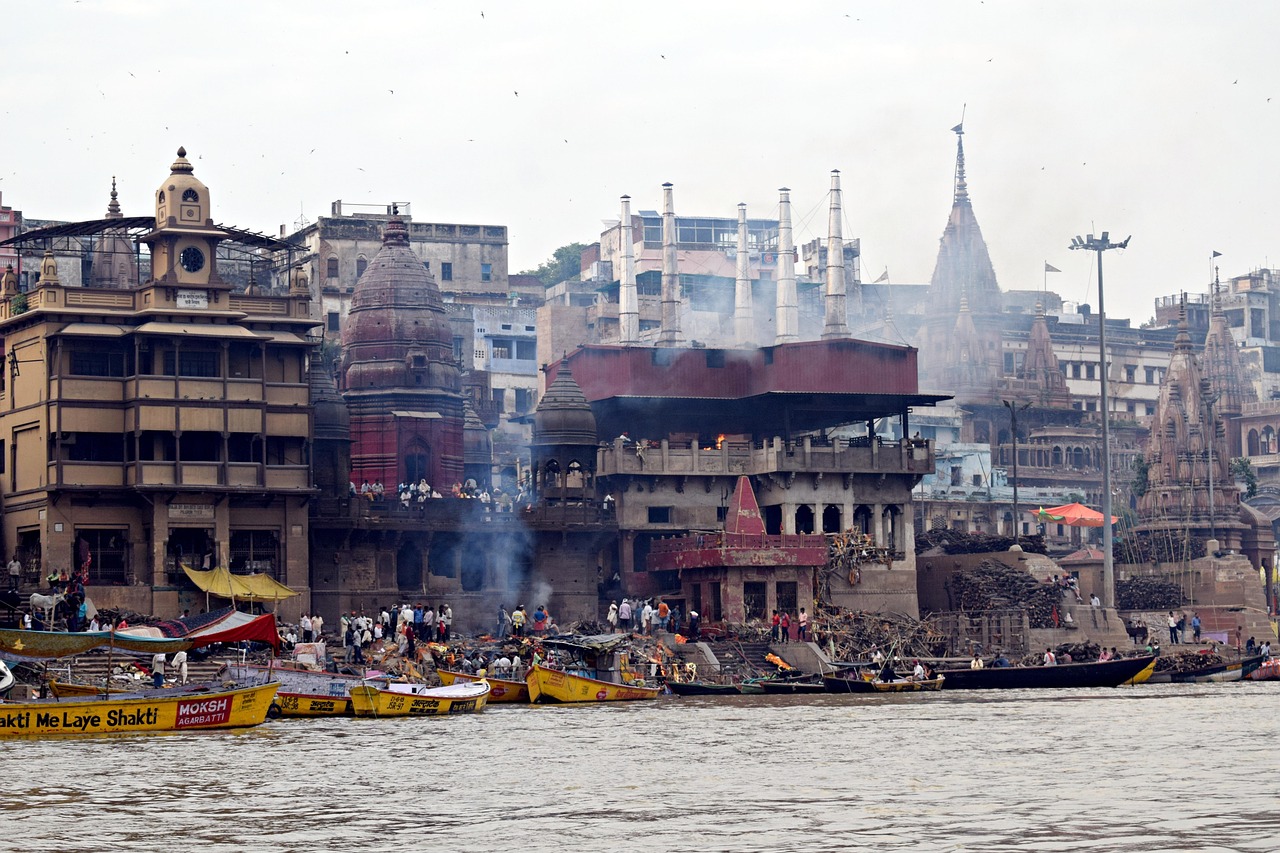
Ghat, Sacred site
Varanasi, India
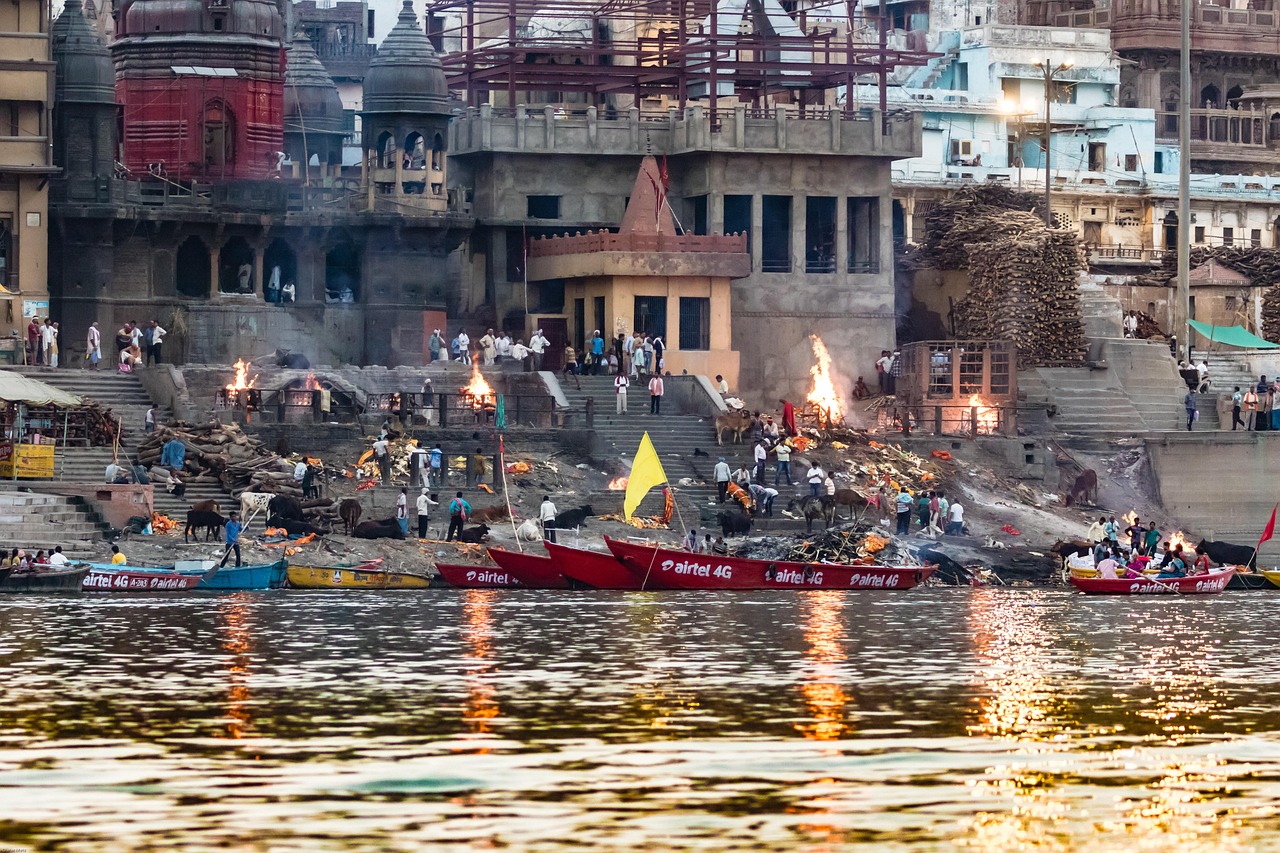
The most sacred cremation ghat of Varanasi, where funeral pyres burn by the river day and night. Visitors may watch quietly from a distance; it is a place of mourning, not a sight to photograph.
Explore Manikarnika Ghat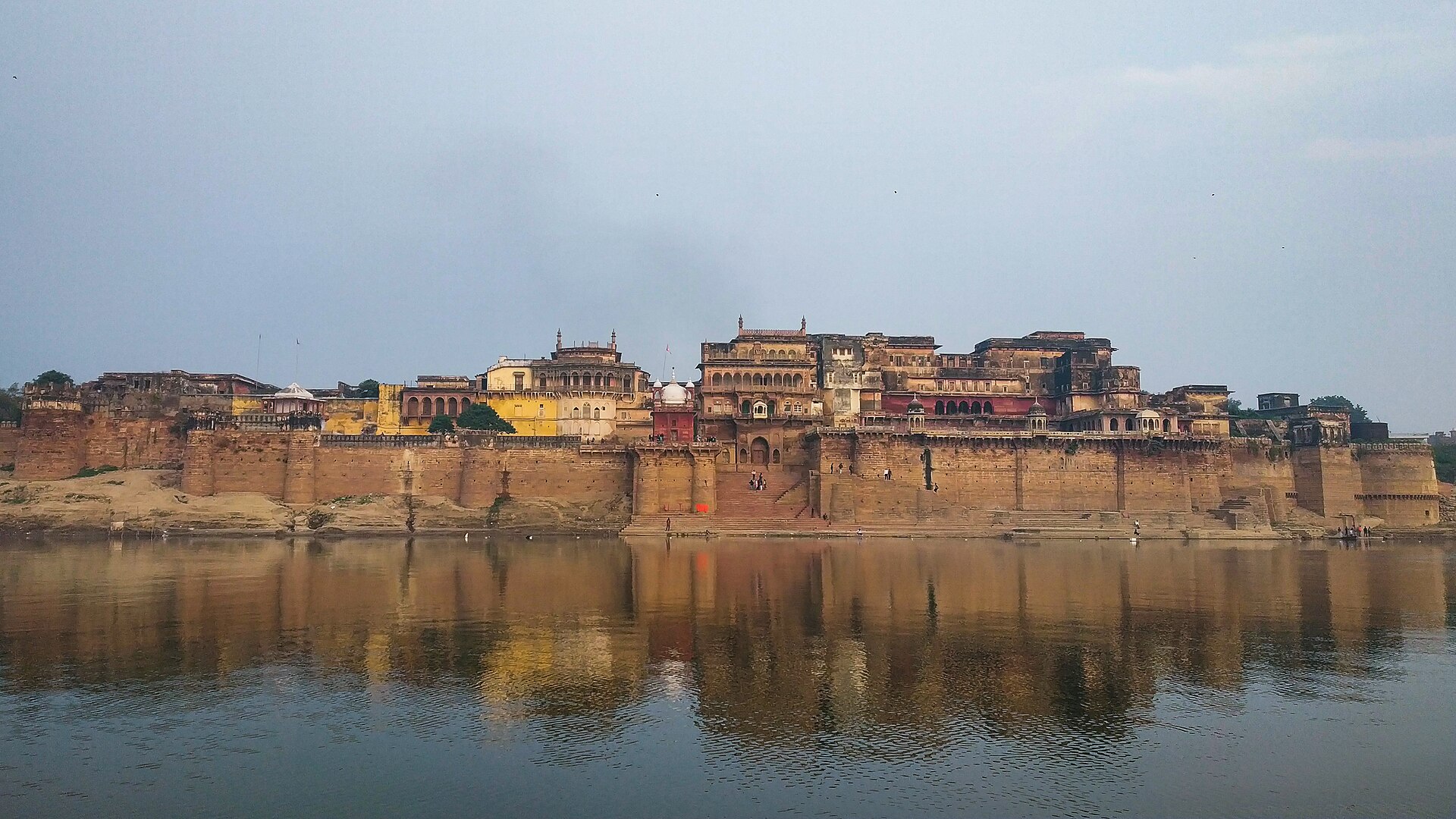
Fort, Museum
Varanasi, India
The 18th-century sandstone fort of the Maharajas of Banaras on the east bank of the Ganga, opposite the city ghats, with a museum of vintage cars, palanquins, arms and costumes.
Explore Ramnagar Fort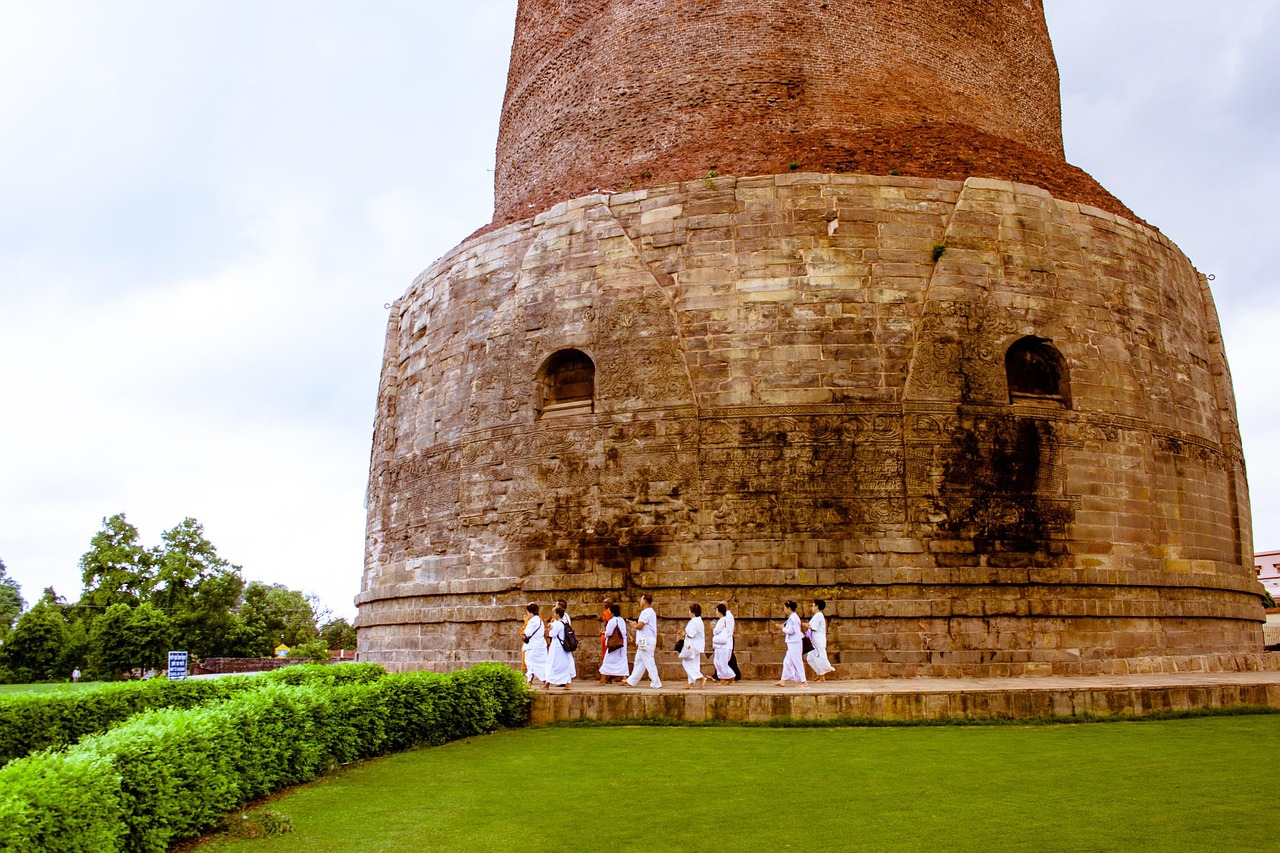
Buddhist site, Archaeology
Varanasi, India
The deer park about 10 km from Varanasi where the Buddha gave his first sermon after his enlightenment. Its stupas, monastery ruins, temples and museum — home of the Lion Capital, India's national emblem — make it one of the four great Buddhist pilgrimage sites.
Explore SarnathTemple, Pilgrimage
Varanasi, India
Varanasi's most important temple, dedicated to Shiva as Vishwanath, "lord of the universe", and one of the twelve Jyotirlingas. Its gold-plated spire now stands at the head of a broad corridor that runs down to the river.
Explore Kashi Vishwanath TempleFort, Museum
Varanasi, India
The 18th-century sandstone fort of the Maharajas of Banaras on the east bank of the Ganga, opposite the city ghats, with a museum of vintage cars, palanquins, arms and costumes.
Explore Ramnagar FortBuddhist site, Archaeology
Varanasi, India
The deer park about 10 km from Varanasi where the Buddha gave his first sermon after his enlightenment. Its stupas, monastery ruins, temples and museum — home of the Lion Capital, India's national emblem — make it one of the four great Buddhist pilgrimage sites.
Explore SarnathVaranasi, India
Varanasi, India
Varanasi, India
Varanasi, India
Varanasi, India
Varanasi, India
Varanasi, India
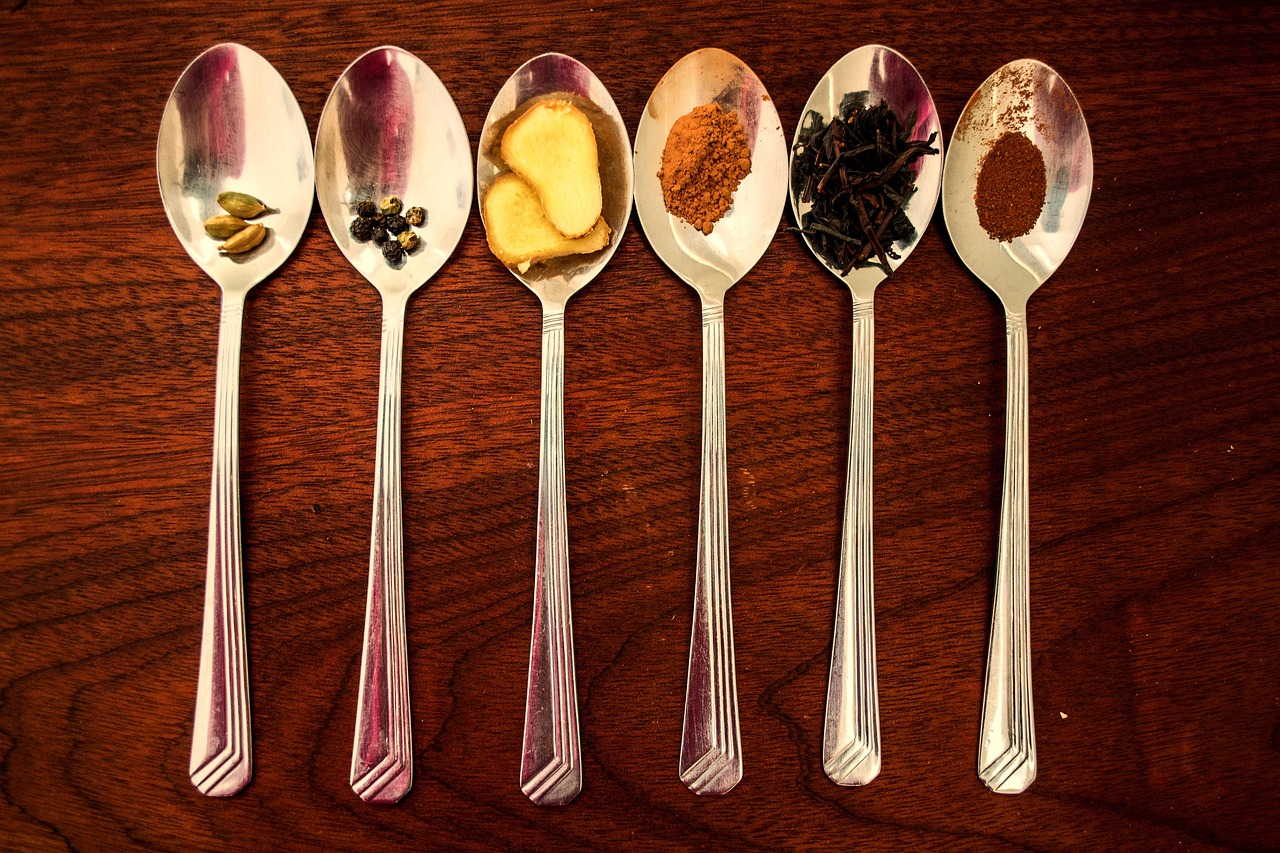
Black tea boiled with milk, sugar and spices such as ginger and cardamom, poured into small clay cups at tea stalls on the ghats, at railway stations and on every busy corner. Drunk many times a day across North India.
Lanes around Godowlia, Chowk and Vishwanath Gali
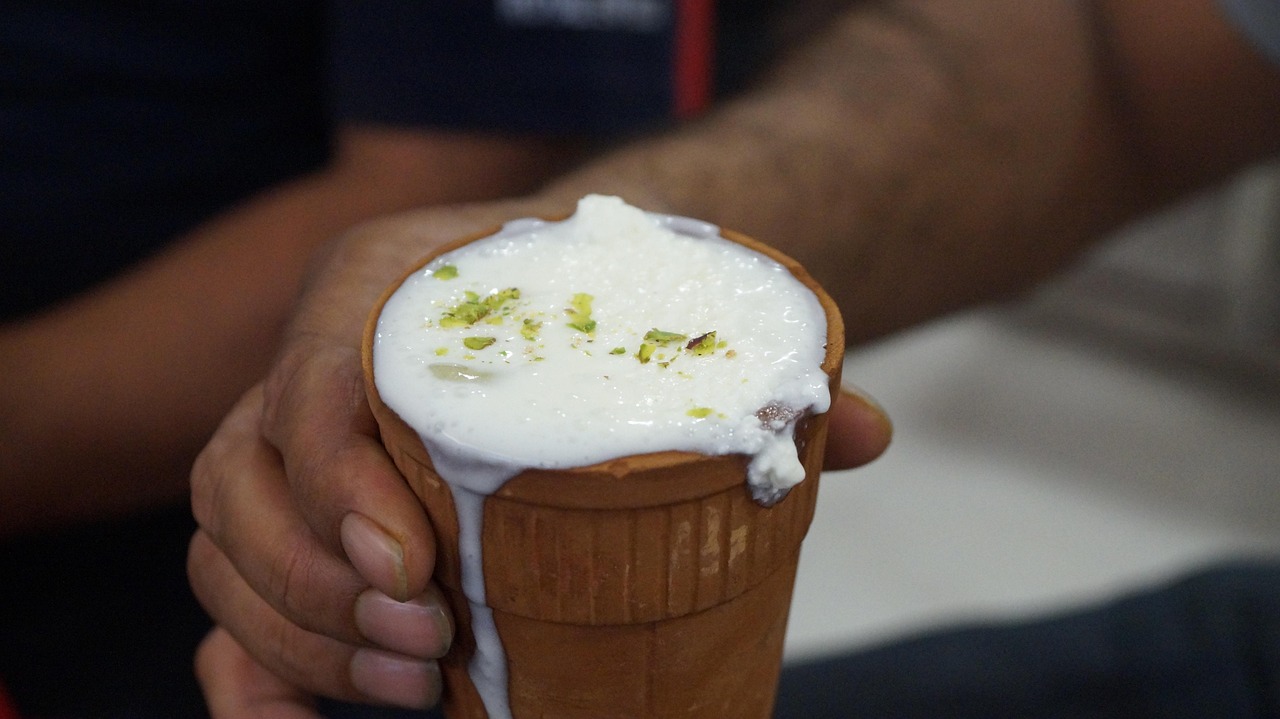
Long-established sweet shops fry kachori sabzi and jalebi from dawn and sell rabri, lassi and Banarasi sweets all day. Look for the busiest counters — high turnover means fresh food.
Open in Google Maps (opens in a new tab)Godowlia and Dashashwamedh Road
The evening street-food strip for tamatar chaat, aloo tikki and golgappe. Kashi Chaat Bhandar is one of the best-known names; many others crowd the same road.
Open in Google Maps (opens in a new tab)In the lane behind Manikarnika Ghat
A tiny, long-running lassi shop with blue walls covered in travellers' notes, famous for thick fruit lassis made to order. Expect a short wait on a bench in the lane.
Open in Google Maps (opens in a new tab)Assi Ghat and the lanes above the river
Relaxed cafés, bakeries and rooftop restaurants serving Indian thalis, simple international dishes and river views. Most of the old city is vegetarian; alcohol is rarely served near the ghats.
Open in Google Maps (opens in a new tab)Varanasi, India
Varanasi, India
The southern end of the ghats, a little calmer, with cafés, guesthouses and mid-range hotels and easy road access. Close to Banaras Hindu University and a good base for the morning programme at Assi.
Open in Google Maps (opens in a new tab)Varanasi, India
The busy heart of the old city, with budget and mid-range hotels a few minutes on foot from the main ghat, the Kashi Vishwanath corridor and the markets. Noisy and crowded, but everything is close.
Open in Google Maps (opens in a new tab)Varanasi, India
The leafy area near Varanasi Junction railway station with the larger, modern hotels. Quieter and more comfortable, with good road connections to the airport and Sarnath, but a rickshaw or taxi ride from the river.
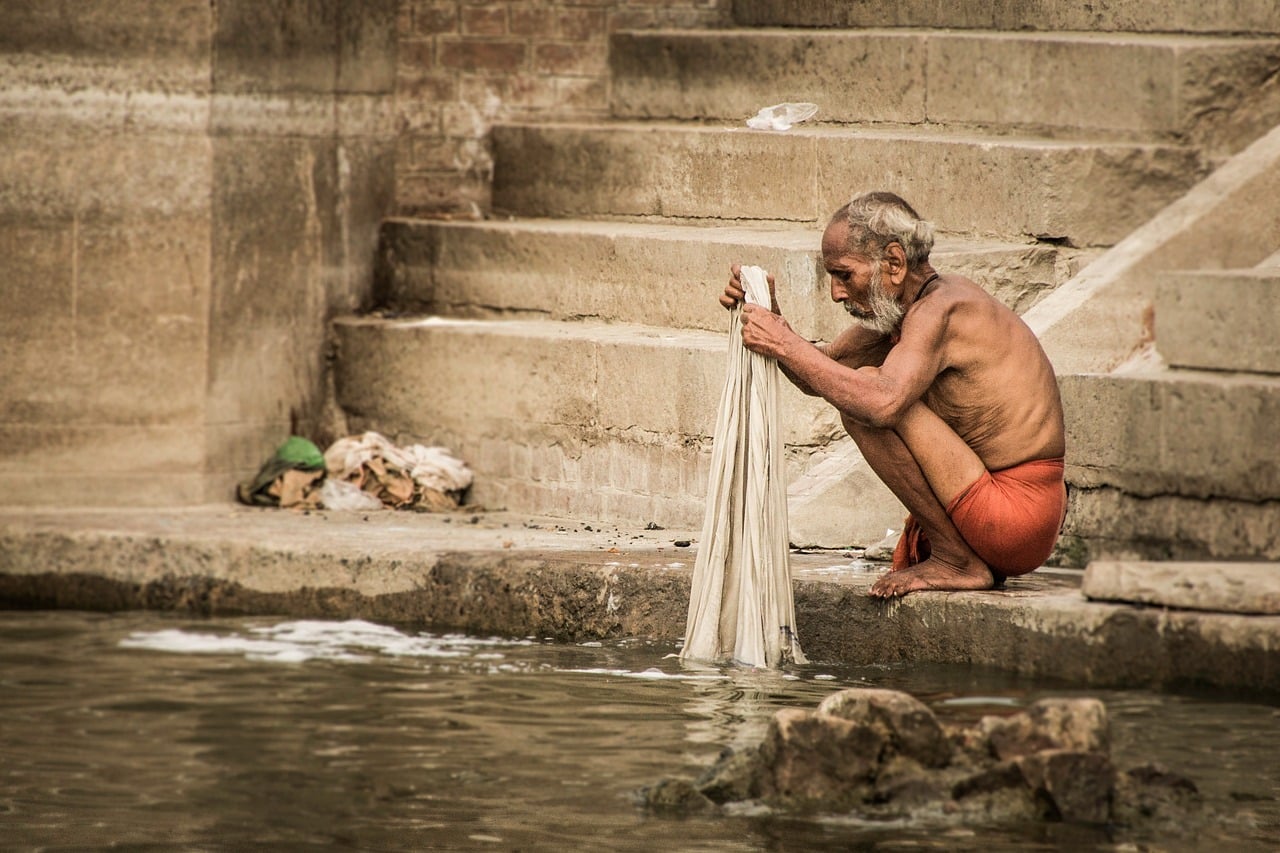
Open in Google Maps (opens in a new tab)Life in Varanasi turns around the river. At dawn people bathe, pray, do yoga and wash clothes on the ghats; at dusk priests perform the Ganga Aarti with fire and bells. In between, the lanes are full of temples, cows, wedding processions, sweet shops and the sound of looms.
The city is famous for Banarasi silk — heavy brocade saris woven with gold and silver thread, largely by Muslim weaving families in neighbourhoods such as Madanpura. It is also a city of music, of the Banaras gharana of tabla and singing, and of festivals: Dev Deepawali, when the ghats are lit with countless lamps at the full moon of Kartik (usually November), and the month-long Ramlila of Ramnagar.
Varanasi has been inhabited for around three thousand years, and Hindus have long known it as Kashi, "the city of light", the city of Shiva. To die here, tradition holds, is to be freed from the cycle of rebirth, which is why pilgrims come at the end of their lives and why the cremation ghats never rest.
Around the 5th century BC the Buddha gave his first sermon at nearby Sarnath, and the city was already a centre of learning, trade and fine textiles. It suffered destruction several times in the medieval period, and many of its temples were rebuilt in the 18th century, when Maratha and other Hindu rulers built palaces and ghats along the river. The Kashi Vishwanath Temple in its present form dates from 1780.
The poet-saint Kabir and Tulsidas, author of the Ramcharitmanas, lived here, and the city is a home of Hindustani classical music. Banaras Hindu University, founded in 1916 by Madan Mohan Malaviya, is one of the largest residential universities in Asia.
Walk the ghats from Assi towards Dashashwamedh in the late afternoon, then watch the Ganga Aarti from the steps or a boat. Dinner of chaat in Godowlia.
A dawn boat ride from Assi to Manikarnika, then breakfast of kachori sabzi. Visit the Kashi Vishwanath Temple and explore the lanes, with a lassi on the way. Afternoon at Banaras Hindu University and its museum.
Morning at Sarnath: the Dhamek Stupa, the ruins and the museum with the Lion Capital. In the afternoon cross the river to Ramnagar Fort and return for a last evening on the ghats.
October to March, when days are mild; November brings Dev Deepawali. April to June is extremely hot, and in the monsoon (July–September) the river can rise over the lower ghats.
By air: Lal Bahadur Shastri International Airport (VNS) at Babatpur is about 25 km north-west of the city, roughly 45–60 minutes by road. It has flights from Delhi, Mumbai, Kolkata, Bengaluru and other Indian cities and a few international routes. Prepaid taxis and app cabs run to the city.
By train: Varanasi is a major rail hub. Varanasi Junction (Cantt) and Banaras station are in the city; Pt. Deen Dayal Upadhyaya Junction (formerly Mughalsarai), about 17 km away, has many long-distance trains, including services to Delhi, Kolkata and Mumbai.
By road: Highways link Varanasi with Prayagraj, Lucknow, Gorakhpur and Bodh Gaya; buses arrive from across Uttar Pradesh and Bihar.
The old city above the ghats is a maze of lanes too narrow for cars, so you walk. For longer distances, cycle rickshaws, e-rickshaws and auto-rickshaws go almost everywhere — agree the fare before you get in, or use a ride-hailing app. Roads into Godowlia and Dashashwamedh are often closed to traffic in the evening. Along the river, boats are the most pleasant way to move between the ghats.
The ghats themselves form a continuous riverside path of about 6–7 km from Assi in the south to Raj Ghat in the north — walk sections of it, or take a boat.