North Cliff
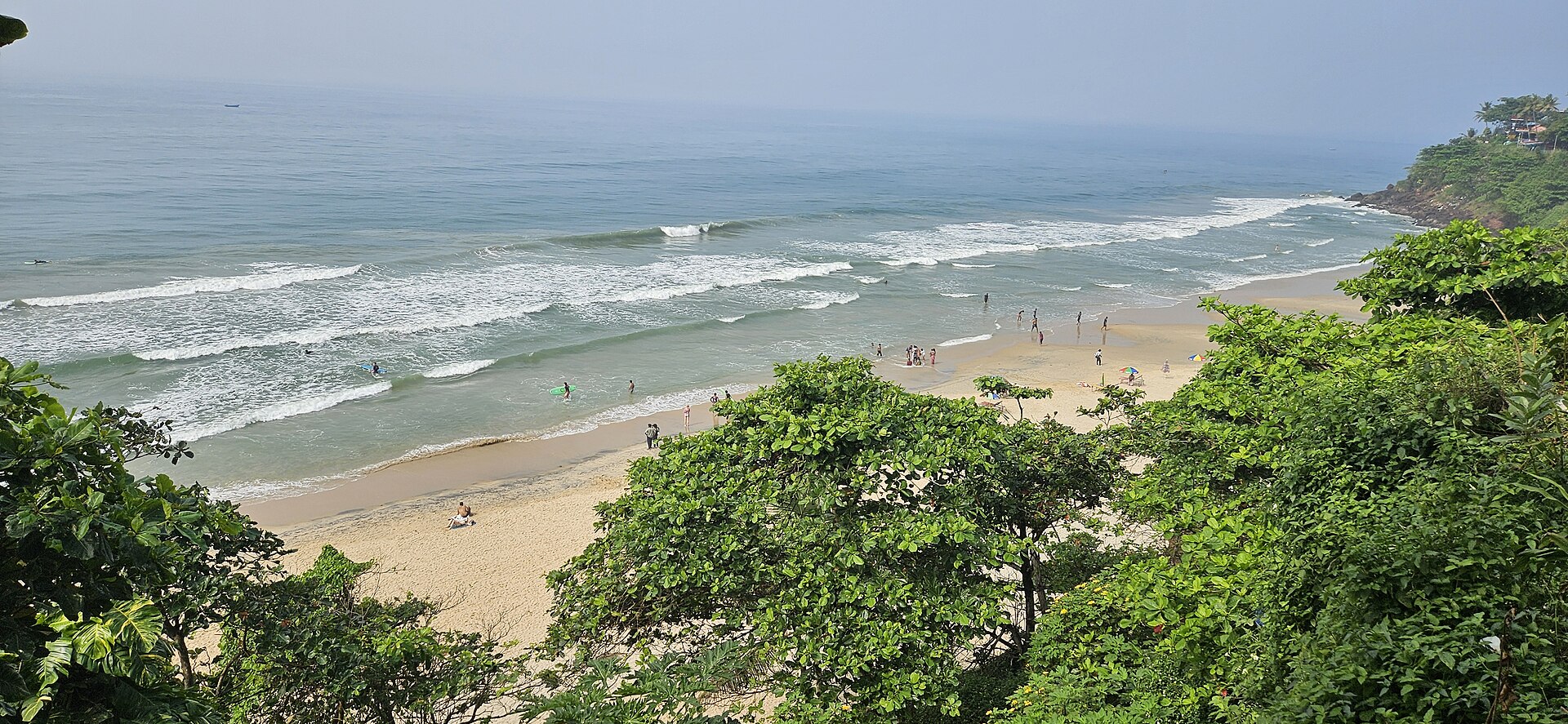
Above Papanasam Beach
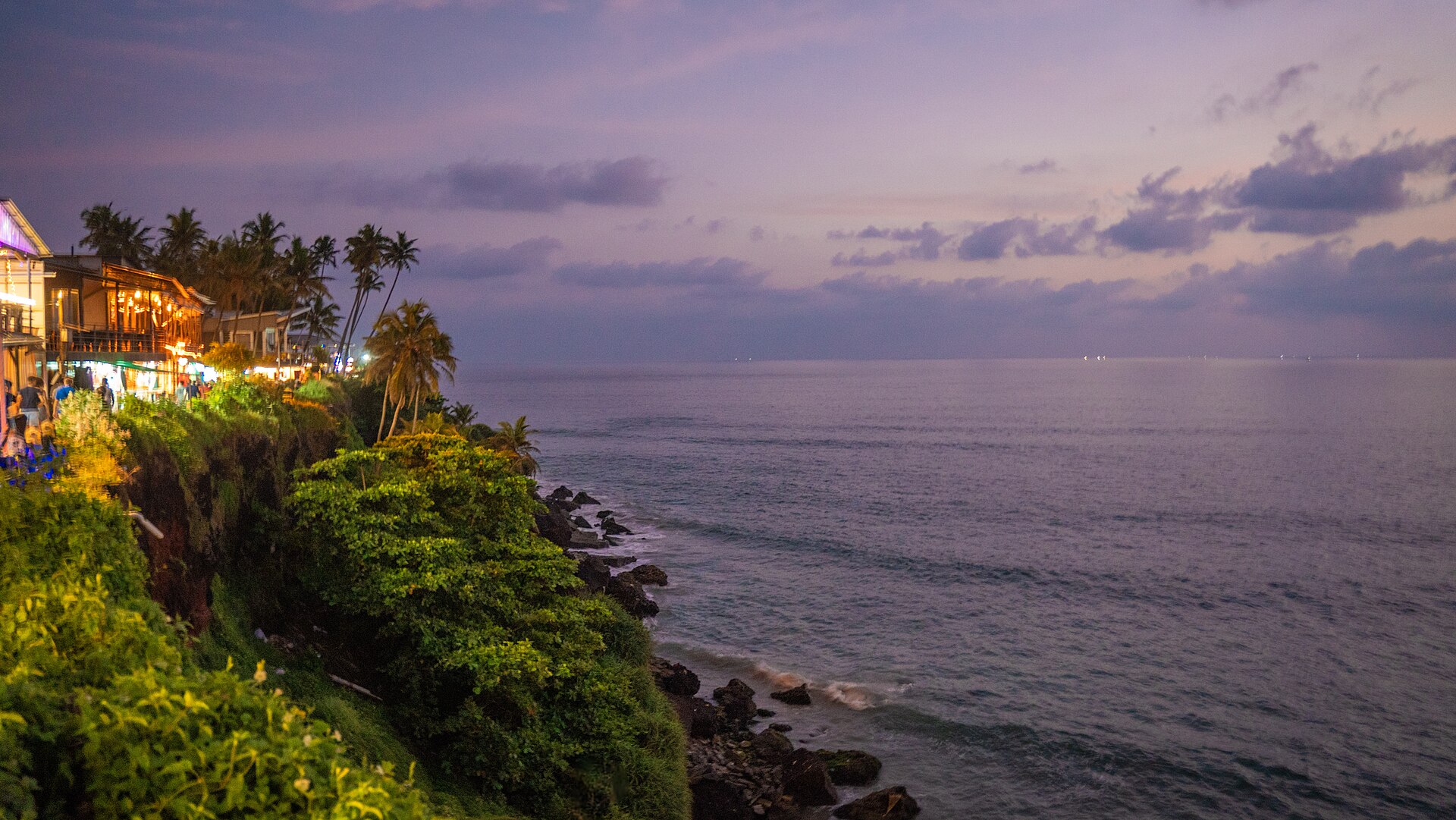
The town's famous cliff-top walk, lined with cafés, guesthouses, Ayurveda centres and shops, with views over the sea and the best sunsets in town.
Open in Google Maps (opens in a new tab)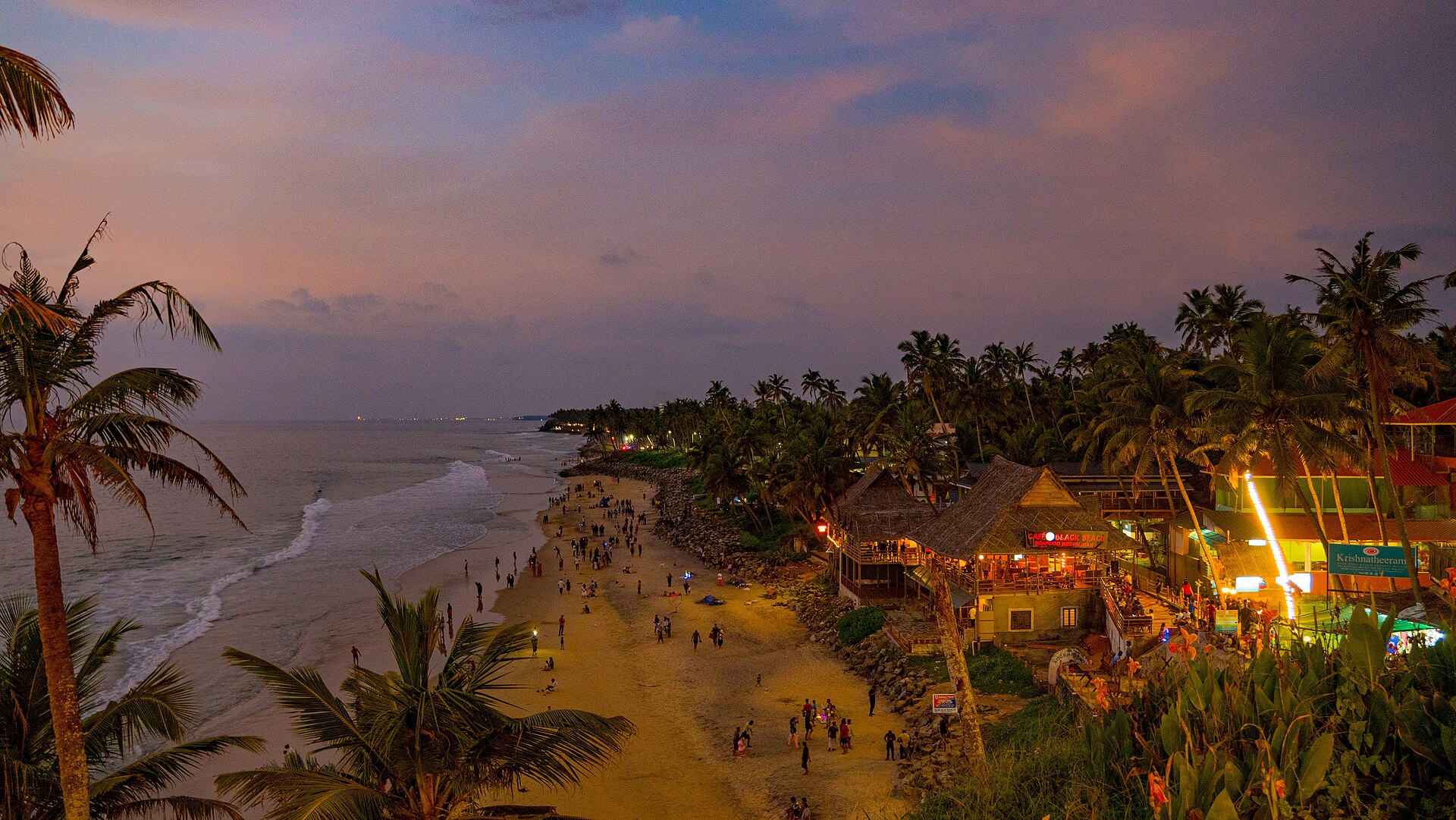
 Varkala, India
A seaside town where red laterite cliffs drop to the Arabian Sea: a cliff-top path of cafés and guesthouses, a sacred beach where pilgrims perform rites for their ancestors, an ancient Vishnu temple and the Sivagiri ashram of Sree Narayana Guru.
Above Papanasam Beach
The town's famous cliff-top walk, lined with cafés, guesthouses, Ayurveda centres and shops, with views over the sea and the best sunsets in town.
Open in Google Maps (opens in a new tab)Below the cliffs
How to get there: Steps down from the cliff, or by road from the temple.
On the hill above Papanasam
An ancient Vishnu temple with Kerala-style roofs and an old bell. Entry to the inner temple is for Hindus only; visitors can see it from outside.
Open in Google Maps (opens in a new tab)Sivagiri hill, about 3 km from the cliff
The ashram of Sree Narayana Guru and his resting place (samadhi), a place of reflection open to visitors of all faiths. Quiet behaviour expected.
Open in Google Maps (opens in a new tab)North of North Cliff
Quieter beaches below the northern cliffs, with dark mineral sand at Black Beach and a few resorts at Odayam.
Open in Google Maps (opens in a new tab)About 8 km north
A spot where the backwater lake comes close to the sea, separated by a strip of sand, with boating on the lake and a quiet beach.
Open in Google Maps (opens in a new tab)Anchuthengu, about 15 km south
A fort built by the British East India Company in the late 17th century, one of its earliest settlements on the Kerala coast, with an old cemetery and a lighthouse nearby.
Open in Google Maps (opens in a new tab)Varkala, India
Fish simmered in a red, sour curry soured with kudampuli (Malabar tamarind) and cooked in clay pots, or in a milder coconut-milk version. Best with boiled red matta rice or tapioca (kappa).
Varkala, India
Varkala, India
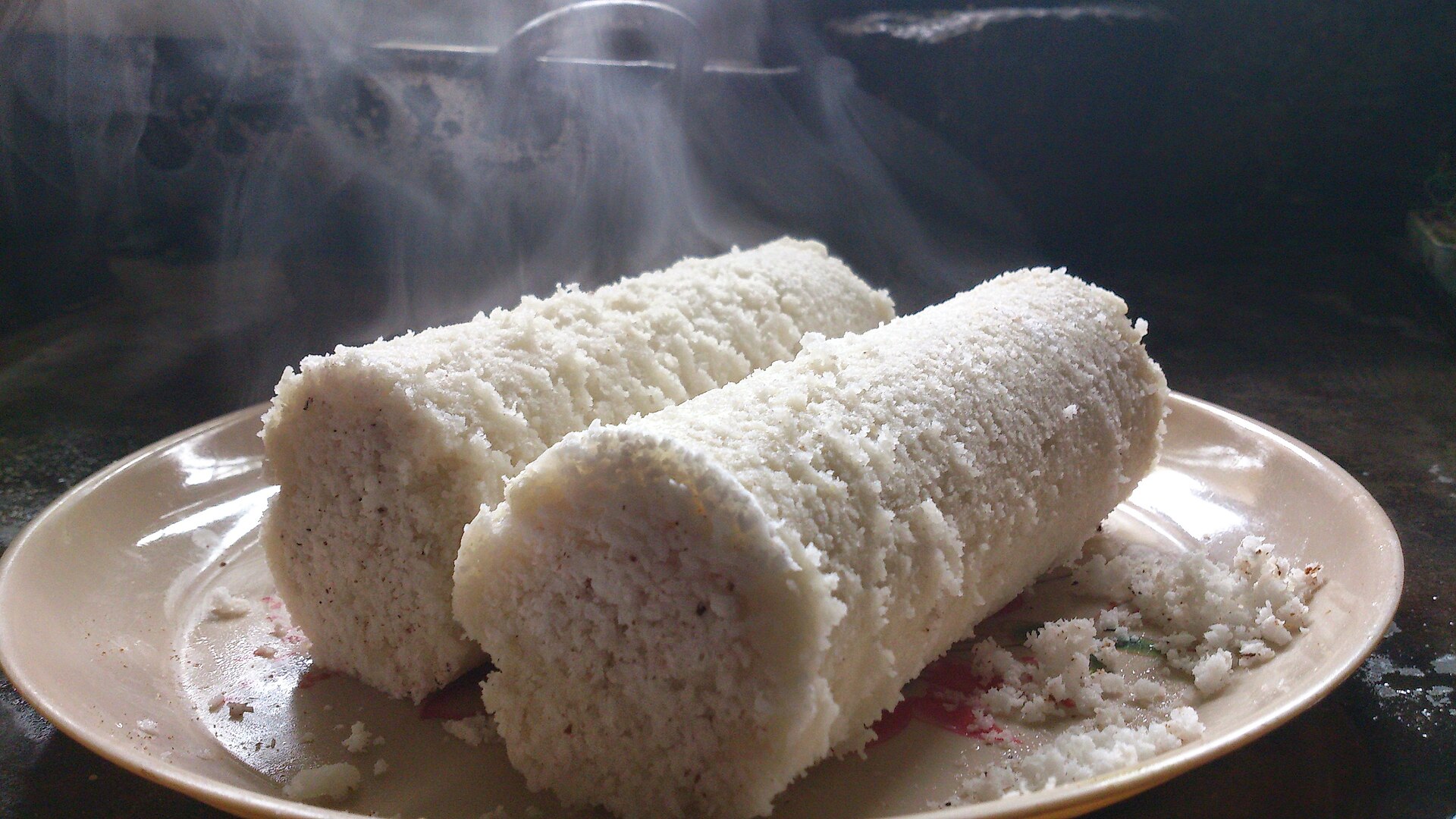
Steamed cylinders of ground rice and grated coconut, eaten with spicy black-chickpea curry, banana and pappadam. The everyday Kerala breakfast.
Varkala, India
North Cliff
Seafood displayed on ice each evening, Kerala curries, international dishes, juices and coffee with sea views.
Open in Google Maps (opens in a new tab)Around the Janardana Swamy Temple and the station
Local hotels serving Kerala meals, dosas and tea at local prices.
Open in Google Maps (opens in a new tab)Varkala, India
Guesthouses and boutique hotels on and behind the cliff path — the most convenient base.
Open in Google Maps (opens in a new tab)Varkala, India
Quieter resorts and Ayurveda stays near the temple, away from the busy cliff strip.
Open in Google Maps (opens in a new tab)Varkala, India
Secluded stays north of the cliff, near quieter beaches and the backwaters.
Open in Google Maps (opens in a new tab)Varkala combines a pilgrim town and a travellers' cliff. In the early mornings, families gather on Papanasam beach with priests to make offerings to their ancestors and bathe in the sea, and the temple bells ring from the hill above.
Sivagiri draws large crowds for the Sivagiri Pilgrimage at the end of December and the start of January, when devotees dressed in yellow walk to the ashram. The cliff, meanwhile, offers yoga classes, Ayurveda centres and Kathakali shows for visitors.
Varkala has long been a place of pilgrimage. The Janardana Swamy Temple, dedicated to Vishnu, is believed to be very old and is linked in legend with the sage Narada; its beach, Papanasam ("washing away of sins"), is where Hindus come to perform bali tarpanam, rites for their ancestors, especially on the new moon of the month of Karkidakam (July–August).
In 1904 the social reformer Sree Narayana Guru, who campaigned against caste discrimination with the message "one caste, one religion, one God for humanity", founded the Sivagiri Mutt here. He was laid to rest at Sivagiri in 1928, and it remains a major pilgrimage centre.
The cliffs, a geological formation of sedimentary rock unique on the Kerala coast, have been declared a geo-heritage site by the Geological Survey of India. From the 1980s, travellers began to stay on the cliff-top, which grew into the town's tourist strip.
Early morning at Papanasam to see the ancestral rites, the Janardana Swamy Temple, a lazy day on the beach, and sunset along North Cliff.
Sivagiri Mutt in the morning, then Kappil beach and backwaters, or south to Anjengo Fort and its lighthouse.
November to March for sunshine and calmer seas. April and May are hot. The monsoon (June–September) brings rough seas and many cliff-top businesses close.
By air: Thiruvananthapuram International (TRV) is about 50 km south (about 1.5 hours by road).
By train: Varkala Sivagiri station is on the main line between Thiruvananthapuram and Kollam, about 3 km from the cliff, with frequent trains from Thiruvananthapuram (under an hour), Kochi and beyond. Autos wait at the station.
By road: buses run from Thiruvananthapuram and Kollam to Varkala town.