The memorial hall
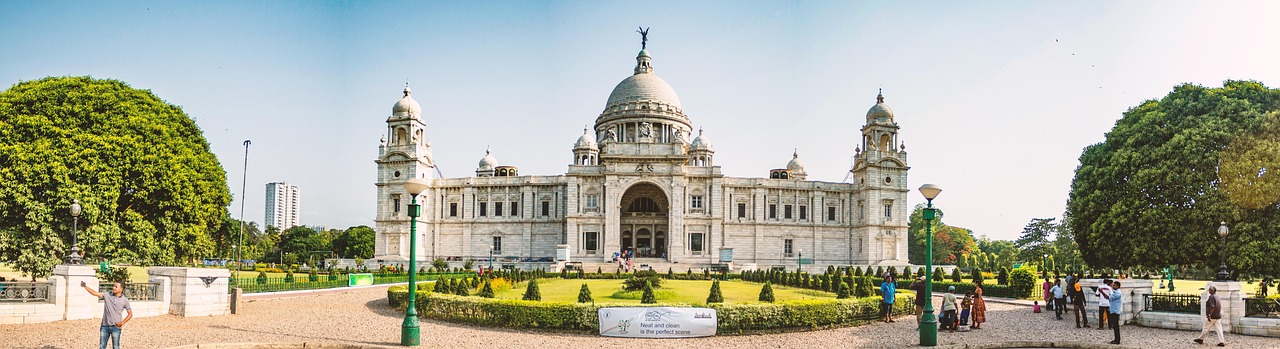
Centre of the gardens
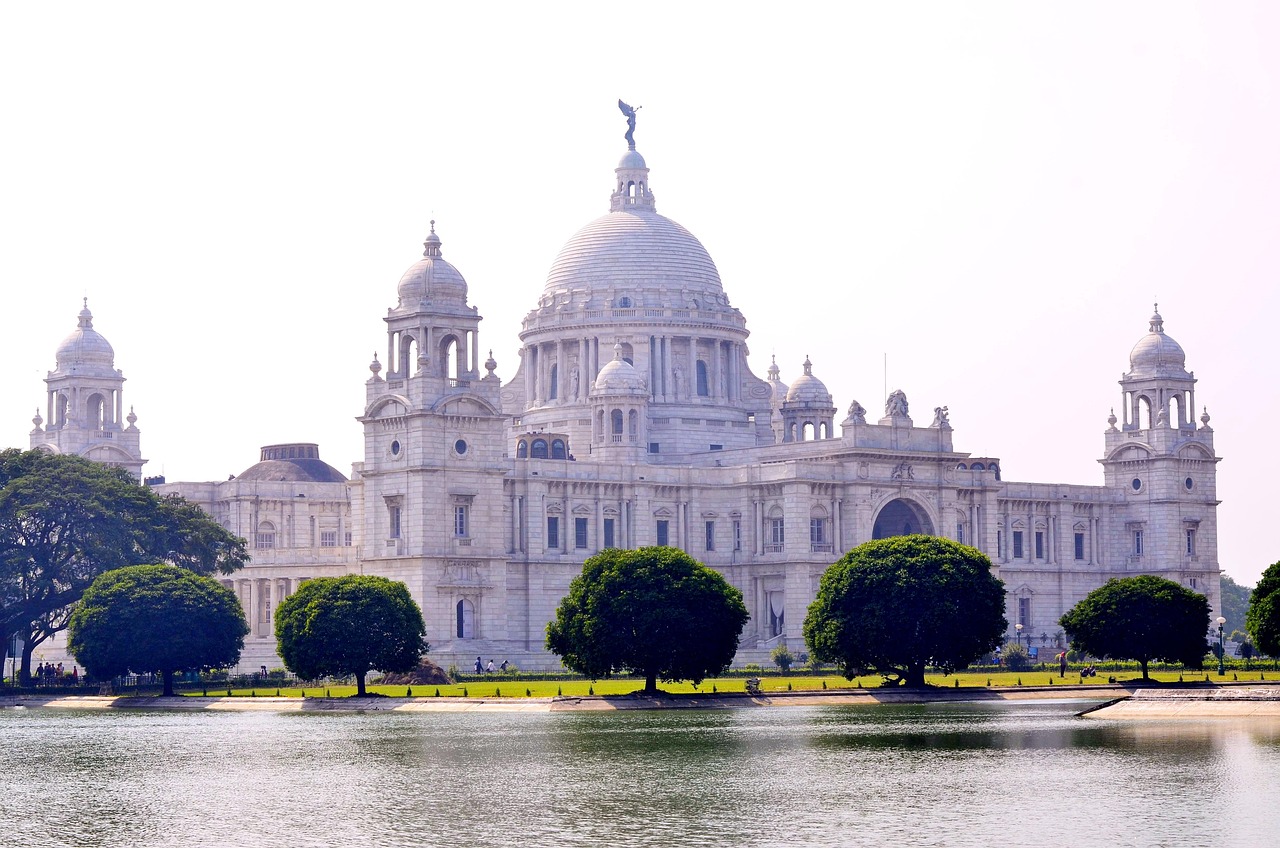
The marble building with its great dome, topped by the turning Angel of Victory.
Open in Google Maps (opens in a new tab)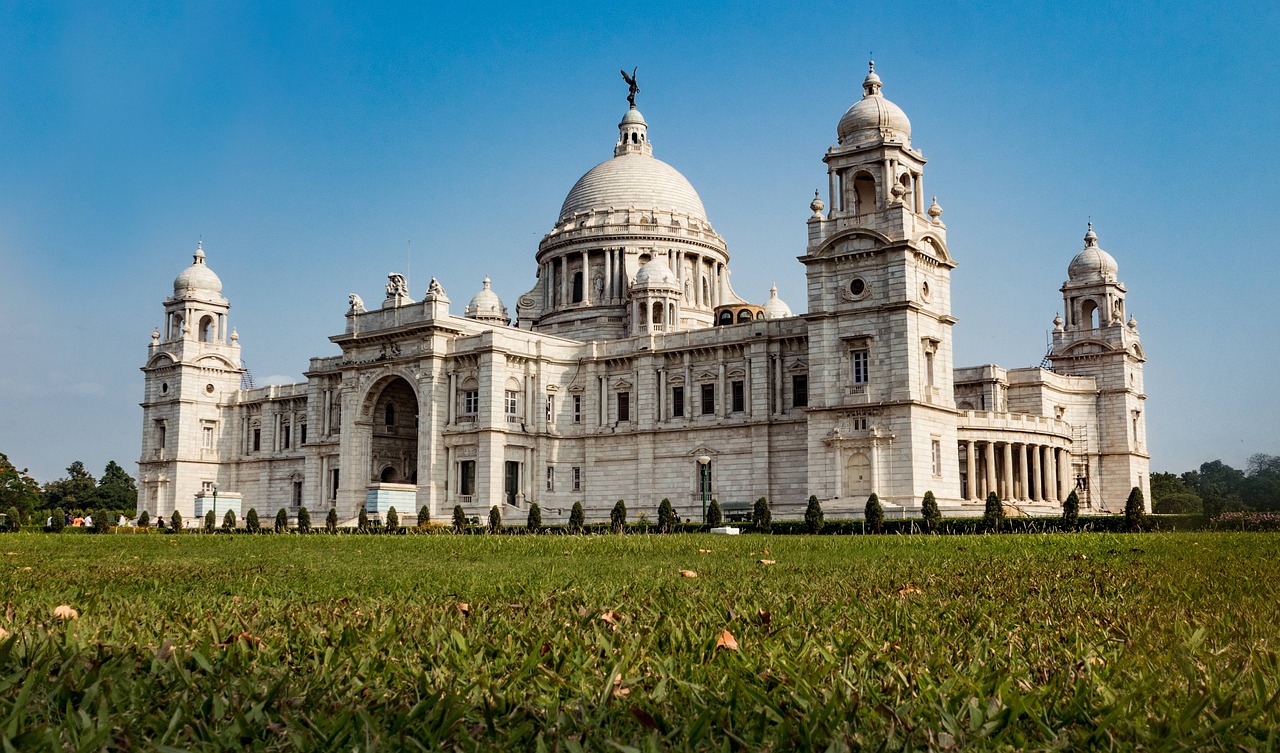
 Kolkata, India
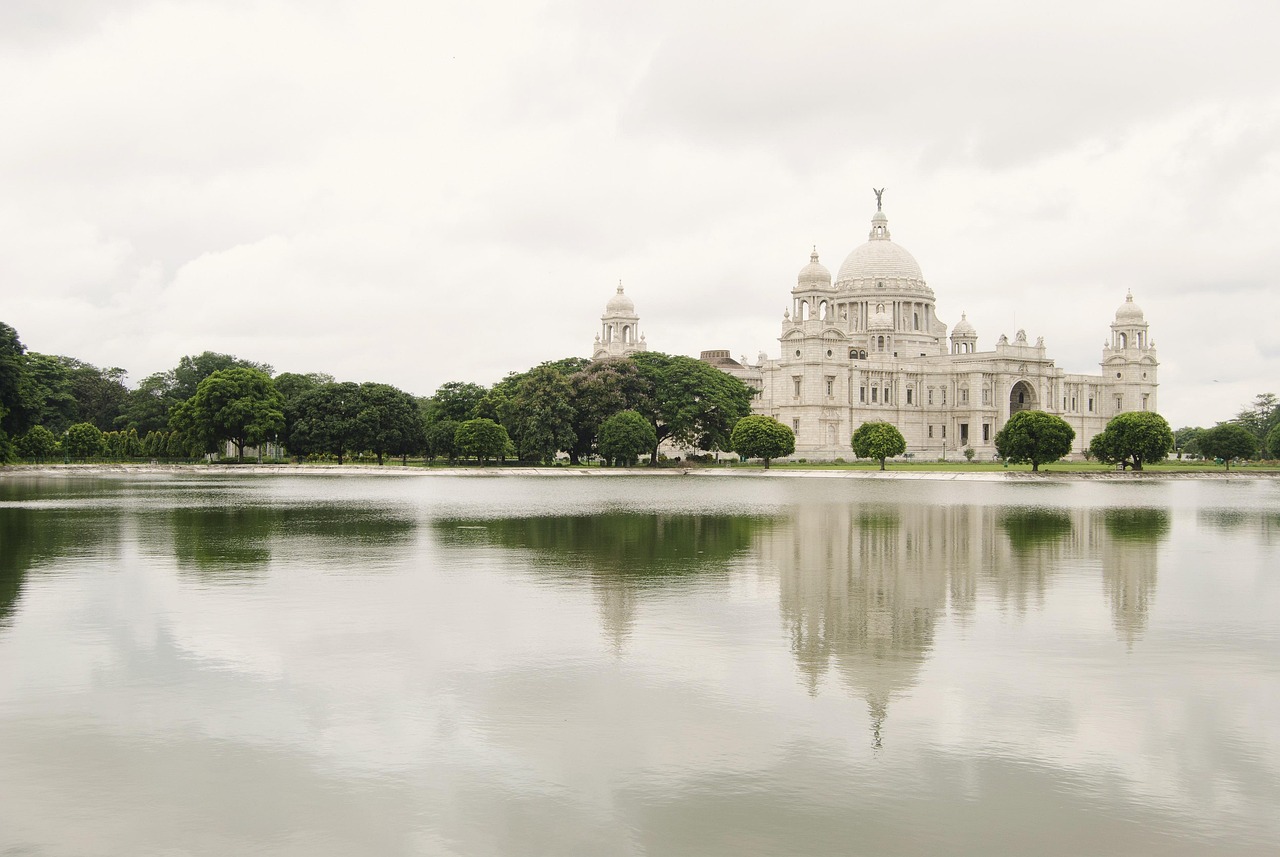
A great white marble memorial hall set in gardens on the edge of the Maidan, built in memory of Queen Victoria and now a museum of Kolkata's and India's colonial history and art — the symbol of the city.
Centre of the gardens
The marble building with its great dome, topped by the turning Angel of Victory.
Open in Google Maps (opens in a new tab)Inside the memorial
Colonial-era paintings, manuscripts, sculpture and a gallery on the history of Kolkata.
Open in Google Maps (opens in a new tab)Around the memorial
Lawns, ponds and statues, best in the soft light of late afternoon.
Open in Google Maps (opens in a new tab)Just east of the memorial
A 19th-century Gothic Revival cathedral with fine stained glass.
Open in Google Maps (opens in a new tab)
Kolkata, India
Kolkata, India
Kolkata, India
Park Street, central Kolkata
Kolkata's historic dining street: old-world restaurants such as Mocambo, Peter Cat and Trincas, known for continental dishes, chelo kebab and live music, and Flurys, the tea room famous for its breakfasts and pastries.
Open in Google Maps (opens in a new tab)New Market, Park Street, Dacres Lane, Gariahat
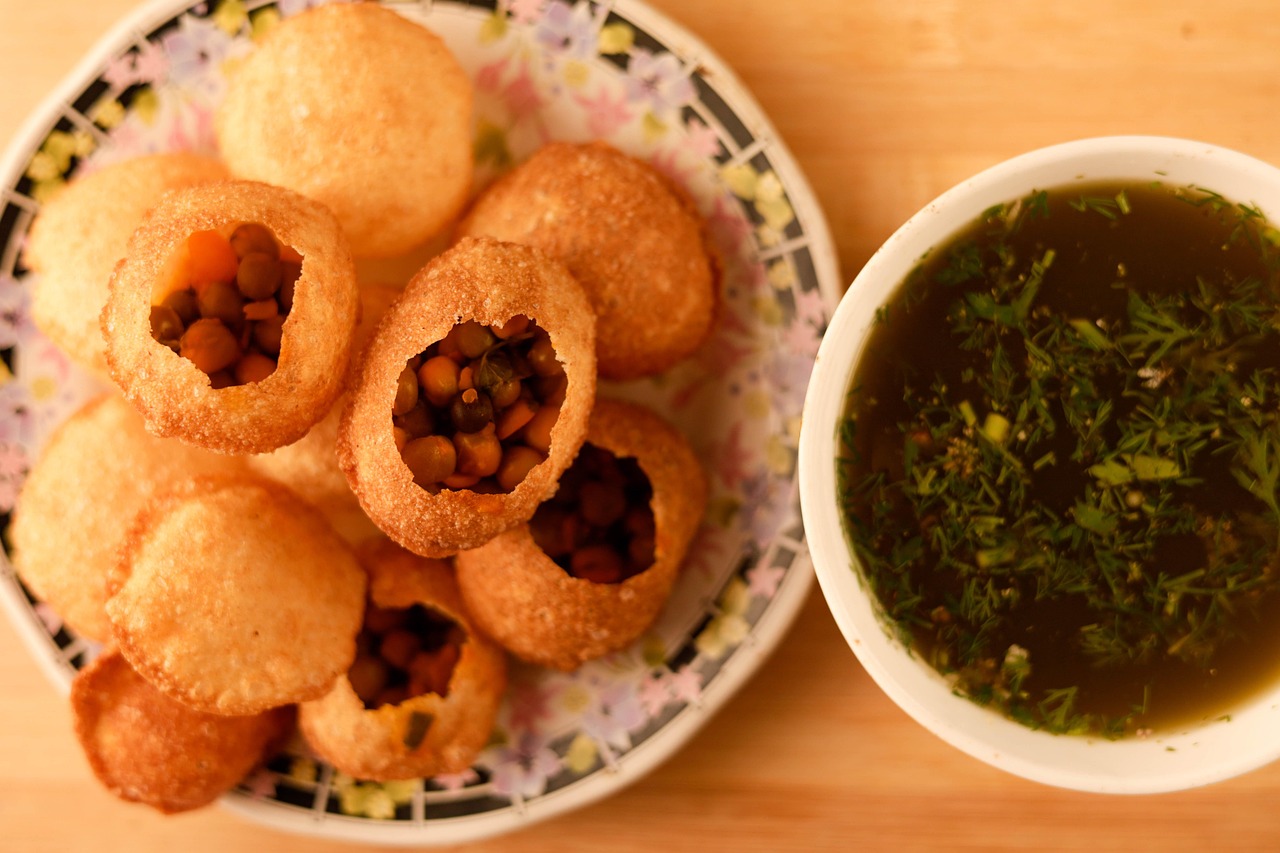
Kathi rolls, phuchka, jhalmuri, ghugni and fish fries from roadside counters and lanes. Dacres Lane near Esplanade is a well-known office-lunch street. Choose busy stalls where food is cooked in front of you.
Open in Google Maps (opens in a new tab)Kolkata, India
Central Kolkata: hotels of every level around Park Street, Chowringhee and the Maidan, close to the Indian Museum, Victoria Memorial, New Market and the old restaurants. Well connected by metro.
Open in Google Maps (opens in a new tab)Kolkata, India
The city's traditional budget-traveller area, with guesthouses and simple hotels a short walk from the Indian Museum and New Market. Busy and basic, but central.
Open in Google Maps (opens in a new tab)For Kolkata families the gardens are a weekend favourite — picnics, couples on benches, children by the lakes and vendors selling jhalmuri at the gates. The surrounding Maidan, the city's great open space, is where Kolkata plays cricket and football and takes its morning walk.
The Victoria Memorial was proposed by Lord Curzon, Viceroy of India, after Queen Victoria's death in 1901, and paid for largely by contributions from Indian princes and the public. Designed by Sir William Emerson, it mixes British classical architecture with Mughal elements such as domes and corner kiosks, and is built of white Makrana marble from Rajasthan, the same stone as the Taj Mahal.
It opened in 1921, by which time the capital had already moved to Delhi. The bronze Angel of Victory turns with the wind on top of the central dome. Today it is a museum with galleries of paintings — including works by Thomas and William Daniell — manuscripts, arms and a gallery on the history of Kolkata.
Arrive early for the gardens in the cool morning.
Visit the galleries and the Kolkata history section.
Walk across to the cathedral.
Finish with lunch at one of the old restaurants.
Winter mornings or late afternoons, October to February. The gardens are beautiful at sunset; weekends and holidays are crowded.
The memorial is at the southern end of the Maidan, near Chowringhee and the Race Course. The nearest metro stations are Maidan and Rabindra Sadan on the north–south line, 10–15 minutes' walk; taxis and buses pass all the time.
The gardens and museum are on foot. St Paul's Cathedral, the Birla Planetarium and the Maidan are a short walk away.