Hong village
North of Hapoli
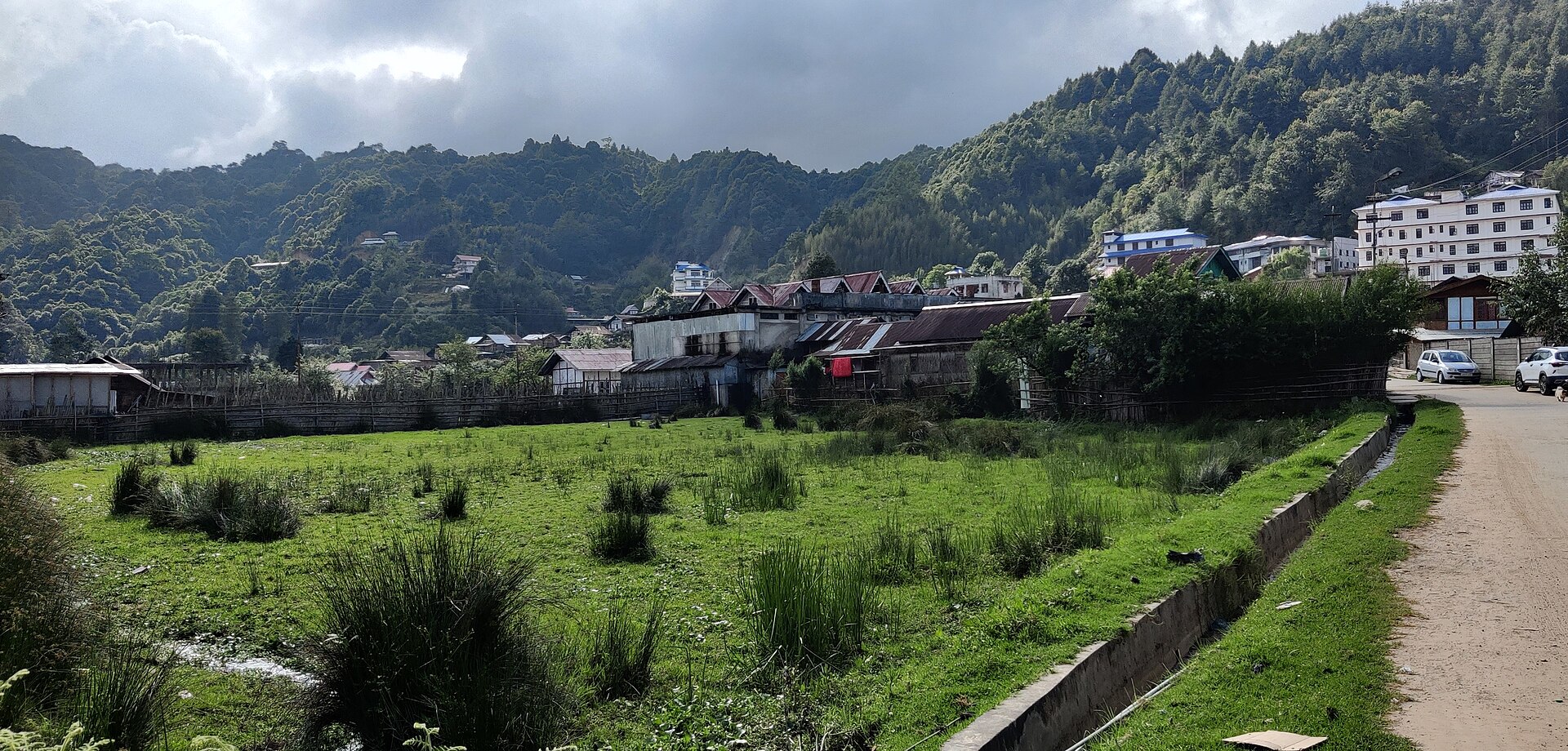
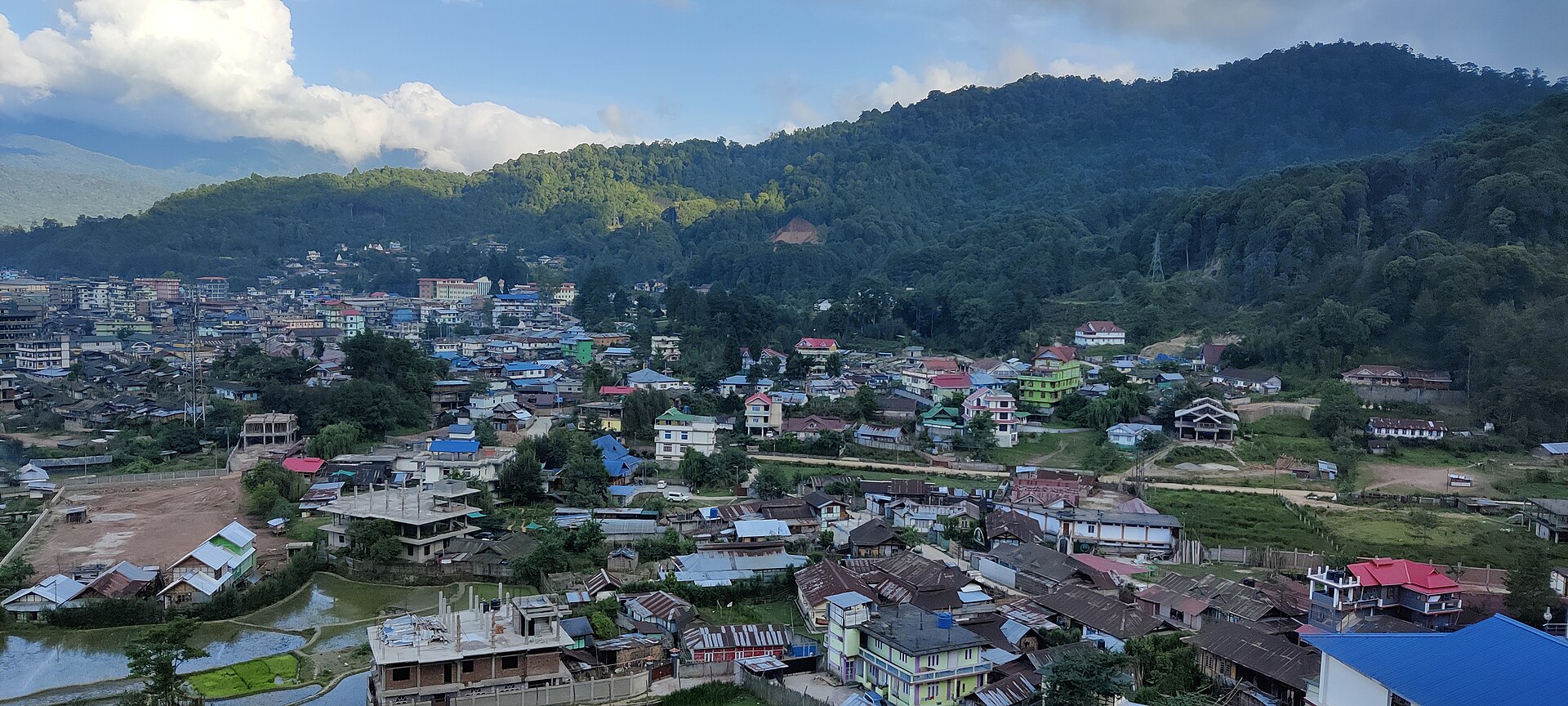
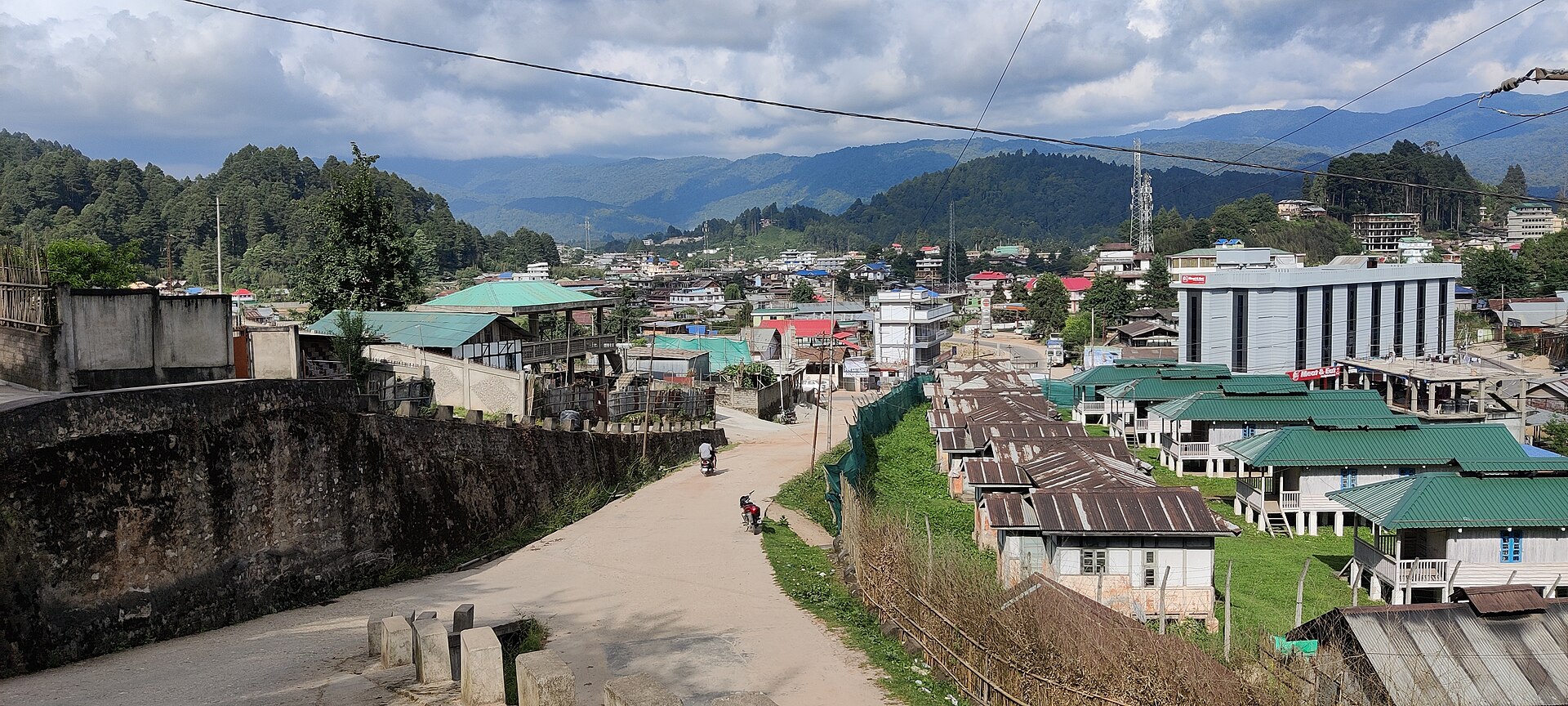
One of the largest Apatani villages, with rows of bamboo houses on stilts, lapang platforms and babo poles.
Open in Google Maps (opens in a new tab)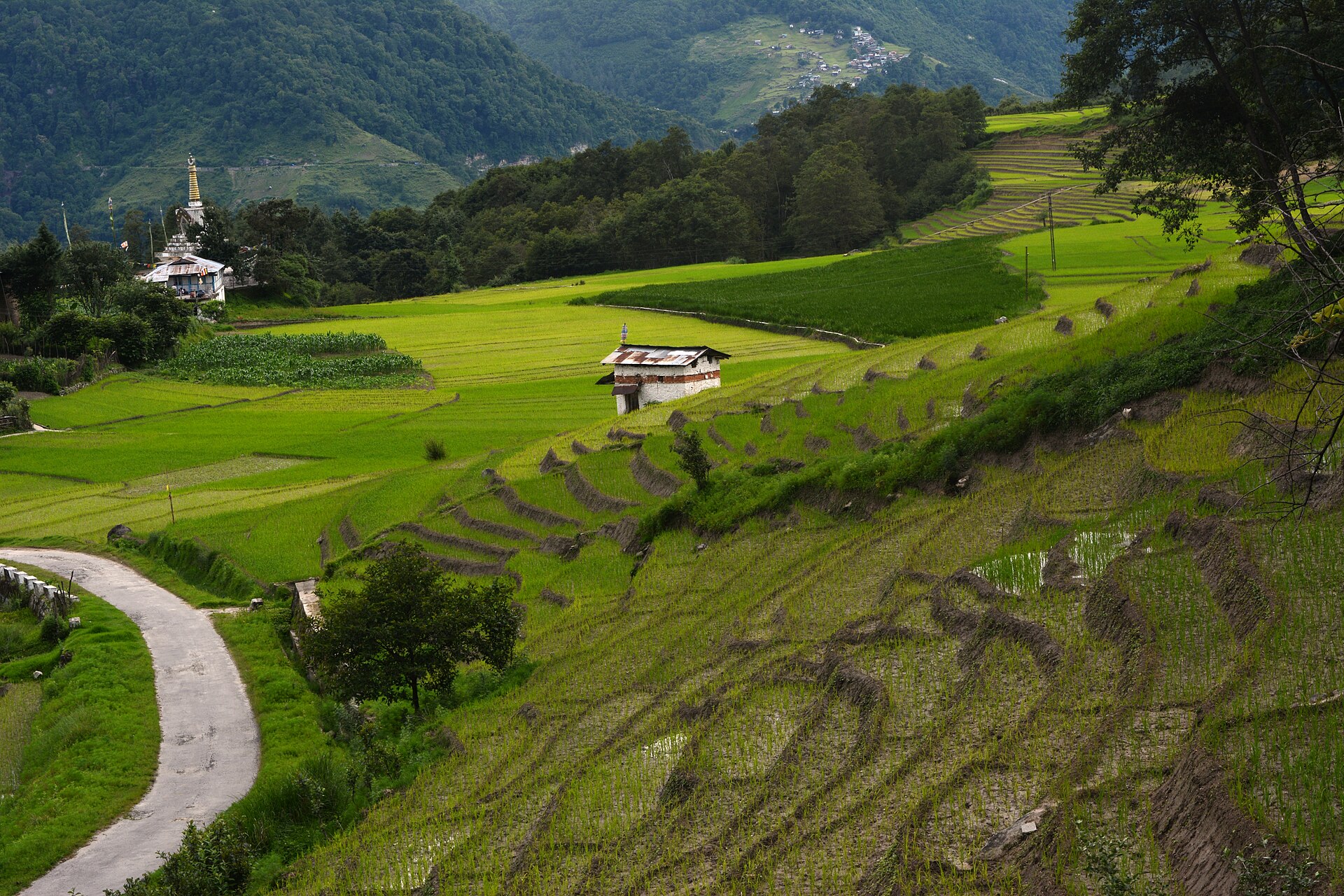
 Ziro, India
A wide, pine-ringed valley in central Arunachal Pradesh, home of the Apatani people and their remarkable rice-and-fish terraces, with traditional villages, gentle walks and the Ziro Festival of Music each autumn.
North of Hapoli
One of the largest Apatani villages, with rows of bamboo houses on stilts, lapang platforms and babo poles.
Open in Google Maps (opens in a new tab)The valley floor around Hapoli and Old Ziro
The Apatani fields, criss-crossed by channels and bunds, where rice and fish are raised together. Greenest in summer, golden before harvest.
Open in Google Maps (opens in a new tab)South-west of Hapoli
Traditional villages and fields, with quiet lanes and views across the valley.
Open in Google Maps (opens in a new tab)About 30 km from Hapoli
Dense subtropical and temperate forest with rare plants, orchids and wildlife; visits need prior permission from the forest office and a guide.
Open in Google Maps (opens in a new tab)Above the valley
A ridge viewpoint with views over the whole Ziro valley and, on clear days, the Himalaya.
Open in Google Maps (opens in a new tab)Kardo forest, near Hapoli
A large natural rock lingam in the forest, a place of Hindu pilgrimage, especially at Shivaratri.
Open in Google Maps (opens in a new tab)Ziro, India

Ziro, India
Local rice beer brewed in homes across Arunachal and among the Mising of Assam, mild and slightly sour, served at festivals and offered to guests. It is part of hospitality and ritual; refusing politely is fine.
Ziro, India
Pork cooked with fermented or fresh bamboo shoot, chillies and local herbs, a dish shared in different forms by many communities of the North-East, from the Mising of Majuli to the tribes of Arunachal and Meghalaya.

Ziro, India
Steamed or fried dumplings filled with pork, chicken, beef, cheese or vegetables, served with a fiery tomato-chilli sauce and a clear soup. Sold everywhere from small family kitchens to street stalls in the hill towns.
Hapoli town
Simple restaurants with rice meals, momos, noodles and local pork dishes.
Open in Google Maps (opens in a new tab)Villages around the valley
Apatani home cooking with rice, smoked meat, bamboo shoot and rice beer.
Open in Google Maps (opens in a new tab)Ziro, India
Hotels and guesthouses in the main town, with markets and transport.
Open in Google Maps (opens in a new tab)Ziro, India
Apatani homestays in Hong, Hari and Old Ziro for a closer look at village life.
Open in Google Maps (opens in a new tab)Apatani life is organised around clans and villages, each with its lapang (raised community platform) and babo (tall ritual pole). Bamboo and pine are used for houses, fences and crafts. The main festivals are Dree in early July, with prayers for a good harvest, and Myoko in March, a festival of friendship and fertility shared between villages. Rice beer and home-cooked food are central to every gathering.
The Ziro Festival of Music, started in 2012, brings independent musicians from across India and abroad to an open-air stage in the valley.
The Apatani have farmed the Ziro valley, at around 1,500 m, for centuries. With no large river running through it, they built a careful system of channels and bunds to water wet rice fields in which they also raise fish — a sustainable way of farming that has drawn the interest of researchers and is on India's tentative list for UNESCO World Heritage status as the "Apatani Cultural Landscape".
The Apatani follow Donyi-Polo, the indigenous faith of worship of the Sun (Donyi) and Moon (Polo), alongside Christianity and other religions. Older Apatani women can still be seen with facial tattoos and large nose plugs (yaping hullo), a custom that was given up by younger generations from the 1970s.
Hapoli (New Ziro) is the administrative town; Old Ziro and the villages of Hong, Hari, Bulla and Hija keep the traditional houses and community platforms.
Drive from Itanagar or North Lakhimpur; evening walk in Hapoli.
Guided walk through Hong and Hari villages and the rice-fish fields; homestay dinner.
Kile Pakho viewpoint and the Kardo forest lingam, or Talley Valley with permission, then depart.
March to October; the rice fields are green from June to August, and the Ziro Festival of Music is held in late September. Winters are cold and crisp.
Permits: Arunachal Pradesh is a protected state. Indian citizens from outside the state need an Inner Line Permit (ILP), available online (e-ILP) and at Arunachal government offices in Guwahati, Tezpur, Kolkata and Delhi. Foreign nationals need a Protected Area Permit (PAP), normally arranged through a registered tour operator; some nationalities face extra restrictions. Permits are checked at entry gates such as Bhalukpong and Banderdewa. Rules change — check the current requirements before booking.
By air: the nearest airports are Lilabari (IXI) at North Lakhimpur in Assam, about 110 km away, and the Donyi Polo Airport at Hollongi near Itanagar, about 150 km away; both have limited flights — check current schedules. Guwahati (GAU) is about 450 km away.
By train: Naharlagun (near Itanagar) and North Lakhimpur have trains from Guwahati; continue by road.
By road: shared Sumos and hired cars run from Itanagar and North Lakhimpur to Hapoli. The road climbs through forest and can be slow; check conditions in the monsoon.
From Bangladesh: travellers usually come via Guwahati (overland through Tamabil–Dawki and Shillong, or by air via Kolkata). Foreign nationals need a Protected Area Permit; check current schedules, permits and visa rules before you travel.