Momos
Darjeeling, India
 Darjeeling, India
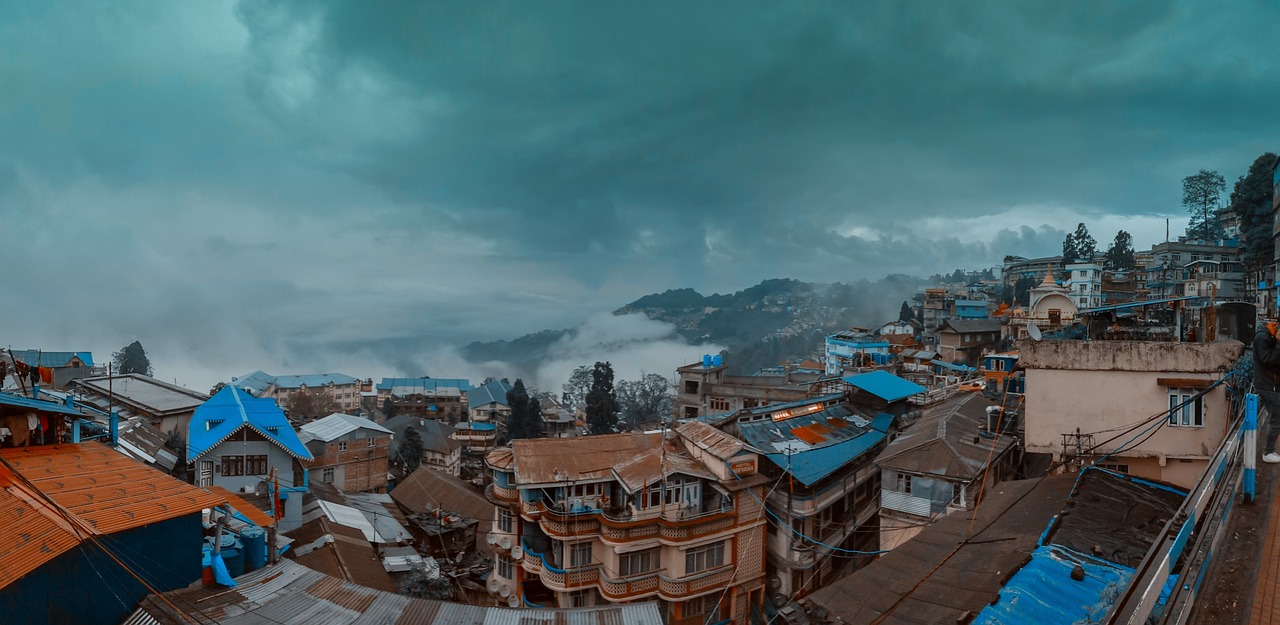
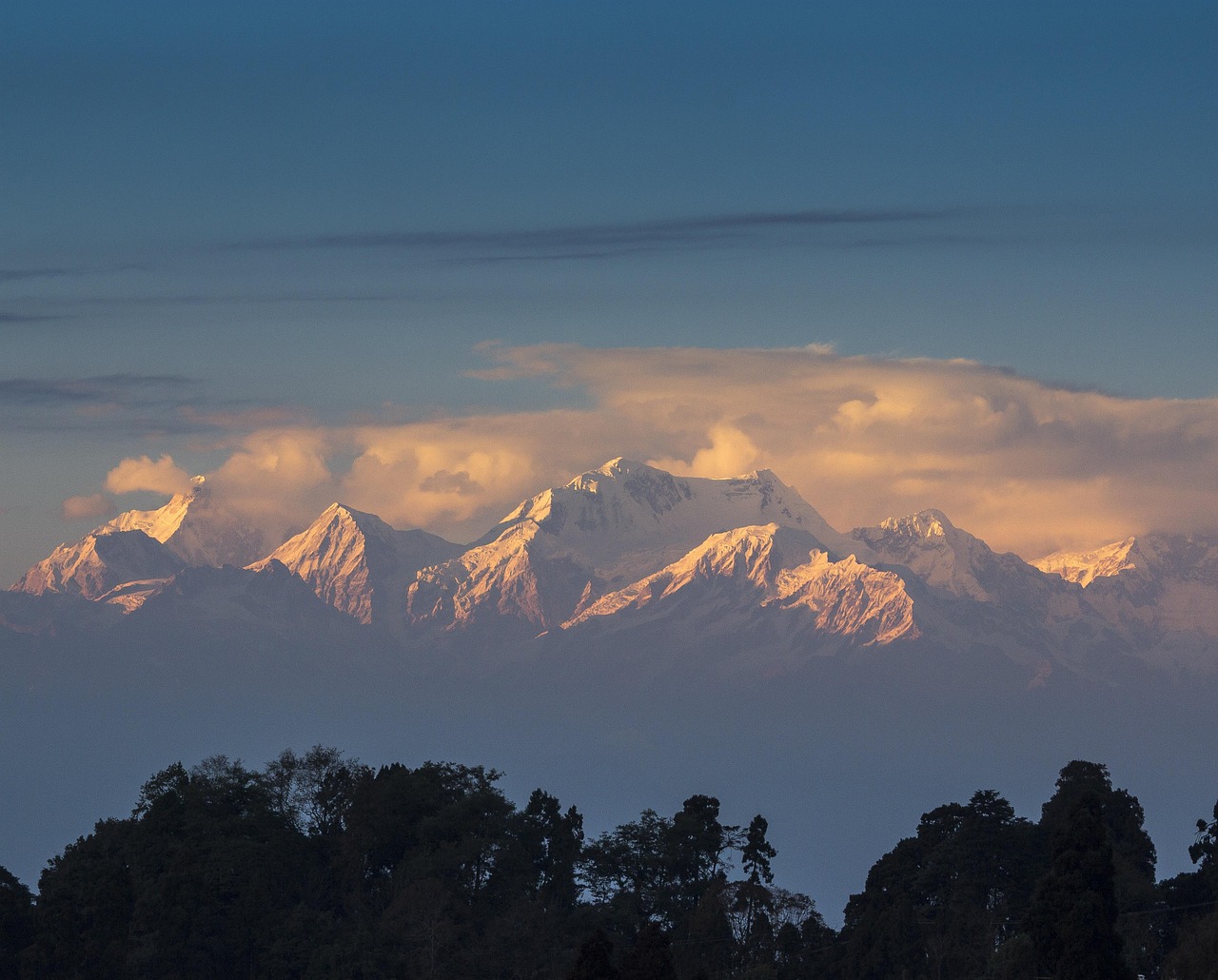
The "Queen of the Hills": a hill town on a ridge at about 2,000 metres in the Himalayan foothills of West Bengal, famous for its tea gardens, its UNESCO-listed toy train and sunrise views of Kangchenjunga, the world's third-highest mountain.
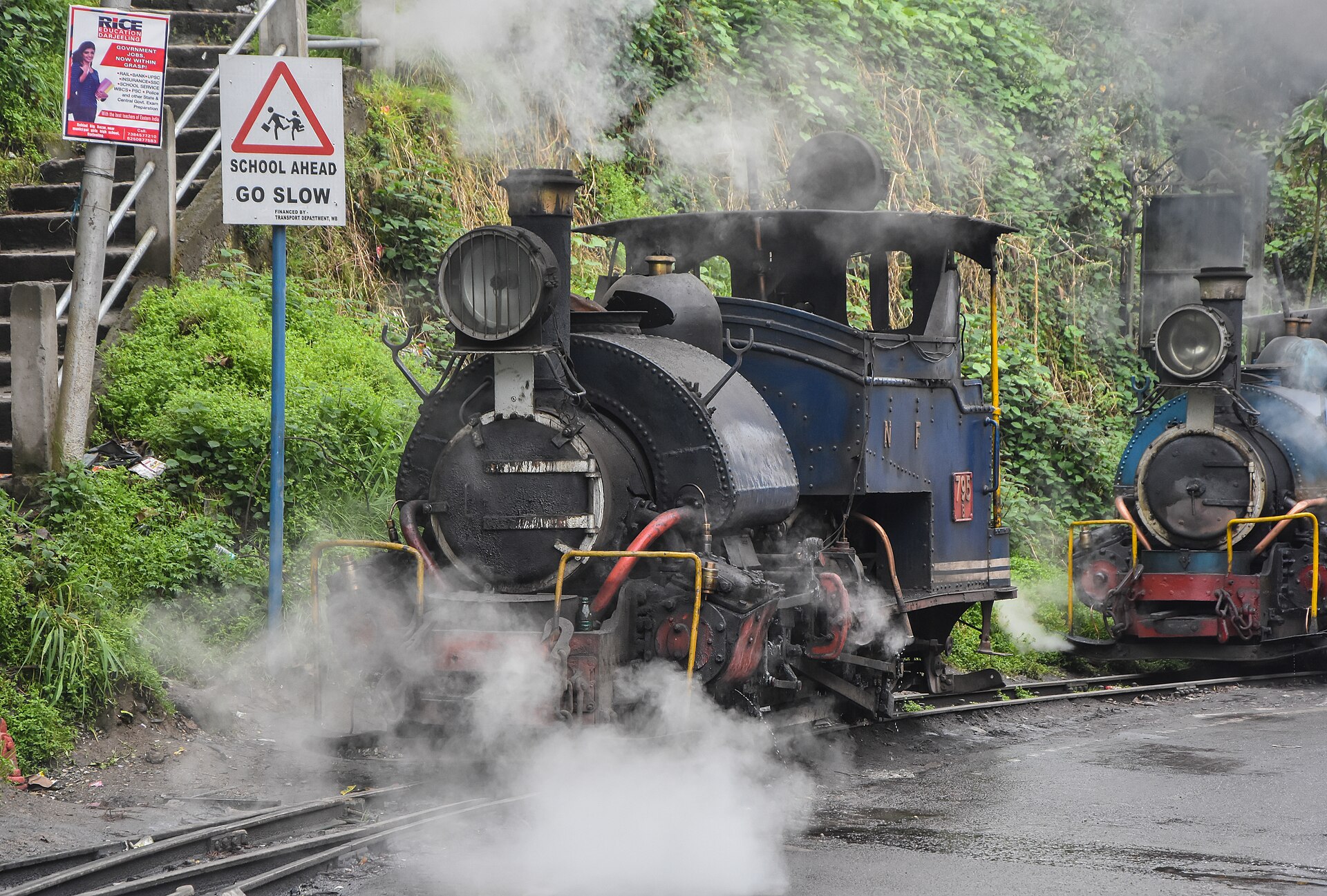
Heritage railway, UNESCO
Darjeeling, India
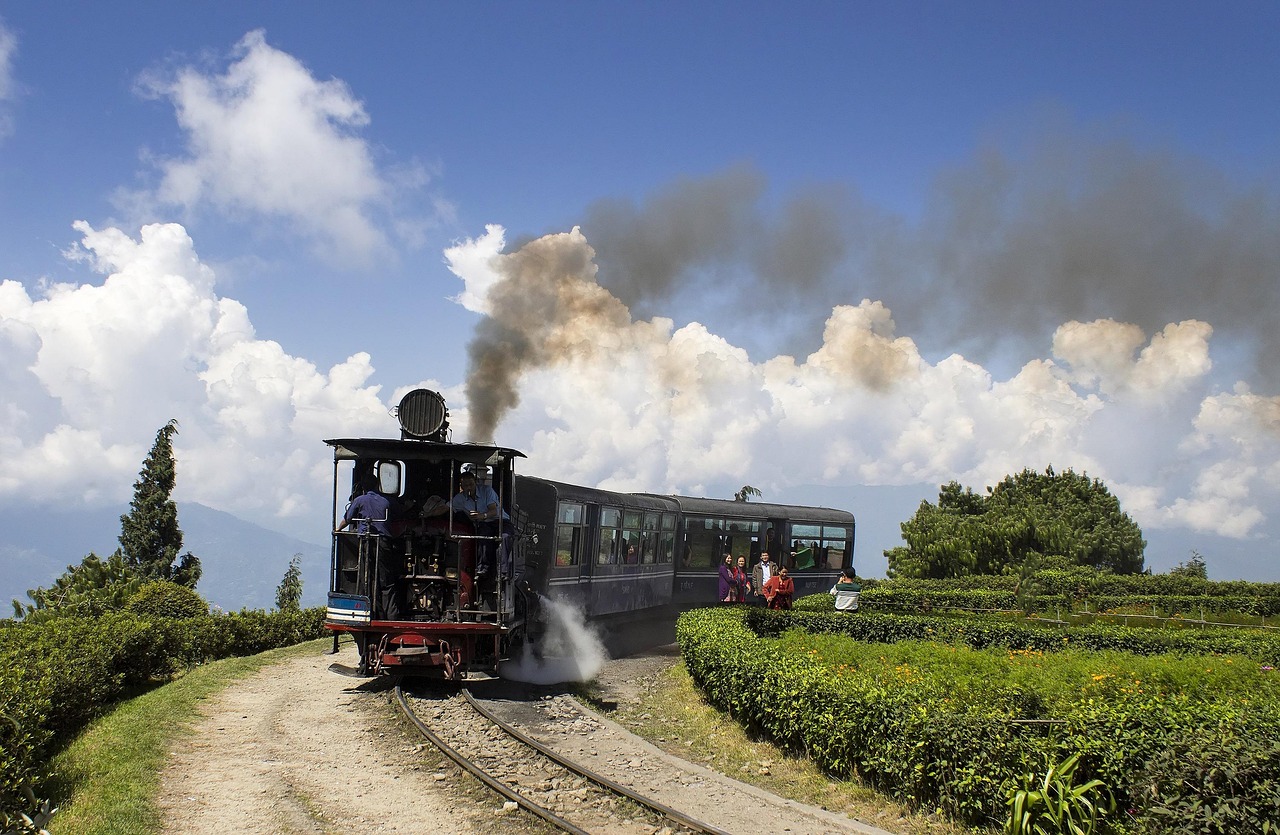
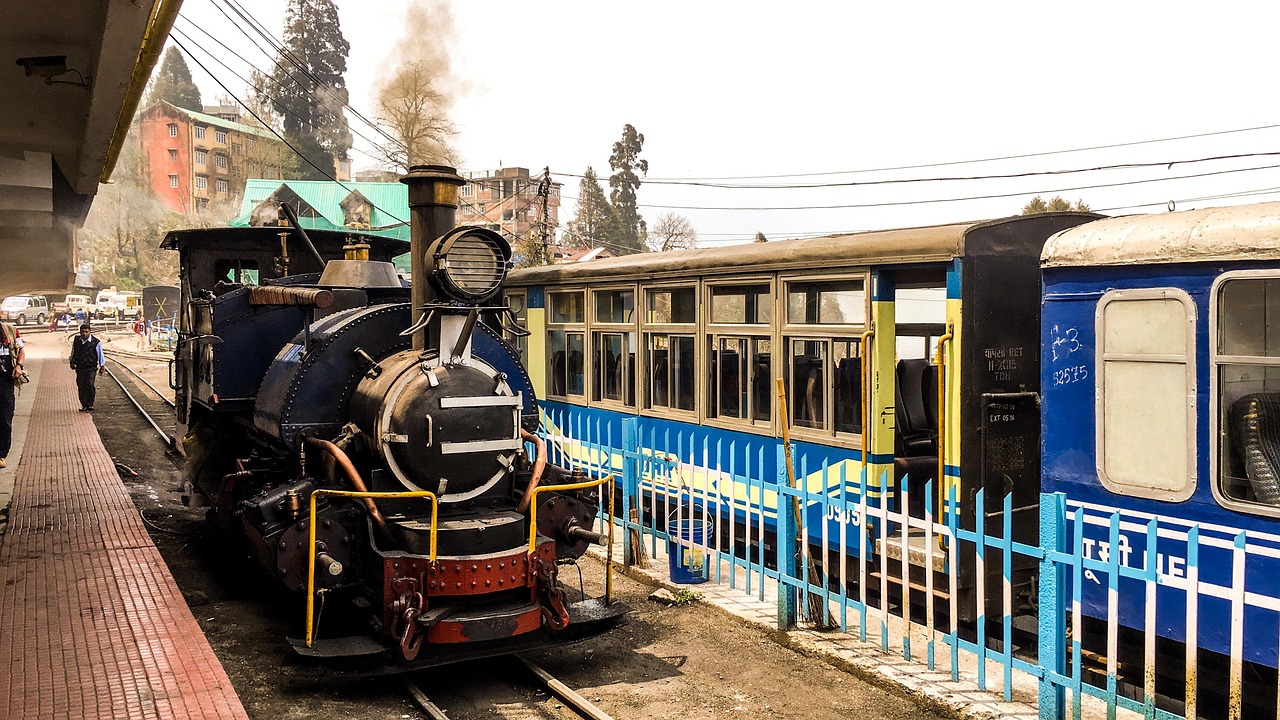
The narrow-gauge "toy train" that has climbed from the plains to Darjeeling since 1881, a UNESCO World Heritage Site, with steam joy rides from Darjeeling to Ghum and the spiral Batasia Loop with its view of Kangchenjunga.
Explore Darjeeling Himalayan Railway and Batasia Loop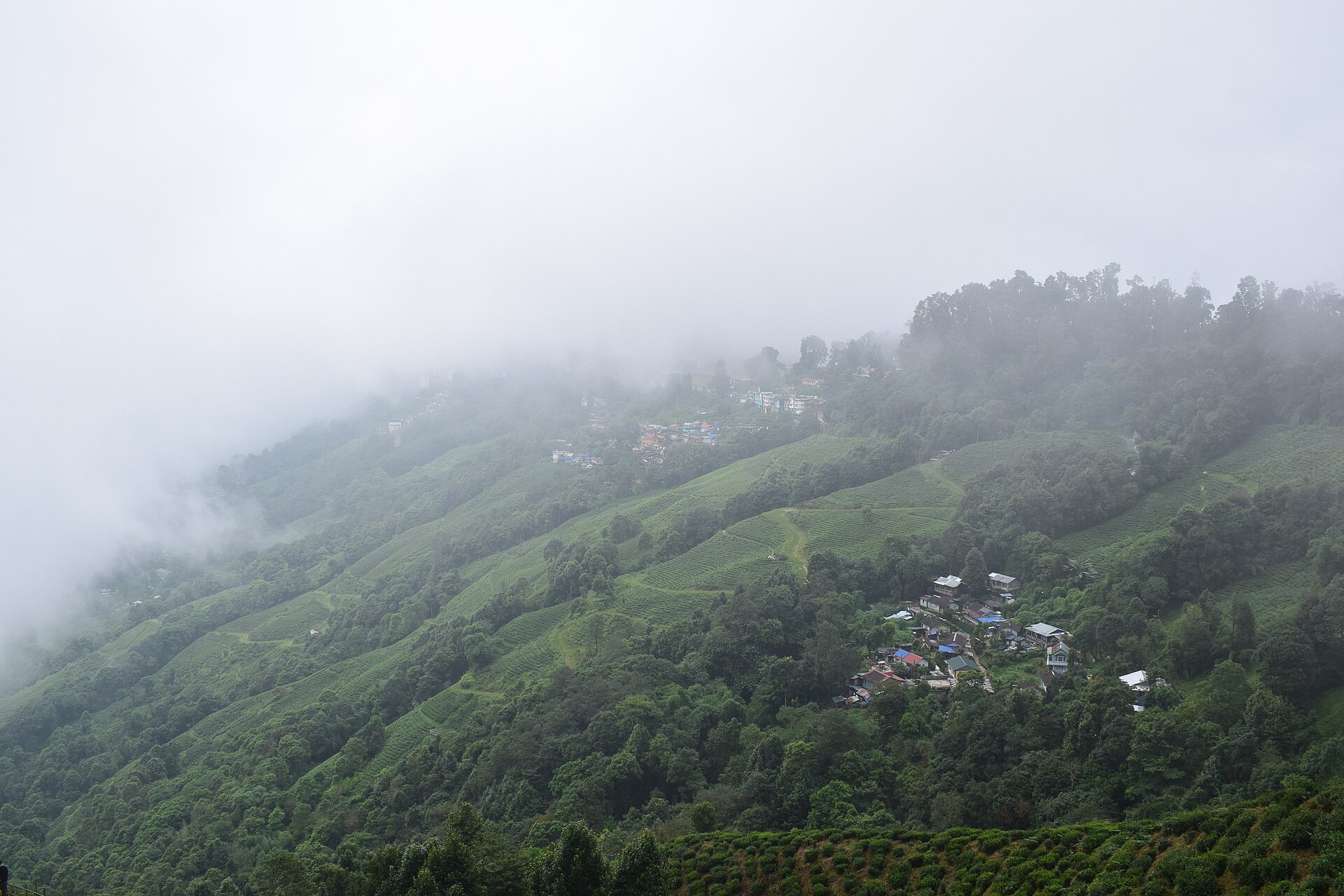
Tea estate, Nature
Darjeeling, India
One of the oldest tea gardens of Darjeeling, on the steep slopes just below town, where you can walk among the tea bushes, see how leaves are processed in the factory and taste the estate's teas.
Explore Happy Valley Tea Estate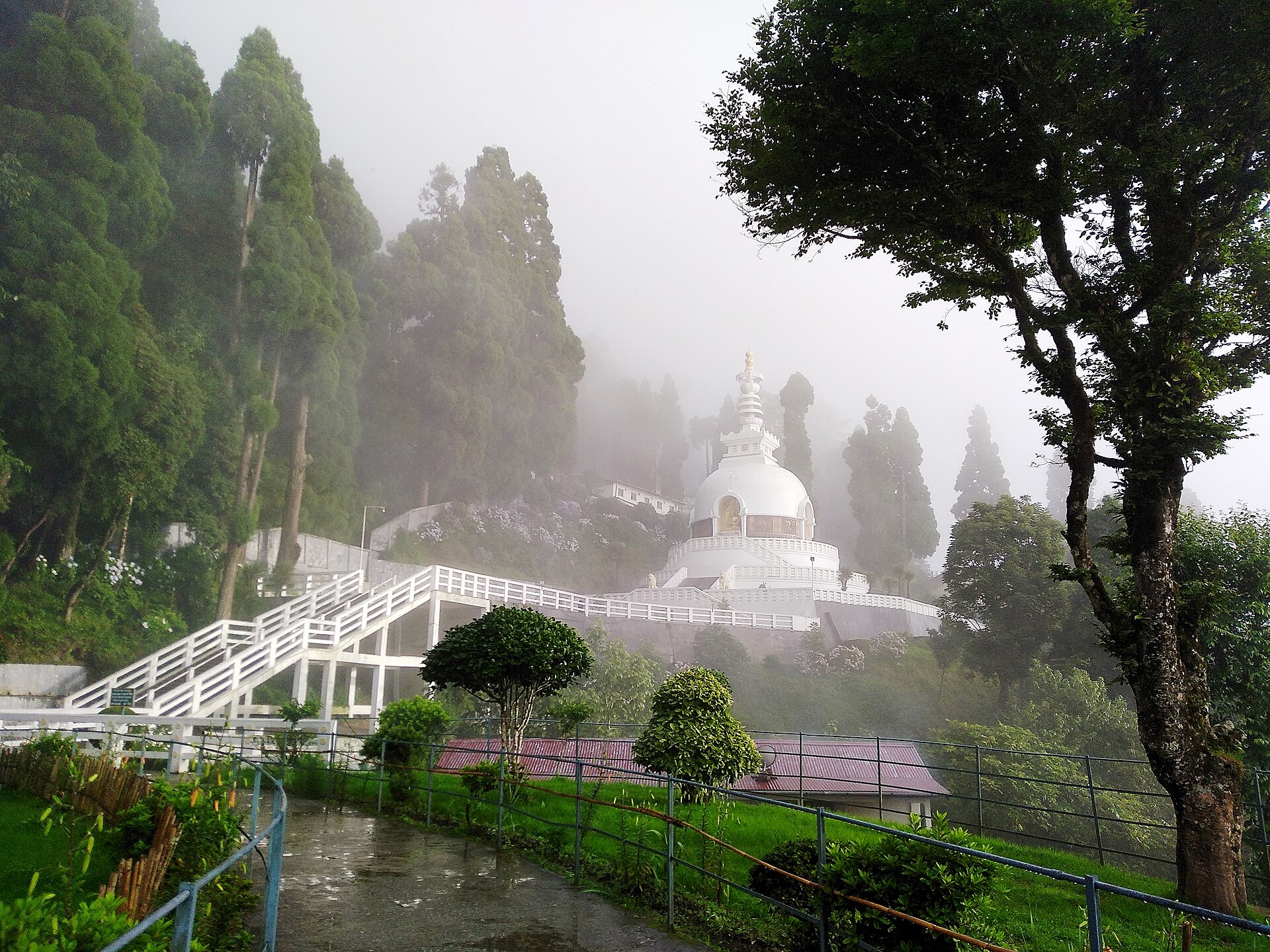
Buddhist temple, Viewpoint
Darjeeling, India
A white Buddhist stupa built by Japanese monks on a quiet hillside above Darjeeling, with golden images of the Buddha, a small temple where drumming prayers are held and views over the hills to Kangchenjunga.
Explore Japanese Peace Pagoda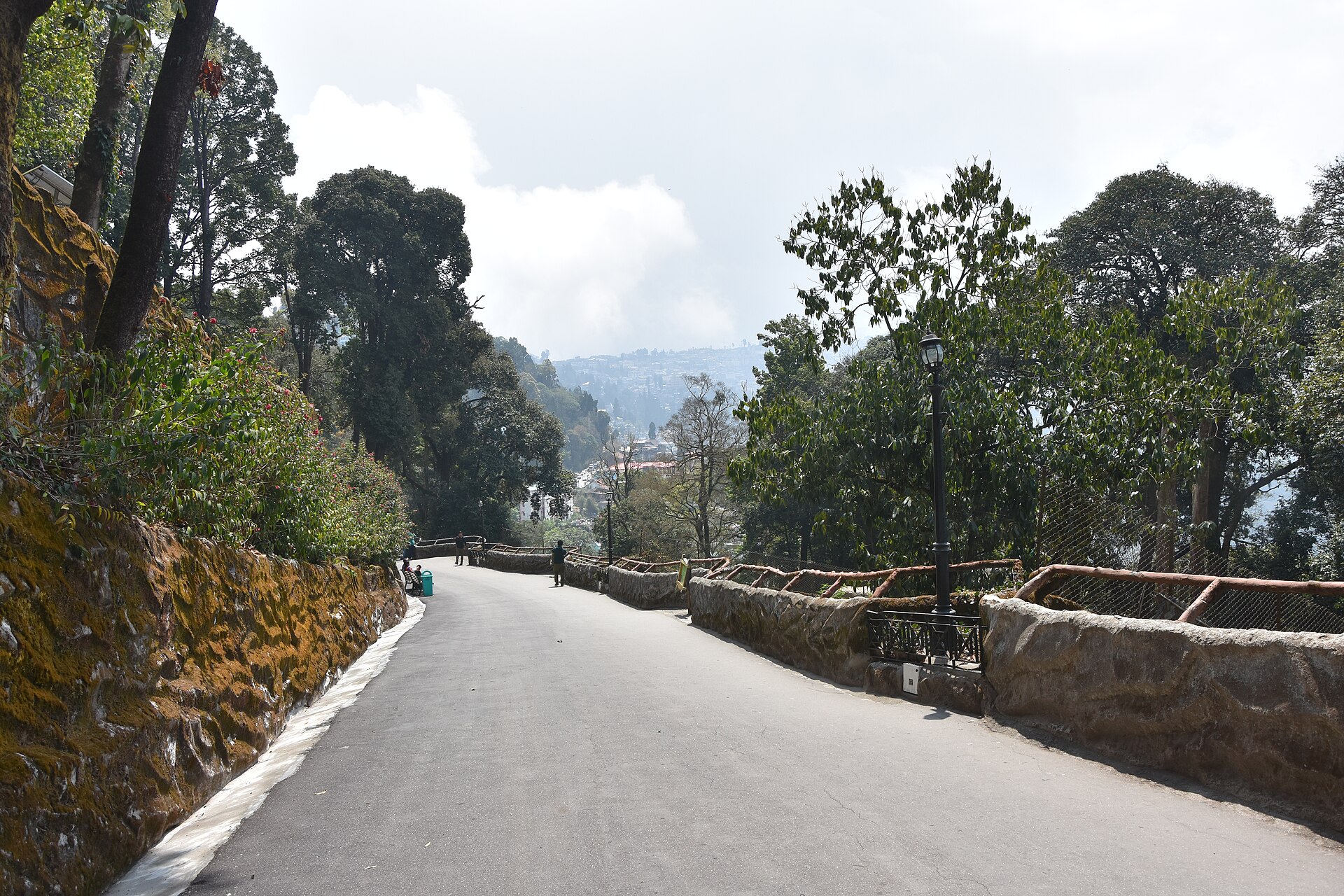
Zoo, Museum
Darjeeling, India
A high-altitude zoo known for breeding red pandas and snow leopards, sharing a hillside campus with the Himalayan Mountaineering Institute, founded after the first ascent of Everest, and its mountaineering museum.
Explore Padmaja Naidu Zoo and the Himalayan Mountaineering Institute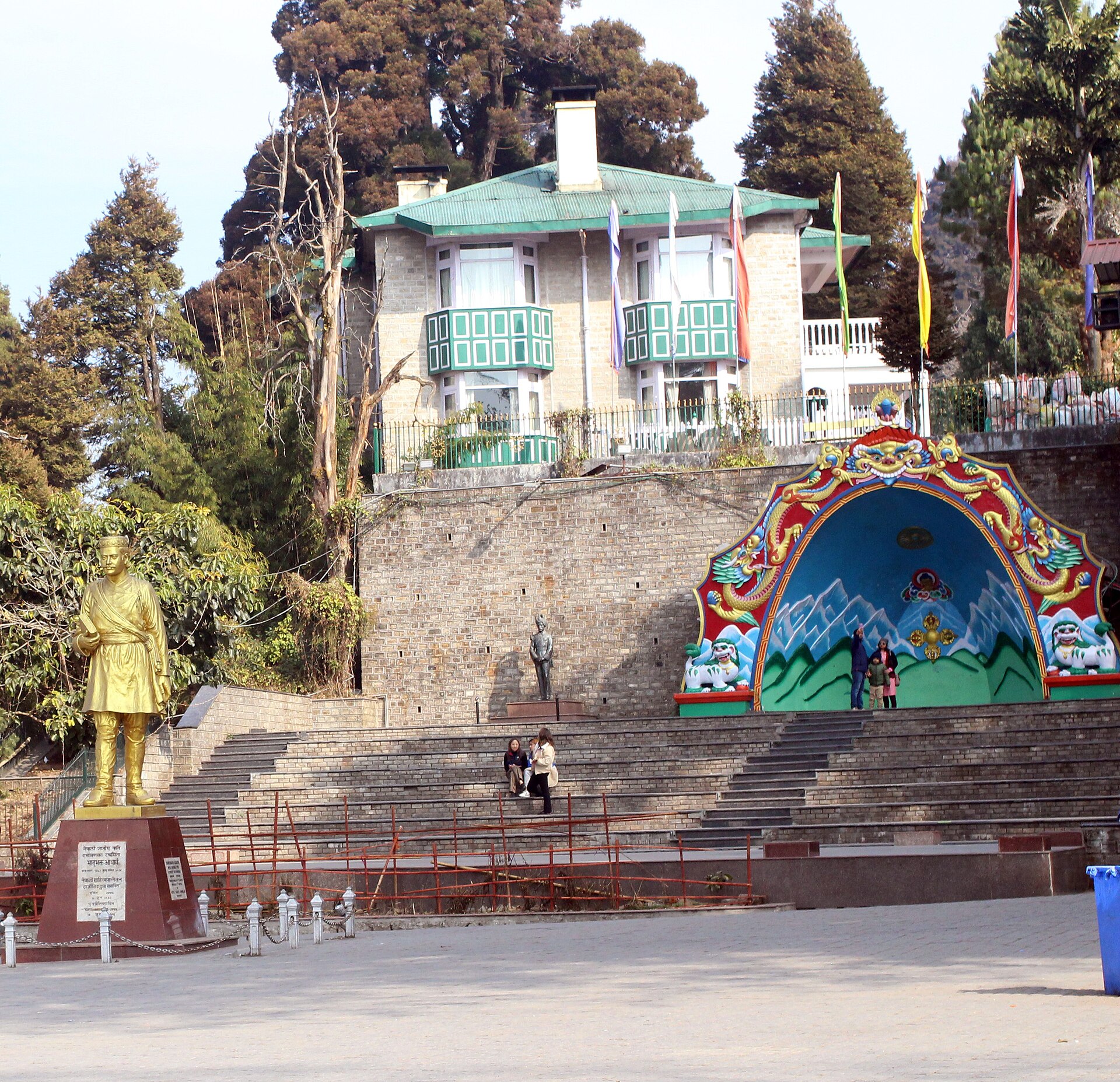
Promenade, Monastery
Darjeeling, India
The traffic-free heart of Darjeeling — the Mall and the square of Chowrasta on the ridge, with Observatory Hill above — and, a short ride away, Ghum Monastery, one of the oldest Tibetan Buddhist monasteries in the area.
Explore The Mall, Chowrasta and Ghum Monastery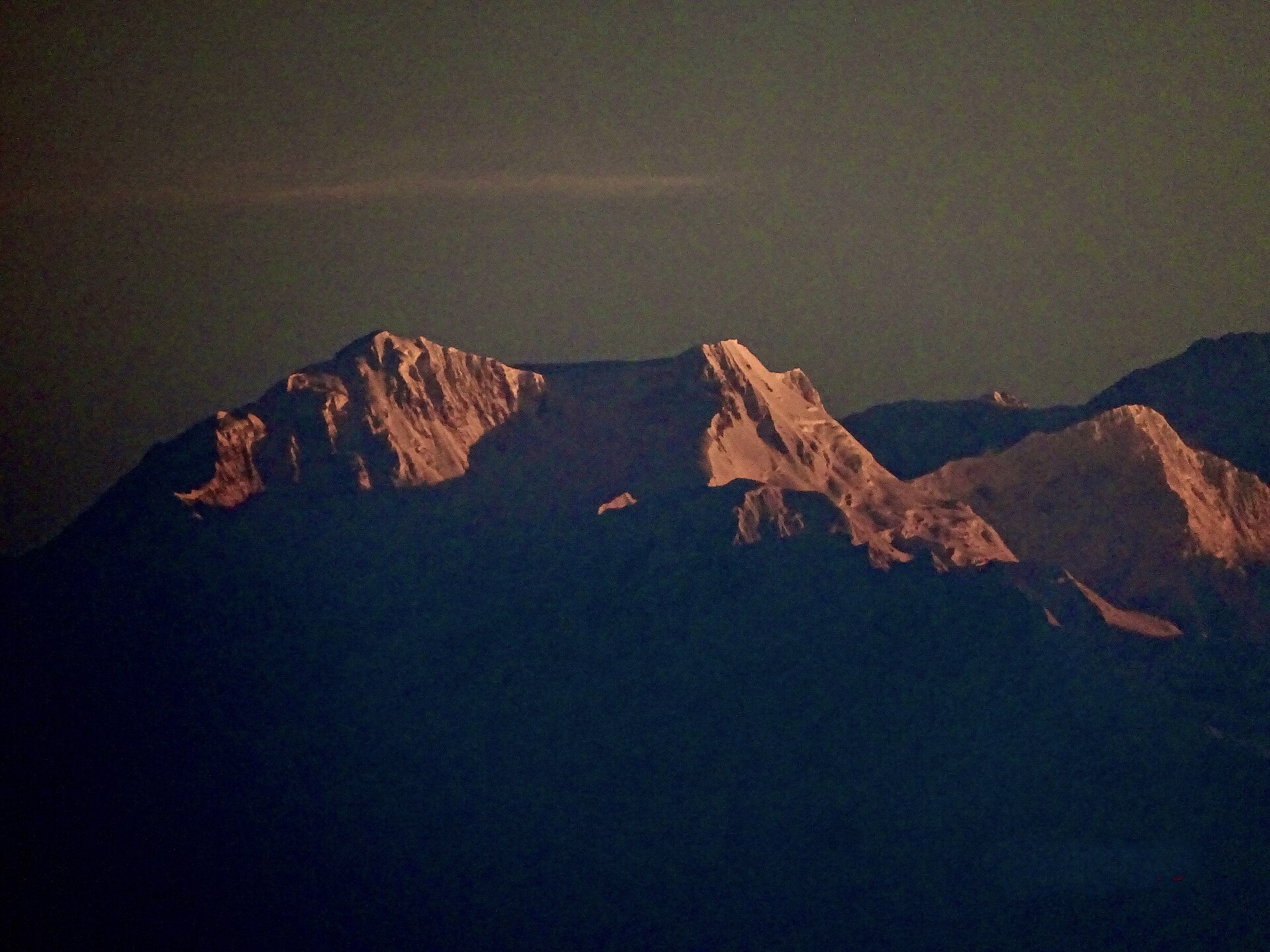
Viewpoint, Sunrise
Darjeeling, India
A hilltop about 11 km from Darjeeling, at roughly 2,500 metres, famous for sunrise over Kangchenjunga: the snow peaks turn pink and gold one by one, and on very clear days Everest can be seen far to the west.
Explore Tiger HillHeritage railway, UNESCO
Darjeeling, India
The narrow-gauge "toy train" that has climbed from the plains to Darjeeling since 1881, a UNESCO World Heritage Site, with steam joy rides from Darjeeling to Ghum and the spiral Batasia Loop with its view of Kangchenjunga.
Explore Darjeeling Himalayan Railway and Batasia LoopBuddhist temple, Viewpoint
Darjeeling, India
A white Buddhist stupa built by Japanese monks on a quiet hillside above Darjeeling, with golden images of the Buddha, a small temple where drumming prayers are held and views over the hills to Kangchenjunga.
Explore Japanese Peace PagodaZoo, Museum
Darjeeling, India
A high-altitude zoo known for breeding red pandas and snow leopards, sharing a hillside campus with the Himalayan Mountaineering Institute, founded after the first ascent of Everest, and its mountaineering museum.
Explore Padmaja Naidu Zoo and the Himalayan Mountaineering InstituteDarjeeling, India
Darjeeling, India
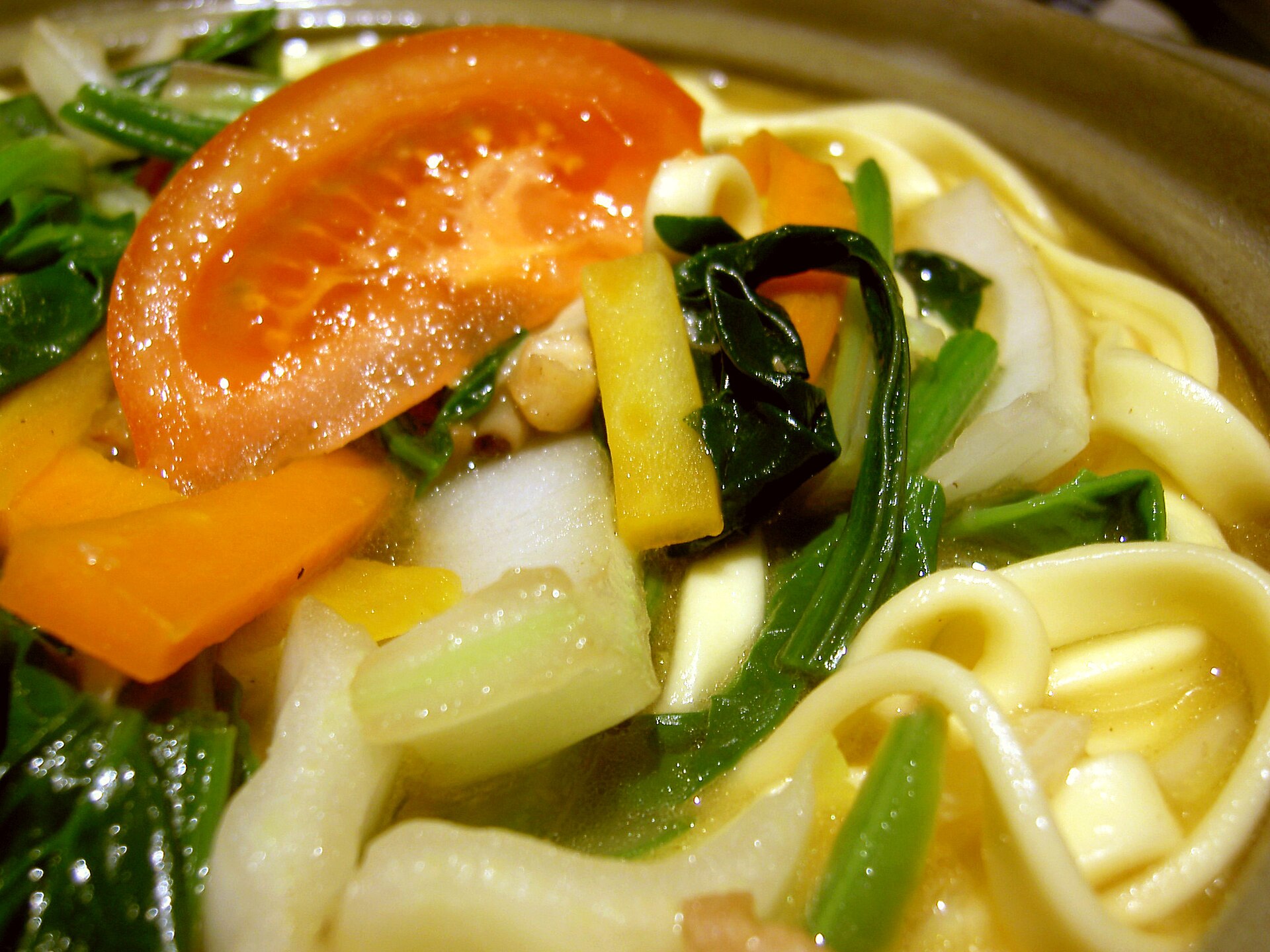
A Tibetan noodle soup with vegetables, egg, chicken or meat in a hot broth — exactly what you want on a cold, misty Darjeeling evening. Usually eaten with a side of momos.
Darjeeling, India
Darjeeling, India
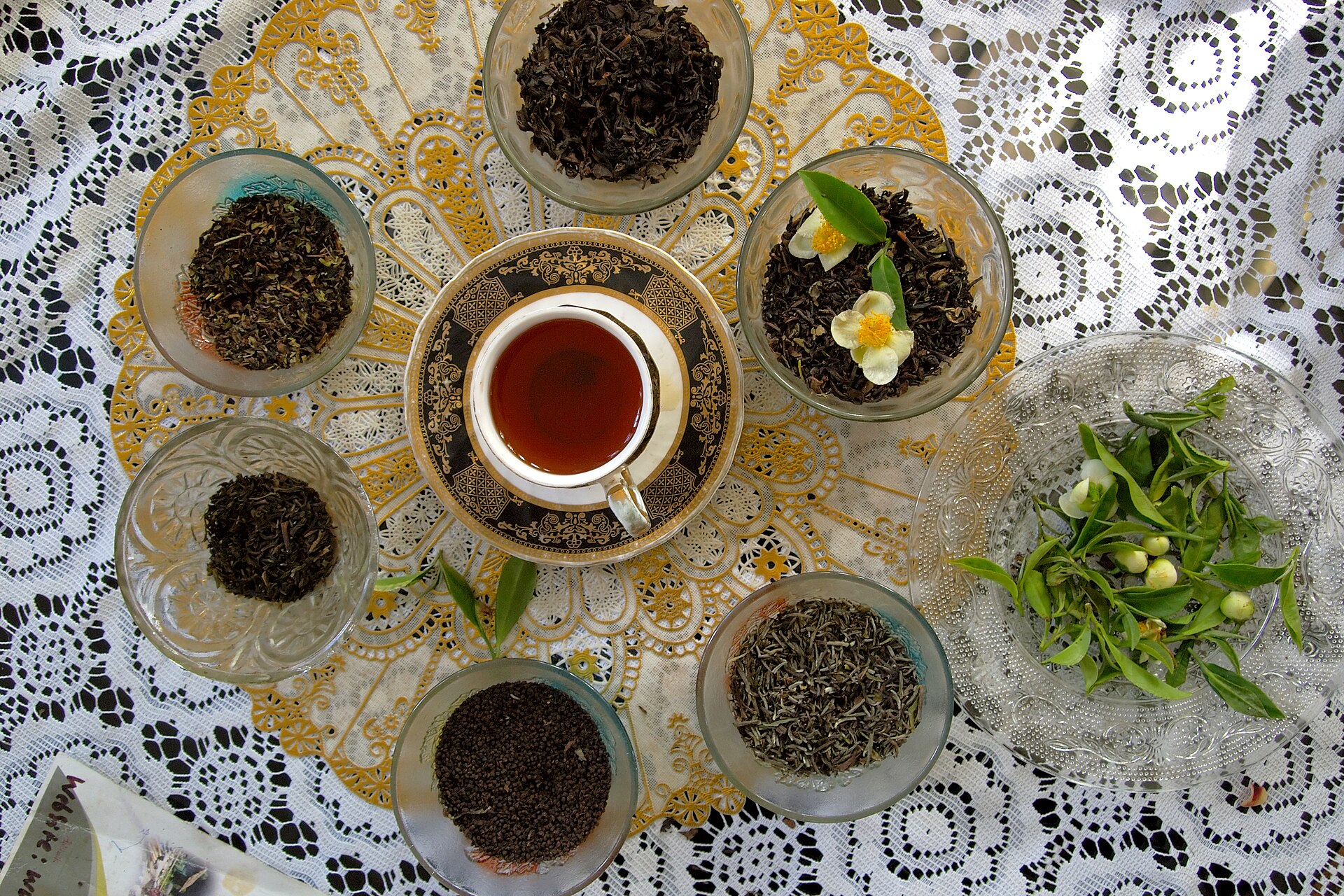
A Tibetan pie of bread dough filled with spiced minced meat or cabbage, shaped into a half-moon and deep-fried until crisp. A filling snack sold in the small Tibetan cafés of the hills.
Darjeeling, India
Sel roti is a ring-shaped Nepali rice bread, lightly sweet and deep-fried, especially made at festivals; aloo dum is a spicy potato curry. Together they make a common Darjeeling breakfast or tea-time snack.
Darjeeling, India
Hard, smoked yak or cow-milk cheese from the Himalaya, chewed slowly like a sweet for hours. Soft churpi is also cooked into curries and soups. You will find the hard blocks on strings in Darjeeling markets.
Darjeeling, India
A legacy of the hill station's colonial past: old tea rooms and bakeries on and around the Mall still serve hot chocolate, cakes, pastries, sausages and eggs on toast, often with a view over the valley.
Nehru Road, near Chowrasta
A long-established bakery and restaurant on the main road to Chowrasta, known for its cakes, pastries and breakfasts in a large wooden dining room with valley views.
Open in Google Maps (opens in a new tab)Nehru Road, near the Clock Tower
A Darjeeling institution since the British days, with a small rooftop terrace serving hot chocolate, sausages, ham and full breakfasts above the town.
Open in Google Maps (opens in a new tab)Below the Mall, Laden La Road and around the market
Small family-run cafés serving momos, thukpa, shaphaley and noodles, warm and cheap on a cold day. Ask locals for their current favourite — names change, the momos stay.
Open in Google Maps (opens in a new tab)Nehru Road and the Mall
Shops and tasting rooms where you can sample first- and second-flush teas by the cup before buying loose-leaf. Taste before you buy, and look for teas named after a specific estate.
Open in Google Maps (opens in a new tab)Darjeeling, India
Darjeeling, India
Old hill-station hotels and bungalows from the British period, with fireplaces, wooden floors and gardens, mostly on the ridge and the slopes below it. Book early for the spring and autumn seasons.
Open in Google Maps (opens in a new tab)Darjeeling, India
Several tea gardens around Darjeeling and down towards Kurseong offer stays in restored planters' bungalows among the bushes. Peaceful and memorable, but away from town — you will need a car.
Open in Google Maps (opens in a new tab)Darjeeling, India
Quieter guesthouses and homestays around Ghum, a few kilometres from town, closer to Tiger Hill for the early sunrise trip and on the toy-train line.
Open in Google Maps (opens in a new tab)Darjeeling is a meeting point of cultures. Nepali is the everyday language; Buddhist monasteries with prayer flags stand beside Hindu temples and colonial churches, and festivals include Dashain, Tihar, Losar and Christmas. The hills are known for their music, football and boarding schools, and for the tea industry, which still employs many families on the estates.
The Darjeeling hills once belonged to the kingdom of Sikkim and were contested with Nepal and Bhutan. In 1835 the British East India Company obtained the ridge from the Chogyal of Sikkim to build a sanatorium where officials and soldiers could escape the heat of the plains.
The town grew fast. Tea was planted in the 1840s, and by the late 19th century Darjeeling tea estates covered the hills and the town had become the summer seat of the Bengal government. The Darjeeling Himalayan Railway, opened in 1881, climbed from the plains to the town and was named a UNESCO World Heritage Site in 1999.
Workers came from Nepal, Sikkim, Tibet and Bhutan, and today the population is mostly Gorkha (Nepali-speaking), with Lepcha, Bhutia, Tibetan and Bengali communities. After 1959, Tibetan refugees settled here, founding a refugee self-help centre that still runs. In 1953 Tenzing Norgay, a Darjeeling resident, made the first ascent of Everest with Edmund Hillary.
Drive up from Bagdogra or NJP. In the afternoon walk Chowrasta and the Mall, climb Observatory Hill, and end with hot chocolate or momos.
Pre-dawn jeep to Tiger Hill for sunrise on Kangchenjunga, then Ghum Monastery and Batasia Loop. In the afternoon take a toy-train joy ride, and visit the zoo and the Himalayan Mountaineering Institute.
Morning at Happy Valley Tea Estate for a tasting, then the Japanese Peace Pagoda. Shop for tea before driving down to the plains.
March to May and October to early December, for clear mountain views. The monsoon (June–September) brings heavy rain and landslides; winter (December–February) is cold but often clear.
By air: The nearest airport is Bagdogra (IXB) near Siliguri, about 65–70 km away by road, with flights from Kolkata, Delhi, Bengaluru and other cities. The drive up through Kurseong or via Mirik takes roughly 3–4 hours; prepaid taxis and shared jeeps run from the airport and from Siliguri.
By train: New Jalpaiguri (NJP) in Siliguri is the main railhead, with trains from Kolkata, Delhi and elsewhere. From NJP, take a taxi or shared jeep up the hill, or the toy train — a slow, scenic journey of many hours. Toy-train schedules change and some sections are suspended after monsoon damage, so check before going.
By road: Siliguri is the hub for buses and jeeps to Darjeeling, Kalimpong, Sikkim and the Bangladesh, Nepal and Bhutan borders.
Darjeeling town is built along a ridge and best explored on foot — the Mall and Chowrasta are closed to traffic, and roads are steep. For sights further out, shared jeeps run from the motor stand near the market, and hired jeeps or taxis do sightseeing circuits (Tiger Hill, Ghum, Batasia, the zoo, the Peace Pagoda). Agree the route and price first. The toy train runs joy rides to Ghum and back.
Distances are short but steep; the altitude makes walking uphill harder than you expect, so take it slowly.