Red pandas
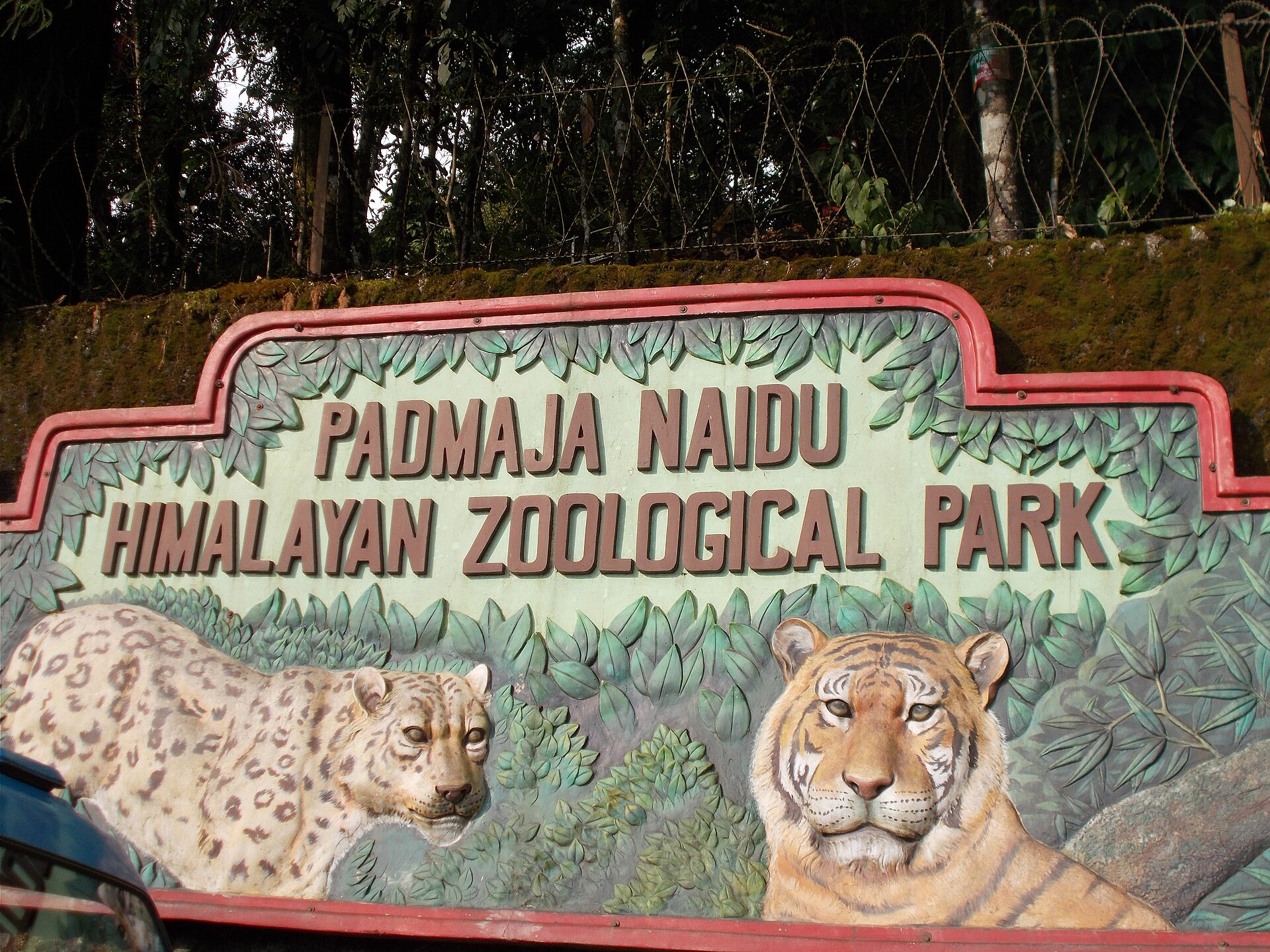
Padmaja Naidu Zoo
The zoo's best-known animals, part of a conservation breeding programme.
Open in Google Maps (opens in a new tab)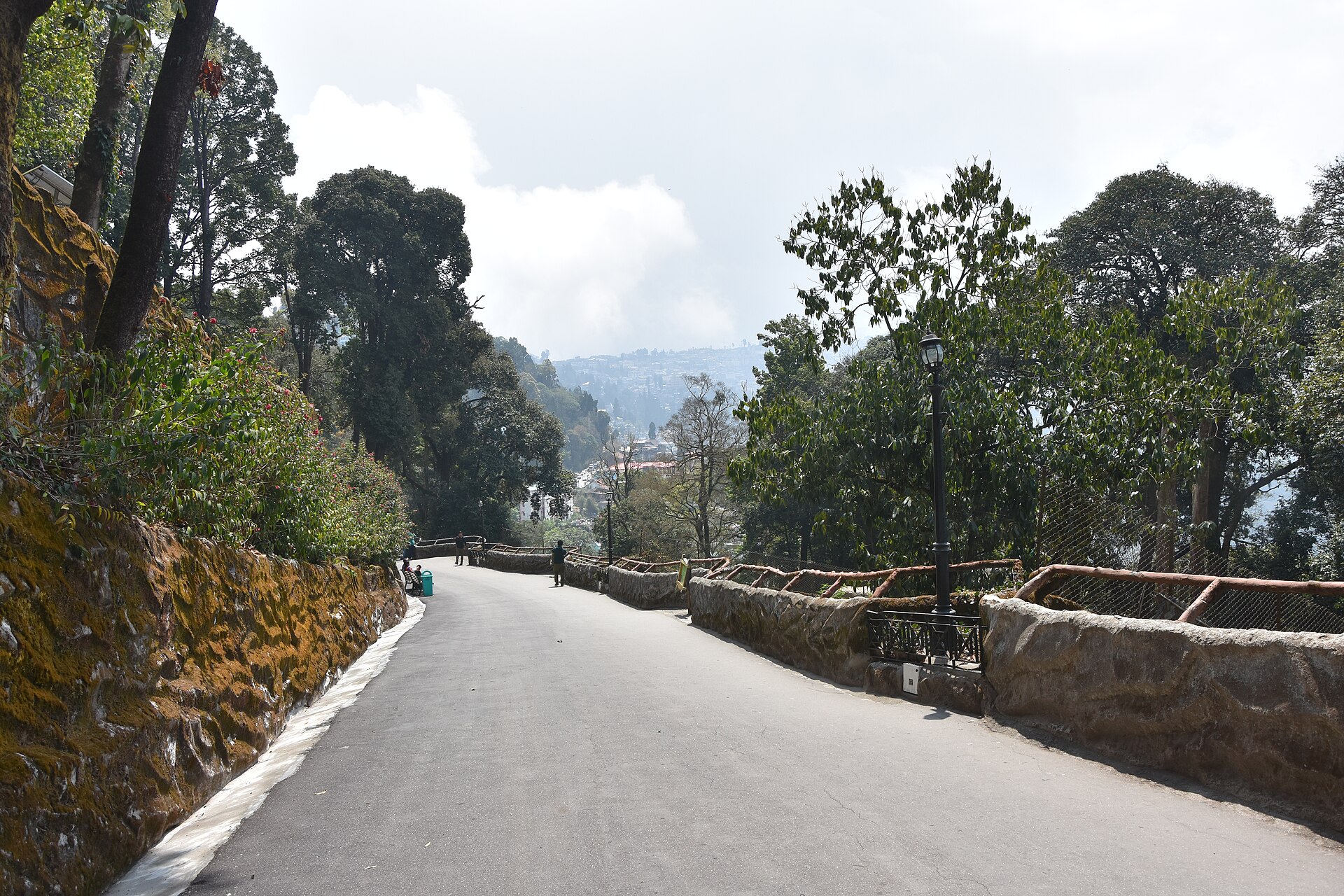
 Darjeeling, India
A high-altitude zoo known for breeding red pandas and snow leopards, sharing a hillside campus with the Himalayan Mountaineering Institute, founded after the first ascent of Everest, and its mountaineering museum.
Padmaja Naidu Zoo
The zoo's best-known animals, part of a conservation breeding programme.
Open in Google Maps (opens in a new tab)Padmaja Naidu Zoo
Rarely seen elsewhere, bred here for conservation.
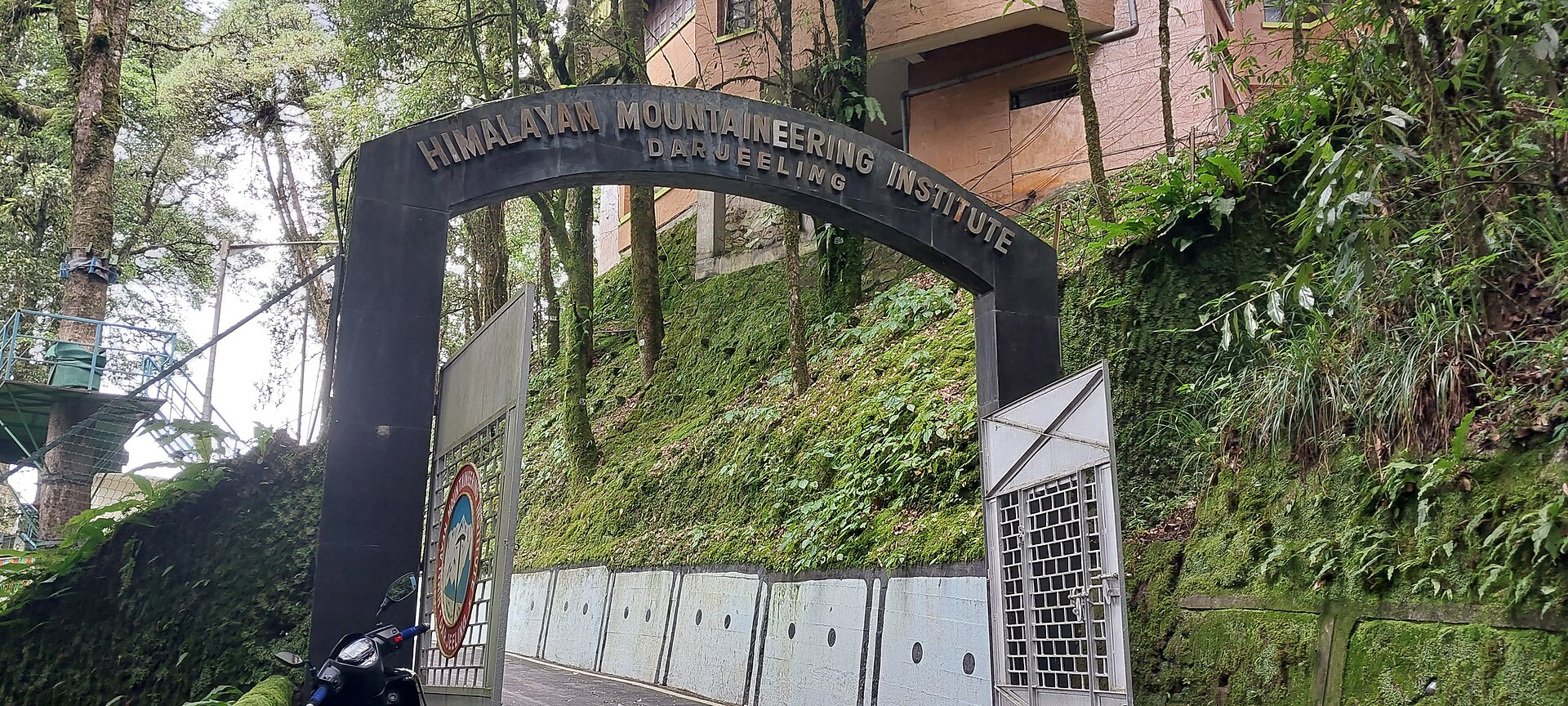
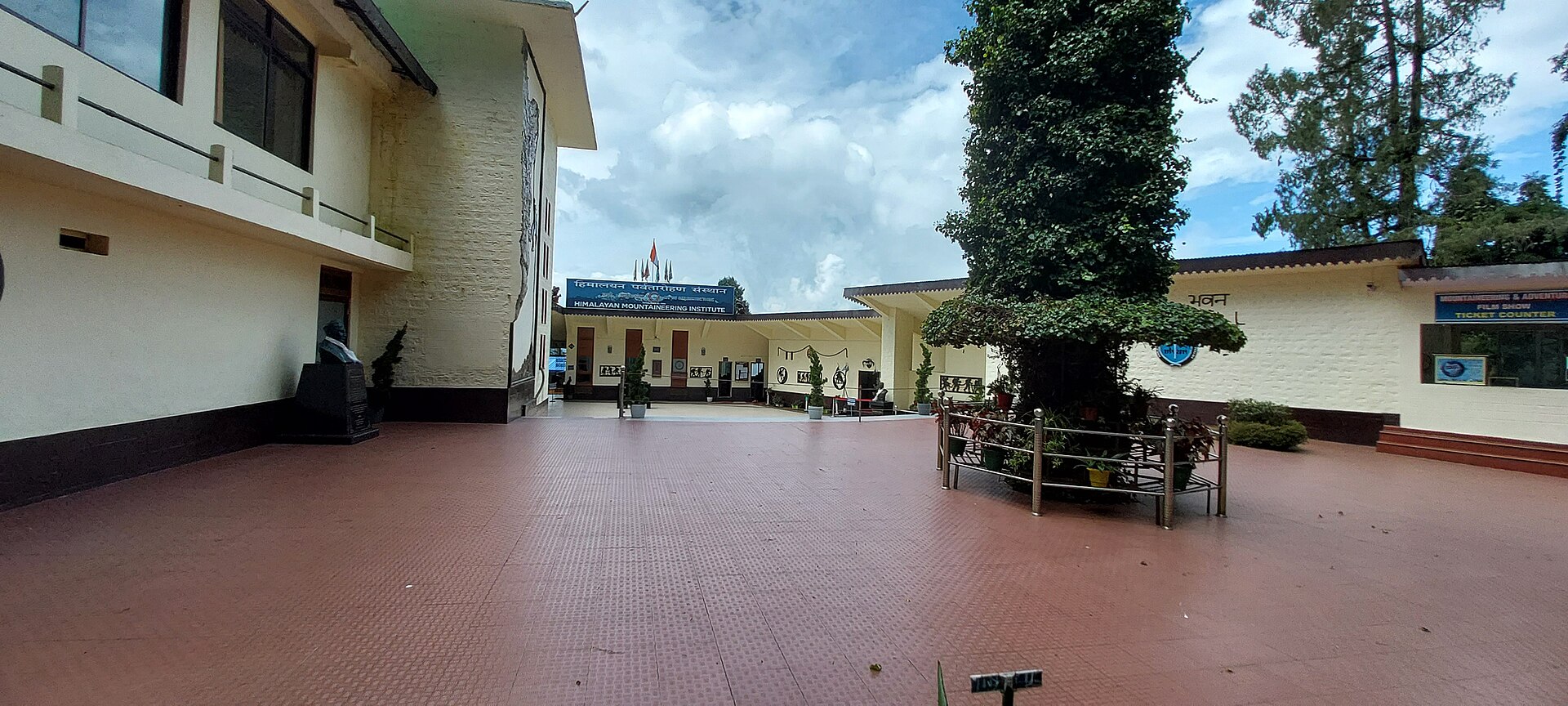
Open in Google Maps (opens in a new tab)Himalayan Mountaineering Institute
Everest expedition gear, photographs and a large relief model of the Himalaya.
Open in Google Maps (opens in a new tab)HMI campus
The grave and statue of the Everest pioneer and HMI's first field director.
Open in Google Maps (opens in a new tab)
Darjeeling, India
Darjeeling, India
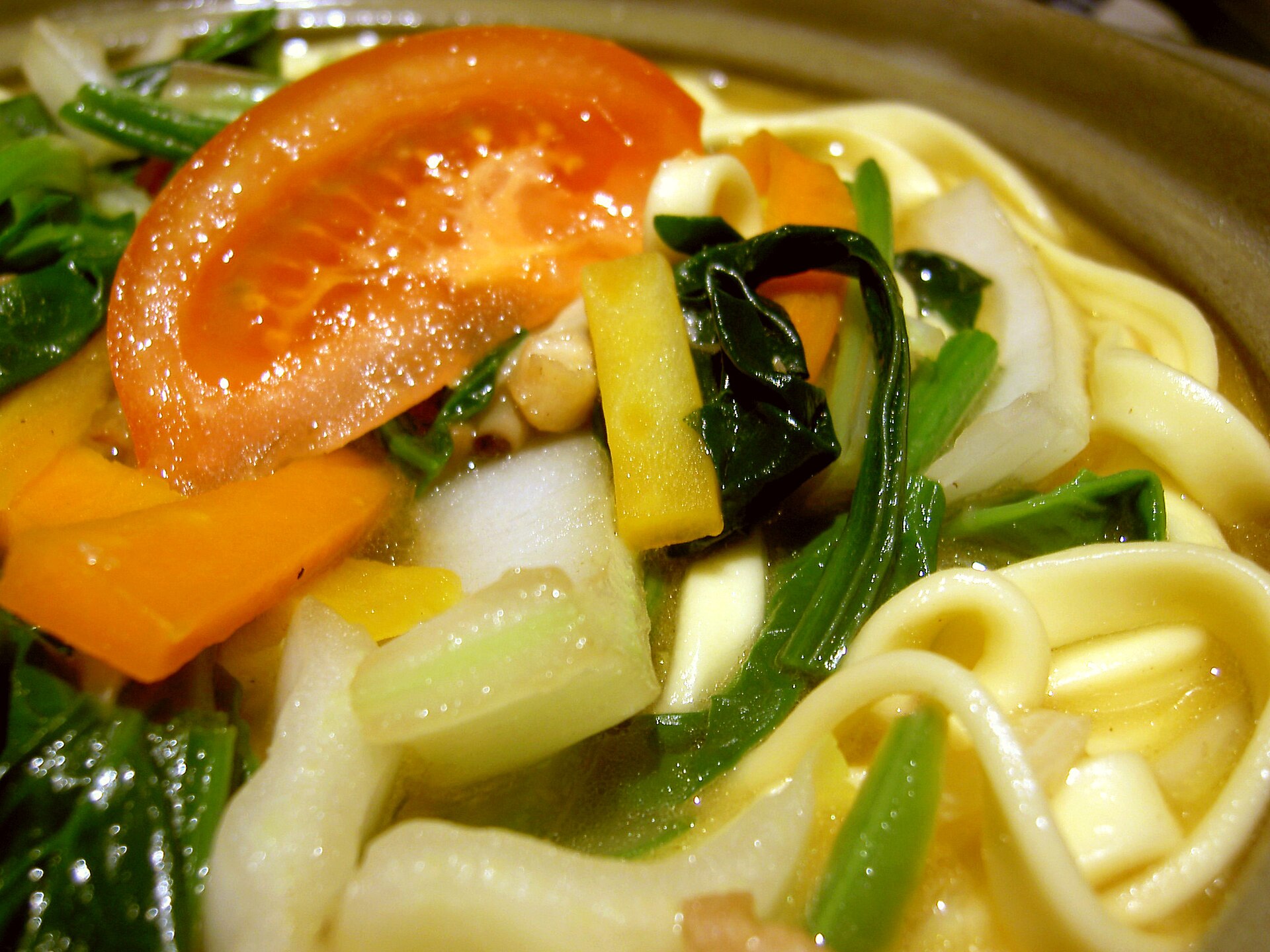
A Tibetan noodle soup with vegetables, egg, chicken or meat in a hot broth — exactly what you want on a cold, misty Darjeeling evening. Usually eaten with a side of momos.
Darjeeling, India
A legacy of the hill station's colonial past: old tea rooms and bakeries on and around the Mall still serve hot chocolate, cakes, pastries, sausages and eggs on toast, often with a view over the valley.
Below the Mall, Laden La Road and around the market
Small family-run cafés serving momos, thukpa, shaphaley and noodles, warm and cheap on a cold day. Ask locals for their current favourite — names change, the momos stay.
Open in Google Maps (opens in a new tab)Nehru Road, near Chowrasta
A long-established bakery and restaurant on the main road to Chowrasta, known for its cakes, pastries and breakfasts in a large wooden dining room with valley views.
Open in Google Maps (opens in a new tab)Darjeeling, India
Darjeeling, India
Old hill-station hotels and bungalows from the British period, with fireplaces, wooden floors and gardens, mostly on the ridge and the slopes below it. Book early for the spring and autumn seasons.
Open in Google Maps (opens in a new tab)Darjeeling's Sherpa community produced many of the great Himalayan climbers, and HMI is a point of pride for the hills. Groups of trainee mountaineers in uniform are a common sight. For visitors, seeing a red panda — the state animal of Sikkim — is often the highlight.
The Padmaja Naidu Himalayan Zoological Park, opened in 1958 and named after a governor of West Bengal, specialises in animals of the high Himalaya. It is known for its conservation breeding of the red panda and the snow leopard, and also keeps Himalayan wolves, Himalayan black bears, Tibetan wolves and pheasants.
The Himalayan Mountaineering Institute (HMI) was founded in 1954, the year after Tenzing Norgay and Edmund Hillary first climbed Everest. Prime Minister Jawaharlal Nehru supported it, and Tenzing was its first director of field training; he is buried on the campus, and a statue stands nearby. Its Mountaineering Museum displays equipment from early Everest expeditions, maps, photographs and a large relief model of the Himalaya.
Walk from Chowrasta to Jawahar Parbat.
See the red pandas and snow leopards in the morning.
Visit the mountaineering museum and Tenzing's memorial.
Ride the cable car over the tea gardens if it is running.
March to June and September to November, in the morning when the animals are most active. The zoo is usually closed one day a week — check before going.
The zoo and HMI are on Jawahar Parbat, about 2 km from Chowrasta — a 30-minute walk downhill along the ridge or a short taxi ride. One ticket has usually covered both the zoo and the HMI museum.
Paths through the zoo are steep in places. The HMI museum and Tenzing's memorial are within the same campus.