Akkale viewpoint
Inner citadel
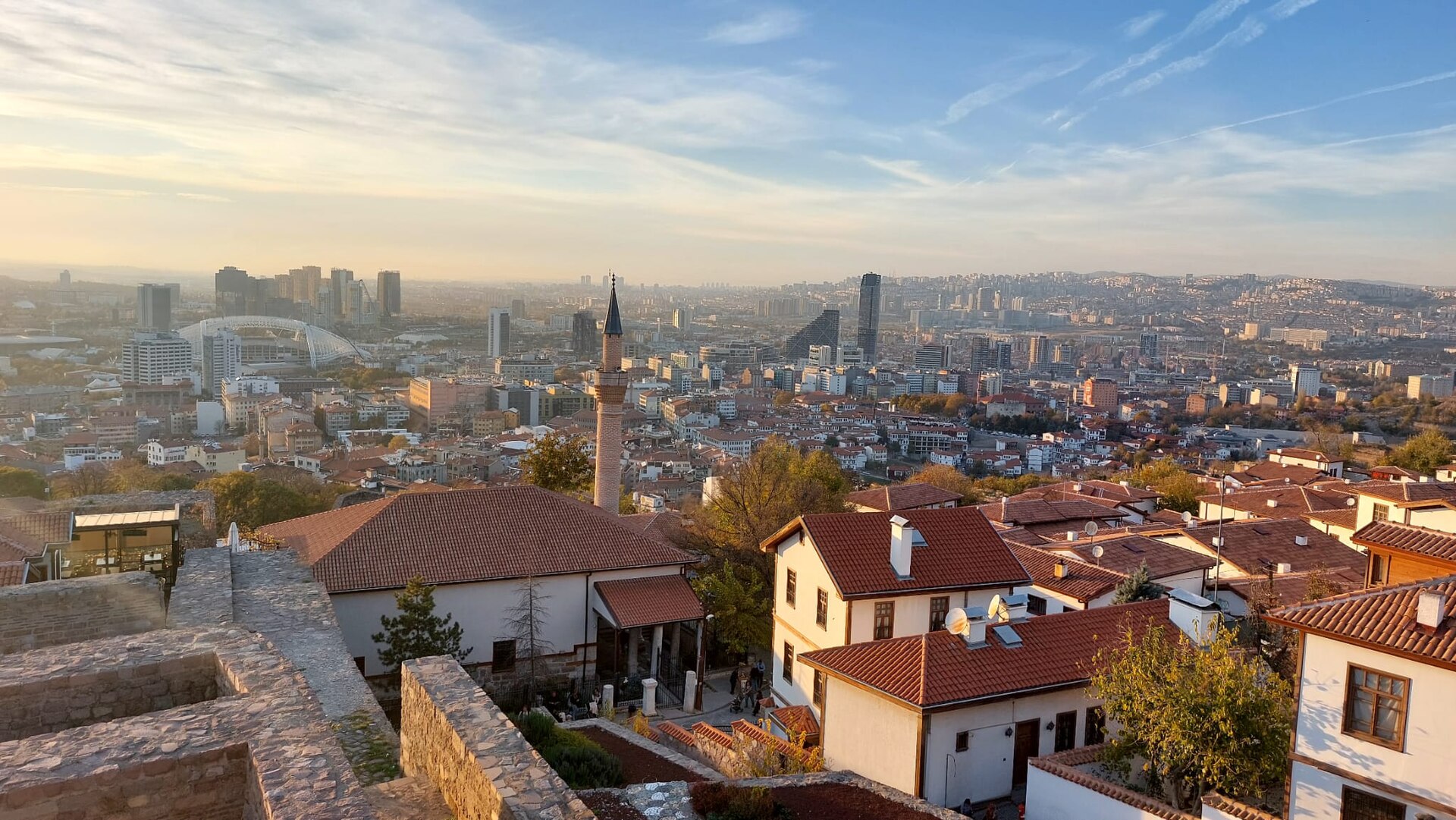
The highest towers, with views across the whole city to Anıtkabir and Atakule.
Open in Google Maps (opens in a new tab)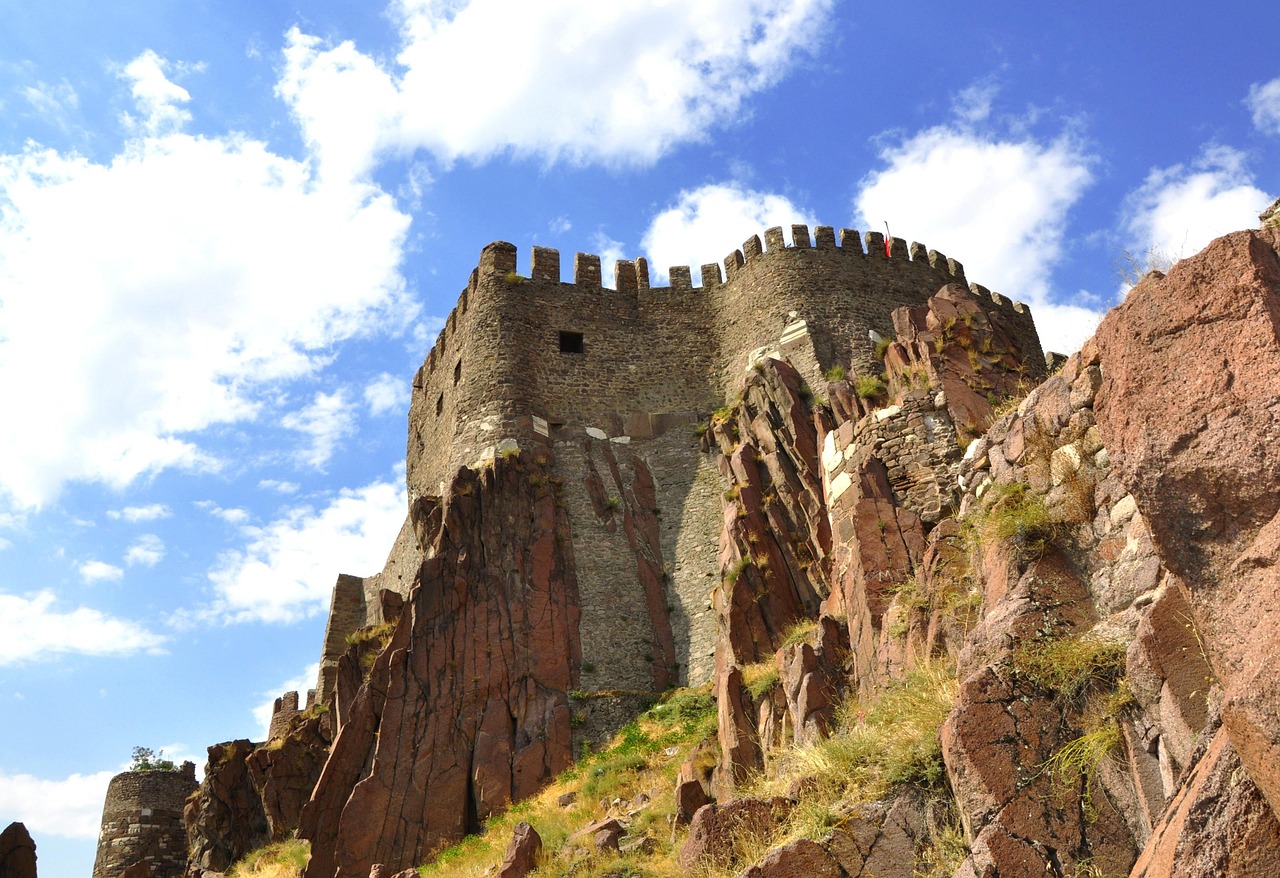
 Ankara, Türkiye
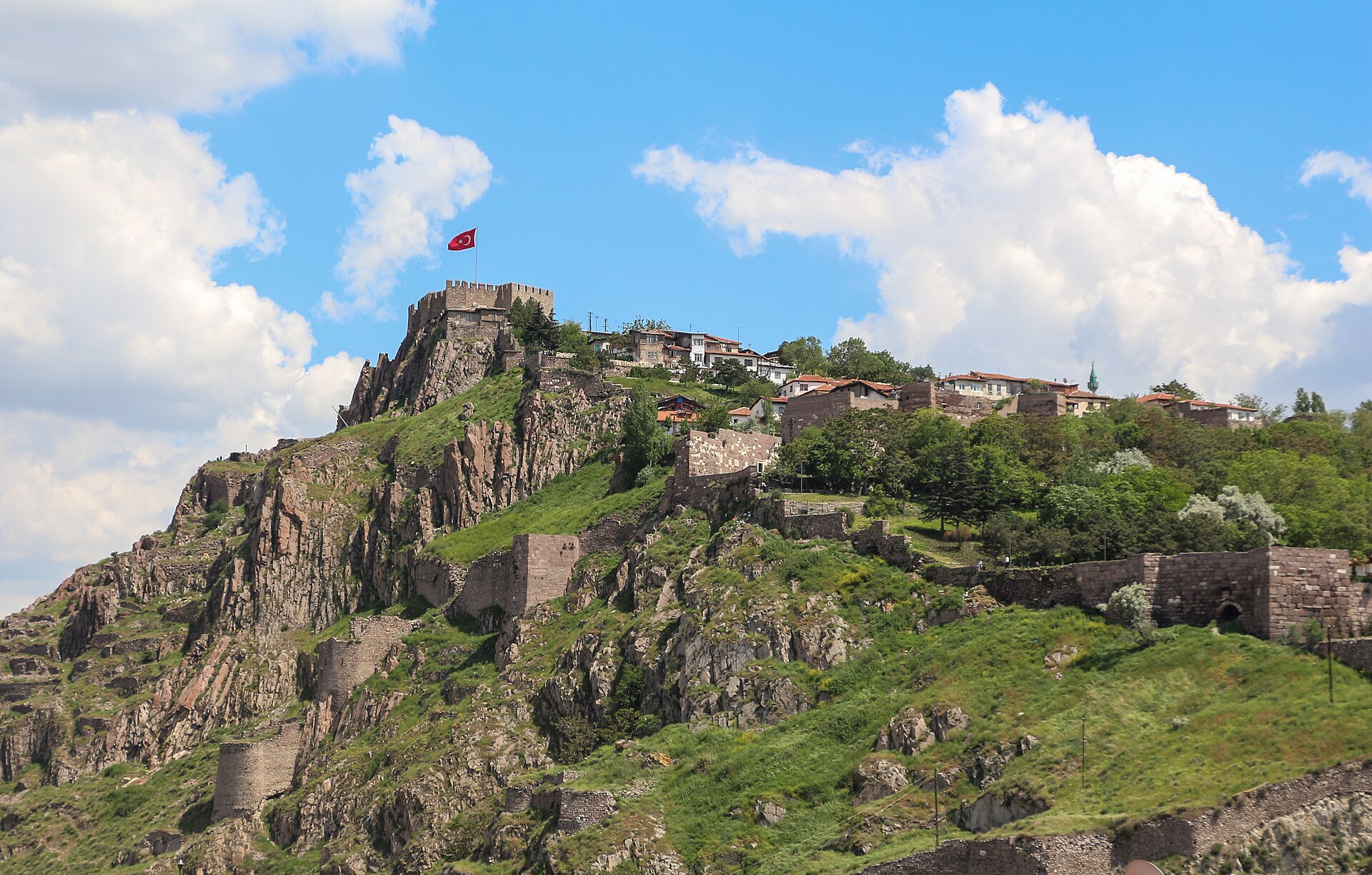
The walled citadel on the hill where Ankara began, with Byzantine walls, old Ottoman houses, craft shops and the best views over the capital.
Inner citadel
The highest towers, with views across the whole city to Anıtkabir and Atakule.
Open in Google Maps (opens in a new tab)Around the hill
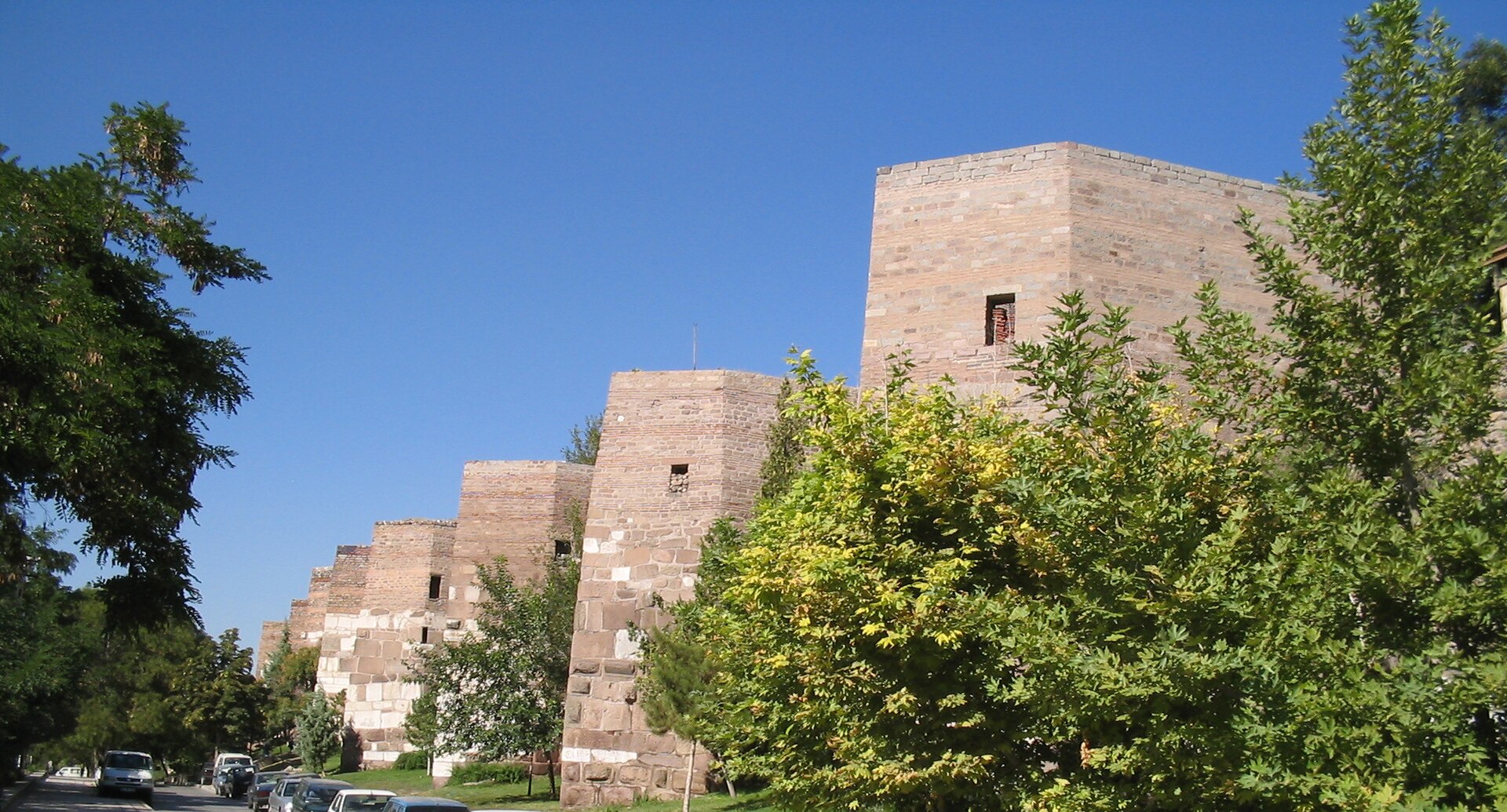
Massive walls with reused Roman stones and inscriptions.
Open in Google Maps (opens in a new tab)Inside the walls
Restored timber-framed houses, cafés and craft shops.
Open in Google Maps (opens in a new tab)Inside the citadel
A small Seljuk-period mosque with a carved wooden minbar.
Open in Google Maps (opens in a new tab)Ankara, Türkiye
Ankara's own dish: lamb slow-cooked in the oven over rice or bulgur, often made with orzo-style pasta, until the meat is tender and the grains have soaked up its juices.
Ankara, Türkiye
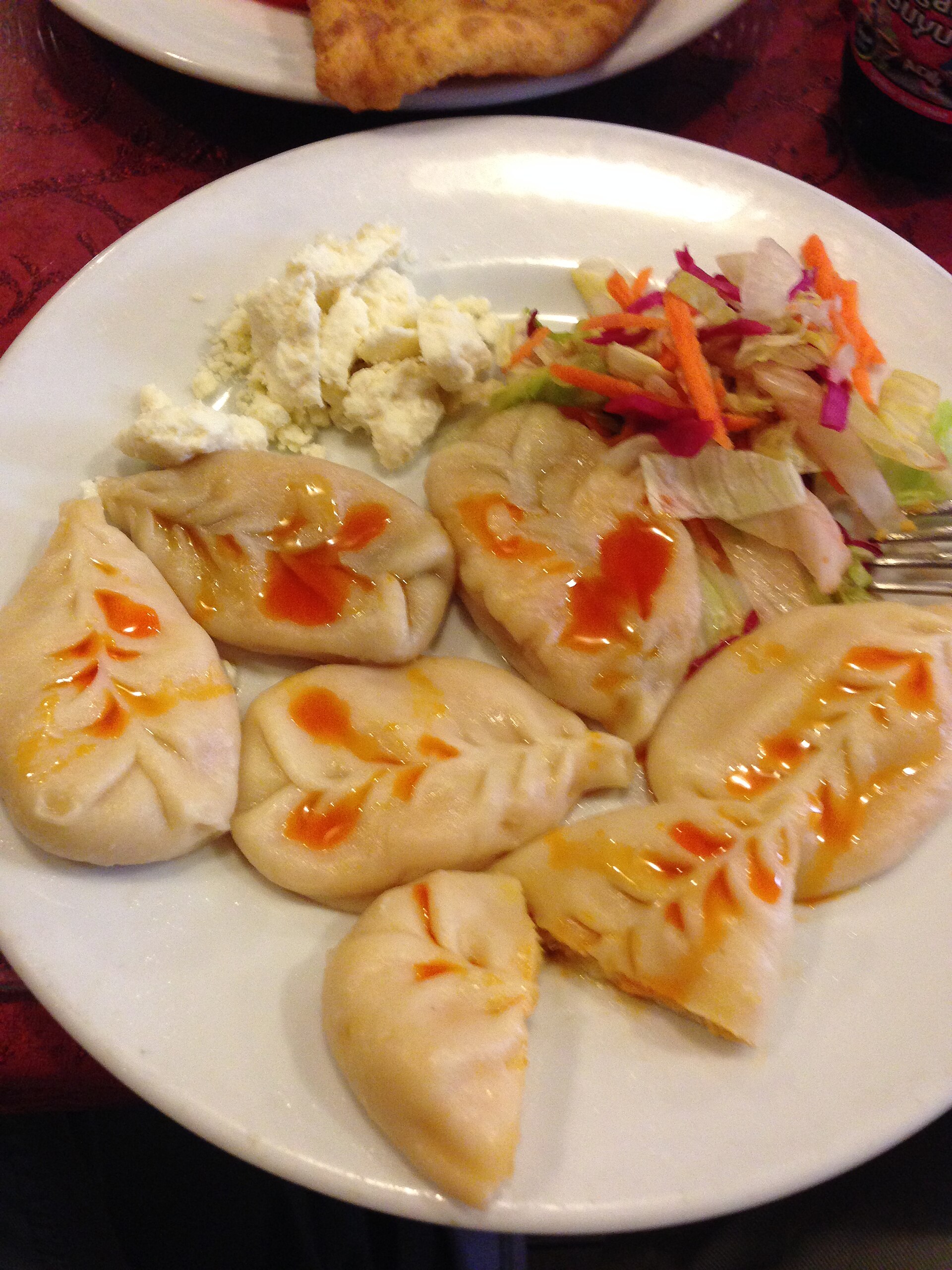
Tiny meat-filled dumplings topped with garlic yoghurt and red-pepper butter, sprinkled with dried mint and sumac. A Central Anatolian comfort dish, found all over Ankara.
Ankara, Türkiye
Ankara Castle (Kale) and Ulus
Restored Ottoman houses inside and below the castle walls, turned into traditional restaurants and tea houses with views over the city.
Open in Google Maps (opens in a new tab)Hamamönü, Altındağ
Cafés and home-style restaurants in a restored quarter of old wooden houses, good for Turkish breakfast, gözleme and Turkish coffee.
Open in Google Maps (opens in a new tab)Ankara, Türkiye
The old centre near the Citadel, the Museum of Anatolian Civilizations and the Temple of Augustus. Simpler hotels, very close to the historic sights.
Open in Google Maps (opens in a new tab)Ankara, Türkiye
Central and well connected by metro and Ankaray, with many mid-range hotels and restaurants on the doorstep.
Open in Google Maps (opens in a new tab)The citadel is the old heart of Ankara, where Anatolian village life meets the capital. The surrounding streets have traditional crafts, and the Alaeddin Mosque, one of the city's oldest, stands within the walls.
The hill of Ankara Kalesi has been fortified since antiquity. The walls seen today are largely Byzantine, built and rebuilt from the 7th to the 9th centuries against Arab raids, using older Roman stones — look for carved blocks and inscriptions set into the walls. Seljuks and Ottomans repaired and used the fortress.
Inside the walls a traditional neighbourhood of timber-framed Ottoman houses, small mosques and narrow lanes survived as the modern city grew around it. Many houses have been restored as restaurants, cafés and craft shops, while others are still lived in.
Climb through the old streets.
Explore the lanes and Alaeddin Mosque.
Watch the city light up.
Anatolian food within the walls.
All year; late afternoon and sunset for the view over the city.
In Ulus: walk uphill from the Museum of Anatolian Civilizations or Ulus Square, or take a taxi to the citadel gate.