Sunken columns
In the pool
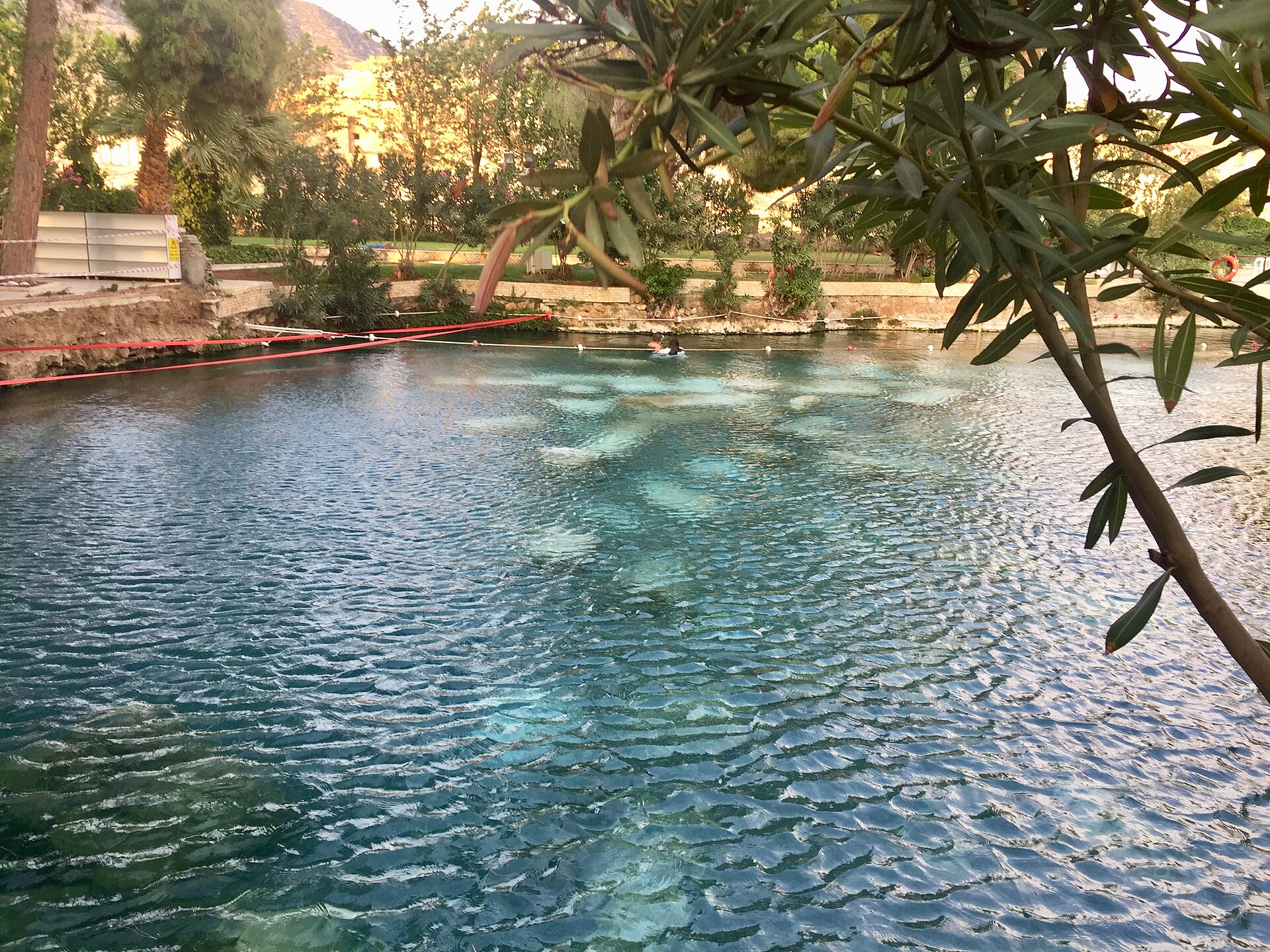
Marble columns and capitals lying under the clear, warm water.
Open in Google Maps (opens in a new tab)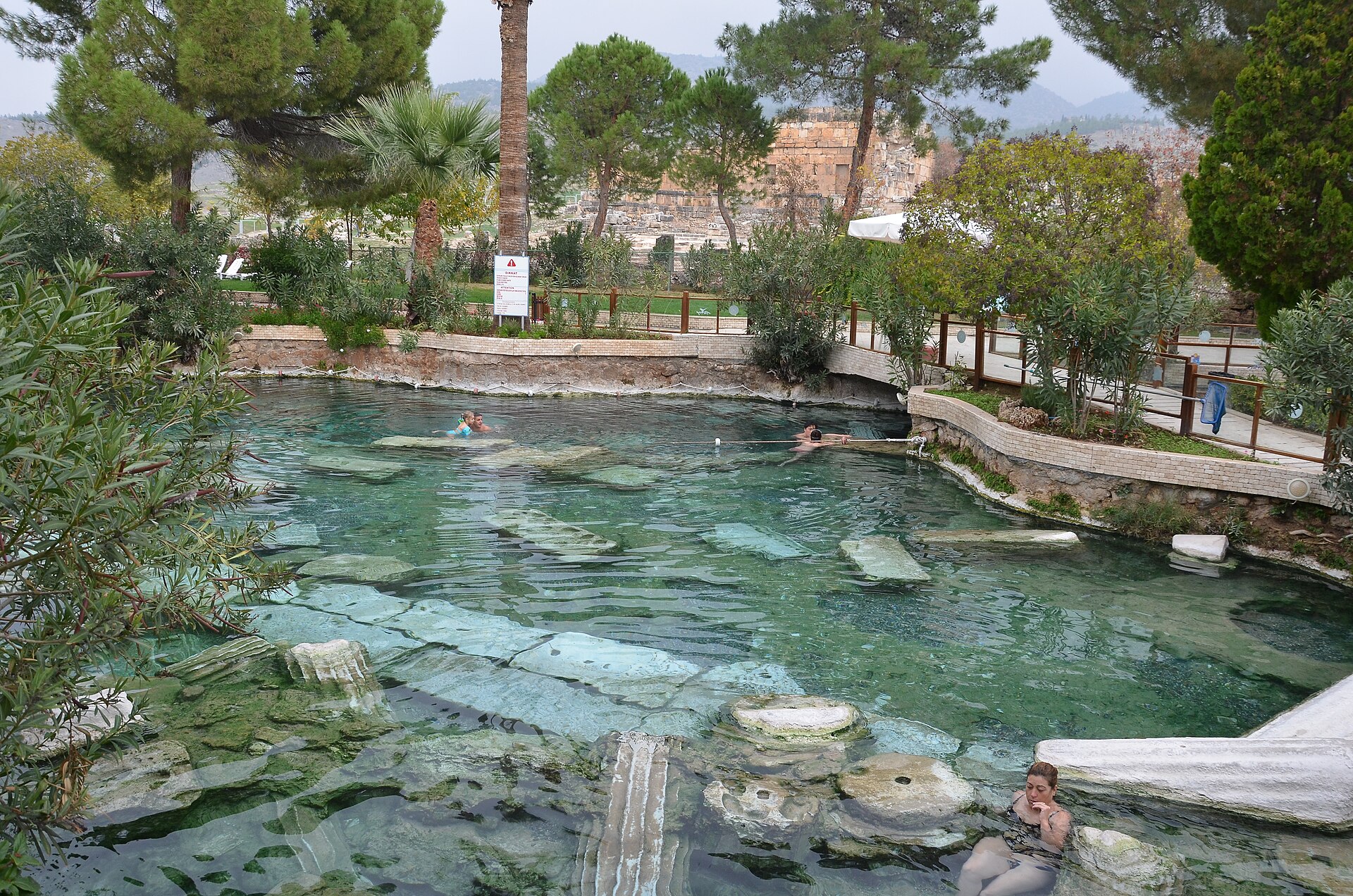
 Pamukkale, Türkiye
A warm thermal pool inside Hierapolis where you swim over fallen Roman columns, in water that has drawn bathers since antiquity.
In the pool
Marble columns and capitals lying under the clear, warm water.
Open in Google Maps (opens in a new tab)Next to the pool
Remains of the city’s main temple.
Open in Google Maps (opens in a new tab)A short walk away
Statues and reliefs from the city, in the former Roman baths.
Open in Google Maps (opens in a new tab)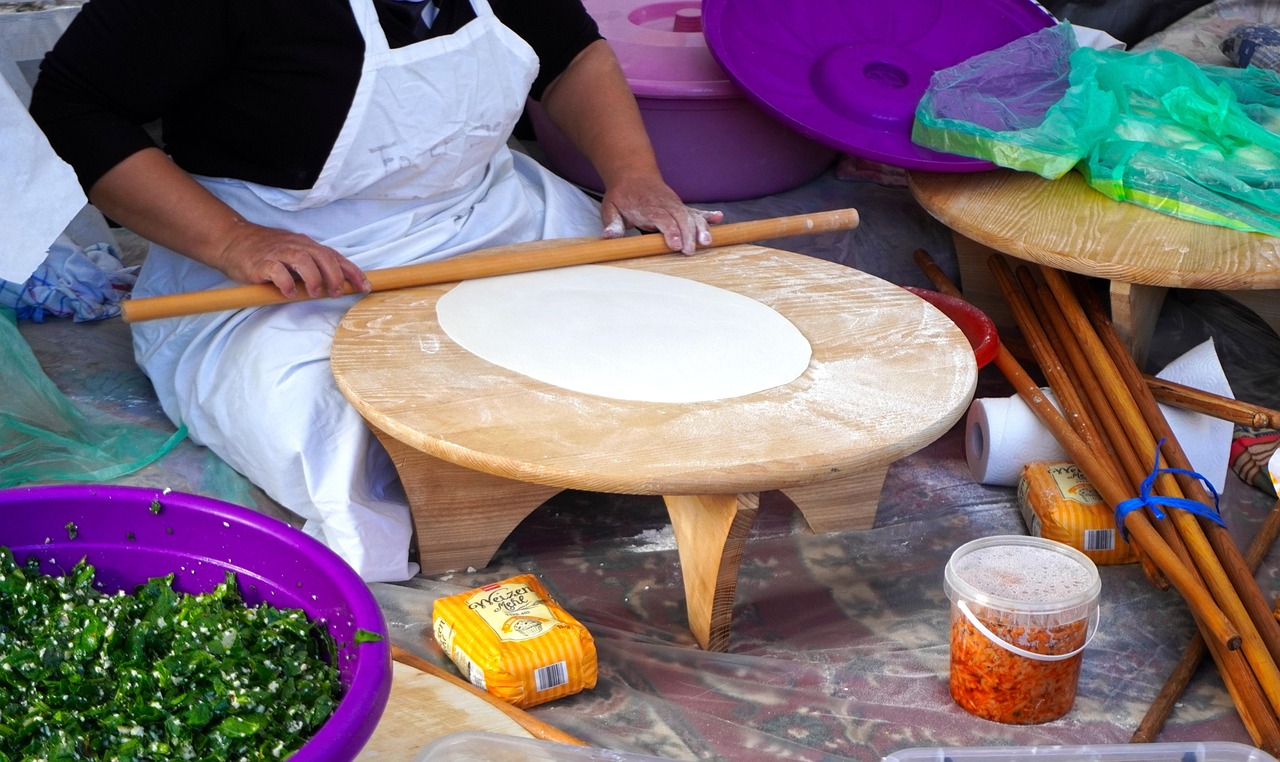
Pamukkale, Türkiye
Thin hand-rolled dough folded around cheese, spinach, potato or minced meat and cooked on a griddle. Village women make it fresh at roadside stalls and in tourist areas such as Pamukkale.
Pamukkale, Türkiye
Pamukkale, Türkiye
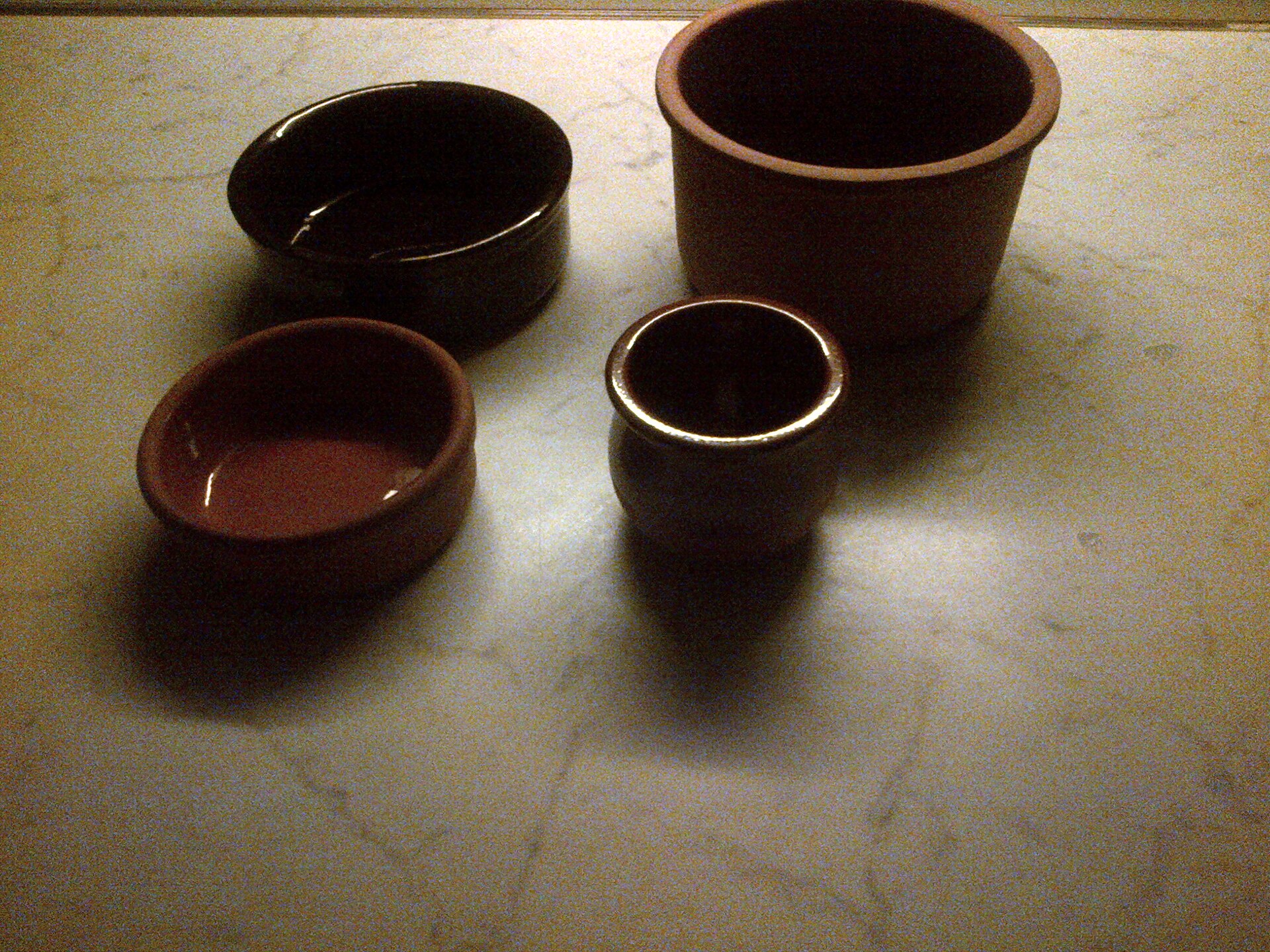
Meat and vegetables slow-baked in a sealed clay pot. Many restaurants around Pamukkale and the Aegean interior serve it, sometimes breaking the pot open at the table.
Below the travertines
Family restaurants and guesthouse kitchens serving gözleme, clay-pot stews, grills and home-style dishes, many with terraces looking up at the white terraces. Simple and relaxed.
Open in Google Maps (opens in a new tab)Spa village just north of Hierapolis
Restaurants inside the thermal hotels and small eateries near the red spring, quieter than Pamukkale village.
Open in Google Maps (opens in a new tab)Pamukkale, Türkiye
Family-run guesthouses and small hotels, several with pools fed by thermal water, within walking distance of the south entrance to the travertines. The best base for sunset and an early start.
Open in Google Maps (opens in a new tab)Pamukkale, Türkiye
Larger spa hotels with thermal pools and baths, a short drive from the north gate of Hierapolis. Good for a restful stay.
Open in Google Maps (opens in a new tab)Bathing in warm springs is an old tradition in Anatolia, from Roman baths to the Turkish hamam. The pool is a rare place to swim inside an ancient site.
The pool sits on the site of a Roman sacred spring, close to the Temple of Apollo. Earthquakes toppled the surrounding portico, and its marble columns and blocks fell into the water, where they still lie.
The name "Cleopatra's Pool" is a modern legend — there is no evidence the queen bathed here — but the warm, fizzy, mineral water is real and has been enjoyed for over two thousand years.
See the statues from the city.
Swim among the sunken columns.
Walk down the white terraces at sunset.
Early morning or late afternoon; it is busiest around midday with tour groups. The water stays warm all year.