The Roman theatre
At the entrance of the site
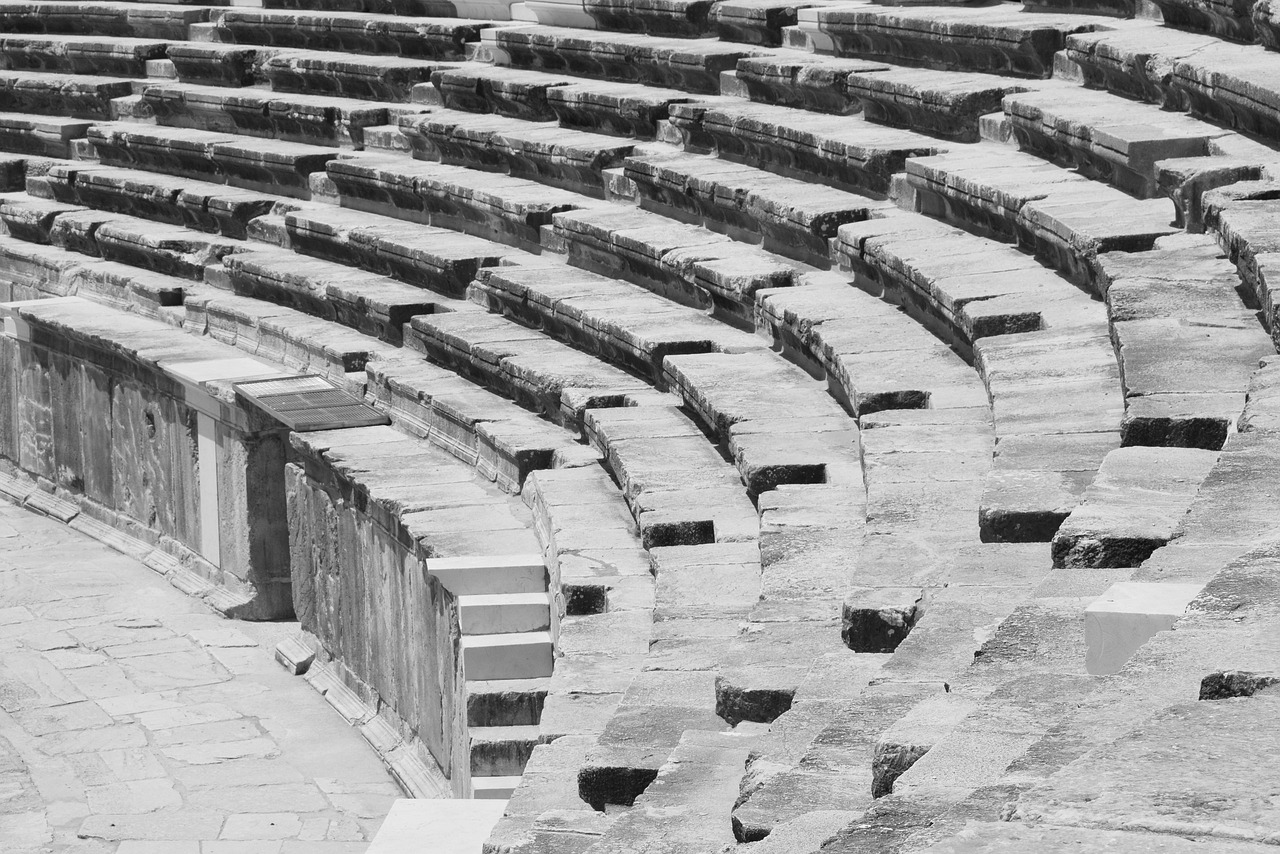
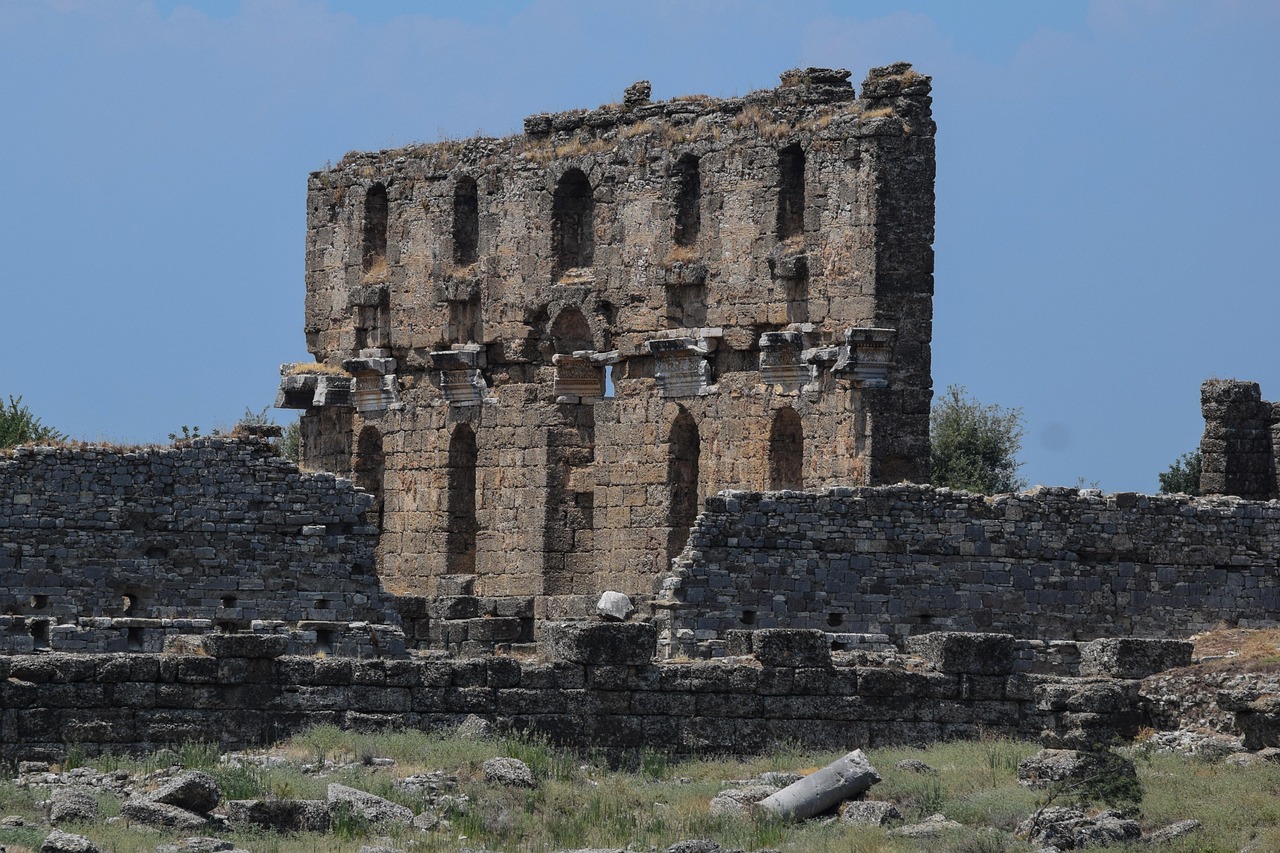
The seating, vaulted galleries and the two-storey stage building, remarkably complete.
Open in Google Maps (opens in a new tab)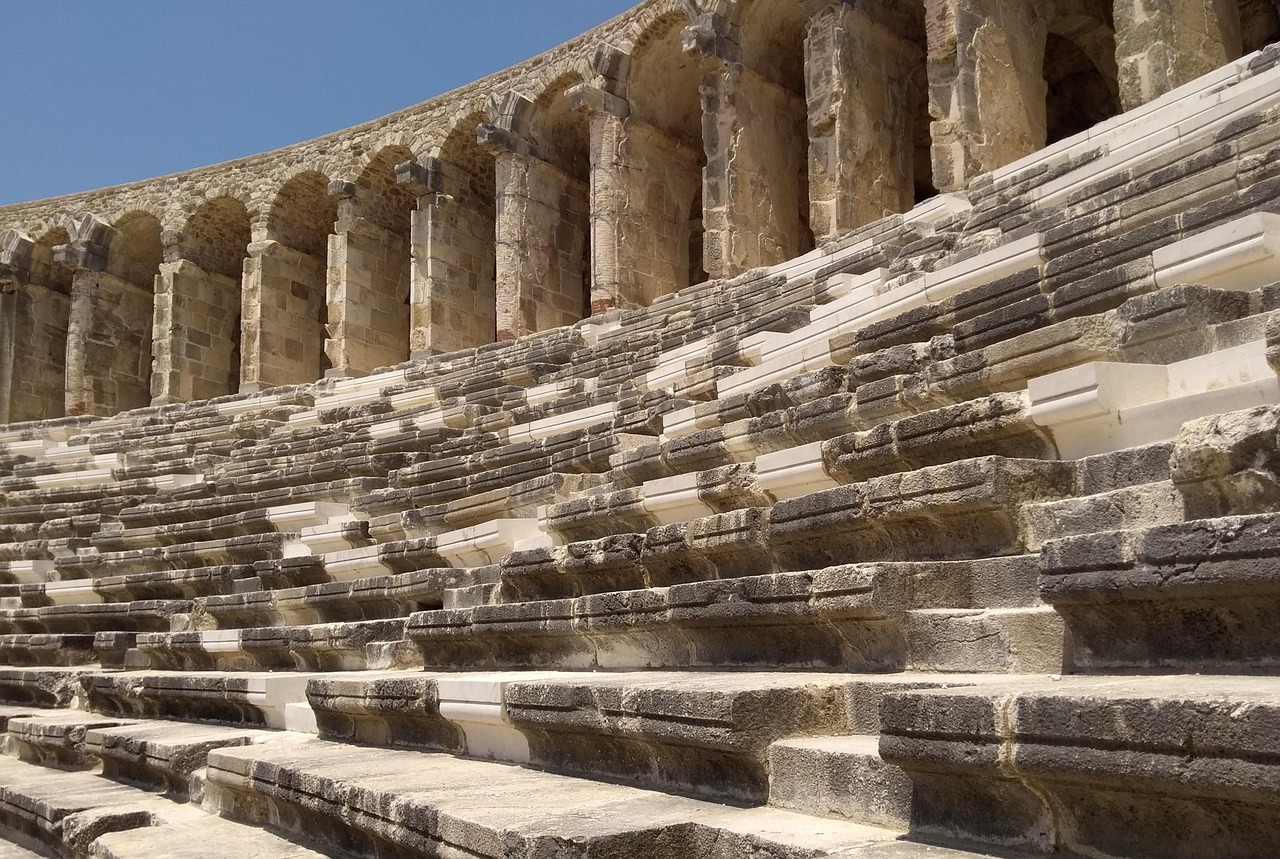
 Antalya, Türkiye
One of the best-preserved Roman theatres in the world, about 45 km east of Antalya, with its stage building still standing to full height and the long arches of an aqueduct across the plain nearby.
At the entrance of the site
The seating, vaulted galleries and the two-storey stage building, remarkably complete.
Open in Google Maps (opens in a new tab)Hill behind the theatre
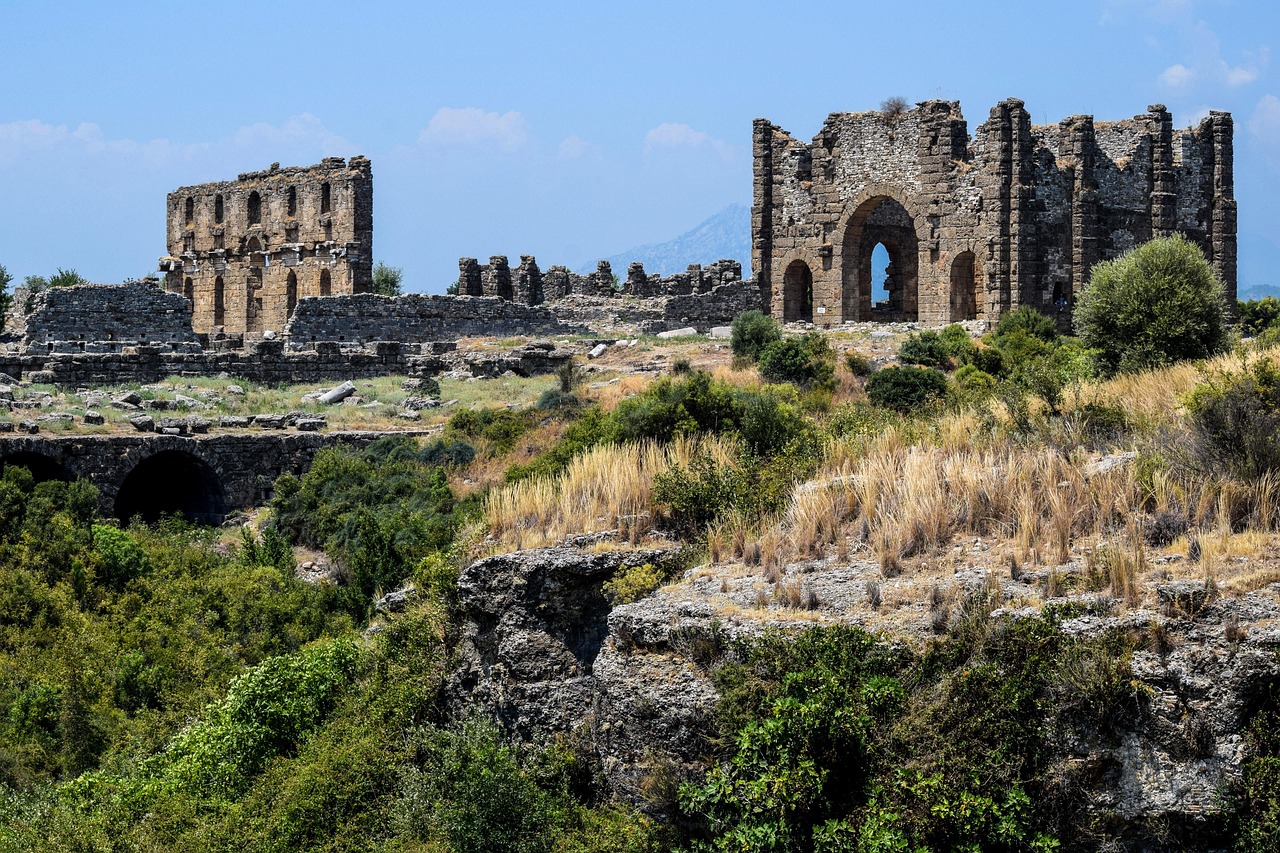
Remains of the basilica, agora, market hall and fountain of the ancient city.
Open in Google Maps (opens in a new tab)Across the plain north of the theatre
Long rows of arches and pressure towers that carried water to the city.
Open in Google Maps (opens in a new tab)Near Belkıs
A Seljuk-era humpback bridge over the river, built on older Roman foundations.
Open in Google Maps (opens in a new tab)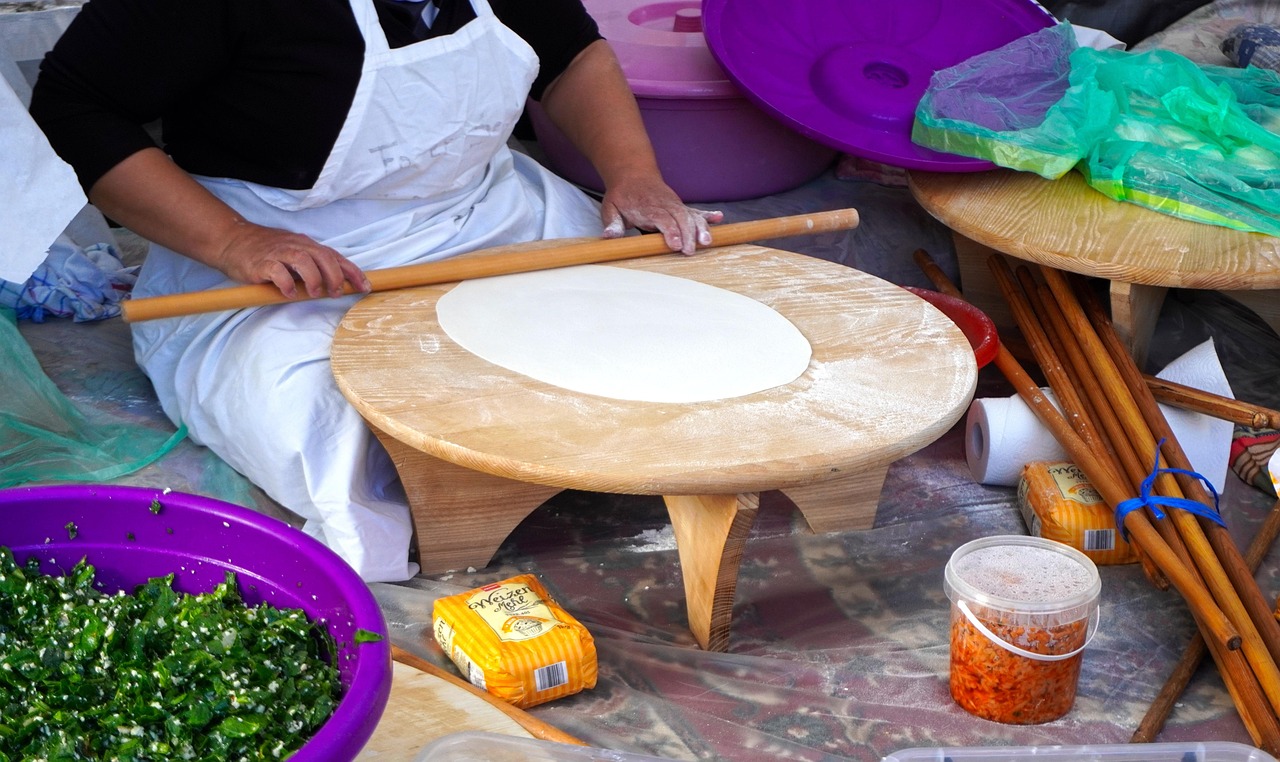
Antalya, Türkiye
Antalya, Türkiye
Antalya, Türkiye
Along the Köprüçay river near Aspendos
Village restaurants by the river serving trout, gözleme and grilled meat — a natural lunch stop on the way back.
Open in Google Maps (opens in a new tab)Central Antalya, around Kalekapısı and the bazaar streets
Traditional lunch restaurants serving şiş köfte with Antalya-style tahini piyaz — the city's signature lunch. Many long-established places are in the streets around the Clock Tower and the old bazaar.
Open in Google Maps (opens in a new tab)Antalya, Türkiye
A resort area about 30–40 minutes east of Antalya, known for its big beach hotels and golf courses. Close to Aspendos and the Köprülü Canyon road; you will need transport to reach the city.
Open in Google Maps (opens in a new tab)Antalya, Türkiye
The sandy coast east of the city, close to the airport, lined with large all-inclusive resorts and newer hotels. Convenient for Lower Düden, Aspendos and Perge.
Open in Google Maps (opens in a new tab)Aspendos is one of the few ancient theatres still used as one, and seeing a performance under the stars here is a memorable experience. A legend tells that the city's ruler promised his daughter to whoever built the most useful work — and the architect of the aqueduct won over the builder of the theatre.
Aspendos was an ancient city of Pamphylia on the Eurymedon river (today the Köprüçay), an important trading town from at least the 5th century BC.
Its theatre was built in the 2nd century AD, during the reign of Marcus Aurelius, and an inscription names its architect, Zenon. In the 13th century the Seljuks used it as a caravanserai and repaired it, which helped it survive almost complete — the seating, the stage building and much of its decoration are still in place.
On the hill behind the theatre are the remains of the acropolis, a basilica and agora, and across the plain run the arches of the city's aqueduct, one of the most impressive Roman water systems in Anatolia.
Walk the colonnaded street and gates in the cool morning.
Continue east across the plain.
Explore the theatre and climb to the top rows.
See the aqueduct arches, then lunch by the river.
Early morning from spring to autumn, before the heat and tour coaches; winter is quiet and pleasant. In summer the theatre has hosted opera and ballet performances — check the programme.
Aspendos is near Belkıs village, inland from Serik, roughly 45–60 minutes east of Antalya by car. Most visitors come by hire car, taxi or on a tour combined with Perge or Side. Public buses towards Serik/Side stop on the main road, leaving a walk of a few kilometres.
The theatre is a short walk from the entrance. Paths up to the acropolis are rough and unshaded; allow extra time and water.