Ayodhya

Ayodhya, India

Ayodhya

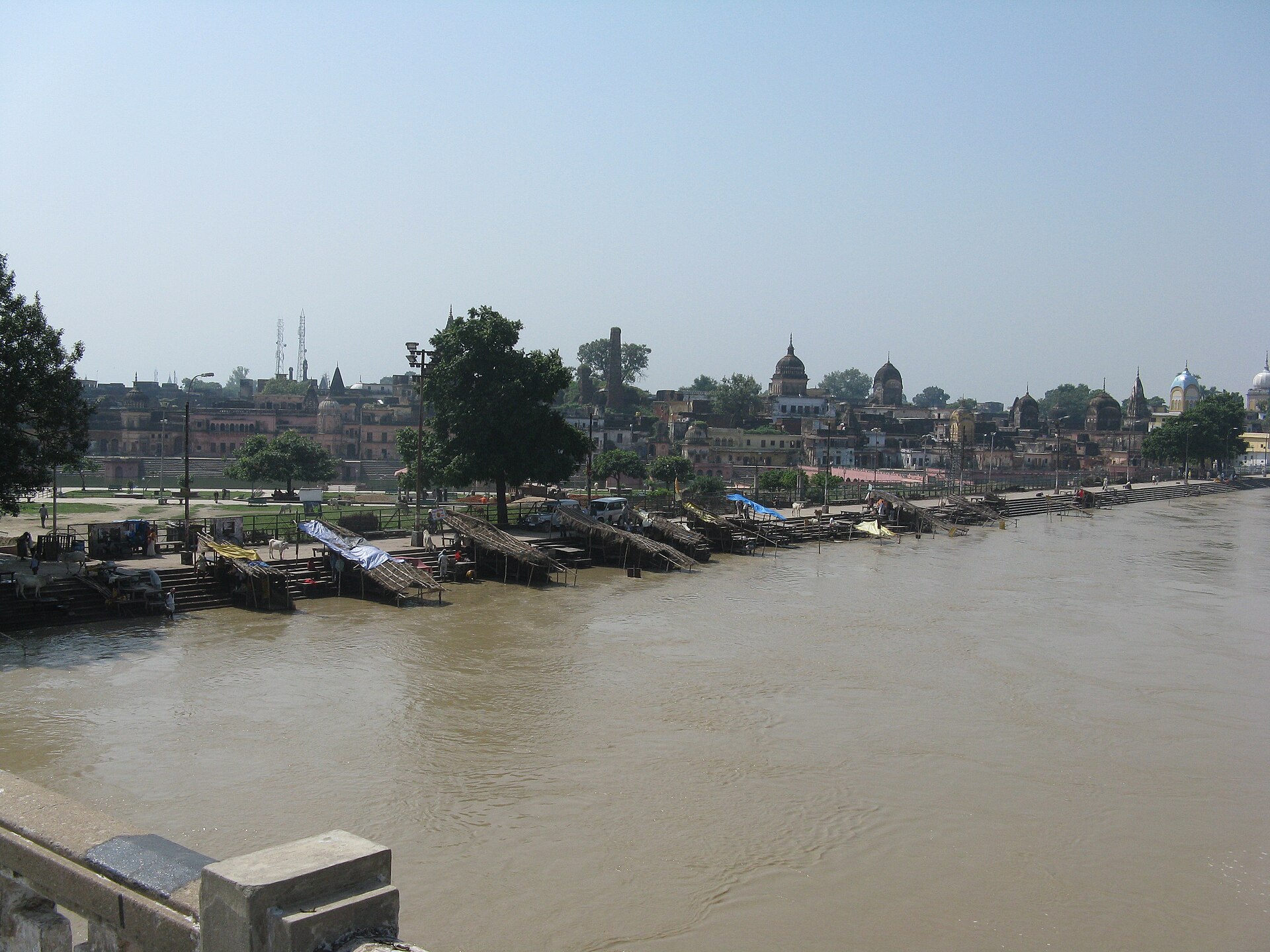
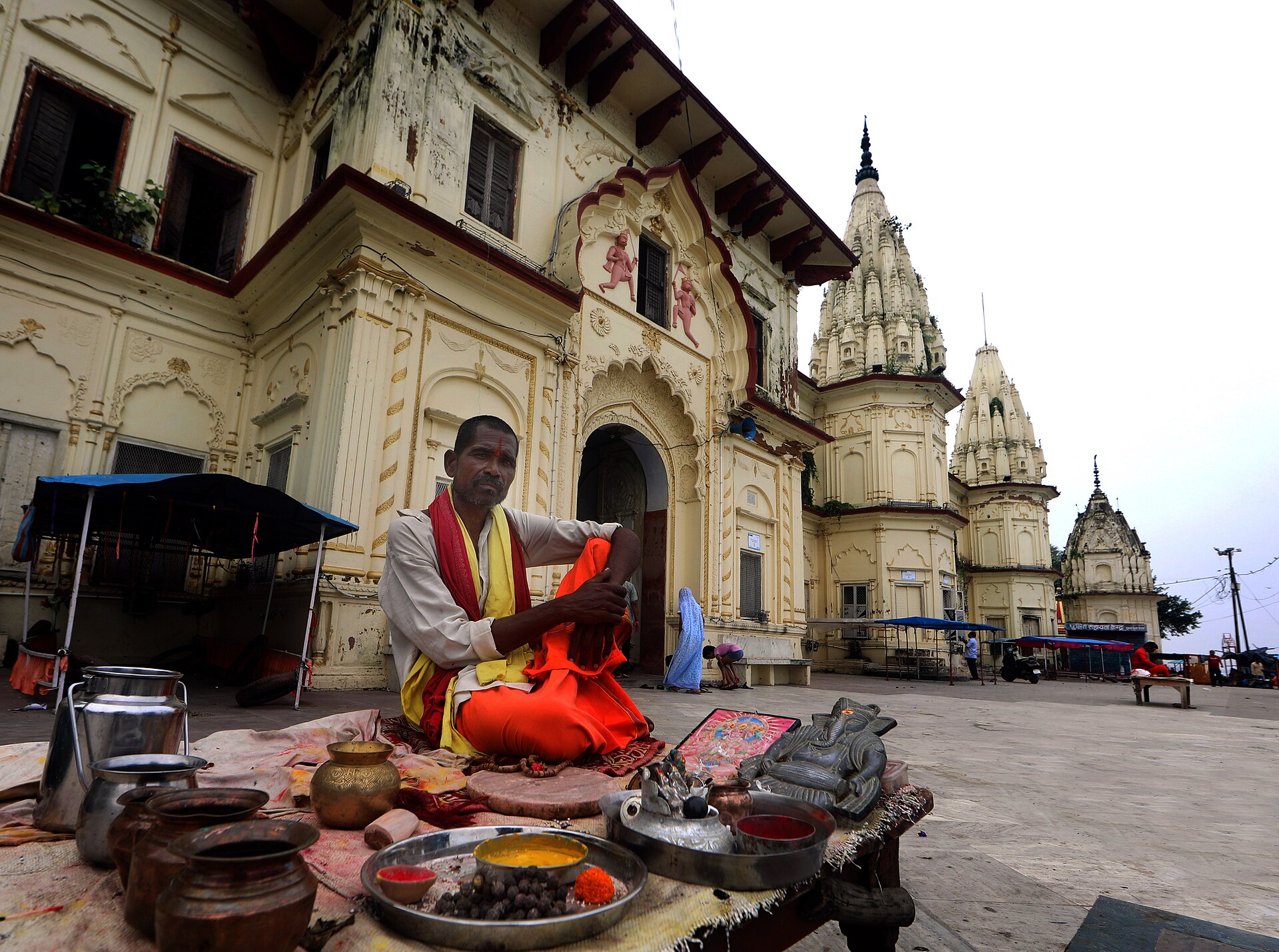
An ancient city on the Saryu river, revered by Hindus as the birthplace of Lord Rama, with the new Shri Ram Janmabhoomi temple, Hanuman Garhi, Kanak Bhawan, riverside ghats and the Deepotsav festival of lamps at Diwali.

Favourite places

  • Shri Ram Janmabhoomi Mandir

    Ram Janmabhoomi, central Ayodhya

    The new stone temple in the traditional Nagara style, with carved pillars and the image of Ram Lalla (Rama as a child) in the sanctum. Security is strict; check darshan timings before going.

    Open in Google Maps (opens in a new tab)
  • Gulab Bari and Bahu Begum ka Maqbara

    Faizabad (Ayodhya Cantt)

    Two monuments of the Nawabs of Awadh in neighbouring Faizabad: a rose-garden tomb and the domed mausoleum of Bahu Begum.

    Open in Google Maps (opens in a new tab)

Local food

  • Satvik thali

    Ayodhya, India

    Pure vegetarian food without onion and garlic, cooked for pilgrims: dal, seasonal vegetables, rice, roti, curd and a sweet. The food of ashrams, dharamshalas and bhojanalayas in the temple towns.

  • Kachori and aloo sabzi

    Ayodhya, India

    Deep-fried pastry rounds stuffed with spiced lentils, served with a tangy potato curry and pickles. The standard breakfast of the pilgrim towns on the Ganga and of old Uttar Pradesh bazaars — Haridwar, Prayagraj and Mathura each have their own version.Read more
  • Lassi

    Ayodhya, India

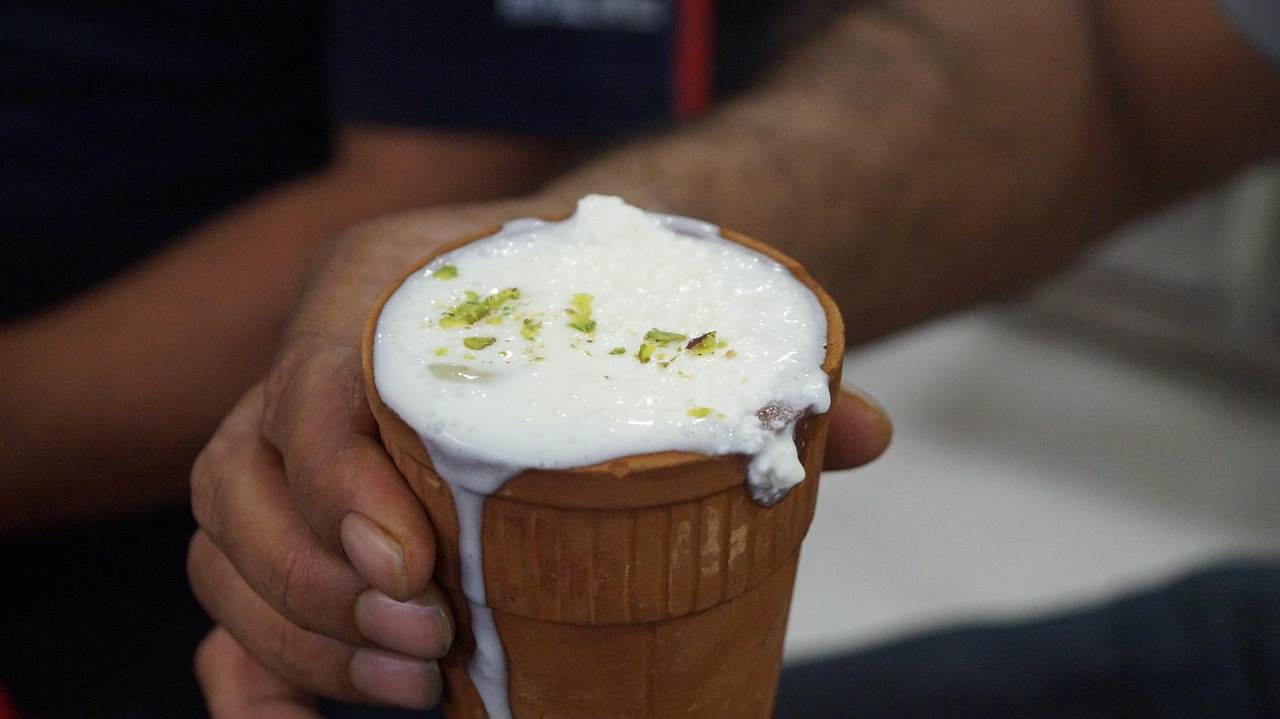
    Thick churned yoghurt drink, sweet or salted, often topped with a layer of cream (malai) and served in a clay cup. Punjab and the Braj country around Mathura are particularly proud of theirs.

  • Masala chai

    Ayodhya, India

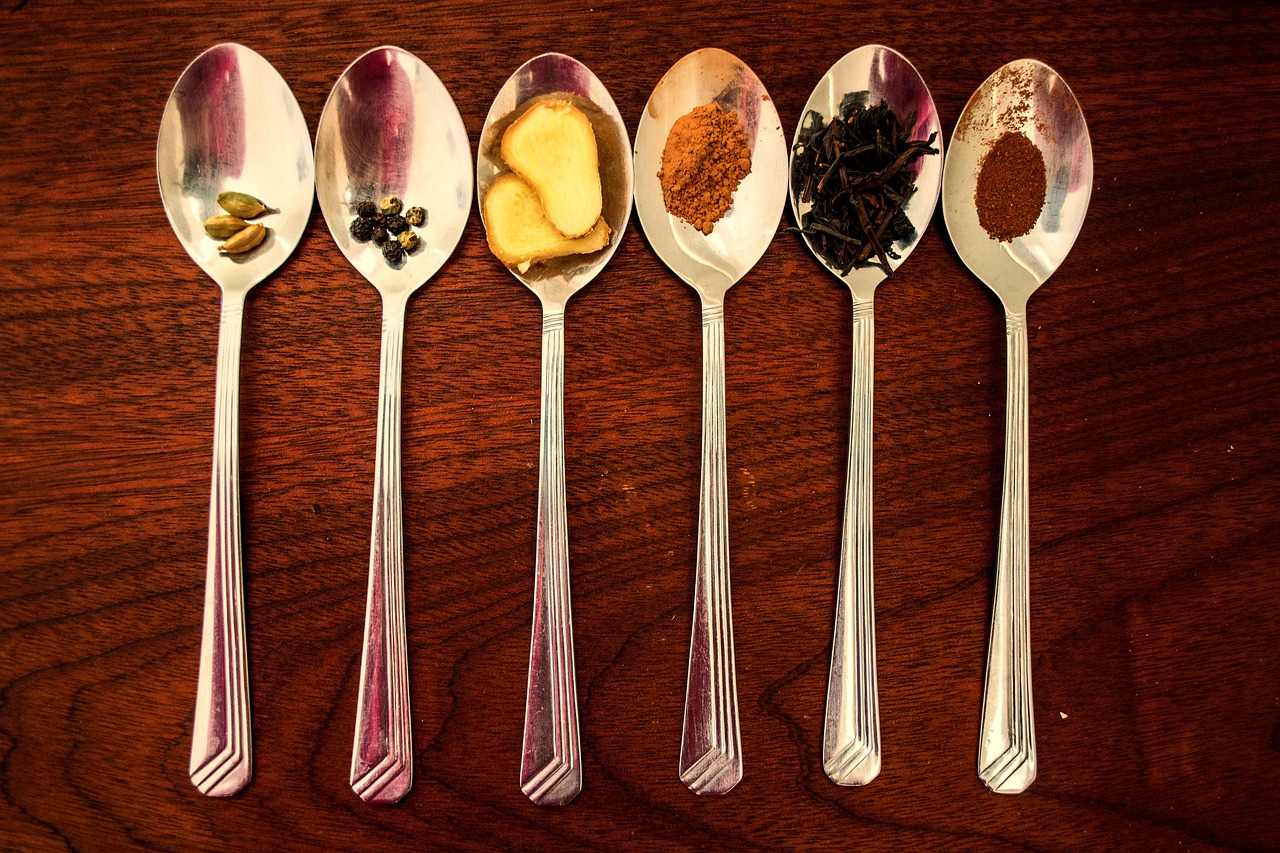
    Black tea boiled with milk, sugar, ginger and cardamom and poured into small glasses or clay cups (kulhads) at roadside stalls all day long.

Where to eat

Where to stay

Culture

Ayodhya's life is devotional: bhajans and Ramayana recitations, sadhus and pilgrims bathing in the Saryu, evening Saryu aarti at the ghats. The Deepotsav at Diwali lights the ghats with lakhs of earthen lamps, and Ram Navami, Rama's birthday, is the year's great festival. The town has hundreds of temples and maths (monasteries) of different traditions, as well as Jain temples.

History

Ayodhya is one of the seven sacred cities of Hinduism. In the Ramayana it is the capital of the kingdom of Kosala and the birthplace of Lord Rama. The city, also known in early texts as Saketa, is important to Jains as the birthplace of several Tirthankaras, and the Buddha is said to have stayed in the area.

Over the centuries it was ruled by many dynasties, and in the 18th century it lay at the heart of the Nawabs of Awadh's territories, whose early capital was neighbouring Faizabad. The site revered as Rama's birthplace was the subject of a long dispute; after the Supreme Court of India ruled on it in 2019, the new Shri Ram Janmabhoomi Mandir was built and consecrated in January 2024.

The city has since gained a new airport, a rebuilt railway station and wider roads, and receives very large numbers of pilgrims.

Tour plans

A day in Ayodhya

1 day
  1. Step 1: Morning at the Saryu

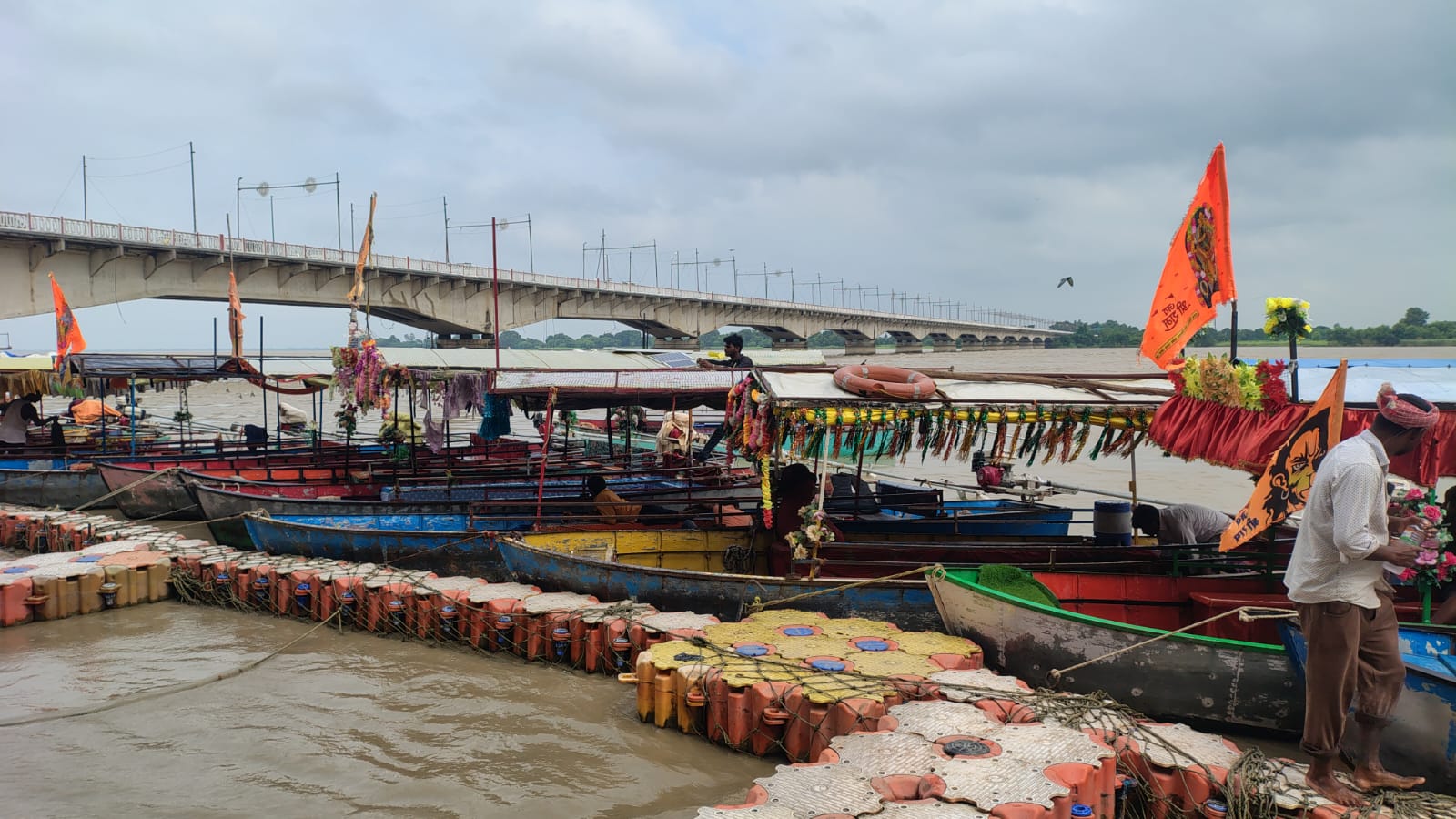
    A dip or a walk at Ram ki Paidi at dawn.

  2. Step 2: Hanuman Garhi and the Ram temple

    Hanuman Garhi first, then darshan at the Ram Janmabhoomi temple.

  3. Step 3: Kanak Bhawan

    And other temples in the old town after lunch.

  4. Step 4: Saryu aarti

    Evening aarti on the ghats.

Map

Open in Google Maps (opens in a new tab)

Travel information

Best time to visit

October to March is the most comfortable. Diwali (Deepotsav) and Ram Navami (March–April) bring huge crowds. April to June is very hot.

How to get there

By air: Maharishi Valmiki International Airport (AYJ) has flights from Delhi, Mumbai and other cities. Lucknow (LKO), about 135 km away, has many more flights.

By train: Ayodhya Dham Junction has direct trains from Delhi, Lucknow, Varanasi and other cities, including Vande Bharat services; Ayodhya Cantt (the former Faizabad station) is nearby.

By road: about 135 km from Lucknow on the highway towards Gorakhpur; buses run from Lucknow, Prayagraj and Varanasi. Check current schedules before you travel.

Getting around

  • E-rickshaws and autos: the easiest way around the temple town.
  • On foot: the old town between Hanuman Garhi, Kanak Bhawan and Ram ki Paidi is walkable.
  • Traffic control: on festival days vehicles are stopped outside the centre; be ready to walk.

Travel tips

  • Temples and gurdwaras: take your shoes off before entering (shoe-keepers or racks are usually at the door). Cover shoulders and knees; at gurdwaras everyone covers their head — scarves are usually provided. Leather items are not allowed inside some temples. Ask before photographing people at prayer, and follow the signs on photography.
  • Money: the currency is the Indian rupee (INR). UPI phone payments are everywhere, cards work in hotels and larger shops; carry cash for small stalls, temples, rickshaws and hill towns. ATMs can run dry in remote places.
  • Visas: most visitors need an Indian visa or e-Visa — check the current rules for your passport before you travel.
  • Time zone: India Standard Time, UTC+5:30, all year.
  • Water: drink bottled or filtered water.
  • Vegetarian towns: meat, eggs and alcohol are not sold in the central pilgrimage areas — respect this, and do not bring them in.
  • Security at the Ram temple: phones, cameras, bags and many other items are not allowed inside; use the lockers provided or leave them at your hotel. Check current rules, darshan timings and any pass system before going.
  • Crowds: expect long queues on weekends and festivals; go early.
  • Respect: Ayodhya is a place of worship for millions — dress modestly and be considerate.

All destinations