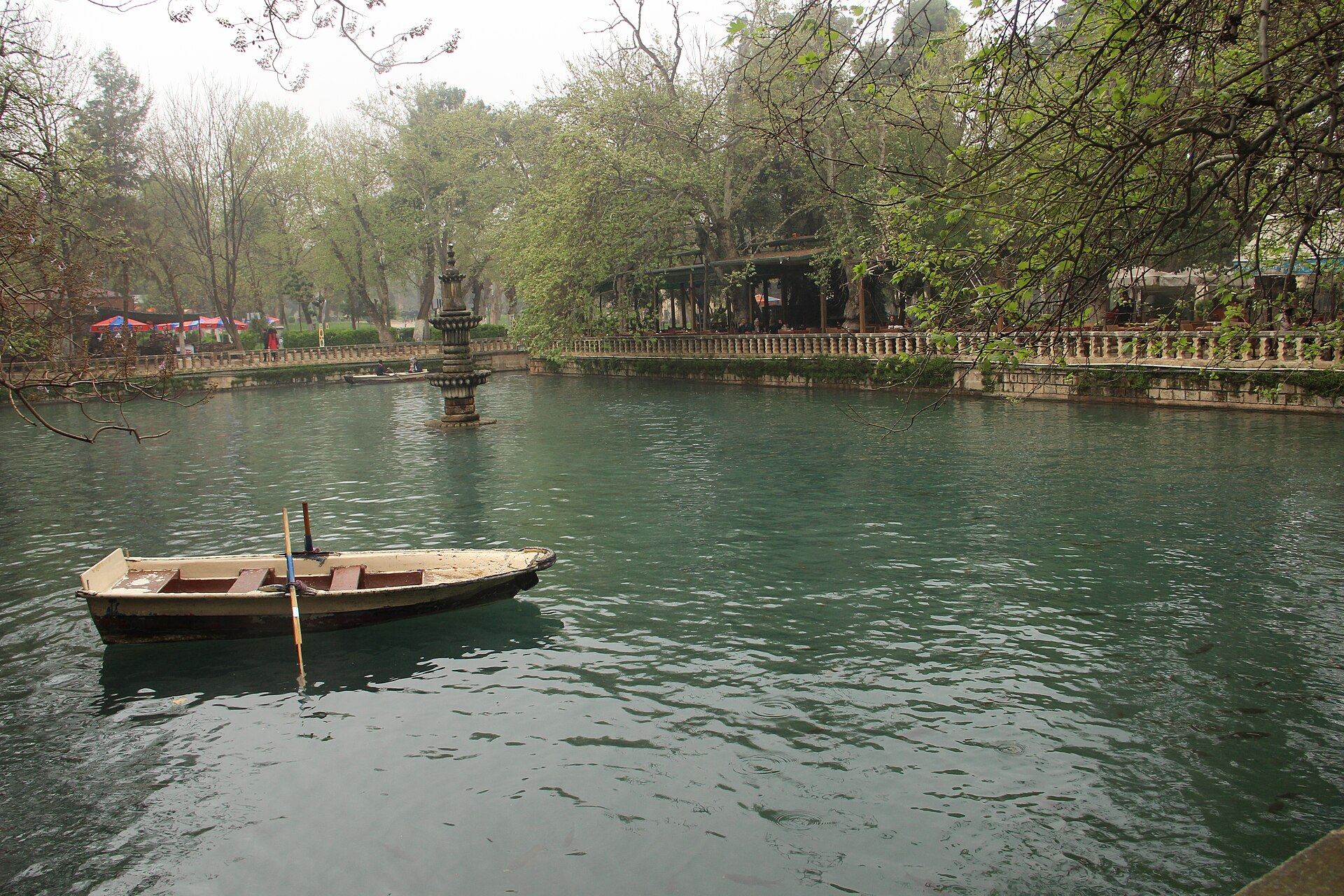
Halil-ür Rahman pool
Balıklıgöl
The long sacred pool of carp, lined by the mosque and arcades.
Open in Google Maps (opens in a new tab)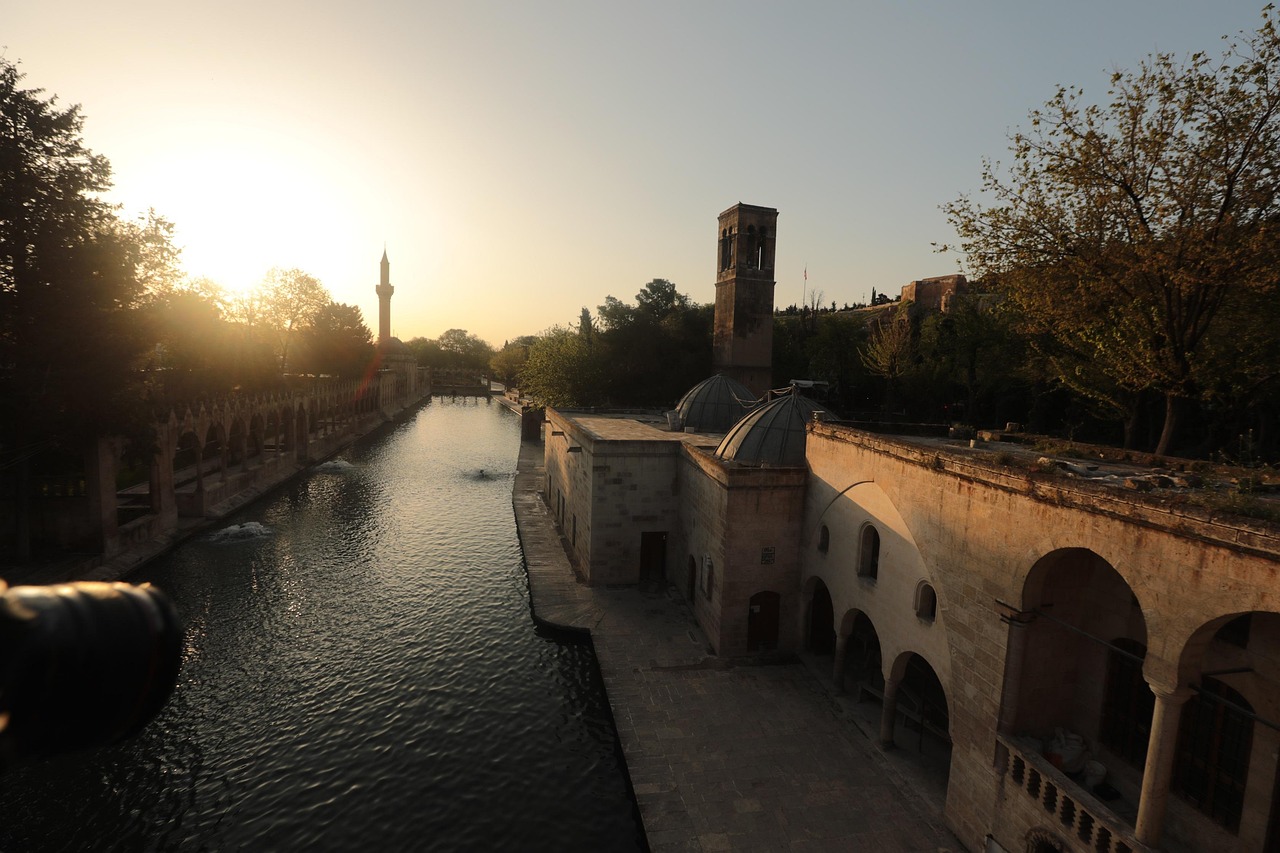
 Şanlıurfa, Türkiye
Sacred pools full of carp at the foot of the castle, where by tradition the fire into which Abraham was thrown turned to water — the spiritual heart of Şanlıurfa, with mosques, gardens and the cave said to be his birthplace.
Balıklıgöl
The long sacred pool of carp, lined by the mosque and arcades.
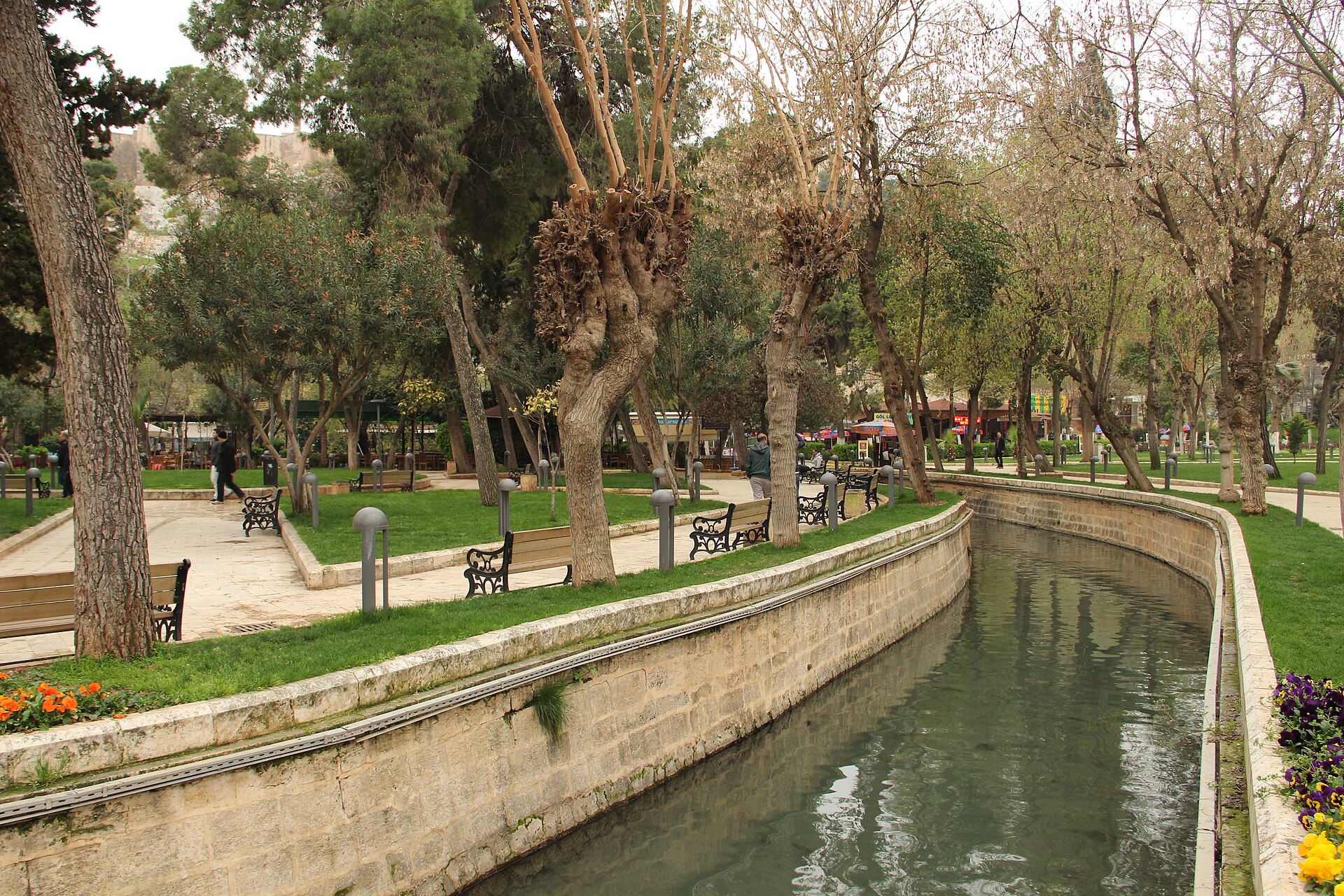
Open in Google Maps (opens in a new tab)Gardens beside Balıklıgöl
A smaller pool linked by legend to Nimrod's daughter Zeliha.
Open in Google Maps (opens in a new tab)South of the pools
The cave believed to be the birthplace of Abraham, visited in prayer.
Open in Google Maps (opens in a new tab)North side of the pool
An Ottoman mosque and madrasa with a long arcade over the water.
Open in Google Maps (opens in a new tab)Hill above the pools
Old walls and the two antique columns, with views over the old city.
Open in Google Maps (opens in a new tab)
Şanlıurfa, Türkiye
Şanlıurfa, Türkiye
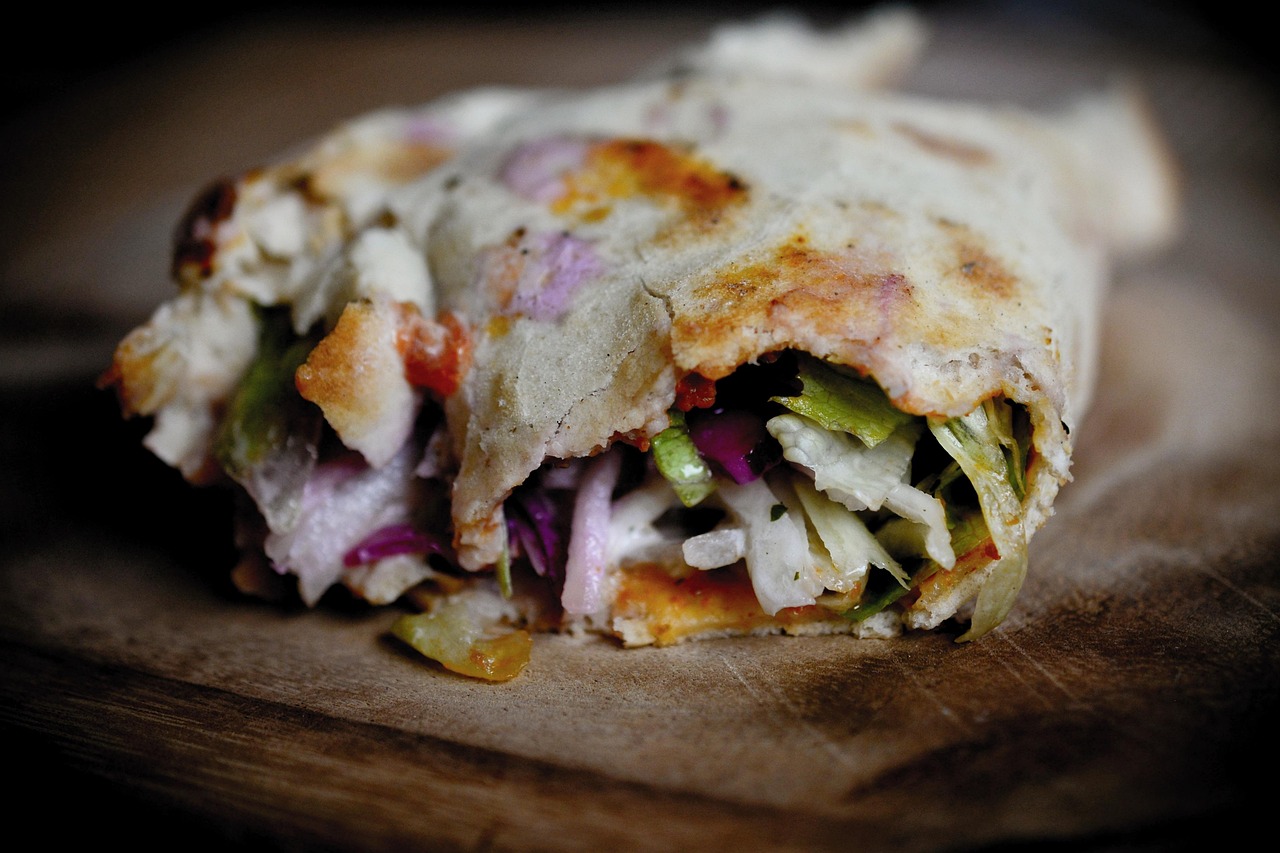
Thin round flatbread spread with minced meat, onion, tomato and pepper and baked quickly in a wood oven. Squeeze lemon over it, add parsley, roll it up and eat by hand.
Şanlıurfa, Türkiye
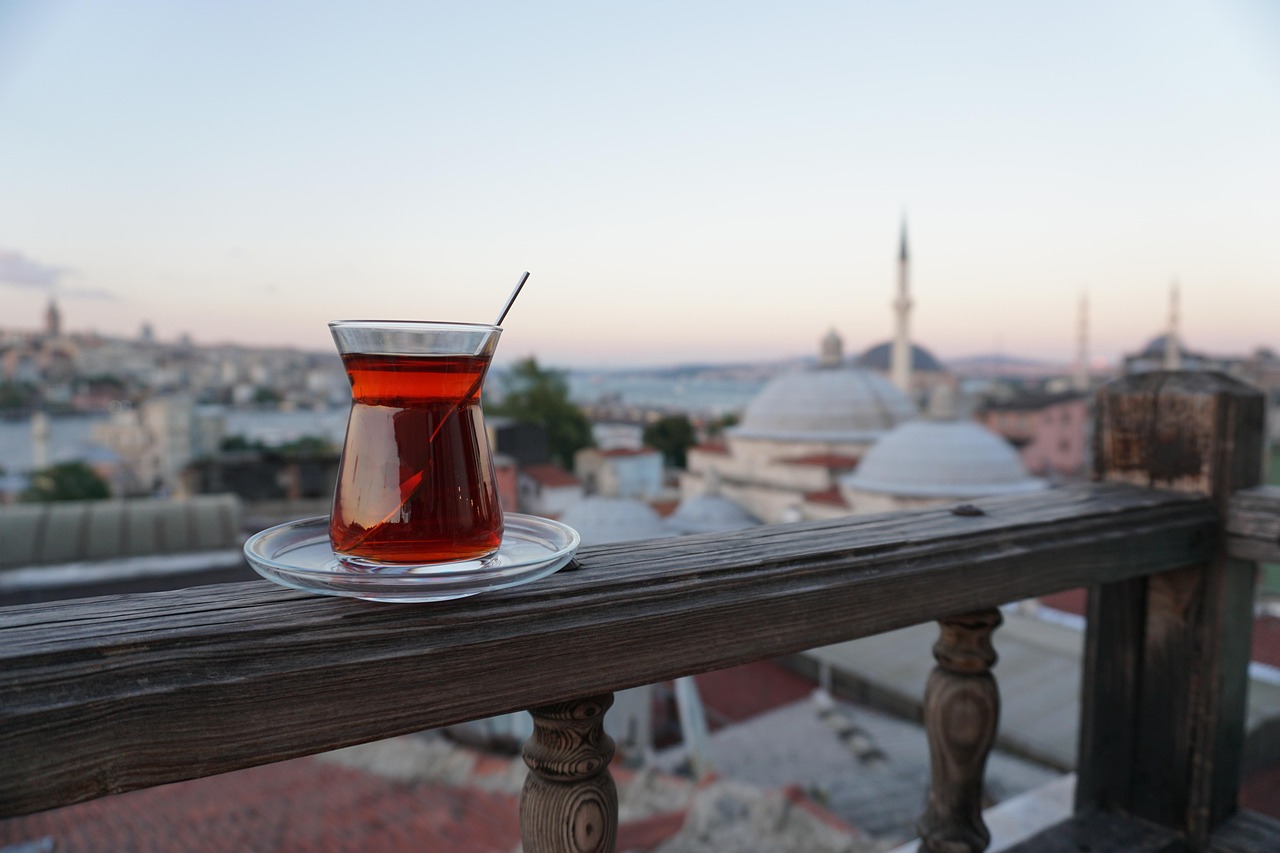
Strong black tea brewed in a double teapot and served in small tulip-shaped glasses, all day long. In Urfa tea gardens it is often served very dark.
Between the Pool of Abraham and the covered bazaar
Kebab houses, lahmacun ovens, çiğ köfte shops and tea gardens. The courtyard of the old Gümrük Han is the classic place for tea or mırra.
Open in Google Maps (opens in a new tab)Restored stone mansions in the old town
Old courtyard houses turned into restaurants, where you sit on floor cushions for kebab and, on many evenings, a sıra gecesi — a traditional evening of Urfa music and food. Ask your hotel which are running.
Open in Google Maps (opens in a new tab)Şanlıurfa, Türkiye
Restored stone mansions (konak) and guest houses with courtyards, a short walk from the Pool of Abraham and the bazaar. The most atmospheric base.
Open in Google Maps (opens in a new tab)Balıklıgöl is a place of pilgrimage for Muslims and of deep respect for many others. Mosques are open to respectful visitors outside prayer times. Dress modestly: men in long trousers; women with arms and legs covered and a headscarf (scarves are often lent at the door). Take your shoes off before the carpet, keep your voice low, and do not walk in front of people who are praying. Şanlıurfa is a conservative and deeply religious city, known in Türkiye as "the city of prophets". Arabic, Kurdish and Turkish are all spoken. Dress modestly everywhere (shoulders and knees covered; women may want a scarf for mosques and the Balıklıgöl area), ask before photographing women, and expect great hospitality — tea is offered often.
Local tradition tells that King Nimrod had Abraham (Ibrahim) catapulted from the hill above into a great fire, and that God turned the fire into water and the logs into fish. The long pool of Balıklıgöl (Halil-ür Rahman lake) and the smaller Ayn Zeliha pool are filled with carp considered sacred — nobody catches or eats them.
Around the pools stand the Halil-ür Rahman Mosque, rebuilt in the 13th century on an older site, the Rızvaniye Mosque and madrasa of the Ottoman era, and the Mevlid-i Halil Mosque beside the cave where Abraham is believed to have been born. The two Corinthian columns on the castle hill above are known locally as "Nimrod's throne".
Walk around Halil-ür Rahman and feed the carp.
Visit the Mevlid-i Halil Mosque and cave.
Rest by the smaller pool.
Climb for the view over the old city.
Morning or early evening, when families stroll by the water. Fridays and holidays are busiest.
In the old city, south of the centre; walk from old-town hotels or take a taxi to the Balıklıgöl area.
On foot. The pools, mosques, cave and gardens are close together; the bazaar is a short walk north and the castle is up the stairs behind.