The Medusa heads
North-west corner
Two carved Roman heads of Medusa reused as column bases, one sideways and one upside down.
Open in Google Maps (opens in a new tab)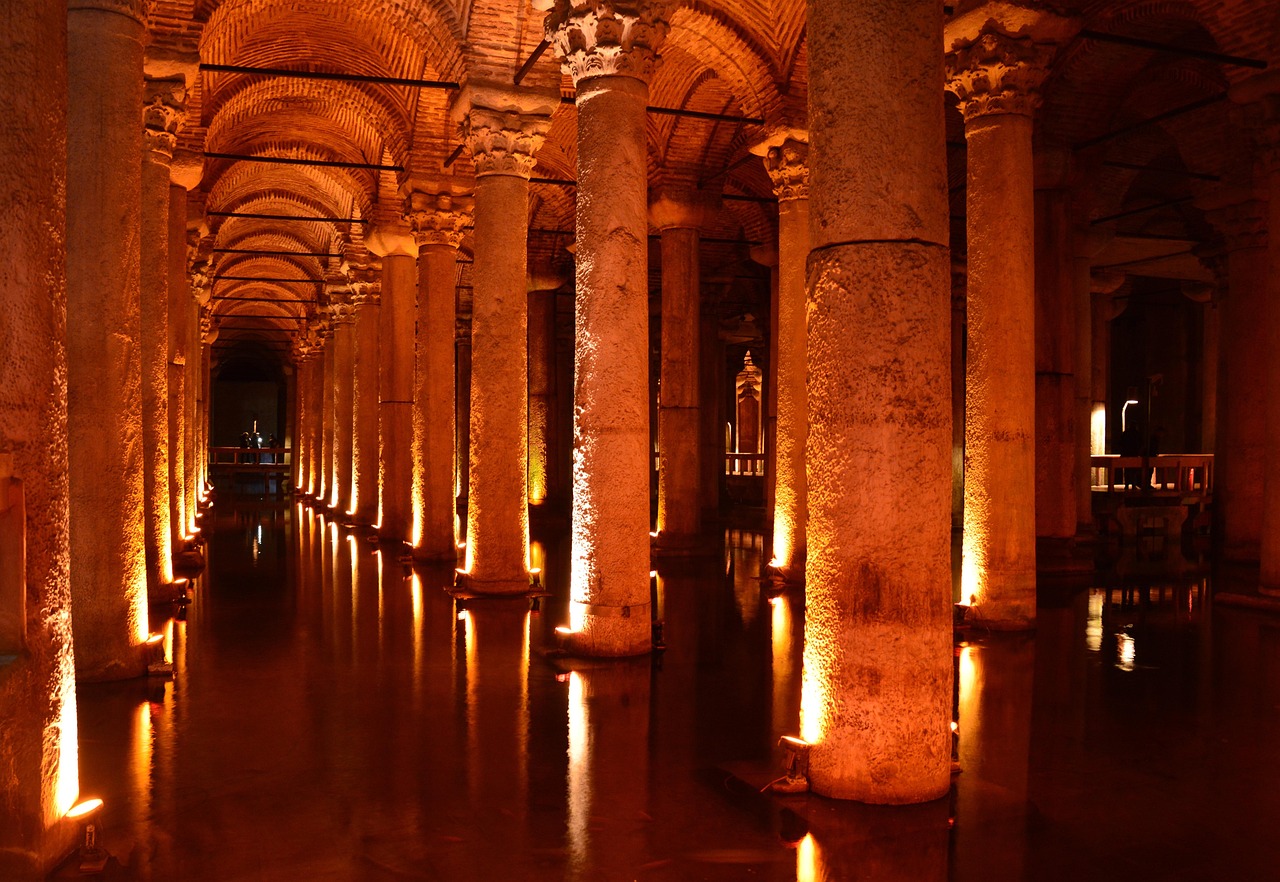
 Istanbul, Türkiye
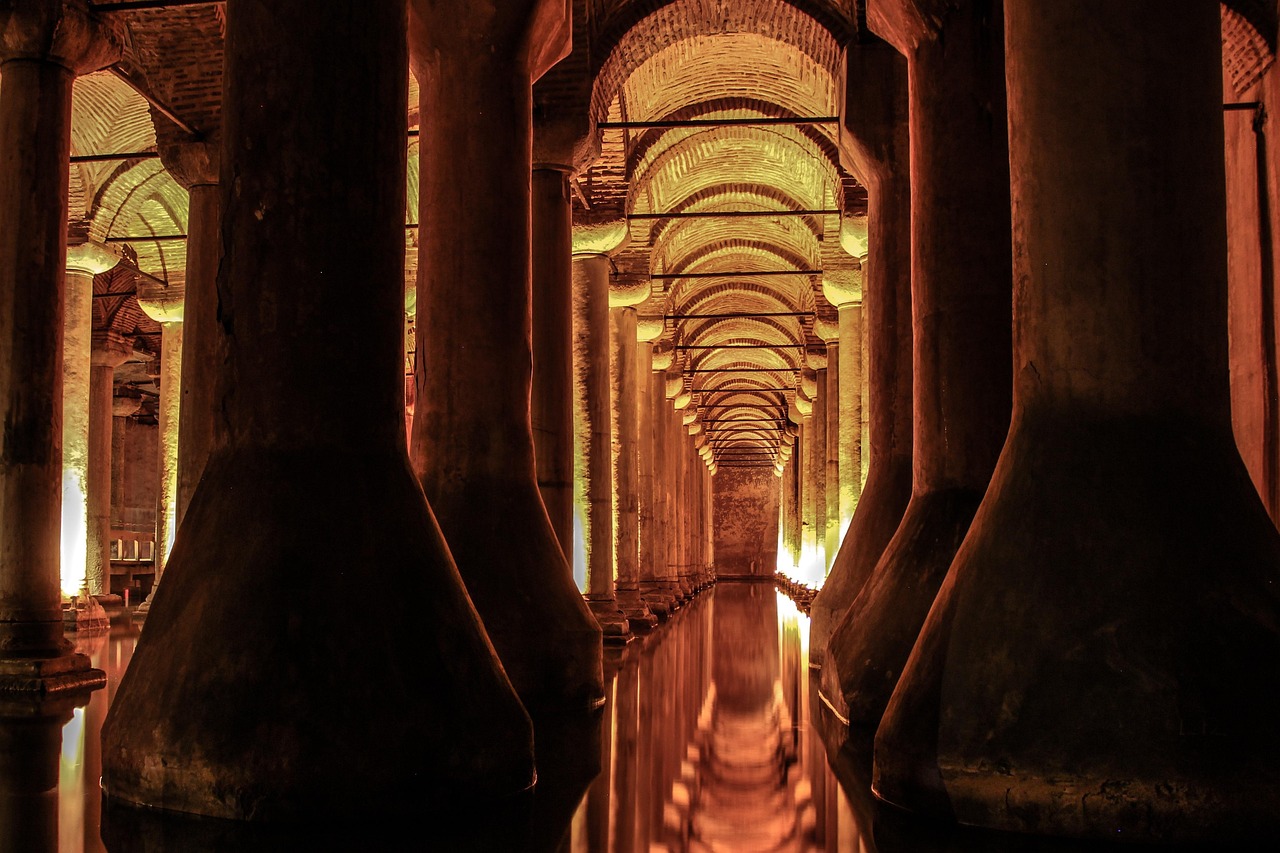
A vast 6th-century underground reservoir beside Hagia Sophia, its forest of marble columns lit above shallow water — and the two mysterious Medusa heads at its far end.
North-west corner
Two carved Roman heads of Medusa reused as column bases, one sideways and one upside down.
Open in Google Maps (opens in a new tab)Centre of the cistern
A column carved with tear-like patterns, often wet to the touch.
Open in Google Maps (opens in a new tab)Throughout
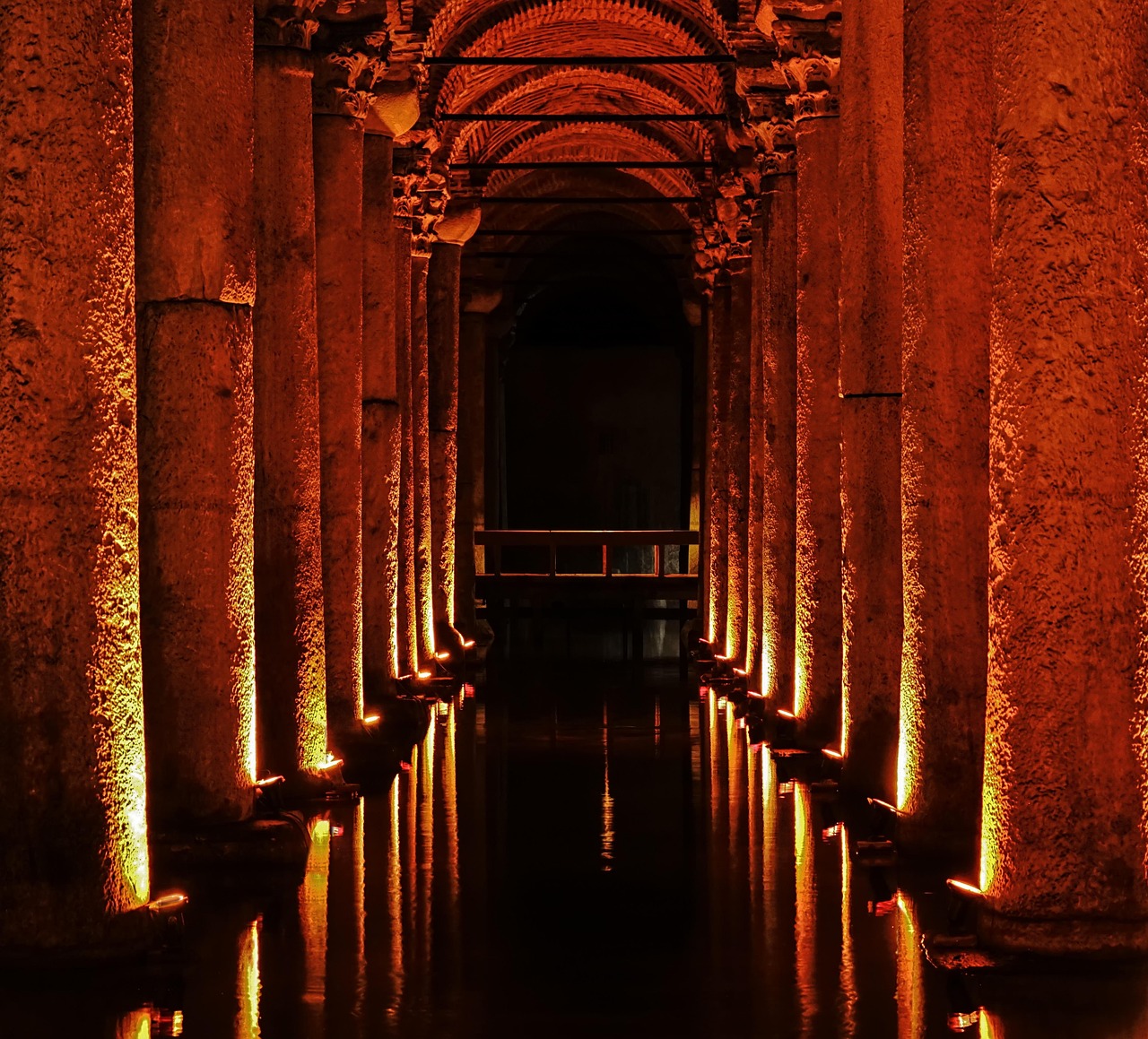
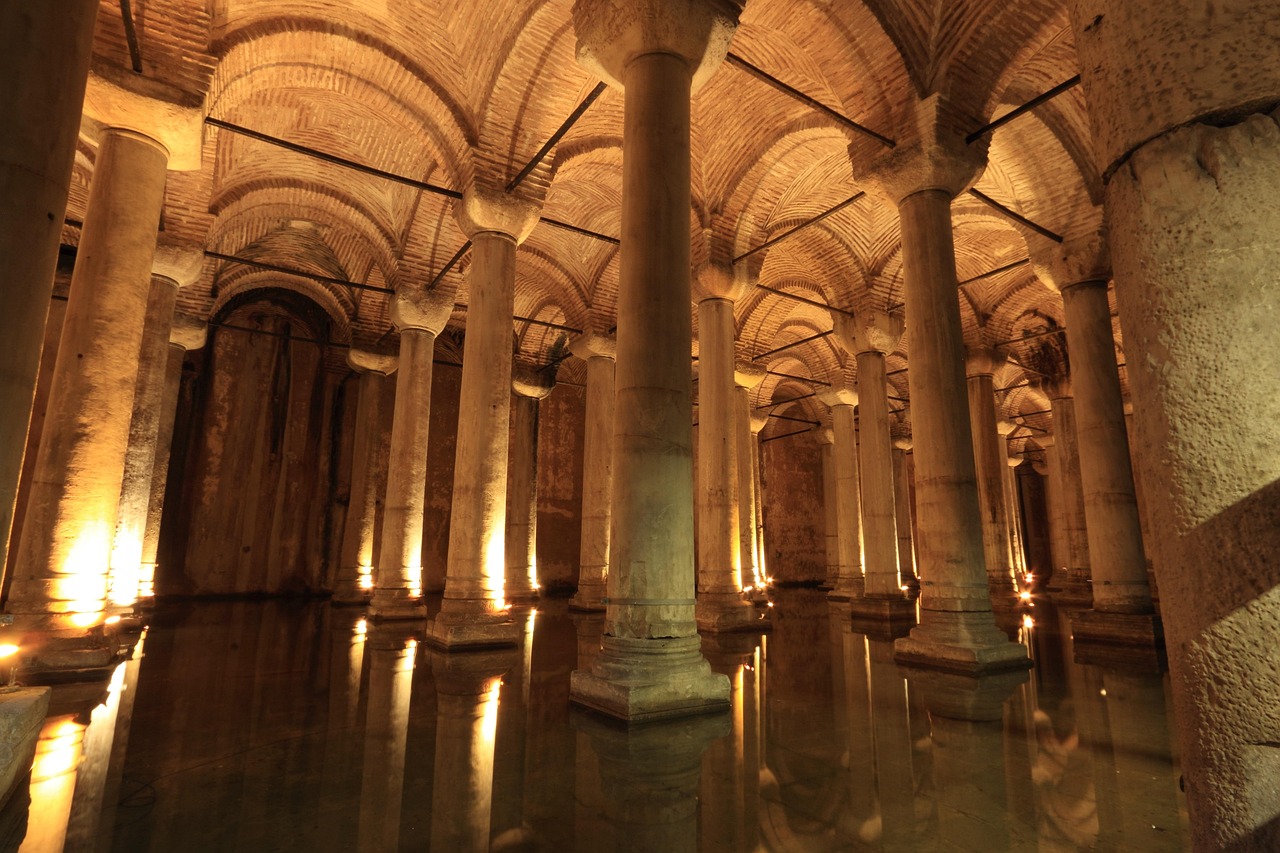
Rows of marble columns reflected in the water under softly lit brick vaults.
Open in Google Maps (opens in a new tab)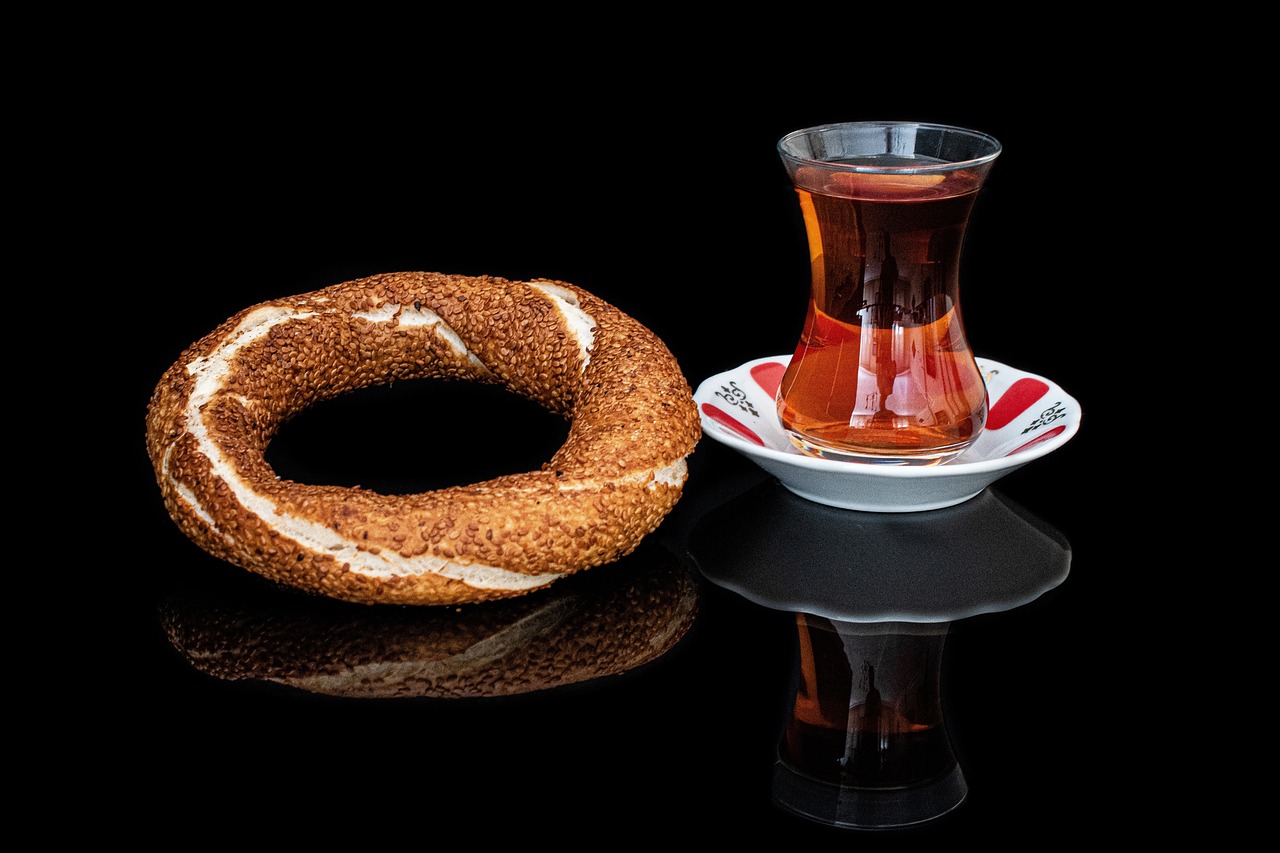
Istanbul, Türkiye
A ring of bread dipped in grape molasses and crusted with sesame seeds, sold from red street carts and bakeries all over Türkiye. Eaten on the go in the morning, plain or with cheese, and best with a glass of tea.
Istanbul, Türkiye
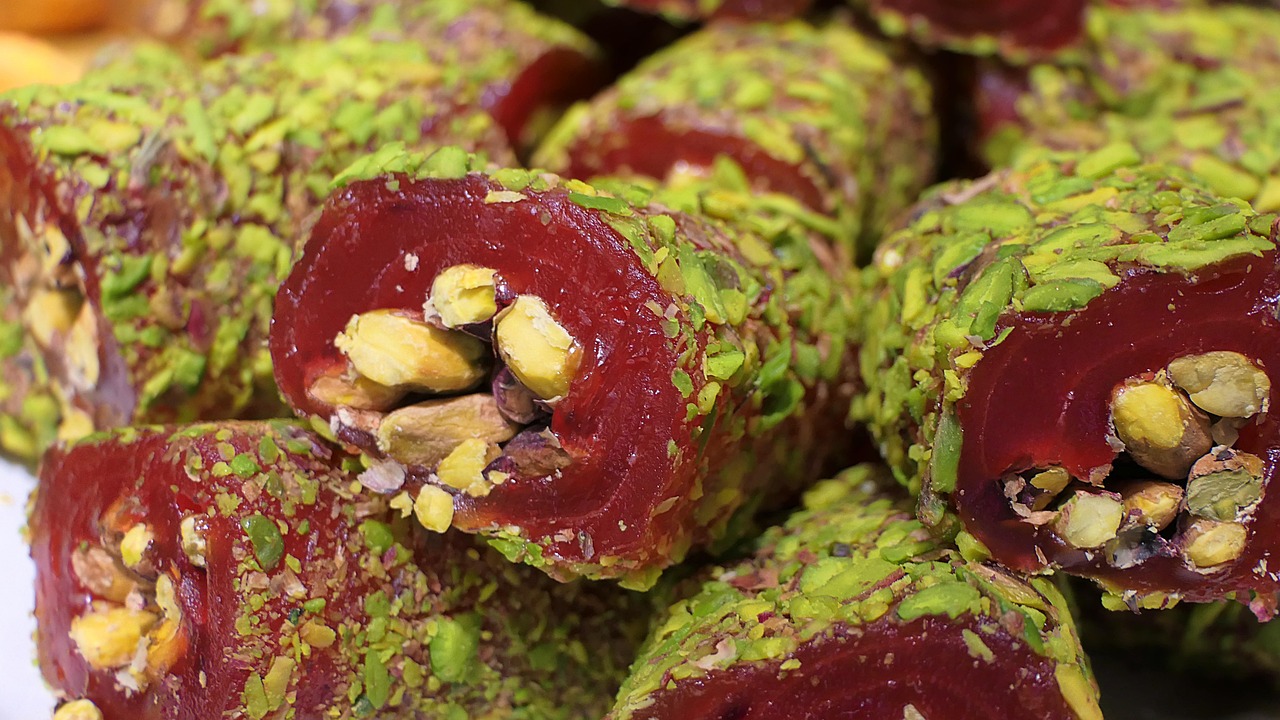
Soft cubes of starch and sugar gel flavoured with rose, lemon, pistachio or hazelnut and dusted with powdered sugar. Istanbul confectioners have made it for centuries; a box is the classic gift to take home.
Istanbul, Türkiye
Sultanahmet, along Divan Yolu Street
Eminönü, by the Galata Bridge and the Spice Bazaar
Istanbul, Türkiye
The historic peninsula itself: Hagia Sophia, the Blue Mosque, Topkapı and the Basilica Cistern within walking distance. Mostly small and mid-range hotels in old townhouses; quiet in the late evening.
Open in Google Maps (opens in a new tab)Istanbul, Türkiye
Just downhill from Sultanahmet, by the ferry piers, the tram and the Marmaray rail line. Many hotels, close to the Spice Bazaar and the Bosphorus ferries.
Open in Google Maps (opens in a new tab)The cistern has become one of Istanbul's most atmospheric spaces, used for concerts and exhibitions and as a film location. Many legends surround the two Medusa heads, set sideways and upside down as column bases — no one knows for sure why.
The Basilica Cistern (Yerebatan Sarnıcı, "the sunken palace") was built in the 6th century under Justinian to store water for the Great Palace and the buildings around it. Water came from far outside the city through aqueducts. Its brick vaults rest on 336 columns, many of them reused from older buildings, which explains their different styles.
After the Ottoman conquest the cistern was largely forgotten until the 16th century, when locals were found drawing water — and even fish — through holes in their basements. Restored several times, it reopened after a major restoration in 2022, with walkways, lighting and art installations.
Walk to the Medusa heads and back.
The Byzantine zero-mile marker by the cistern entrance.
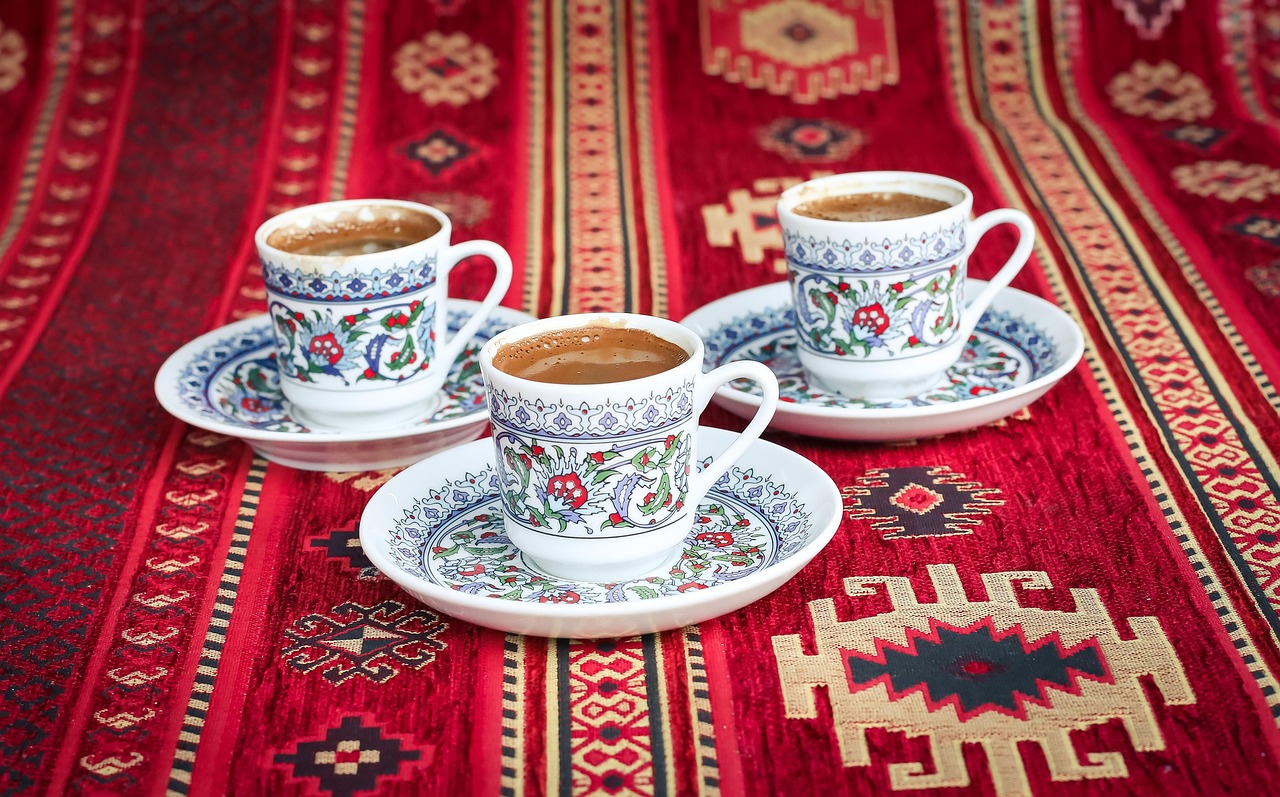
Turkish coffee and lokum on Divan Yolu.
All year — it is cool underground even in summer. Go early or late in the day to avoid queues; evening sessions may be offered, check before going.
In Sultanahmet: take the T1 tram to Sultanahmet; the entrance is a small building on the corner of Yerebatan Street, across the road from Hagia Sophia.