Dwarka

Dwarka, India

Dwarka

The ancient kingdom of Lord Krishna on Gujarat's western tip: the towering Dwarkadhish Temple above the Gomti river, Bet Dwarka island, the Nageshwar Jyotirlinga, and clean beaches at Shivrajpur — one of the four Char Dham pilgrimages.

Favourite places

  • Dwarkadhish Temple (Jagat Mandir)

    Old town, above Gomti Ghat

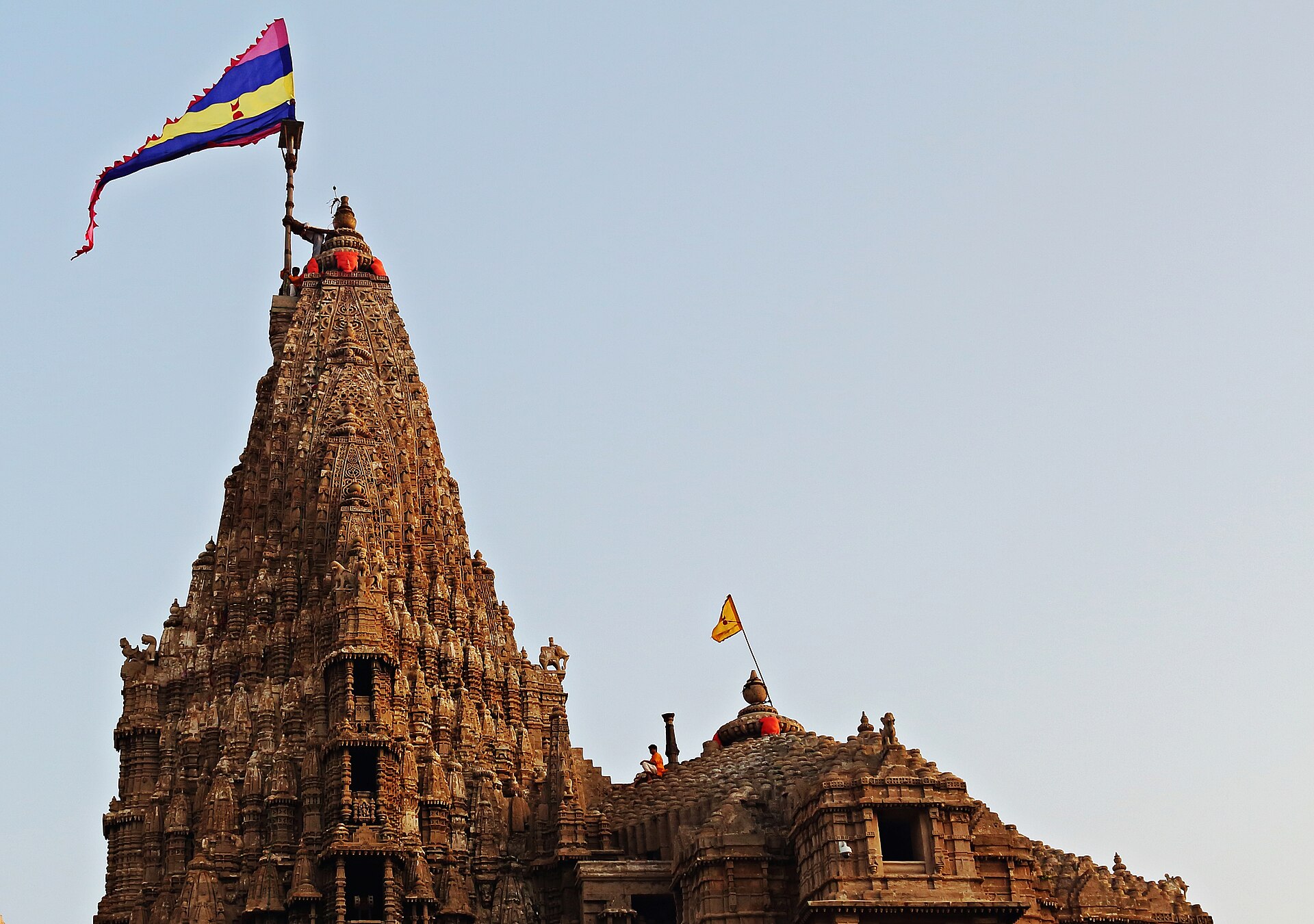
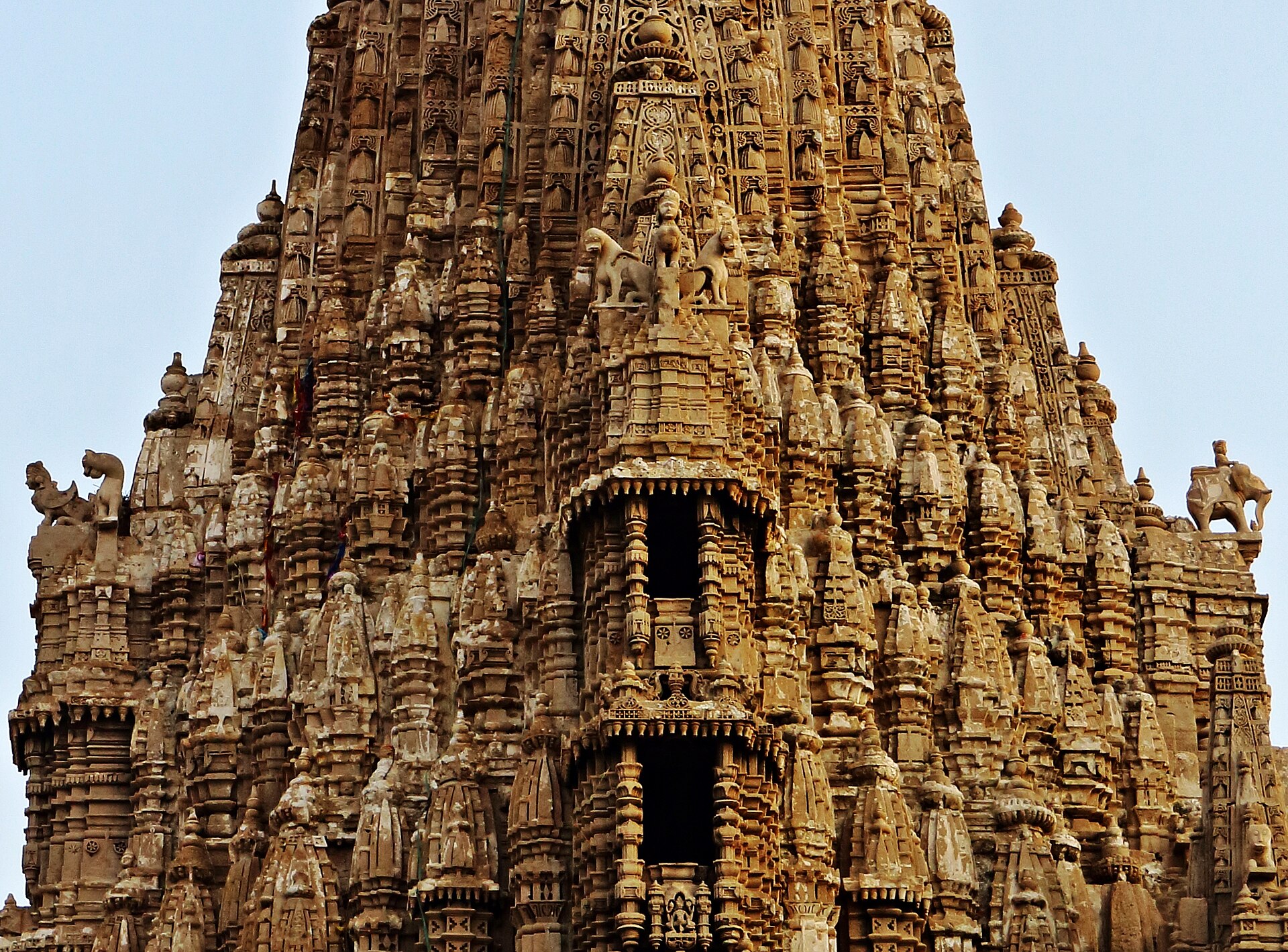
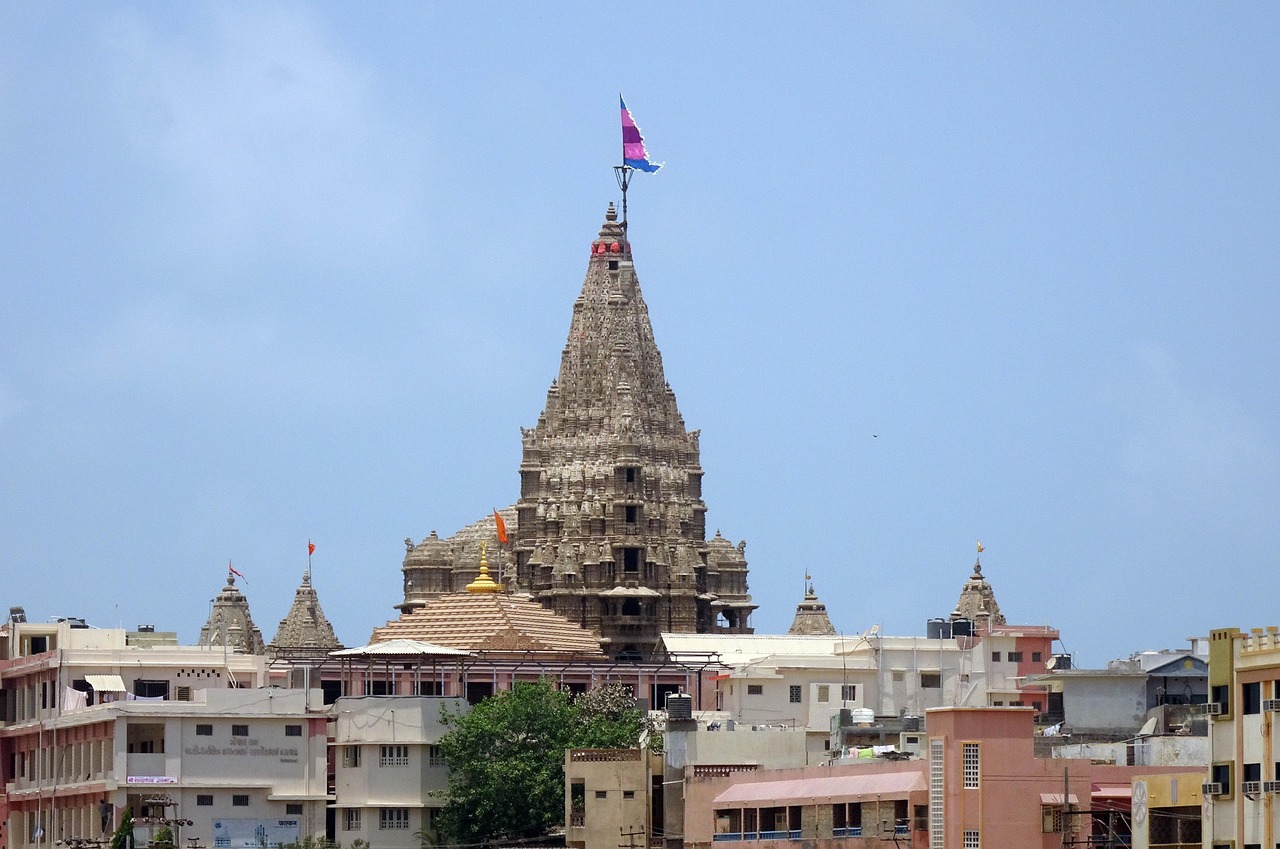
    A five-storey temple of carved limestone with a tall spire and a huge flag, dedicated to Krishna as the King of Dwarka. Enter by Moksha Dwar from the ghat side or Swarga Dwar.

    Open in Google Maps (opens in a new tab)
  • Bet Dwarka

    Island off Okha, about 30 km north

    An island believed to be the residence of Krishna, with temples, quiet beaches and dolphins sometimes seen from the shore.Read more

    How to get there: Over the Sudarshan Setu bridge from Okha, by taxi or bus.

    Open in Google Maps (opens in a new tab)

Historical places

Local food

  • Gujarati thali

    Dwarka, India

    A large steel plate refilled until you say stop: several vegetable dishes (shaak), sweet-and-sour dal, kadhi (yoghurt curry), rotli, rice, farsan (fried and steamed snacks), pickles and a sweet. Gujarati food is mostly vegetarian and balances sweet, sour and spicy in one meal.Read more
  • Kathiawadi food

    Dwarka, India

    The spicier cooking of Saurashtra: bajra rotla (millet flatbread) with white butter and jaggery, ringan no olo (smoky mashed aubergine), sev tameta (tomato curry with crisp sev), lasaniya bateta (garlic potatoes), and chaas (buttermilk) to cool it all down.Read more
  • Dhokla and khandvi

    Dwarka, India

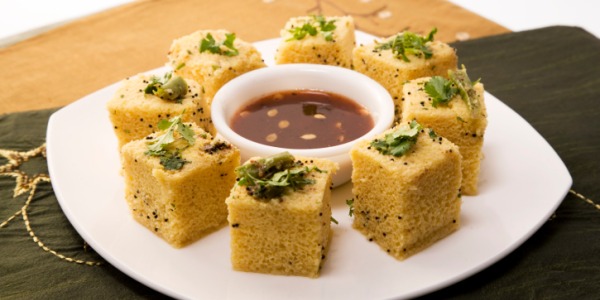
    Steamed savoury cakes of fermented gram flour (dhokla, and its softer cousin khaman), and tight rolls of gram-flour sheets (khandvi), both tempered with mustard seeds, curry leaves and green chillies. Eaten for breakfast or as a snack with green chutney.Read more
  • Masala chai

    Dwarka, India

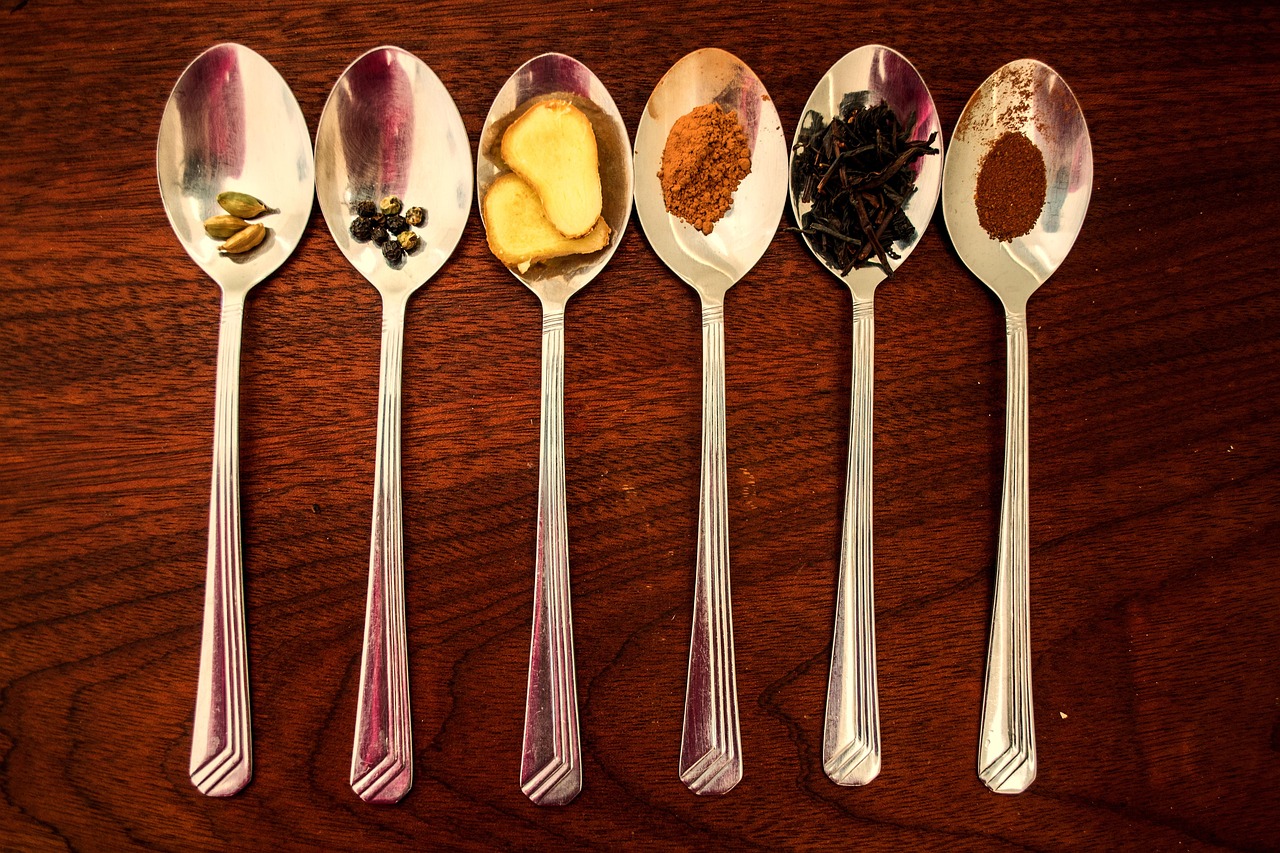
    Strong black tea boiled with milk, sugar and spices such as ginger and cardamom, poured into small cups at roadside stalls all day. In Gujarat it is often very sweet and served in saucer-sized portions.

Where to eat

Where to stay

Culture

Dwarka lives by the rhythm of the temple. Bells, conch shells and bhajans fill the day, pilgrims bathe at Gomti Ghat and walk up the 56 steps to the temple, and the great flag on the spire is changed in a daily ritual sponsored by devotees.

Festivals such as Janmashtami and Holi bring huge crowds, and the coast around Okha is home to fishing communities and the Rabari and Ahir pastoral communities, known for their embroidery.

History

In Hindu tradition Dwarka was the capital founded by Lord Krishna after he left Mathura, a golden city that was later swallowed by the sea. It is one of the four Char Dham pilgrimage sites and one of the seven ancient holy cities (Sapta Puri).

The Dwarkadhish Temple (Jagat Mandir) stands on the north bank of the Gomti where it meets the sea. The present temple is generally dated to the 15th–16th centuries, built on much older foundations. The philosopher Adi Shankaracharya founded the Dwarka Sharada Peetham, one of his four monasteries, here.

Underwater explorations off Dwarka and Bet Dwarka have found ancient structures and artefacts, keeping alive the debate about the legendary city.

Tour plans

Dwarka pilgrimage

2 days, 1 night
  1. Step 1: Day 1 — Dwarkadhish

    Morning darshan at Dwarkadhish Temple, a walk along Gomti Ghat, the Rukmini Temple in the afternoon and evening aarti.

  2. Step 2: Day 2 — Nageshwar and Bet Dwarka

    Nageshwar Jyotirlinga, then over the Sudarshan Setu to Bet Dwarka, and a stop at Shivrajpur Beach on the way back.

Map

Open in Google Maps (opens in a new tab)

Travel information

Best time to visit

October to March. Janmashtami (Krishna's birthday, August or September) is the biggest festival — very crowded. Summers are hot and humid; the monsoon brings rough seas.

How to get there

By air: Jamnagar Airport (JGA), about 135 km away (around 2.5–3 hours by road), is the nearest with regular flights. Porbandar and Rajkot (HSR) are other options.

By train: Dwarka railway station is on the line to Okha, with direct trains from Ahmedabad, Rajkot, Jamnagar and Mumbai.

By road: highways connect Dwarka with Jamnagar, Porbandar and Somnath along the coast; buses run from Ahmedabad, Rajkot and Jamnagar.

Getting around

  • On foot and by auto-rickshaw in town; the main temple and Gomti Ghat are close together.
  • Bet Dwarka: about 30 km north, reached over the Sudarshan Setu bridge from Okha (opened 2024) — the old ferries from Okha jetty may also run.
  • Local tours: shared jeeps and taxis cover Nageshwar, Gopi Talav, Rukmini Temple and Bet Dwarka in half a day.

Travel tips

  • Temples, mosques and dargahs: take your shoes off before entering (racks or shoe-keepers are at the door). Cover shoulders and knees; at dargahs and many mosques both men and women cover their heads — scarves are often sold or lent at the entrance. Leather, phones and cameras are banned in some temples. Ask before photographing people at prayer.
  • Visas: most visitors need a visa; many nationalities can apply for an Indian e-Visa online. Check the current rules for your passport before you travel.
  • Money: the currency is the Indian rupee (INR). Cards work in hotels and larger restaurants; most small shops use UPI phone payments, which foreign visitors may not be able to use, so carry cash for rickshaws, markets and street food.
  • Health: drink bottled or filtered water, eat food cooked fresh in front of you, and carry sun protection — the west of India is very hot from April to June.
  • Touts: be polite but firm with people who offer "free" guides, say a site is closed or steer you to a shop. Agree taxi and guide prices before setting off.
  • Time zone: India Standard Time, UTC+5:30, all year.
  • Alcohol: Gujarat is a "dry" state — alcohol is prohibited. Visitors from outside the state can apply for a temporary liquor permit, usually through licensed shops in some larger hotels; check the current rules. Do not bring alcohol in from Daman, Diu or other states.
  • Food: most Gujarati food is vegetarian, and many restaurants serve no meat or eggs at all; non-vegetarian food is easier to find in the big cities.
  • Temple rules: phones, cameras and leather items are usually not allowed inside Dwarkadhish Temple; lockers are nearby. Temple timings include breaks in the afternoon — check before going. Rules for non-Hindu visitors may apply; ask at the temple office.
  • Flag ceremony: the temple's flag is changed several times a day; watching it is part of the visit.

All destinations