Library of Celsus
Lower part of the site
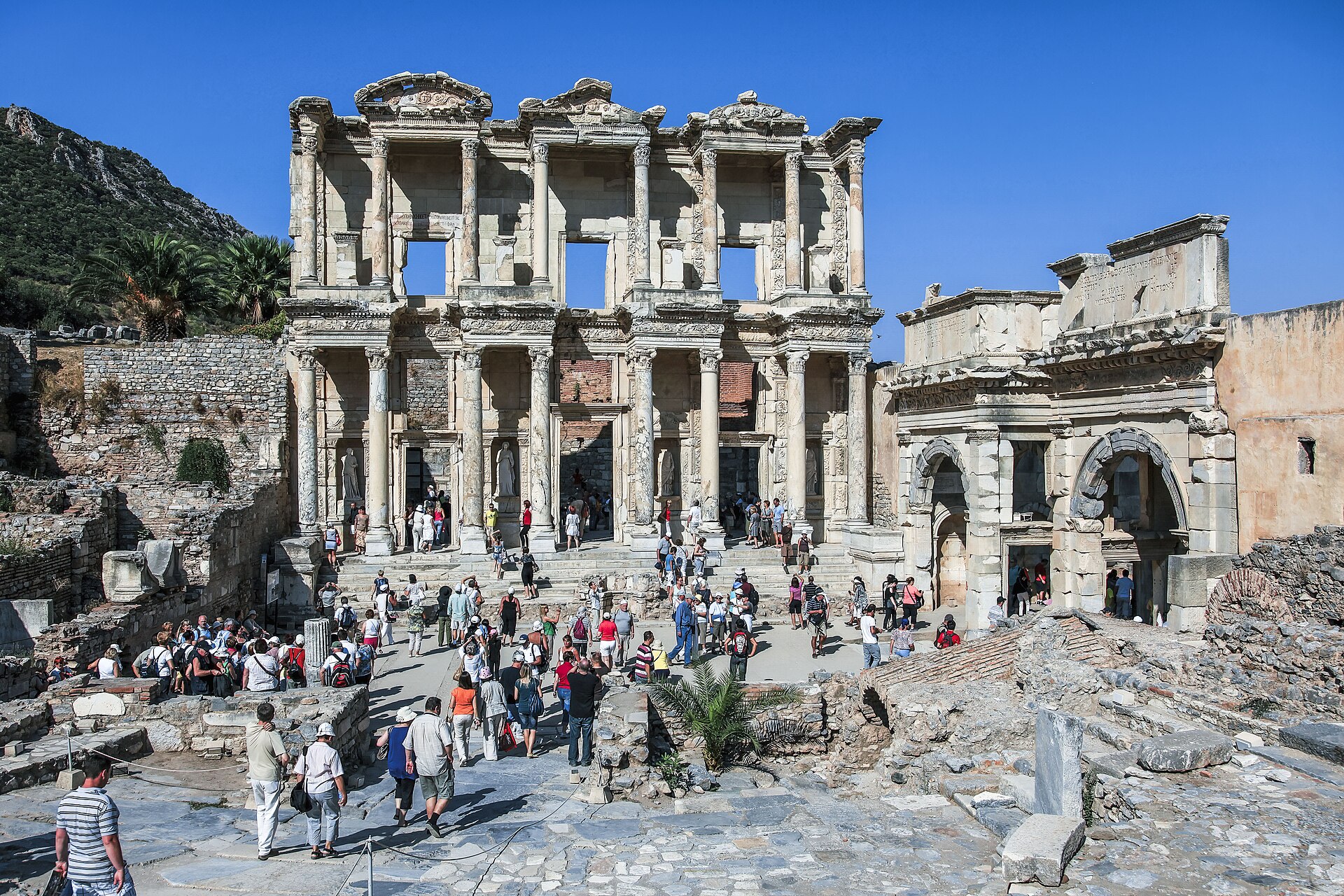
The two-storey marble façade of a Roman library, built in the 2nd century, the most photographed monument of Ephesus.
Open in Google Maps (opens in a new tab)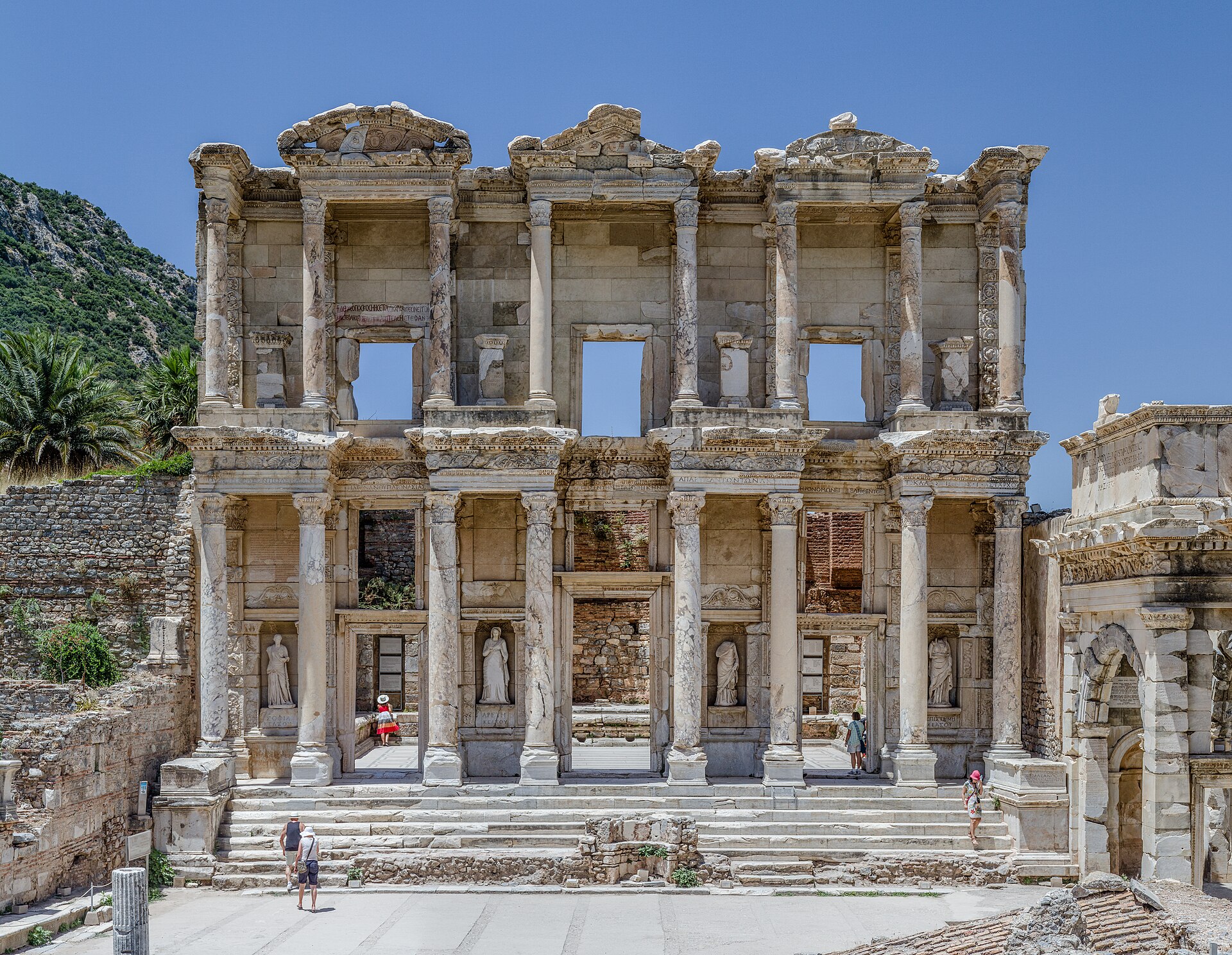
 Izmir, Türkiye
One of the best-preserved ancient cities of the Mediterranean, with the Library of Celsus, a great theatre and marble streets, next to the town of Selçuk, about an hour south of Izmir.
Lower part of the site
The two-storey marble façade of a Roman library, built in the 2nd century, the most photographed monument of Ephesus.
Open in Google Maps (opens in a new tab)Lower part of the site
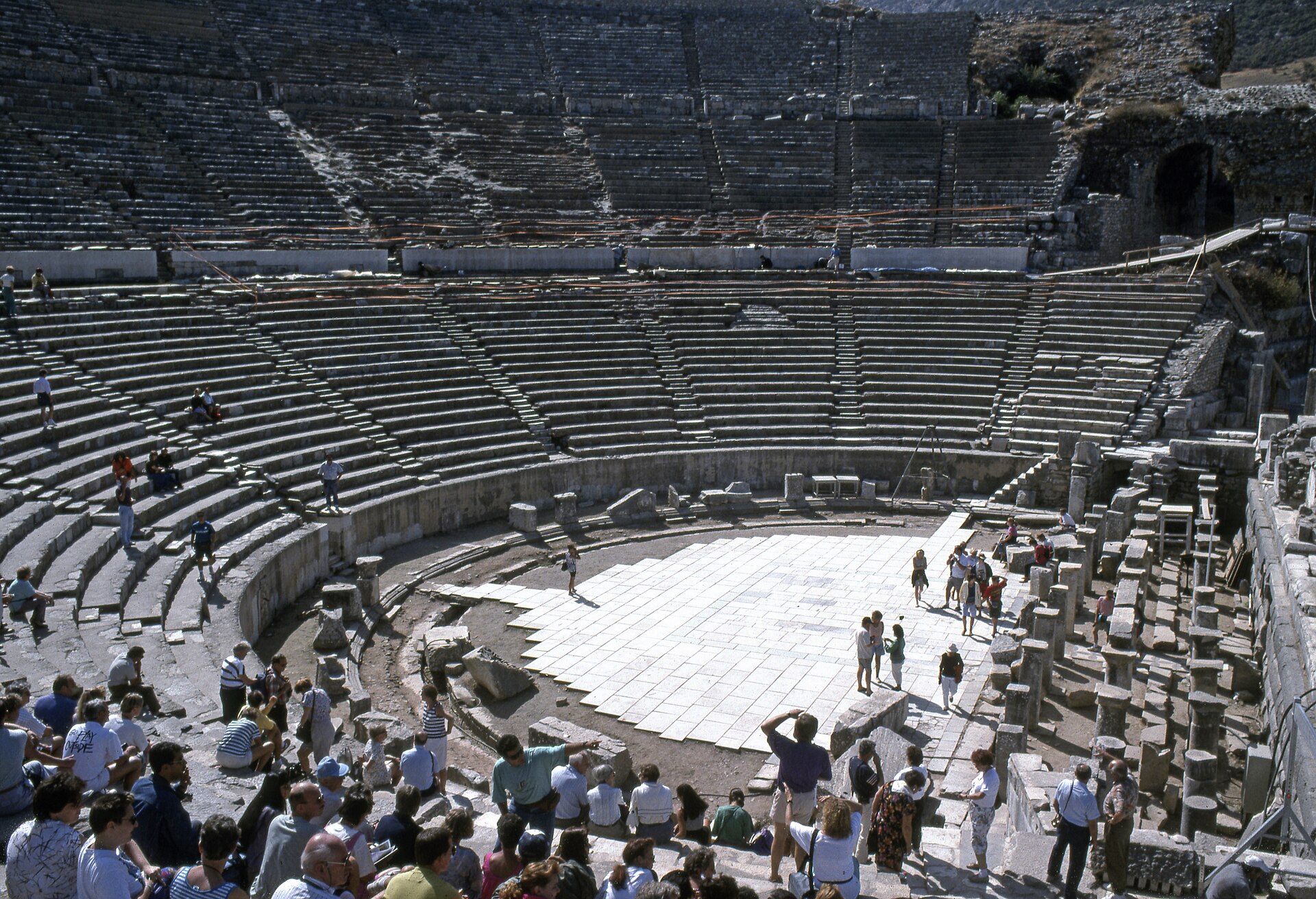
A huge theatre cut into the hillside, where St Paul’s preaching is said to have caused a riot of silversmiths.
Open in Google Maps (opens in a new tab)Centre of the site
A marble street lined with fountains and temples, and the covered Terrace Houses with frescoes and mosaics.
Open in Google Maps (opens in a new tab)Selçuk town
Finds from the site, including statues of Artemis.
Open in Google Maps (opens in a new tab)Ayasuluk Hill, Selçuk
Ruins of a large church built over the tomb traditionally said to be St John’s, below the Ayasuluk fortress.
Open in Google Maps (opens in a new tab)Selçuk
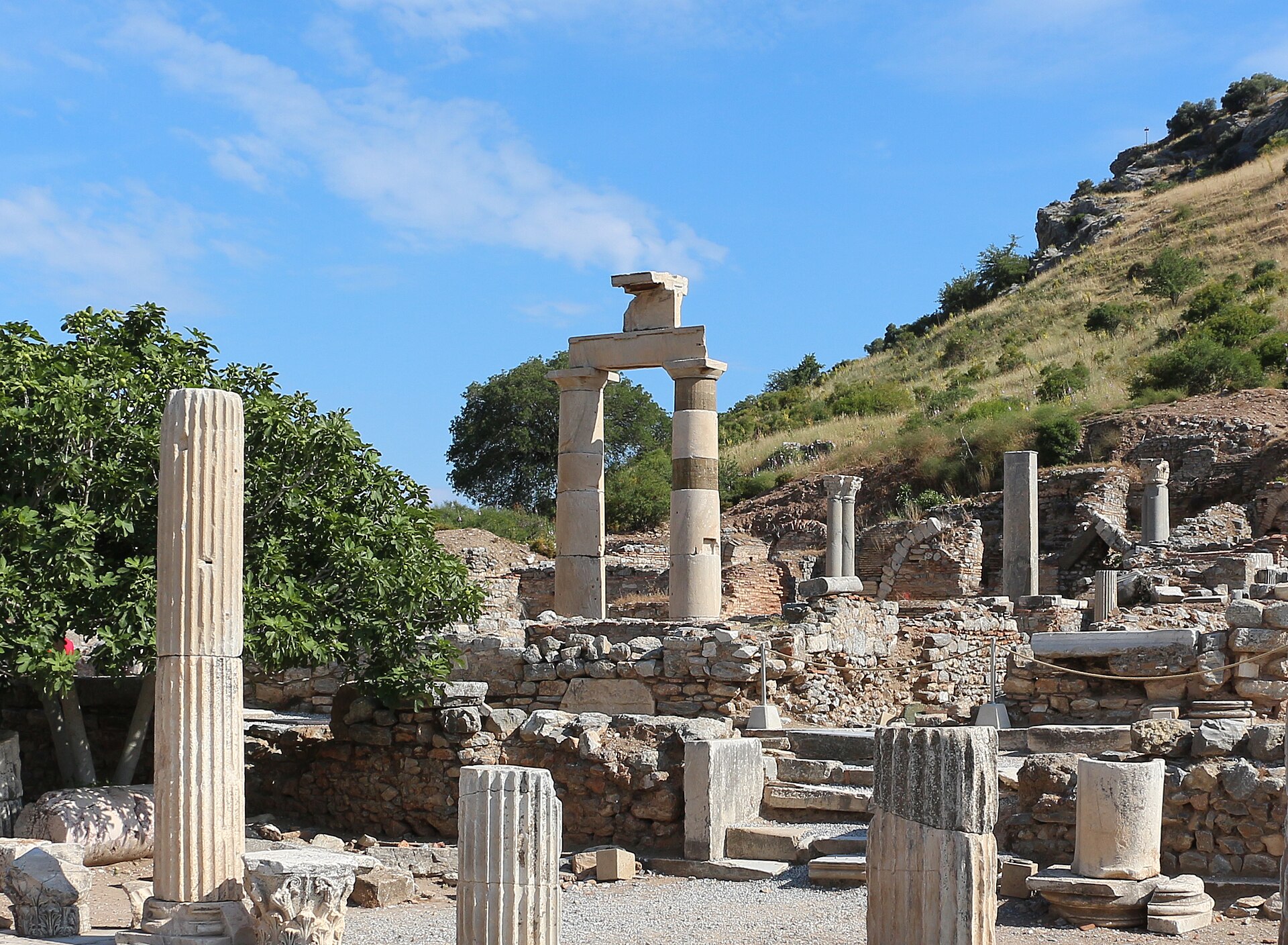
The site of one of the Seven Wonders of the Ancient World; one reassembled column remains.
Open in Google Maps (opens in a new tab)Bülbül Mountain, above Ephesus
A small chapel honoured as the place where Mary spent her last years, visited by Christians and Muslims.
Open in Google Maps (opens in a new tab)Selçuk
A 14th-century mosque of the Aydınid period, below Ayasuluk Hill.
Open in Google Maps (opens in a new tab)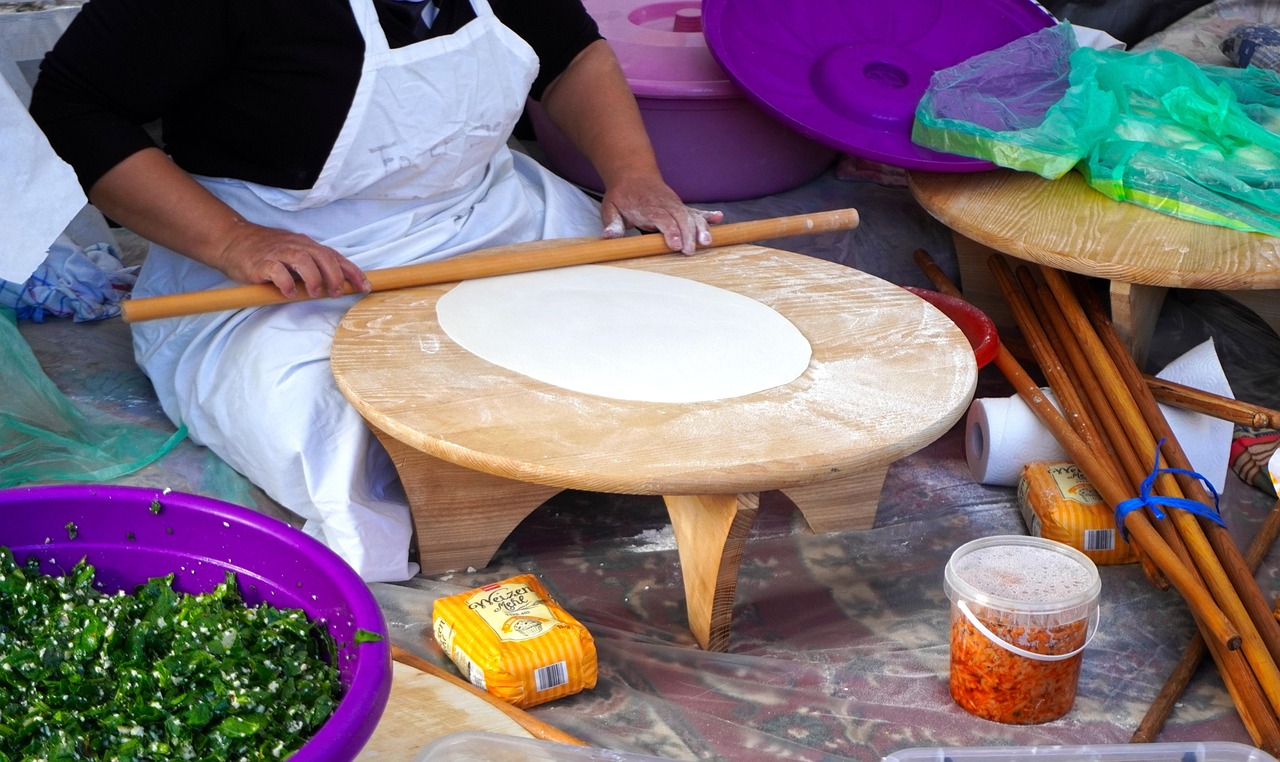
Izmir, Türkiye
Thin hand-rolled dough folded around cheese, spinach, potato or minced meat and cooked on a griddle. Village women make it fresh at roadside stalls and in tourist areas such as Pamukkale.
Izmir, Türkiye
Izmir, Türkiye
Around the station and the aqueduct
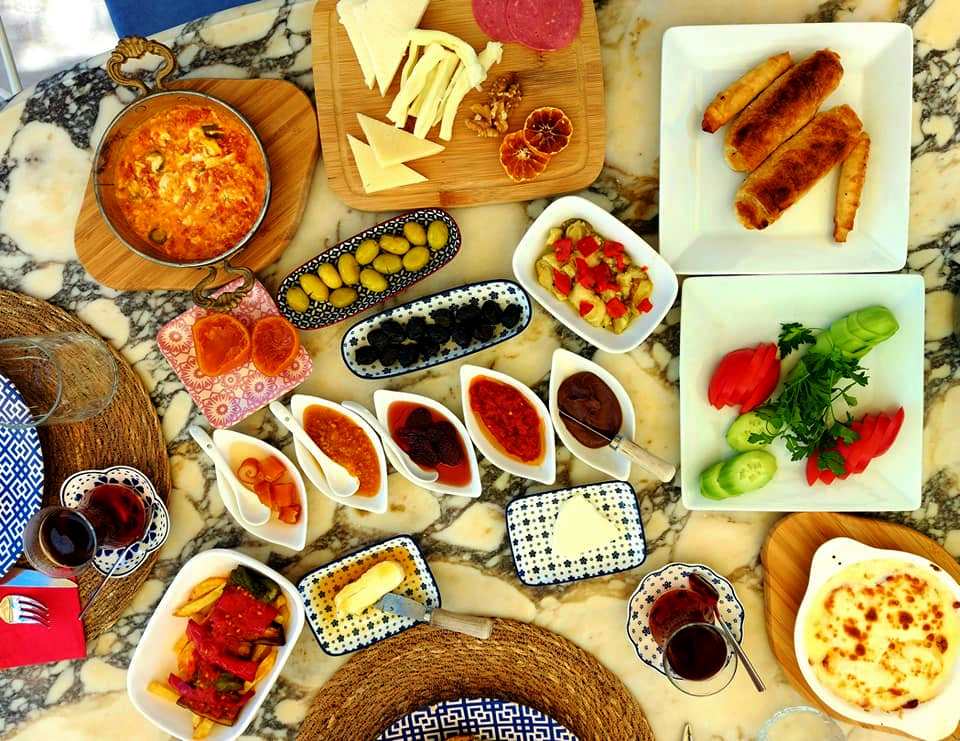
Simple restaurants with grills, pide, gözleme and home cooking, plus tea gardens.
Open in Google Maps (opens in a new tab)Hills above Selçuk
Village restaurants and breakfast terraces, and shops selling local fruit wines and olive oil.
Open in Google Maps (opens in a new tab)Izmir, Türkiye
A small, friendly town at the foot of Ayasuluk Hill, minutes from Ephesus. Family-run guesthouses and small hotels make it a calm base for the ruins and Şirince.
Open in Google Maps (opens in a new tab)Izmir, Türkiye
Central hotels near Konak Square, Kemeraltı and the Basmane station, with easy ferry, metro and train links. Practical for sightseeing and for trains to Selçuk.
Open in Google Maps (opens in a new tab)Ephesus draws both history lovers and Christian pilgrims. Selçuk itself is a calm country town with a Saturday market, orange and fig groves around it and the wine and fruit village of Şirince in the hills.
Ephesus was a Greek city founded on the coast of Ionia and grew into one of the largest cities of the Roman Empire, the capital of the province of Asia. It was famous for the Temple of Artemis, one of the Seven Wonders of the Ancient World, of which only a single re-erected column stands today near Selçuk.
The city was important in early Christianity: St Paul preached here, and tradition holds that St John lived and was buried in the area, and that the Virgin Mary spent her last years nearby. As the harbour silted up, the city declined, and the settlement moved to Ayasuluk Hill, today's Selçuk.
Ephesus was inscribed as a UNESCO World Heritage Site in 2015, together with the Basilica of St John, the Temple of Artemis site and other monuments around Selçuk.
Leave Izmir early and continue by taxi to the upper gate.
Walk downhill past the Terrace Houses, the Library of Celsus and the Great Theatre.
Lunch in town, the Ephesus Museum and the Basilica of St John.
End in the hill village before returning to Izmir.
April to June and September to November. In summer, arrive at opening time or come late in the afternoon to avoid heat and tour groups.