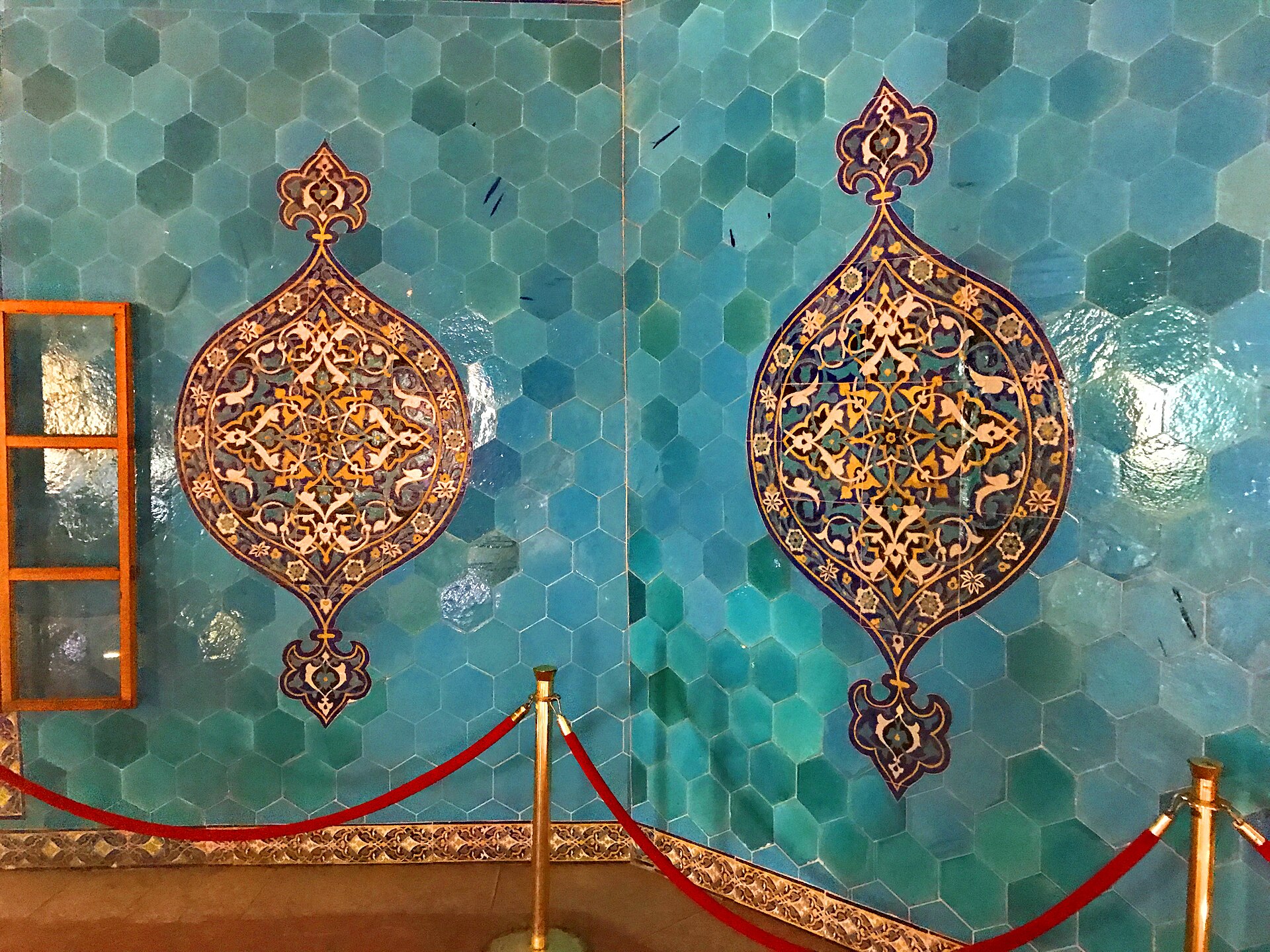
Sultan's loge
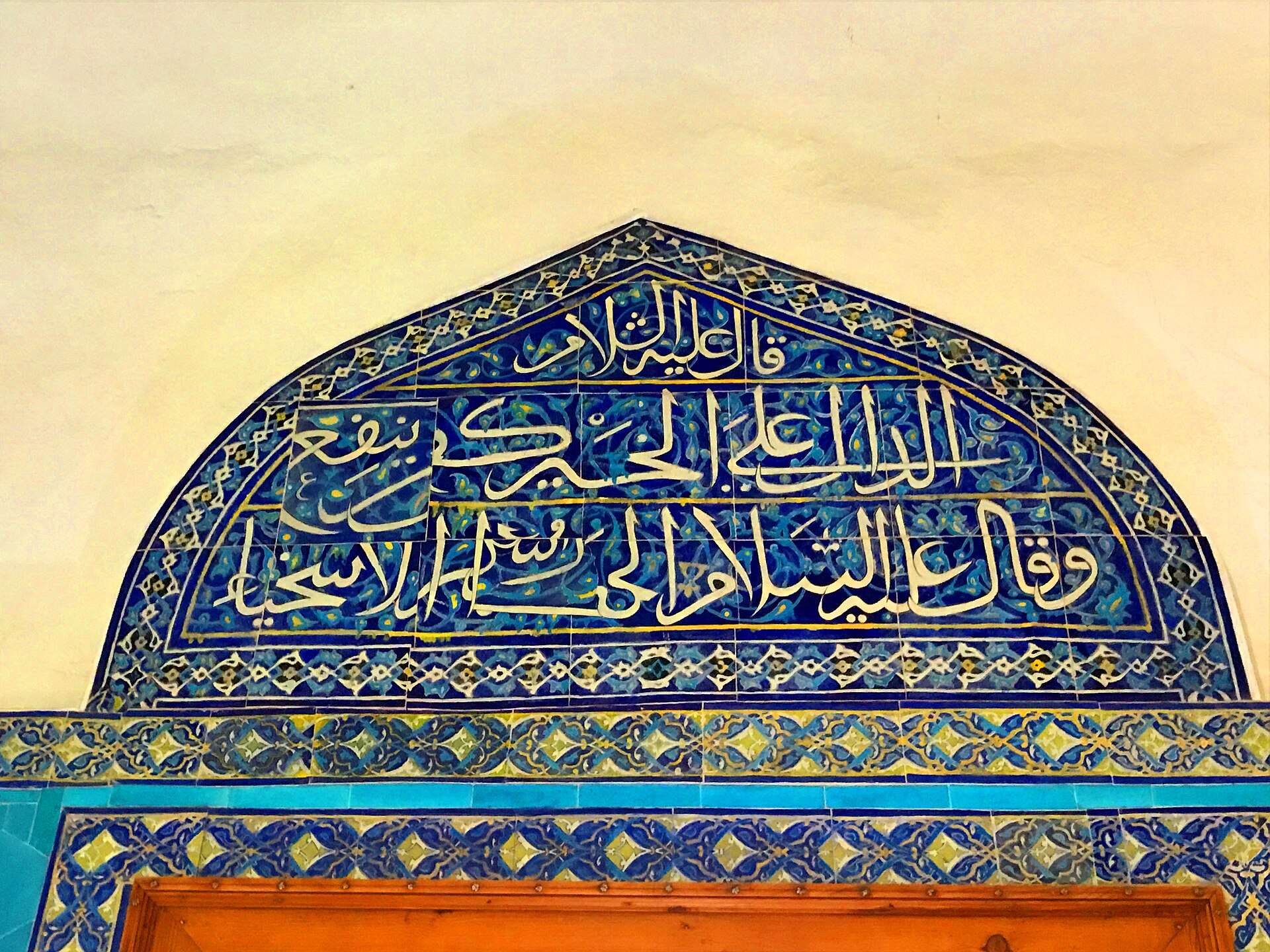
Above the entrance of the Green Mosque
A tiled private gallery for the sultan, glowing with green, blue and gold.
Open in Google Maps (opens in a new tab)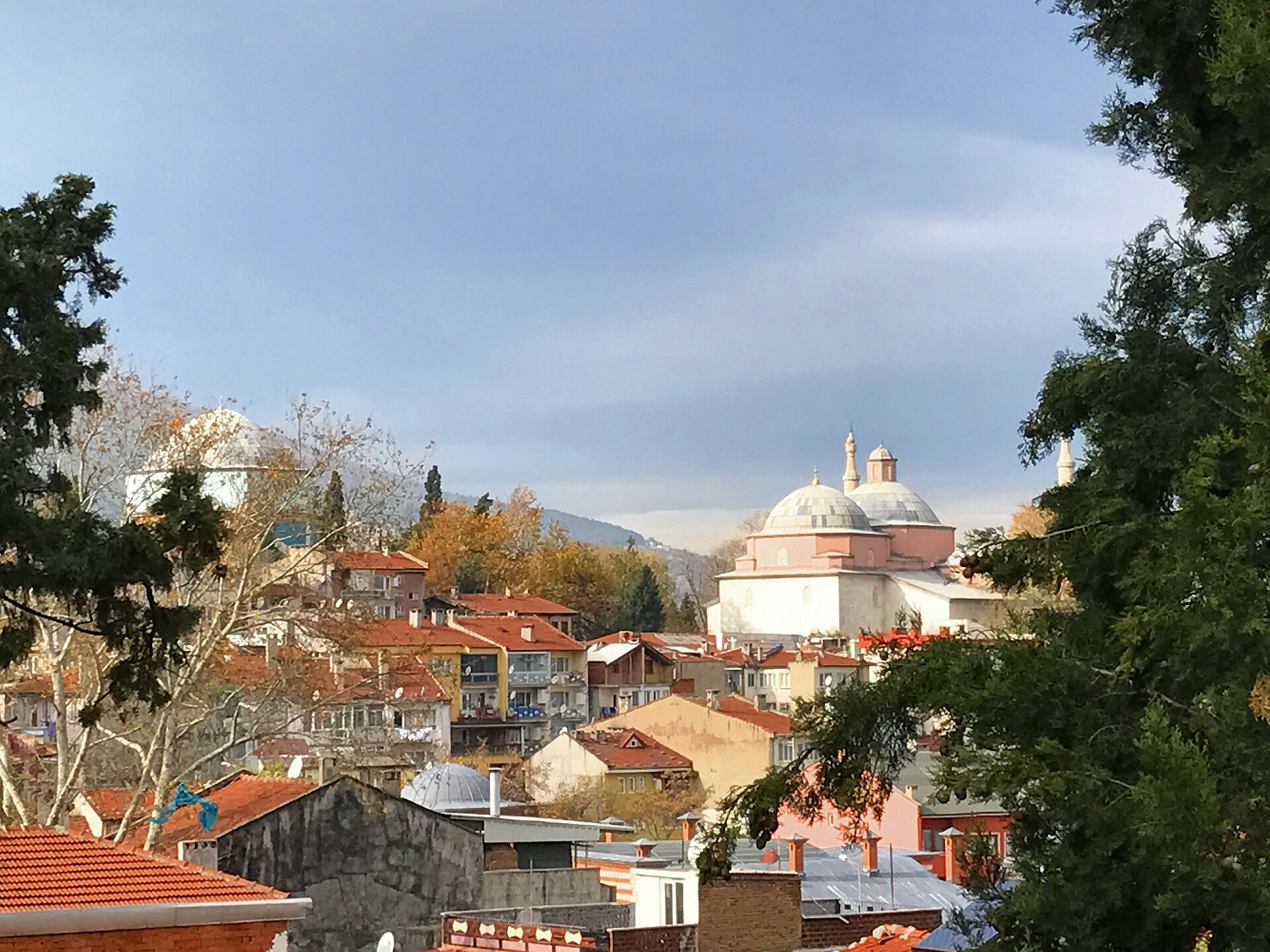
 Bursa, Türkiye
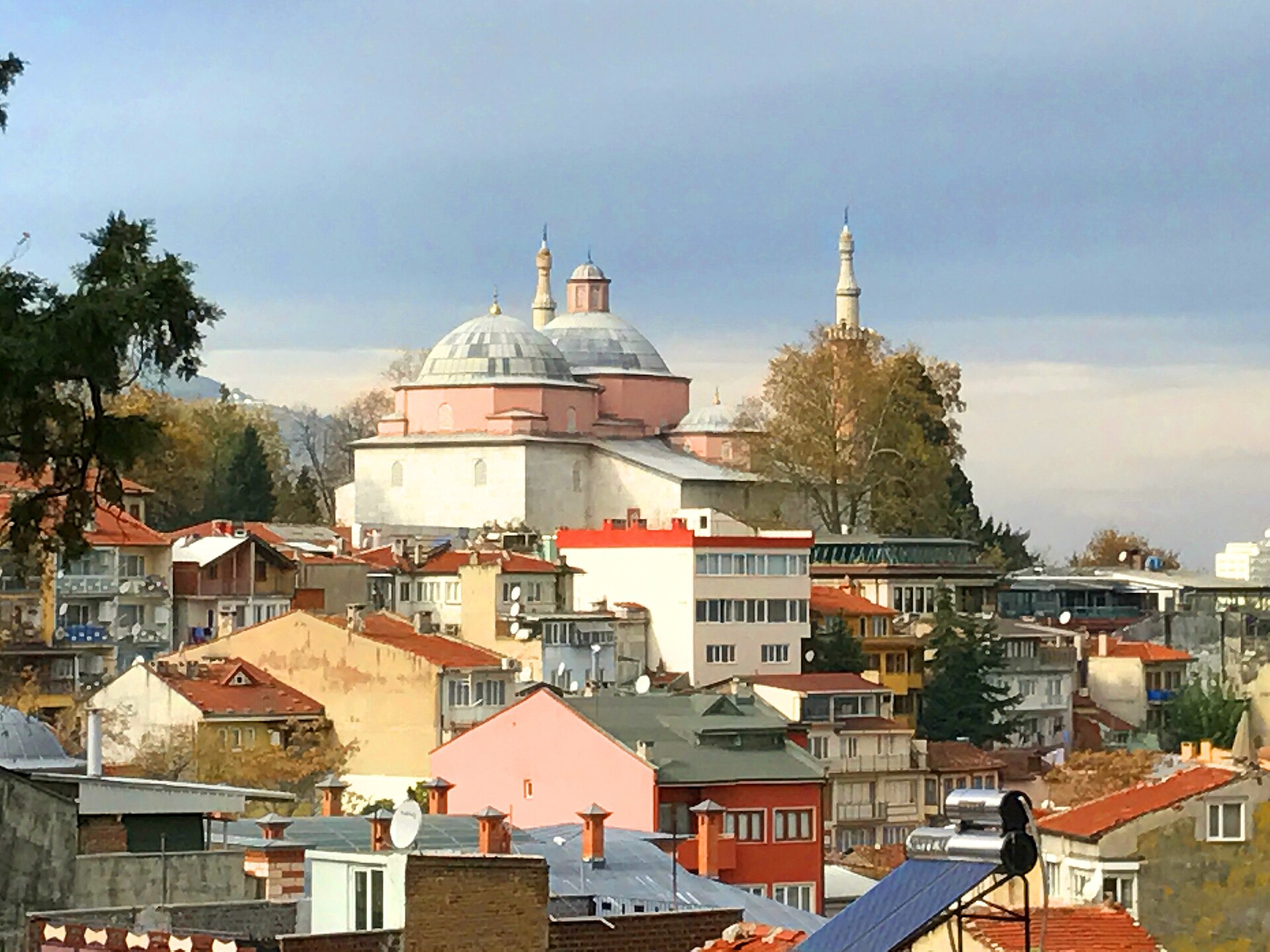
An early 15th-century mosque and the turquoise-tiled tomb of Sultan Mehmed I, facing each other on a hill east of the centre — masterpieces of early Ottoman tilework.
Above the entrance of the Green Mosque
A tiled private gallery for the sultan, glowing with green, blue and gold.
Open in Google Maps (opens in a new tab)Green Mosque prayer hall
A tall prayer niche covered in fine tiles with floral and geometric patterns.
Open in Google Maps (opens in a new tab)Opposite the mosque
The turquoise-tiled tomb of Mehmed I with its tiled sarcophagus.
Open in Google Maps (opens in a new tab)Old madrasa of the complex
Displays of local crafts, costumes and Ottoman objects; check if it is open.
Open in Google Maps (opens in a new tab)Bursa, Türkiye
Another Bursa favourite in the same style as İskender: grilled meatballs on pide bread with tomato sauce, melted butter and yoghurt.
Bursa, Türkiye
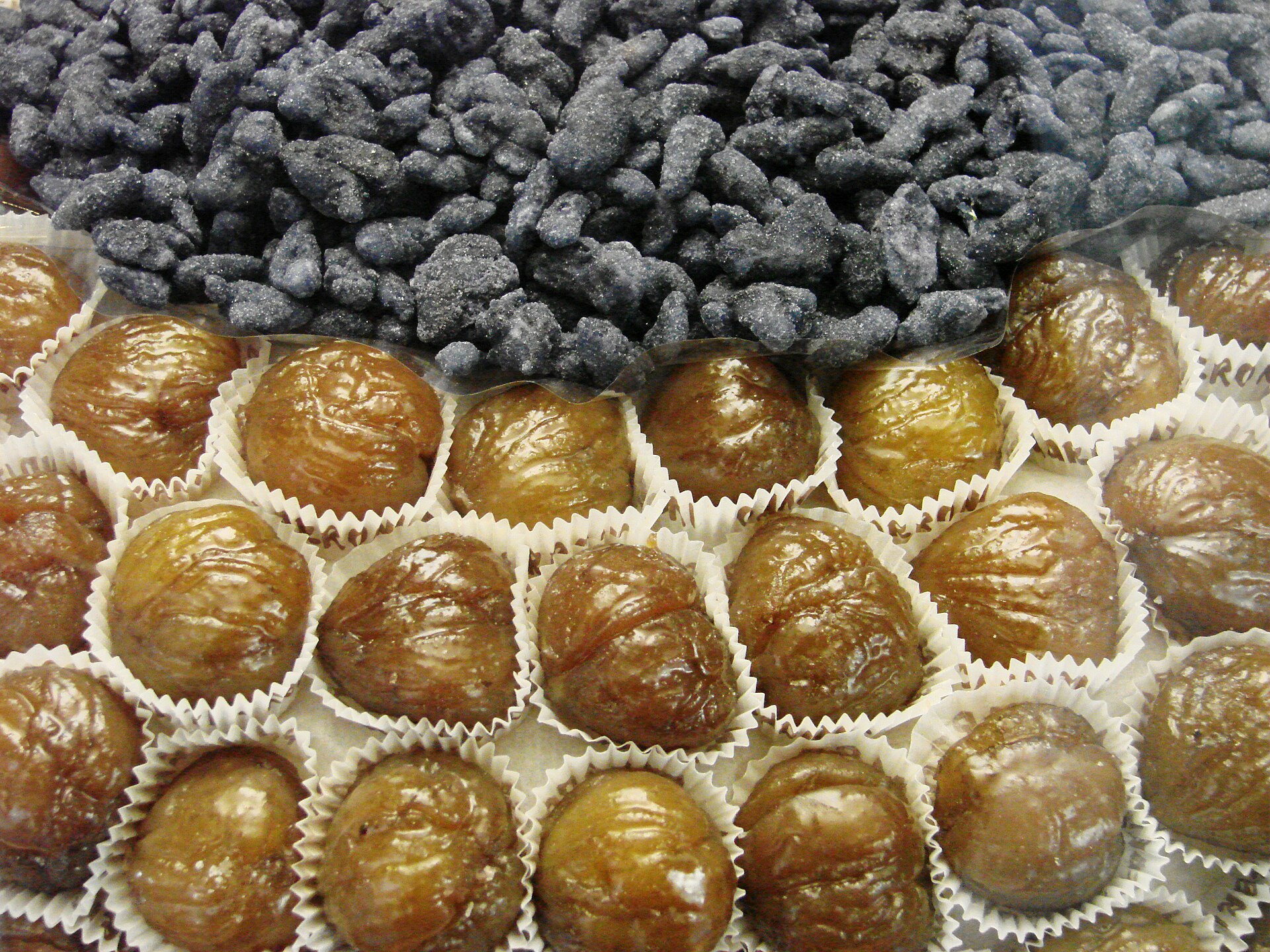
Chestnuts slowly candied in syrup, Bursa's signature sweet. Sold in sweet shops across the city, especially around the bazaar and Heykel, plain or dipped in chocolate.
Bursa, Türkiye
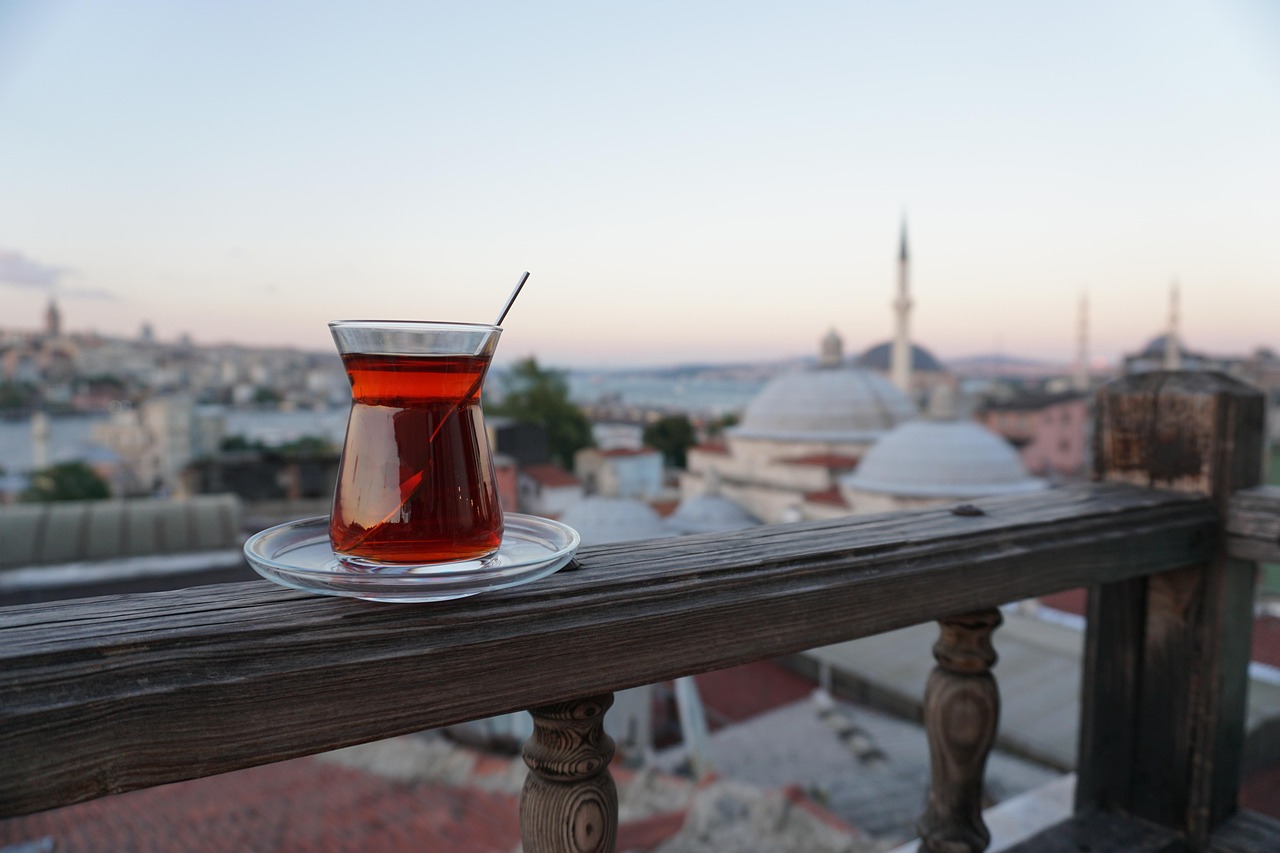
Around the Green Mosque
Tea, simit and light snacks with views over Bursa.
Open in Google Maps (opens in a new tab)Heykel, Atatürk Street and the streets around the covered bazaar
The family-run kebab houses descended from İskender Efendi, and many others, serve İskender and pideli köfte in the old centre. Expect a lunchtime crowd.
Open in Google Maps (opens in a new tab)Bursa, Türkiye
Walking distance to Ulu Cami, the covered bazaar, Koza Han and the Green Mosque. Mostly mid-range city hotels.
Open in Google Maps (opens in a new tab)Bursa, Türkiye
The historic spa district on the western hills, with thermal hotels that pipe mineral water into their own baths. Quieter, a short ride from the centre.
Open in Google Maps (opens in a new tab)The Yeşil complex is a favourite with Bursa families, who visit the tomb to pray and sit in the surrounding tea gardens. Its tiles mark the beginning of the great Ottoman tile tradition later perfected at İznik.
The Green Mosque (Yeşil Camii) was built in the early 15th century for Sultan Mehmed I, who reunited the Ottoman state after a period of civil war. It is the centre of his külliye on the hill of Yeşil, with a school, a bath and a soup kitchen.
The mosque is named for the green and blue tiles inside, made by master craftsmen and among the finest of the period; the sultan's loge above the entrance is a jewel of tilework. Across the garden, the Green Tomb (Yeşil Türbe), covered outside in turquoise tiles, holds the richly tiled sarcophagus of Mehmed I. Both were restored after earthquake damage in the 19th century.
See the tiles and the sultan's loge.
Cross the garden to the tomb.
Relax in a tea garden above the city.
All year, outside prayer times. Late afternoon light on the Green Tomb is especially beautiful.
From the centre: about 15–20 minutes on foot east from Heykel, crossing the Gökdere stream, or a short taxi or bus ride to Yeşil.