Haridwar

Haridwar, India

Haridwar

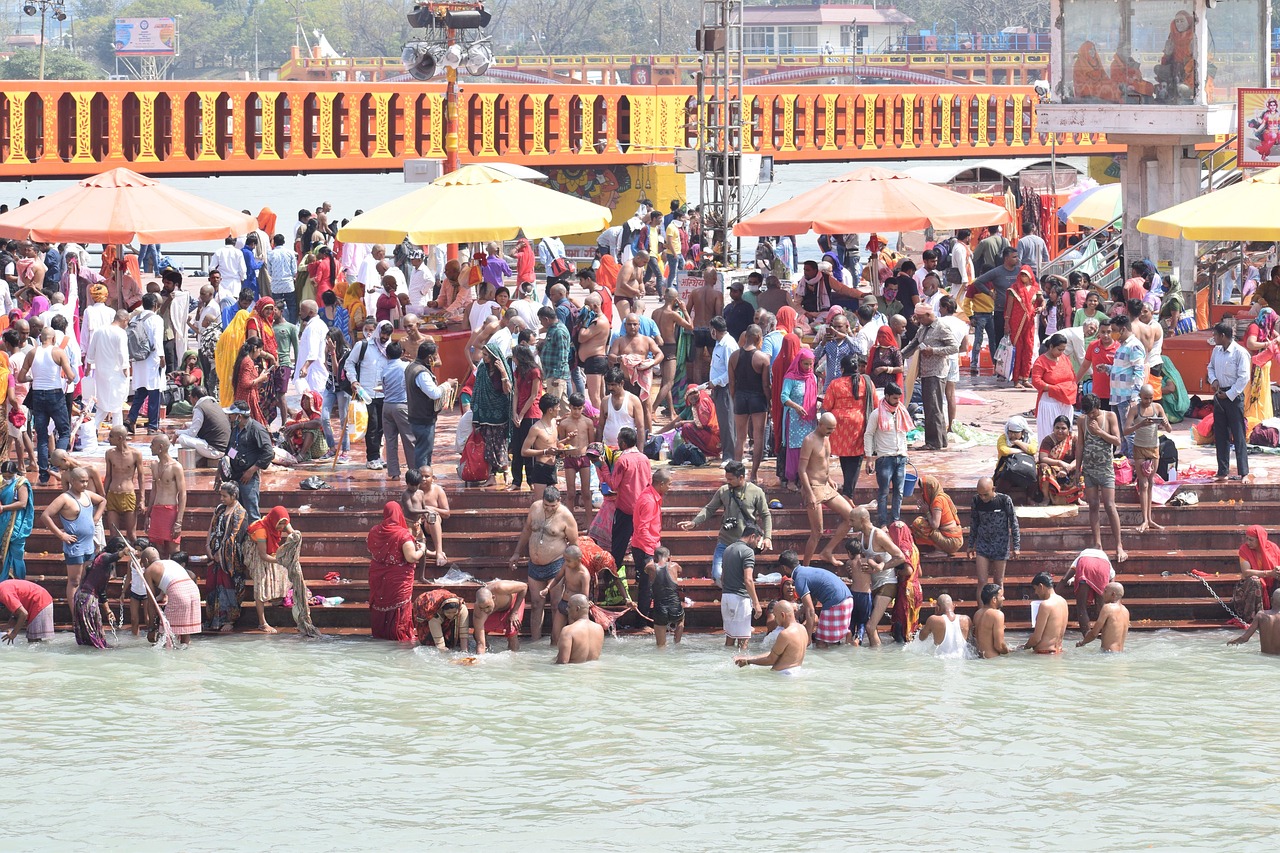
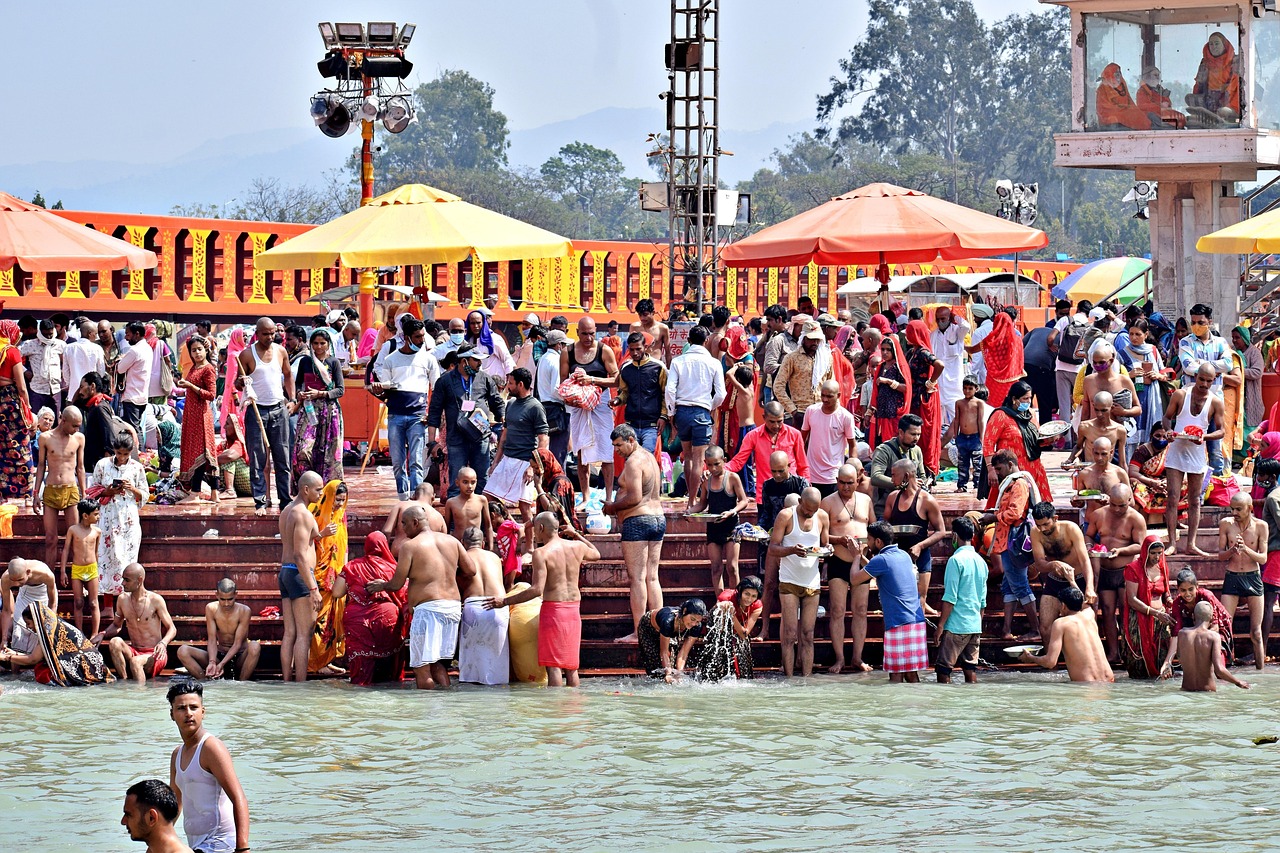
One of Hinduism's seven holiest cities, where the Ganga flows out onto the plains: pilgrims bathe at Har Ki Pauri, thousands gather for the Ganga aarti at dusk, and the Kumbh Mela is held here every twelve years.

Favourite places

  • Har Ki Pauri and the Ganga aarti

    Old town, on the Ganga canal

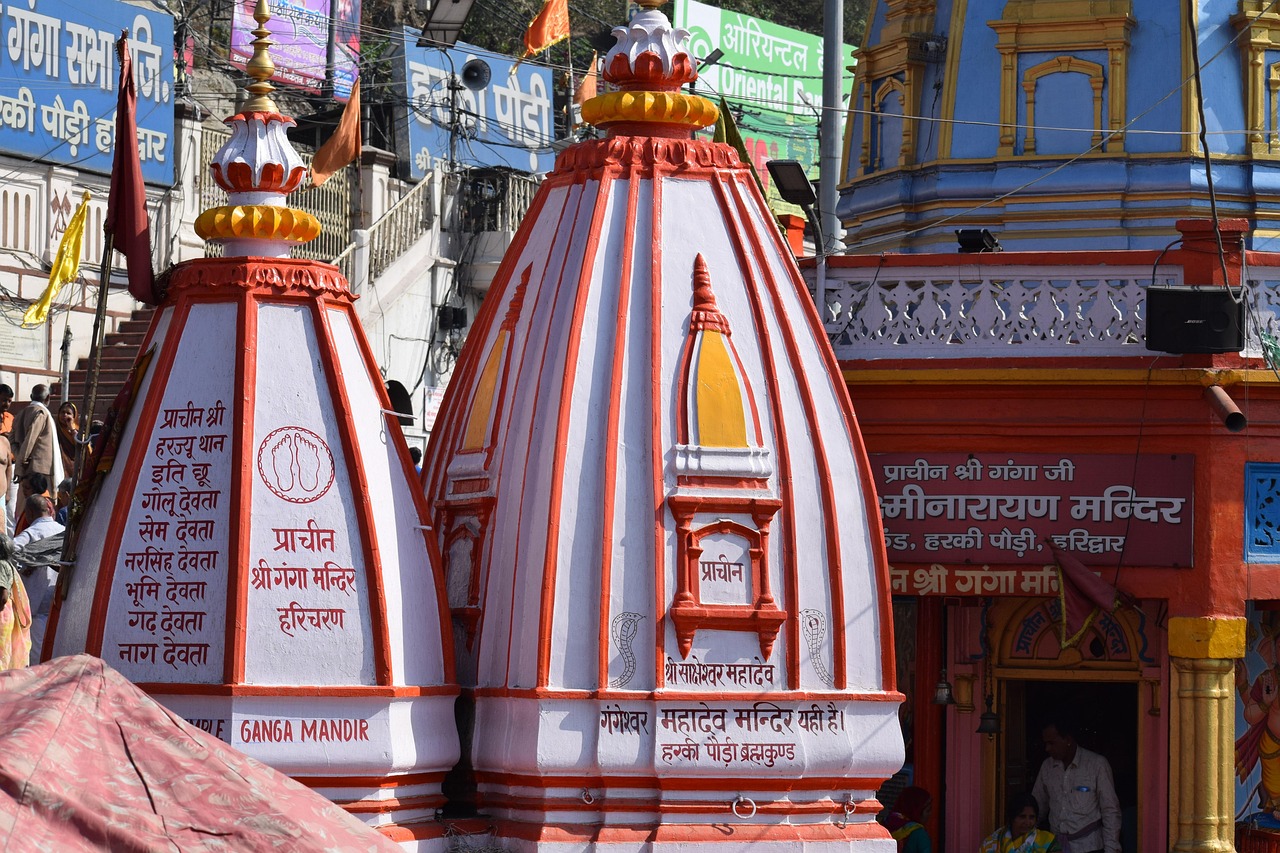
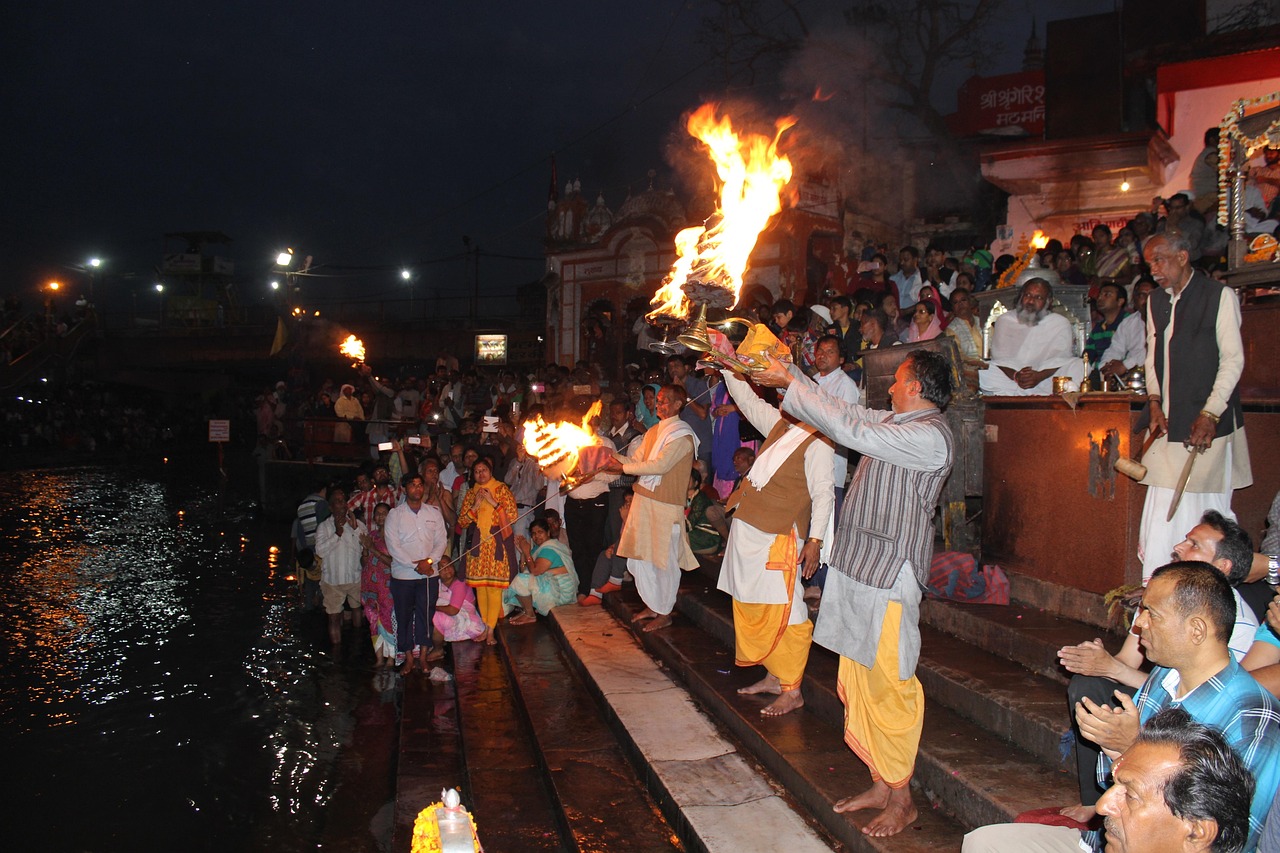
    The sacred bathing ghat, with its clock tower and temples. At sunset priests perform the aarti with huge brass lamps while thousands watch and float leaf boats of flowers and flames.

    Open in Google Maps (opens in a new tab)
  • Mansa Devi Temple

    Bilwa Parvat hill, above the town

    A hilltop temple of the goddess who fulfils wishes; devotees tie red threads on the trees. Views over the Ganga.Read more

    How to get there: By ropeway from near the main bazaar, or a steep walk.

    Open in Google Maps (opens in a new tab)
  • Chandi Devi Temple

    Neel Parvat, across the river

    A goddess temple on a forested hill, often visited together with Mansa Devi.Read more

    How to get there: By ropeway from the base on the Najibabad road.

    Open in Google Maps (opens in a new tab)

Local food

  • Kachori and aloo sabzi

    Haridwar, India

    Deep-fried pastry rounds stuffed with spiced lentils, served with a tangy potato curry and pickles. The standard breakfast of the pilgrim towns on the Ganga and of old Uttar Pradesh bazaars — Haridwar, Prayagraj and Mathura each have their own version.Read more
  • Satvik thali

    Haridwar, India

    Pure vegetarian food without onion and garlic, cooked for pilgrims: dal, seasonal vegetables, rice, roti, curd and a sweet. The food of ashrams, dharamshalas and bhojanalayas in the temple towns.

  • Jalebi

    Haridwar, India

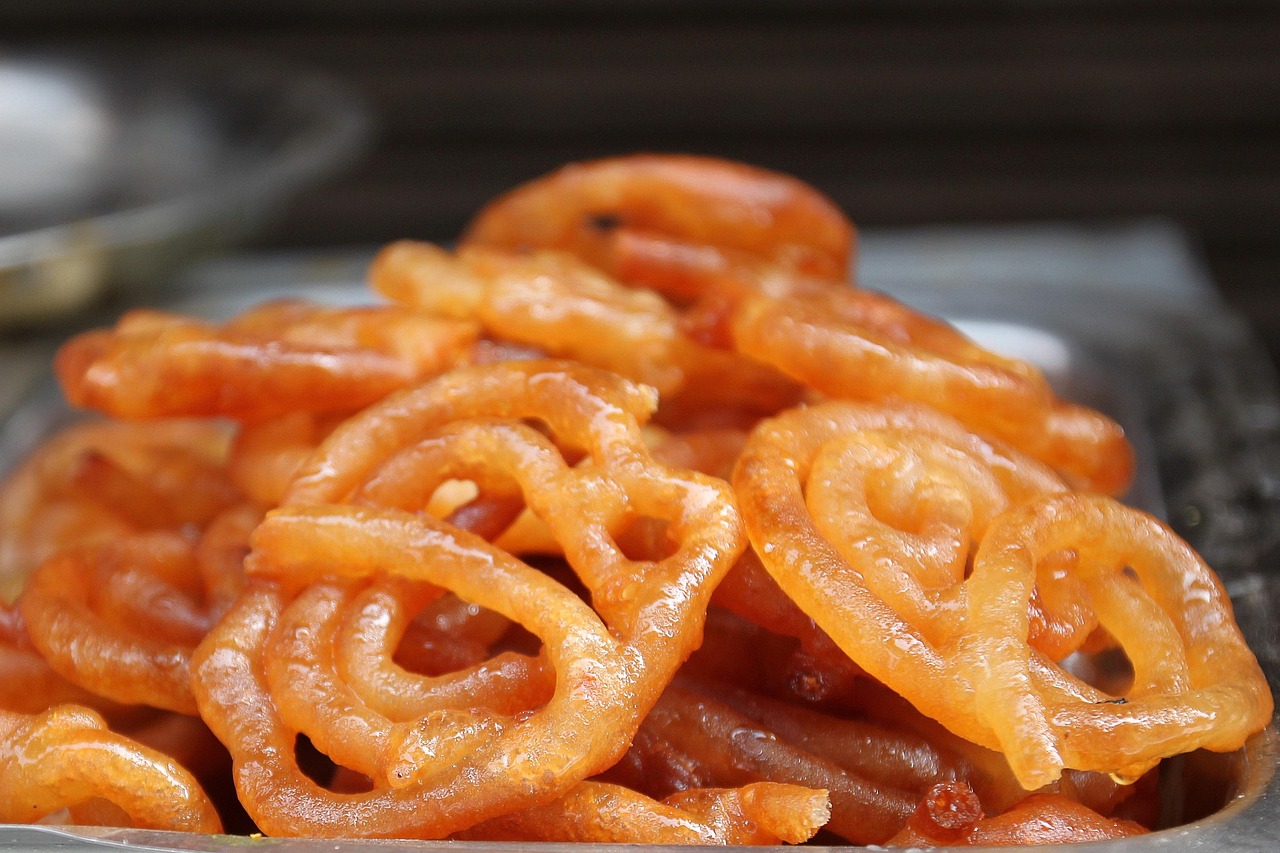
    Spirals of fermented batter fried crisp and soaked in sugar syrup, eaten hot in the morning, often with kachori or with curd. Haryana is known for the oversized jalebis of Gohana.

  • Lassi

    Haridwar, India

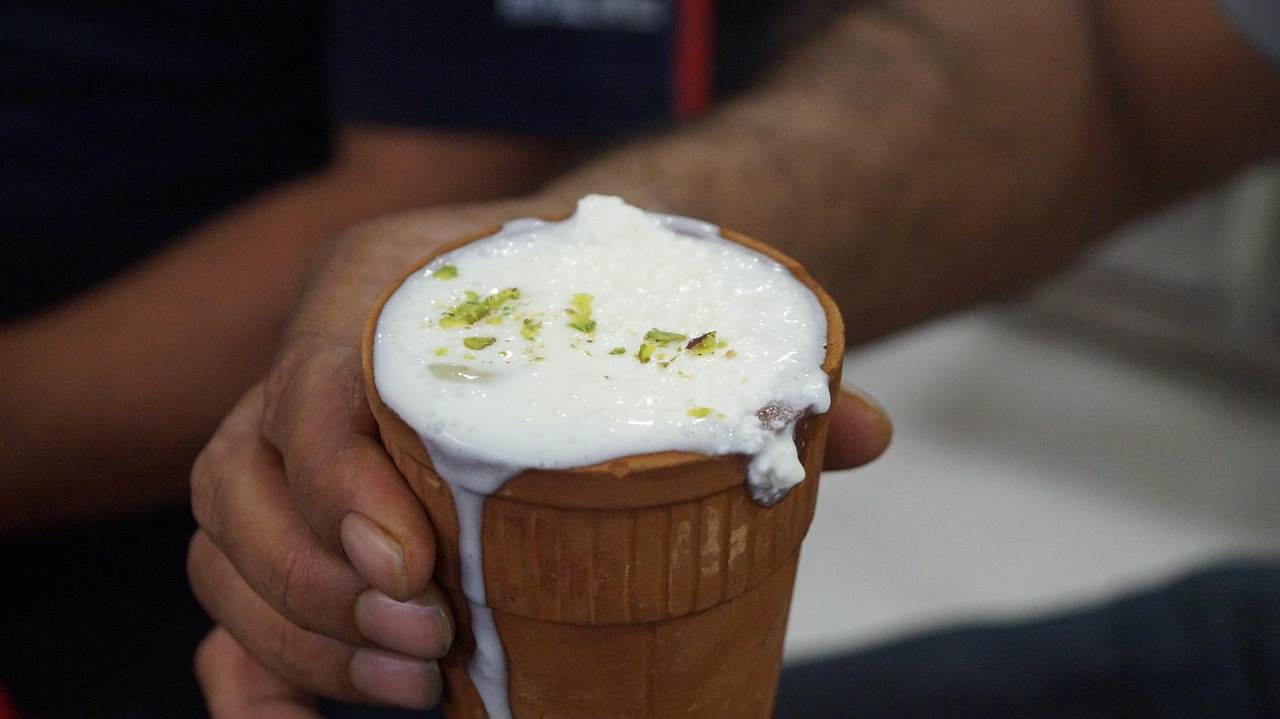
    Thick churned yoghurt drink, sweet or salted, often topped with a layer of cream (malai) and served in a clay cup. Punjab and the Braj country around Mathura are particularly proud of theirs.

Where to eat

Where to stay

Culture

Life in Haridwar turns around the river and its rituals: dawn bathing, the evening Ganga aarti at Har Ki Pauri, ceremonies for ancestors, and the immersion of ashes. The air is full of temple bells, chanting and the smell of ghee lamps and marigolds.

The Kumbh Mela (about every 12 years, with an Ardh Kumbh in between) brings millions of pilgrims and sadhus' processions. Every summer the Kanwar Yatra sees devotees of Shiva, dressed in saffron, carry Ganga water home on foot.

History

Haridwar — "Gateway to God" — has been a pilgrimage site since ancient times. It is one of the four places where the Kumbh Mela is held, because, in Hindu tradition, drops of the nectar of immortality fell here. Har Ki Pauri, "the steps of Hari", is believed to bear a footprint of Lord Vishnu.

The town has drawn pilgrims for well over a thousand years; the Chinese traveller Xuanzang described a place here in the 7th century. Haridwar's pandas (family priests) keep genealogy registers in which many Hindu families record visits, births and deaths over generations.

Today Haridwar is also home to large spiritual and educational institutions such as Shantikunj and Gurukul Kangri, and to the industrial estates of the state.

Tour plans

A day in Haridwar

1 day
  1. Step 1: Dawn at Har Ki Pauri

    Watch the morning bathing and rituals.

  2. Step 2: Mansa Devi and Chandi Devi

    Ropeways to the two hilltop temples.

  3. Step 3: Bazaars and Bharat Mata Mandir

    Lunch in Moti Bazaar, then the temple on the Sapt Rishi road.

  4. Step 4: Evening Ganga aarti

    Be at Har Ki Pauri an hour before sunset.

Map

Open in Google Maps (opens in a new tab)

Travel information

Best time to visit

October to March is the most comfortable. Summer is hot. Very large crowds come for the Kanwar Yatra (usually July–August), festival bathing days and the Kumbh years — check dates before going.

How to get there

By air: Jolly Grant Airport (DED) near Dehradun is about 35 km away, about an hour by taxi.

By train: Haridwar Junction is one of the best-connected stations in the region, with fast trains from Delhi (Shatabdi, Vande Bharat) and direct trains from across India.

By road: about 220 km from Delhi on the highway via Meerut and Roorkee. Frequent buses run from Delhi's Kashmere Gate ISBT. During the Kanwar Yatra the highway has diversions and heavy restrictions — check current schedules and advisories.

Getting around

  • On foot: the old town, Har Ki Pauri and the bazaars are a maze of narrow lanes best walked.
  • E-rickshaws and cycle rickshaws: for short hops along the river and to the station.
  • Ropeways: cable cars climb to the hilltop temples of Mansa Devi and Chandi Devi.
  • Taxis and shared autos: for Rishikesh (about 45 minutes) and the ashrams on the Rishikesh road.

Travel tips

  • Temples and gurdwaras: take your shoes off before entering (shoe-keepers or racks are usually at the door). Cover shoulders and knees; at gurdwaras everyone covers their head — scarves are usually provided. Leather items are not allowed inside some temples. Ask before photographing people at prayer, and follow the signs on photography.
  • Money: the currency is the Indian rupee (INR). UPI phone payments are everywhere, cards work in hotels and larger shops; carry cash for small stalls, temples, rickshaws and hill towns. ATMs can run dry in remote places.
  • Visas: most visitors need an Indian visa or e-Visa — check the current rules for your passport before you travel.
  • Time zone: India Standard Time, UTC+5:30, all year.
  • Water: drink bottled or filtered water.
  • Vegetarian towns: meat, eggs and alcohol are not sold in the central pilgrimage areas — respect this, and do not bring them in.
  • The river: the Ganga flows fast at Har Ki Pauri — bathe holding the chains and stay within the ghat.
  • Aarti crowds: arrive well before sunset; keep valuables close. Donations are voluntary — ignore anyone who pressures you.
  • Festival days: on Kumbh, Kanwar and big bathing days, vehicles are stopped outside the town and you may walk a long way.

All destinations