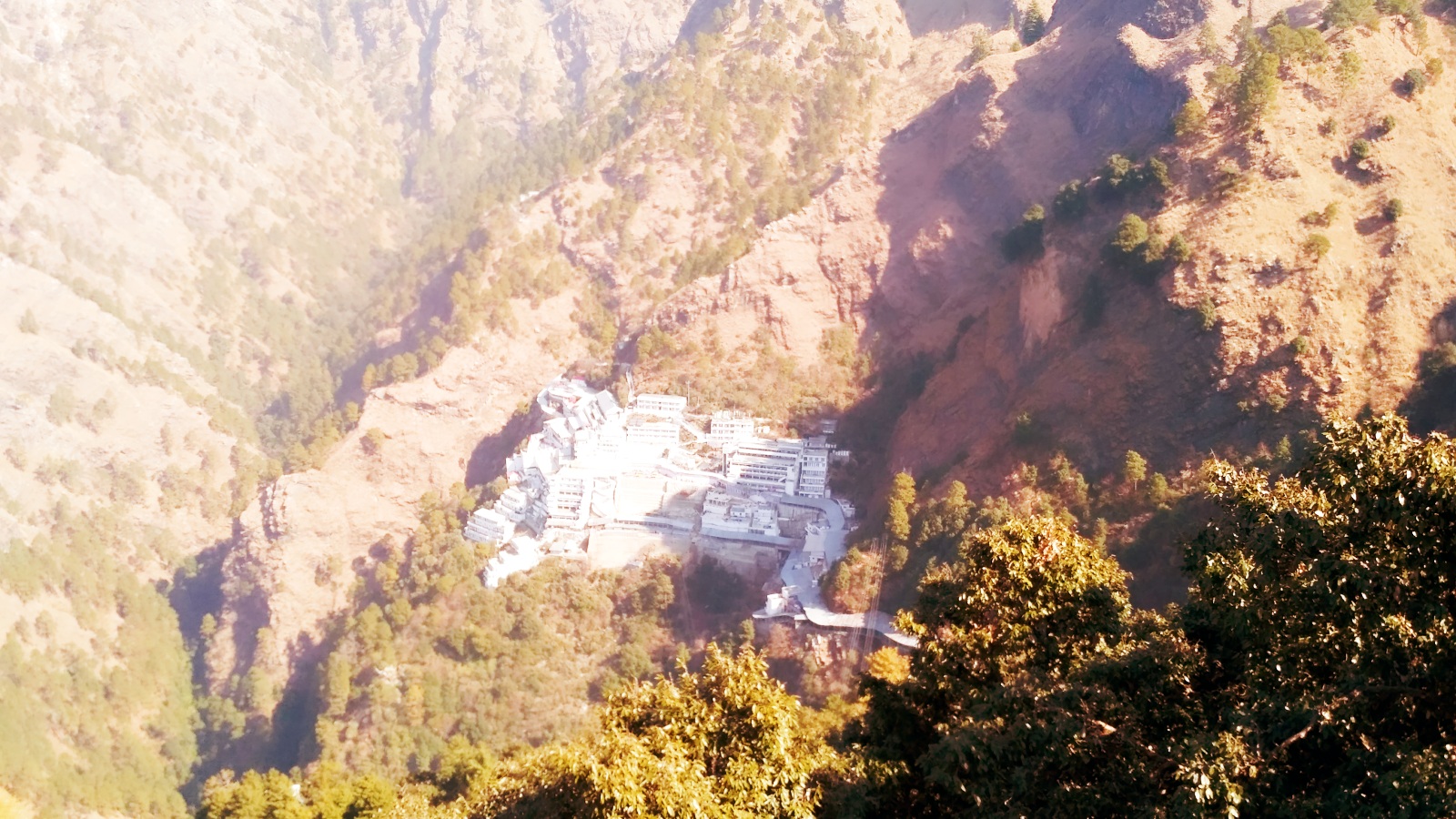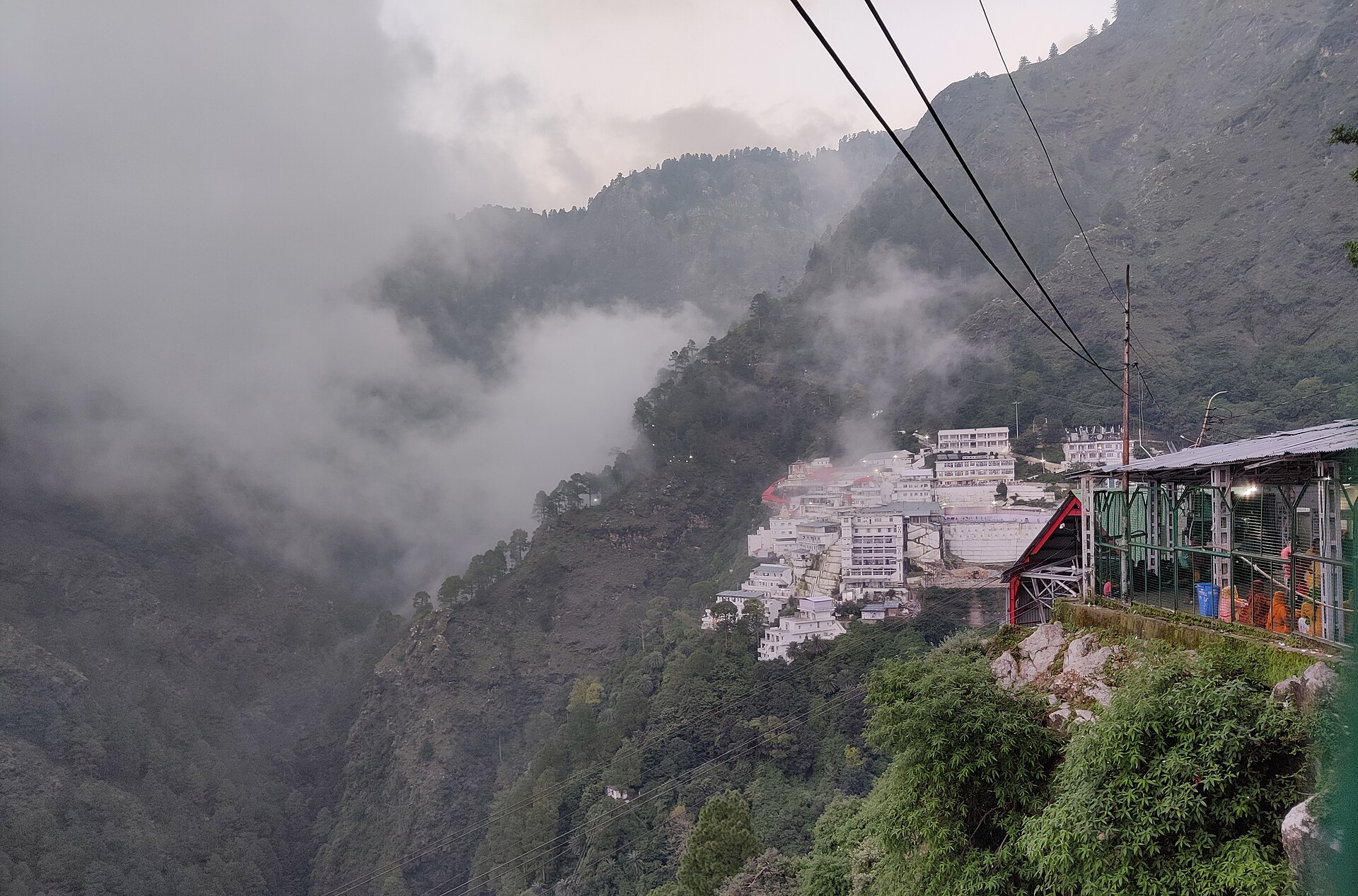
Mata Vaishno Devi Bhawan
Trikuta hills, about 13 km above Katra
The holy cave shrine where pilgrims take darshan of the three pindies, the goal of the yatra.
Open in Google Maps (opens in a new tab)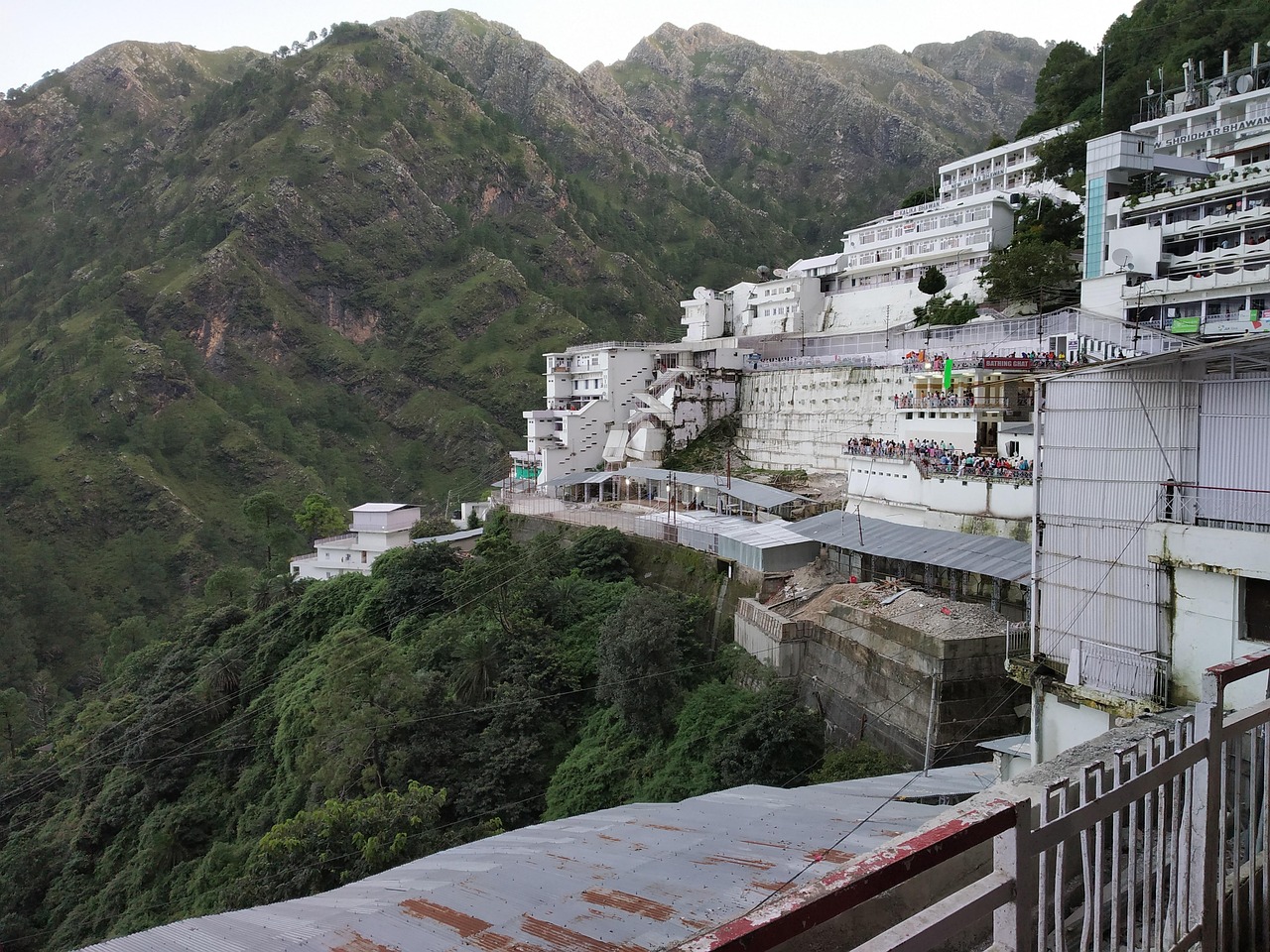
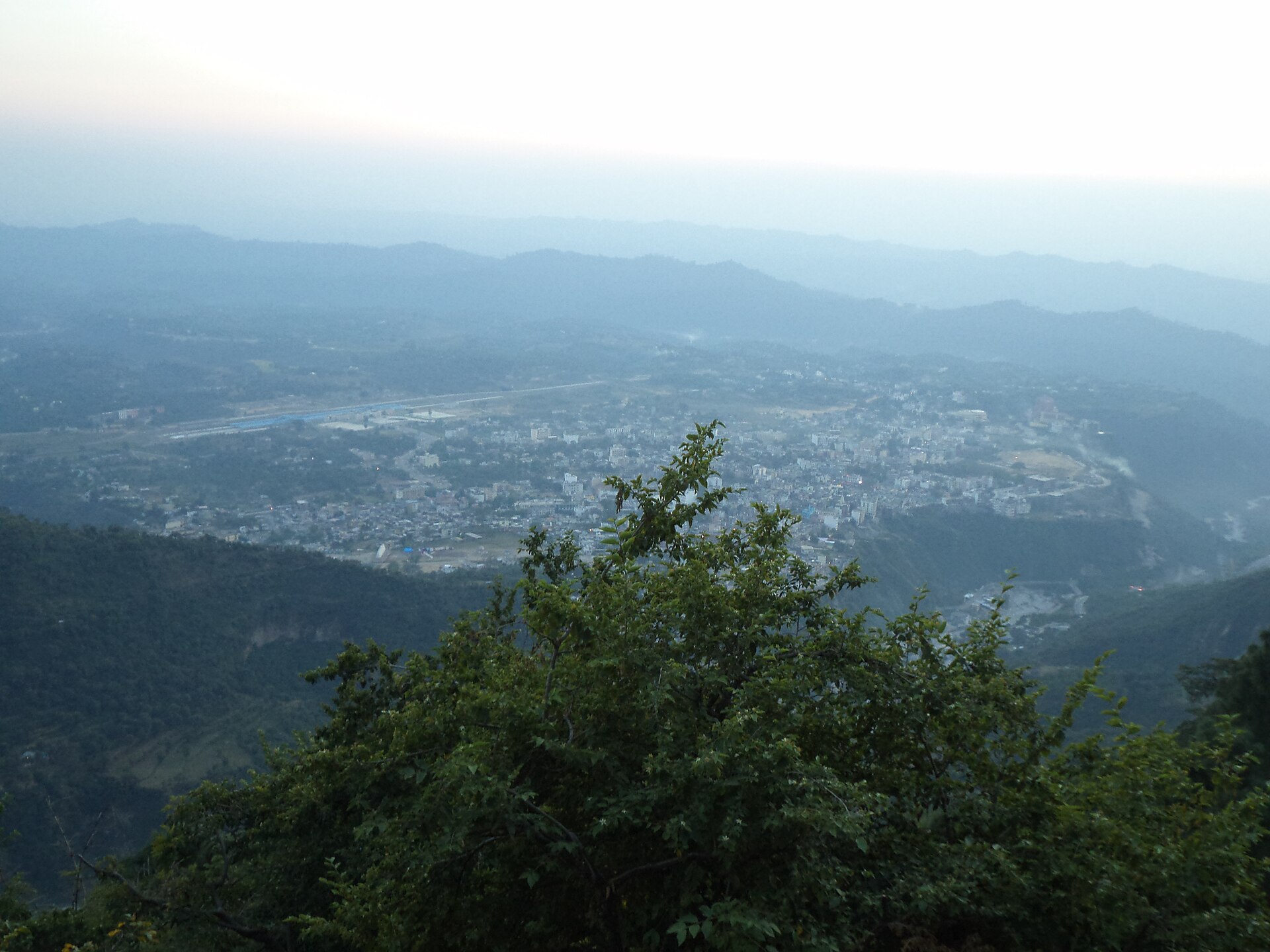
 Katra (Vaishno Devi), India
The town at the foot of the Trikuta hills and base for the pilgrimage to the Mata Vaishno Devi cave shrine, one of the most visited Hindu shrines in India, reached by a long paved path, ponies or helicopter.
Trikuta hills, about 13 km above Katra
The holy cave shrine where pilgrims take darshan of the three pindies, the goal of the yatra.
Open in Google Maps (opens in a new tab)Start of the yatra path
A stream and temple at the start of the walk, where pilgrims traditionally bathe.
Open in Google Maps (opens in a new tab)Midway on the path
A narrow cave shrine (Garbh Joon) halfway up; queues can be long and a token system applies.
Open in Google Maps (opens in a new tab)Above the Bhawan
A temple on the ridge above the shrine, with views over the hills; reached by a steep walk or the ropeway.
Open in Google Maps (opens in a new tab)Reasi district, about 80 km from Katra
How to get there: Taxi or bus from Katra, then a walk of about 3 km.
Katra (Vaishno Devi), India
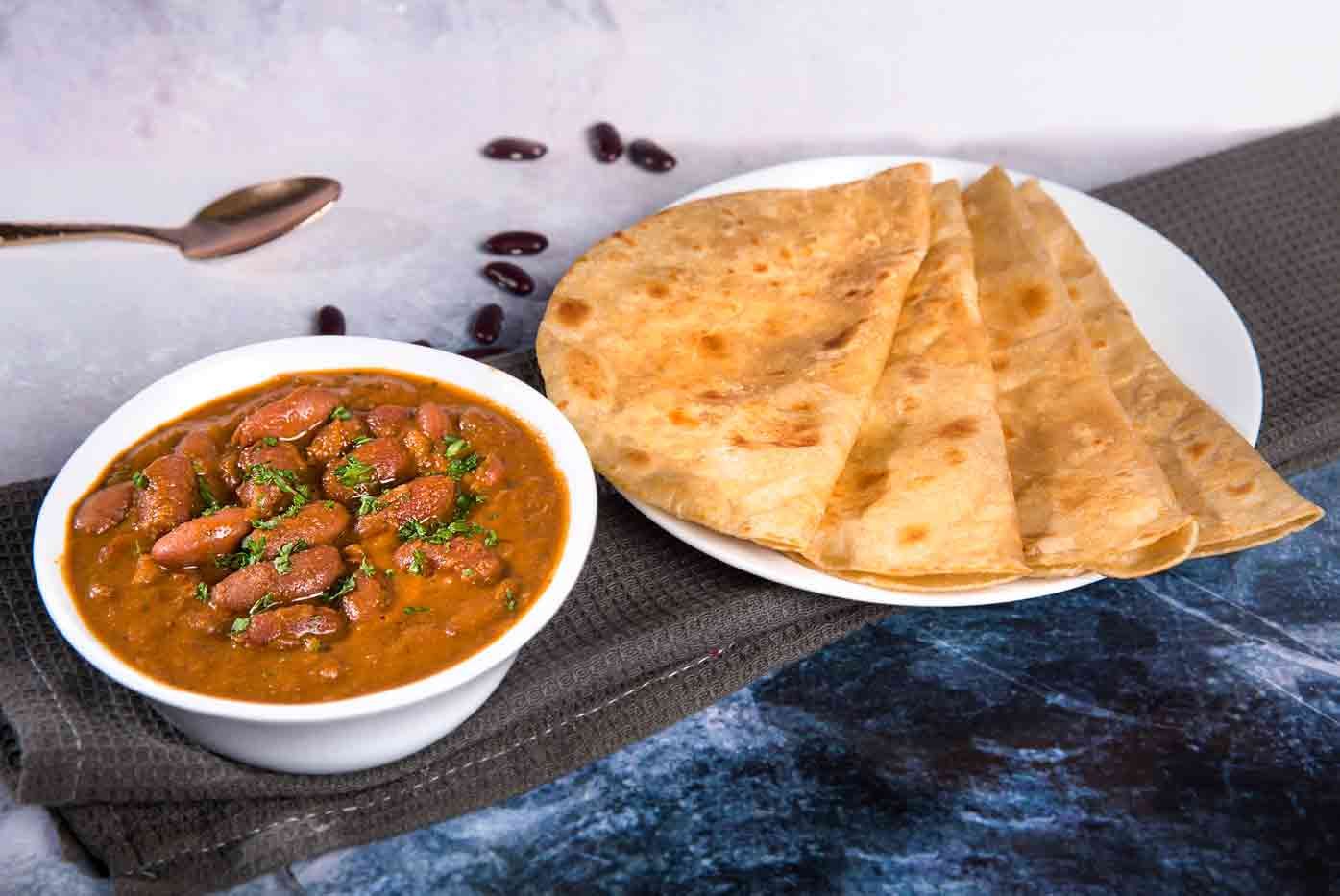
Kidney beans in a thick spiced gravy with rice — a staple across Jammu, where the small red rajma of Bhaderwah is especially prized. Simple, filling and served at dhabas along the Jammu–Srinagar highway and in Katra.
Katra (Vaishno Devi), India
Katra (Vaishno Devi), India
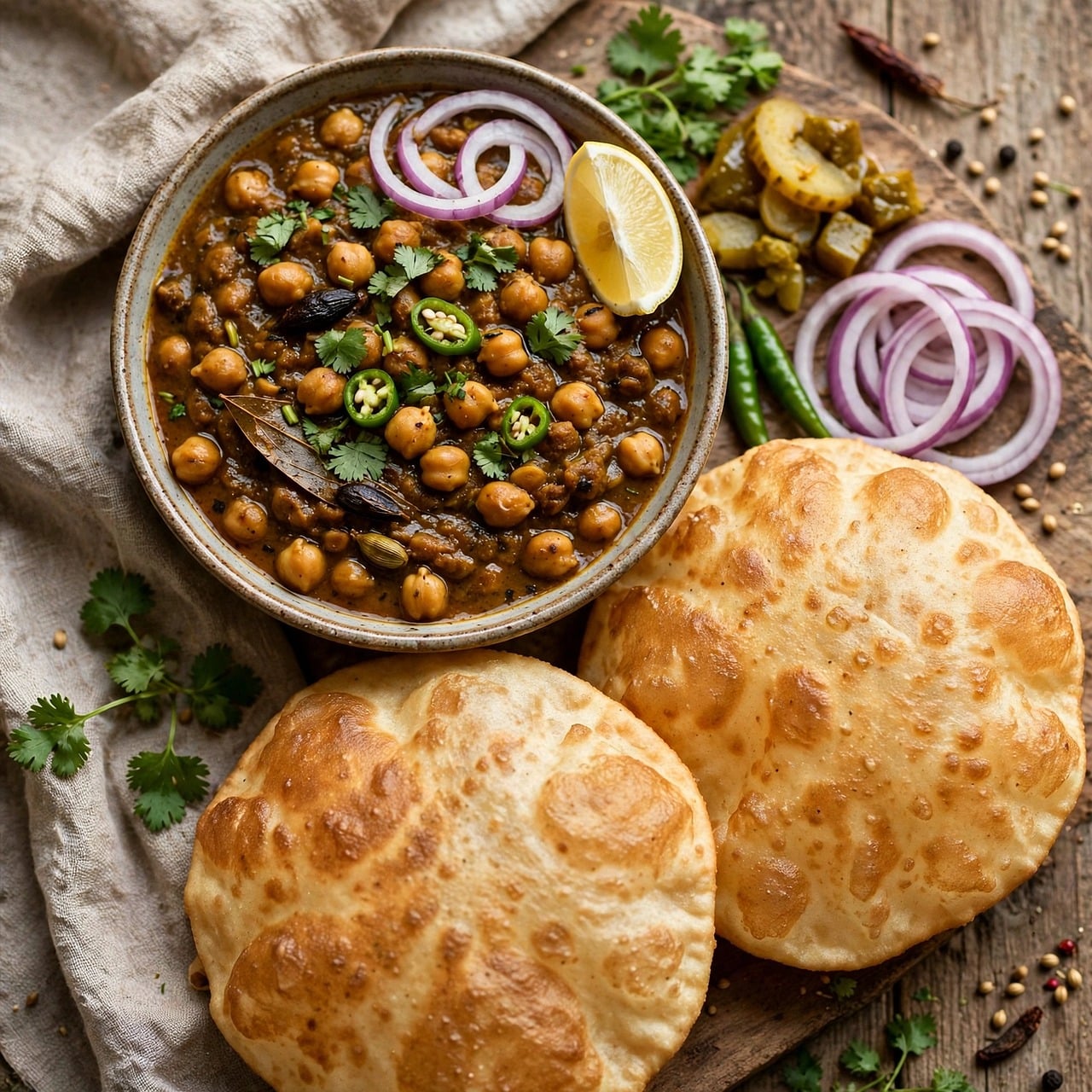
Spicy chickpea curry with large puffed fried breads, pickled onions and green chillies — a heavy Punjabi breakfast or lunch eaten from specialist shops in Chandigarh, usually before midday.
Katra town
Vegetarian restaurants and sweet shops; food in Katra and on the path is vegetarian.
Open in Google Maps (opens in a new tab)Along the yatra path
Bhojanalayas run by the shrine board serving simple vegetarian meals at fixed prices.
Open in Google Maps (opens in a new tab)Near the bus stand and Main Bazaar
Many hotels for pilgrims, close to the registration counters.
Open in Google Maps (opens in a new tab)Katra, Adhkuwari and the Bhawan
Rooms and dormitories run by the shrine board, booked online.
Open in Google Maps (opens in a new tab)The yatra is a deeply devotional journey: pilgrims chant "Jai Mata Di" on the climb and wait for darshan of the holy pindies in the cave. Many complete the pilgrimage at the Bhairon Nath temple above the shrine. Visitors should dress modestly, respect queues and follow the shrine's rules.
The cave shrine of Mata Vaishno Devi, a form of the Mother Goddess, lies at about 1,600 m in the Trikuta hills. According to tradition, the goddess meditated in the cave, and the holy pindies (natural rock forms) inside represent Maha Kali, Maha Lakshmi and Maha Saraswati. Pilgrims have walked here for centuries.
Since 1986 the shrine has been managed by the Shri Mata Vaishno Devi Shrine Board, which has built the paved path, shelters, a battery-car route and a ropeway to Bhairon temple. Katra has grown into a busy pilgrim town with its own railway station.
Reach Katra, register for the yatra and rest.
Start from Banganga, stop at Adhkuwari, and reach the Bhawan for darshan.
Ropeway or walk to Bhairon temple, then descend to Katra.
March to June and September to November. Navratri (spring and autumn) is the busiest. Winters are cold with snow higher up; monsoon rain makes the path slippery and can cause landslides.
By air: Jammu (IXJ) is about 50 km away (around 1.5–2 hours by road). The shrine board runs helicopter services from Katra to Sanjhichhat — book on its official website.
By train: Shri Mata Vaishno Devi Katra station has direct trains from Delhi and other cities, including Vande Bharat services, and the line continues towards the Kashmir valley — check current services.
By road: buses and taxis from Jammu run to Katra frequently.