Kathi roll
Kolkata, India
 Kolkata, India
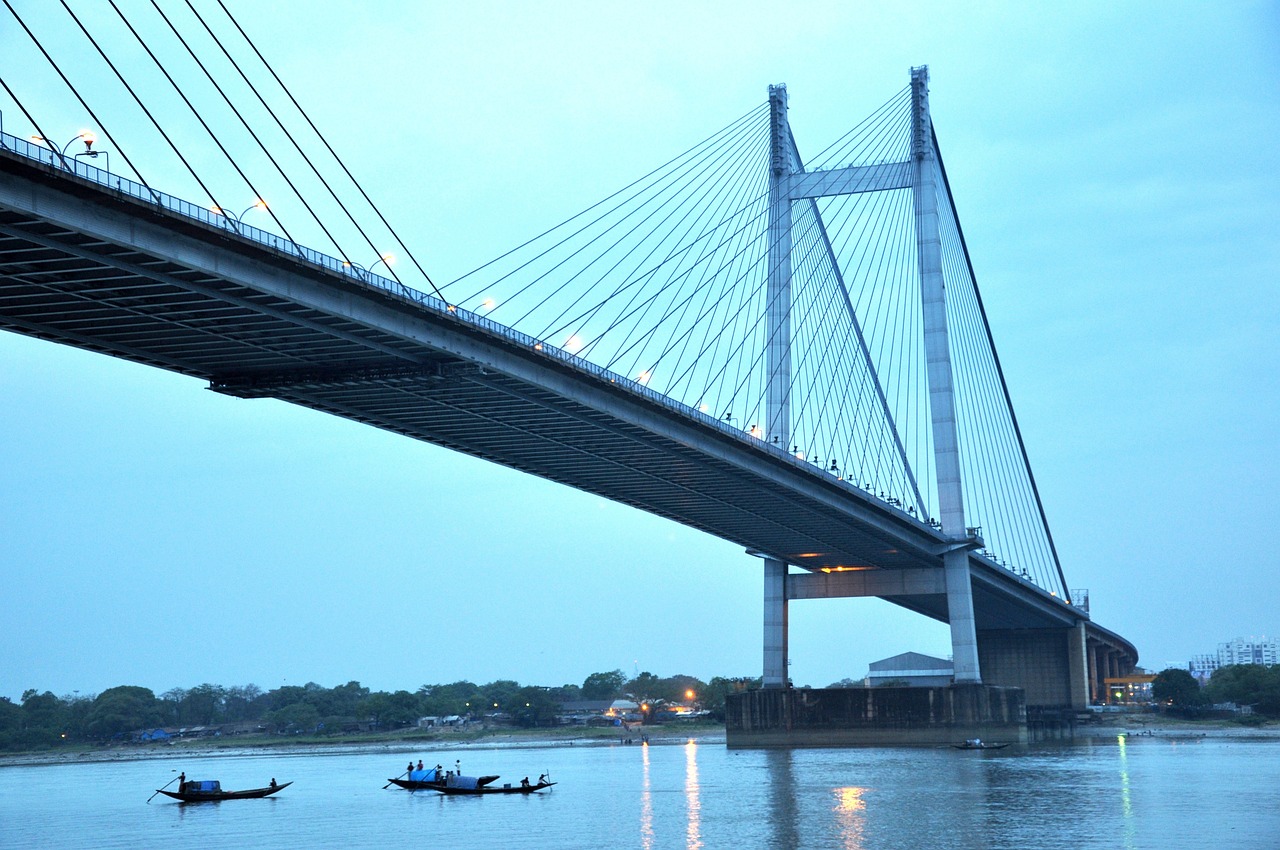
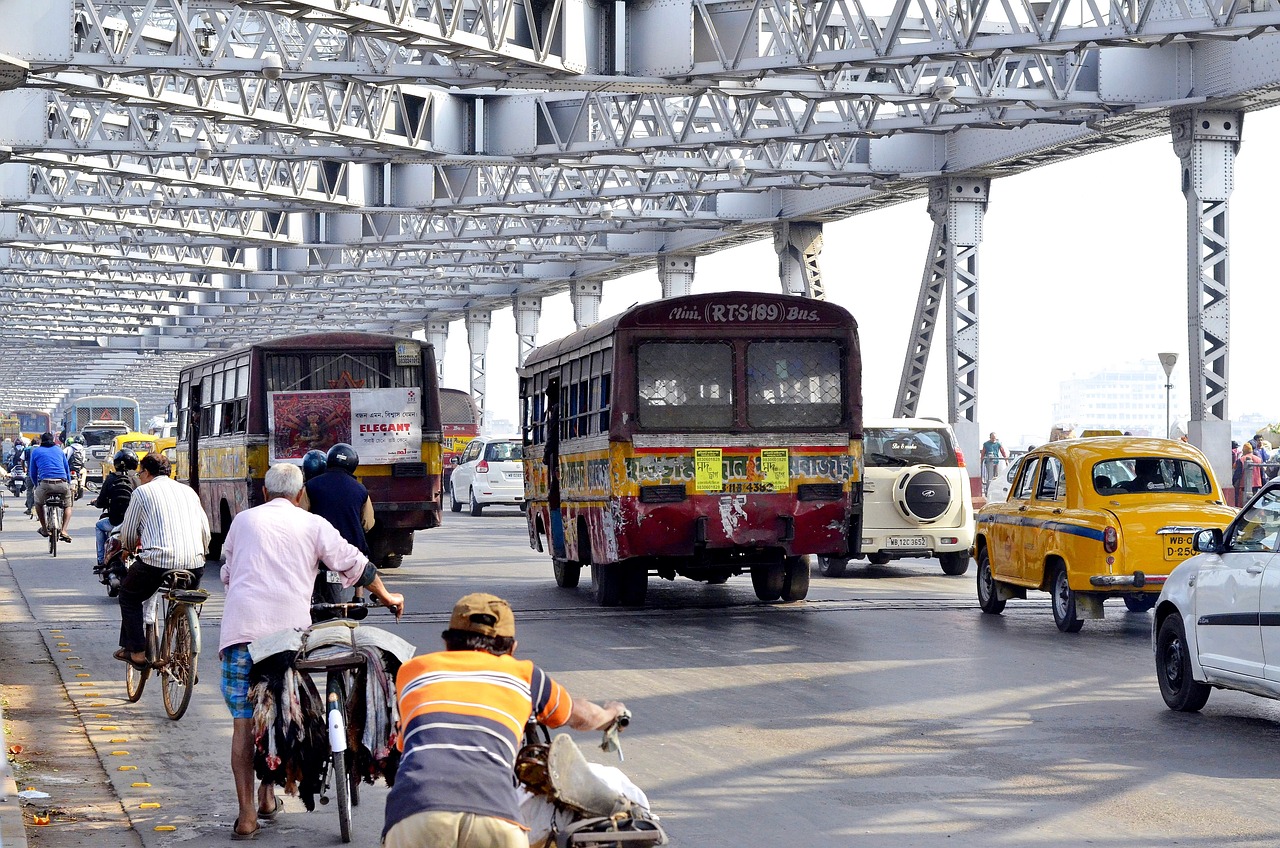
The capital of West Bengal and India's cultural capital: a great river city on the Hooghly, with grand colonial buildings, the Victoria Memorial, Howrah Bridge, book markets, coffee houses, temples and some of the best food and sweets in the country. A short trip for many travellers from Bangladesh.
Book market, Heritage
Kolkata, India
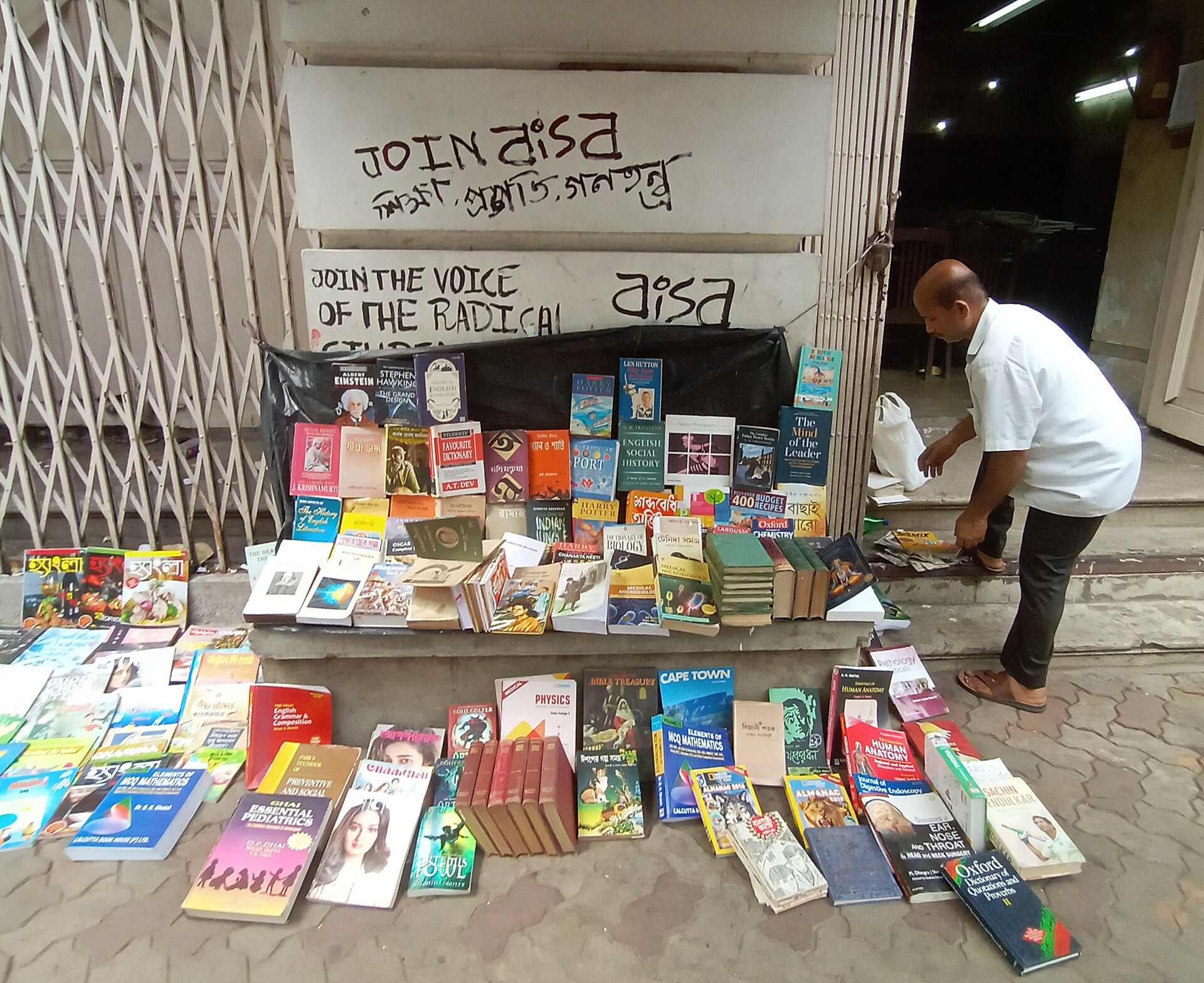
Kolkata's "Boi Para" (book town): a long street of bookstalls and publishers around the city's oldest colleges and university, with the legendary Indian Coffee House upstairs at Albert Hall.
Explore College Street and the Indian Coffee House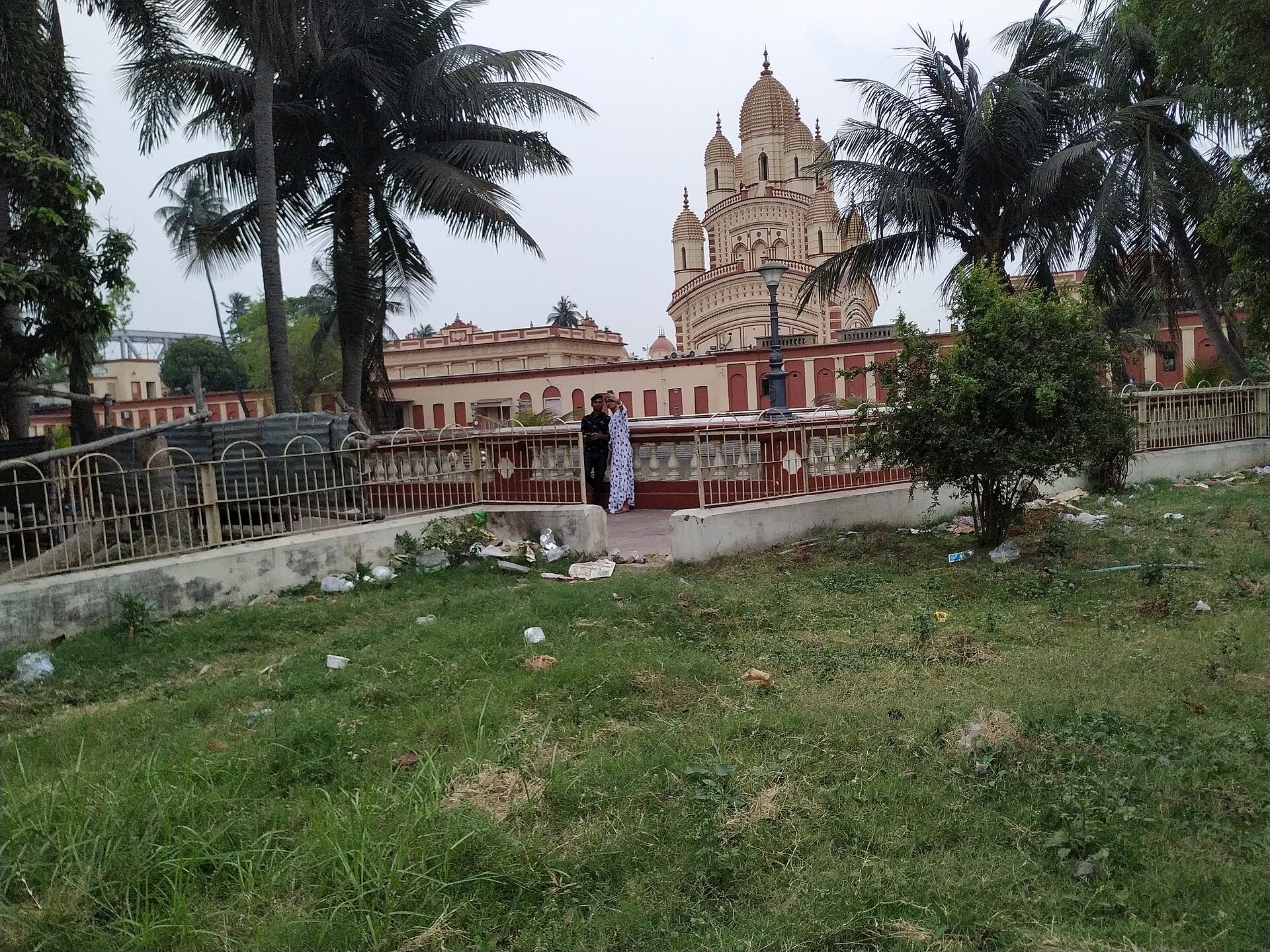
Temple, Pilgrimage
Kolkata, India
A large 19th-century riverside temple to the goddess Kali in the north of Kolkata, linked to the saint Ramakrishna, with twelve Shiva shrines along the Hooghly and Belur Math a short ferry ride across the river.
Explore Dakshineswar Kali Temple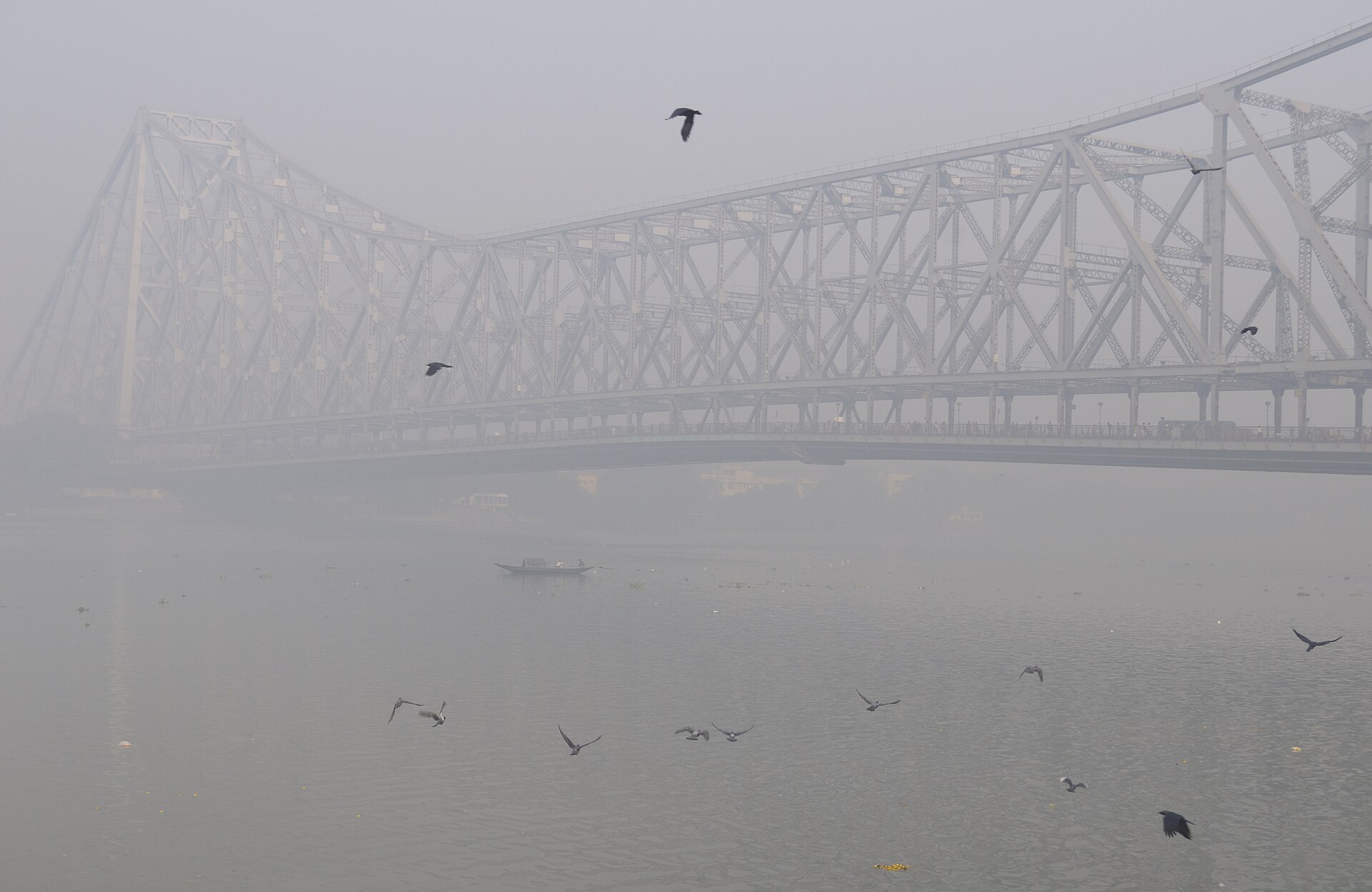
Bridge, Market
Kolkata, India
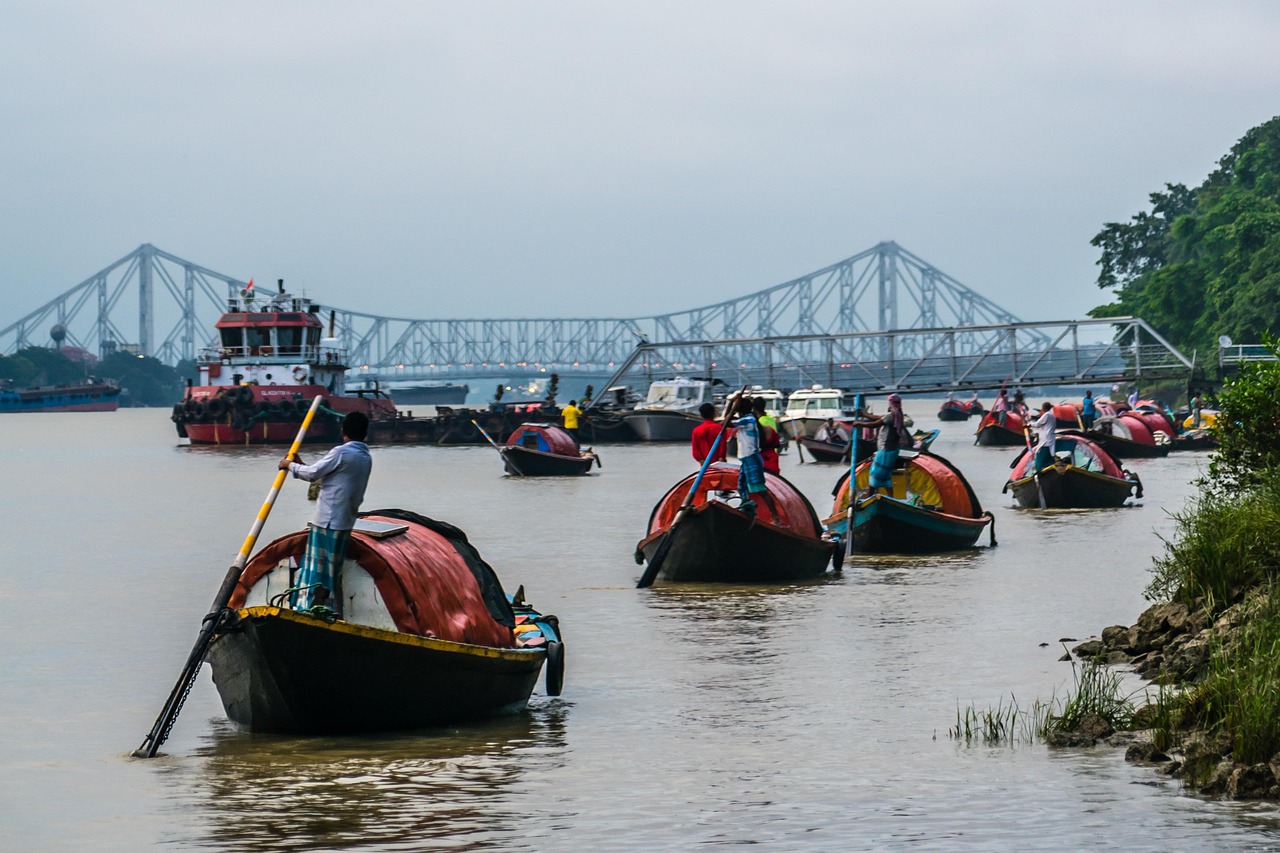
The giant steel cantilever bridge over the Hooghly, one of the busiest bridges in the world, and the Mullick Ghat flower market beneath it, where mountains of marigolds are traded from dawn.
Explore Howrah Bridge and the flower market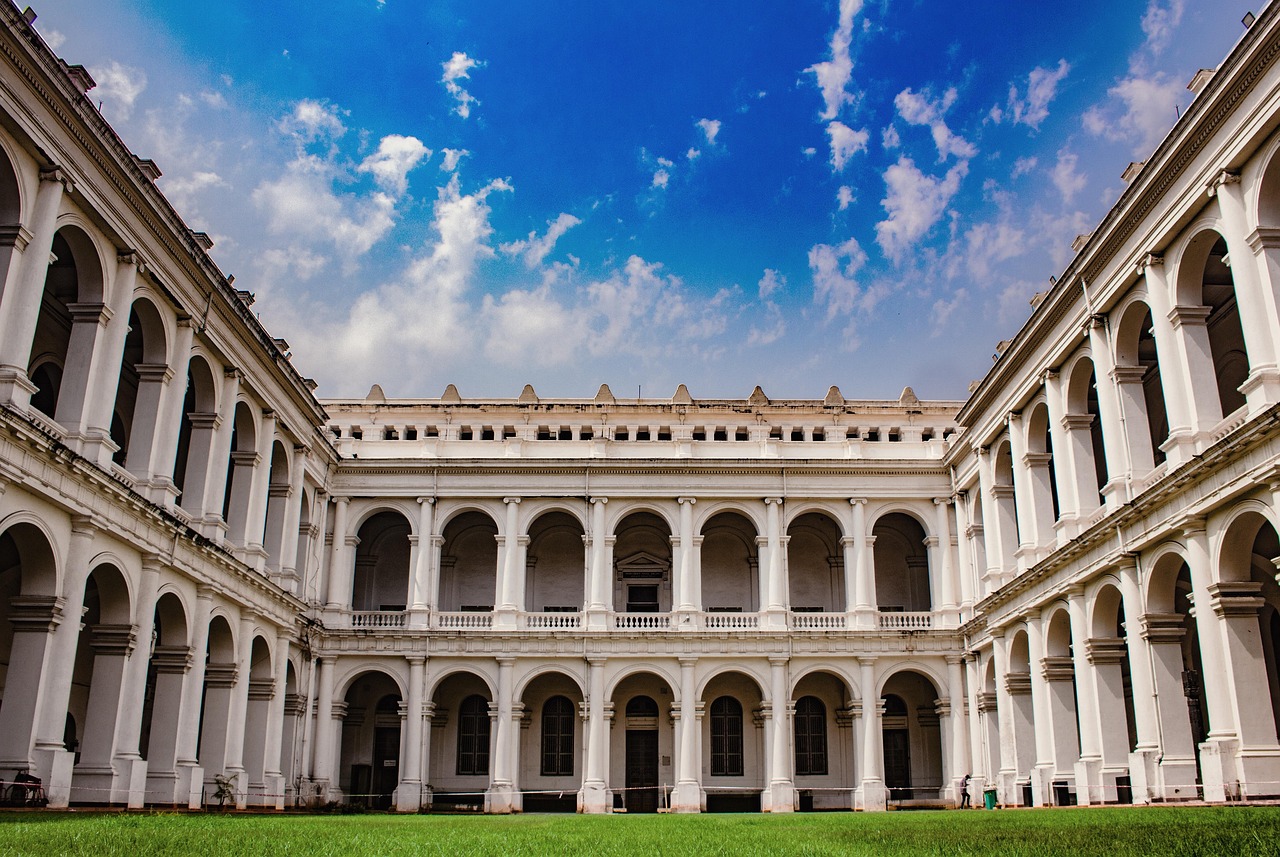
Museum, Heritage
Kolkata, India
The oldest and one of the largest museums in India, in a grand colonial building on Chowringhee, with ancient sculpture, the Bharhut stupa railings, an Egyptian mummy, fossils and natural history.
Explore Indian Museum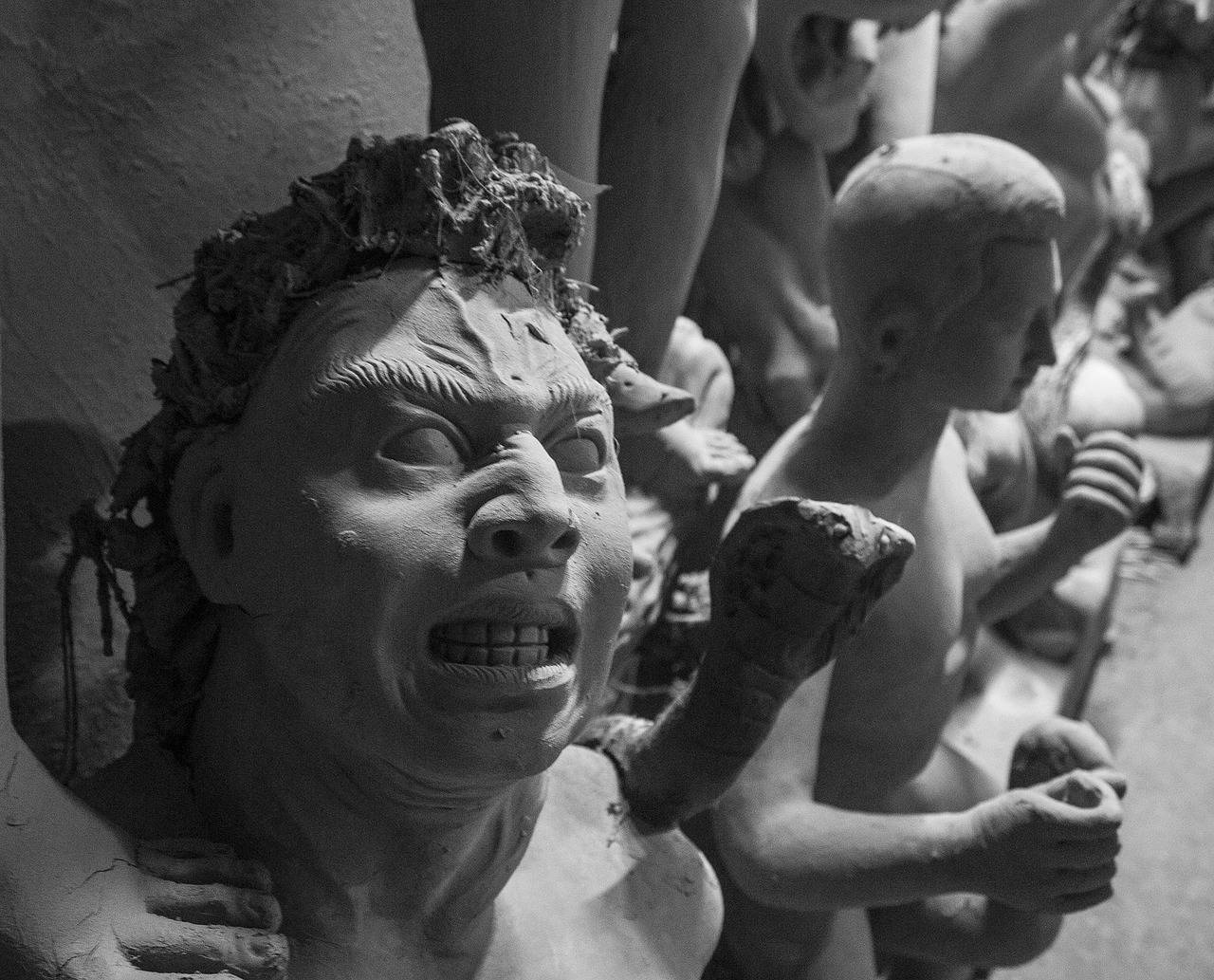
Artisan quarter, Heritage
Kolkata, India
The potters' quarter of North Kolkata beside the Hooghly, where families of artisans have sculpted clay images of the goddess Durga and other deities for the city's festivals for generations.
Explore Kumartuli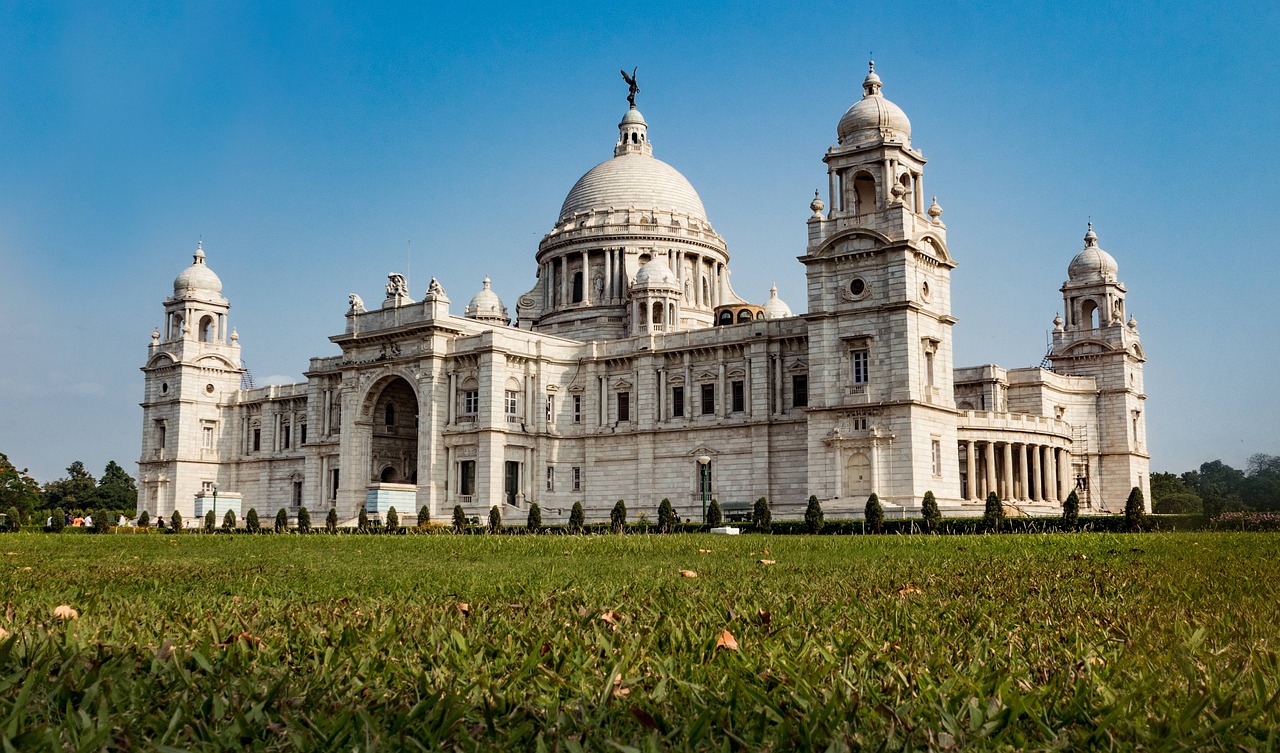
Monument, Museum
Kolkata, India
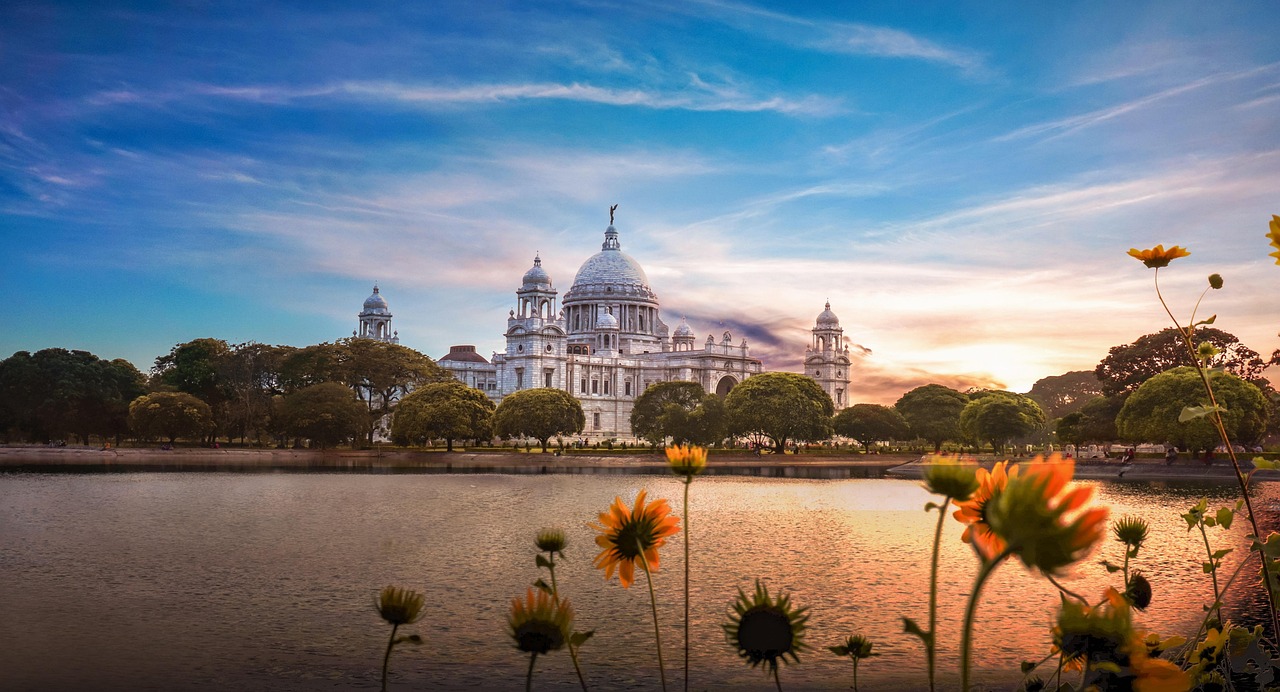
A great white marble memorial hall set in gardens on the edge of the Maidan, built in memory of Queen Victoria and now a museum of Kolkata's and India's colonial history and art — the symbol of the city.
Explore Victoria MemorialBook market, Heritage
Kolkata, India
Kolkata's "Boi Para" (book town): a long street of bookstalls and publishers around the city's oldest colleges and university, with the legendary Indian Coffee House upstairs at Albert Hall.
Explore College Street and the Indian Coffee HouseTemple, Pilgrimage
Kolkata, India
A large 19th-century riverside temple to the goddess Kali in the north of Kolkata, linked to the saint Ramakrishna, with twelve Shiva shrines along the Hooghly and Belur Math a short ferry ride across the river.
Explore Dakshineswar Kali TempleMuseum, Heritage
Kolkata, India
The oldest and one of the largest museums in India, in a grand colonial building on Chowringhee, with ancient sculpture, the Bharhut stupa railings, an Egyptian mummy, fossils and natural history.
Explore Indian MuseumArtisan quarter, Heritage
Kolkata, India
The potters' quarter of North Kolkata beside the Hooghly, where families of artisans have sculpted clay images of the goddess Durga and other deities for the city's festivals for generations.
Explore KumartuliMonument, Museum
Kolkata, India
A great white marble memorial hall set in gardens on the edge of the Maidan, built in memory of Queen Victoria and now a museum of Kolkata's and India's colonial history and art — the symbol of the city.
Explore Victoria MemorialKolkata, India
Kolkata, India
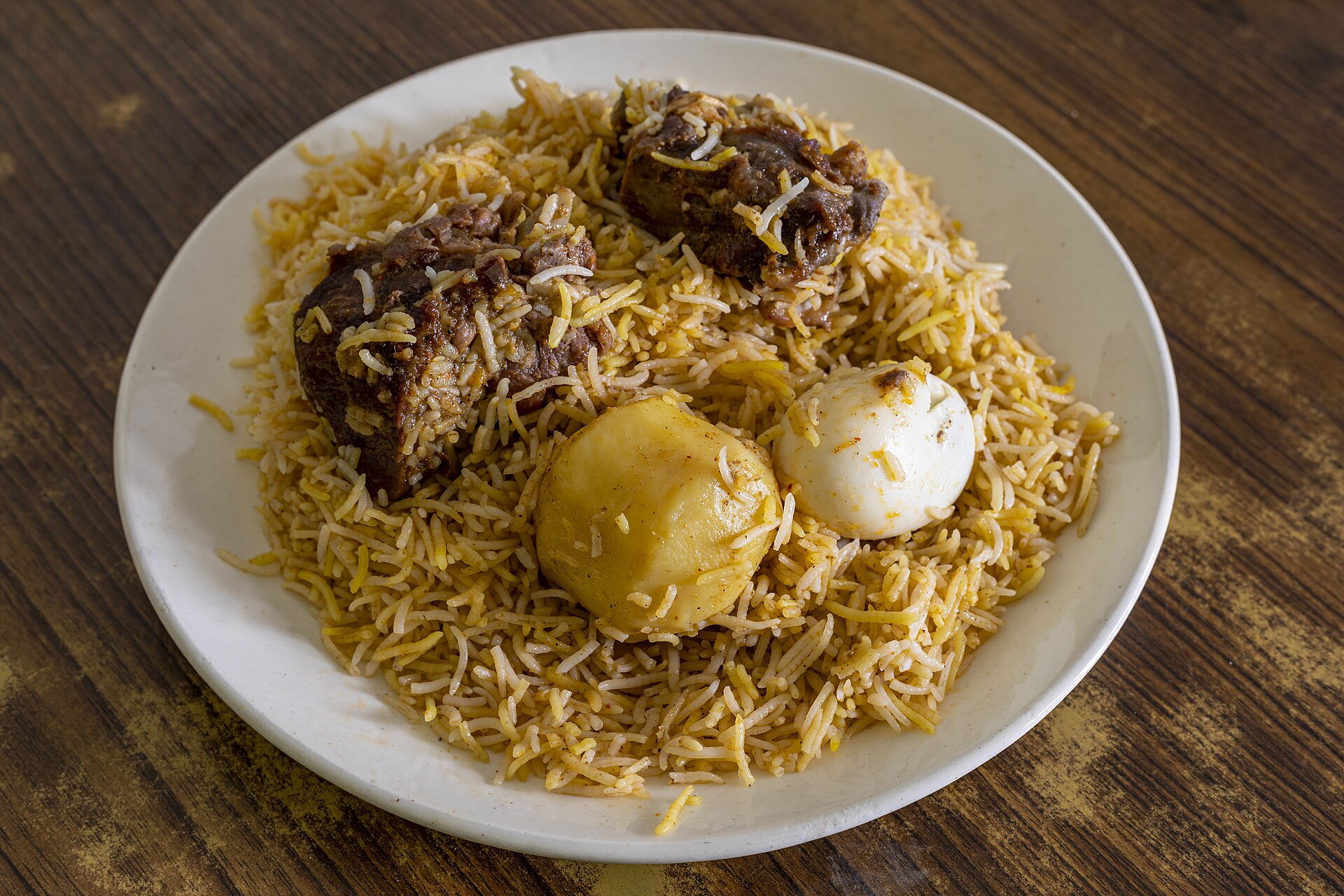
Kolkata, India
Kolkata, India
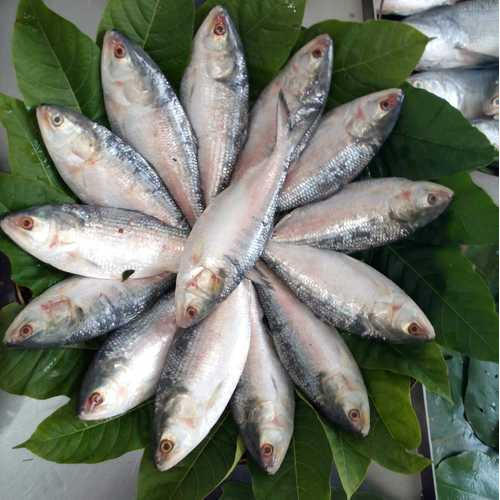
Kolkata, India
Kolkata, India
Mutton cooked slowly with onion, ginger, garlic and spices until dark and thick, traditionally eaten with luchi — puffed deep-fried flatbreads of white flour. A favourite Sunday and festival meal in Bengali homes.
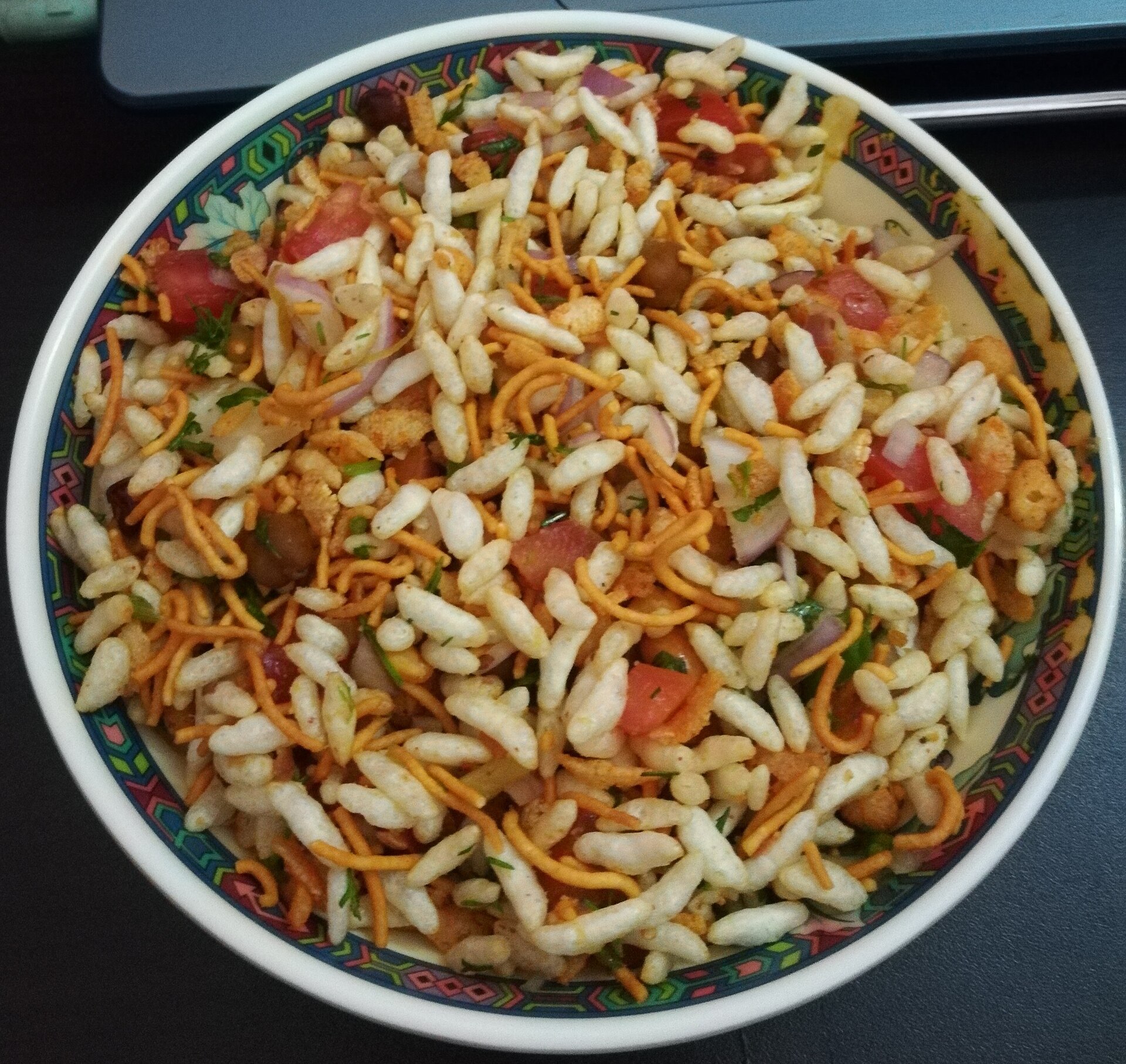
Kolkata, India
Park Street, central Kolkata
Kolkata's historic dining street: old-world restaurants such as Mocambo, Peter Cat and Trincas, known for continental dishes, chelo kebab and live music, and Flurys, the tea room famous for its breakfasts and pastries.
Open in Google Maps (opens in a new tab)South Kolkata and across the city
New Market, Park Street, Dacres Lane, Gariahat
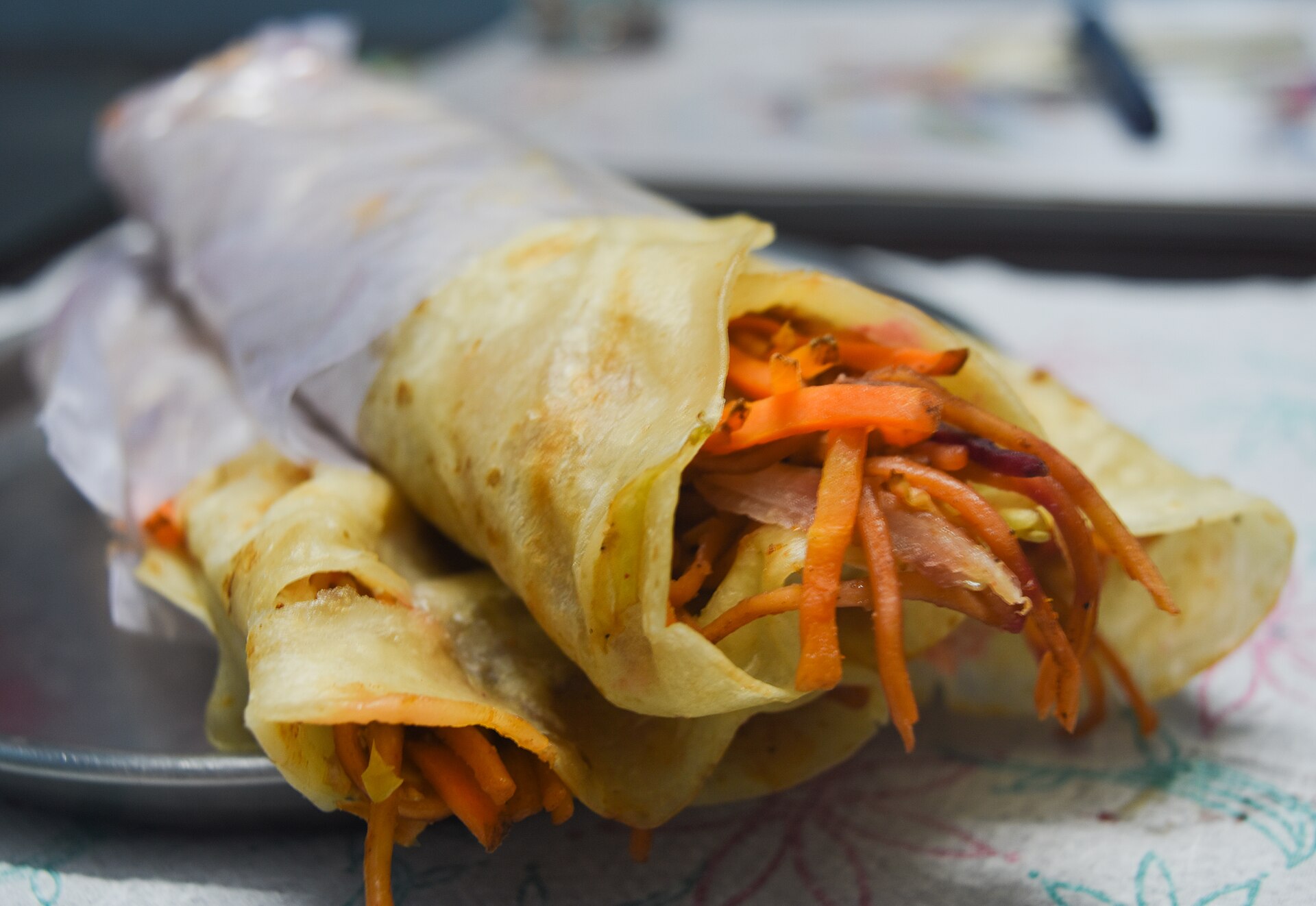
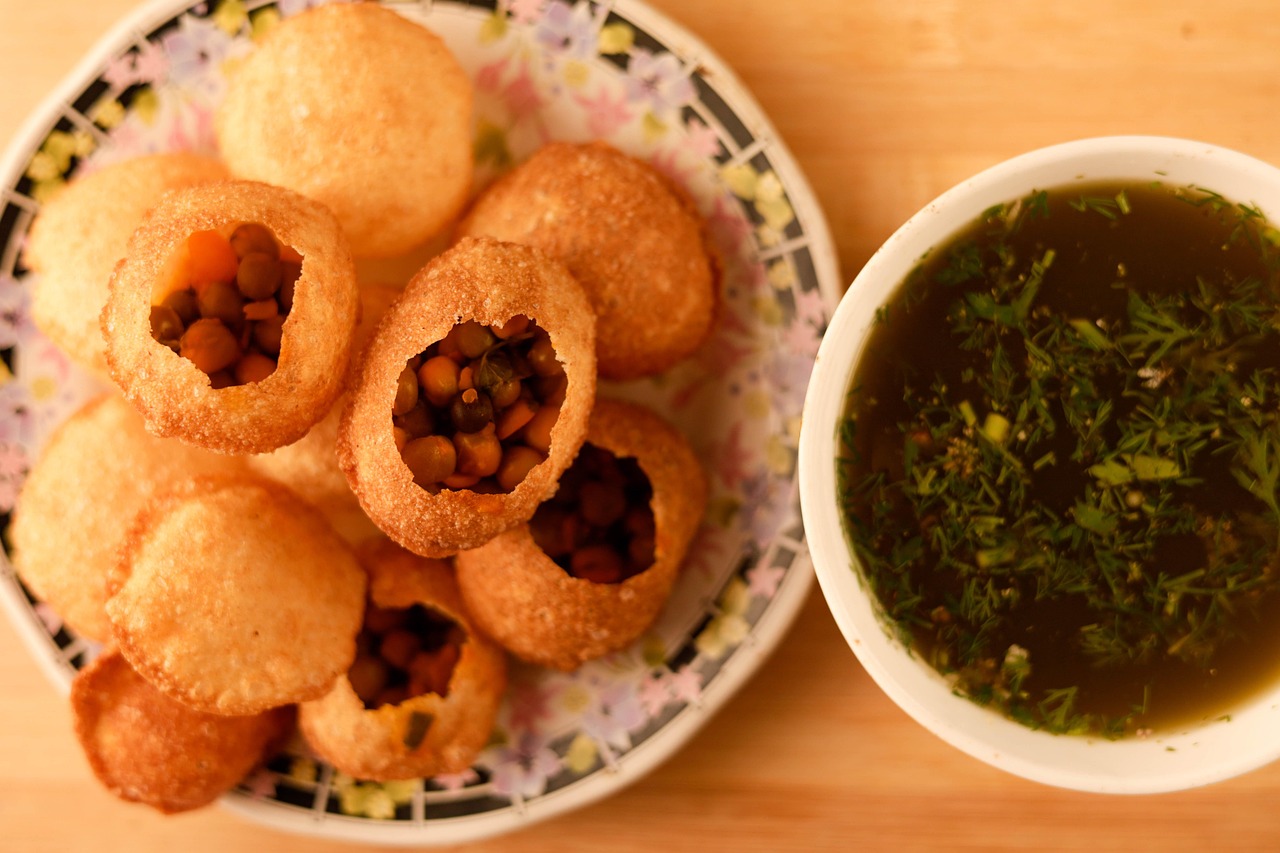
Kathi rolls, phuchka, jhalmuri, ghugni and fish fries from roadside counters and lanes. Dacres Lane near Esplanade is a well-known office-lunch street. Choose busy stalls where food is cooked in front of you.
Open in Google Maps (opens in a new tab)Every neighbourhood, notably North Kolkata and Bowbazar
Old sweet shops for rosogolla, sandesh and mishti doi, several of them running for well over a century. Sweets are bought by the piece or by weight and eaten standing at the counter.
Open in Google Maps (opens in a new tab)Albert Hall, College Street
The legendary high-ceilinged coffee house where students, writers and politicians have argued for generations, with turbaned waiters, cold coffee, cutlets and fish fry. More about the atmosphere than the food.
Open in Google Maps (opens in a new tab)Kolkata, India
Central Kolkata: hotels of every level around Park Street, Chowringhee and the Maidan, close to the Indian Museum, Victoria Memorial, New Market and the old restaurants. Well connected by metro.
Open in Google Maps (opens in a new tab)Kolkata, India
The city's traditional budget-traveller area, with guesthouses and simple hotels a short walk from the Indian Museum and New Market. Busy and basic, but central.
Open in Google Maps (opens in a new tab)Kolkata, India
Residential South Kolkata — Ballygunge, Gariahat and Kalighat — with business hotels, guesthouses and good Bengali restaurants, close to the Kalighat temple and well linked by metro.
Open in Google Maps (opens in a new tab)Kolkata, India
The planned north-eastern townships, with modern business hotels and larger international chains. Closest to the airport and convenient for short or work stays; the old city is a longer drive.
Open in Google Maps (opens in a new tab)Kolkata loves to talk — about football (Mohun Bagan and East Bengal), politics, cinema and books — over tea in a clay cup or in the famous adda sessions that last for hours. It is the city of Satyajit Ray and Tagore, of the Kolkata Book Fair, of theatre and music.
Durga Puja, recognised by UNESCO in 2021, is the great festival: artisans of Kumartuli sculpt the goddess in clay, neighbourhoods build elaborate pandals, and the whole city stays out all night. Food is a passion, from fish and rice at home to rolls and phuchka on the street and the sweet shops on every corner.
Kolkata grew from three riverside villages — Sutanuti, Gobindapur and Kalikata — where the English East India Company, under Job Charnock, set up a trading post in 1690. The Company built Fort William, and after the Battle of Plassey in 1757 Calcutta became the centre of British power in India and the capital of British India until the capital moved to Delhi in 1911.
The 19th century brought the Bengal Renaissance, a flowering of reform, science, literature and art led by figures such as Raja Ram Mohan Roy, Ishwar Chandra Vidyasagar, Swami Vivekananda and Rabindranath Tagore, who won the Nobel Prize for Literature in 1913. The city was also a centre of the independence movement.
The partition of Bengal in 1947 brought millions of refugees, and the city has long shared its language and culture with Bangladesh across the border. Its official name became Kolkata in 2001.
Morning at the Victoria Memorial and St Paul's Cathedral, then the Indian Museum. Evening on Park Street with a kathi roll or dinner at one of the old restaurants.
Dawn at the flower market under Howrah Bridge, a ferry across the Hooghly, then Kumartuli and the old lanes of North Kolkata. Afternoon at College Street and coffee at the Indian Coffee House.
Morning at the Dakshineswar Kali Temple, ferry across to Belur Math, then back to the city for a Bengali lunch and sweet shopping.
October to February, when the weather is pleasant and Durga Puja (September–October) opens the festival season. March to June is hot and humid; the monsoon brings heavy rain.
By air: Netaji Subhas Chandra Bose International Airport (CCU) at Dum Dum is about 15–17 km north-east of the centre, with flights across India and to South-East Asia, the Gulf and neighbouring countries, including Dhaka. Prepaid and app taxis run to the city, and a metro station serves the airport — check the current line.
By train: Howrah station, across the river, and Sealdah station are the main rail terminals, with trains from Delhi, Mumbai, Varanasi, New Jalpaiguri (for Darjeeling) and the rest of India.
From Bangladesh: From Bangladesh, Kolkata is also reached overland. The main road crossing is Benapole (Bangladesh) – Petrapole (India), used by Dhaka–Kolkata buses. Cross-border trains have linked the two countries: the Maitree Express between Dhaka and Kolkata and the Bandhan Express between Khulna and Kolkata, arriving at Kolkata (Chitpur) station. Services have been suspended at times — check current schedules and visa rules before you plan.
Kolkata has India's oldest metro (opened 1984), now with several lines, including an east–west line that runs under the Hooghly to Howrah station. Yellow taxis, app cabs, buses and auto-rickshaws cover the rest. Kolkata is the last Indian city with a tram network, though only a few routes have run in recent years — check what is operating. River ferries cross the Hooghly between the ghats and are quick and cheap.
Traffic is heavy at rush hours; the metro is usually the fastest way across the city.