Konark Sun Temple
Konark
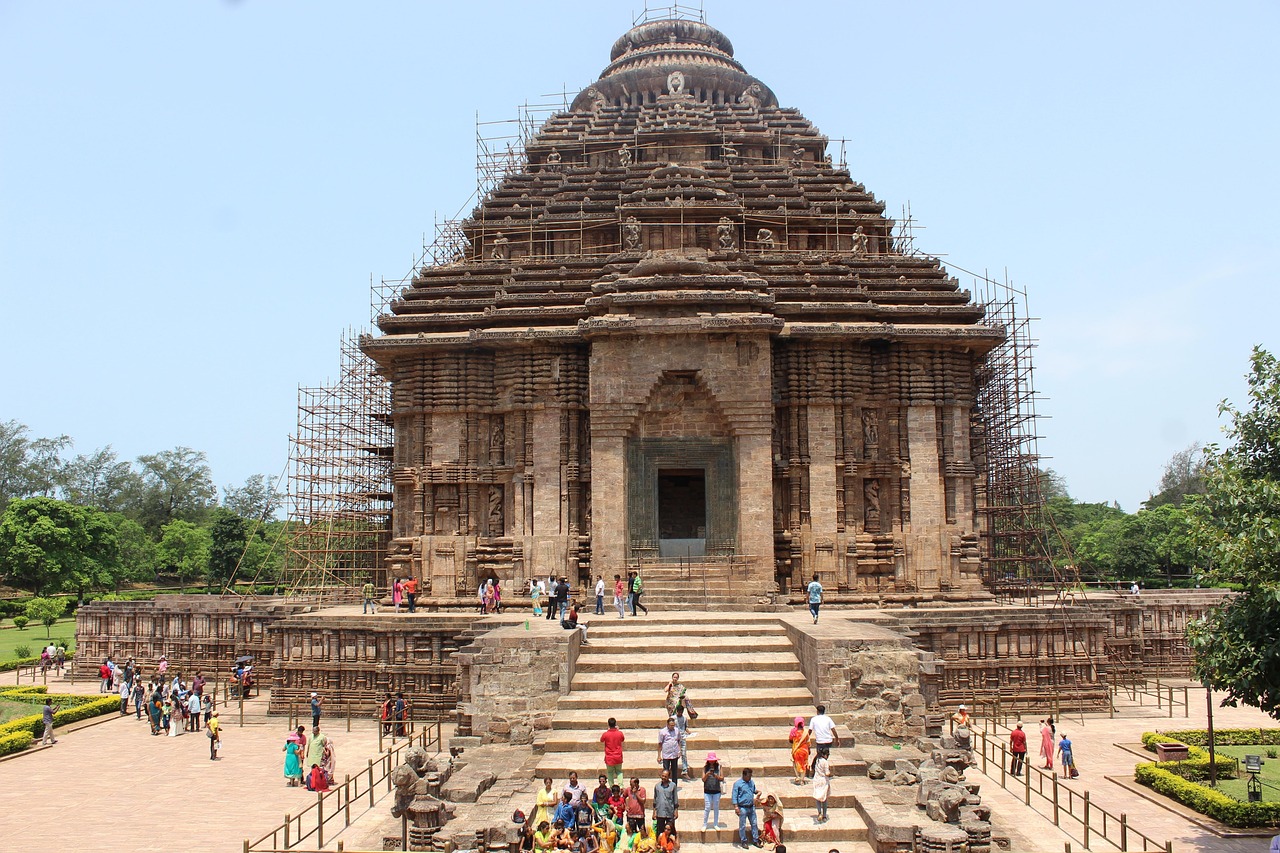
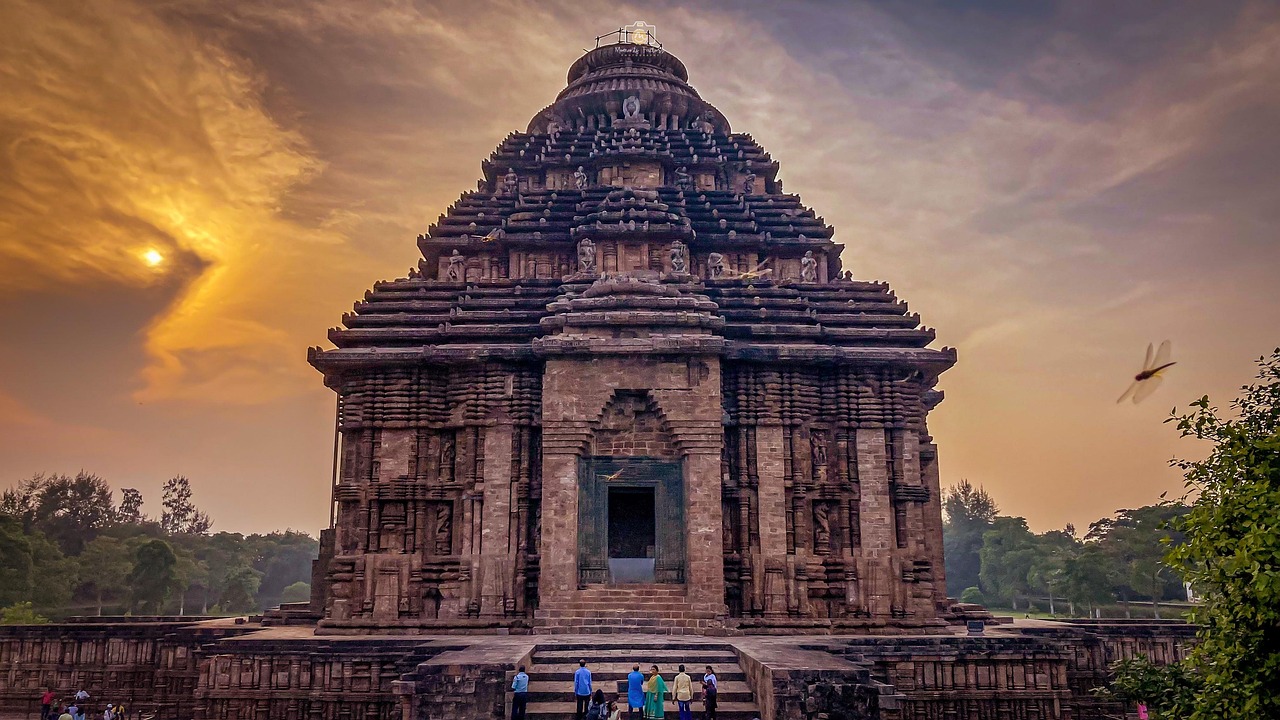
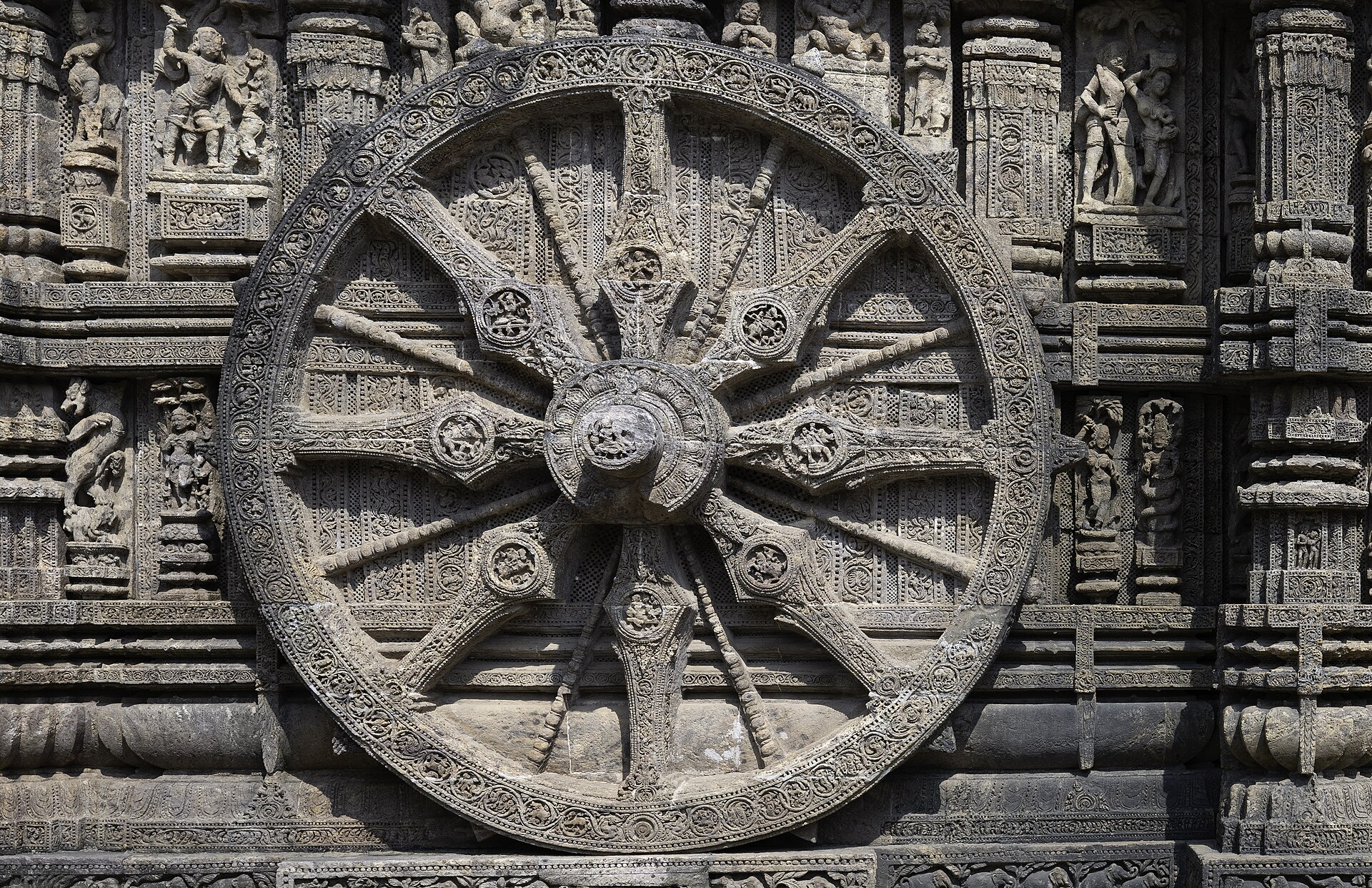
The chariot-shaped temple of Surya, with its 24 carved wheels (some say they work as sundials), seven horses and three images of the Sun at dawn, midday and sunset on the outer walls.
Open in Google Maps (opens in a new tab)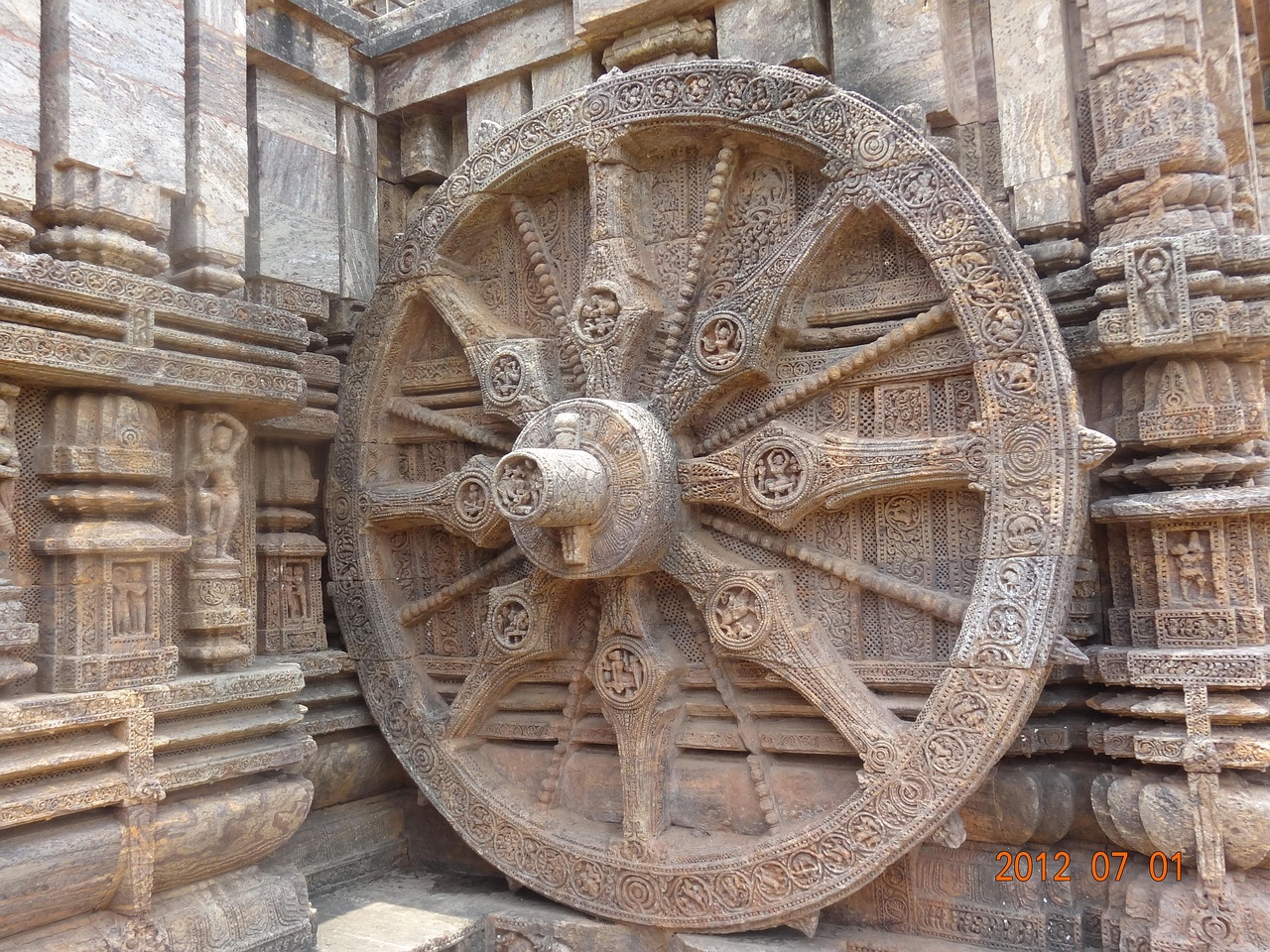
 Konark, India
The 13th-century Sun Temple, built as a colossal stone chariot of the Sun God with 24 carved wheels and seven horses — a UNESCO World Heritage Site on the Odisha coast between Puri and Bhubaneswar.
Konark
The chariot-shaped temple of Surya, with its 24 carved wheels (some say they work as sundials), seven horses and three images of the Sun at dawn, midday and sunset on the outer walls.
Open in Google Maps (opens in a new tab)Beside the temple
Carvings and sculptures that fell from the temple, shown up close. Check opening days.
Open in Google Maps (opens in a new tab)About 3 km east
A wide, quiet beach where pilgrims bathe on Magha Saptami; the sea can be rough.
Open in Google Maps (opens in a new tab)About 8 km towards Puri
A small temple to the goddess Ramachandi where the Kushabhadra river meets the sea.
Open in Google Maps (opens in a new tab)Between Puri and Konark
A coast road through casuarina forest and past empty beaches, part of the Balukhand wildlife sanctuary.
Open in Google Maps (opens in a new tab)About 8 km from Konark
The excavated remains of an early medieval Buddhist monastery with a stone Buddha image.
Open in Google Maps (opens in a new tab)Konark, India
The everyday dish of Odisha: lentils cooked with vegetables such as raw banana, pumpkin, papaya and aubergine, finished with cumin, dried chilli and ghee. Eaten with rice, and part of temple food.
Konark, India
Fish cooked in a mustard paste — the Odia version of a dish loved all over the east — along with prawn curry (chingudi), crab (kankada) and fried fish from the coast and Chilika Lake.
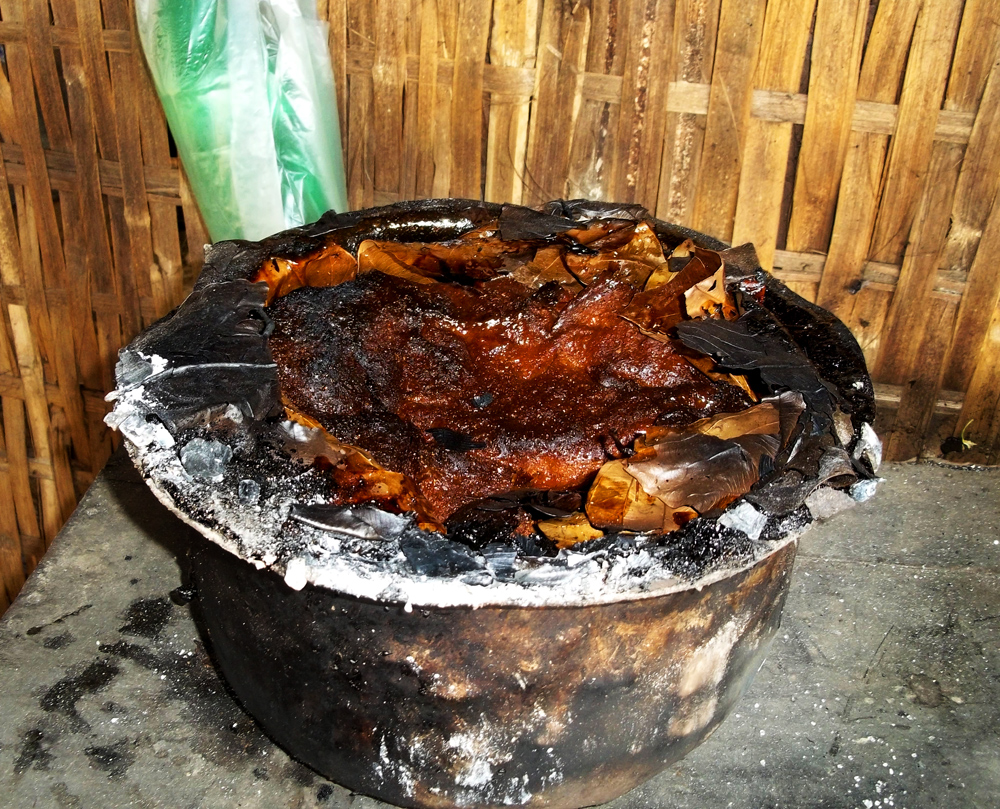
Konark, India
Konark market
Simple restaurants serving thalis, seafood and snacks for visitors.
Open in Google Maps (opens in a new tab)35 km away
Most visitors take a proper lunch or dinner in Puri.
Open in Google Maps (opens in a new tab)Konark, India
A few guesthouses and the state tourism lodge, for those who want the temple at dawn.
Open in Google Maps (opens in a new tab)Konark's carvings are an encyclopaedia of 13th-century Odisha: kings and armies, hunting and trade, music and dance. The Konark Dance Festival, held each December against the temple, brings together dancers of Odissi and other classical forms.
On Magha Saptami, pilgrims bathe at sunrise at Chandrabhaga beach, a fair that has been held for centuries. Close by is the Konark Sand Art tradition seen on the beaches of Puri.
The Konark Sun Temple was built around 1250 by King Narasimhadeva I of the Eastern Ganga dynasty. It was designed as the chariot of Surya, the Sun God, with 24 elaborately carved stone wheels and a team of seven horses. Its walls are covered in carvings of gods, musicians, dancers, animals, everyday life and erotic scenes.
The great tower (deul) collapsed long ago. What stands today is the jagamohana, the porch or audience hall, which the British filled with sand and sealed in 1903 to stop it collapsing. Sailors once used the dark tower as a landmark and called it the Black Pagoda (Puri's temple was the White Pagoda). It was inscribed as a UNESCO World Heritage Site in 1984, and one of its wheels appears on Indian currency notes.
Stop at Ramachandi on the way.
Two hours with a guide.
The fallen sculptures.
Before heading back.
October to March. The Konark Dance Festival is held in early December, and the Chandrabhaga Mela on Magha Saptami (January–February). Summers are very hot.
By air: Bhubaneswar (BBI), about 65 km (1.5 hours by road).
By train: no station in Konark; the nearest is Puri (about 35 km), with Bhubaneswar also close.
By road: buses and taxis from Puri along the Marine Drive, and from Bhubaneswar via Pipili. Most visitors come on a day trip.