Koza Han courtyard
Koza Han
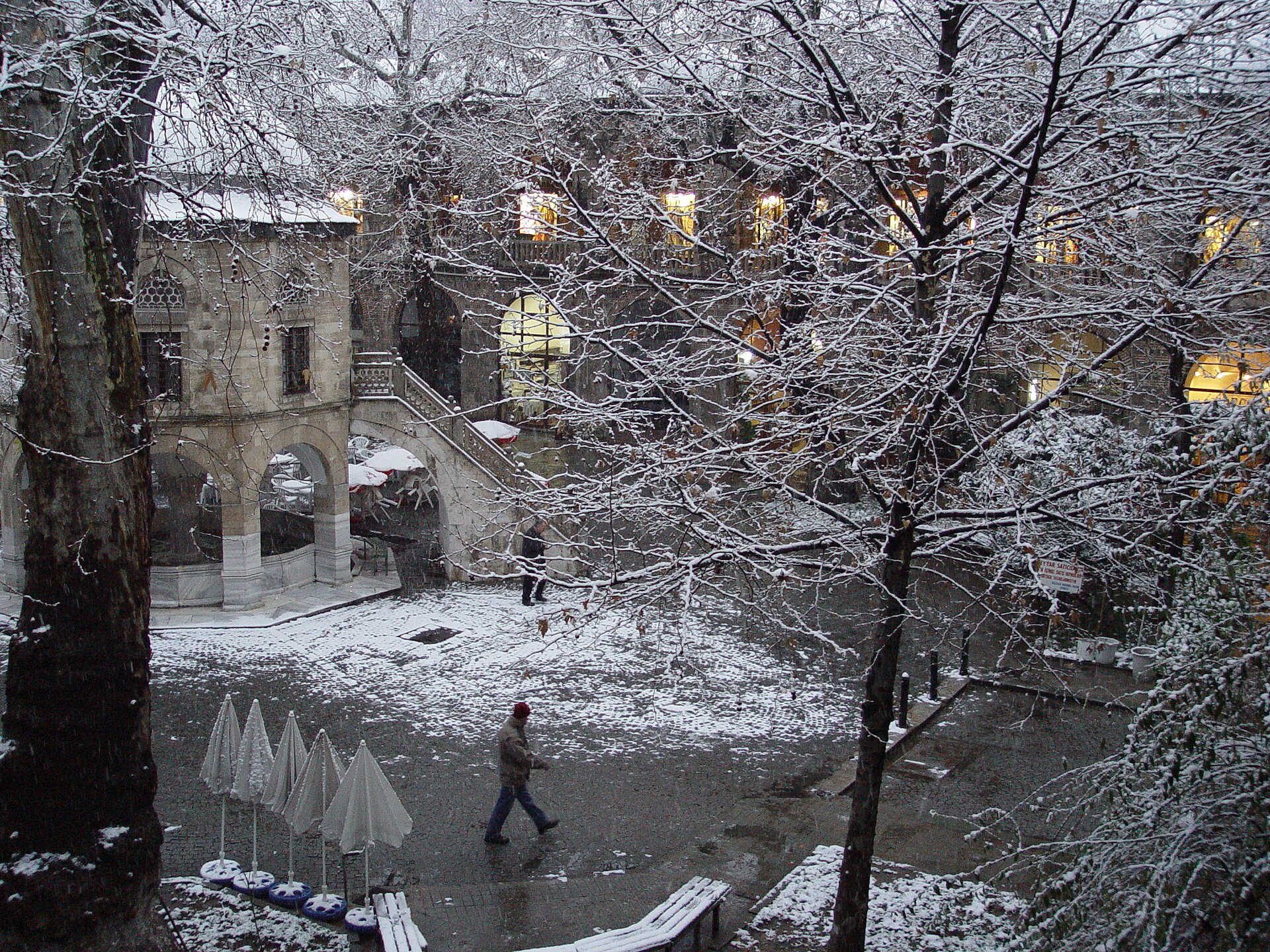
The arcaded courtyard with its tea garden and the small mosque over a fountain.
Open in Google Maps (opens in a new tab)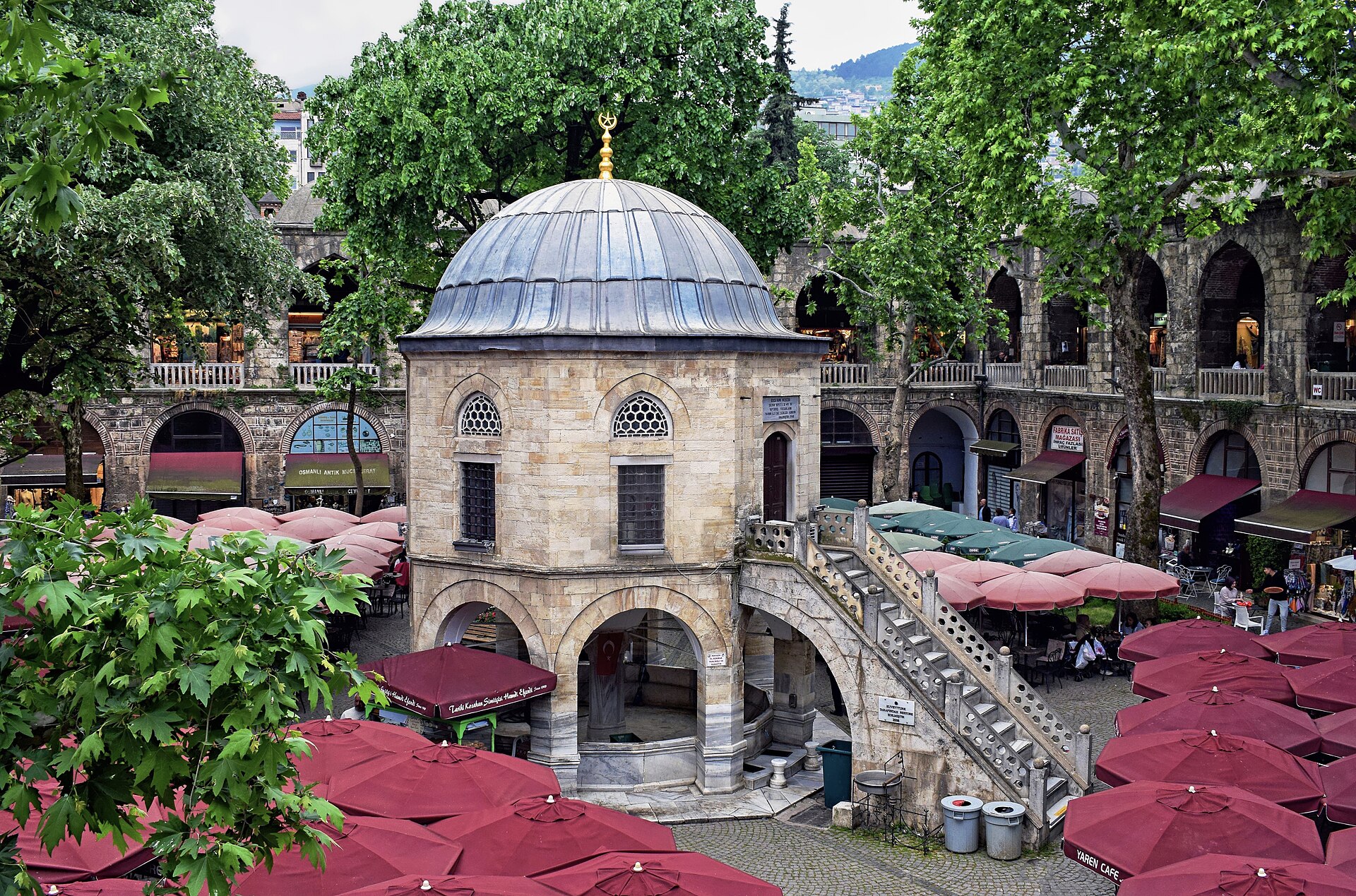
 Bursa, Türkiye
Bursa's 15th-century silk market around a courtyard with a tiny mosque, at the heart of a covered bazaar of hans, silk scarves, towels and knives.
Koza Han
The arcaded courtyard with its tea garden and the small mosque over a fountain.
Open in Google Maps (opens in a new tab)Koza Han arcades
Scarves, ties and fabrics, the city's traditional trade.
Open in Google Maps (opens in a new tab)Beside Ulu Cami
An older han with a fountain courtyard and tea garden.
Open in Google Maps (opens in a new tab)Behind Koza Han
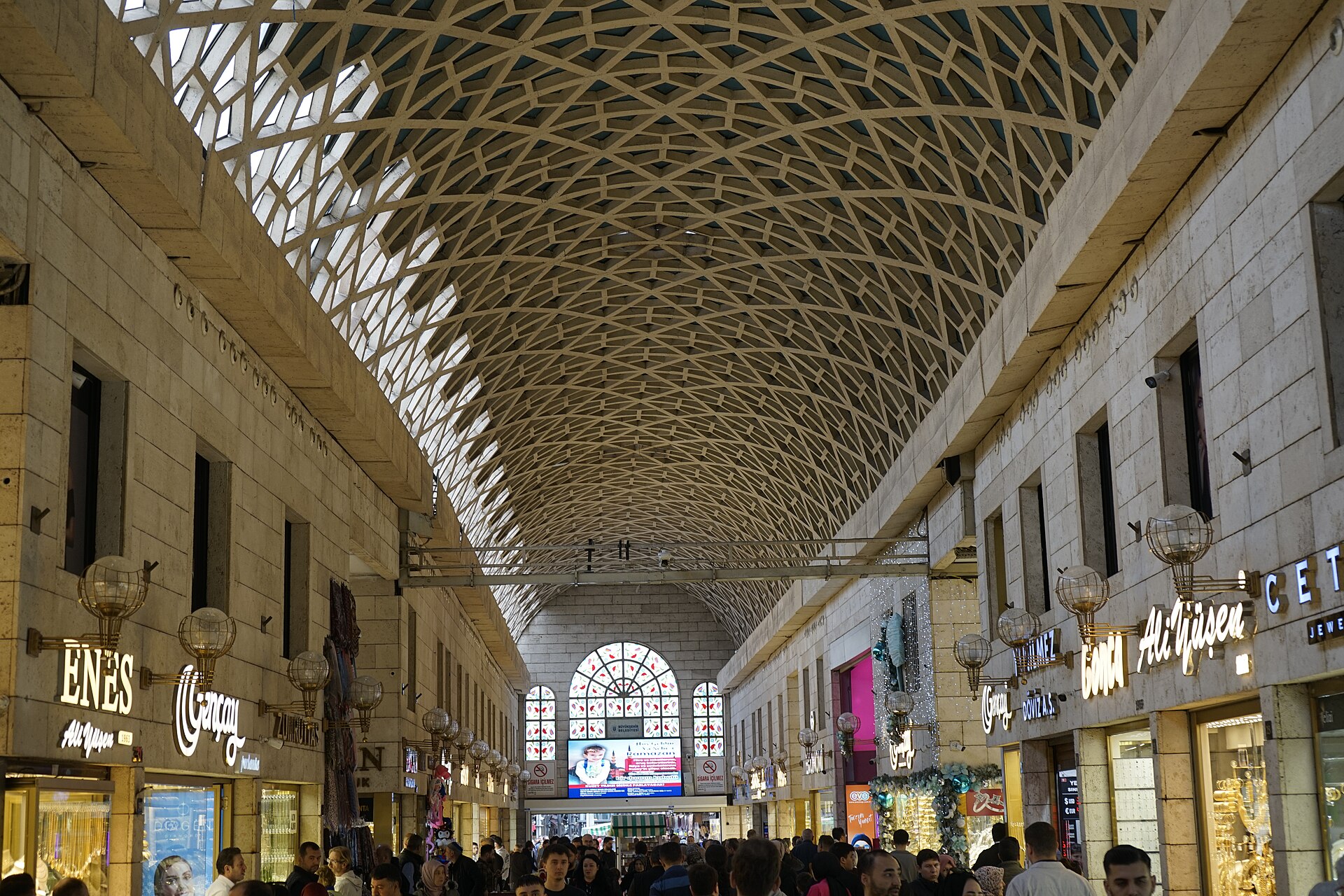
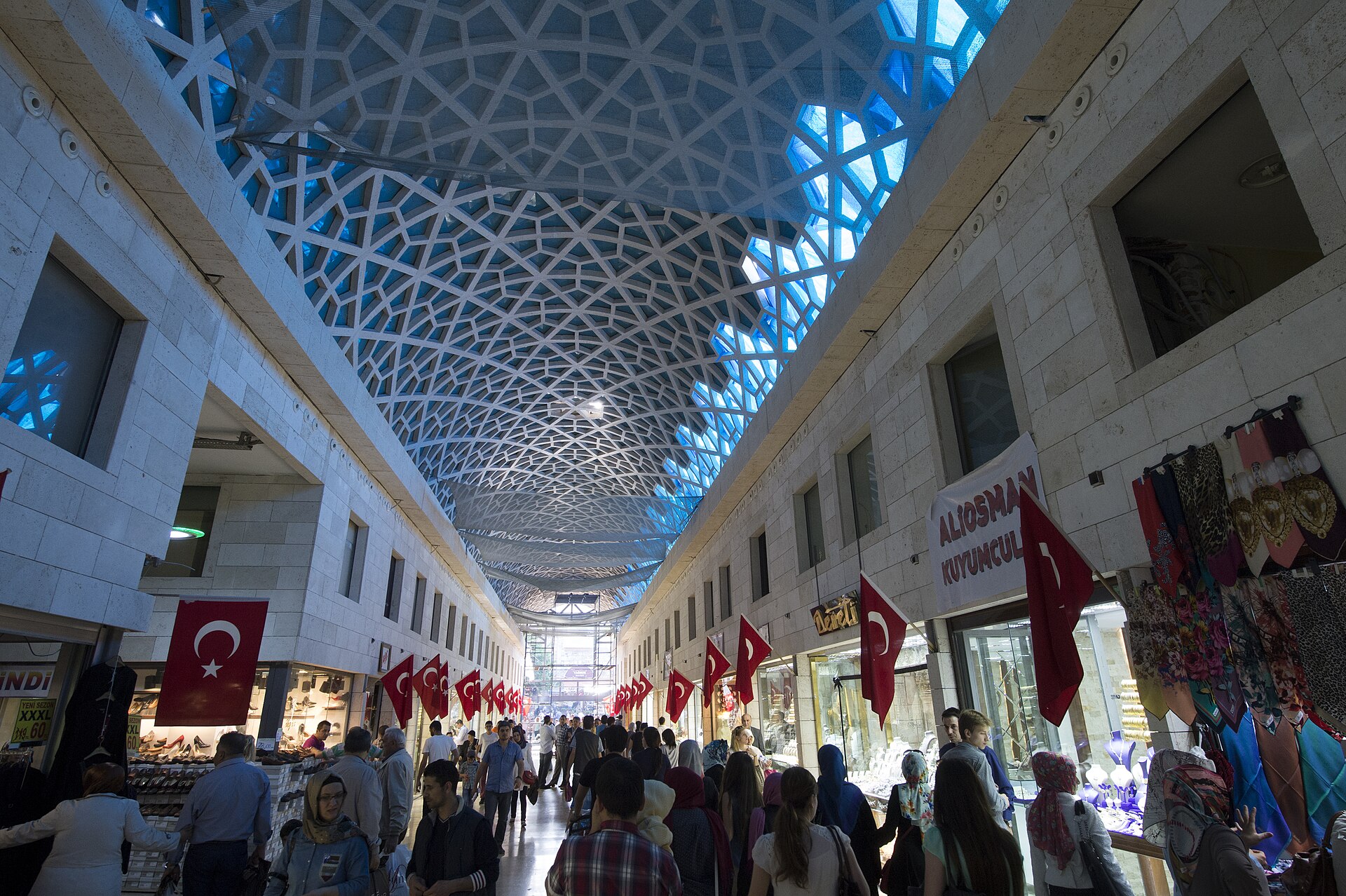
The covered bazaar of textiles, towels, jewellery and household goods.
Open in Google Maps (opens in a new tab)Bursa, Türkiye
A Bursa street pastry: a small open pide topped with minced meat, onion and tomato, eaten hot from bakeries in the morning or as a snack.
Bursa, Türkiye
Bursa, Türkiye
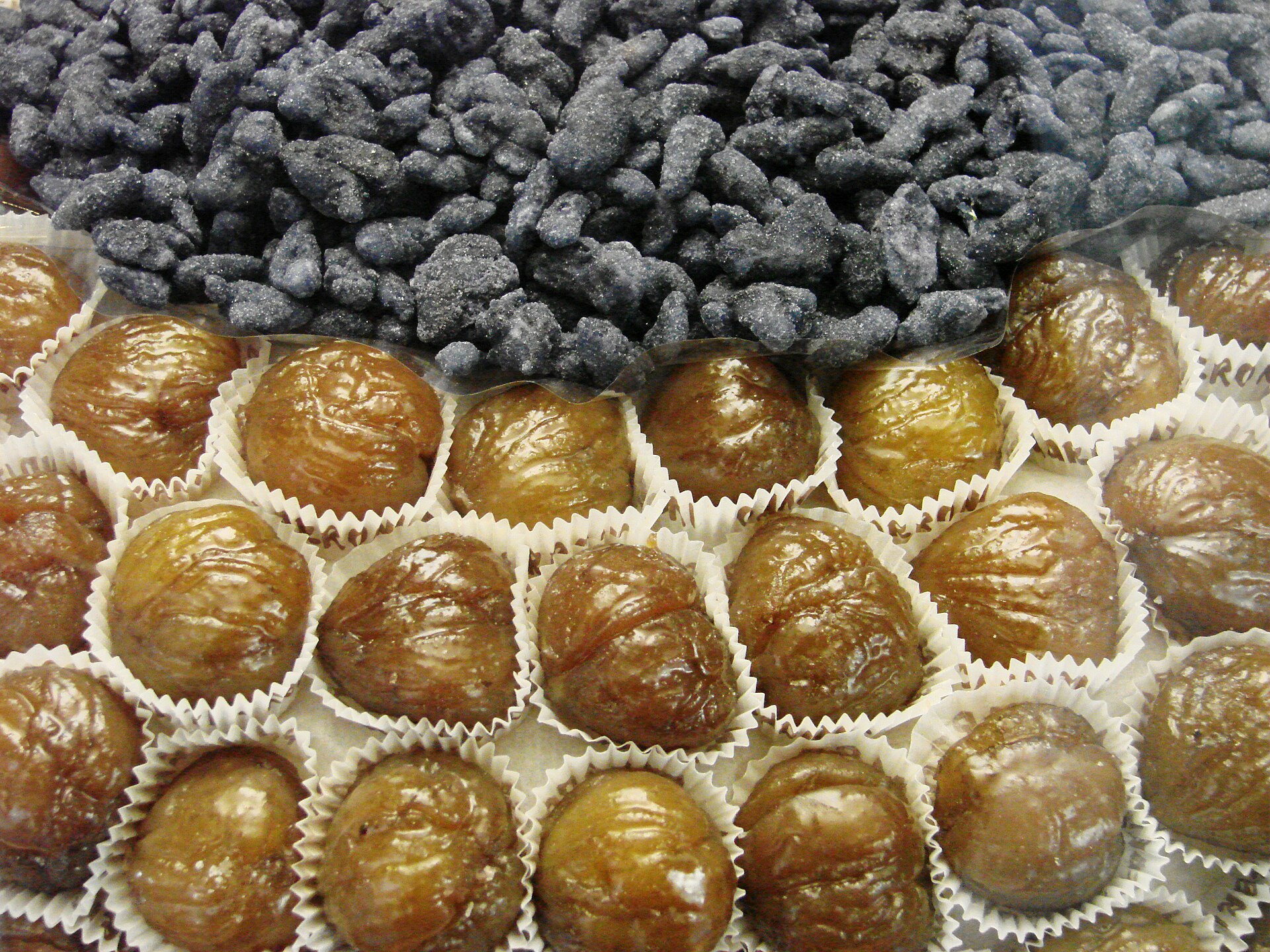
Chestnuts slowly candied in syrup, Bursa's signature sweet. Sold in sweet shops across the city, especially around the bazaar and Heykel, plain or dipped in chocolate.
Bursa, Türkiye
Kapalıçarşı and the hans around Ulu Cami
Tea gardens in the courtyards of the old hans, simple lokantas, sweet shops selling kestane şekeri and bakeries with cantık.
Open in Google Maps (opens in a new tab)Heykel, Atatürk Street and the streets around the covered bazaar
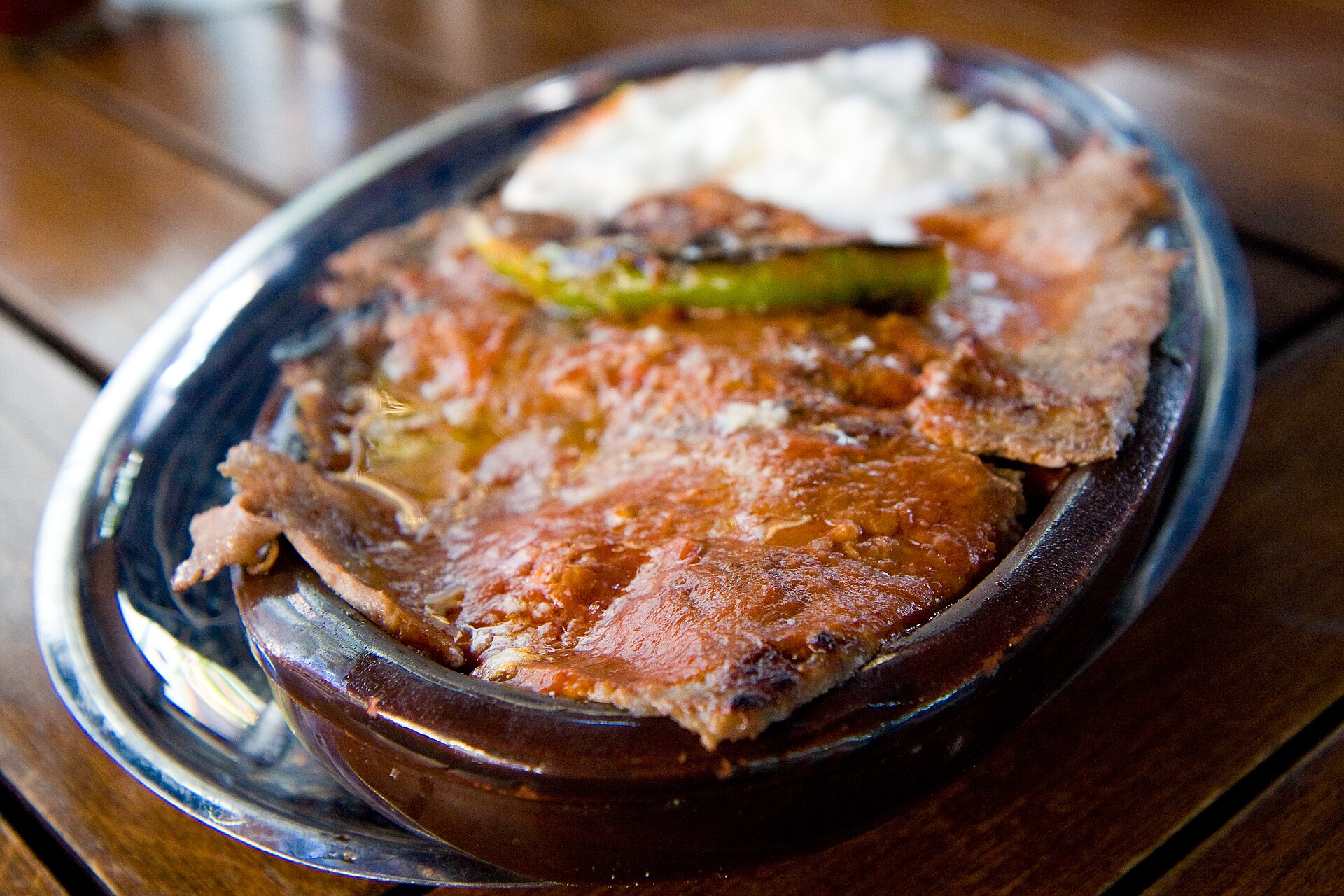
The family-run kebab houses descended from İskender Efendi, and many others, serve İskender and pideli köfte in the old centre. Expect a lunchtime crowd.
Open in Google Maps (opens in a new tab)Bursa, Türkiye
Walking distance to Ulu Cami, the covered bazaar, Koza Han and the Green Mosque. Mostly mid-range city hotels.
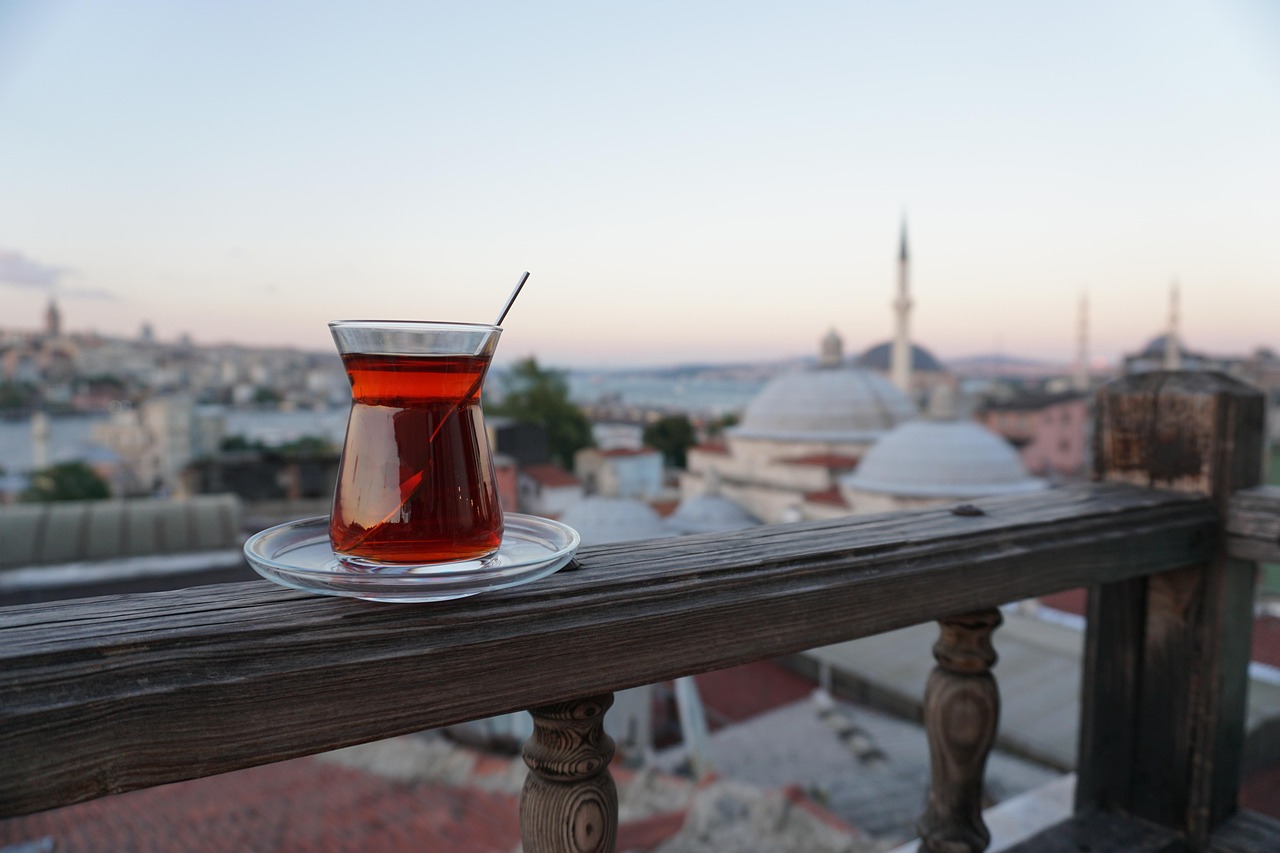
Open in Google Maps (opens in a new tab)The courtyard tea gardens of Koza Han and Emir Han are where Bursa meets for tea under the plane trees — a slow, sociable corner of the busy city.
Koza Han ("cocoon han") was built in the late 15th century for Sultan Bayezid II as a han for the silk trade. Bursa was then one of the great silk cities of the world, where raw silk from Iran and the city's own cocoons were traded and woven into fabrics sold across the empire and to Europe.
Around a two-storey arcaded courtyard, merchants had shops below and rooms above; in the middle stands a small mescit (prayer room) raised over a fountain. Farmers still brought cocoons here to sell each summer within living memory. Around it lies the Kapalıçarşı (covered bazaar) and other old hans such as Emir Han and Fidan Han, all part of the UNESCO-listed commercial centre.
Silk shops and the courtyard mosque.
Tea under the trees.
Towels, knives and candied chestnuts.
All year, Monday to Saturday; many shops close on Sundays. Late morning to afternoon is liveliest.
In the city centre: next to Ulu Cami, off Atatürk Street. The Bursaray and the T1 heritage tram stop nearby.