Syria Street
Centre of the site
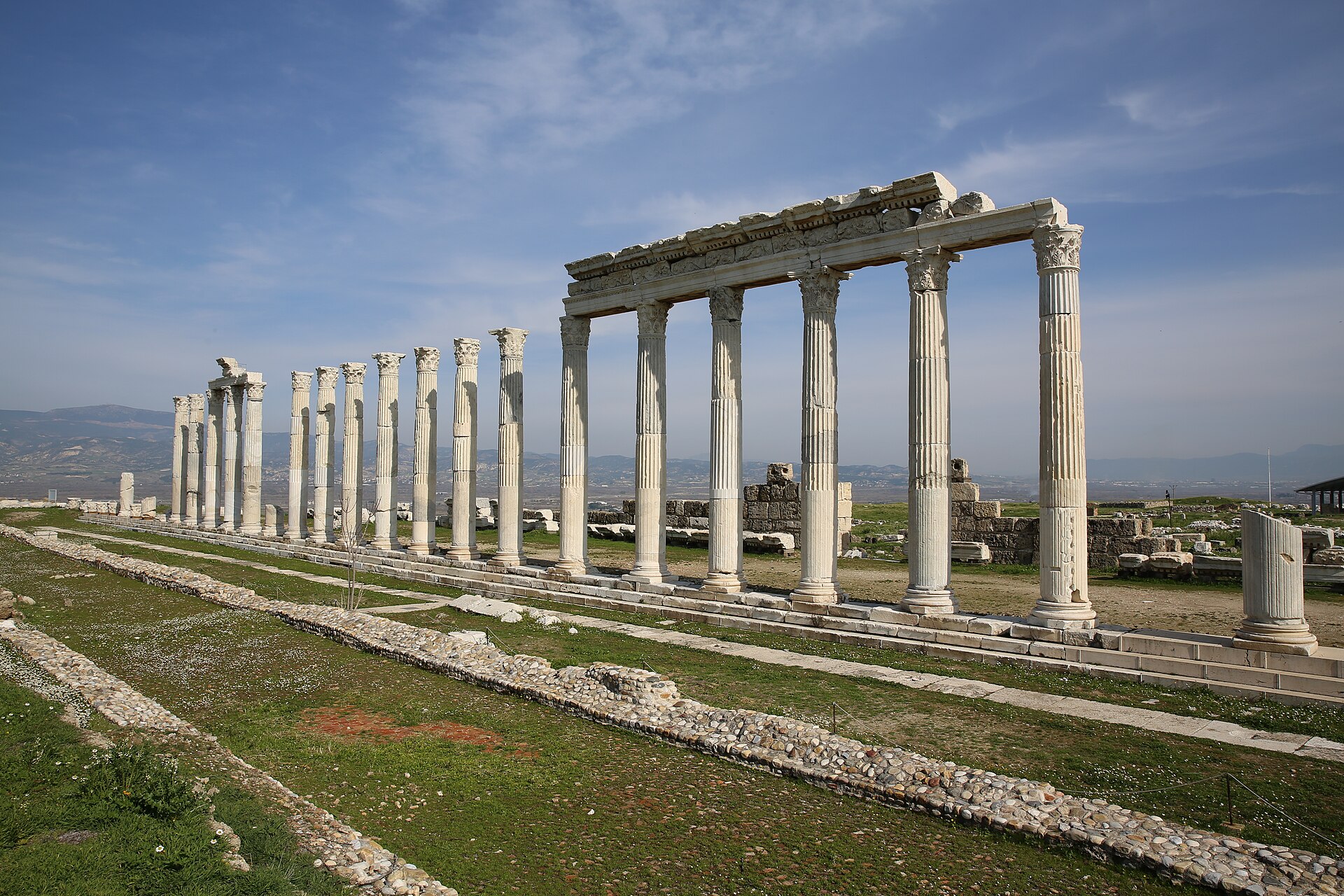
A long colonnaded street of marble with re-erected columns.
Open in Google Maps (opens in a new tab)
 Pamukkale, Türkiye
A large, actively excavated Roman city near Denizli, one of the Seven Churches of Revelation, with colonnaded streets, two theatres and an early church.
Centre of the site
A long colonnaded street of marble with re-erected columns.
Open in Google Maps (opens in a new tab)Near the main street
A large early Christian church with mosaic and marble floors, now under a protective roof.
Open in Google Maps (opens in a new tab)Edges of the city
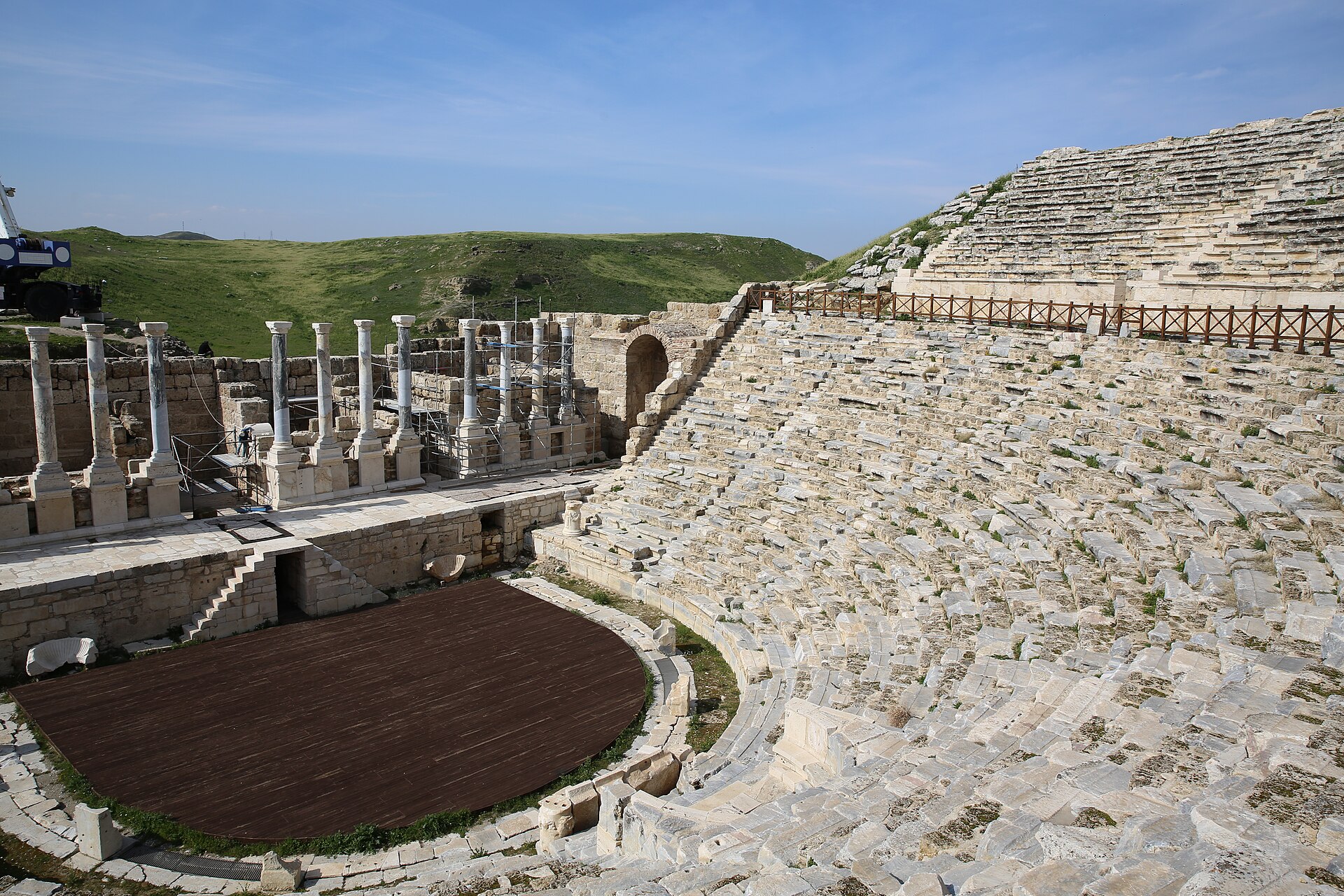
Two Roman theatres, one partly restored, with views towards the Pamukkale terraces.
Open in Google Maps (opens in a new tab)City centre
A temple with re-erected columns and monumental public fountains.
Open in Google Maps (opens in a new tab)Pamukkale, Türkiye
Lamb slow-cooked in a stone pit oven until very tender, served on thin bread — the meat dish Denizli is known for across the region.
Pamukkale, Türkiye
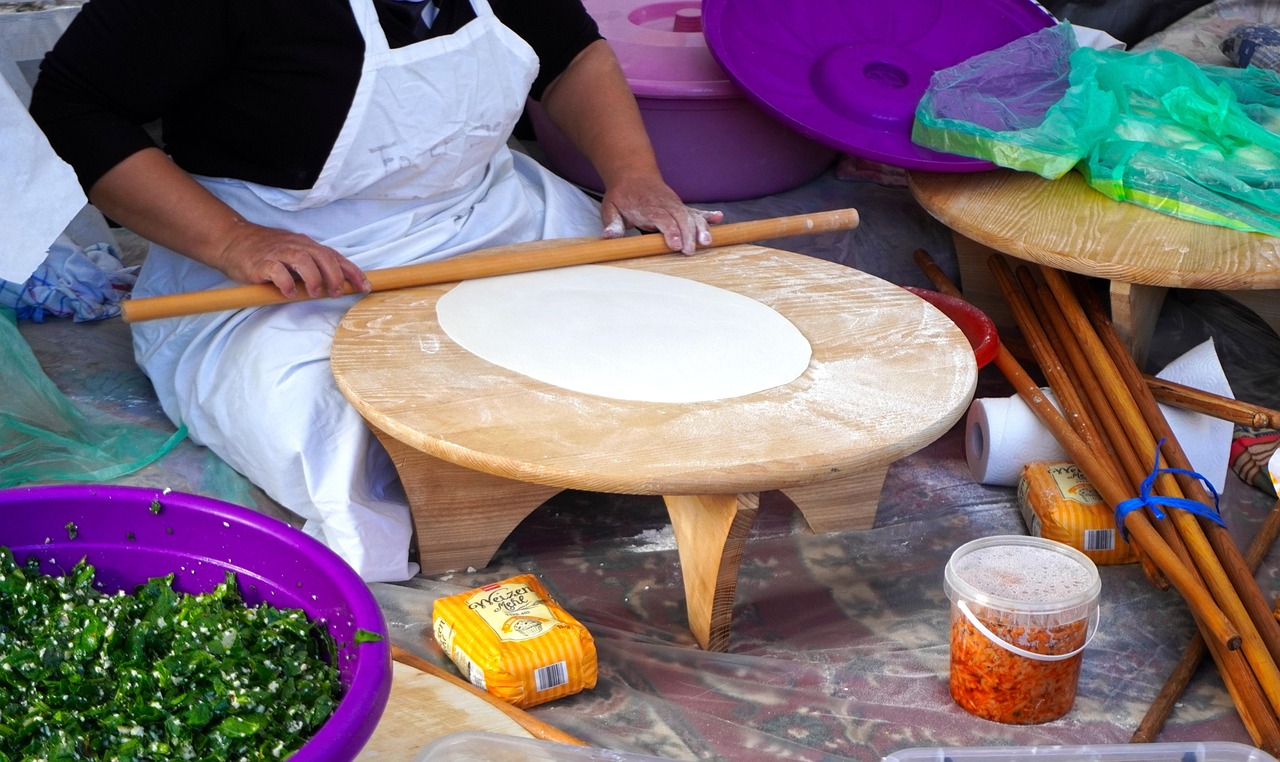
Thin hand-rolled dough folded around cheese, spinach, potato or minced meat and cooked on a griddle. Village women make it fresh at roadside stalls and in tourist areas such as Pamukkale.
Pamukkale, Türkiye
City centre, about 20 km south
Kebab houses where you can try Denizli kebabı, bakeries, lokantas and modern cafés. Worth it if you stay in the city or pass through by bus.
Open in Google Maps (opens in a new tab)Below the travertines
Family restaurants and guesthouse kitchens serving gözleme, clay-pot stews, grills and home-style dishes, many with terraces looking up at the white terraces. Simple and relaxed.
Open in Google Maps (opens in a new tab)Pamukkale, Türkiye
Business and city hotels near the bus station and the centre — practical for late arrivals, onward buses or a trip to Laodicea.
Open in Google Maps (opens in a new tab)Pamukkale, Türkiye
Family-run guesthouses and small hotels, several with pools fed by thermal water, within walking distance of the south entrance to the travertines. The best base for sunset and an early start.
Open in Google Maps (opens in a new tab)For Christian visitors, Laodicea is part of the pilgrimage to the Seven Churches of Revelation. For everyone, it shows an ancient city emerging from the ground as excavations go on.
Laodicea on the Lycus was founded in the 3rd century BCE by the Seleucid king Antiochus II and named after his wife Laodice. Under Rome it became a rich city of banking and textiles, famous for its black wool.
It is one of the Seven Churches of Asia addressed in the Book of Revelation. Earthquakes repeatedly damaged the city, and it was abandoned in the early Middle Ages. Excavations since the early 2000s have uncovered and re-erected streets, temples, fountains and a large early church, and work continues.
Reach the site at opening time.
Walk the main street to the early church.
See the theatres and the view of the travertines across the valley.
Try Denizli kebabı in the city.
Spring and autumn, in the morning. There is very little shade.