Hellenistic gate
Southern entrance of the city
Two tall round towers flanking the old city gate, behind a horseshoe-shaped courtyard.
Open in Google Maps (opens in a new tab)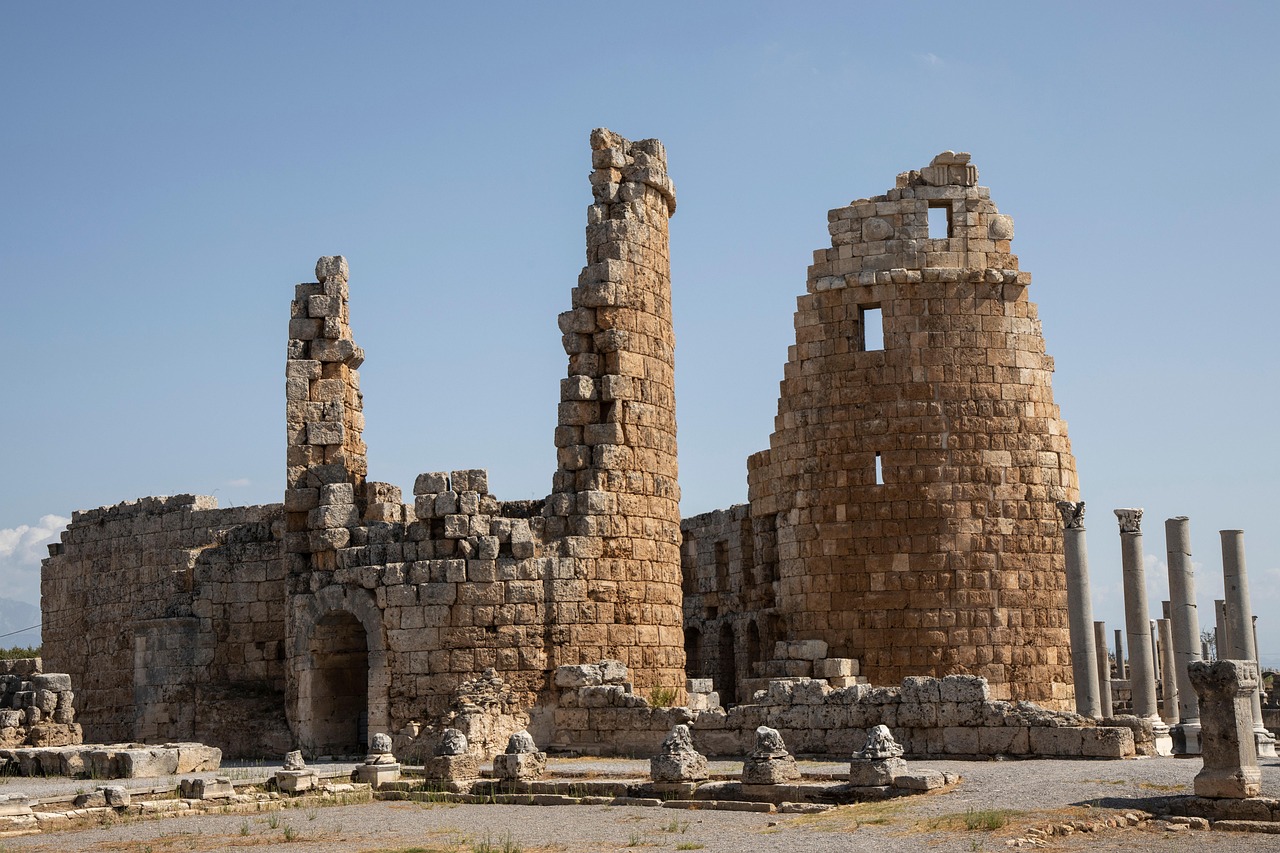
 Antalya, Türkiye
A large ancient city on the plain east of Antalya, with towered Hellenistic gates, a long colonnaded street with a water channel down its centre, Roman baths, a stadium and a theatre.
Southern entrance of the city
Two tall round towers flanking the old city gate, behind a horseshoe-shaped courtyard.
Open in Google Maps (opens in a new tab)Running north through the city
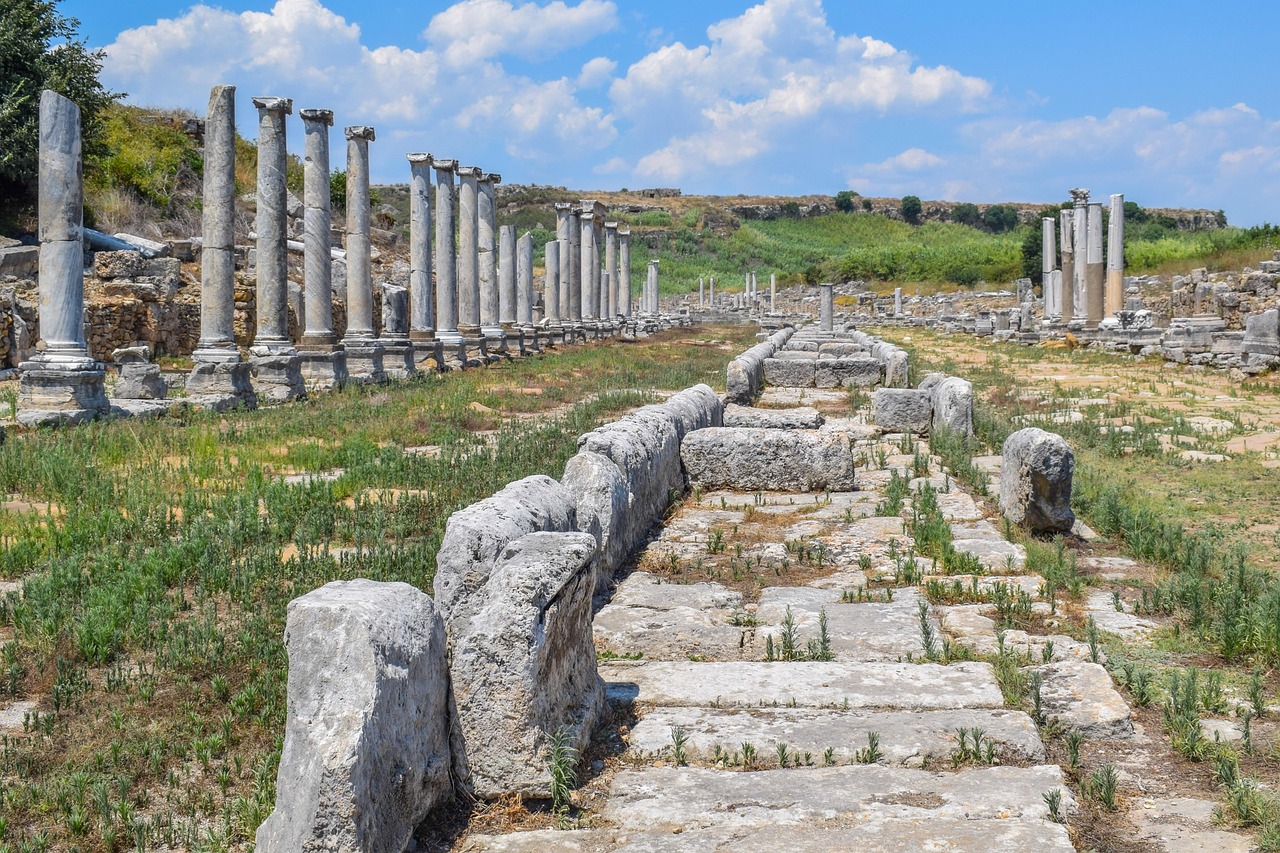
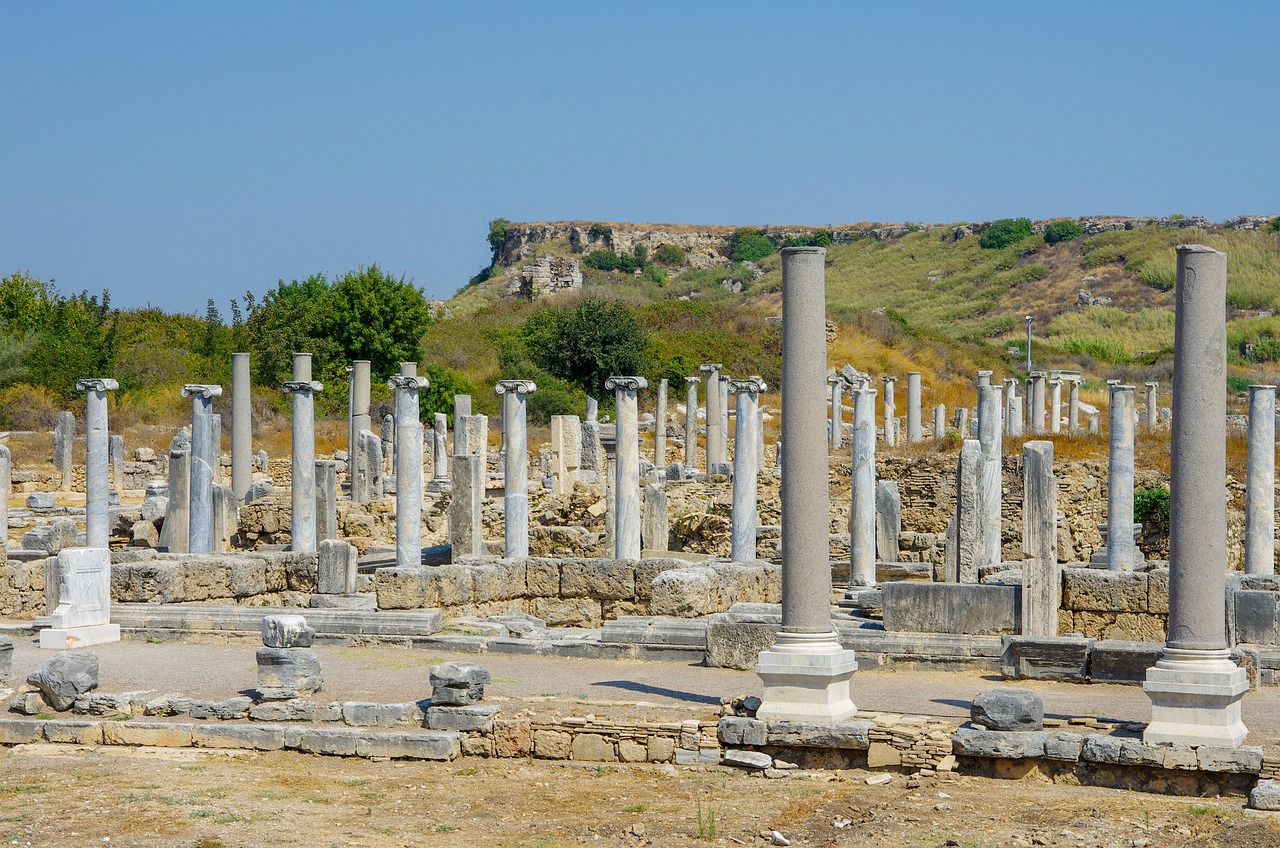
A long paved avenue lined with columns, with a water channel running down its middle.
Open in Google Maps (opens in a new tab)Outside the walls
One of the best-preserved stadiums of the ancient world, with vaulted chambers under the seats.
Open in Google Maps (opens in a new tab)Near the entrance and inside the walls
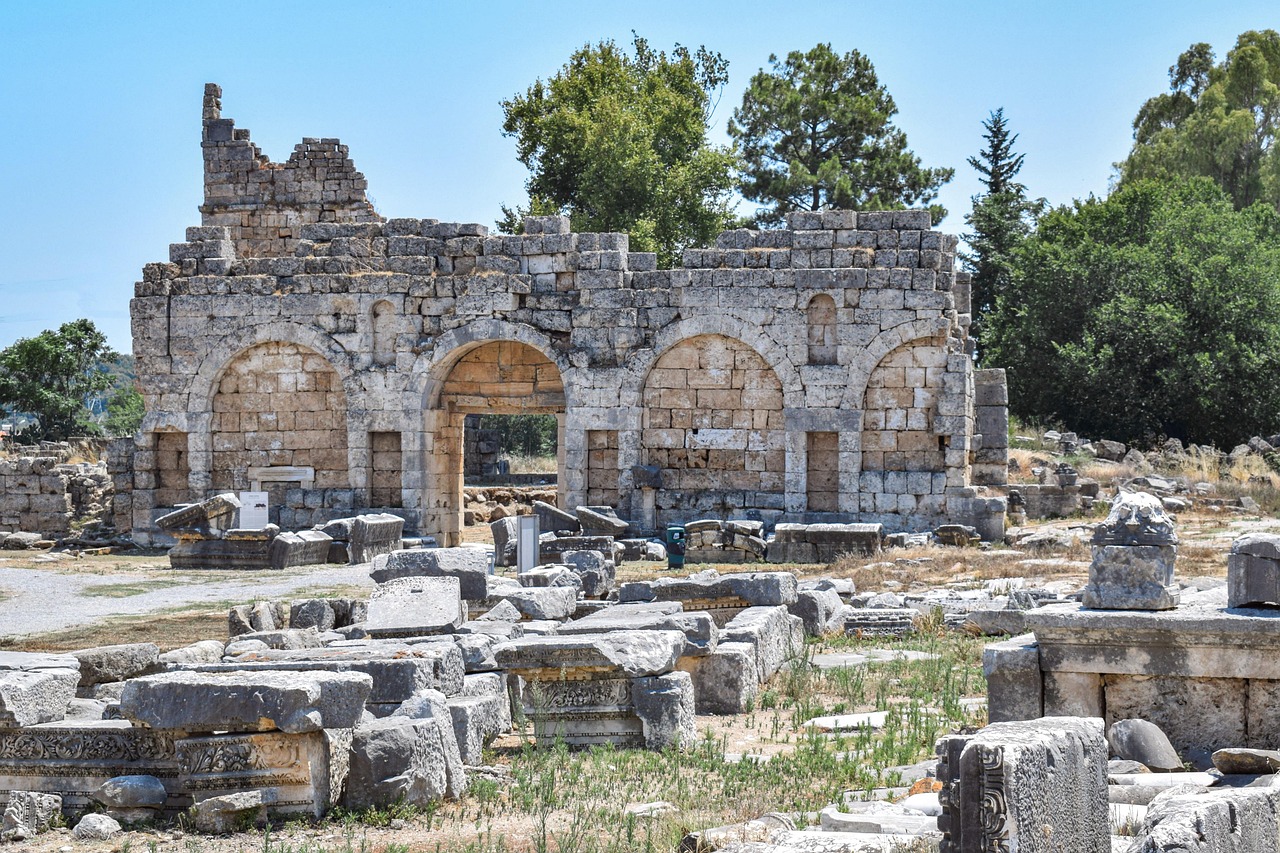
A Roman theatre on the hillside and large bath complexes with marble floors.
Open in Google Maps (opens in a new tab)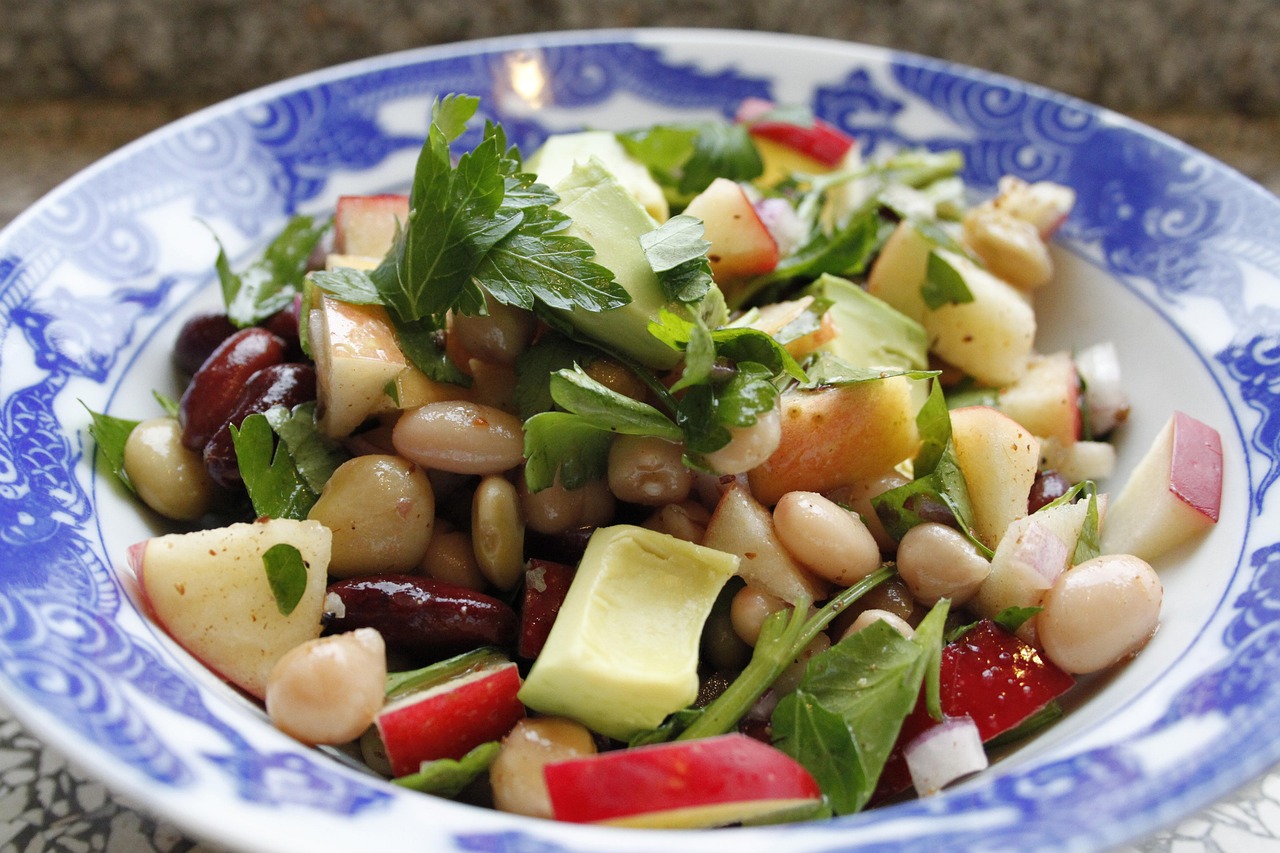
Antalya, Türkiye
Antalya, Türkiye
Antalya, Türkiye
Central Antalya, around Kalekapısı and the bazaar streets
Traditional lunch restaurants serving şiş köfte with Antalya-style tahini piyaz — the city's signature lunch. Many long-established places are in the streets around the Clock Tower and the old bazaar.
Open in Google Maps (opens in a new tab)Old town and around the old harbour
Restaurants in the garden courtyards of old houses and terraces above the harbour, serving meze, fish and Turkish dishes. Walk a few streets back from the harbour for simpler, more local places.
Open in Google Maps (opens in a new tab)Antalya, Türkiye
The sandy coast east of the city, close to the airport, lined with large all-inclusive resorts and newer hotels. Convenient for Lower Düden, Aspendos and Perge.
Open in Google Maps (opens in a new tab)Antalya, Türkiye
Perge's story is told as much in the Antalya Museum as on the site: its gods, emperors and sarcophagi fill several halls there. The inscriptions honouring Plancia Magna make her one of the best-documented women of the Roman provinces.
Perge was one of the leading cities of Pamphylia, founded in the early first millennium BC and rich in the Hellenistic and Roman periods. Alexander the Great passed through it, and the Bible records that St Paul preached here on his first missionary journey.
The city's golden age came in the 2nd century AD, when a wealthy citizen, Plancia Magna, paid for the monumental gate complex and its statues. Many of the finest sculptures found at Perge are now in the Antalya Museum.
Perge declined in late antiquity as its river silted up and the population moved to the coast.
Walk through the gate and along the colonnaded street.
See the stadium and theatre on the way out.
Back to Antalya for köfte and piyaz.
Spend the afternoon with Perge's statues in the museum.
Early morning from spring to autumn; the site is flat and exposed, so avoid midday in summer. Winter and spring are ideal.
Perge is at Aksu, about 17 km east of central Antalya — roughly 25 minutes by car or taxi. Public transport runs to Aksu, leaving a short walk; check the current tram or bus route. It is often combined with Aspendos on a tour.
The site is large and flat; walking the main street to the acropolis hill and back takes a couple of hours. The theatre and stadium are near the entrance.