The Harem
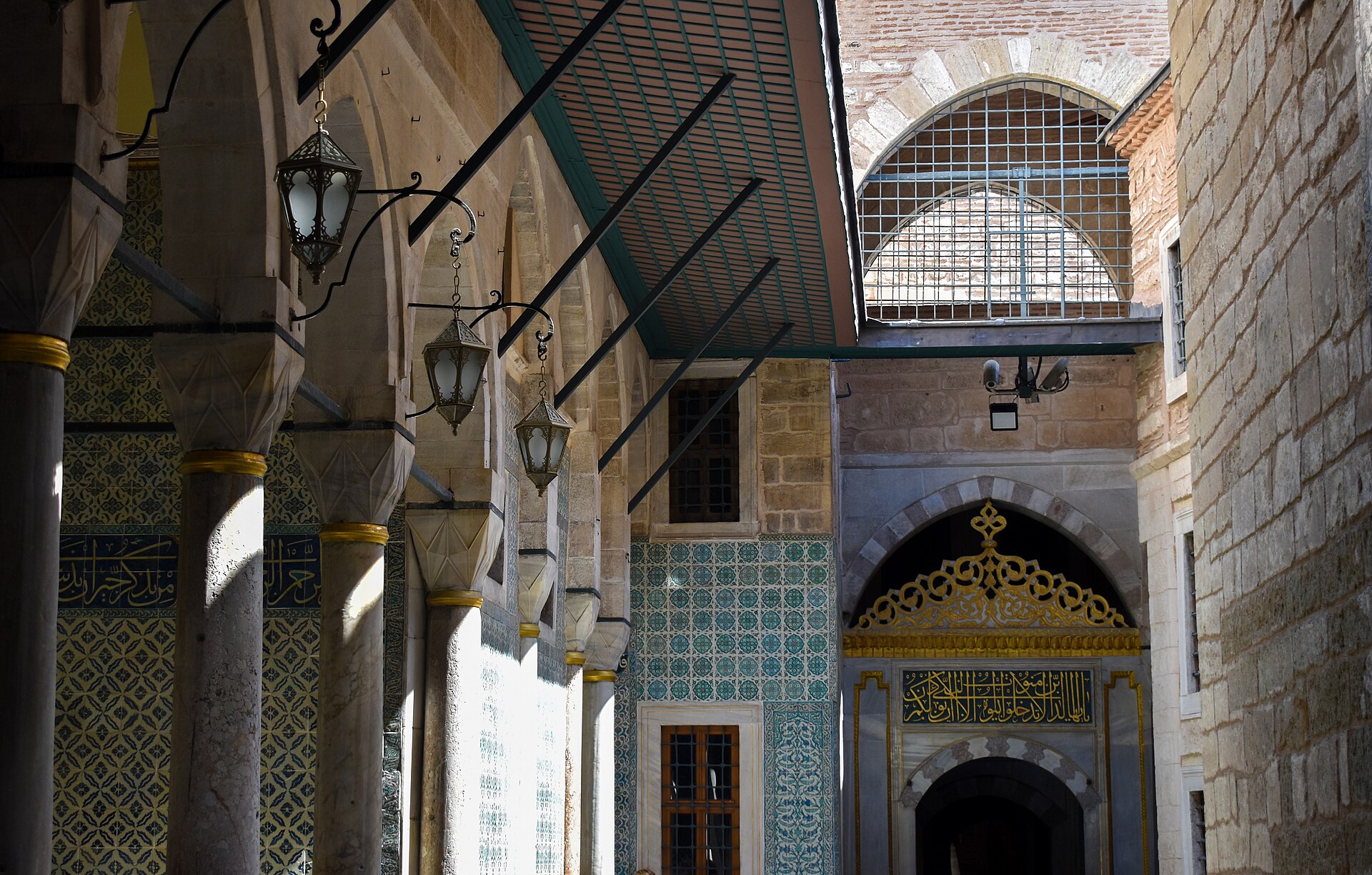
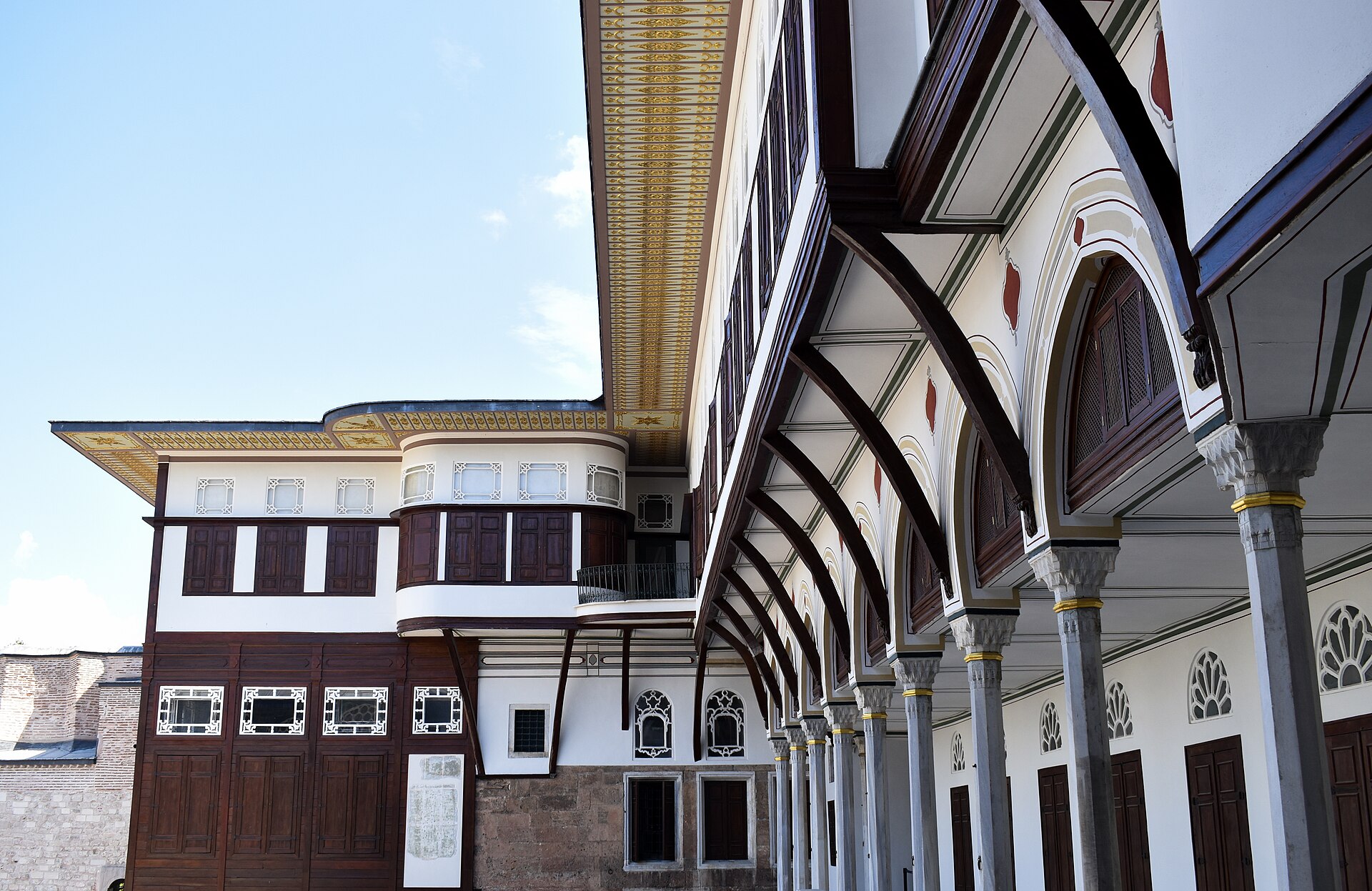
Second courtyard
Tiled rooms, courtyards and apartments of the sultan's family, including the Imperial Hall.
Open in Google Maps (opens in a new tab)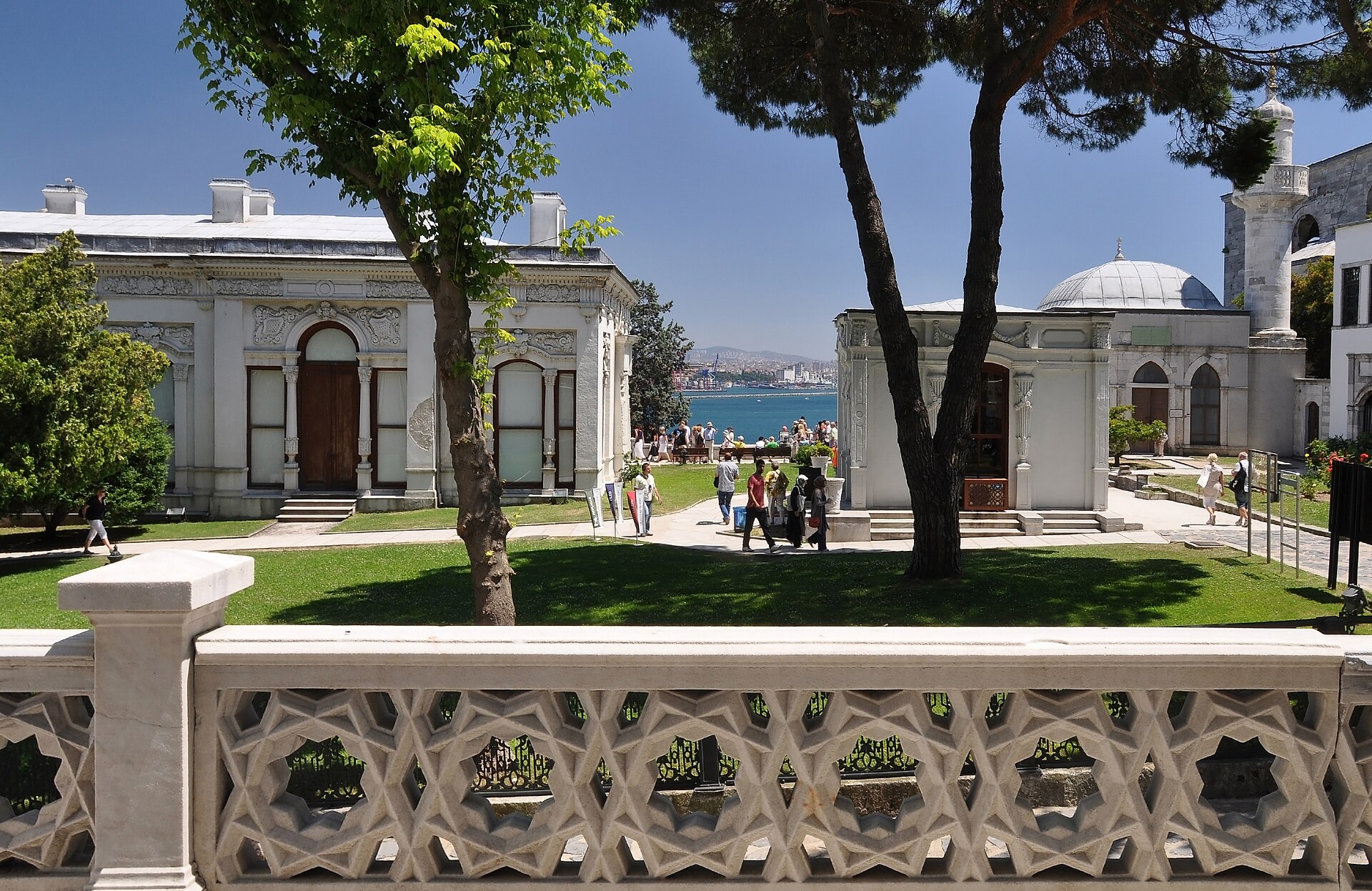
 Istanbul, Türkiye
The palace of the Ottoman sultans for nearly four centuries: courtyards, pavilions, the Harem, the Treasury and sacred relics, on the tip of the old peninsula above the Bosphorus.
Second courtyard
Tiled rooms, courtyards and apartments of the sultan's family, including the Imperial Hall.
Open in Google Maps (opens in a new tab)Third courtyard
Jewelled thrones, the famous Topkapı Dagger and the Spoonmaker's Diamond.
Open in Google Maps (opens in a new tab)Privy Chamber, third courtyard
Relics associated with the Prophet Muhammad and earlier prophets, kept with great reverence.
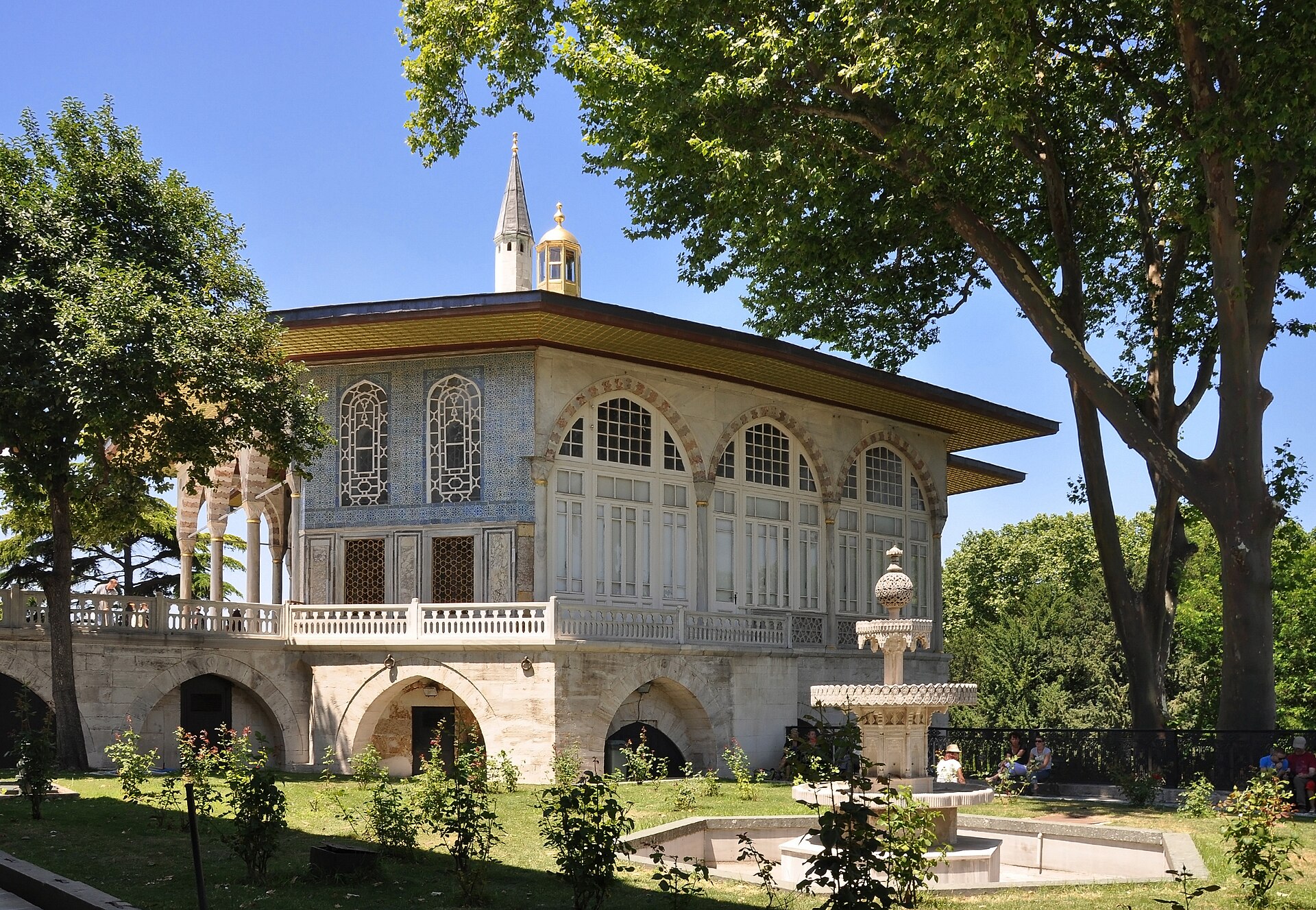
Open in Google Maps (opens in a new tab)Fourth courtyard
A tiled 17th-century pavilion and marble terraces overlooking the Golden Horn and the Bosphorus.
Open in Google Maps (opens in a new tab)Second courtyard
The hall under the Tower of Justice where the grand vizier and council met.
Open in Google Maps (opens in a new tab)First courtyard
A Byzantine church inside the outer palace grounds, never converted to a mosque; used for concerts and exhibitions.
Open in Google Maps (opens in a new tab)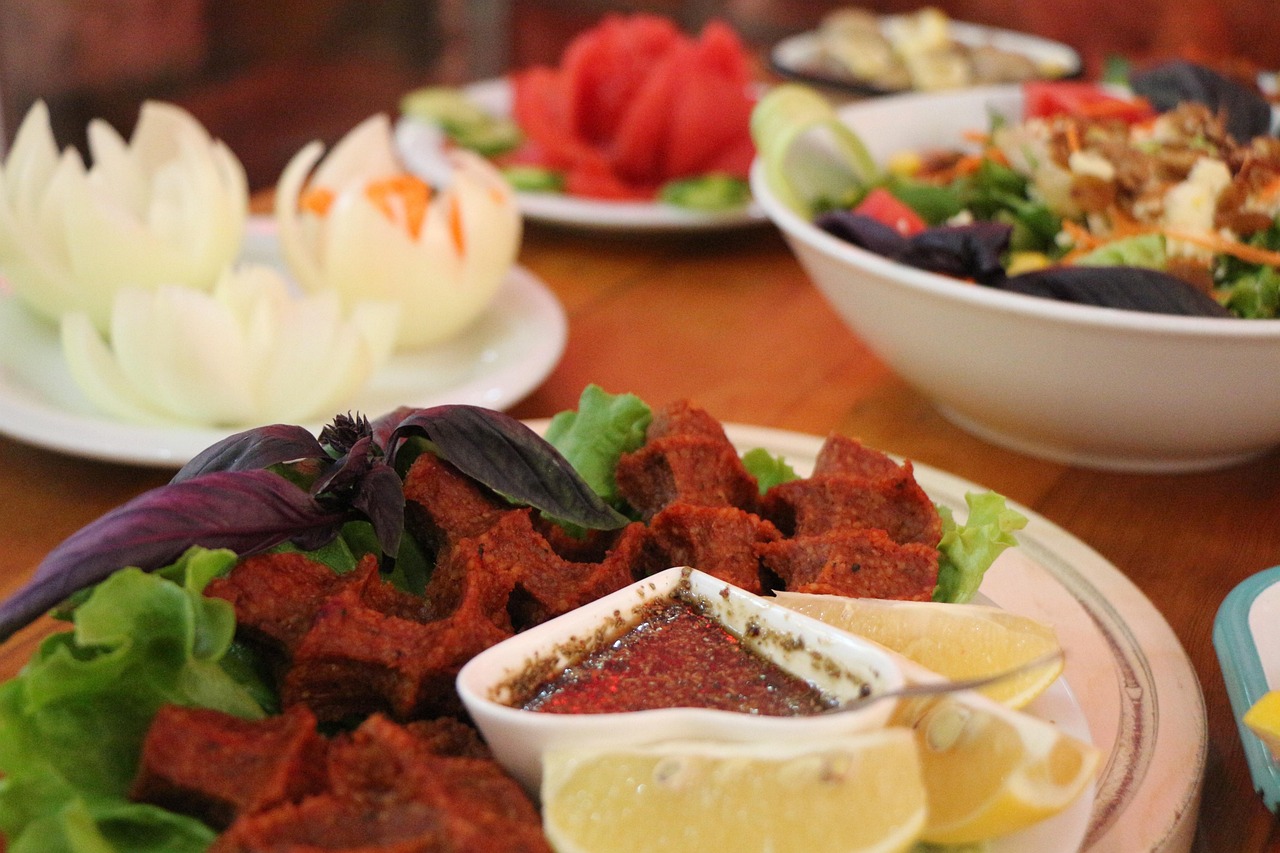
Istanbul, Türkiye
Grilled meatballs of minced lamb and beef, served with bread, piyaz (white bean salad), grilled peppers and ayran. Every region has its own version; the Sultanahmet köfte houses in Istanbul are a classic stop.
Istanbul, Türkiye
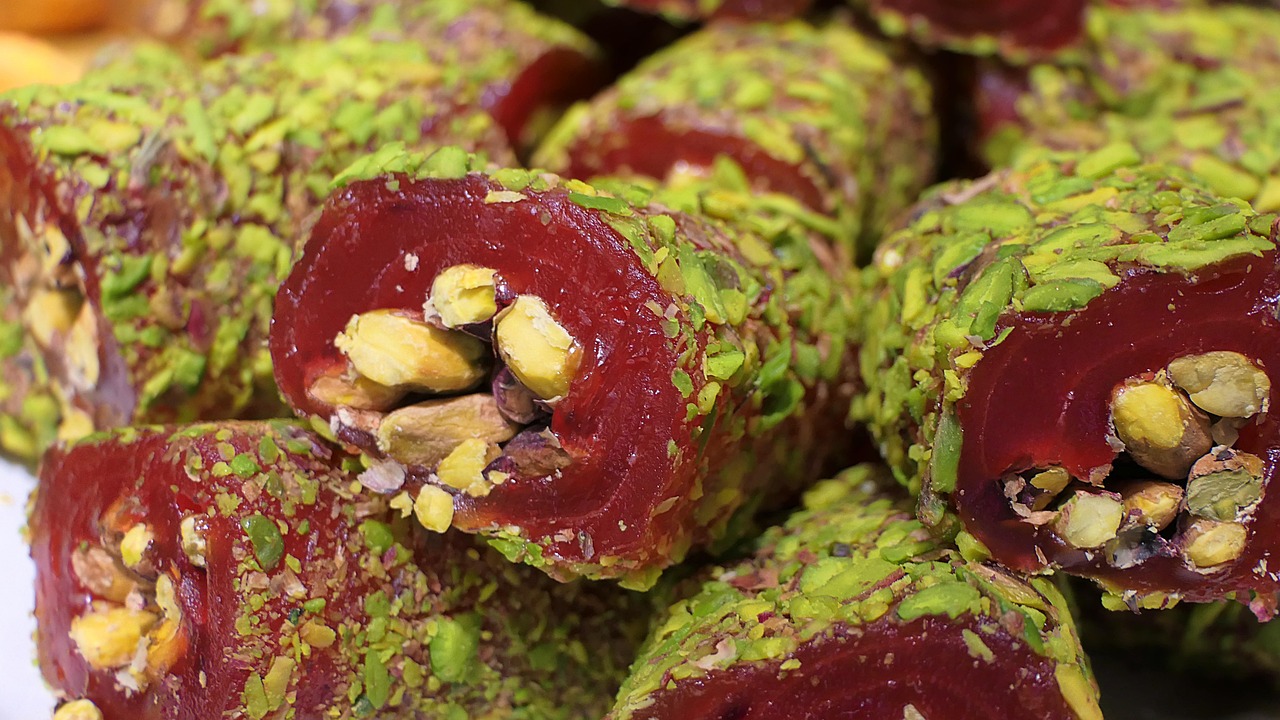
Soft cubes of starch and sugar gel flavoured with rose, lemon, pistachio or hazelnut and dusted with powdered sugar. Istanbul confectioners have made it for centuries; a box is the classic gift to take home.
Istanbul, Türkiye
Sultanahmet, along Divan Yolu Street
Inside the palace grounds
Tea and light meals with a view over the Bosphorus; check if it is open on the day.
Open in Google Maps (opens in a new tab)Istanbul, Türkiye
The historic peninsula itself: Hagia Sophia, the Blue Mosque, Topkapı and the Basilica Cistern within walking distance. Mostly small and mid-range hotels in old townhouses; quiet in the late evening.
Open in Google Maps (opens in a new tab)Istanbul, Türkiye
Just downhill from Sultanahmet, by the ferry piers, the tram and the Marmaray rail line. Many hotels, close to the Spice Bazaar and the Bosphorus ferries.
Open in Google Maps (opens in a new tab)Topkapı shows how the Ottoman court worked: the Divan where viziers met, the kitchens that fed thousands, the Harem with its hierarchy of family and servants, and kiosks built for viewing the Bosphorus. In the Sacred Trusts rooms the Quran is recited continuously, and visitors are expected to be quiet and respectful.
Topkapı Palace was begun by Mehmed II soon after the conquest of 1453, on the hill where the acropolis of ancient Byzantium had stood. It grew over the centuries into a complex of courtyards, kiosks, kitchens, schools and the private quarters of the Harem, home to the sultan, his family and hundreds of courtiers.
It was the seat of Ottoman government and the sultans' residence until the mid-19th century, when the court moved to Dolmabahçe Palace on the Bosphorus. In 1924, after the end of the empire, it became a museum. Its collections include imperial treasures, porcelain, manuscripts, costumes, weapons and the Sacred Trusts, relics associated with the Prophet Muhammad.
Pass Hagia Irene on the way in.
Visit early, before it fills up.
The palace's great collections.
Views of the Bosphorus from the fourth courtyard.
Walk down through the park to the tram.
All year; spring and autumn are most pleasant for the gardens. Arrive at opening time and allow at least half a day.
In Sultanahmet: take the T1 tram to Sultanahmet or Gülhane, then walk behind Hagia Sophia to the Imperial Gate (Bab-ı Hümayun).