Twenty domes
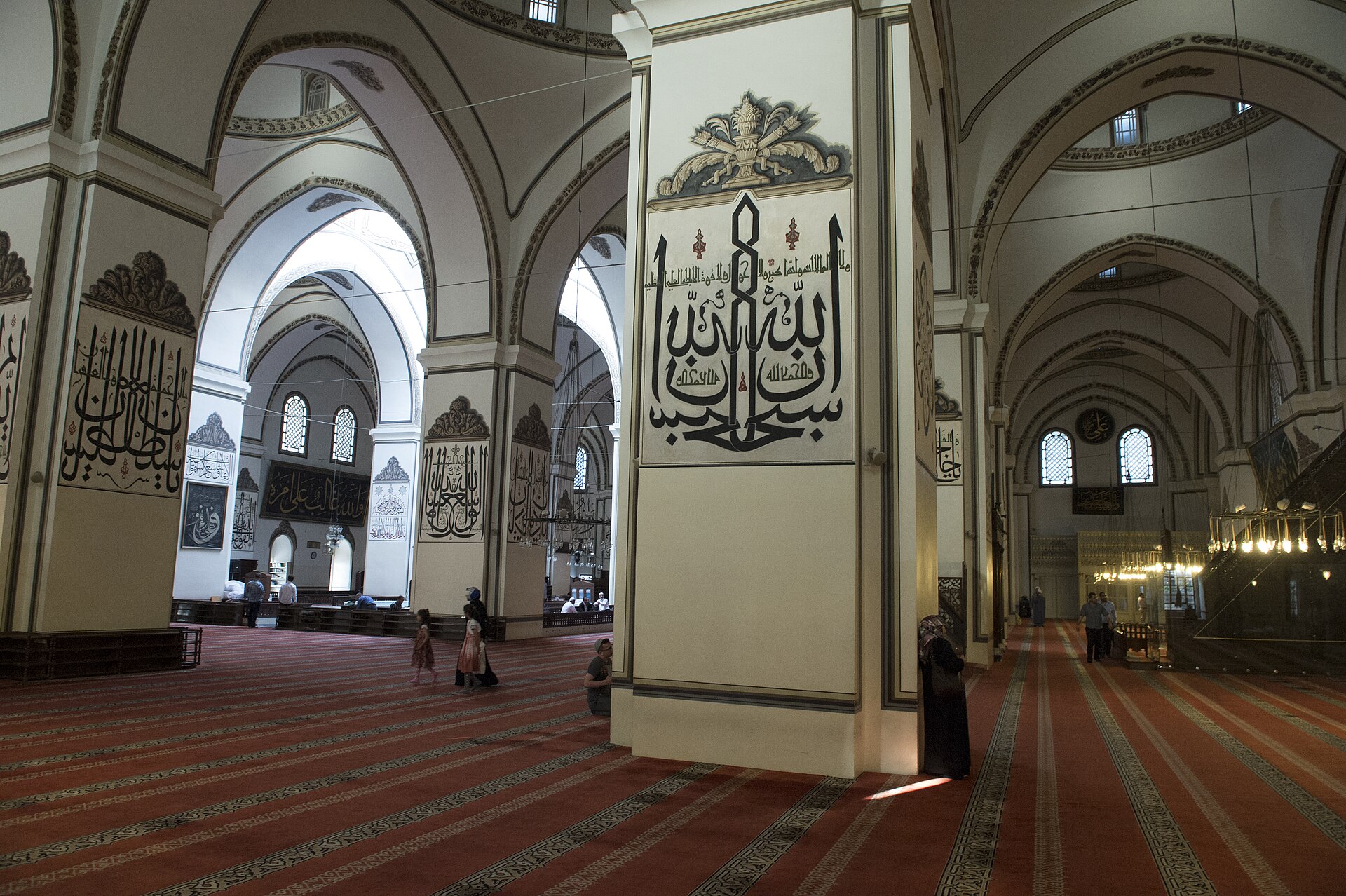
Prayer hall
Rows of domes on massive pillars, creating a calm, spacious hall.
Open in Google Maps (opens in a new tab)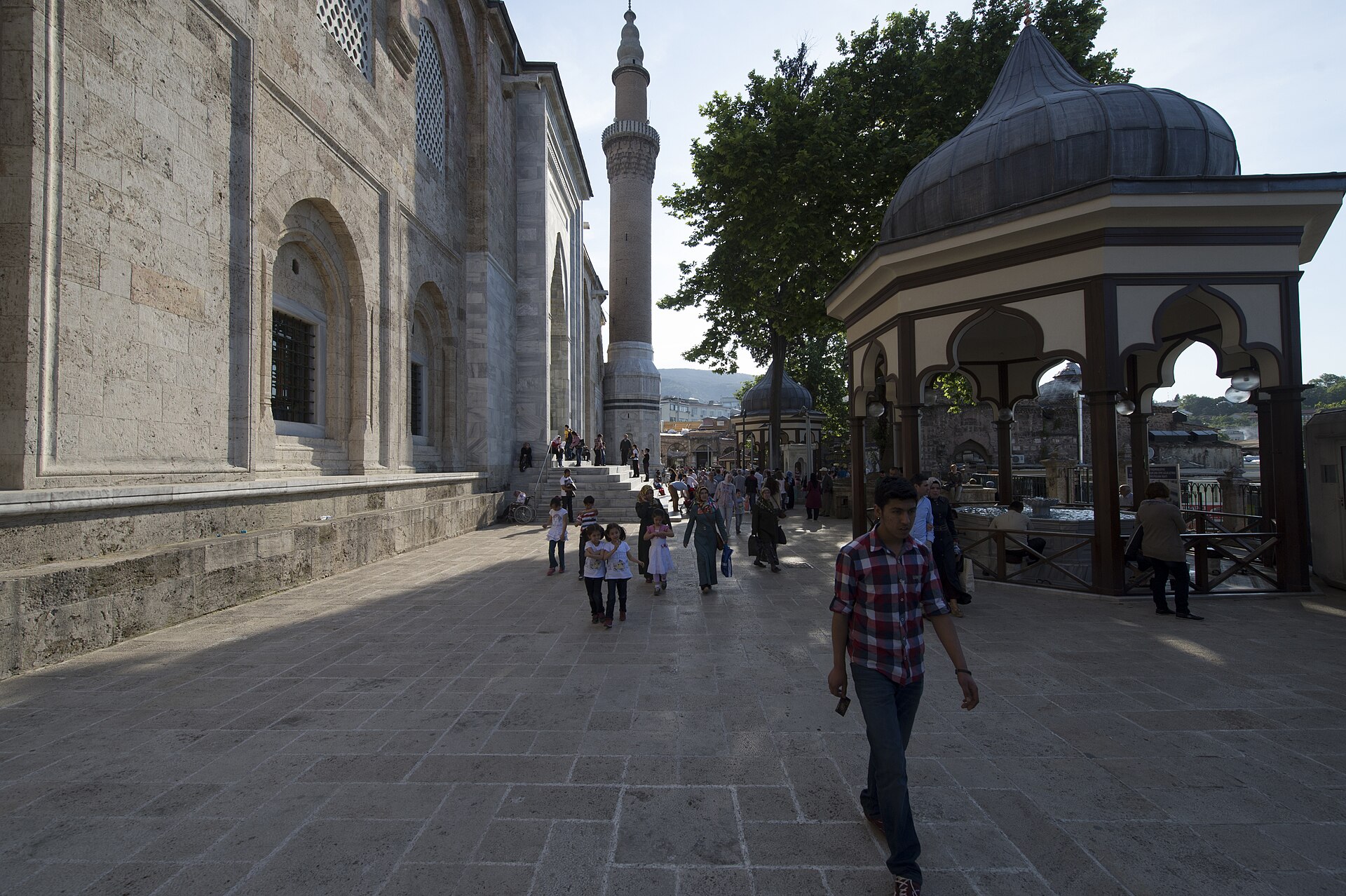
 Bursa, Türkiye
Bursa's great mosque, built around 1400 with twenty domes over a forest of pillars, famous for its giant wall calligraphy and the fountain inside the prayer hall.
Prayer hall
Rows of domes on massive pillars, creating a calm, spacious hall.
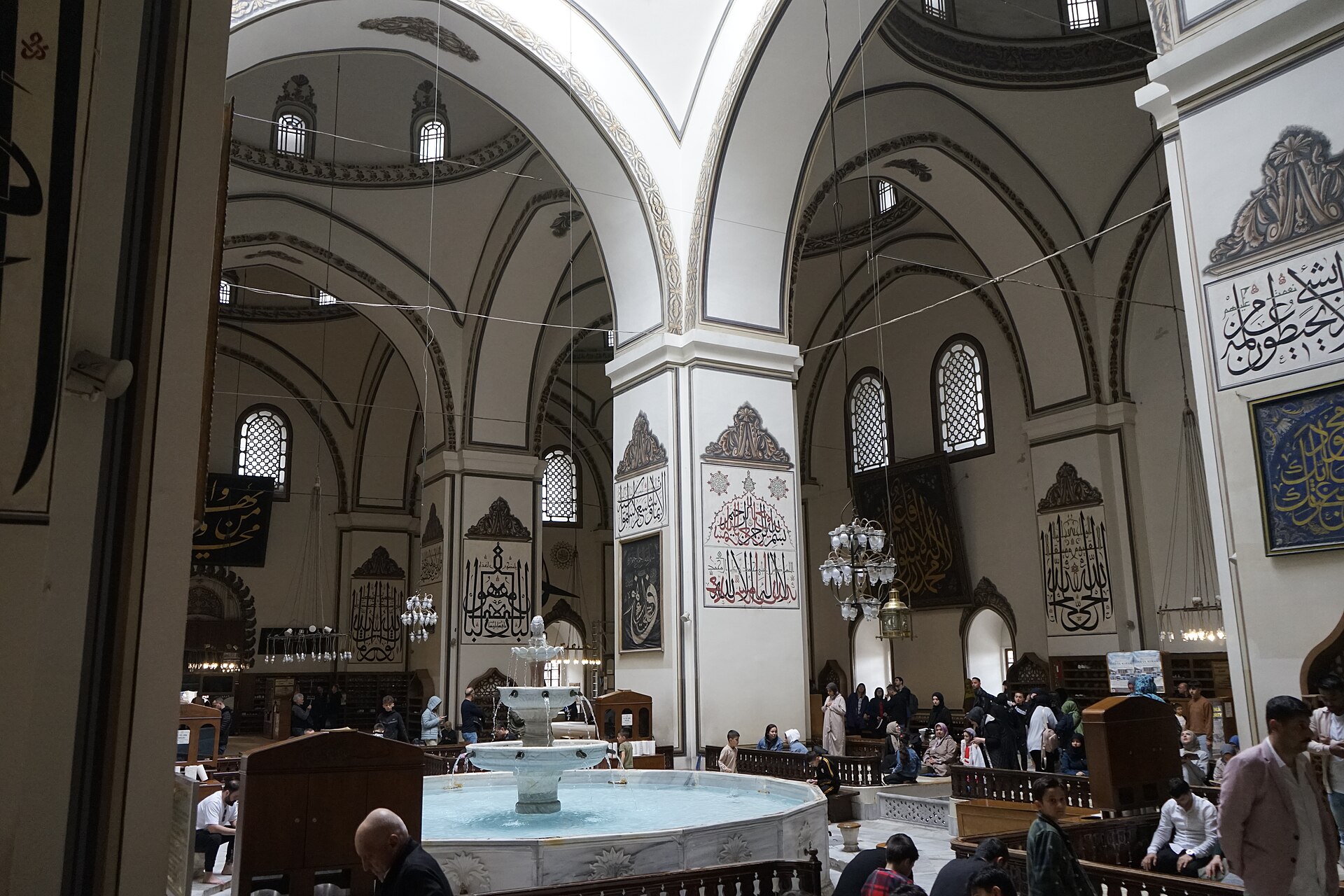
Open in Google Maps (opens in a new tab)Under the central dome
A marble ablution fountain in the middle of the prayer hall, lit from the dome above.
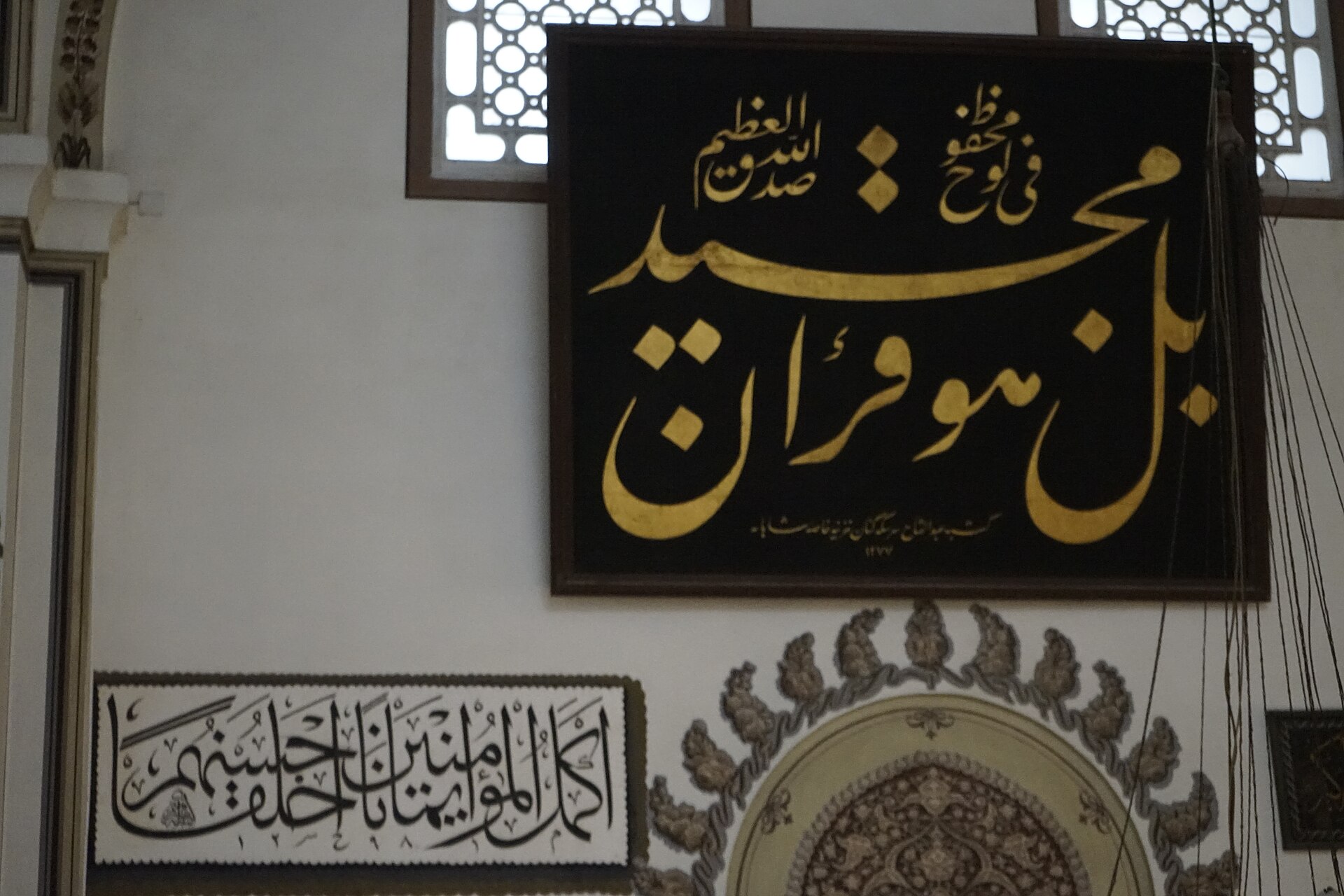
Open in Google Maps (opens in a new tab)Walls and pillars
Large panels of Quranic verses and the names of God in many calligraphic styles.
Open in Google Maps (opens in a new tab)Beside the mihrab
An intricately carved pulpit made of interlocking wood without nails.
Open in Google Maps (opens in a new tab)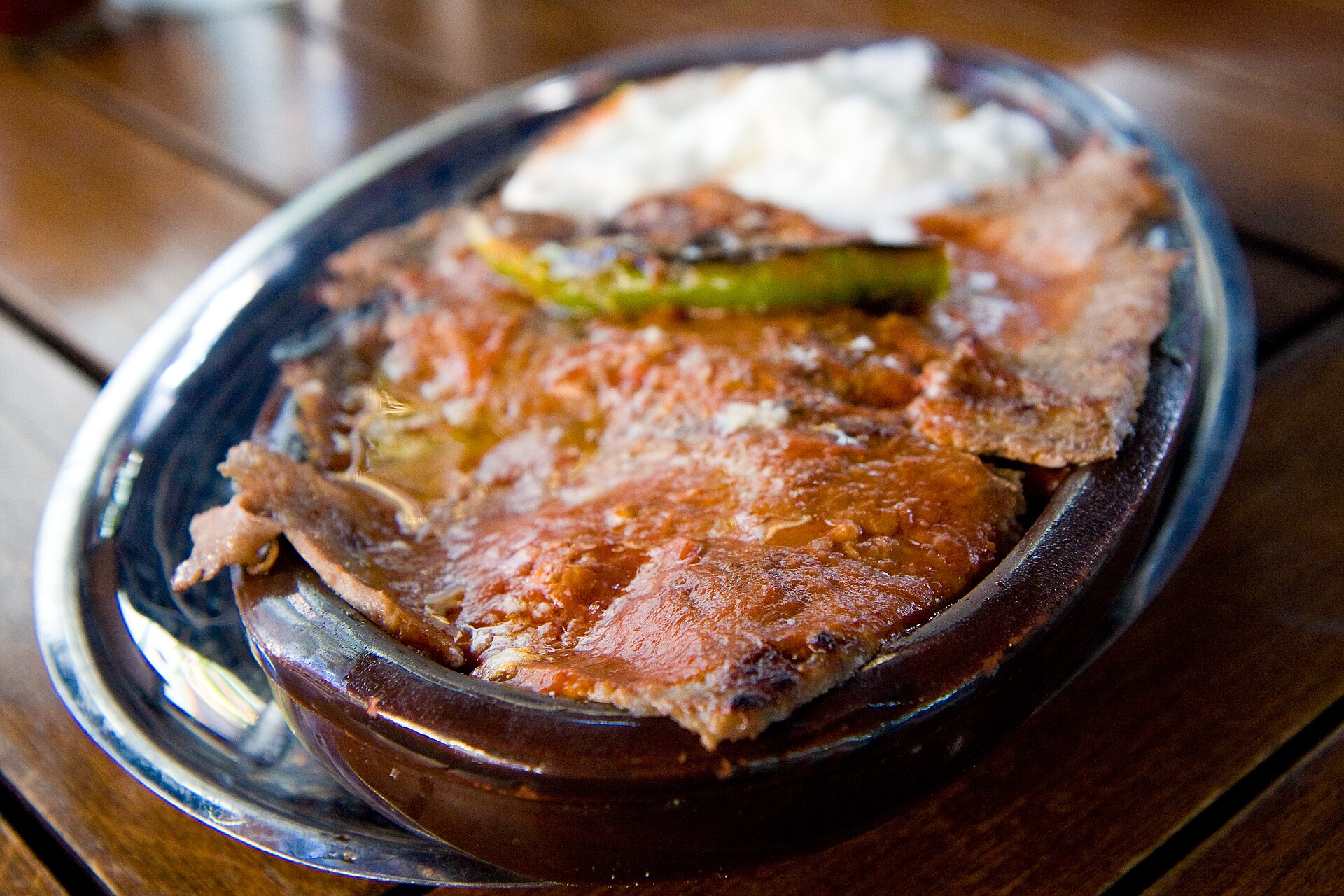
Bursa, Türkiye
Bursa, Türkiye
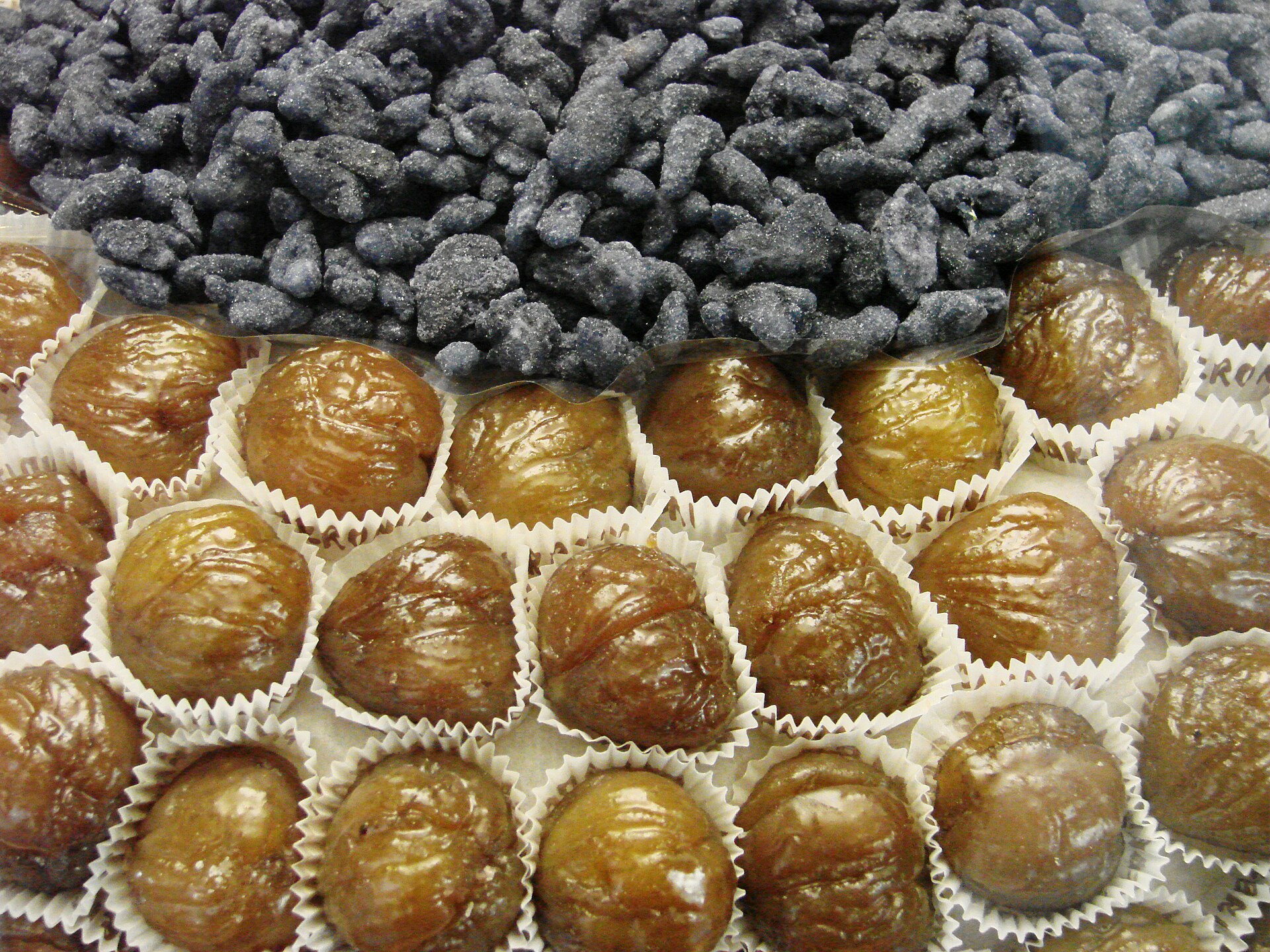
Chestnuts slowly candied in syrup, Bursa's signature sweet. Sold in sweet shops across the city, especially around the bazaar and Heykel, plain or dipped in chocolate.
Bursa, Türkiye
Heykel, Atatürk Street and the streets around the covered bazaar
The family-run kebab houses descended from İskender Efendi, and many others, serve İskender and pideli köfte in the old centre. Expect a lunchtime crowd.
Open in Google Maps (opens in a new tab)Kapalıçarşı and the hans around Ulu Cami
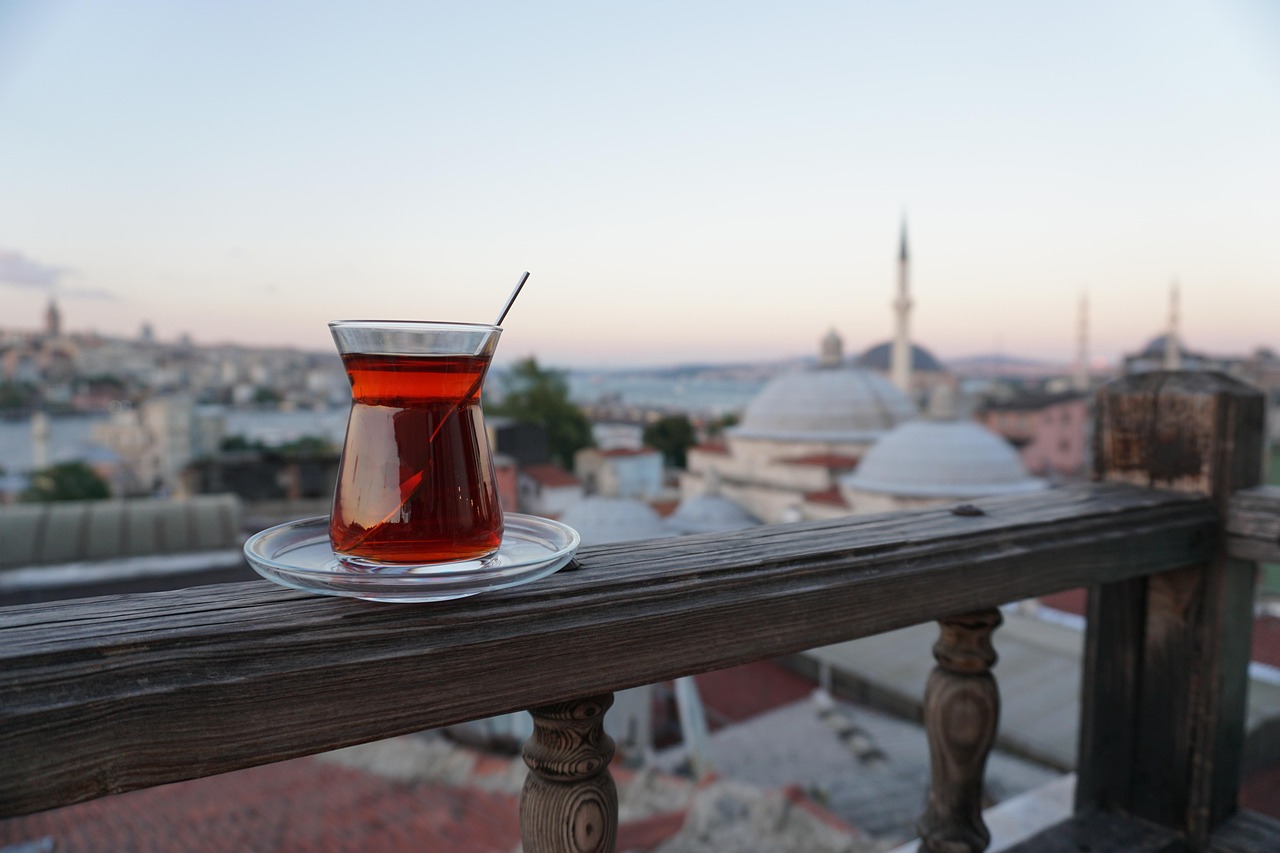
Tea gardens in the courtyards of the old hans, simple lokantas, sweet shops selling kestane şekeri and bakeries with cantık.
Open in Google Maps (opens in a new tab)Bursa, Türkiye
Walking distance to Ulu Cami, the covered bazaar, Koza Han and the Green Mosque. Mostly mid-range city hotels.
Open in Google Maps (opens in a new tab)Bursa, Türkiye
The historic spa district on the western hills, with thermal hotels that pipe mineral water into their own baths. Quieter, a short ride from the centre.
Open in Google Maps (opens in a new tab)Ulu Cami is the spiritual heart of Bursa and one of the most important mosques in Türkiye. Locals come to pray, read and sit by the indoor fountain, and the calligraphy is studied by artists from across the Islamic world.
Ulu Cami was built at the end of the 14th century for Sultan Bayezid I. Legend says the sultan vowed to build twenty mosques if he won the Battle of Nicopolis in 1396; instead he built one mosque with twenty domes, arranged in rows on twelve massive pillars.
It is one of the finest examples of early Ottoman architecture, before the great single-dome mosques of Istanbul. Its walls and pillars carry some of the most celebrated Islamic calligraphy in Türkiye, added by master calligraphers over the centuries. Under the central dome, once open to the sky, stands a şadırvan — an ablution fountain inside the mosque itself.
Visit after the morning prayer.
Browse silk, towels and knives.
Tea in the silk-market courtyard.
At a kebab house near Heykel.
All year, outside prayer times. Avoid Friday midday, when the mosque is full.
In the city centre: on Atatürk Street, a short walk from Heykel. Take the Bursaray to the city centre stations or the T1 heritage tram, then walk.