Badami

Badami, India

Badami

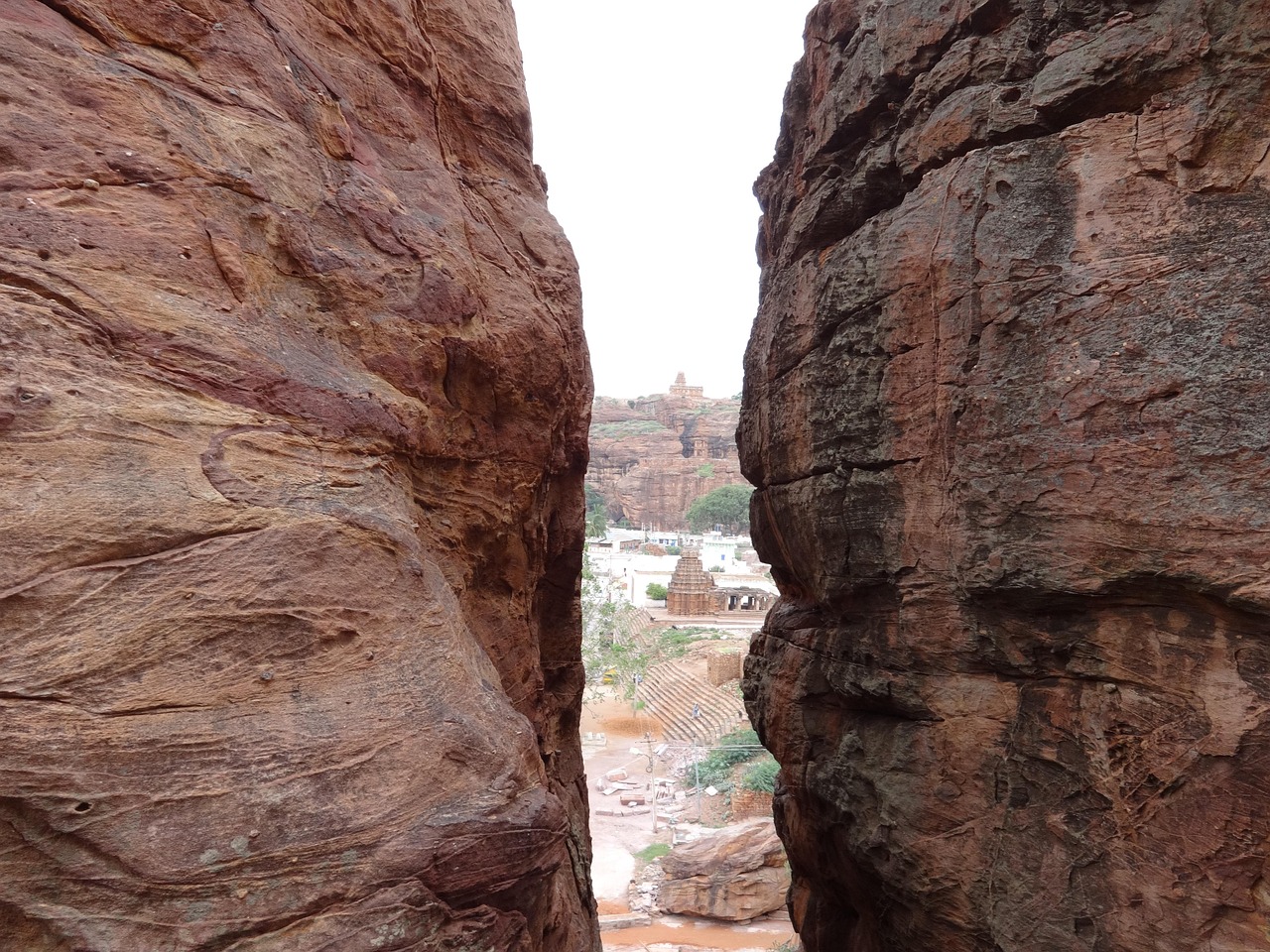
The red sandstone capital of the early Chalukyas: cave temples cut into cliffs above the green Agastya lake, and, a short drive away, the temple towns of Aihole and Pattadakal — the UNESCO-listed "cradle" of Indian temple architecture.

Favourite places

  • Badami Cave Temples

    South cliff, Badami town

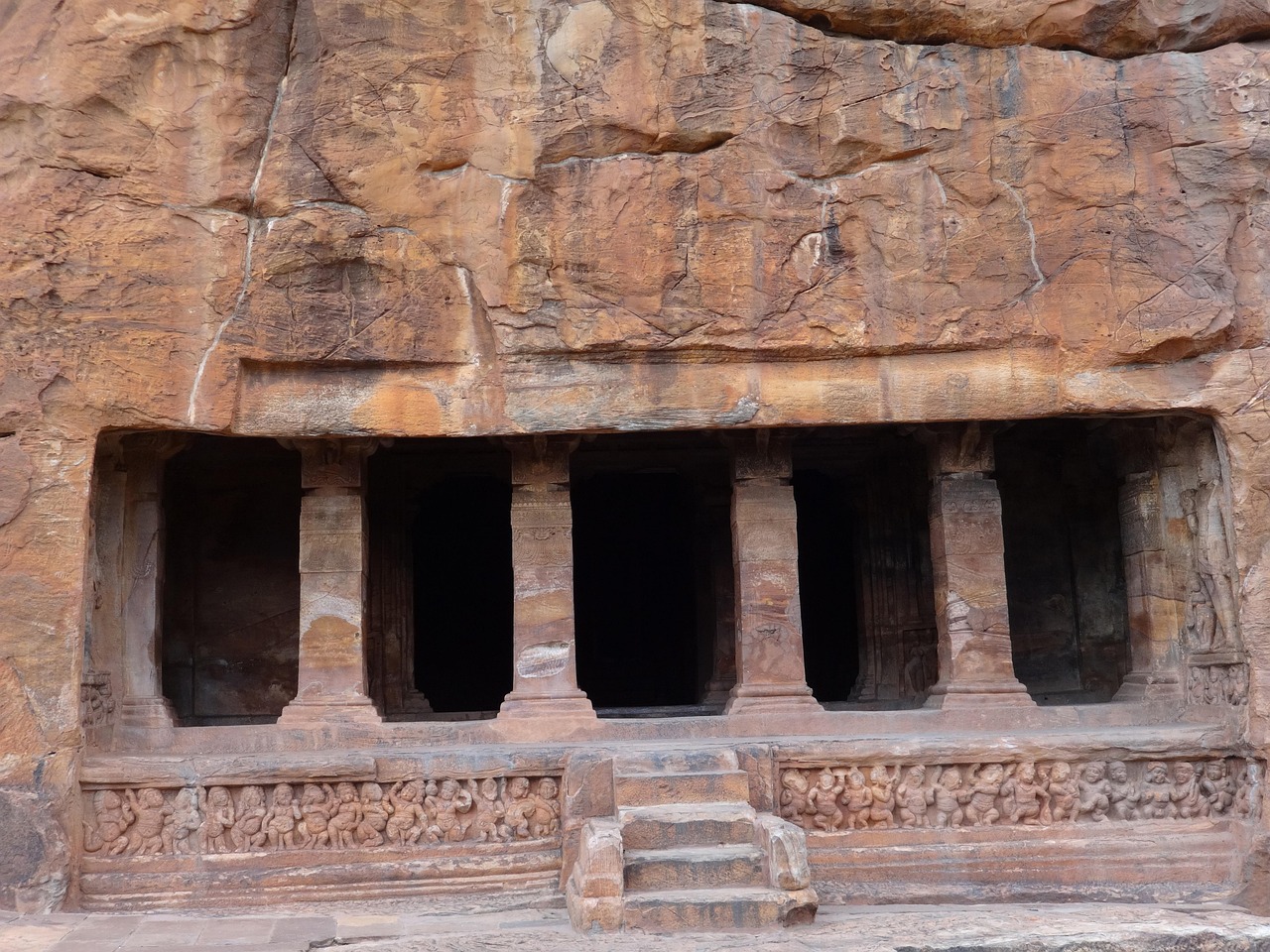
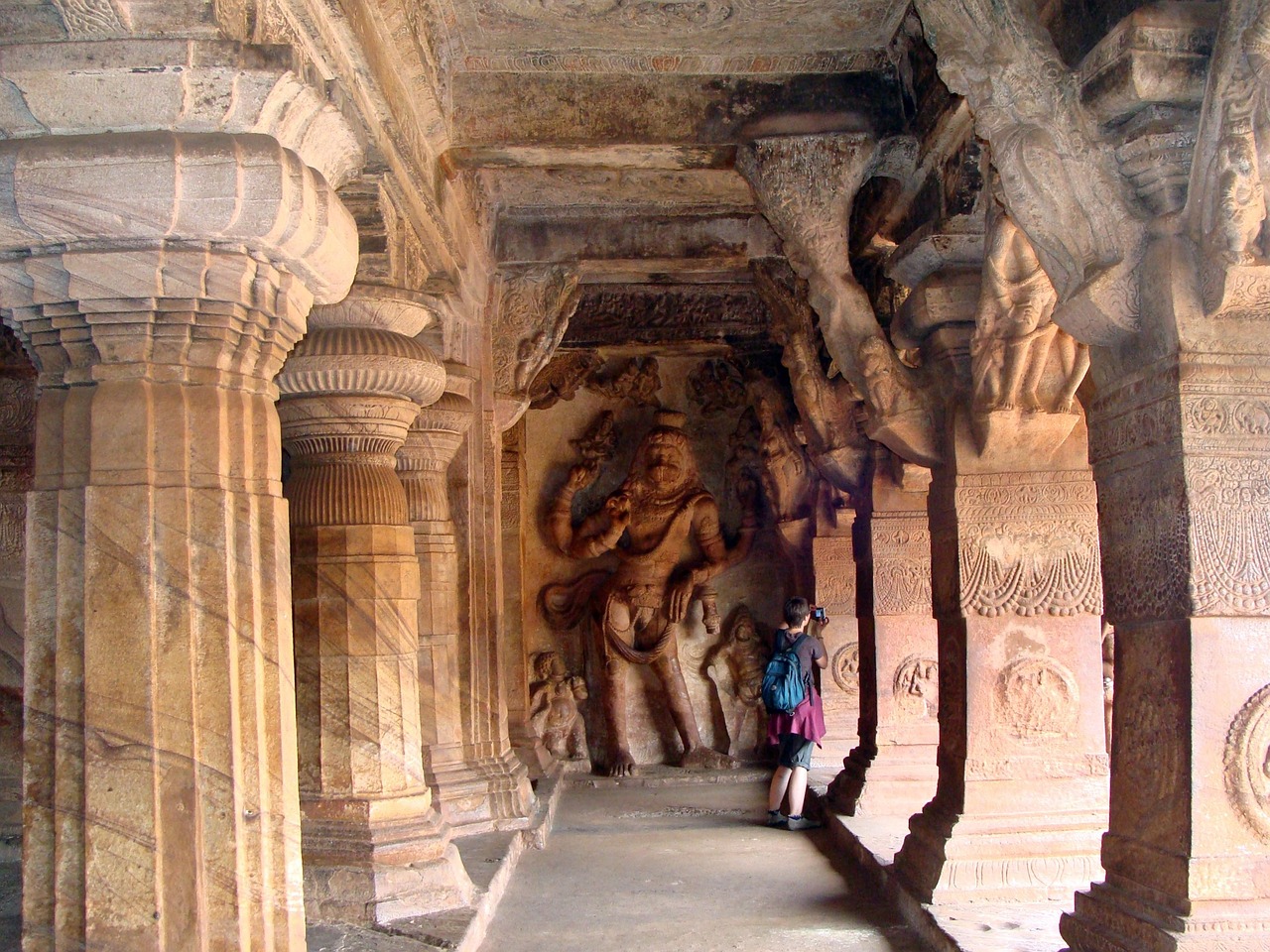
    Four cave temples cut into the red sandstone in the 6th century: three Hindu (to Shiva and Vishnu) and one Jain. Cave 1 has an 18-armed dancing Shiva; Cave 3, the largest, has great sculptures of Vishnu in his many forms and traces of ceiling paintings. Steps climb between them with views over the lake.Read more

    How to get there: A short walk from the town centre and bus stand.

    Open in Google Maps (opens in a new tab)
  • Agastya Lake and Bhutanatha Temples

    Centre of Badami

    A green lake below the cliffs, framed by the cave temples on one side and the 7th–11th-century Bhutanatha temples at the water's edge on the other — the classic Badami view at sunset.

    Open in Google Maps (opens in a new tab)
  • North Fort and Upper Shivalaya

    North cliff, Badami

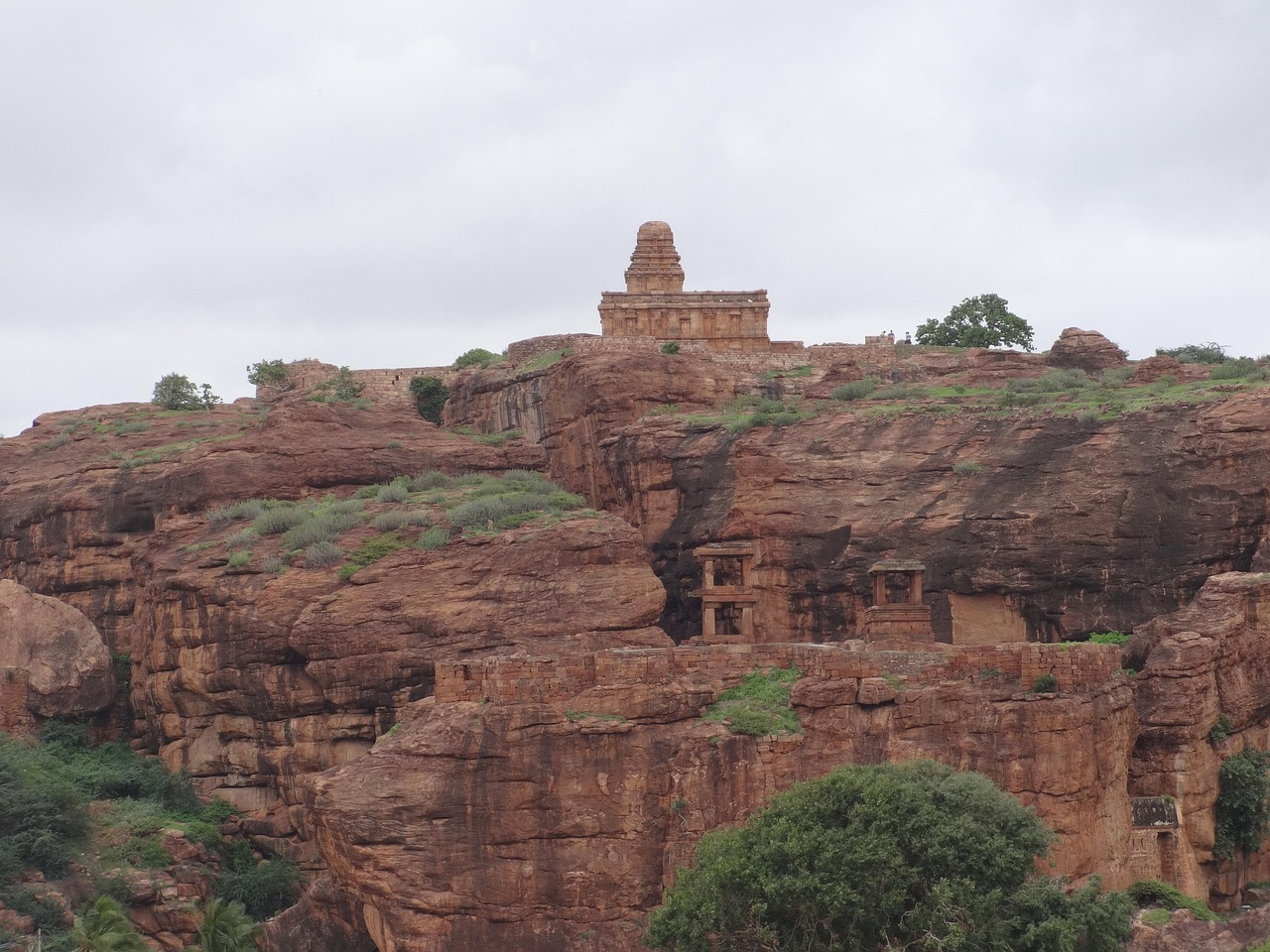
    A climb through rock gateways and granaries to the ruins of the fort and the early Chalukyan Upper and Lower Shivalaya temples, with views over the town.Read more

    How to get there: Steps start near the ASI museum.

    Open in Google Maps (opens in a new tab)
  • Archaeological Museum, Badami

    Below the North Fort

    A small ASI museum of sculptures from Badami and nearby, including a famous figure of the fertility goddess Lajja Gauri.

    Open in Google Maps (opens in a new tab)
  • Pattadakal Group of Monuments

    Pattadakal, about 22 km from Badami

    A UNESCO World Heritage group of 7th–8th-century temples on the Malaprabha river, where northern and southern styles stand side by side: the great Virupaksha and Mallikarjuna temples built by Vikramaditya II's queens, the Papanatha, Galaganatha, Sangameshwara and Kashi Vishwanatha temples, and a Jain temple nearby.Read more

    How to get there: By car, auto or local bus from Badami (about 30 minutes).

    Open in Google Maps (opens in a new tab)
  • Aihole

    About 35 km from Badami

    Over a hundred early temples scattered around a village, including the apsidal Durga Temple with its rounded end and pillared veranda, the flat-roofed Lad Khan Temple, the Ravanaphadi rock-cut cave and, on a hill, the Meguti Jain temple bearing the Aihole inscription of 634 CE.Read more

    How to get there: By car or bus via Pattadakal.

    Open in Google Maps (opens in a new tab)
  • Mahakuta and Banashankari

    Near Badami

    Mahakuta is a group of Chalukyan temples around a spring-fed tank still used for bathing; Banashankari is a busy temple to the goddess Banashankari with a large tank and an annual fair.

    Open in Google Maps (opens in a new tab)

Historical places

  • Meguti Jain Temple and the Aihole inscription

    Meguti hill, Aihole

    A Jain temple dated by its Sanskrit inscription of 634 CE, which praises Pulakeshin II's victories — one of the most important records of early Indian history.

    Open in Google Maps (opens in a new tab)

Local food

  • Jolada rotti meal

    Badami, India

    North Karnataka food: thin, crisp sorghum (jowar) flatbreads with stuffed brinjal curry (ennegai), sprouted lentils, raw vegetables, chutney powders and curd. Served in simple khanavalis (eating houses) around Hubballi, Badami and Hampi.Read more
  • South Indian meals on a banana leaf

    Badami, India

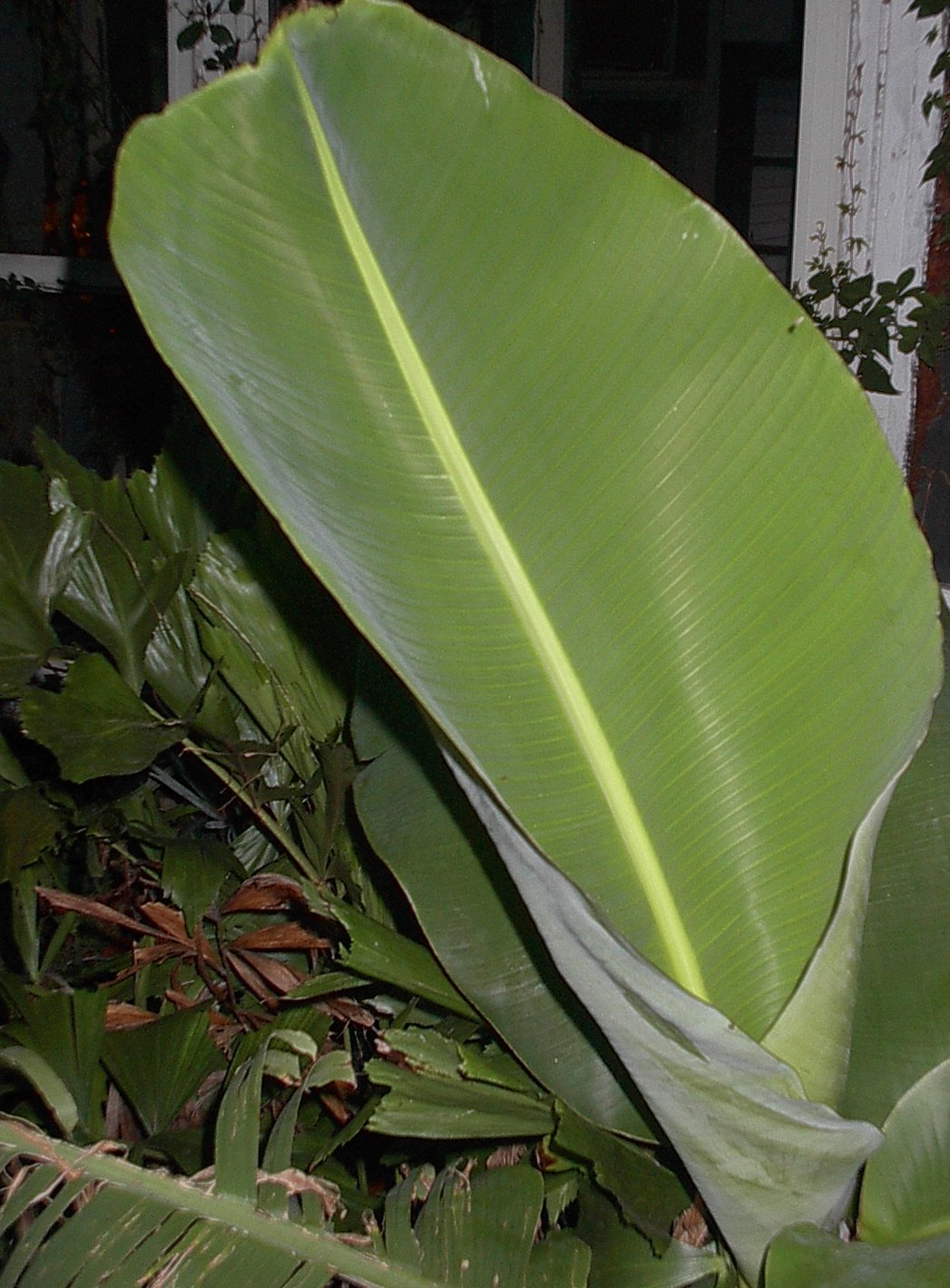
    Rice with a run of dishes — sambar, rasam, vegetable palya, kosambari (lentil salad), curd, pickle, papad and a sweet — served on a banana leaf or a steel plate and usually refilled until you say stop. Udupi-style restaurants serve it all over the south.Read more
  • Idli, vada and sambar

    Badami, India

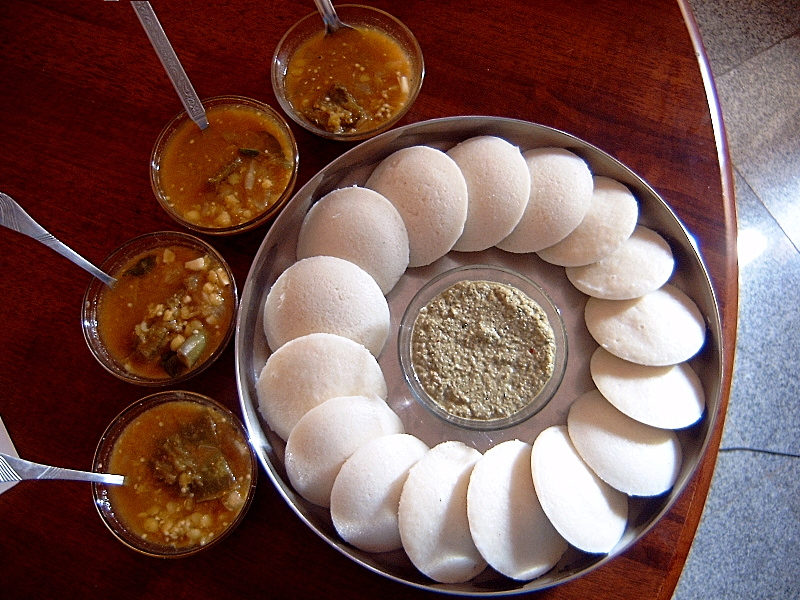
    The South Indian breakfast: soft steamed rice cakes and crisp lentil doughnuts with sambar (lentil and vegetable stew) and chutneys. Eaten standing at busy darshinis (self-service canteens) from early morning.

  • Filter coffee

    Badami, India

    Strong coffee brewed slowly in a metal filter, mixed with hot milk and sugar and poured between a tumbler and a bowl (dabara) to froth it. Coffee is grown in Karnataka and Kerala hills, and the drink is part of daily life across the south.Read more

Where to eat

Where to stay

Culture

This is the rural heart of north Karnataka. Villages around the monuments farm cotton, sugarcane and jowar, and life follows the agricultural year. The Banashankari temple near Badami holds a large annual fair (jatre) around January–February, with a chariot festival and markets.

Pattadakal and Aihole are still villages, where the old temples stand among houses, fields and goats. The Pattadakal Dance Festival, held in some years, brings classical dance to the temples — check dates. Local weaving traditions continue in Guledgudda, known for its khana (blouse) fabric, and in Ilkal, famous for its saris.

History

Badami, ancient Vatapi, was the capital of the Chalukyas of Badami from the 6th to the 8th century. The dynasty's founder Pulakeshin I fortified the town around 543 CE, and his successors carved the famous cave temples into the red sandstone cliffs. The greatest king, Pulakeshin II, stopped the northern emperor Harsha at the Narmada and fought long wars with the Pallavas of Kanchipuram, who captured Vatapi in 642.

Under the Chalukyas, the nearby towns of Aihole and Pattadakal became workshops of temple building, where architects tried out both the northern (nagara) and southern (dravida) styles of tower side by side. Aihole's Meguti inscription of 634 CE, composed by the poet Ravikirti, records Pulakeshin II's victories. At Pattadakal, the coronation town, Queen Lokamahadevi built the Virupaksha temple around 745 to celebrate her husband Vikramaditya II's victory over the Pallavas.

The Chalukyas were overthrown by the Rashtrakutas in the mid-8th century. Badami later passed through many hands, from the Vijayanagara kings to Tipu Sultan and the British. The Group of Monuments at Pattadakal was declared a UNESCO World Heritage Site in 1987.

Tour plans

Badami, Aihole and Pattadakal

2 days, 1 night
  1. Step 1: Day 1 — Badami

    The cave temples at opening time, the museum and the North Fort climb, then the Bhutanatha temples and a sunset walk around Agastya lake.

  2. Step 2: Day 2 — Aihole and Pattadakal

    Early to Aihole for the Durga Temple, Lad Khan and Meguti hill, then Pattadakal in the afternoon, ending with Mahakuta or Banashankari on the way back.

Map

Open in Google Maps (opens in a new tab)

Travel information

Best time to visit

October to February, when the plains of north Karnataka are warm by day and cool at night. March to May is very hot; June to September brings some rain and green fields.

How to get there

By air: the nearest well-served airport is Hubballi (HBX), about 105 km away (two to three hours by road). Belagavi (IXG) is about 150 km; many visitors combine Badami with Hampi, about 140 km away.

By train: Badami station, about 5 km from town, is on the line between Hubballi/Gadag and Bagalkot–Vijayapura (Bijapur), with trains from Bengaluru, Hubballi and Mumbai on some services — check current timetables.

By road: KSRTC buses link Badami with Hubballi, Bagalkot, Hosapete (for Hampi) and Bengaluru. Aihole is about 35 km and Pattadakal about 22 km from Badami.

Getting around

  • On foot: the cave temples, Agastya lake, the Bhutanatha temples and the museum are all within walking distance in Badami town.
  • Car or auto for the day: the easiest way to see Pattadakal and Aihole, often with Mahakuta and Banashankari on the same route.
  • Local buses: run between Badami, Pattadakal and Aihole, but are infrequent; start early.

Travel tips

  • Temples, mosques and churches: take your shoes off before entering shrines (racks or shoe-keepers are at the door). Cover shoulders and knees. Some Kerala and Karnataka temples allow only Hindus inside the inner shrine and ask men to remove their shirts — follow the notice at the gate. Ask before photographing people at prayer.
  • Visas: most visitors need a visa; many nationalities can apply for an Indian e-Visa online. Check the current rules for your passport before you travel.
  • Money: the currency is the Indian rupee (INR). Cards work in hotels and larger restaurants; most small shops use UPI phone payments, which foreign visitors may not be able to use, so carry cash for autos, markets and small eateries.
  • Monsoon: the south-west monsoon reaches Kerala and coastal Karnataka around June and lasts into September; hill roads can close after landslides and beaches have strong currents. Check the weather and road conditions before going.
  • Health: drink bottled or filtered water, eat where food is cooked fresh, and use mosquito repellent, especially near backwaters and forests.
  • Time zone: India Standard Time, UTC+5:30, all year.
  • Tickets: the Badami caves and the Pattadakal group are Archaeological Survey of India sites with entry fees; some Aihole temples have their own ticket. Check current prices and timings.
  • Heat: the red rock reflects heat; visit the caves early and Pattadakal in the late afternoon, and carry water and a hat.
  • Monkeys: there are many monkeys at the caves — keep food and bags closed.
  • Guides: an ASI-approved guide brings the carvings and architecture to life, especially at Aihole and Pattadakal.

All destinations