Baratang

Baratang, India

Baratang

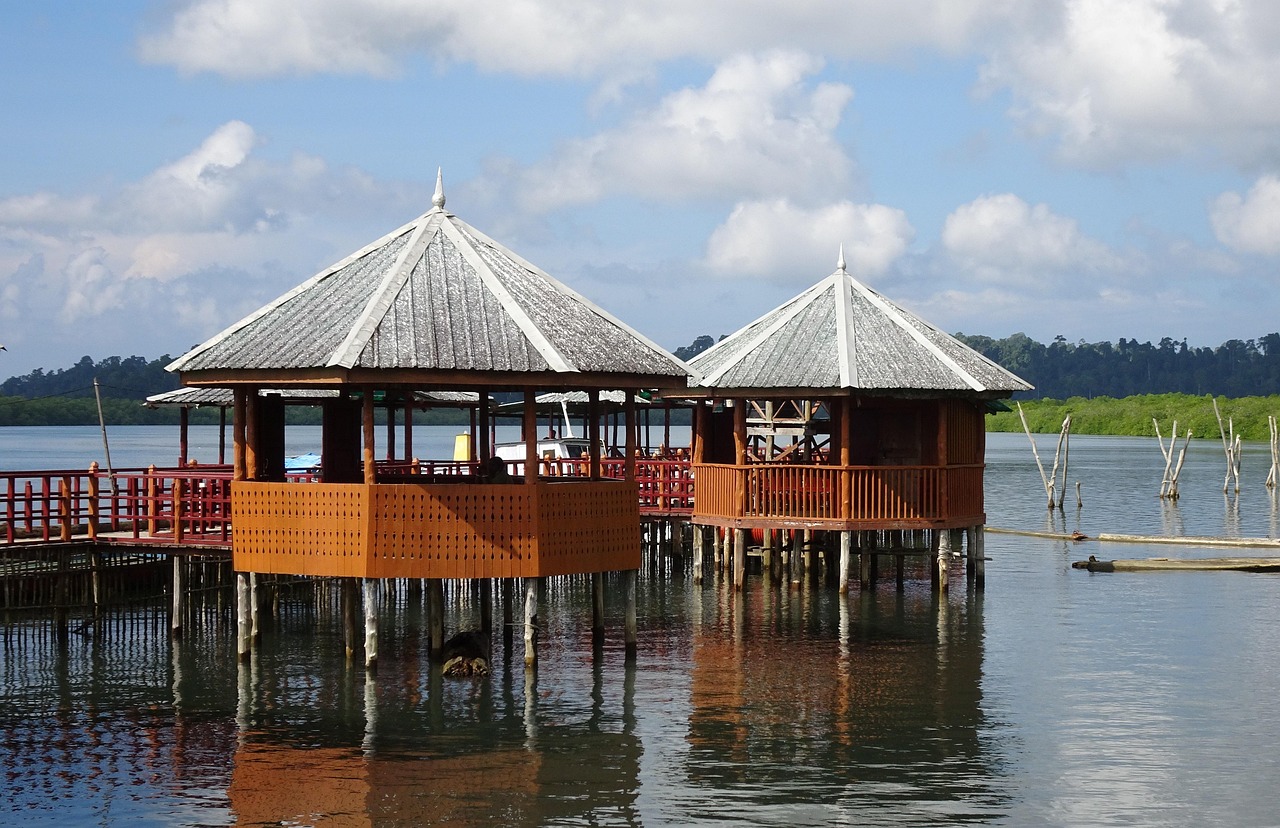
An island between South and Middle Andaman known for limestone caves reached by boat through mangrove creeks, a mud volcano and the evening flight of parrots — visited on a long day trip along the Andaman Trunk Road, which crosses the protected Jarawa reserve under strict rules.

Favourite places

  • Limestone caves

    North of Nilambur jetty

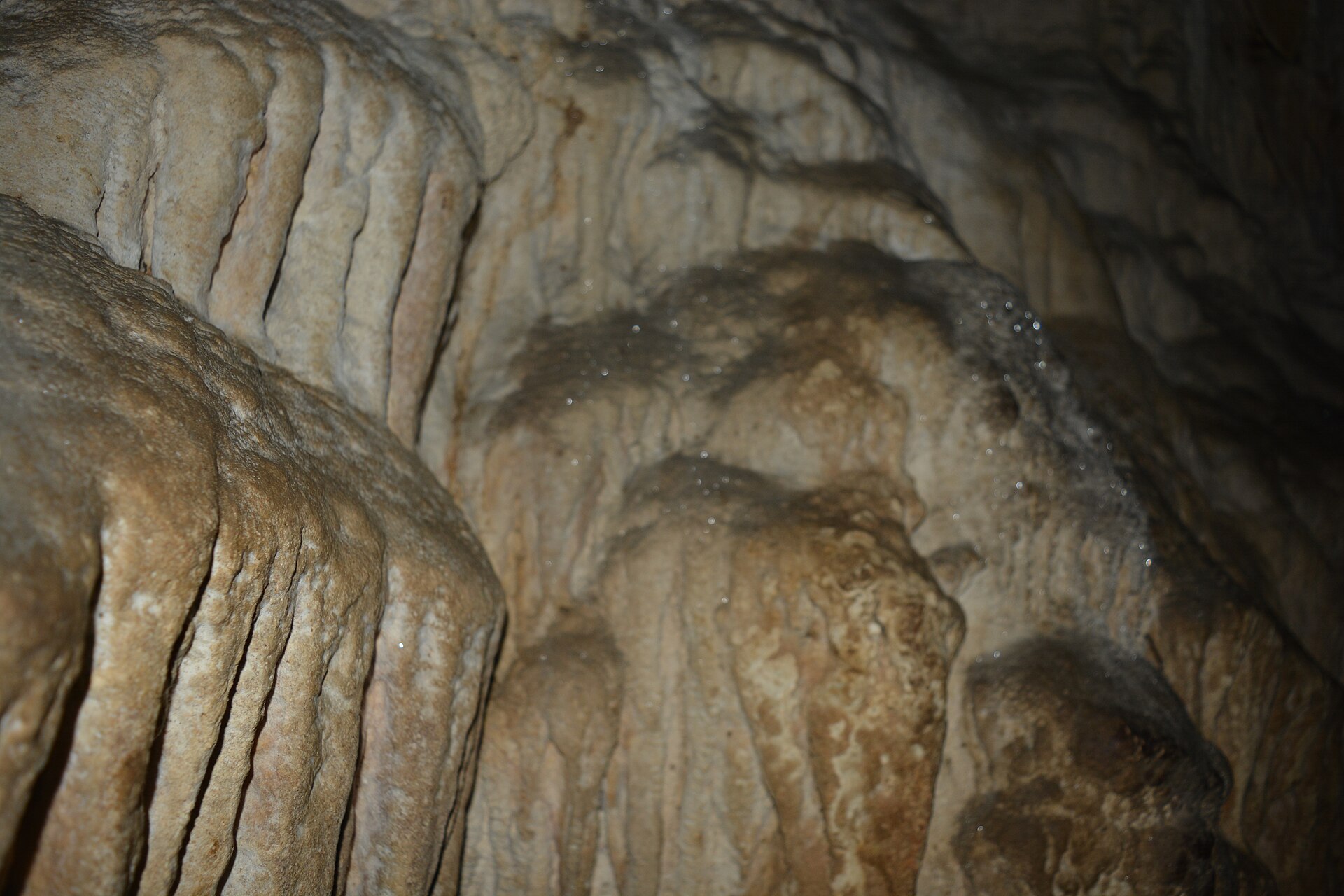
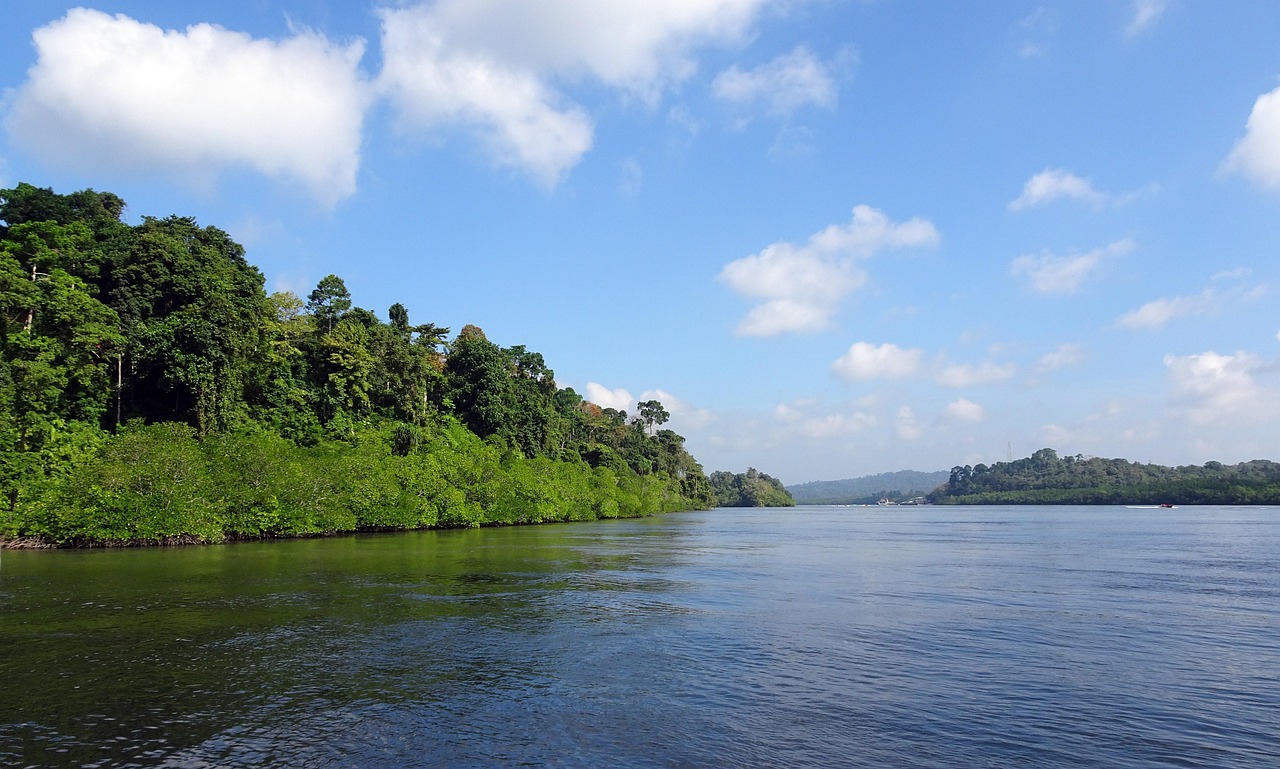
    Caves of stalactites and stalagmites in limestone, reached by speedboat through narrow mangrove creeks and then a forest walk. The boat ride itself, under a tunnel of mangroves, is a highlight.Read more

    How to get there: Speedboat from Nilambur jetty with a forest permit, then about 1.5 km on foot.
    Open in Google Maps (opens in a new tab)
  • Mud volcano

    Near Nilambur, Baratang

    A small mud volcano where gas pushes mud up through the ground into low mounds.Read more

    How to get there: By jeep from the jetty, then a short walk.

    Open in Google Maps (opens in a new tab)

Local food

  • Coconut fish curry and fish thali

    Baratang, India

    The islands are home to settlers from Bengal, Tamil Nadu, Kerala, Andhra Pradesh and Ranchi, so the everyday fish curry may be Bengali, South Indian or a mix — usually with coconut, served as a thali with rice.

  • Tender coconut

    Baratang, India

    Green coconuts cut open for their water at every beach and market. The best way to stay hydrated in the island heat.

Where to eat

Where to stay

Culture

Baratang's villages are home to settlers from many parts of India who farm and fish along the creeks. The Jarawa are a separate, protected people with their own language and forest way of life; the rules on the trunk road exist to protect their health and right to live without outside interference. Learn about the islands' first peoples at the Anthropological Museum in Sri Vijaya Puram rather than seeking contact.

History

Baratang lies north of South Andaman, reached by the Andaman Trunk Road, built from the 1970s to link the islands from Sri Vijaya Puram towards Diglipur. The road passes through the Jarawa Tribal Reserve, home of the Jarawa, an Indigenous people who lived in isolation until recent decades.

Contact with outsiders has threatened the Jarawa's health and way of life, and after much concern the authorities placed strict rules on travel through the reserve. The island itself is known for its limestone caves, formed over long ages in the soft rock, and for the islands' mud volcanoes.

Tour plans

Baratang day trip

1 day
  1. Step 1: Pre-dawn start

    Leave Sri Vijaya Puram for the Jirkatang check post and the first convoy.

  2. Step 2: Through the reserve

    Drive in the convoy, following all the rules — no stops, no photos.

  3. Step 3: Middle Strait crossing

    Vehicle ferry to Nilambur.

  4. Step 4: Limestone caves

    Speedboat through the mangroves and the forest walk.

  5. Step 5: Mud volcano

    Then the convoy back to Sri Vijaya Puram.

Map

Open in Google Maps (opens in a new tab)

Travel information

Best time to visit

November to April, when the roads and creeks are easiest. The monsoon can bring heavy rain and cancelled boats.

How to get there

By air: fly to Sri Vijaya Puram (IXZ).

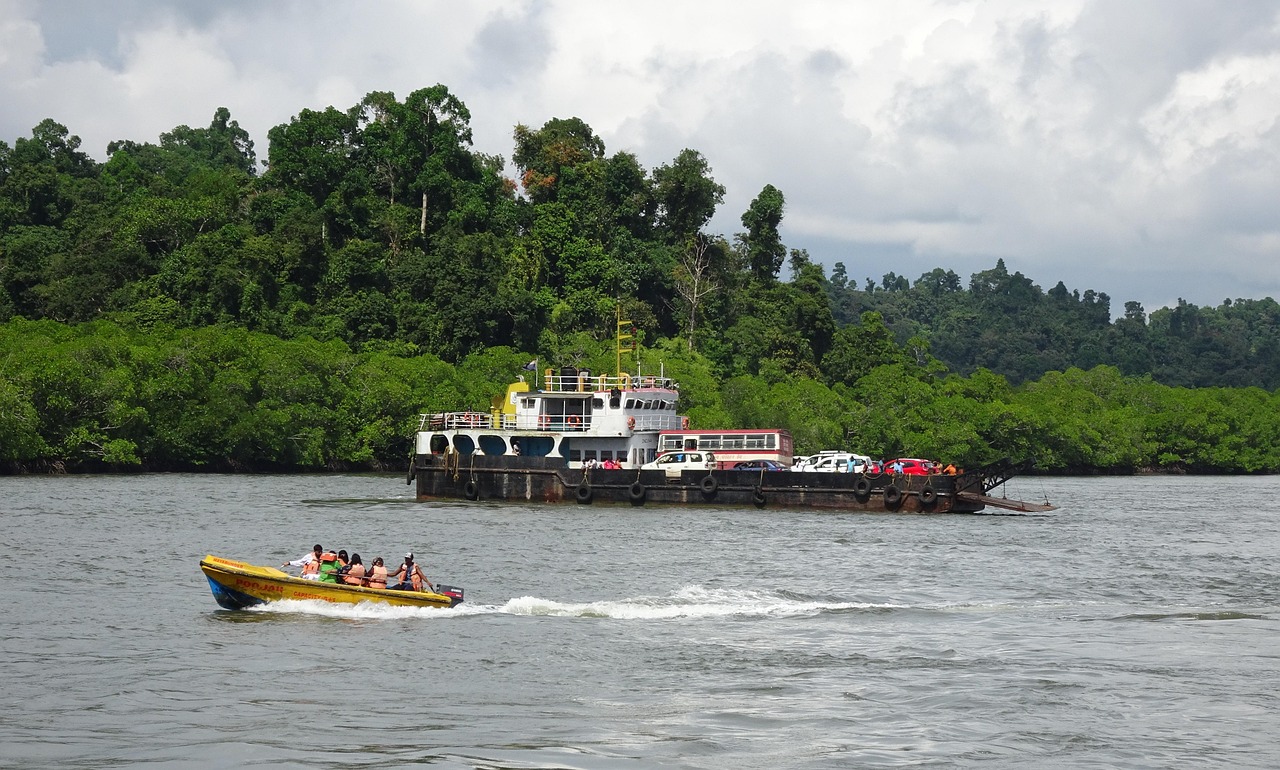
By road: Baratang is about 100 km north of Sri Vijaya Puram. Vehicles drive to the Jirkatang check post, then travel through the Jarawa reserve in convoys at fixed times, to Middle Strait jetty, where a vehicle ferry crosses to Nilambur jetty on Baratang. Most visitors leave Sri Vijaya Puram before dawn on an organised day trip. Convoy times and rules change — check before going.

By sea: government boats also run between Sri Vijaya Puram and Baratang on some days — check schedules.

Getting around

  • Speedboats: from Nilambur jetty through the mangrove creeks to the limestone caves (forest department permit at the jetty), then a walk of about 1.5 km through forest and village fields.
  • Jeeps: from the jetty to the mud volcano.
  • Boats at dusk: to Parrot Island.

Travel tips

  • Permits: Indian citizens do not need a permit for the main tourist islands. Foreign nationals: the Restricted Area Permit rules have been relaxed for many islands, but registration or permits can still apply in places — check the current rules before booking. Tribal reserves and many islands are closed to all visitors.
  • Ferries: book inter-island ferries early in peak season, and keep a spare day in case the sea is rough — sailings are cancelled in bad weather.
  • Cash and network: ATMs exist on the main islands but can run dry; carry cash. Mobile data is slower than on the mainland and can be patchy.
  • Sea safety: swim only where it is marked as safe, follow lifeguard flags and warnings about currents and saltwater crocodiles, and never touch or stand on coral.
  • Plastic: single-use plastic is restricted on the islands; carry a refillable bottle.
  • Rules in the Jarawa reserve: travel only in the convoy and at the permitted speed; do not stop, do not take photographs or videos, do not offer food or anything else, and do not try to talk to or interact with the Jarawa. These rules are enforced under the regulation that protects the islands' Indigenous peoples, and breaking them is a punishable offence.
  • Long day: a Baratang trip starts very early and returns late; carry water, snacks and a torch, and wear good shoes for the cave walk.
  • Inside the caves: do not touch the formations, and follow the guide.

All destinations