Coorg (Kodagu)

Coorg (Kodagu), India

Coorg (Kodagu)

The misty hill district of the Western Ghats: coffee and pepper estates, waterfalls, the source of the Kaveri at Talakaveri, a Tibetan golden temple at Bylakuppe and the proud culture of the Kodava people — best enjoyed from a plantation homestay.

Favourite places

  • Raja's Seat

    Madikeri

    A garden on the edge of the town where the Kodagu kings are said to have watched the sunset over the valleys and hills. Sunrise and sunset views, with a toy train and musical fountain for families.Read more

    How to get there: A short walk from Madikeri town centre.

    Open in Google Maps (opens in a new tab)
  • Madikeri Fort and Omkareshwara Temple

    Madikeri

    The fort of the Haleri kings, rebuilt in stone by Tipu Sultan, holds the old palace and a small museum. Nearby, the Omkareshwara Temple of 1820 mixes Islamic-style domes with Kerala-style features around a water tank.

    Open in Google Maps (opens in a new tab)
  • Abbey Falls

    About 8 km from Madikeri

    A waterfall dropping through coffee and spice estates, reached by a short walk down steps to a viewing bridge. At its strongest just after the monsoon.Read more

    How to get there: By car or auto from Madikeri, then a walk of a few minutes.

    Open in Google Maps (opens in a new tab)
  • Talakaveri and Bhagamandala

    About 45 km west of Madikeri

    Talakaveri, high on the Brahmagiri hills, is revered as the source of the Kaveri river, with a sacred tank and temple and wide views. Below it, the Bhagandeshwara temple at Bhagamandala stands at the confluence of the Kaveri, Kannike and an underground stream.Read more
    Open in Google Maps (opens in a new tab)
  • Namdroling Monastery (Golden Temple)

    Bylakuppe, near Kushalnagar

    A large Tibetan Buddhist monastery of the Nyingma school, with a golden prayer hall holding three tall gilded Buddha statues, monks in debate and a Tibetan market outside. Visitors are welcome; dress modestly and keep quiet in the halls.Read more

    How to get there: About 6 km from Kushalnagar by auto or car. Some areas of the settlement may need a permit for foreign visitors — check current rules.

    Open in Google Maps (opens in a new tab)
  • Dubare Elephant Camp

    On the Kaveri near Kushalnagar

    A forest department elephant camp across the river, where you can watch the elephants being bathed and fed in the morning. River rafting on the Kaveri runs in season.Read more

    How to get there: Boat across the river from the Dubare parking; activities and timings depend on the season and rules.

    Open in Google Maps (opens in a new tab)
  • Iruppu Falls

    South Kodagu, near Nagarhole

    A waterfall on the Lakshmana Tirtha river in the Brahmagiri forests, with a Rameshwara temple at the start of the walk. A short trek through forest to the falls.

    Open in Google Maps (opens in a new tab)

Historical places

Local food

  • Pandi curry with kadambuttu

    Coorg (Kodagu), India

    The signature Kodava dish of Coorg: pork cooked dark and tangy with kachampuli (a black vinegar made from a local fruit) and roasted spices, eaten with kadambuttu, steamed rice balls. Akki otti (rice flatbread) and bamboo-shoot curry are other Kodava staples.Read more
  • Filter coffee

    Coorg (Kodagu), India

    Strong coffee brewed slowly in a metal filter, mixed with hot milk and sugar and poured between a tumbler and a bowl (dabara) to froth it. Coffee is grown in Karnataka and Kerala hills, and the drink is part of daily life across the south.Read more
  • South Indian meals on a banana leaf

    Coorg (Kodagu), India

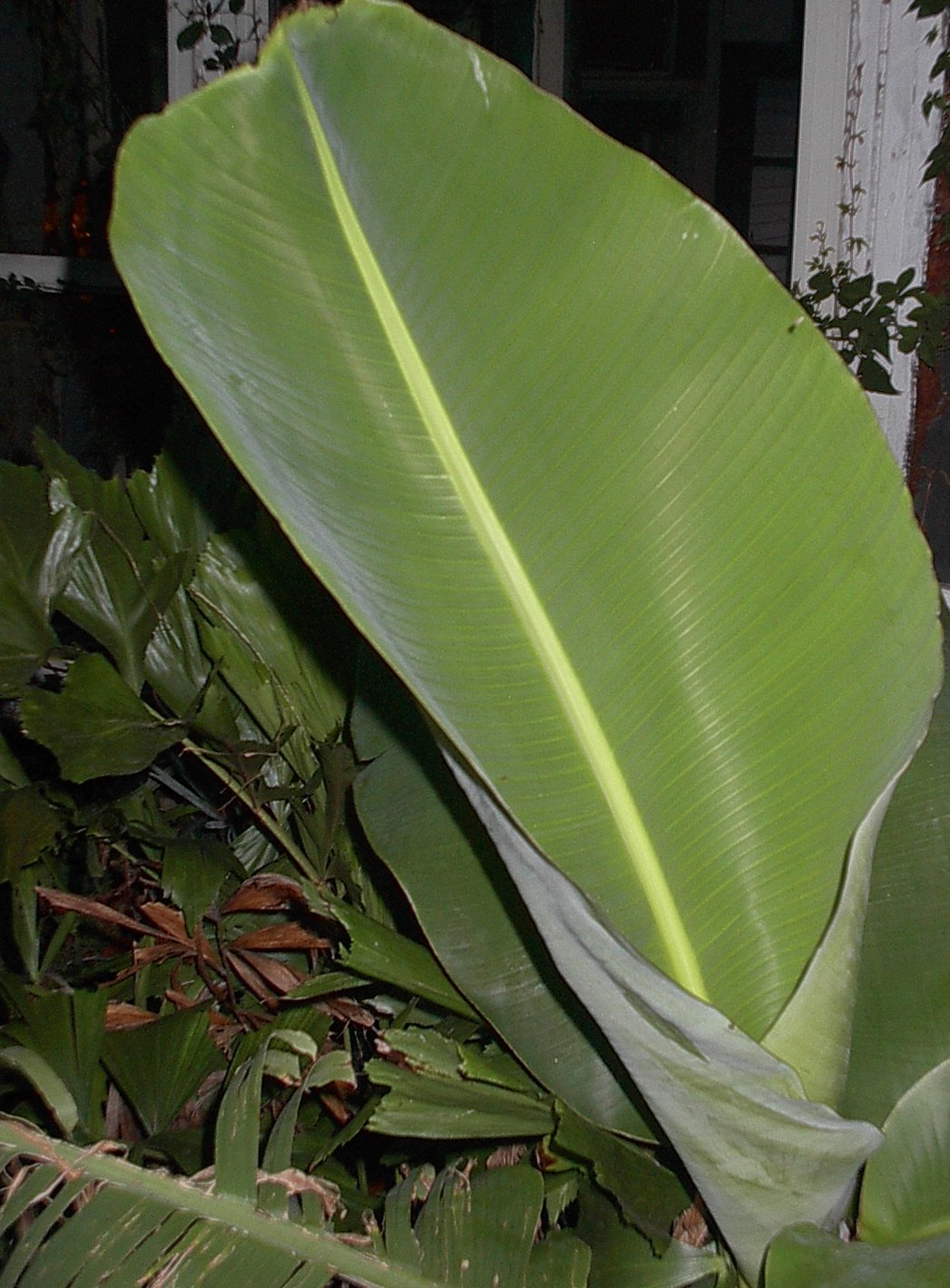
    Rice with a run of dishes — sambar, rasam, vegetable palya, kosambari (lentil salad), curd, pickle, papad and a sweet — served on a banana leaf or a steel plate and usually refilled until you say stop. Udupi-style restaurants serve it all over the south.Read more
  • Ragi mudde

    Coorg (Kodagu), India

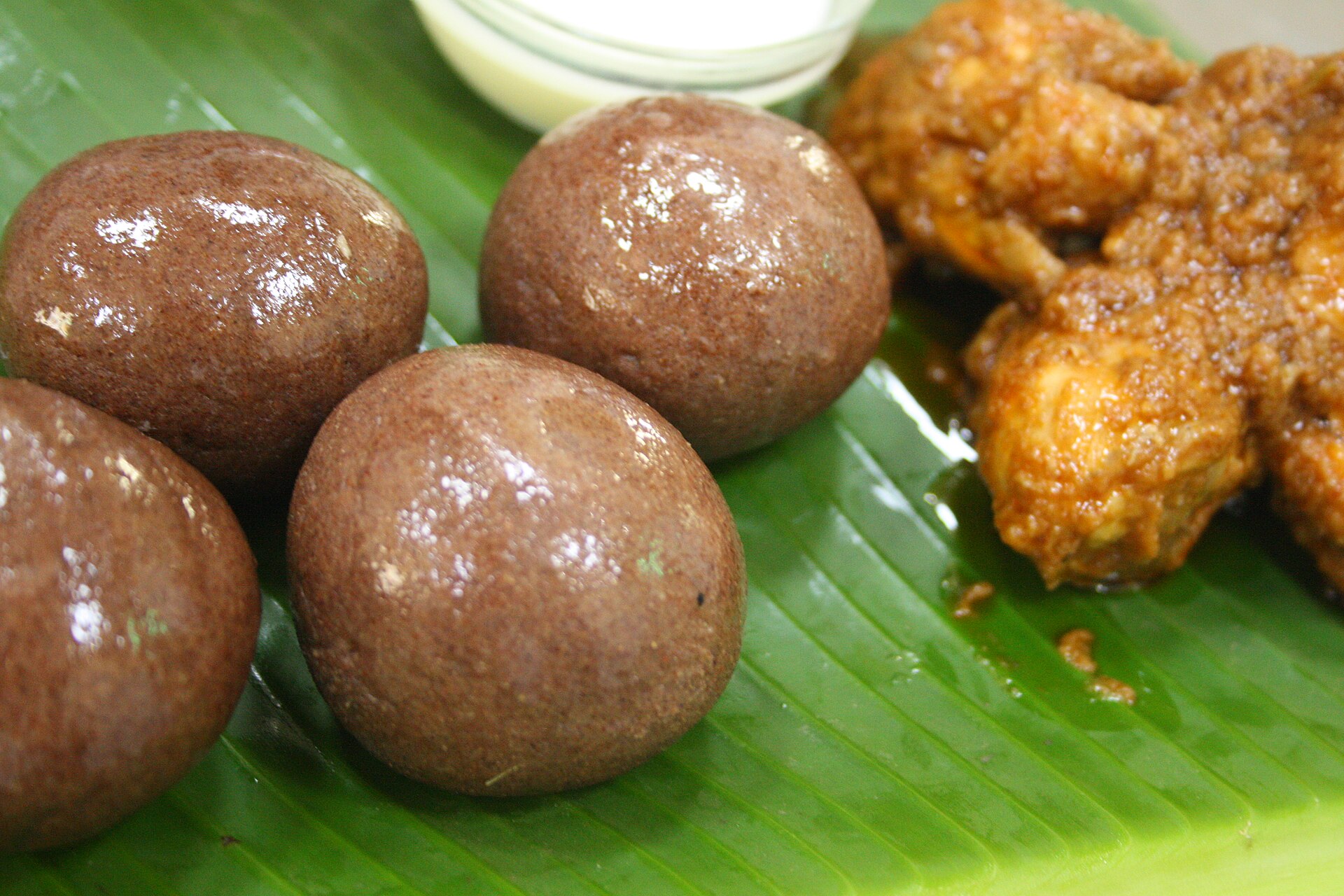
    Balls of finger-millet dough, swallowed in pieces with soppina saaru (greens curry) or a mutton or chicken curry. The everyday food of rural southern Karnataka, filling and wholesome.

Where to eat

  • Your homestay table

    Across Kodagu

    The best Kodava food is home cooking: pandi curry, kadambuttu, akki otti, bamboo-shoot curry and koli (chicken) curry, served by your hosts.

    Open in Google Maps (opens in a new tab)
  • Madikeri town

    Around the bus stand and Main Road

    Small restaurants serving Kodava meals, South Indian tiffin and fresh Coorg coffee; shops selling coffee, spices and homemade wines.

    Open in Google Maps (opens in a new tab)

Where to stay

Culture

Kodava culture is distinct within Karnataka. Men wear the kupya (a long black coat) with a sash and a dagger (peeche kathi) at weddings and festivals; women drape their saris in a distinctive pleated-at-the-back style. Families honour their ancestors at their ainmane, and guns have a ceremonial place — Kodavas hold a traditional exemption under Indian arms law.

The main festivals are Kail Podh (September), when weapons are worshipped, Kaveri Sankramana (October), when pilgrims gather at Talakaveri as the river is believed to rise at the spring, and Puthari (November–December), the harvest festival. Field hockey is a passion, and Kodava family hockey tournaments draw hundreds of teams each year.

History

Kodagu, anglicised as Coorg, is the homeland of the Kodavas, a martial community with its own language (Kodava takk), customs, dress and ancestral houses (ainmanes). From the 17th century it was ruled by the Haleri kings from Madikeri (Mercara), who resisted Hyder Ali and Tipu Sultan.

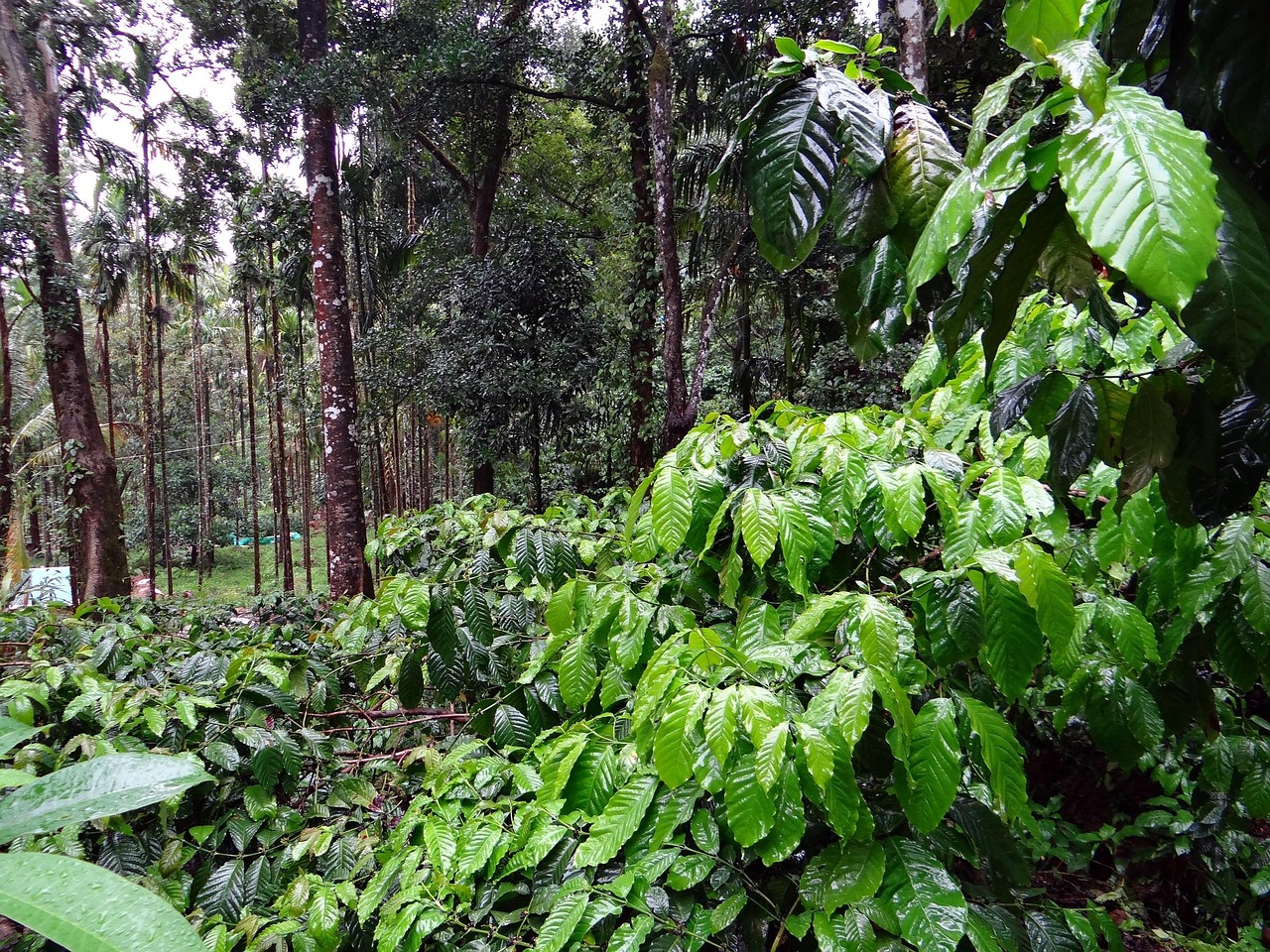
In 1834 the British annexed Coorg and introduced coffee planting on a large scale; plantations still cover much of the district. Coorg remained a separate province, and after independence a small state of its own, until it merged with Mysore State (later Karnataka) in 1956.

The Kodavas have given India many soldiers, including Field Marshal K. M. Cariappa, the first Indian commander-in-chief, and General K. S. Thimayya. Since the 1960s, Tibetan refugees have also made their home at Bylakuppe on the district's edge, now one of the largest Tibetan settlements in India.

Tour plans

Coorg in three days

3 days, 2 nights
  1. Step 1: Day 1 — Madikeri

    Arrive, settle into an estate homestay, visit the fort, Omkareshwara Temple and the Raja's tombs, and watch sunset from Raja's Seat.

  2. Step 2: Day 2 — The source of the Kaveri

    Abbey Falls in the morning, then Bhagamandala and Talakaveri. Evening coffee-estate walk with your hosts.

  3. Step 3: Day 3 — Elephants and monks

    Dubare Elephant Camp at bath time, then the Golden Temple at Bylakuppe and momos before heading on to Mysuru or Bengaluru.

Map

Open in Google Maps (opens in a new tab)

Travel information

Best time to visit

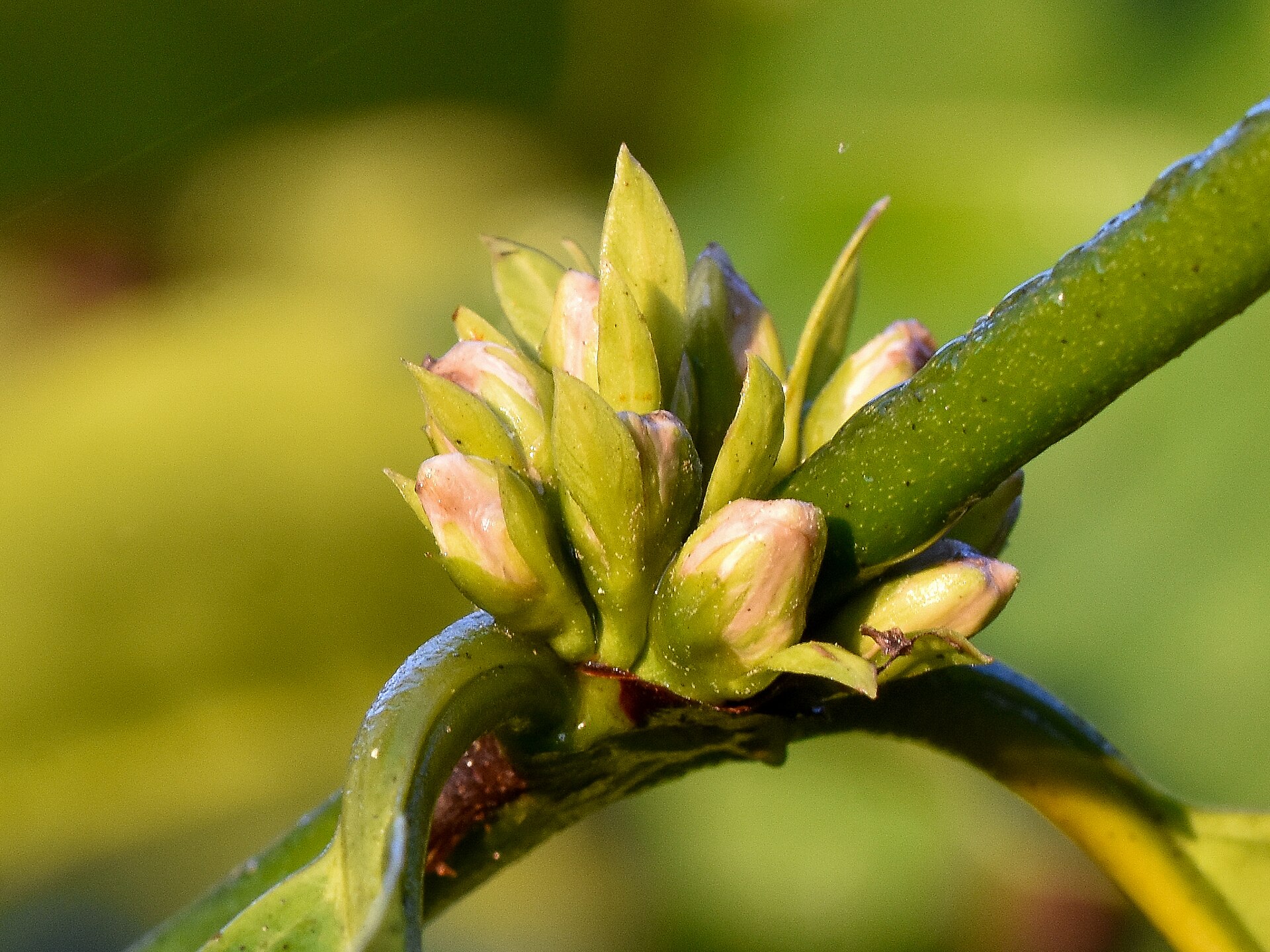
October to March for cool, clear days; coffee blossoms around March–April fill the estates with scent. The monsoon (June–September) is very wet and green, with leeches and occasional landslides.

How to get there

By air: the nearest airports are Mangaluru (IXE), about 135 km from Madikeri, Kannur (CNN) in Kerala, about 100 km, and Mysuru, about 120 km, with limited flights; many visitors fly to Bengaluru (BLR) and drive about five to six hours.

By train: Coorg has no railway. The nearest stations are Mysuru Junction (about 120 km) and Mangaluru or Kannur.

By road: KSRTC buses run to Madikeri, Kushalnagar, Virajpet and Gonikoppal from Bengaluru, Mysuru and Mangaluru. The ghat road from Mangaluru via Sampaje can be affected by landslides in the monsoon — check conditions.

Getting around

  • Car with driver: the easiest way; distances between sights are long and roads wind through estates.
  • Local buses: connect Madikeri with Kushalnagar, Virajpet, Bhagamandala and other towns, but are slow for sightseeing.
  • Autos and jeeps: for short rides in Madikeri and to viewpoints; jeeps are used on rough estate and hill tracks.
  • Bases: Madikeri for the north and west (Abbey Falls, Talakaveri), Kushalnagar for Dubare and Bylakuppe, and the south around Virajpet and Gonikoppal for Iruppu Falls and Nagarhole.

Travel tips

  • Temples, mosques and churches: take your shoes off before entering shrines (racks or shoe-keepers are at the door). Cover shoulders and knees. Some Kerala and Karnataka temples allow only Hindus inside the inner shrine and ask men to remove their shirts — follow the notice at the gate. Ask before photographing people at prayer.
  • Visas: most visitors need a visa; many nationalities can apply for an Indian e-Visa online. Check the current rules for your passport before you travel.
  • Money: the currency is the Indian rupee (INR). Cards work in hotels and larger restaurants; most small shops use UPI phone payments, which foreign visitors may not be able to use, so carry cash for autos, markets and small eateries.
  • Monsoon: the south-west monsoon reaches Kerala and coastal Karnataka around June and lasts into September; hill roads can close after landslides and beaches have strong currents. Check the weather and road conditions before going.
  • Health: drink bottled or filtered water, eat where food is cooked fresh, and use mosquito repellent, especially near backwaters and forests.
  • Time zone: India Standard Time, UTC+5:30, all year.
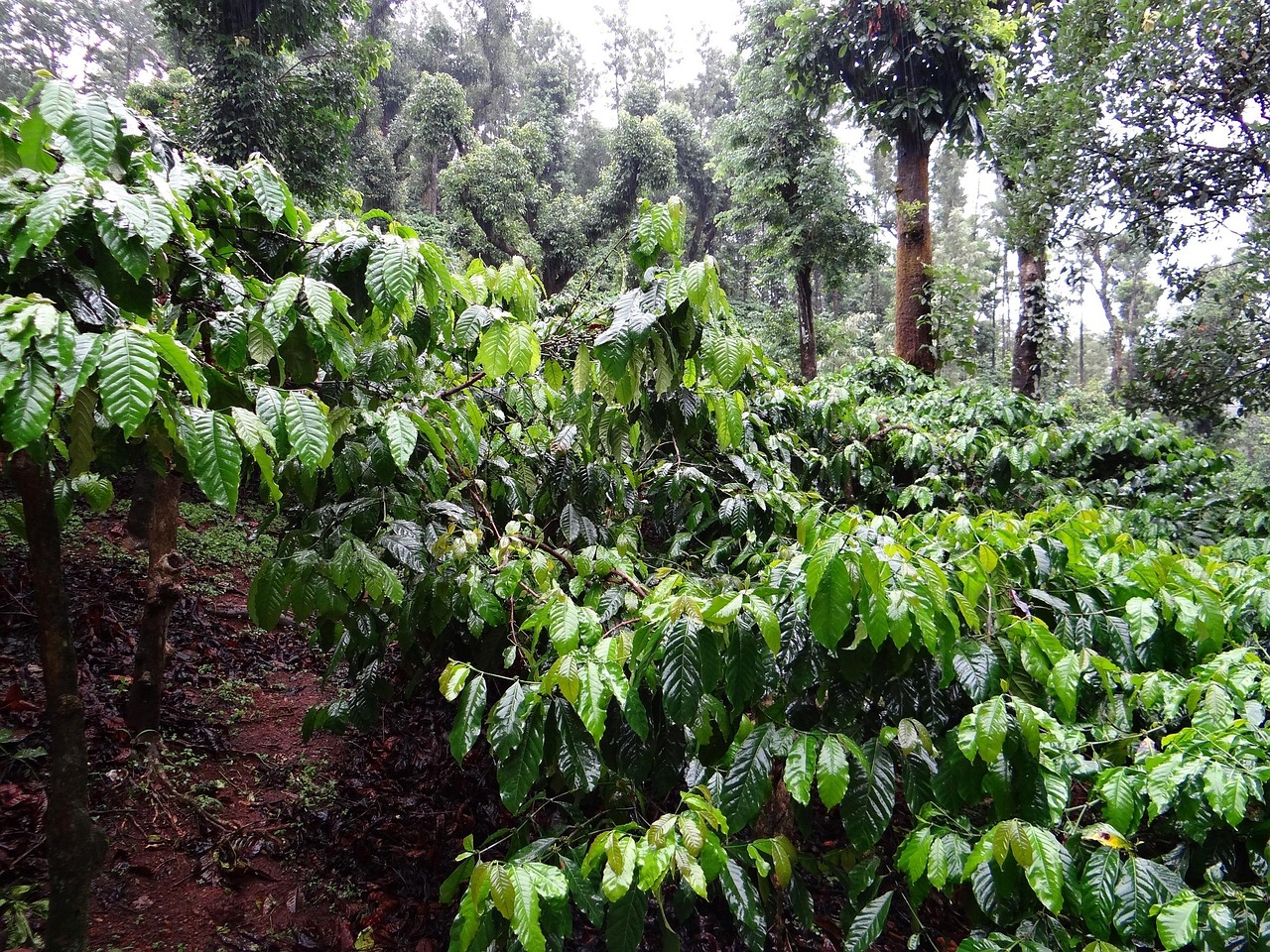
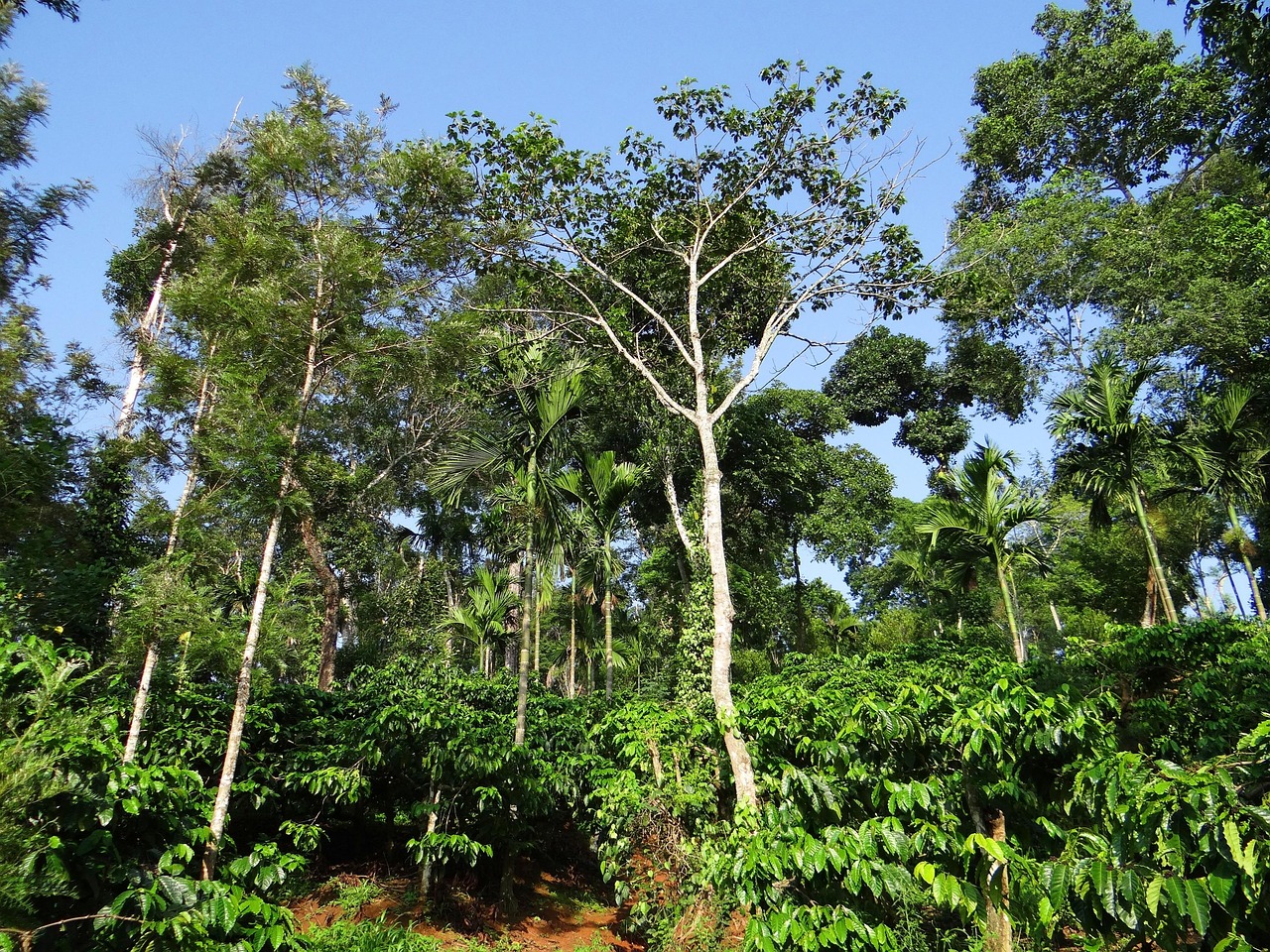
  • Homestays: stay on a working coffee estate — hosts often show you how coffee and pepper are grown and cook Kodava meals.
  • Monsoon: expect heavy rain, leeches on trails and possible road closures; carry leech socks or salt.
  • Elephant camps and treks: forest department rules on treks (such as Tadiandamol) and wildlife visits change — check before going and use licensed guides.
  • Buy: Coorg coffee, pepper, cardamom, honey and homemade wines from estates and Madikeri shops.

All destinations