Barabati Fort
Near Barabati Stadium, on the Mahanadi
The moat, gateway and earthwork remains of the 14th-century fort, now a quiet park.
Open in Google Maps (opens in a new tab)
 Cuttack, India
Odisha's thousand-year-old former capital on a river island between the Mahanadi and Kathajodi, famous for silver filigree, Bali Jatra, a grand Durga Puja, the ruins of Barabati Fort and as the birthplace of Netaji Subhas Chandra Bose.
Near Barabati Stadium, on the Mahanadi
The moat, gateway and earthwork remains of the 14th-century fort, now a quiet park.
Open in Google Maps (opens in a new tab)Odia Bazar
The house where Subhas Chandra Bose was born, now a museum with his belongings, photographs and letters, and the story of the Indian National Army.
Open in Google Maps (opens in a new tab)Central Cuttack
The temple of the city's guardian goddess, busiest during Durga Puja.
Open in Google Maps (opens in a new tab)An island in the Mahanadi, about 30 km north-west
A Shiva temple on a river island, reached by a hanging footbridge.
Open in Google Maps (opens in a new tab)Gadagadia Ghat and the Mahanadi riverbank
The riverbank where the Bali Jatra fair is held, with boat-floating rituals at dawn.
Open in Google Maps (opens in a new tab)Jobra, near the Mahanadi barrage
A museum in an old British workshop telling the story of Odisha's seafaring past. Check opening hours.
Open in Google Maps (opens in a new tab)Central Cuttack
A walled Muslim shrine from the 18th century, revered by people of different faiths.
Open in Google Maps (opens in a new tab)Along the Kathajodi river
The old stone river wall built to protect the city from floods.
Open in Google Maps (opens in a new tab)Cuttack, India
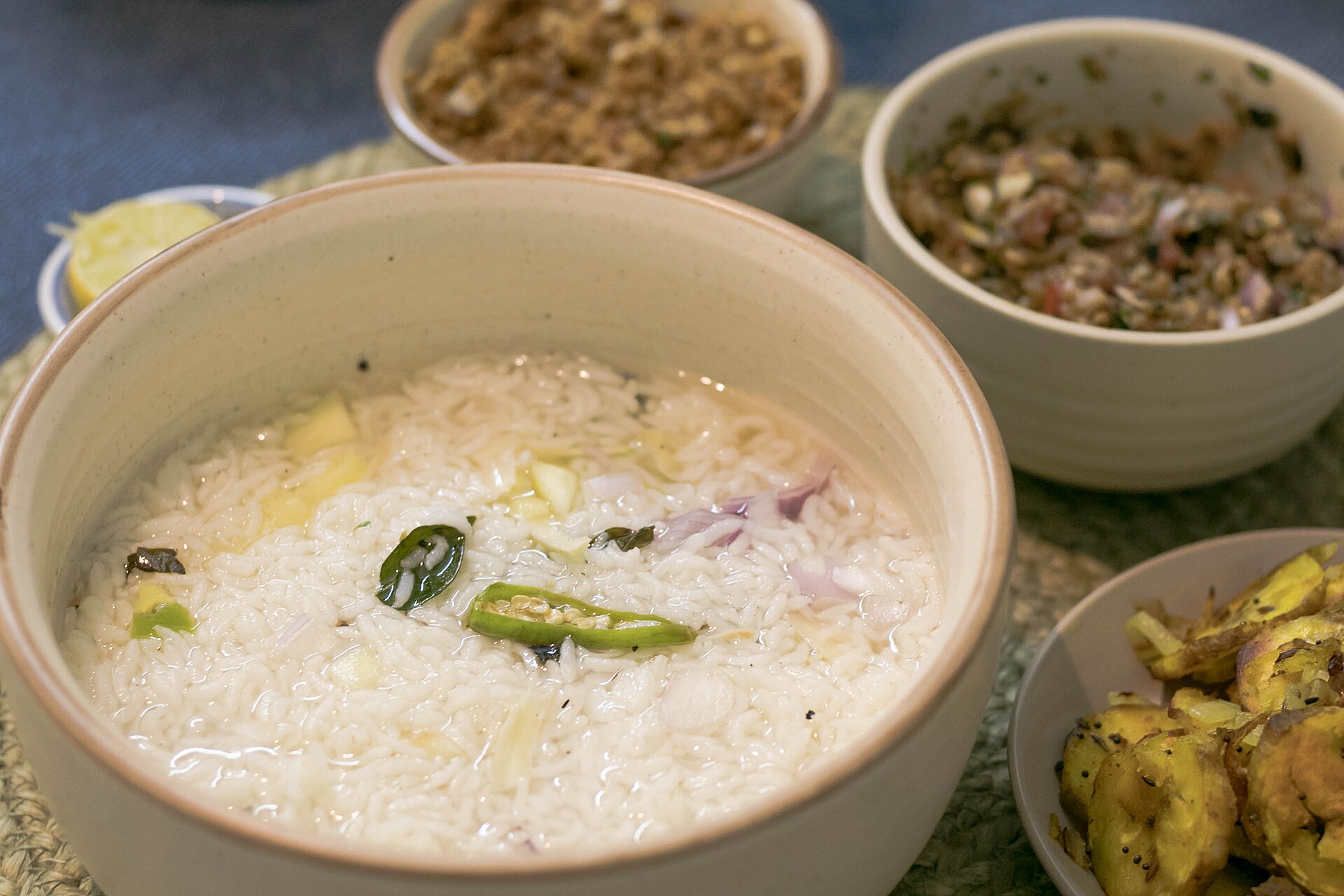
Cuttack's street food: soft lentil fritters soaked in spiced, thin yoghurt, served with a spicy potato curry, chickpea guguni, onions and sev. Eaten in the morning and evening from carts all over Cuttack and Bhubaneswar.
Cuttack, India
Cuttack, India
Cuttack, India
Buxi Bazaar, Chandni Chowk and across the old city
The city's favourite snack, served fresh morning and evening.
Open in Google Maps (opens in a new tab)Cuttack, India
Central hotels near the bus stand and the station.
Open in Google Maps (opens in a new tab)Cuttack, India
Many visitors stay in Bhubaneswar and visit Cuttack for the day.
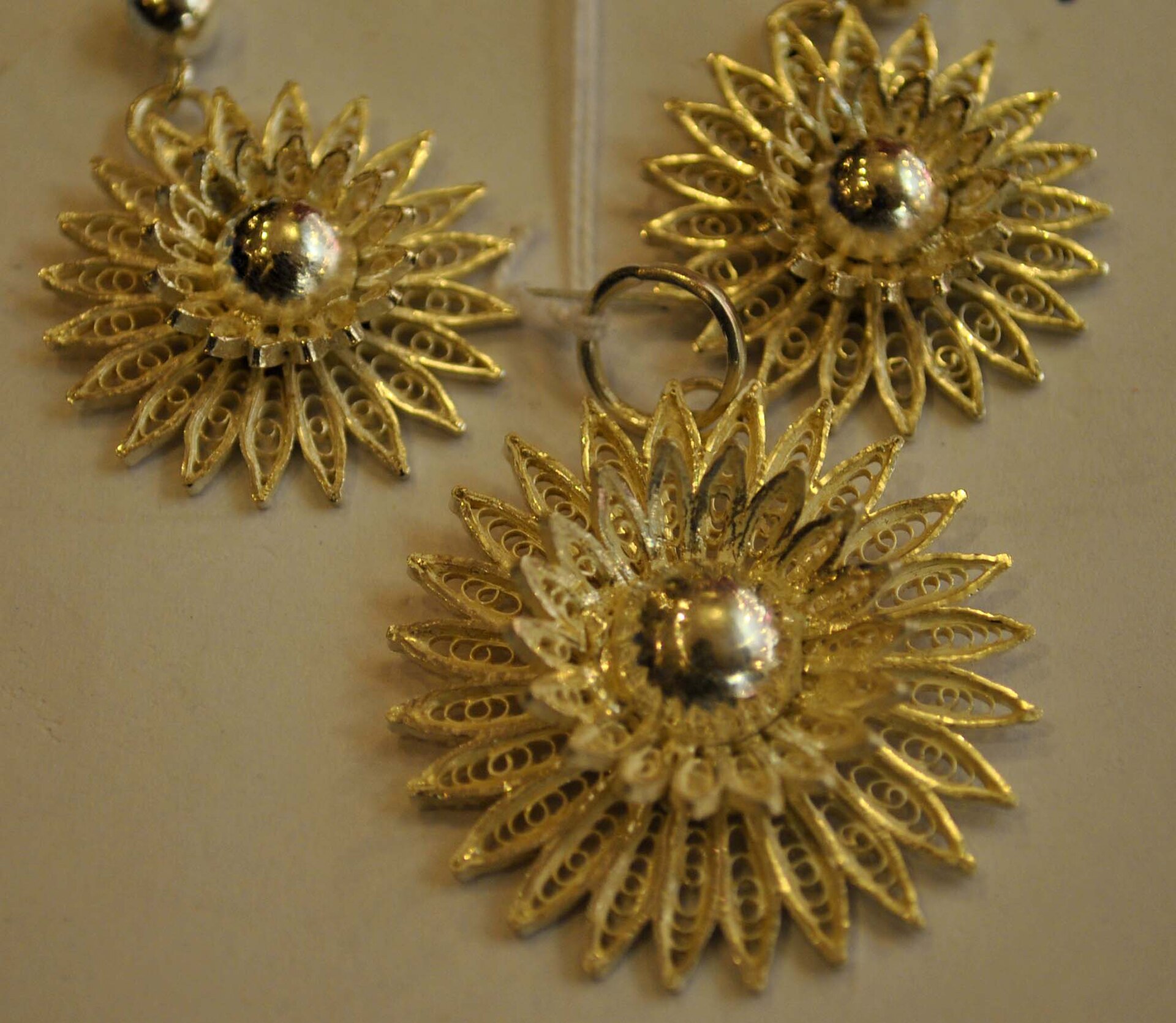
Open in Google Maps (opens in a new tab)Cuttack is known for tarakasi, silver filigree: fine silver wire twisted into jewellery, figures and, at Durga Puja, entire decorated backdrops for the goddess (chandi medha). Its Durga Puja is among the grandest in eastern India.
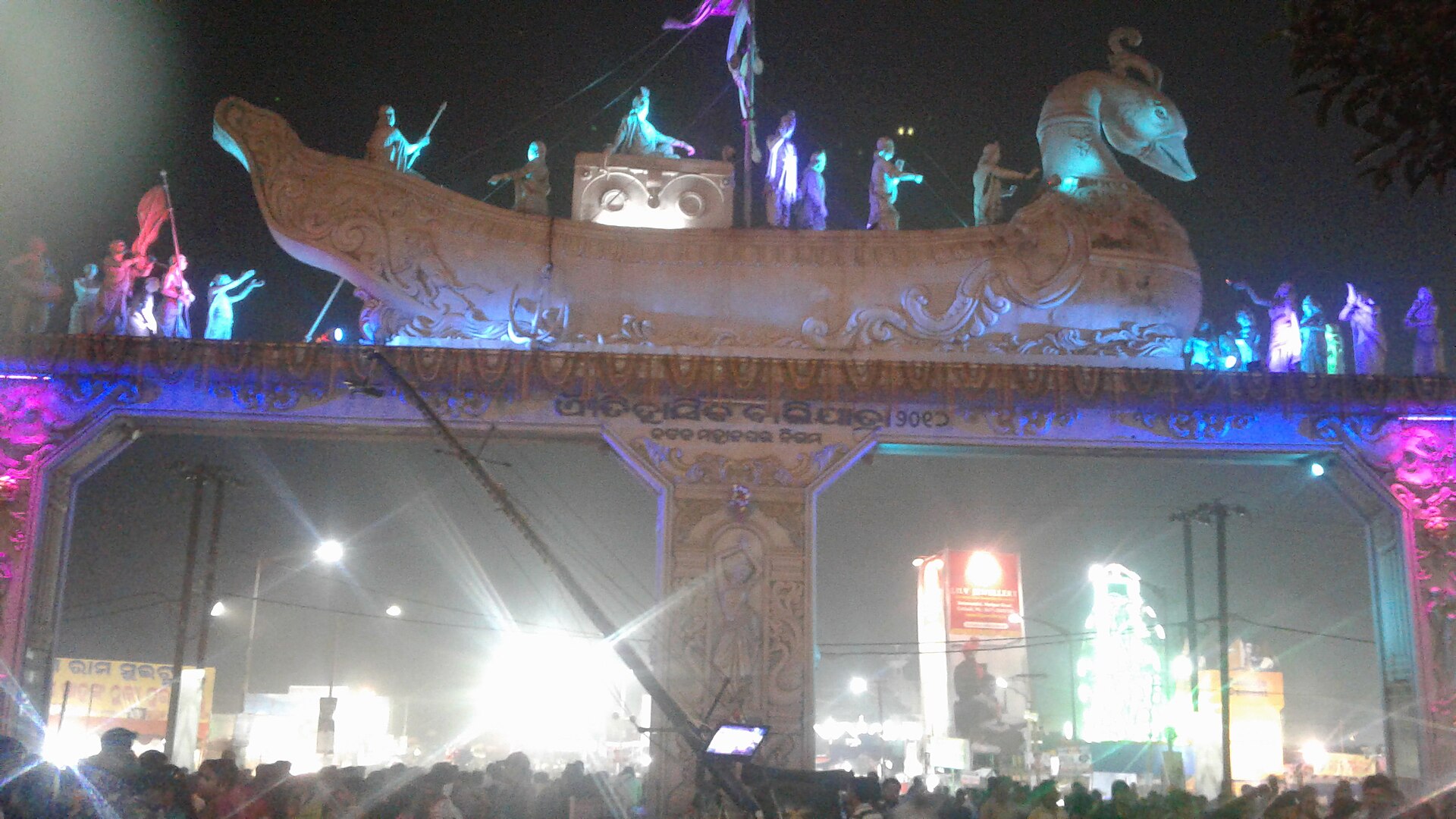
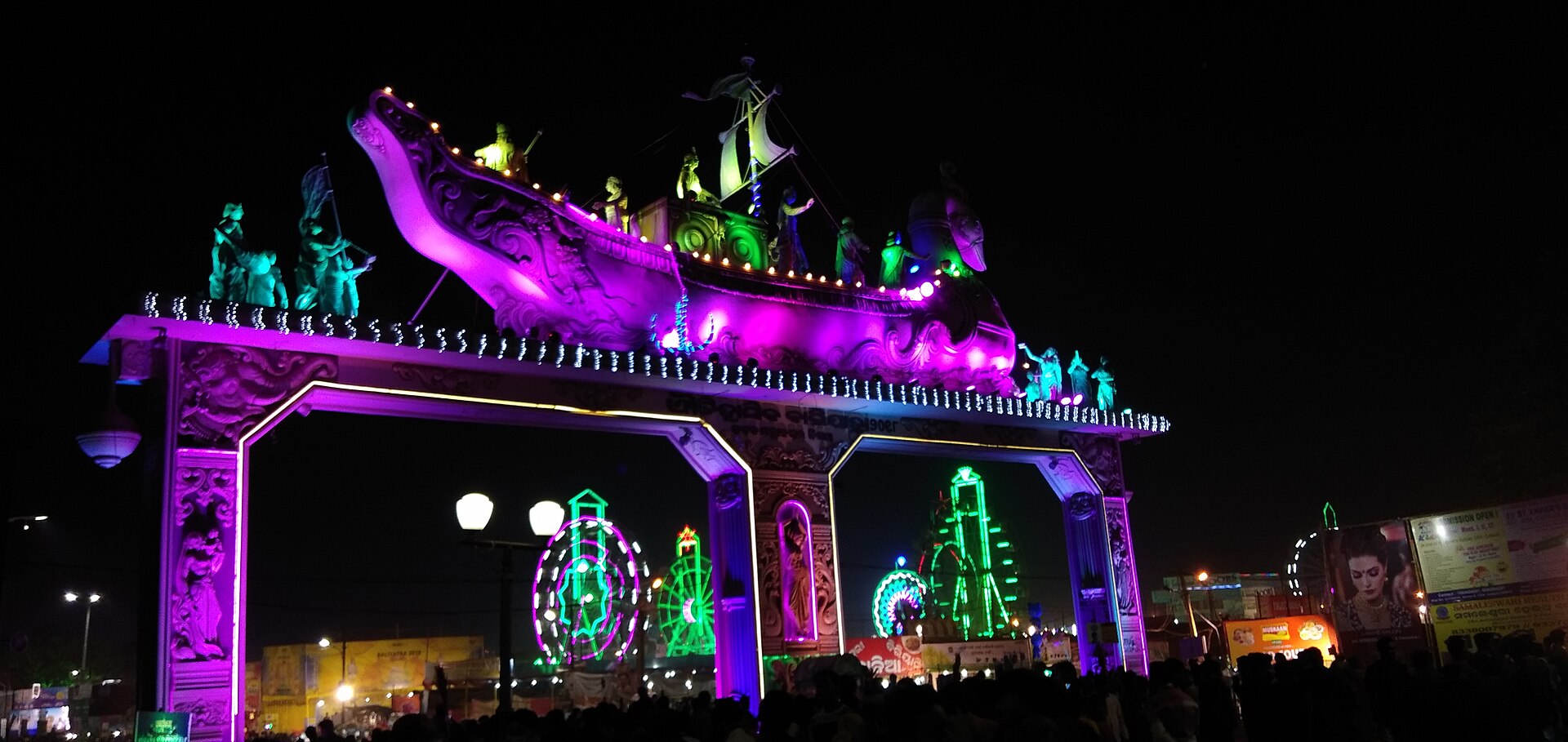
Bali Jatra, held on the banks of the Mahanadi from Kartik Purnima, is one of the largest open-air fairs in India. Families float small paper and banana-bark boats (boita bandana) in memory of the old sea voyages. The city is also famous for its street food — above all dahibara aloo dum.
Cuttack — from Kataka, a fortified camp — has been an important city for about a thousand years, which is why it is called the Millennium City. Rulers of the Eastern Ganga dynasty built Barabati Fort here in the 14th century, and the stone embankment along the Kathajodi river protected the city from floods.
Cuttack stayed the capital of Odisha under the Gajapati kings, the Mughals, the Marathas and the British, until the capital moved to Bhubaneswar in 1948. The freedom fighter Netaji Subhas Chandra Bose was born here in 1897, in a house that is now a museum.
The city's port tradition is remembered in Bali Jatra, which celebrates the voyages of ancient Kalinga merchants (sadhabas) to Bali, Java and Sumatra.
From a busy stall.
Morning.
Late morning.
Afternoon in the old bazaars.
Sunset by the river.
October to February. Durga Puja (September–October) and Bali Jatra (on Kartik Purnima, October–November) are the highlights. Summers are very hot.
By air: Bhubaneswar (BBI), about 30 km (45 minutes to an hour by road).
By train: Cuttack station is on the Howrah–Chennai main line, with trains from Kolkata and the rest of India, and frequent trains from Bhubaneswar.
By road: buses (including Mo Bus) and taxis run often between Cuttack and Bhubaneswar.