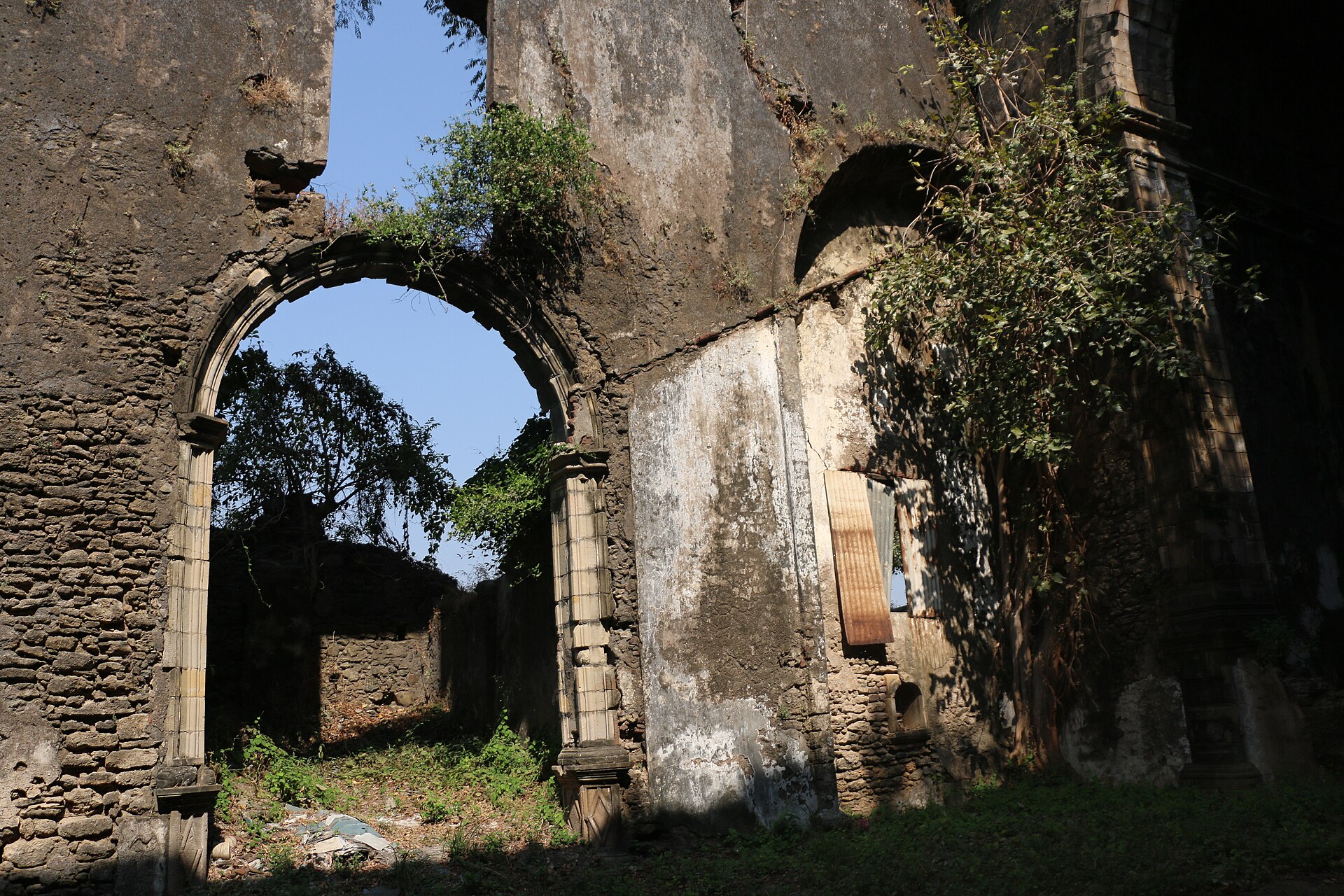
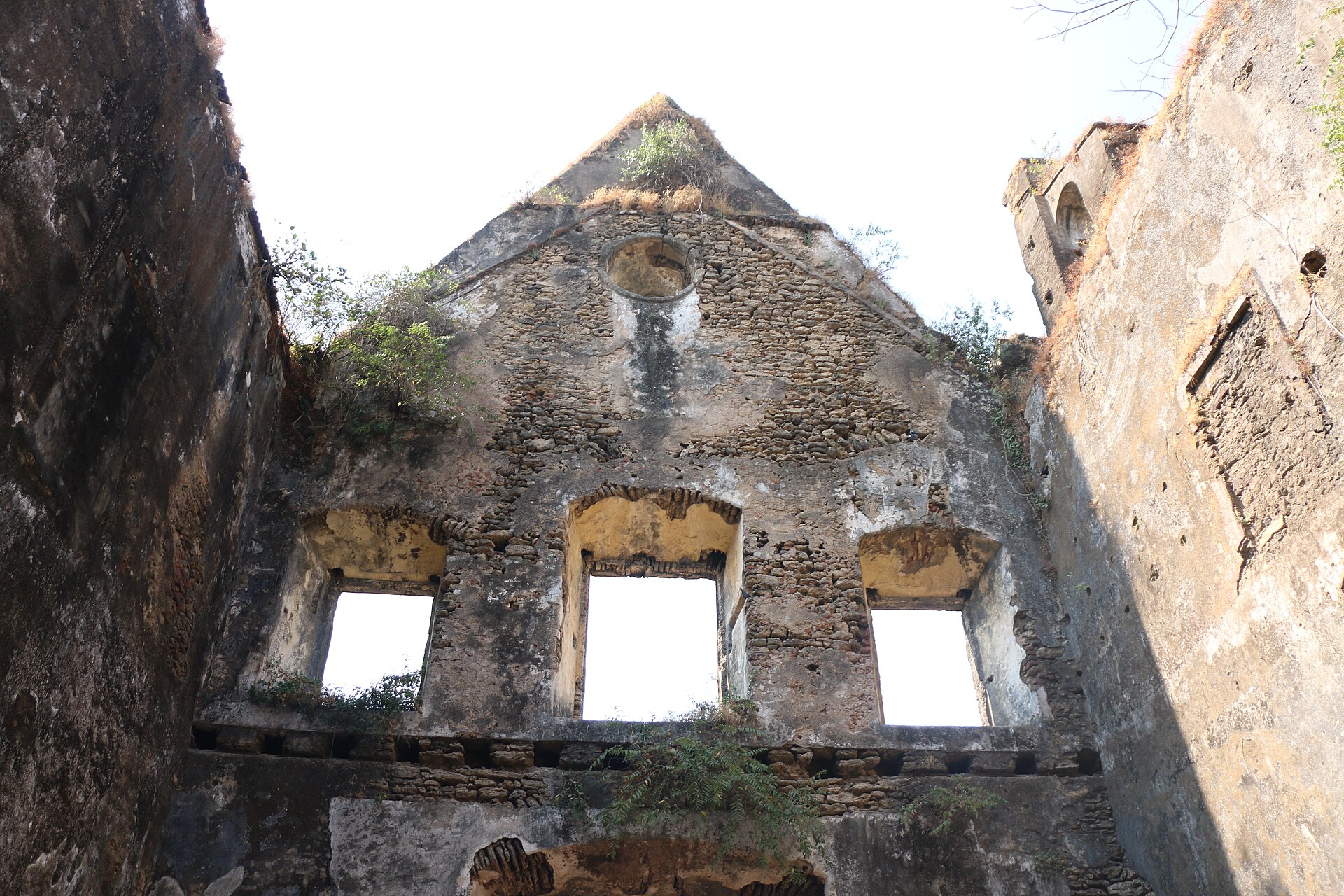
Moti Daman Fort
South bank of the Damanganga
The large Portuguese walled town, with gates, bastions, the governor's palace, quiet streets and the Bom Jesus Church inside.
Open in Google Maps (opens in a new tab)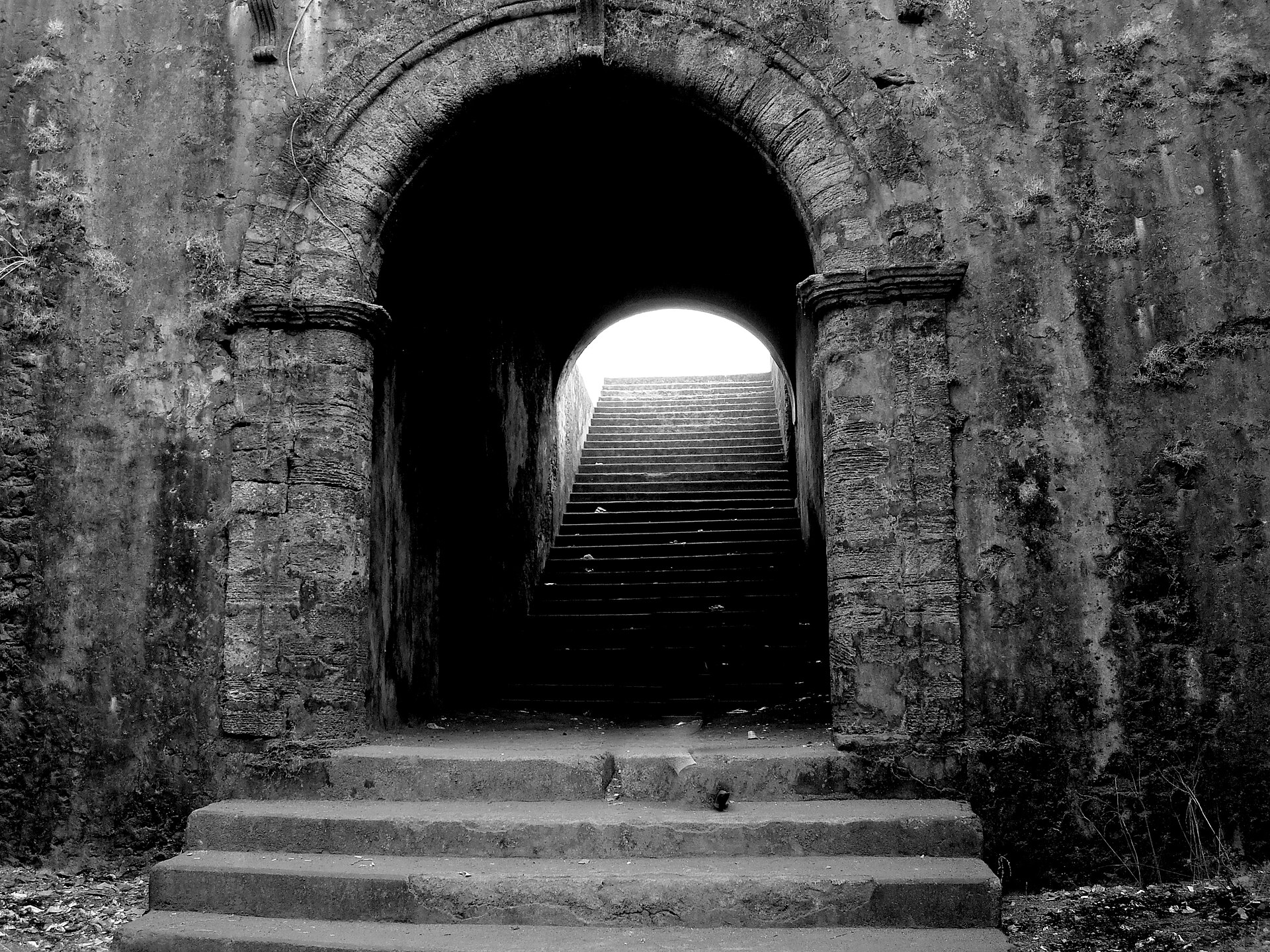
 Daman, India
A small seaside town of Portuguese forts and churches on both banks of the Damanganga river, with long beaches at Devka and Jampore, fresh seafood and a relaxed weekend feel.
South bank of the Damanganga
The large Portuguese walled town, with gates, bastions, the governor's palace, quiet streets and the Bom Jesus Church inside.
Open in Google Maps (opens in a new tab)Inside Moti Daman Fort
A 17th-century church with a carved and gilded altar, still used for services.
Open in Google Maps (opens in a new tab)North bank of the Damanganga
A smaller fort with a large gateway guarded by statues, and a church inside.
Open in Google Maps (opens in a new tab)North of Nani Daman
The main beach, with a seafront promenade, gardens, hotels and restaurants.
Open in Google Maps (opens in a new tab)South of Moti Daman
A quieter, wider beach lined with casuarina trees, good for an evening walk.
Open in Google Maps (opens in a new tab)Moti Daman, on the sea
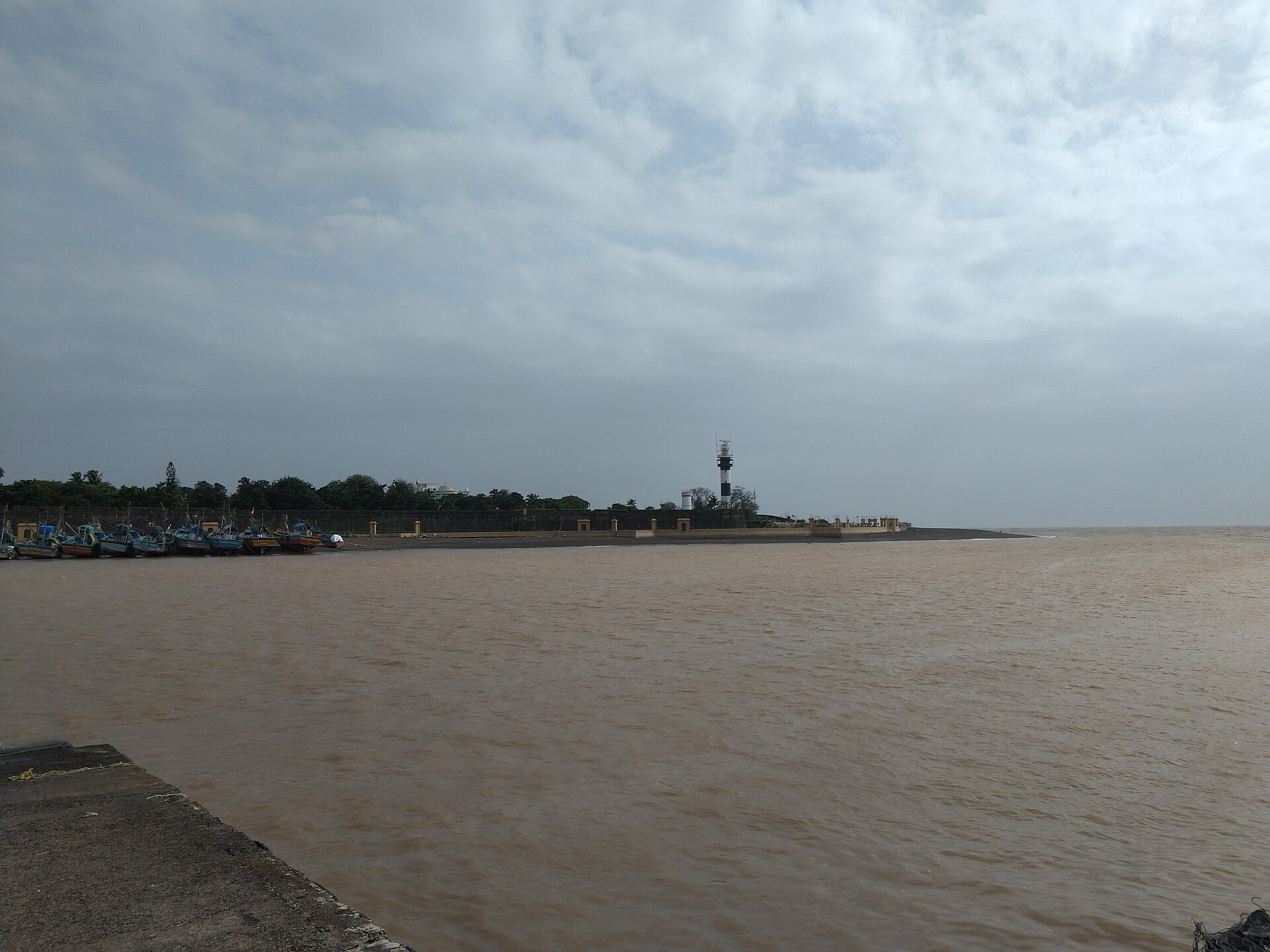
A lighthouse by the fort walls with views over the river mouth and the sea.
Open in Google Maps (opens in a new tab)Inside Moti Daman Fort
A small chapel with carved and painted wooden panels from the Portuguese period.
Open in Google Maps (opens in a new tab)Daman, India
Daman, India
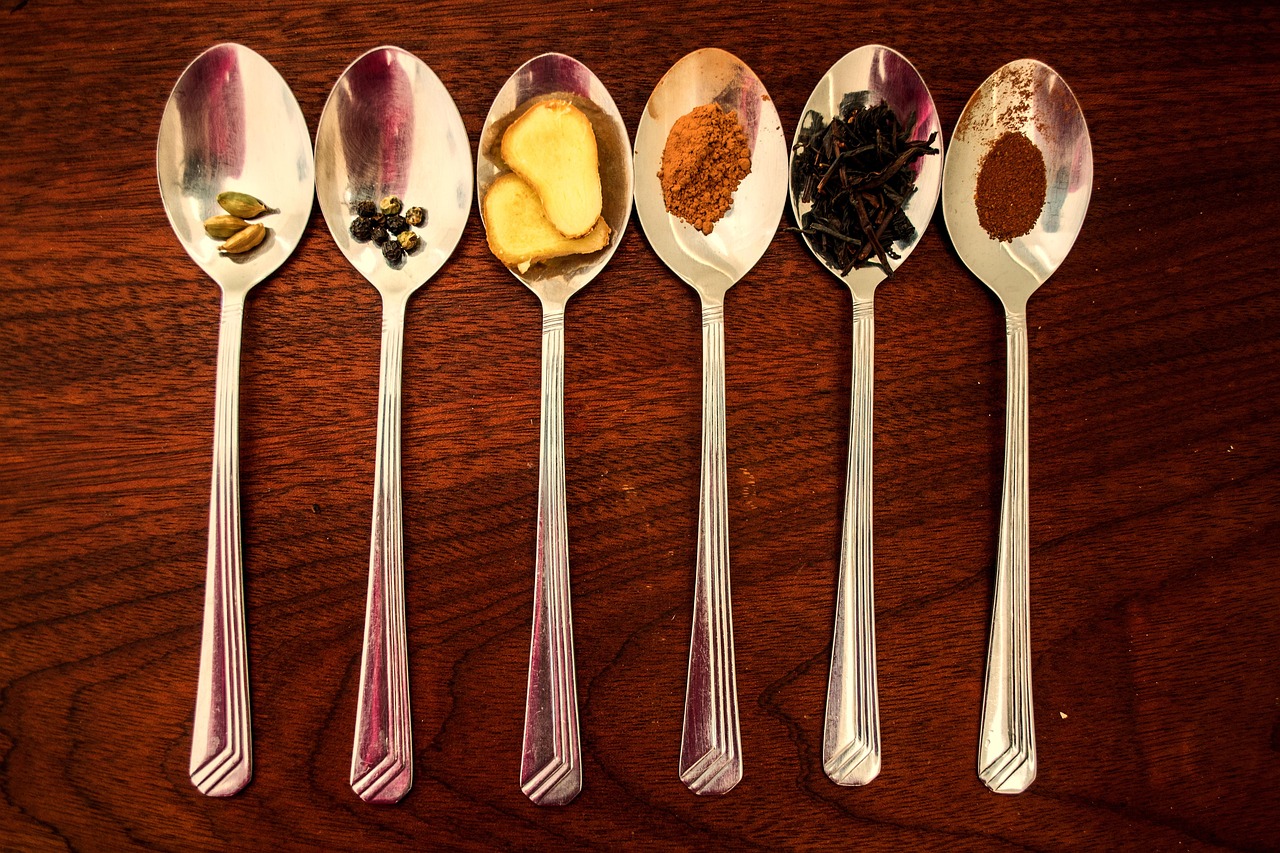
Daman, India
Strong black tea boiled with milk, sugar and spices such as ginger and cardamom, poured into small cups at roadside stalls all day. In Gujarat it is often very sweet and served in saucer-sized portions.
Devka
Seafood restaurants, bars and snack stalls along the promenade.
Open in Google Maps (opens in a new tab)Nani Daman town
Simple restaurants serving fish thalis and fried fish near the market.
Open in Google Maps (opens in a new tab)Daman, India
Most hotels and resorts are along this beach road; busy at weekends.
Open in Google Maps (opens in a new tab)Daman, India
Fewer, quieter hotels and resorts near the southern beach and the fort.
Open in Google Maps (opens in a new tab)Daman's Portuguese past is still visible in its churches, fort walls and some family names, and a small Catholic community keeps its feasts and traditions. Fishing communities work the coast, and the evening fish market and seafood restaurants are a big part of the town's life.
On weekends and holidays the town fills with visitors from Gujarat and Mumbai heading for the beaches and seafront bars.
Daman lies where the Damanganga river meets the Gulf of Khambhat. The Portuguese took it in 1559 and held it for four centuries, building two forts: Moti Daman on the south bank and Nani Daman on the north.
Inside the walls of Moti Daman they built churches, a governor's palace and a grid of streets. Daman, with Diu and Goa, remained Portuguese after Indian independence until December 1961, when it was taken by India.
It was governed as part of Goa, Daman and Diu, then as the union territory of Daman and Diu, and since 2020 it belongs to the union territory of Dadra and Nagar Haveli and Daman and Diu.
Walk the walls, the Bom Jesus Church and the lighthouse.
Cross the river to the smaller fort and the market.
Fresh fish in Nani Daman or at Devka.
End the day on the beach.
October to March for sunny, mild weather. The monsoon (June–September) is heavy and the sea rough.
By air: Surat (STV), about 110 km away, is the nearest airport with regular flights. Mumbai (BOM), about 170 km away, has far more connections.
By train: Vapi station, about 12 km away on the Mumbai–Ahmedabad main line, is the railhead; taxis and auto-rickshaws run to Daman.
By road: Daman is a short drive off National Highway 48 from Vapi; buses and taxis come from Mumbai and Surat.