Main shrine
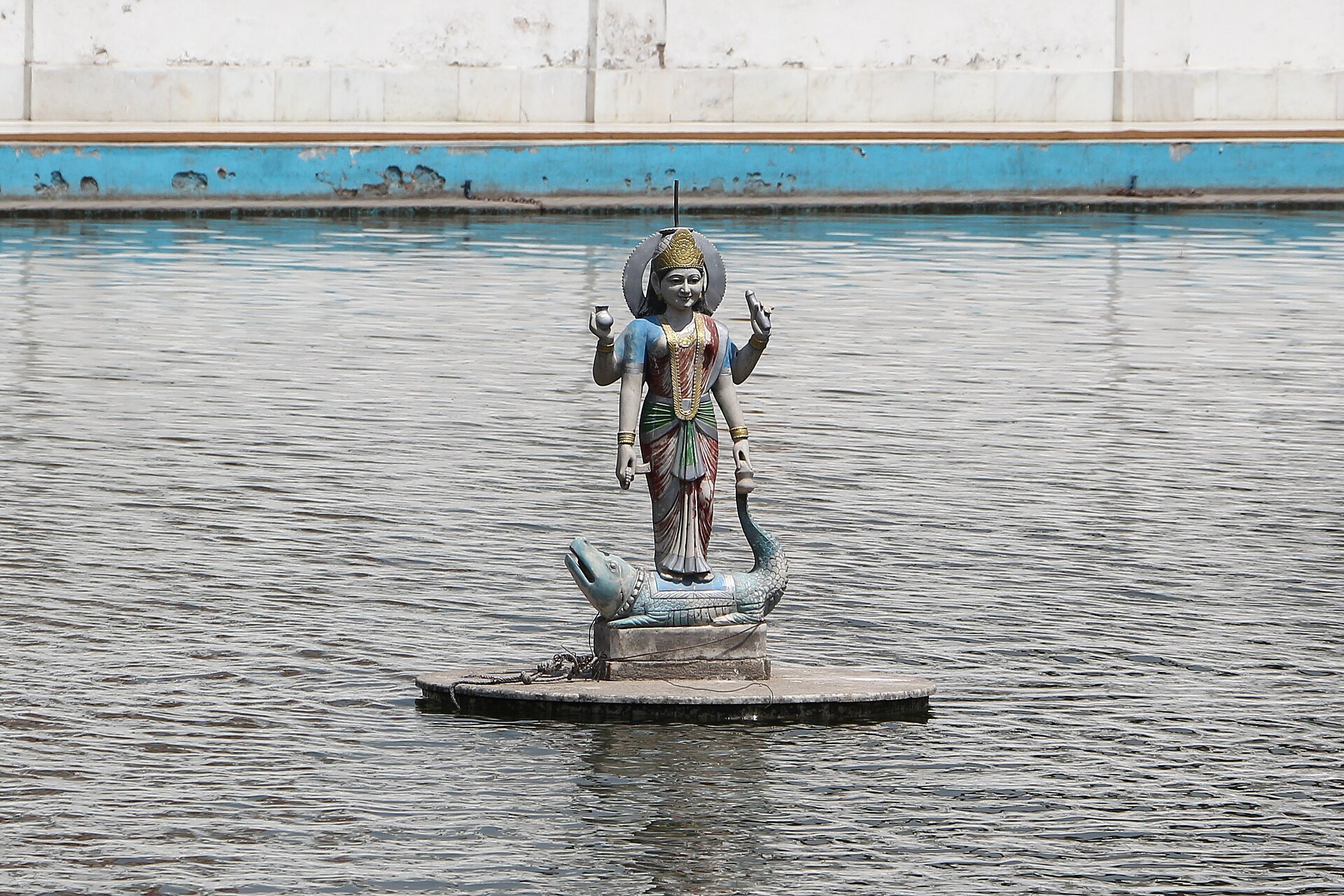
Centre of the pool
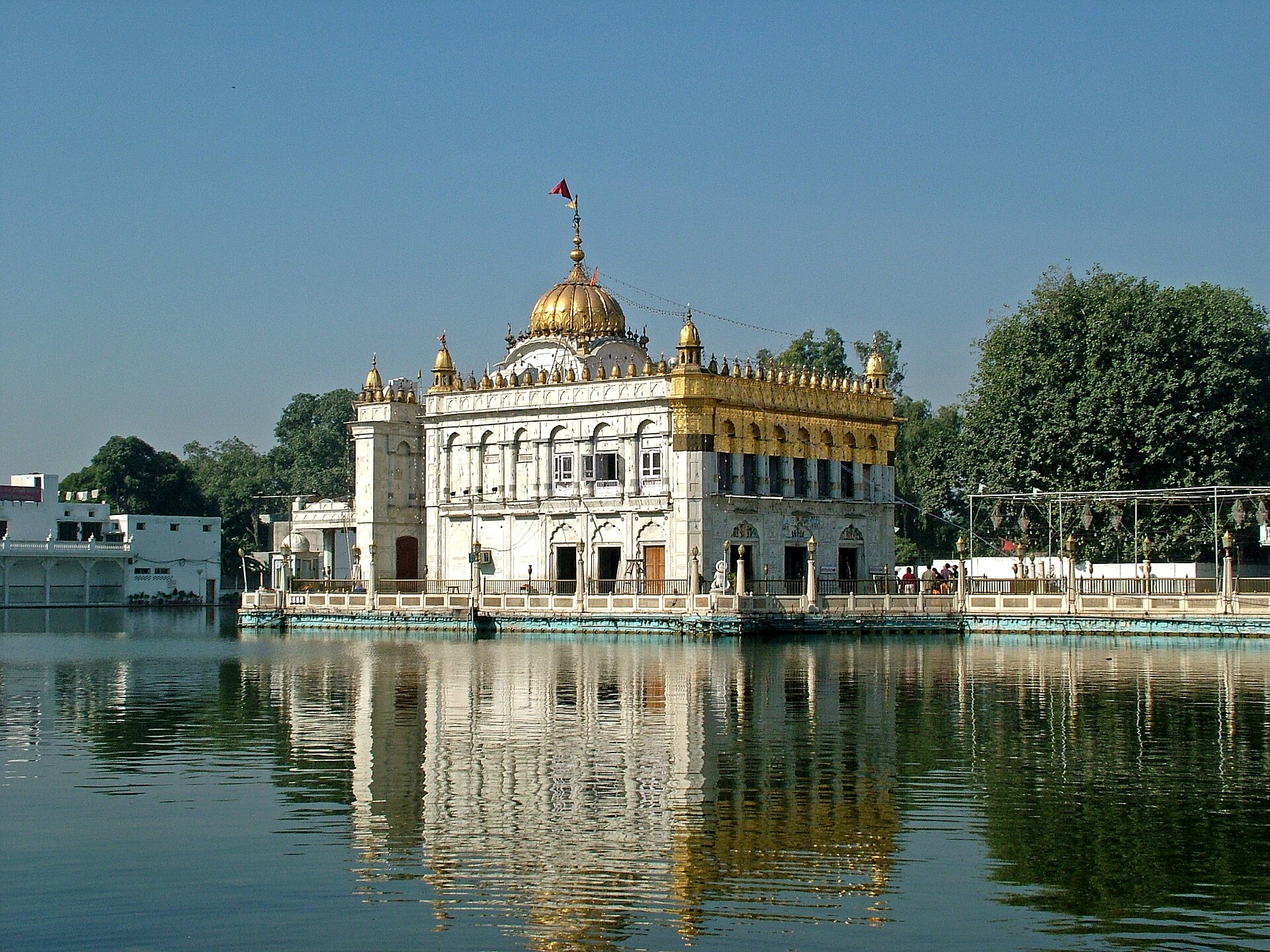
The domed shrine of Lakshmi and Narayan, with gilded upper storeys.
Open in Google Maps (opens in a new tab)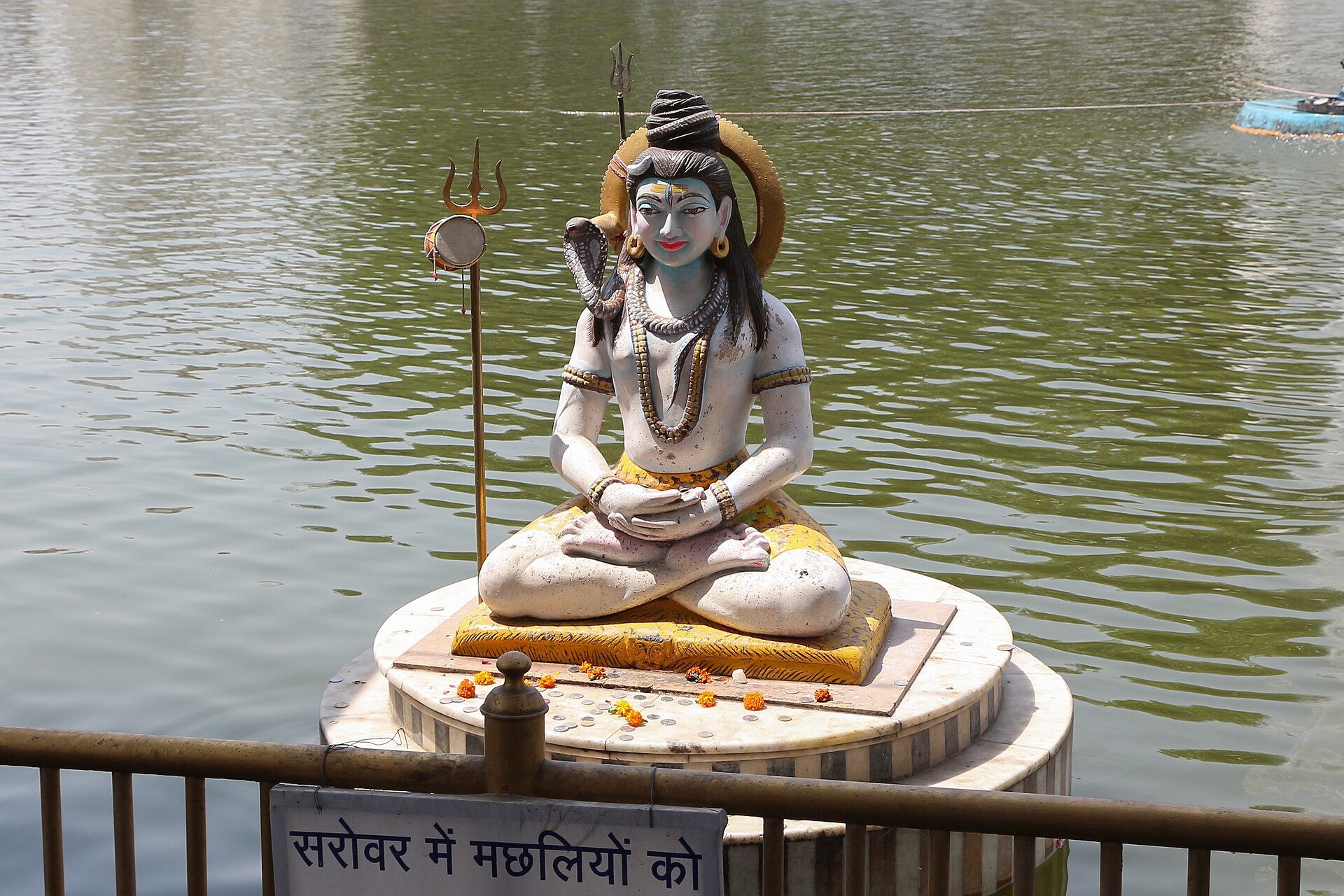
 Amritsar, India
Amritsar's most important Hindu temple, built in the middle of a sacred pool in a style that echoes the Golden Temple, and dedicated to the goddess Durga, Lakshmi and Vishnu.
Centre of the pool
The domed shrine of Lakshmi and Narayan, with gilded upper storeys.
Open in Google Maps (opens in a new tab)Main shrine
Carved silver doors showing scenes from Hindu stories.
Open in Google Maps (opens in a new tab)Around the shrine
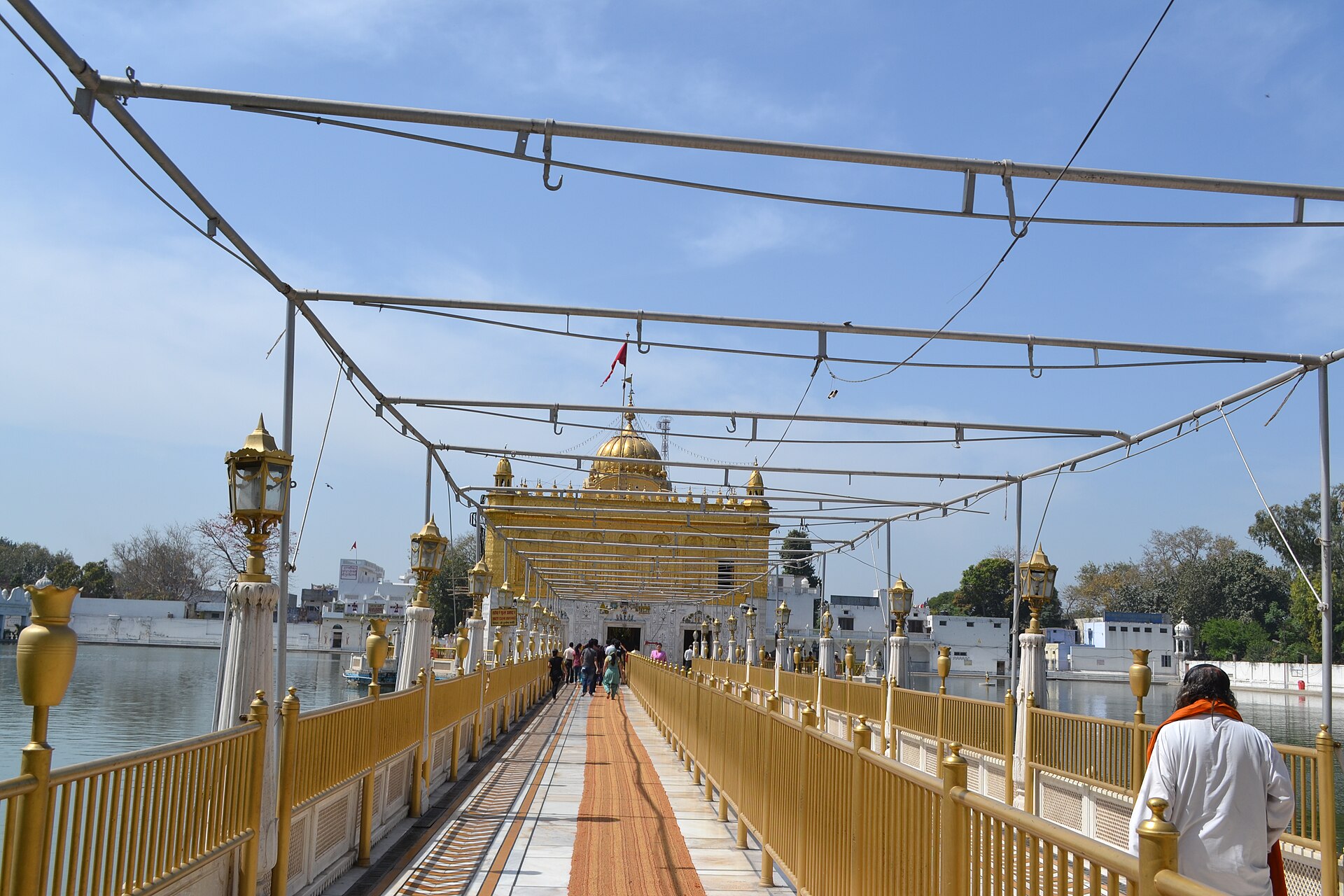
The pool and walkway around the temple, lit up in the evening.
Open in Google Maps (opens in a new tab)Inside the complex
An old Hanuman shrine, busy during the Langur Mela at Navratri, when children dress as Hanuman’s monkey army.
Open in Google Maps (opens in a new tab)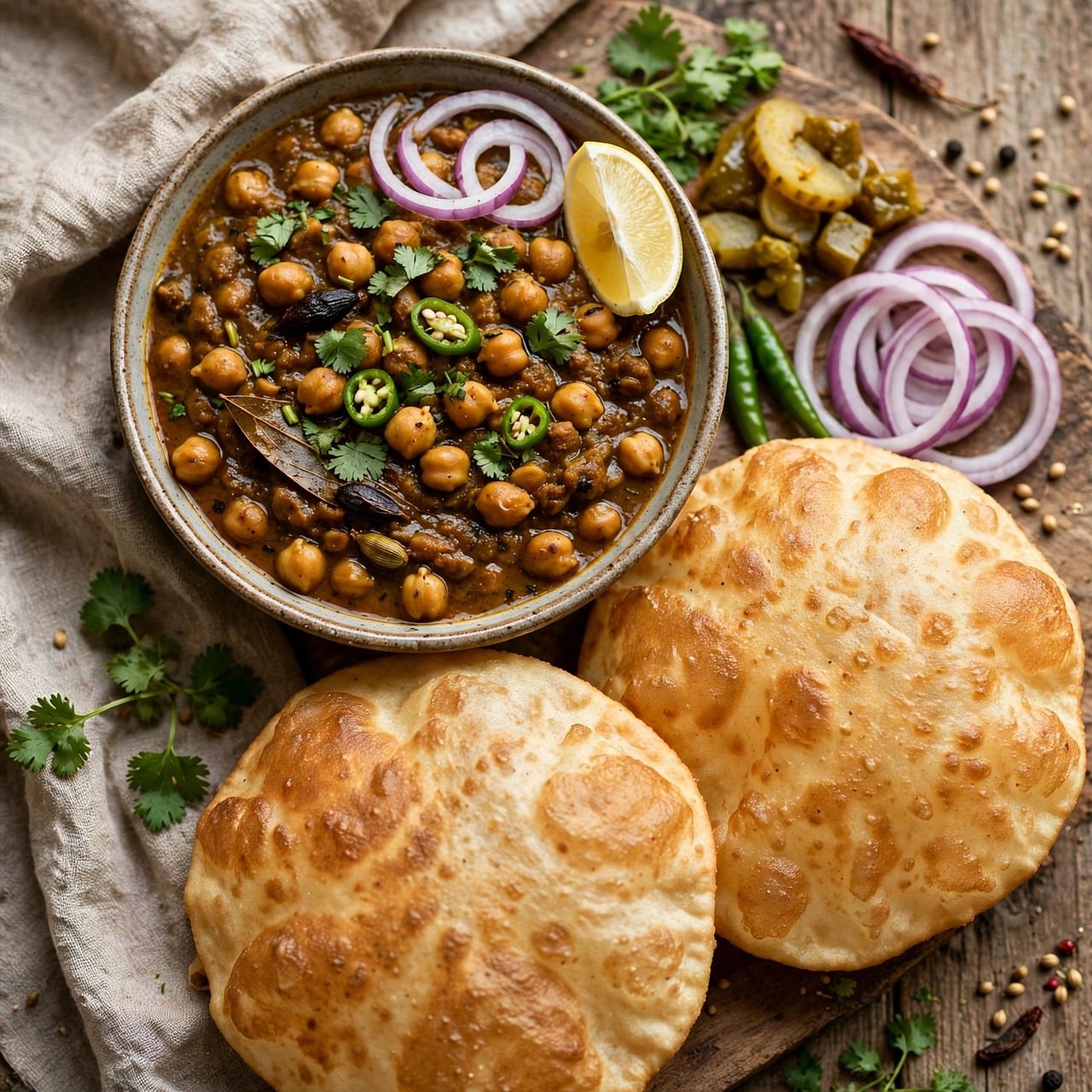
Amritsar, India
Spicy chickpea curry with large puffed fried breads — a hearty Punjabi breakfast or lunch, sold in old dhabas across the walled city.
Amritsar, India
A tall steel glass of thick churned yoghurt, sweet or salted, often topped with a slab of cream. In Amritsar it is almost a meal on its own.
Amritsar, India
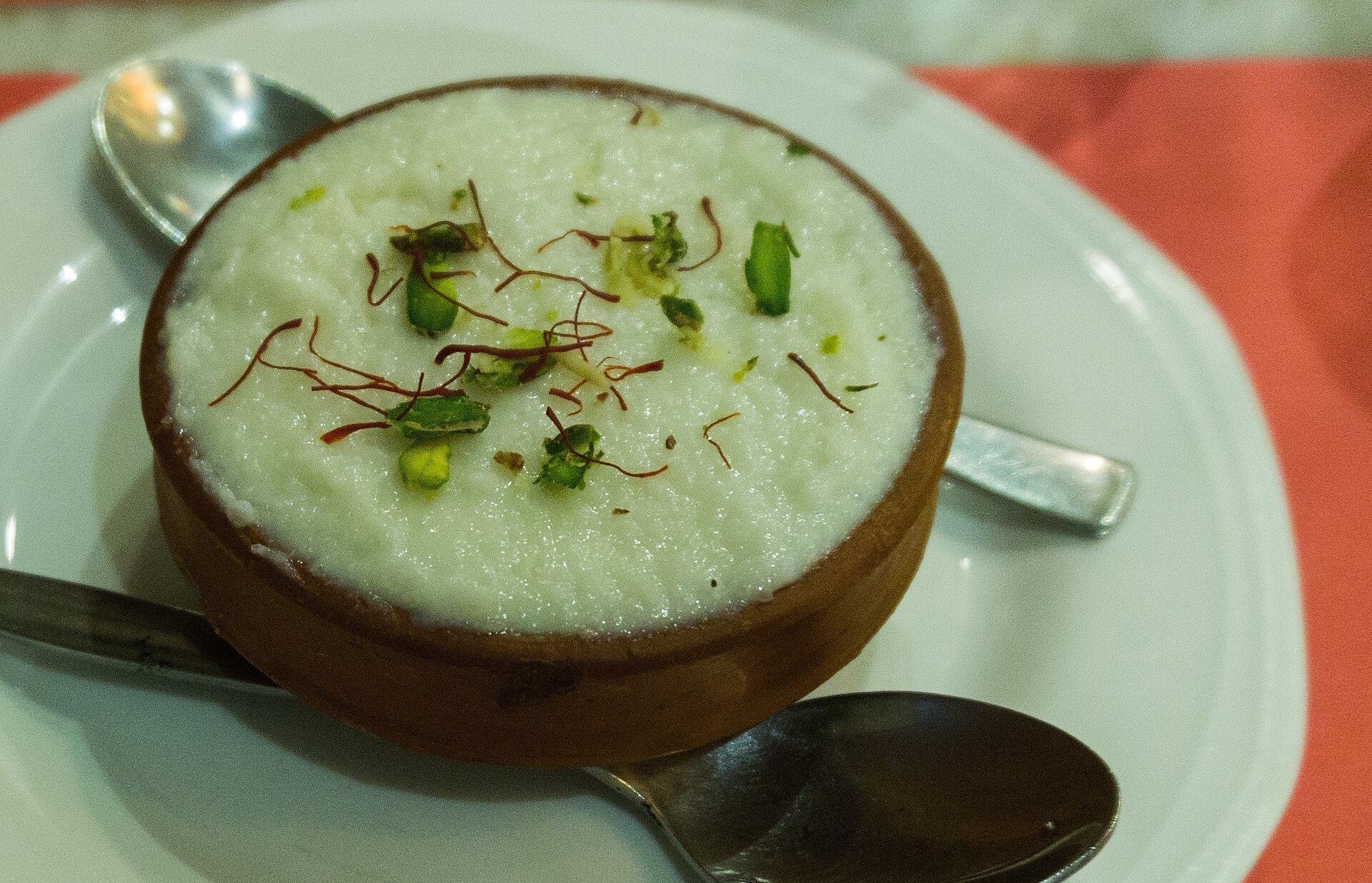
Ground-rice pudding cooked in milk with cardamom, set in small clay bowls and served chilled, often after a dhaba meal.
Lanes around Town Hall, Hall Bazaar and the Golden Temple
Old dhabas and kulcha bakeries serving Amritsari kulcha with chole from early morning, plus lassi shops and sweet sellers. Bharawan Da Dhaba near Town Hall is another long-established name.
Open in Google Maps (opens in a new tab)Outside the walled city
Busy evening food streets with Amritsari fish and chicken shops, tikka grills, sweet shops and modern restaurants.
Open in Google Maps (opens in a new tab)Amritsar, India
Modern hotels outside the walled city, with restaurants and shopping nearby, a short drive to the temple and on the way to the airport and Wagah.
Open in Google Maps (opens in a new tab)Amritsar, India
Hindu temples welcome respectful visitors. Dress modestly with shoulders and knees covered, take your shoes off at the entrance (there is usually a place to leave them), and do not carry leather goods into the shrine where signs ask you not to. Walk around the shrine clockwise, keep your voice low, and ask before photographing the inner sanctum or worshippers. The temple is a reminder of how Hindu and Sikh traditions have long lived side by side in Amritsar.
The site has long been sacred to Hindus, and an older temple stood here. The present temple was rebuilt in the 1920s, its design inspired by the Harmandir Sahib: a domed shrine standing in a pool, reached by a causeway, with a gilded upper part. The main images are of Lakshmi and Narayan (Vishnu), and the temple is named after the goddess Durga.
The complex also holds older shrines, including a small temple linked by tradition to the story of Hanuman, and it is especially busy during Navratri, Dussehra and Diwali. It is often called the Lakshmi Narayan Temple or the Silver Temple, for its carved silver doors.
Visit early, during morning worship.
At a nearby dhaba.
Continue to the fort and museums.
Early morning or the evening aarti. Festival days, especially Navratri and Diwali, are colourful but crowded.
The temple is about 1.5 km from Amritsar Junction railway station and roughly 2 km from the Golden Temple, a short e-rickshaw ride.
Walk around the pool and cross the causeway to the shrine; allow 45 minutes to an hour.