Harmandir Sahib
Centre of the pool
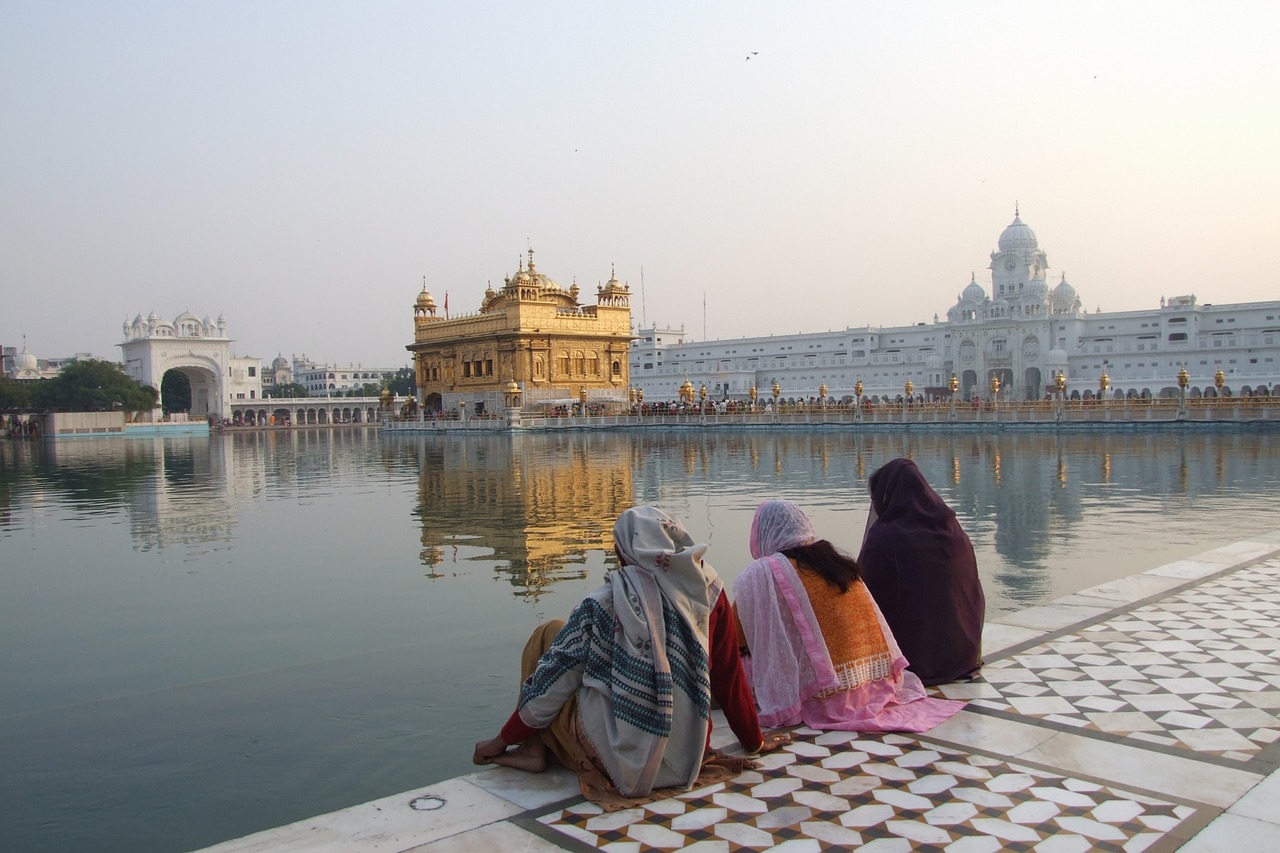
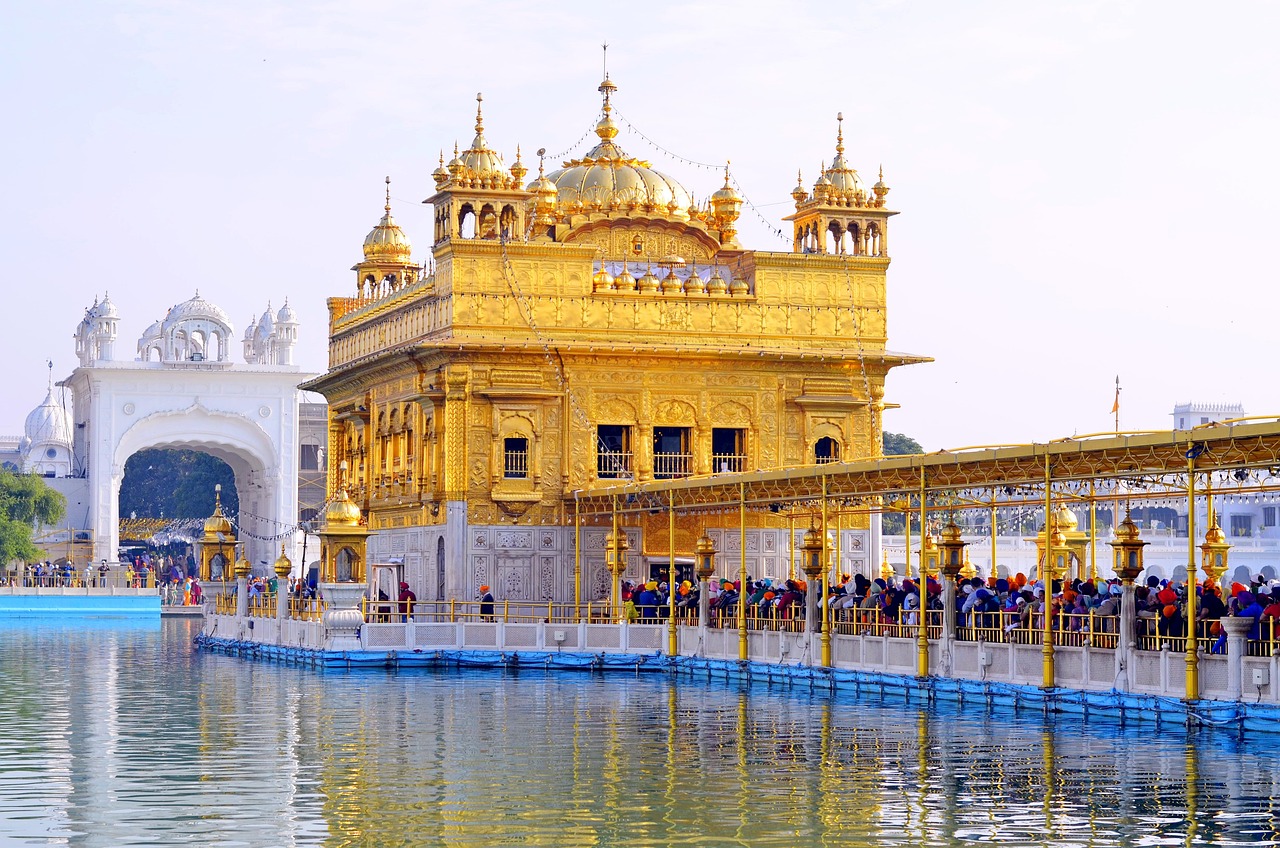
The gilded temple where the Guru Granth Sahib is read and sung throughout the day.
Open in Google Maps (opens in a new tab)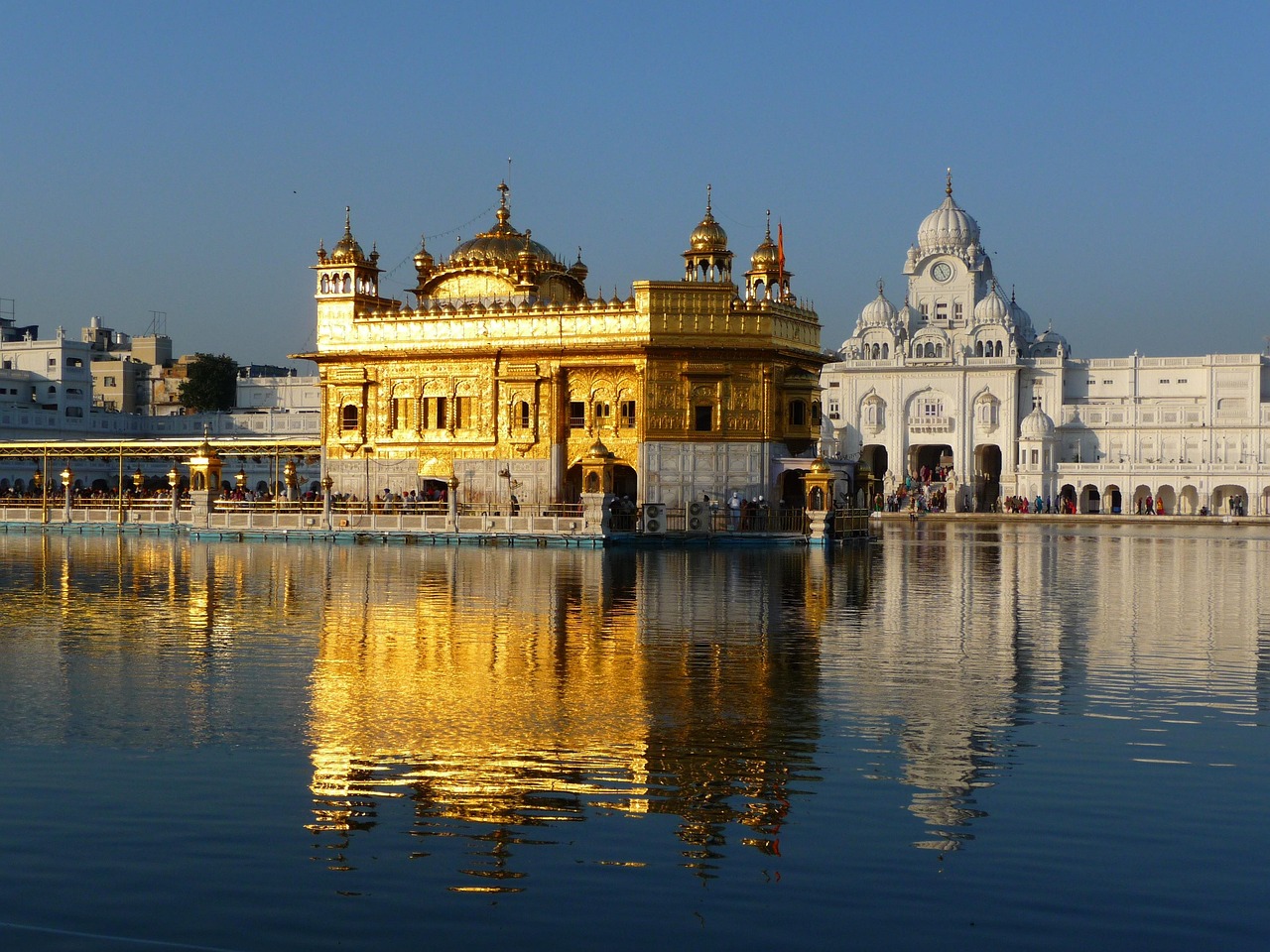
 Amritsar, India
The holiest gurdwara of the Sikh faith: a gilded temple standing in a sacred pool, open to people of every faith, where the free langar kitchen feeds visitors around the clock. One of the most moving places in India.
Centre of the pool
The gilded temple where the Guru Granth Sahib is read and sung throughout the day.
Open in Google Maps (opens in a new tab)Around the temple
The sacred pool and the marble walkway around it, where pilgrims bathe and walk.
Open in Google Maps (opens in a new tab)Facing the causeway
The highest seat of Sikh authority, where the scripture rests at night.
Open in Google Maps (opens in a new tab)East side of the complex
The great free kitchen, where volunteers cook and serve meals to all.
Open in Google Maps (opens in a new tab)Near the main entrance
Paintings and objects telling the history of the Sikh Gurus and the community.
Open in Google Maps (opens in a new tab)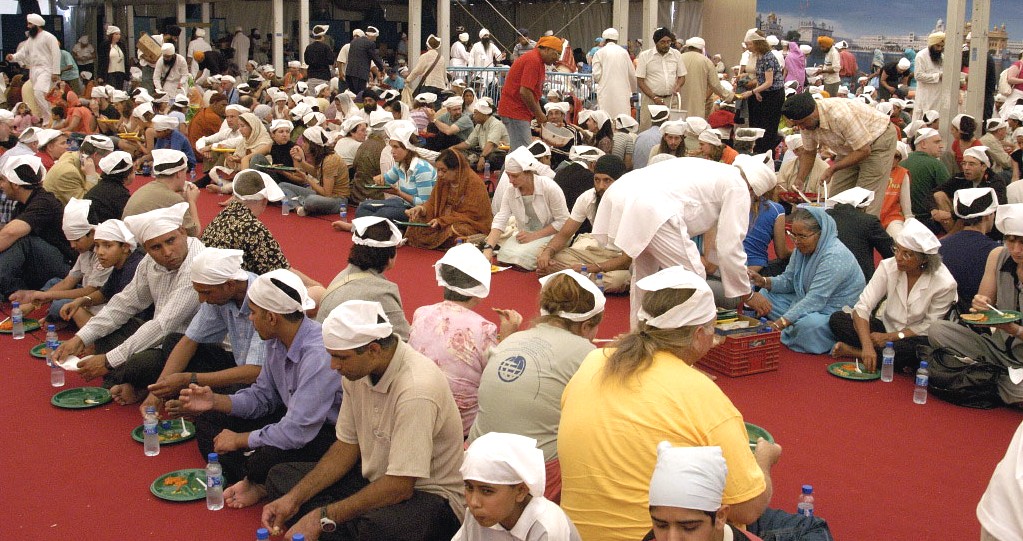
Amritsar, India
Amritsar, India
Amritsar, India
A tall steel glass of thick churned yoghurt, sweet or salted, often topped with a slab of cream. In Amritsar it is almost a meal on its own.
Inside the Golden Temple complex
Chowk Passian, inside the walled city
A vegetarian dhaba running since the early 20th century, famous for dal makhani cooked slowly overnight, parathas and phirni in clay bowls. Hard to find in the narrow lanes — ask anyone, or take a rickshaw.
Open in Google Maps (opens in a new tab)Lanes around Town Hall, Hall Bazaar and the Golden Temple
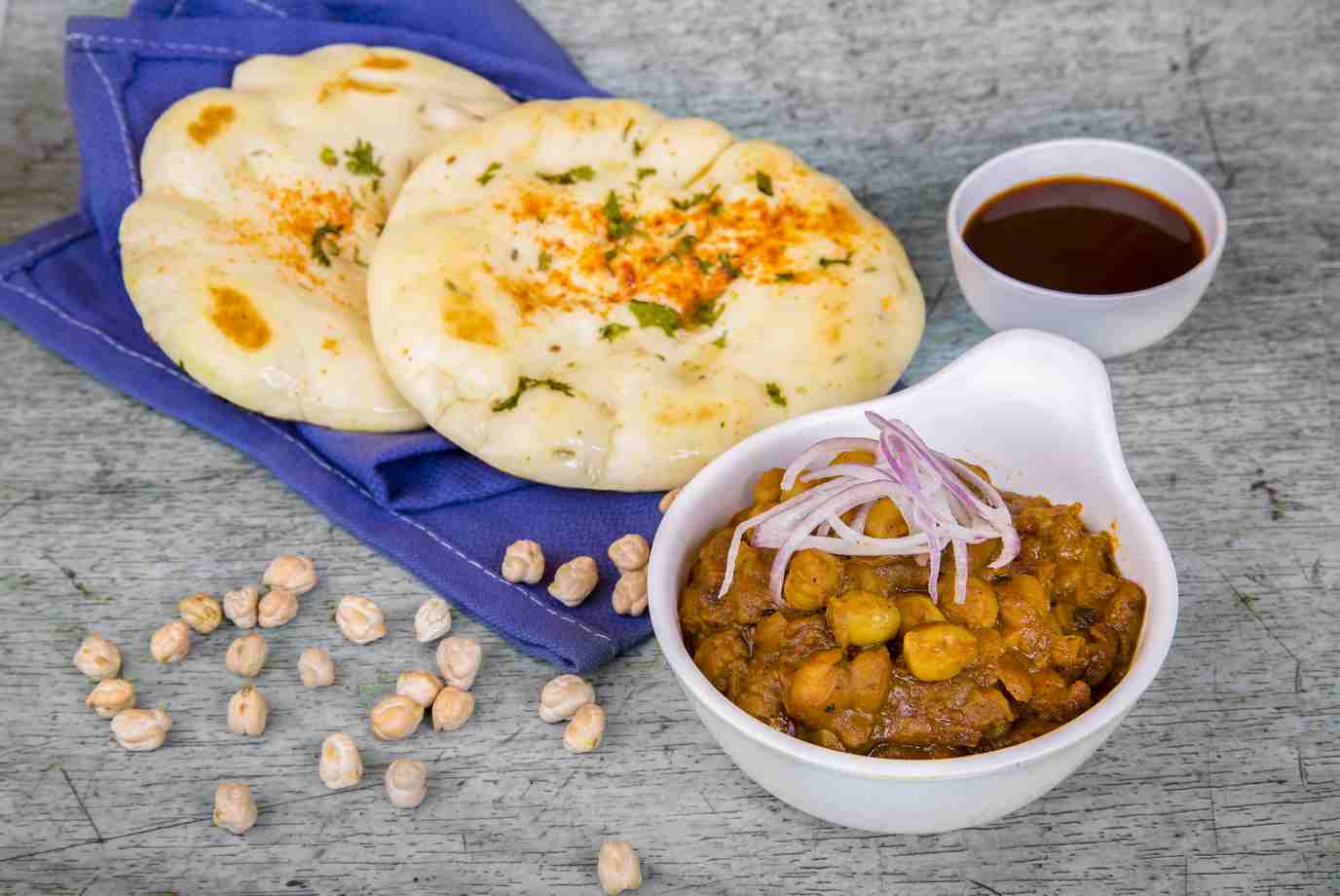
Old dhabas and kulcha bakeries serving Amritsari kulcha with chole from early morning, plus lassi shops and sweet sellers. Bharawan Da Dhaba near Town Hall is another long-established name.
Open in Google Maps (opens in a new tab)Amritsar, India
Amritsar, India
Everyone is welcome at a gurdwara, whatever their faith. Cover your head (scarves are lent free at the entrance), take off your shoes and socks and leave them at the free shoe counter, and wash your hands and feet at the entrance pools. Tobacco, alcohol and any intoxicants are strictly forbidden on the premises, and should not be carried in. Sit on the floor with your feet not pointing towards the Guru Granth Sahib, and dress modestly. Many people come to do sewa (voluntary service) — you are welcome to join, for example washing plates in the langar or helping make roti. Sit quietly on the walkway to listen to the kirtan.
The sacred pool, the Amrit Sarovar, was dug under Guru Ram Das, the fourth Sikh Guru, in the 16th century. His son Guru Arjan Dev, the fifth Guru, built the Harmandir Sahib ("Temple of God") in its middle. By Sikh tradition its foundation stone was laid by the Sufi saint Mian Mir of Lahore. The temple has four doors, open in every direction as a sign that all are welcome, and in 1604 the Guru installed the scripture, the Adi Granth, inside.
The temple was destroyed and rebuilt more than once in the 18th century. Maharaja Ranjit Singh had its upper storeys covered in gilded copper and marble in the early 19th century. Opposite stands the Akal Takht, the highest seat of Sikh authority, founded by Guru Hargobind. In 1984 the complex was damaged during a military operation, and both buildings were later repaired.
Today the Guru Granth Sahib is read and sung (kirtan) inside throughout the day, and the temple is managed by the Shiromani Gurdwara Parbandhak Committee (SGPC).
Walk the parikrama as the scripture is carried in.
Eat with the pilgrims, then help with sewa if you wish.
Learn the history of the Gurus.
Return after dark for the lit-up temple and the Palki Sahib.
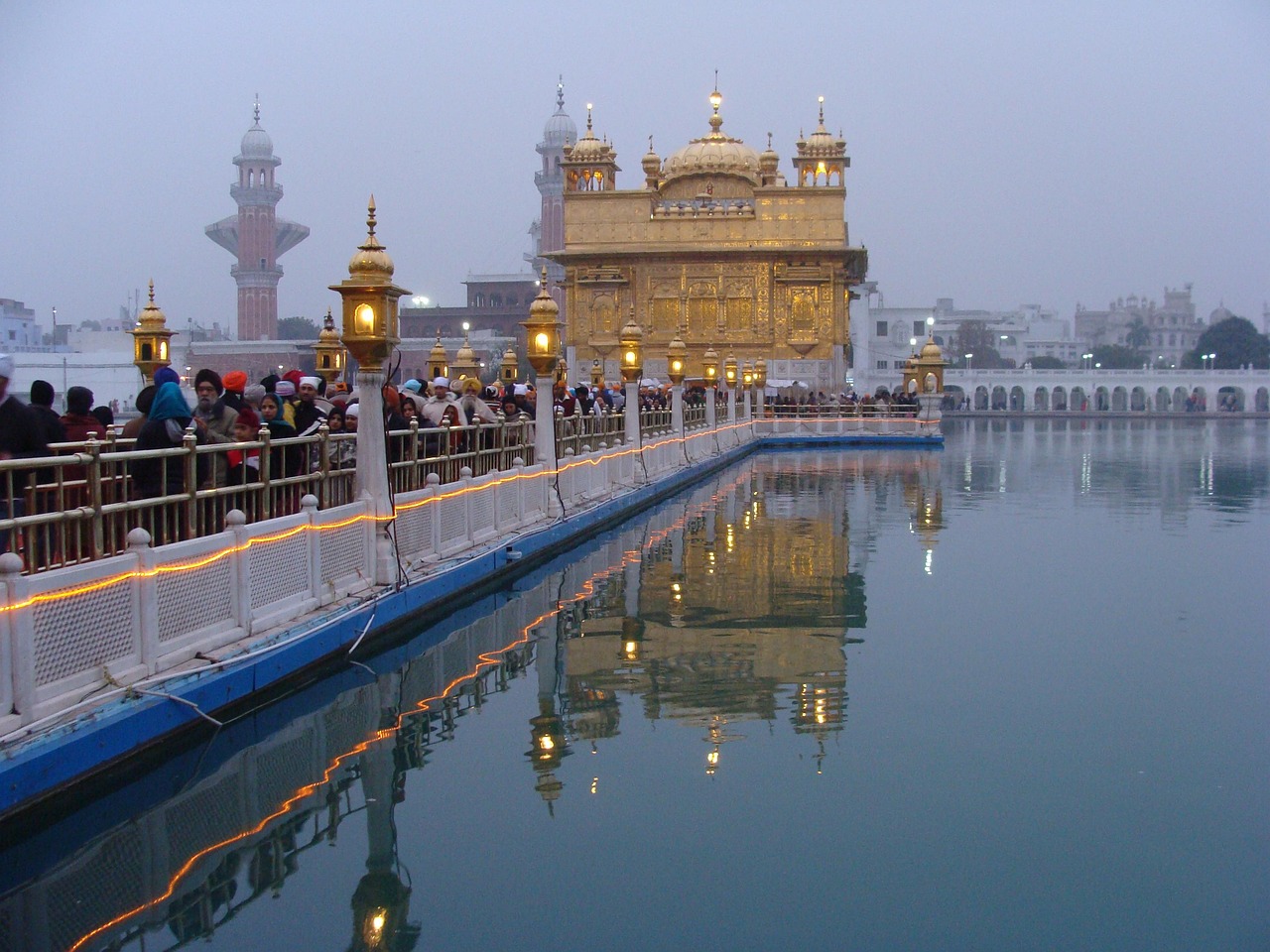
At dawn, when the scripture is carried into the temple, and after dark, when the gold glows over the water. Weekdays are calmer; Gurpurabs, Baisakhi and Diwali bring huge crowds and lights.
The temple is in the walled city, about 2 km from Amritsar Junction station and 11–13 km from the airport. Cars stop at the edge of the pedestrian zone; walk the last stretch along Heritage Street from Town Hall, or take an e-rickshaw. Check whether the free shuttle buses run by the temple between the station, bus stand and the complex are operating.
Walk barefoot clockwise around the marble walkway (parikrama) around the pool. To enter the temple itself, join the queue on the causeway; it can take a long time at busy hours.