Imphal

Imphal, India

Imphal

The capital of Manipur, in a wide green valley ringed by hills: the old royal citadel of Kangla, Ima Keithel — a great market run entirely by women — the Govindajee temple, Second World War cemeteries and the home of classical Manipuri dance and polo.

Favourite places

  • Kangla Fort

    Central Imphal, by the Imphal River

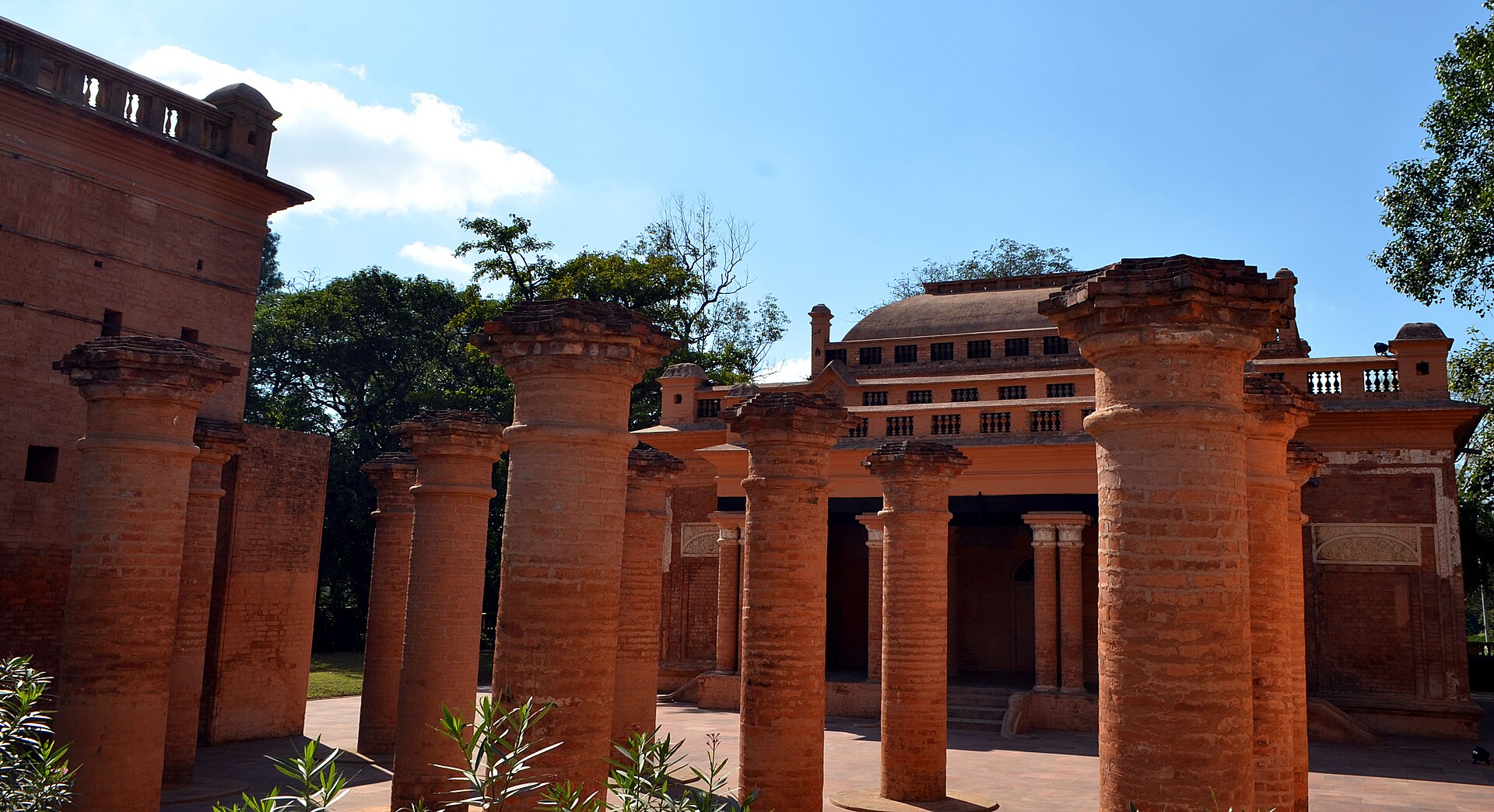
    The old seat of the Manipuri kings and the most sacred site of the Meitei: ruined palace foundations, rebuilt temples, sacred ponds and the great white Kangla Sha dragon-lion statues, in a large walled park.Read more

    How to get there: In the city centre, a short walk from Khwairamband Bazaar.

    Open in Google Maps (opens in a new tab)
  • Ima Keithel (Mothers' Market)

    Khwairamband Bazaar, central Imphal

    A huge market run only by women, said to be centuries old: rows of stalls selling fish, vegetables, spices, handloom phaneks (wrap skirts), shawls and household goods. One of the most remarkable sights in the North-East.Read more

    How to get there: In the heart of town; any auto-rickshaw knows it.

    Open in Google Maps (opens in a new tab)
  • Shree Govindajee Temple

    Next to the old royal palace, Imphal

    The main Vaishnav temple of Manipur, with twin gold-coloured domes and a large hall where devotional dance and music are performed at festivals. Dress modestly; non-Hindus may be asked to stay outside the inner shrine.Read more

    How to get there: Beside the palace compound east of Kangla.

    Open in Google Maps (opens in a new tab)
  • Imphal War Cemetery

    Imphal, off the Dimapur road

    A quiet Commonwealth War Graves Commission cemetery for soldiers who died in the 1944 Battle of Imphal. A separate Indian Army war cemetery is nearby.

    Open in Google Maps (opens in a new tab)
  • Manipur State Museum

    Near the Polo Ground, Imphal

    Collections on the history and peoples of Manipur: royal objects, textiles, weapons, musical instruments and the costumes of the valley and hill communities.

    Open in Google Maps (opens in a new tab)
  • Mapal Kangjeibung (Polo Ground)

    Central Imphal

    One of the oldest polo grounds in the world, where Sagol Kangjei is still played. A large statue of a polo player on a Manipuri pony stands nearby at Marjing, east of the city.

    Open in Google Maps (opens in a new tab)
  • Loktak Lake

    Moirang, about 45 km south of Imphal

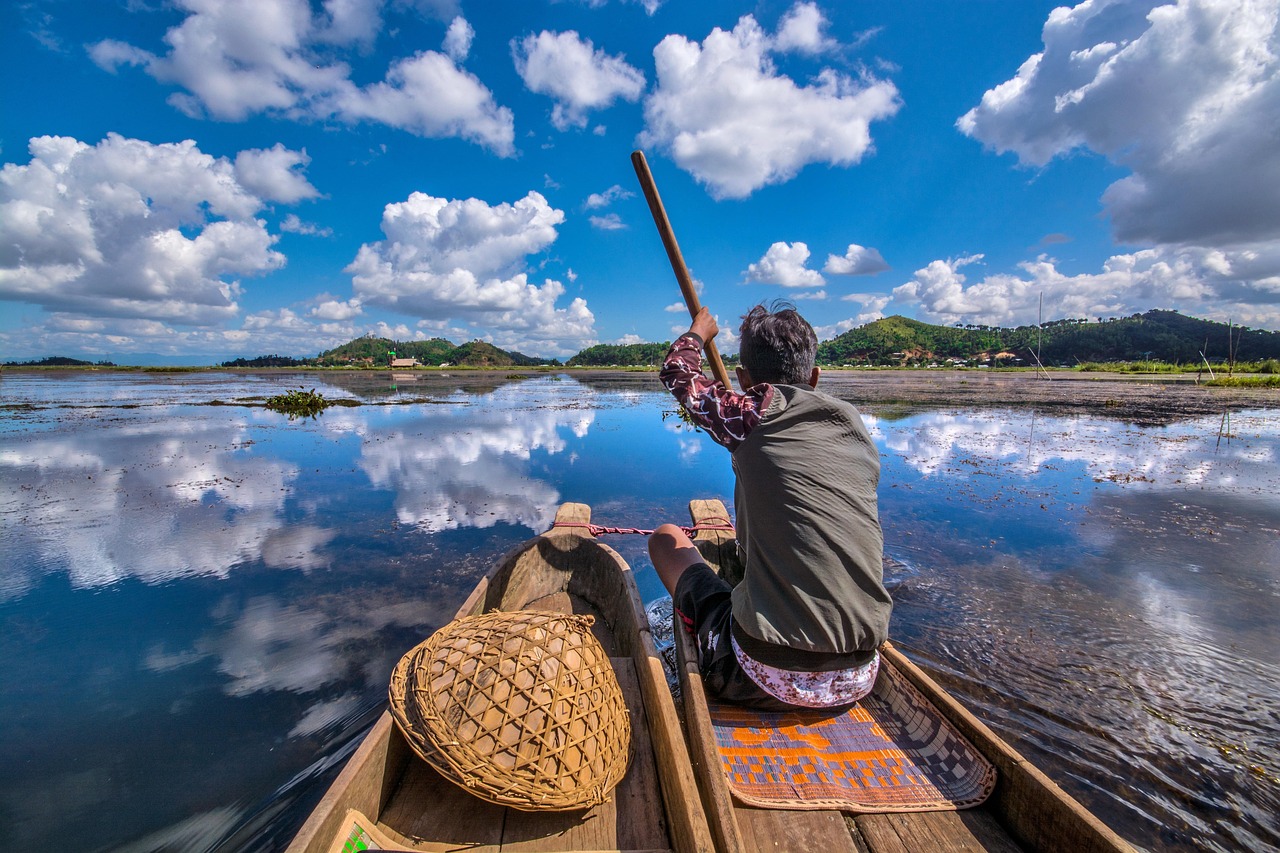
    The largest freshwater lake in the North-East, covered with floating islands of vegetation (phumdis). The usual day trip from Imphal — see the Moirang page.Read more

    How to get there: By taxi from Imphal, about an hour and a half.

    Open in Google Maps (opens in a new tab)

Historical places

Local food

  • Eromba

    Imphal, India

    The everyday Meitei side dish of Manipur: boiled vegetables such as potato, beans or bamboo shoot mashed with fermented fish (ngari) and plenty of fiery local chilli. Eaten in small amounts with rice; ask for less chilli if you are not used to it.Read more
  • Singju

    Imphal, India

    A crunchy Manipuri salad of finely cut cabbage, lotus stem, banana flower, herbs and roasted chickpea flour, spiced with chilli and sometimes ngari. Sold from evening stalls in Imphal and around Loktak Lake as a snack.

  • Chamthong (kangshoi)

    Imphal, India

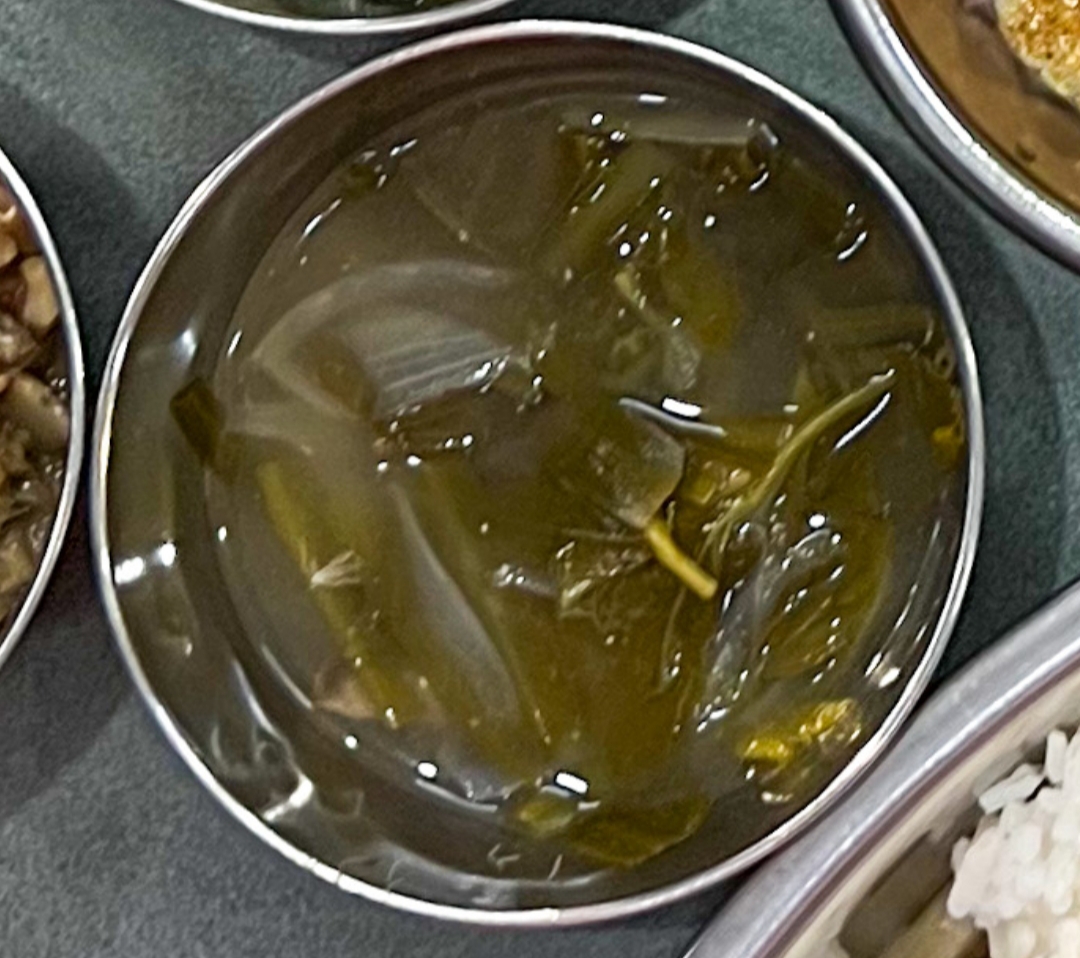
    A light Manipuri vegetable stew of seasonal greens, onion, ginger and sometimes dried fish, simmered in water with very little oil. Comforting and mild, it comes with almost every rice meal in the valley.

  • Chak-hao kheer (black rice pudding)

    Imphal, India

    Manipur's aromatic black rice (chak-hao, which turns deep purple when cooked) slow-cooked with milk and sugar. The rice has a Geographical Indication tag and is served at feasts and festivals.

  • King chilli (raja mircha) chutney

    Imphal, India

    Chutneys of the bhut jolokia or king chilli, one of the hottest chillies in the world, grown across the North-East. Served on the side of most Naga and Manipuri meals; take a tiny taste first.

Where to eat

  • Khwairamband Bazaar and Ima Keithel

    Central Imphal

    Small eateries and stalls around the market serve Manipuri rice meals (with eromba, chamthong and fish), singju and tea. The simplest place to taste everyday Meitei food.

    Open in Google Maps (opens in a new tab)
  • Thangal Bazar and Paona Bazar

    Central Imphal

    Busy shopping streets with restaurants serving Manipuri, North Indian and Chinese-style food, bakeries and momo shops.

    Open in Google Maps (opens in a new tab)
  • Hotel restaurants

    Around the city centre and the airport road

    The larger hotels serve a Manipuri thali on request alongside Indian dishes — useful in the evening, when much of the city closes early.

    Open in Google Maps (opens in a new tab)

Where to stay

Culture

Manipur's valley is home mainly to the Meitei people, whose culture blends the old Sanamahi faith with Vaishnav Hinduism; the surrounding hills are home to Naga and Kuki-Zo communities, each with their own languages, dress and traditions.

Imphal is famous for Manipuri classical dance, the graceful Ras Leela performed at Krishna festivals, the martial art Thang-ta and Sagol Kangjei — the local form of horse polo, from which modern polo was learned by British officers in the 19th century. The Manipuri pony is a protected native breed.

Daily life centres on the markets, where women run trade and are respected figures in public life. Major festivals include Yaoshang (around Holi, with the Thabal Chongba moonlight dance), Cheiraoba (the Meitei new year) and Ningol Chakouba, when married women return to their parents' homes for a feast.

History

Imphal stands in the heart of the Manipur valley, the ancient kingdom of Kangleipak. For many centuries it was ruled by the Ningthouja dynasty from the citadel of Kangla beside the Imphal River; the royal chronicle, the Cheitharol Kumbaba, records its kings and events in detail.

In the 18th century King Pamheiba (Garib Niwaz) made Vaishnavism the court religion, and his successors developed the Ras Leela and Manipuri dance. The kingdom suffered heavily in wars with Burma in the early 19th century. After the Anglo-Manipur War of 1891 the British took Kangla, and Manipur became a princely state under British influence.

In 1944 the hills and plains around Imphal saw some of the hardest fighting of the Second World War, when British and Indian troops stopped the Japanese advance in the Battle of Imphal. Manipur joined India in 1949 and became a state in 1972, with Imphal as its capital.

Tour plans

Imphal and Loktak in two days

2 days, 1 night
  1. Step 1: Day 1 — Imphal

    Kangla Fort in the morning, the Govindajee temple, Ima Keithel at midday, the State Museum and the Polo Ground, then the War Cemetery in the late afternoon.

  2. Step 2: Day 2 — Loktak Lake and Moirang

    Drive south to the INA Memorial at Moirang, Sendra island for views over the phumdis, and Keibul Lamjao National Park in the late afternoon, then back to Imphal.

Map

Open in Google Maps (opens in a new tab)

Travel information

Best time to visit

October to April is dry and pleasant, with cool winter nights. March to May brings spring festivals; the monsoon (June to September) is wet and roads can be cut.

How to get there

By air: Bir Tikendrajit International Airport, Imphal (IMF), a short drive south of the city, has flights from Guwahati, Kolkata, Delhi and other Indian cities.

By train: the railway reaches Jiribam on the Assam border, and a line into the valley is being built; most visitors still arrive by air. Check the current status.

By road: NH 2 links Imphal with Dimapur through Kohima (Nagaland), and NH 37 runs west to Jiribam and Silchar (Assam). Both are long hill drives, and roads have been blockaded at times.

From Bangladesh: the usual routes are a flight via Kolkata or Guwahati, or an overland crossing to Agartala (Akhaura–Agartala) or to Meghalaya (Tamabil–Dawki), continuing by road or air. Check current schedules, permits and visa rules before you travel.

Getting around

  • Auto-rickshaws and shared autos: the common way to move around the city; agree the fare first.
  • Taxis: hire a car with driver for Loktak Lake, Moirang or the hills — usually arranged through your hotel.
  • On foot: the centre around Khwairamband Bazaar, Kangla and the Polo Ground is compact and walkable.
  • Curfews: when curfews or restrictions apply, transport may stop at short notice — follow local instructions.

Travel tips

  • Current situation: since May 2023 Manipur has seen serious ethnic violence between communities of the Imphal valley and the hills. At different times there have been curfews, internet suspensions, road blockades and restrictions on moving between areas, and several governments advise against travel to Manipur. Check your government's travel advisory and local news before planning, and follow local guidance on the ground.
  • Permits: Indian visitors from outside the state need an Inner Line Permit (ILP), issued online by the Manipur government. Foreign nationals need a Protected Area Permit (PAP); the long-running relaxation of this rule was withdrawn in recent years. Some nationalities need prior approval from India's Ministry of Home Affairs. Check the current rules before you travel.
  • Visas: foreign visitors need an Indian visa; many nationalities can use the Indian e-Visa. Bangladeshi citizens need a regular Indian visa, and visa services have been limited at times — check the current rules before planning.
  • Money: the currency is the Indian rupee (INR). ATMs are found in the state capitals and district towns, but carry cash for villages, homestays, shared taxis and markets; cards and UPI phone payments are accepted mainly in bigger shops and hotels.
  • Respect: dress modestly, ask before photographing people (especially in villages and at religious events), and take shoes off where others do. Many communities in the hills are Christian; churches welcome quiet visitors.
  • Sundays: in the Christian-majority hill states, shops, restaurants and transport can be very quiet on Sunday — plan travel days around it.
  • Roads: hill roads are slow and landslides are common in the monsoon (roughly June to September). Allow extra time, travel in daylight and check road conditions before long drives.
  • Time zone: India Standard Time, UTC+5:30. It gets dark early here — around 5 pm in winter — so start your days early.

All destinations