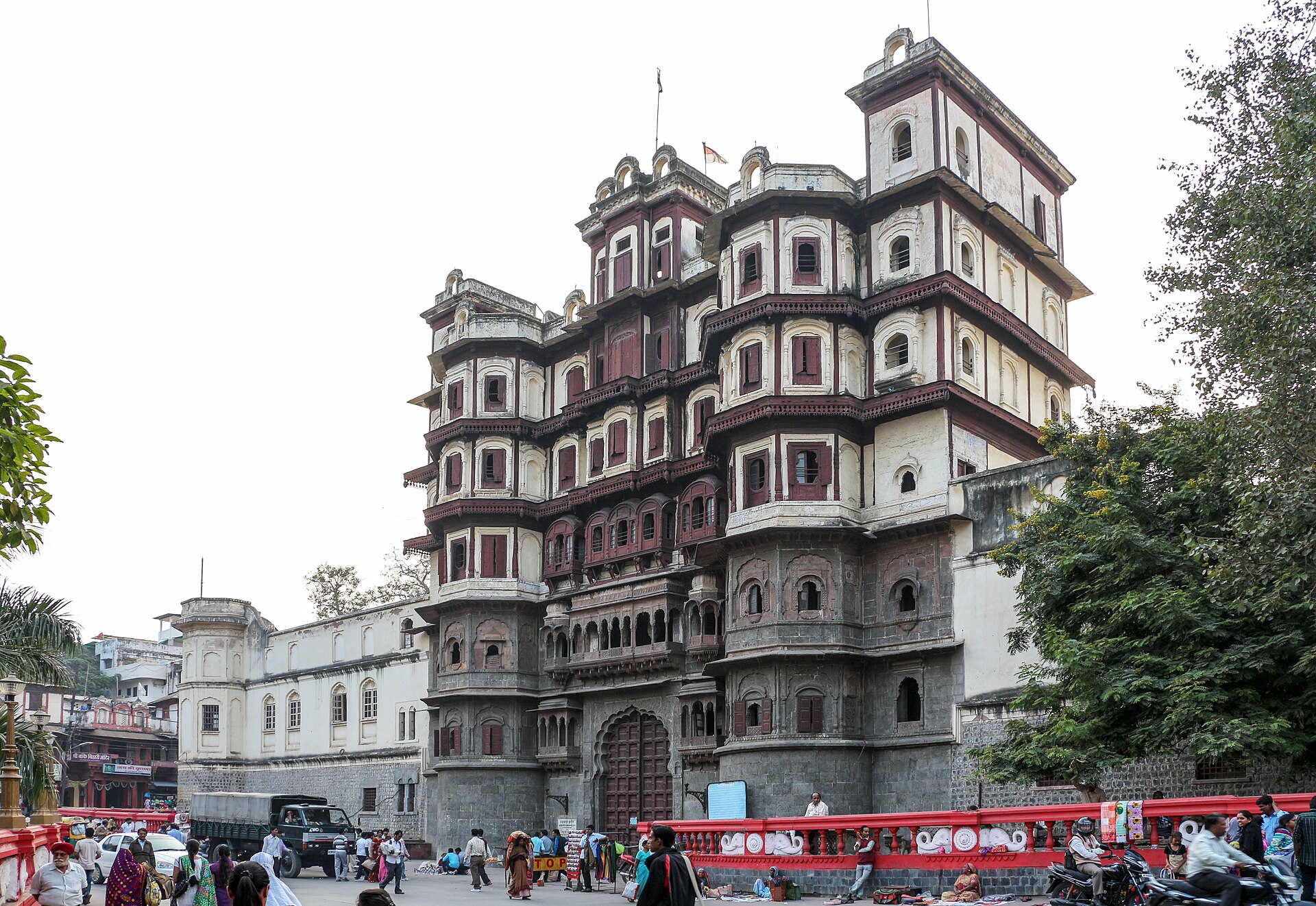
Rajwada
Old city
The seven-storey gateway palace of the Holkars, about two centuries old, mixing Maratha, Mughal and French styles, facing the busy market square.
Open in Google Maps (opens in a new tab)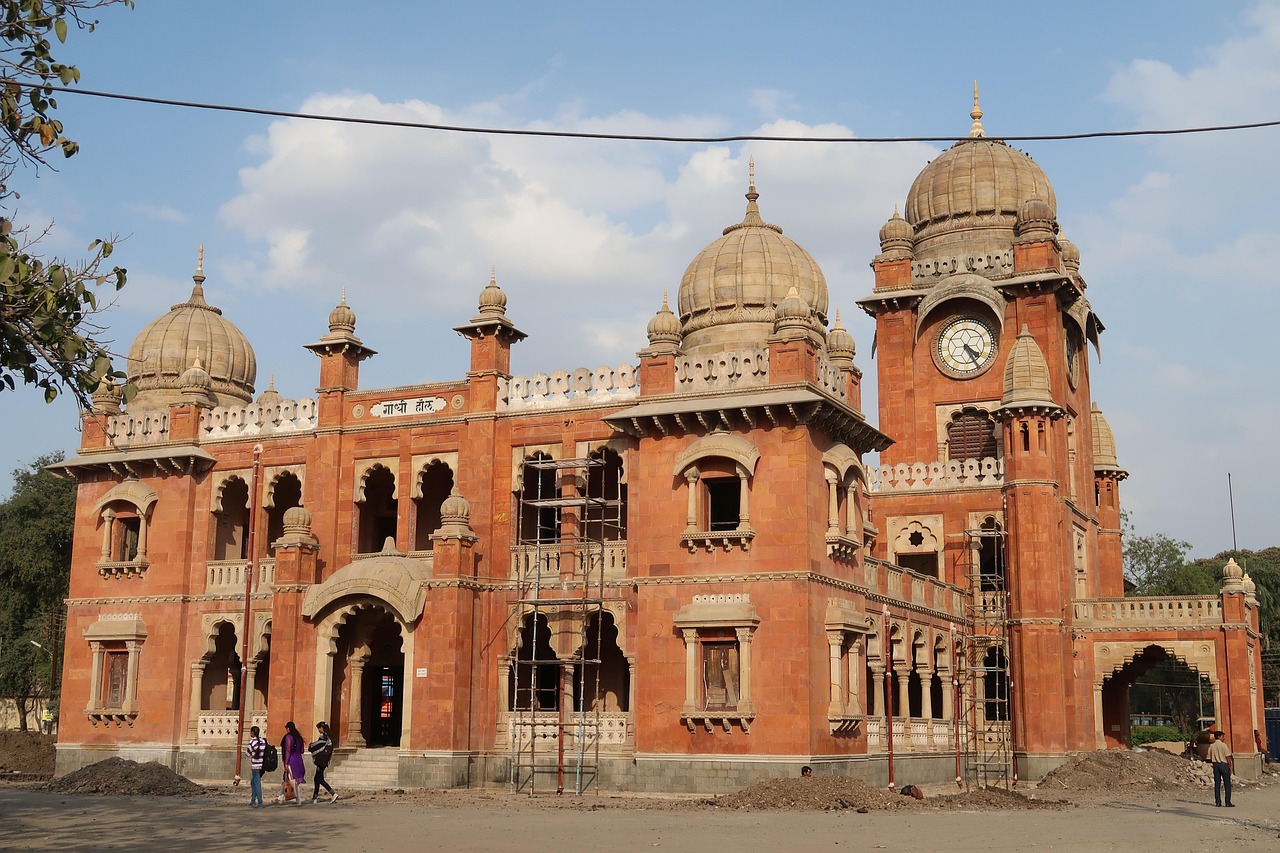
 Indore, India
The commercial capital of Madhya Pradesh and its food capital: the Holkar palaces of Rajwada and Lal Bagh, the late-night street food of Sarafa Bazaar and Chhappan Dukan, and an easy base for Mandu, Maheshwar, Omkareshwar and Ujjain.
Old city
The seven-storey gateway palace of the Holkars, about two centuries old, mixing Maratha, Mughal and French styles, facing the busy market square.
Open in Google Maps (opens in a new tab)South of the old city, on the Khan river
A grand Holkar palace of the late 19th and early 20th centuries, with European-style halls, chandeliers and gardens; its gates are modelled on Buckingham Palace.
Open in Google Maps (opens in a new tab)Behind Rajwada
The famous night food market: garadu (spiced fried yam, a winter dish), bhutte ka kees, sabudana khichdi, dahi vada, malpua, jalebi and kulfi, in a jewellers' street.
Open in Google Maps (opens in a new tab)New Palasia
A pedestrian street of "fifty-six shops" with snacks, sweets, chaat and shakes, busy from morning to night.
Open in Google Maps (opens in a new tab)Khajrana, north-east Indore
A much-loved Ganesh temple said to have been built by Ahilyabai Holkar, busy on Wednesdays.
Open in Google Maps (opens in a new tab)Itwaria Bazaar, old city
A Jain temple whose interior is covered with mirror and glass work, built in the early 20th century.
Open in Google Maps (opens in a new tab)About 90 km south-west
How to get there: By car in about 2–2.5 hours; best as a full day or with a night there.
About 90 km south, on the Narmada
Ahilyabai Holkar's capital: a fort above long ghats on the Narmada, temples and the handloom workshops that weave Maheshwari sarees.
Open in Google Maps (opens in a new tab)About 80 km south, on the Narmada
A sacred island shaped like the symbol Om, home to one of the twelve Jyotirlinga temples of Shiva, reached by bridges or boat.
Open in Google Maps (opens in a new tab)Indore, India
Indore, India
Grated young corn cooked in milk and ghee with green chilli, mustard seeds and coriander until creamy, then finished with coconut and lemon. An Indore street classic, best in the monsoon and winter corn season.
Indore, India
Wheat dough balls boiled, then baked and soaked in ghee, broken up and eaten with spiced dal, chutney and pickle. The Malwa cousin of Rajasthan's dal baati — a heavy, festive meal.
Indore, India
Pearls of tapioca (sago) tossed with peanuts, potato, cumin and green chilli. A fasting-day favourite in Madhya Pradesh and Maharashtra, eaten with curd, and a common breakfast at night markets.
Indore, India
Small sweet pancakes fried in ghee and soaked in syrup, served with rabdi (milk thickened slowly over a low flame). A temple-town sweet, found around the Mahakaleshwar temple in Ujjain and in sweet shops across Malwa.
Old city, behind Rajwada
Late-evening street food; go hungry and share plates.
Open in Google Maps (opens in a new tab)New Palasia
Breakfast poha-jalebi, chaat, sweets and snacks all day.
Open in Google Maps (opens in a new tab)North-east Indore
Modern restaurants and cafés, from Malwa thalis to international food.
Open in Google Maps (opens in a new tab)AB Road, north-east
Business and upscale hotels near malls and the main road.
Open in Google Maps (opens in a new tab)Central Indore
Budget and mid-range hotels within walking distance of Sarafa.
Open in Google Maps (opens in a new tab)West Indore
Convenient for early flights and for driving out to Ujjain or Mandu.
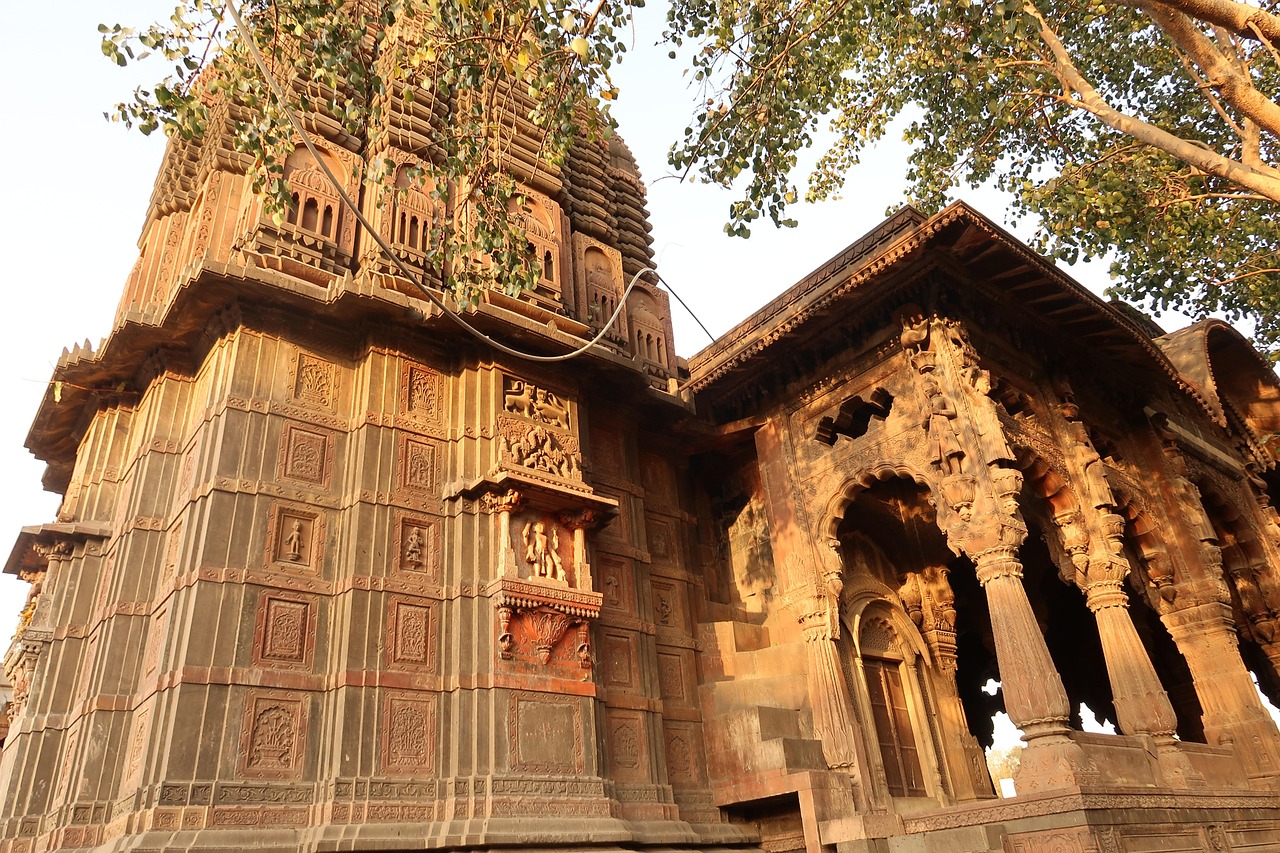
Open in Google Maps (opens in a new tab)Indore is a Malwa city through and through: Marwari and Maharashtrian merchant families, a love of food and an easy, late-night street life. The Holkar legacy runs through its temples and palaces, and Ahilyabai is honoured everywhere — her statue stands at the heart of the city and the airport bears her name.
Local crafts include Maheshwari sarees, woven on handlooms in Maheshwar, and the bagh block prints of the Dhar district. Ranga Panchami and Ganesh Chaturthi are celebrated on a big scale.
Indore grew from a trading town on the Saraswati and Khan rivers into the capital of the Holkar dynasty, Maratha rulers who controlled much of Malwa from the 18th century. Its most celebrated ruler, Ahilyabai Holkar (ruled 1767–1795), governed from Maheshwar on the Narmada and is remembered for temples, ghats and rest houses she built all over India.
The Holkars moved their capital to Indore in the early 19th century. The seven-storey Rajwada palace overlooks the old market, and Lal Bagh Palace shows the European tastes of the later rulers. Under British rule Indore was a princely state and a centre of the cotton and textile trade.
After Independence it became part of Madhya Bharat and then Madhya Pradesh. Today it is the state's largest city and a business hub, known across India for having been ranked the cleanest city in national surveys year after year.
At Chhappan Dukan or an old-city sweet shop.
Walk the old city in the morning.
The Holkar palace in the afternoon.
Evening street-food walk.
Temple island on the Narmada; stay nearby or in Maheshwar.
Fort, ghats and handloom workshops; sunset boat on the river.
Jahaz Mahal and Roopmati Pavilion, then back to Indore.
October to March for pleasant weather and the busy winter food season. April to June is hot; the monsoon brings green countryside and bhutte (corn) on every corner.
By air: Devi Ahilyabai Holkar Airport (IDR) has domestic flights from most large Indian cities and a few international routes — check current schedules. The city centre is about 20–30 minutes away.
By train: Indore Junction has express trains to Delhi, Mumbai, Bhopal and other cities; some long-distance trains use stations nearby. Ujjain is about an hour away by train or road.
By road: highways link Indore with Bhopal, Ujjain (about 1–1.5 hours), Mandu, Maheshwar and Omkareshwar, and on to Gujarat and Maharashtra. Buses leave from the Sarwate and Gangwal bus stands and the ISBT.